
 Isabel Parker
Women Who Rarely Wear Jewelry Share These 10 Traits, According to Psychology

Have you ever noticed some women skip jewelry entirely?
They walk past accessory displays without a second glance and feel perfectly complete without rings, necklaces, or bracelets.
Psychology reveals that this choice isn’t random—it often reflects deeper personality traits, values, and lifestyle preferences that shape how they see themselves and the world around them.
1. They prioritize comfort over decoration
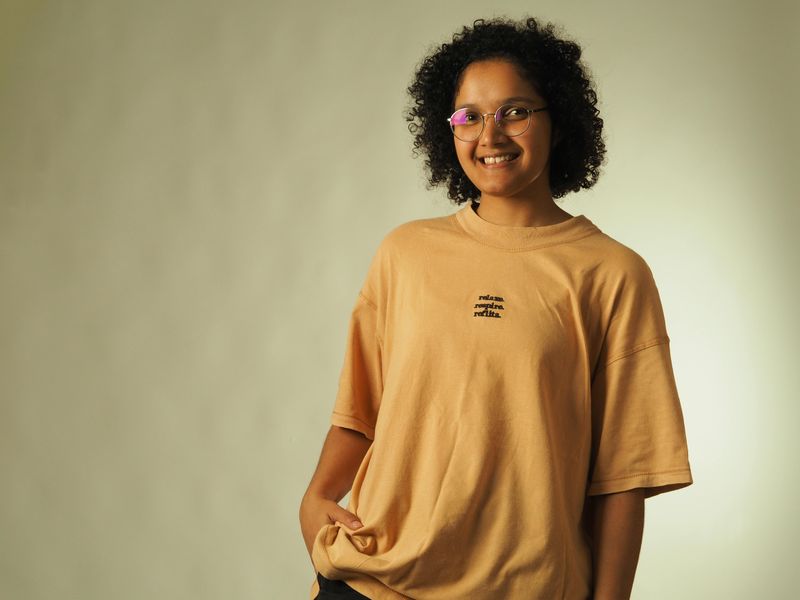
Research on clothing and accessory avoidance reveals something interesting: many people skip jewelry simply because it feels distracting or uncomfortable.
For those with higher sensory sensitivity, even lightweight pieces can become irritating throughout the day.
Think about it—rings can snag on things, necklaces can feel tight around the neck, and bracelets might jingle during quiet moments.
Women who avoid these items often report feeling more at ease without them.
This preference isn’t about fashion ignorance.
It’s about knowing what your body needs to feel good.
When comfort wins over decoration, it shows self-awareness and a refusal to sacrifice physical ease for appearances.
2. They value freedom and dislike unnecessary constraints

Psychology research links accessory avoidance with a desire for physical and mental freedom.
Even small items like rings or necklaces can feel like an unwanted burden to some women.
They describe jewelry as something that holds them back or reminds them they’re wearing something extra.
This mindset goes beyond just physical sensation.
It reflects a broader need for unrestricted movement and thought.
Women with this trait often value spontaneity and dislike feeling weighed down by anything non-essential.
Their choice to go jewelry-free becomes a form of personal liberation.
They’re not rejecting beauty—they’re choosing a different kind of freedom that feels more authentic to who they are.
3. They tend to lean toward minimalism
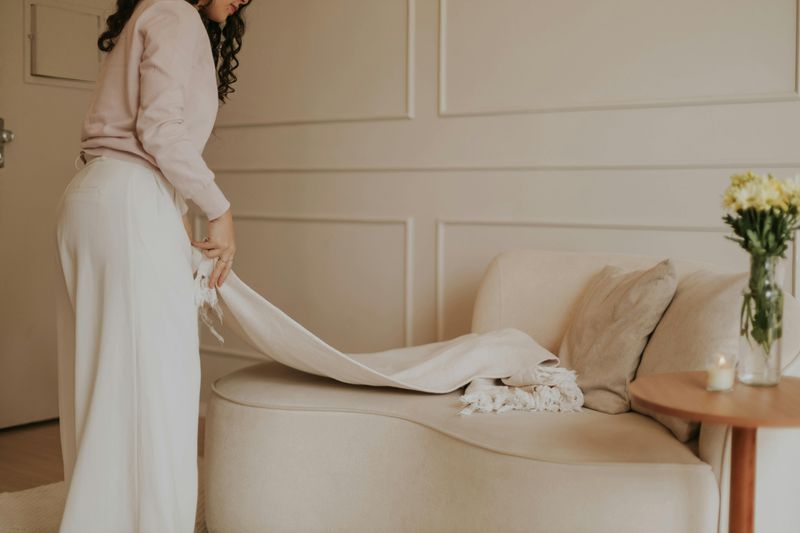
Studies on minimalist lifestyles suggest that people who embrace simplicity often reduce non-functional items.
Jewelry falls into this category—beautiful but not necessary for daily life.
Women who practice minimalism see these pieces as clutter rather than enhancement.
This approach extends beyond accessories.
Their homes, wardrobes, and schedules often reflect the same principle: keep only what serves a clear purpose. Every item must earn its place.
Minimalism isn’t about deprivation.
It’s about intentional living and finding satisfaction in less.
For these women, skipping jewelry aligns perfectly with their values of simplicity, clarity, and purposeful choices that reduce visual and mental noise.
4. They focus more on inner identity than outward symbols

Social psychology shows that people less interested in adornment often place greater importance on internal traits.
Their beliefs, actions, and character matter more than visual self-expression through accessories.
Jewelry becomes irrelevant when your identity comes from within.
These women invest energy in developing skills, relationships, and knowledge rather than curating an external image.
They’d rather be remembered for what they said or did than what they wore.
This perspective doesn’t mean they ignore appearance entirely.
Instead, they separate surface-level decoration from genuine self-worth.
Their confidence comes from accomplishments and values, not from sparkly additions that catch the light.
5. They’re usually uninterested in status signaling

Jewelry has long been associated with wealth and social status.
Research indicates that people who opt out are often less motivated by external validation or social hierarchy cues.
They don’t need visible markers to prove their worth.
Status symbols hold little appeal for these women.
They’d rather spend money on experiences, education, or practical items than on pieces meant to impress others.
Their self-esteem doesn’t depend on showing off.
This trait reflects emotional maturity and independence.
When you’re not competing for social position through appearance, you’re free to define success on your own terms.
Their bare wrists and fingers become quiet statements of self-assurance.
6. They often prefer subtle or low-key self-presentation

Personality research suggests introverted or reserved individuals are more likely to choose understated appearances.
They minimize attention-drawing accessories because they prefer blending in rather than standing out.
Jewelry can feel like a spotlight they didn’t ask for.
This preference isn’t about lacking confidence.
It’s about comfort in subtlety and a desire to be noticed for substance rather than shine.
These women often have rich inner lives that don’t need external announcement.
Their low-key presentation creates space for genuine connections.
Without flashy distractions, people engage with them directly.
This authenticity matters more to them than making a bold visual impression that feels forced or unnatural.
7. They’re comfortable going against social expectations
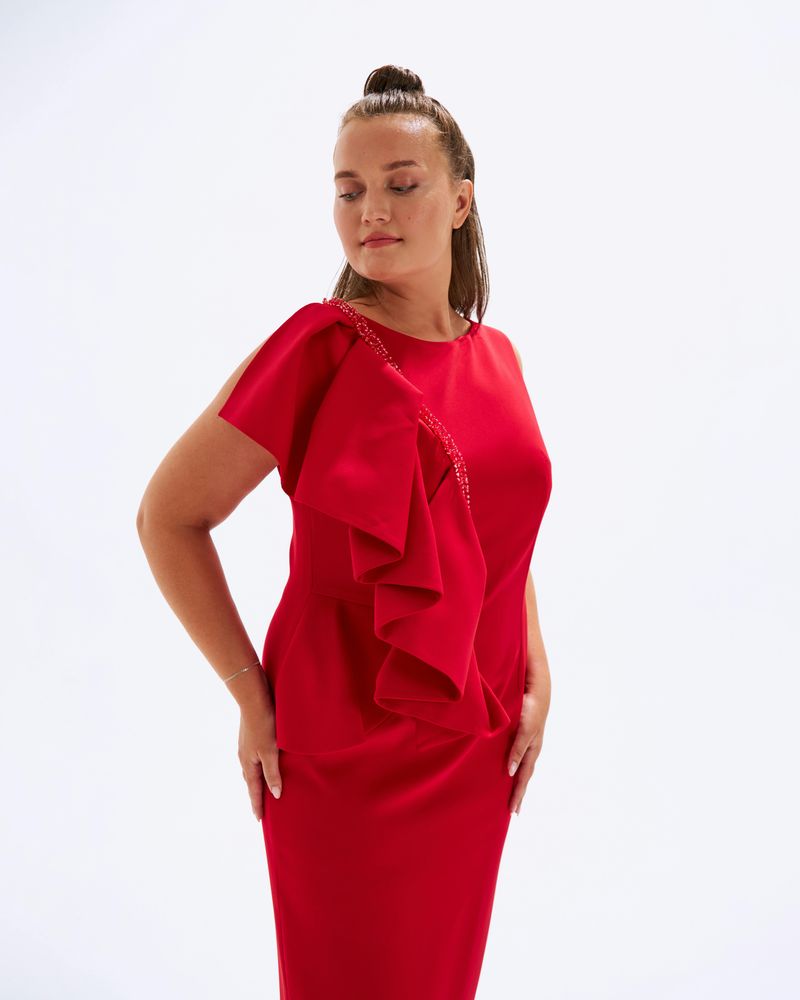
Studies on conformity show that resisting appearance norms, especially those placed on women, often reflects confidence and independence.
Society expects women to accessorize, particularly for special occasions.
Choosing not to requires self-assurance.
These women don’t feel pressure to meet traditional feminine standards.
They’re comfortable disappointing expectations if it means staying true to themselves.
This independence extends beyond fashion into how they make decisions generally.
Going against the grain takes courage.
When everyone else is adorned and you’re bare, you stand out—but for different reasons.
Their willingness to be different shows they value authenticity over acceptance and personal comfort over social approval.
8. They don’t place much importance on fashion trends

Consumer behavior research finds that people who disengage from trends tend to prioritize function, routine, and personal comfort.
Fashion cycles don’t capture their attention because they’ve developed a personal style that works regardless of what’s currently popular.
Jewelry trends change constantly—chunky chains, delicate layers, statement earrings.
These women find this exhausting and unnecessary.
They’d rather invest in quality basics that last years than chase temporary styles.
This trait saves both money and mental energy.
When you’re not worried about keeping up, you’re free to focus on things that genuinely interest you.
Their indifference to trends reflects contentment with their choices and resistance to manufactured desire.
9. They may practice simplicity as a broader lifestyle choice

Psychological studies on voluntary simplicity link reduced adornment with lower stress, fewer possessions, and greater satisfaction with less.
Skipping jewelry becomes part of a larger philosophy about what truly matters.
These women actively choose to simplify their lives.
This approach affects everything from their homes to their schedules.
They eliminate excess wherever possible, finding peace in empty spaces and uncluttered surfaces.
Jewelry represents unnecessary complication in an already busy world.
The benefits extend beyond aesthetics.
Studies show that people who embrace simplicity report higher life satisfaction and reduced anxiety.
By letting go of non-essential items, including jewelry, they create room for what genuinely enriches their lives.
10. They may be influenced by cultural or religious values

Anthropological research confirms that in many cultures, avoiding jewelry reflects deeply rooted traditions, beliefs, or spiritual principles.
For some women, going without isn’t a personal preference—it’s a practice connected to their heritage or faith.
Certain religious traditions emphasize modesty and discourage adornment as a form of spiritual discipline.
Other cultures view excessive decoration as inappropriate or disrespectful.
These women honor their backgrounds through their choices.
This trait connects them to something larger than individual taste.
Their bare appearance carries meaning that outsiders might not immediately recognize.
It’s a visible expression of invisible values that shape their identity and guide their daily decisions with purpose and intention.
Comments
Loading…