
 Mary Murphy
How People Show Dislike Without Saying a Word: 13 Signs

Sometimes the loudest messages come without a single word being spoken.
Our bodies have their own language, and they can reveal feelings we try to hide.
When someone dislikes you, they might not say it directly, but their actions, expressions, and movements tell the whole story if you know what to look for.
1. They Keep Their Eyes Anywhere But On You

Ever notice someone’s gaze darting around like they’re searching for an escape route?
When people consistently avoid looking you in the eye, it usually means they’re uncomfortable being around you.
Eye contact is how humans connect, so when someone skips it, they’re basically saying they don’t want that connection.
Think about conversations with friends versus awkward encounters.
With friends, eyes meet naturally.
But with someone who dislikes you, their eyes might focus on their phone, the floor, or literally anything else.
It’s like their brain is telling them to look anywhere but at you.
Pay attention to patterns though.
One instance might just be shyness, but repeated avoidance is a clear signal.
2. Their Arms and Legs Form a Fortress

Crossed arms and legs create a physical barrier, like building walls without bricks.
When someone sits or stands this way around you, their body is literally closing you off.
It’s a protective stance that screams discomfort or disagreement without making a sound.
Watch how people position themselves in group settings.
Someone who likes you will have an open posture, facing you directly.
But if they’re always twisted away with limbs crossed, they’re creating distance.
Their subconscious mind is trying to protect them from someone they don’t enjoy being near.
Sometimes crossed arms just mean someone’s cold or comfortable that way.
But combined with other signs, it’s a red flag worth noticing.
3. Objects Become Their Shield
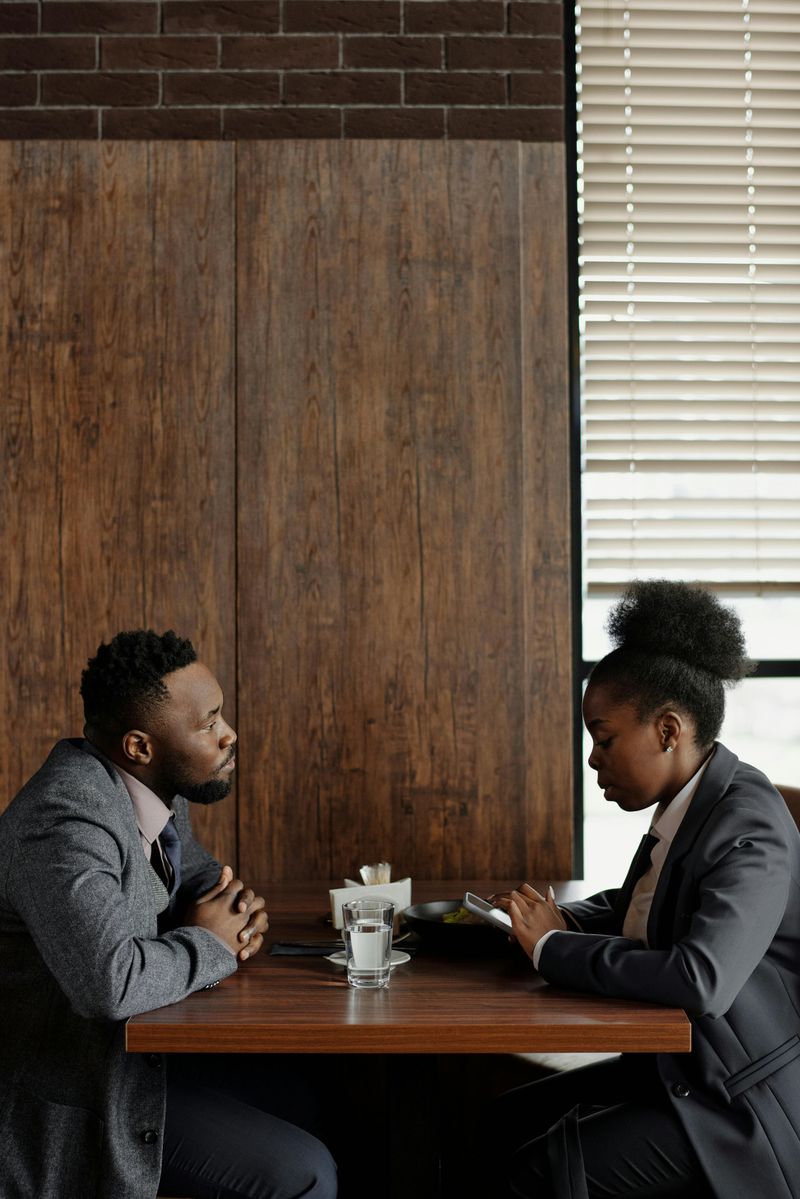
Notice how someone might suddenly position their coffee cup, laptop, or bag between you and them?
Creating physical barriers is a sneaky way people protect themselves from those they dislike.
It’s like they’re building a mini-wall to keep you at a safe emotional distance.
In meetings or casual conversations, watch what people do with objects around them.
Someone comfortable with you will move items aside to create openness.
But if they’re stacking things between you or clutching items close, their body is saying they need protection from your presence.
Even something as simple as holding a pillow or purse can become a security blanket.
The message is clear: they want something between you and them.
4. Their Smile Stops at Their Mouth

A genuine smile lights up the whole face, especially the eyes.
But when someone dislikes you, their smile might look more like a grimace in disguise.
The mouth curves up, but the eyes stay flat and emotionless, like they’re wearing a mask.
Scientists call real smiles Duchenne smiles, where tiny muscles around the eyes crinkle naturally.
Fake smiles skip this step entirely.
If someone’s giving you these hollow grins, they’re being polite but not genuine.
Their face is doing the minimum required by social rules.
Trust your gut on this one.
Real warmth feels different from politeness.
When smiles feel forced or disappear quickly, you’re probably not their favorite person.
5. Conversations Feel Like Pulling Teeth
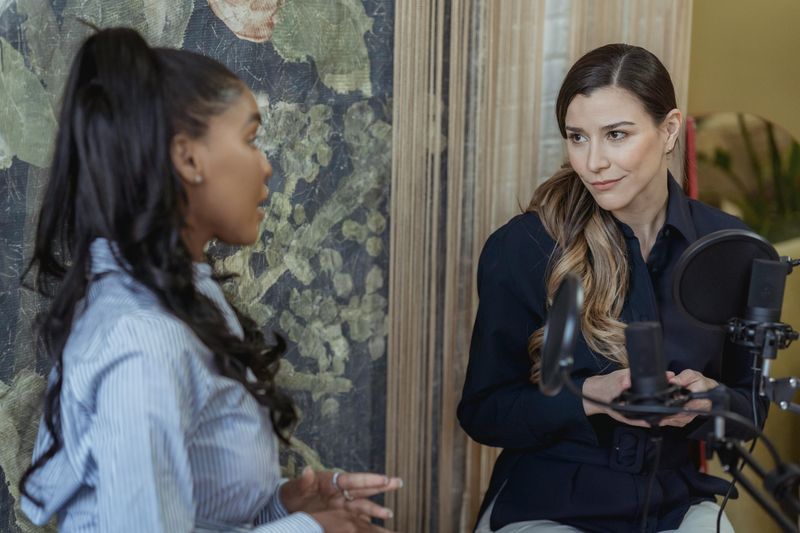
Getting one-word answers or waiting forever for replies?
When someone dislikes you, they won’t invest energy in conversations.
Their responses become super short, formal, or take ages to arrive.
It’s like talking to a robot programmed for minimal interaction.
Compare how they talk to others versus you.
Do they laugh and chat freely with everyone else but give you nothing but “yes,” “no,” or “fine”?
That’s not coincidence.
They’re keeping you at arm’s length on purpose, giving just enough to be polite but nothing more.
Communication should flow naturally between people.
When it feels like work every single time, the other person is probably hoping you’ll give up and stop trying.
6. You’re Always on the Outside Looking In

Being left out of group chats, lunch plans, or inside jokes hurts, especially when it happens repeatedly.
When people dislike someone, they quietly exclude them from social circles.
You might hear about events after they happen or notice conversations stopping when you approach.
Exclusion doesn’t always look dramatic.
Sometimes it’s subtle, like forgetting to tag you in emails or not saving you a seat.
But the pattern tells the truth: they’re creating a circle that deliberately doesn’t include you.
Everyone forgets occasionally, but consistent exclusion is intentional.
If you’re constantly the afterthought or the one who has to invite yourself, people are sending a clear message about where you stand.
7. They Talk Over You Like You’re Invisible

Interrupting someone shows a basic lack of respect for their thoughts and voice.
When people constantly cut you off mid-sentence or talk over you like you’re not even there, they’re showing they don’t value what you have to say.
Your words literally don’t matter to them.
Pay attention to who gets interrupted in conversations.
If others finish their thoughts but you always get cut off, that’s not random.
It’s a power move that puts you in a lower position.
They’re saying their words matter more than yours without actually speaking those words.
Respectful people wait their turn and acknowledge others.
Constant interrupters are showing disrespect in the most obvious way possible.
8. They Never Ask About Your Life

Genuine interest shows through questions.
When someone likes you, they ask about your day, your feelings, your plans.
But people who dislike you?
They couldn’t care less about your life story.
Conversations stay surface-level because they don’t want to know you better.
Think about the last time they asked how you were doing and actually waited for a real answer.
If you’re drawing a blank, that’s telling.
They might share their own stuff but never flip the script to learn about yours.
It’s a one-way street where your life doesn’t register on their radar.
Questions build connections.
The absence of questions shows someone has zero interest in connecting with you on any meaningful level.
9. Everything Feels Stiff and Formal

When someone keeps interactions overly professional or formal, they’re creating emotional distance.
Instead of relaxed, friendly vibes, everything feels like a business transaction.
They use your full name instead of nicknames, avoid personal topics, and keep things strictly surface-level.
Formality works as an invisible fence.
By staying super proper and professional, they avoid getting close to you.
There’s no warmth, no casual jokes, no letting their guard down.
Every interaction follows strict social rules without any personal connection breaking through.
Relaxed relationships have natural warmth and informality.
When someone maintains rigid boundaries with you but not others, they’re deliberately keeping you at a distance for a reason.
10. Quick Flashes of Annoyance Cross Their Face

Microexpressions are tiny facial movements that last less than a second, but they reveal true feelings.
An eye roll, a quick lip tighten, or a brief grimace can flash across someone’s face before they control it.
These split-second reactions are honest responses their brain makes before politeness takes over.
You might catch these expressions and question if you really saw them.
Trust yourself.
That eye roll happened, even if it was lightning-fast.
That lip curl was real, even though they covered it with a smile immediately after.
Their face is telling the truth their words won’t say.
Learning to spot microexpressions takes practice, but they’re incredibly accurate indicators of hidden feelings and true opinions.
11. Their Body Leans Away From You

Body orientation reveals comfort levels better than words ever could.
When someone likes you, they lean in, getting closer to hear better and engage more.
But when they dislike you, their body does the opposite, leaning back or turning away to maximize distance.
Watch where people’s torsos and feet point during conversations.
Feet especially are honest because people rarely think about controlling them.
If someone’s feet point toward the exit or away from you while talking, their body wants to leave even if they’re being polite with words.
Physical withdrawal happens automatically when our brains detect people we want to avoid.
It’s a primal response that’s hard to fake or hide completely.
12. They Don’t Copy Your Movements
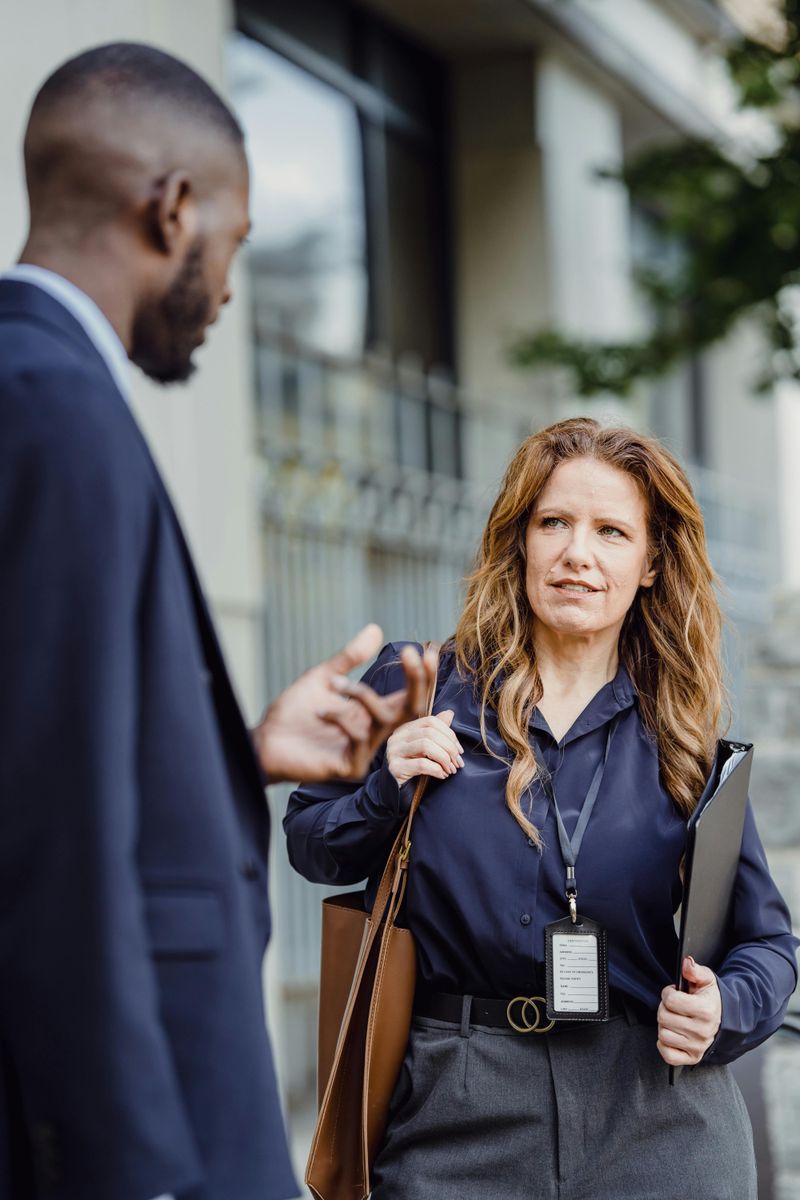
Mirroring is when people unconsciously copy each other’s gestures, postures, and movements.
It happens naturally between friends and people who connect well.
But when someone dislikes you, this mirroring disappears completely.
They won’t match your energy or movements because their brain doesn’t want to sync with yours.
Notice in group settings who mirrors whom.
Friends will cross their legs at the same time, pick up drinks together, or match each other’s speaking pace.
With someone who dislikes you, this synchronization never happens.
Their body language stays completely independent from yours.
Lack of mirroring shows a lack of rapport.
When bodies don’t sync up, minds and feelings aren’t connecting either.
13. They Keep Maximum Distance Between You
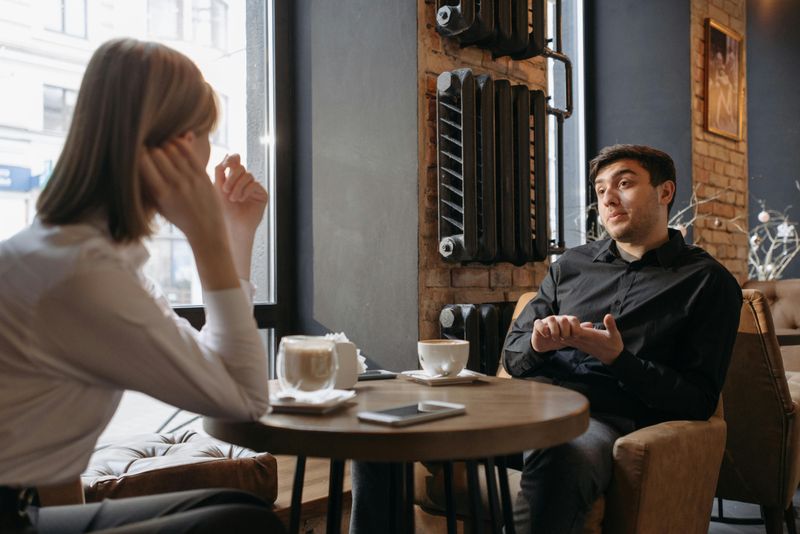
Personal space preferences vary, but consistent distance-keeping sends a message.
When someone always stands at the far end of the room, takes seats away from you, or steps back when you approach, they’re using physical space to show emotional distance.
Everyone has a comfort bubble, usually closer for friends and farther for strangers.
If someone treats you like a stranger even after knowing you awhile, maintaining maximum distance at all times, they’re showing dislike through spacing.
They literally don’t want you in their bubble.
Distance creates safety for people around those they dislike.
The more space they keep, the less they have to interact or pretend to enjoy your company.
Comments
Loading…