
 Harper Hall
17 Easy Travel Hacks That Save Time, Money, and Headaches

Travel is supposed to feel exciting, not like a string of little problems you didn’t see coming.
Yet one overpriced airport snack, one dead phone battery, or one suitcase that turns into a wrinkled mess can turn “vacation mode” into “why did I do this?” mode fast.
The good news is you don’t need a fancy travel setup—or a massive budget—to make your next trip smoother.
A few small habits can help you spend less, pack smarter, stay more comfortable, and avoid the annoying mistakes that cost both time and money.
The hacks below are designed for real life: busy schedules, tight carry-ons, unpredictable airports, and destinations where you might not have perfect Wi-Fi.
Use a few or use them all, and you’ll feel more prepared the moment you leave home.
1. Book flights in an incognito window to avoid price jumps tied to browsing history.

Airline and travel sites can feel like they’re “watching” you, especially when prices seem to creep up after a few searches.
Opening an incognito or private browsing window helps you shop with a cleaner slate by reducing the influence of stored cookies and site data.
Even when the price doesn’t change, it keeps your search process consistent, which matters when you’re comparing multiple routes or dates.
For the best results, try searching the same flight on two devices or browsers and note any differences before you buy.
Also, avoid repeatedly refreshing one exact itinerary for days; instead, check once or twice daily and keep your notes in one place.
It’s a small step, but it encourages smarter decisions instead of panic-booking.
2. Set fare alerts (Google Flights/Hopper/Skyscanner) and buy when you see a dip.

Prices rarely stay still, and watching them manually is exhausting.
Fare alerts do the monitoring for you by sending updates when a flight price drops, rises, or hits a range you choose.
Google Flights is popular for its clean tracking, while apps like Hopper and Skyscanner can also help you keep an eye on multiple routes.
Start by tracking a few date combinations instead of obsessing over one perfect itinerary, because flexibility is where the savings usually hide.
When you get an alert, don’t automatically buy the second you see a drop; compare the same route on the airline’s website, since direct booking can make changes easier later.
This approach removes a lot of stress while making it more likely you’ll snag a good deal.
3. Fly on “off” days (Tuesday/Wednesday/Saturday) for cheaper tickets most of the time.
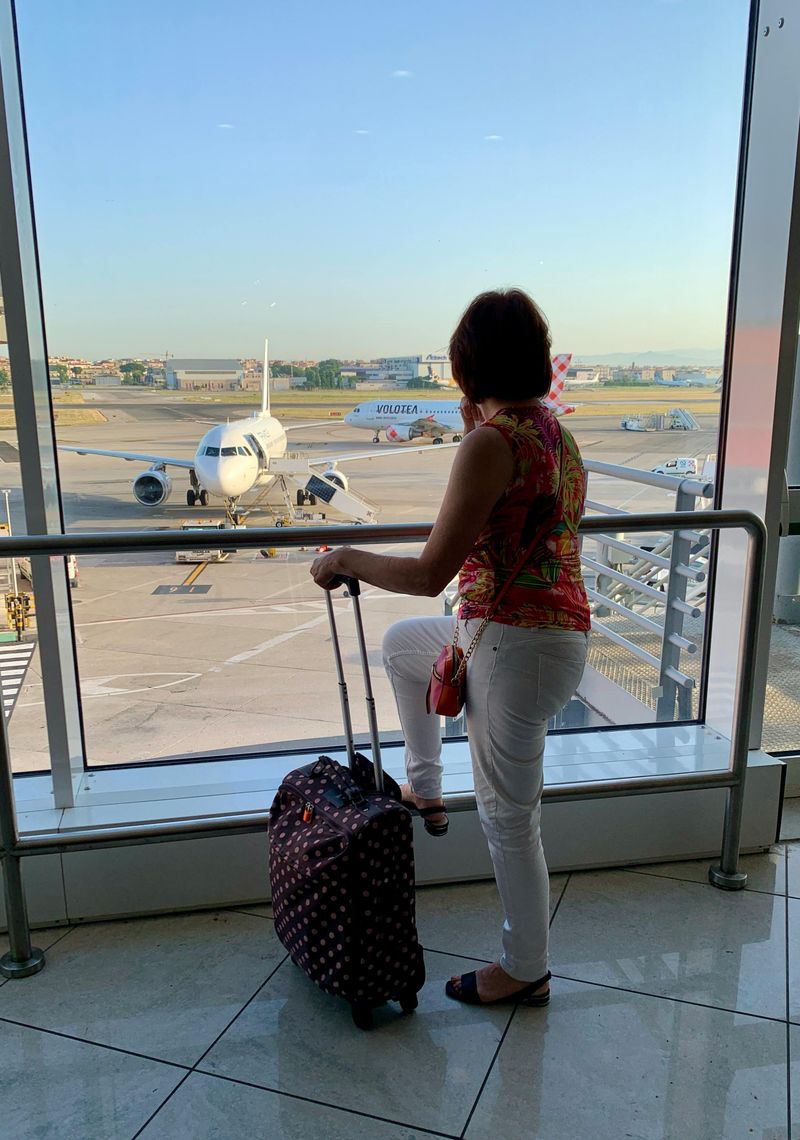
Many travelers instinctively leave on Fridays and return on Sundays, which is exactly why those flights often cost more.
Choosing midweek departure and return dates can open up lower fares and sometimes even less-crowded airports.
If your schedule allows it, experiment with leaving on a Tuesday or Wednesday and coming back on a Thursday or Saturday.
The savings can be meaningful, especially for domestic routes and short-haul international trips.
Beyond price, you may also get shorter security lines and less competition for overhead bin space, which can make the whole experience calmer.
Even if you can’t shift your whole trip, changing just one leg can help.
A single-day adjustment is often the easiest “budget upgrade” you can make.
4. Pack with the “3-2-1” rule: 3 tops, 2 bottoms, 1 jacket—mix-and-match outfits only.
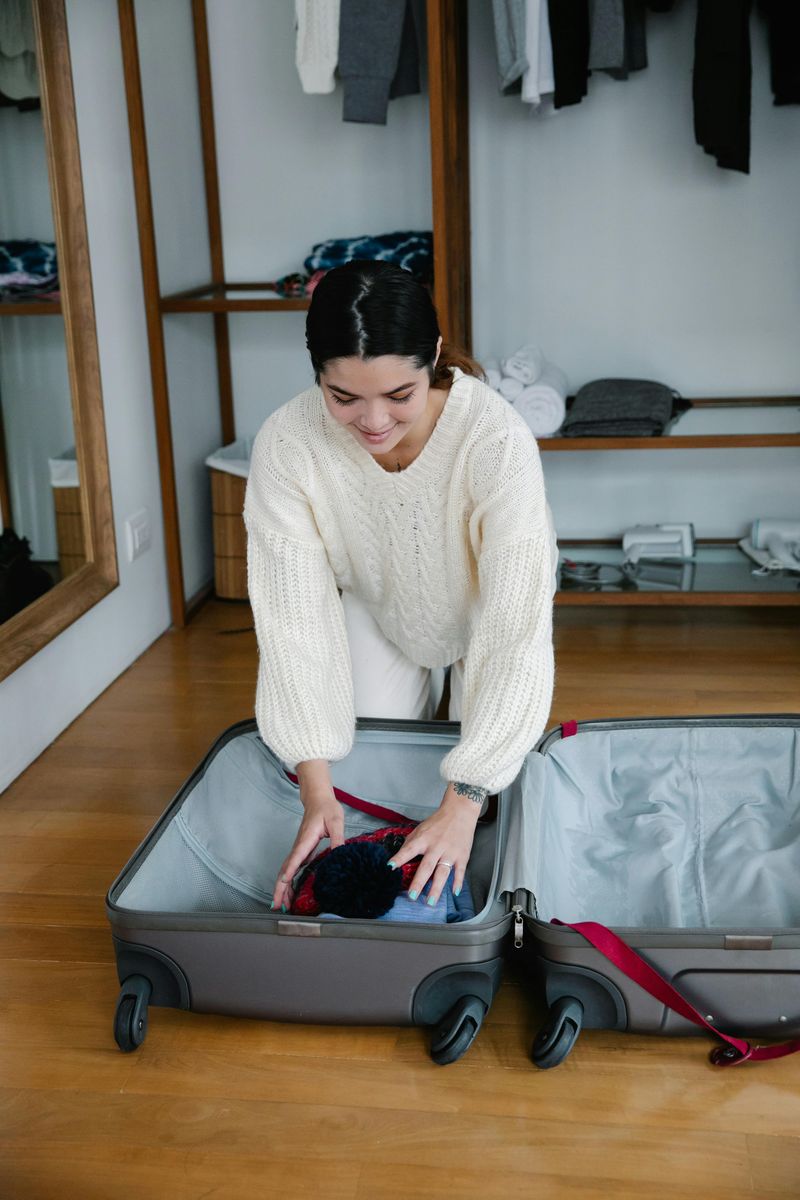
Overpacking usually happens when you pack “just in case” instead of packing a plan.
A simple way to stay disciplined is the 3-2-1 method: three tops, two bottoms, and one layering piece that works with everything.
You can adjust based on weather, but the concept stays the same—choose items that combine into several outfits without extra bulk.
Neutral colors help, and so do fabrics that don’t wrinkle easily.
Before you zip your bag, lay the pieces out and make sure each top works with each bottom, because that’s where the magic happens.
If something only matches one outfit, it’s usually not worth the space.
This hack keeps luggage lighter, reduces decision fatigue, and makes it easier to rewear items confidently.
5. Roll clothes and use packing cubes to save space and stay organized.
Suitcases turn chaotic quickly, especially when you’re moving from place to place.
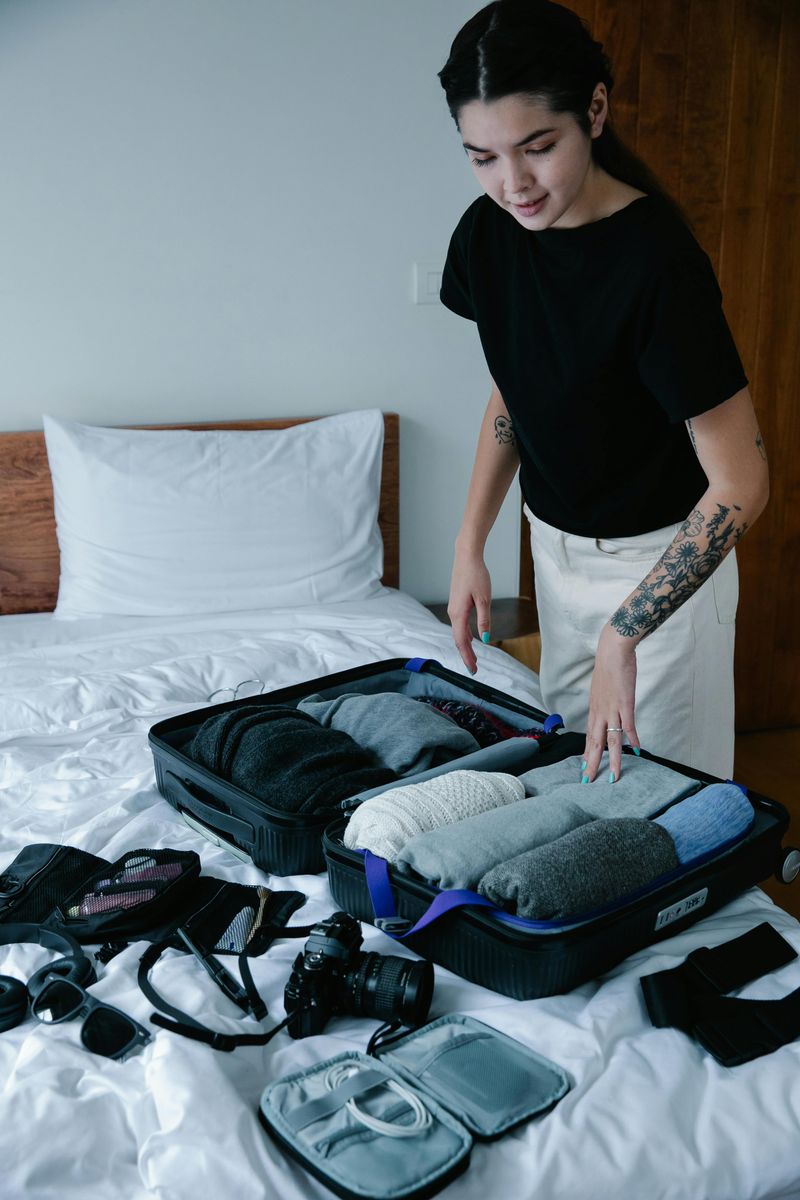
Rolling your clothes helps reduce wrinkles and makes it easier to see what you packed, while packing cubes keep categories separated so you’re not digging through everything for one item.
Try dedicating one cube to tops, another to bottoms, and a smaller one to underwear and socks, then keep a separate pouch for chargers and toiletries.
The benefit isn’t just saving space; it’s also protecting your sanity when you’re packing and unpacking in a hurry.
If you’re sharing a suitcase with a partner or child, cubes prevent the classic “everything blended together” problem.
Once you try this system, it’s hard to go back, because it makes your bag feel like a neat set of drawers.
6. Bring a power strip so one outlet charges everything (and you’re the hero of the room).
Hotel rooms and airport gates never seem to have enough outlets in convenient places, especially if you’re traveling with more than one person.
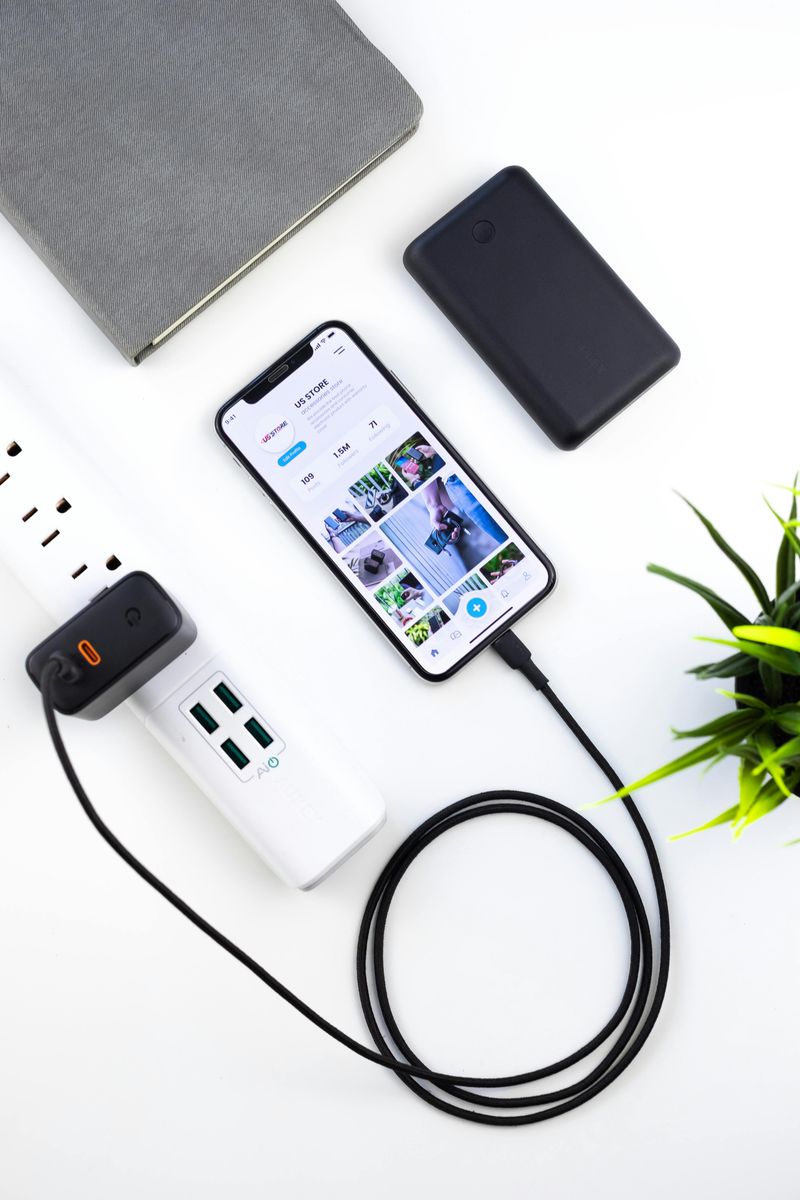
Tossing a compact power strip into your bag solves the problem instantly, because it turns a single wall outlet into a charging station for phones, watches, tablets, and portable batteries.
It also helps when outlets are hidden behind furniture or placed awkwardly far from the bed.
If you’re traveling internationally, pair it with the correct plug adapter, since a power strip doesn’t replace the need for the right prongs.
This small item can prevent the nightly “who gets to charge first” argument and keep your devices ready for maps, tickets, and photos.
It’s one of those low-cost additions that improves the whole trip.
7. Download offline maps (Google Maps) before you land—especially for international trips.
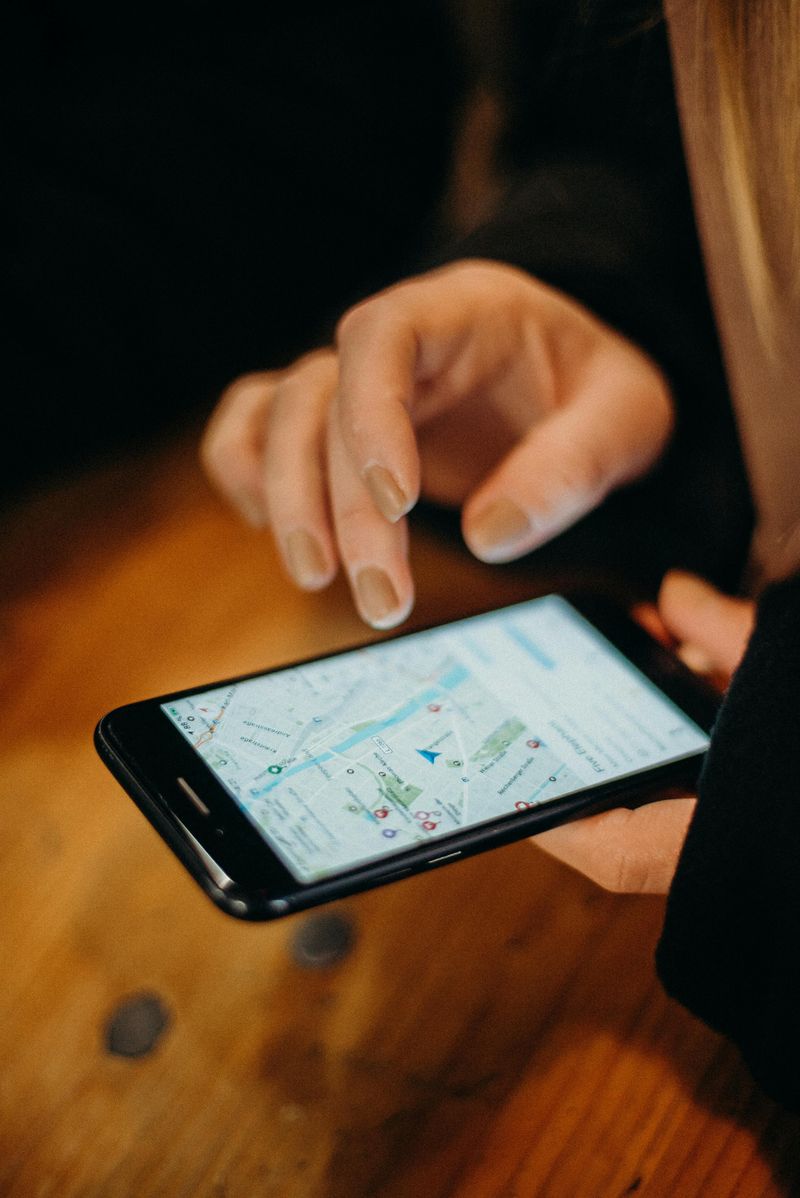
Depending on Wi-Fi or cell service the moment you arrive is risky, especially if you’re tired, hungry, and trying to find transportation.
Saving offline maps ahead of time gives you a built-in backup, so you can navigate even if your data plan is slow, expensive, or not working at all.
In Google Maps, you can download a city or region and still search basic locations, follow your position, and plan routes.
It’s smart to save your hotel, the airport, and a few key places like train stations or major landmarks.
Doing this before you leave home also helps you notice how far things are from each other, which can prevent expensive last-minute rides.
The goal is simple: arrive feeling in control rather than scrambling.
8. Screenshot confirmations + addresses in case your email/app won’t load without service.

Apps and email are convenient until you’re standing in a foreign airport with no service, trying to load a reservation that won’t open.
Saving screenshots of your booking confirmations, boarding passes (when allowed), hotel addresses, and key contact numbers gives you a reliable backup that doesn’t depend on Wi-Fi.
Keep these images in a dedicated album on your phone so you can find them quickly, and consider saving a copy to a travel companion’s phone as well.
It’s also helpful to screenshot directions from the airport to your lodging, since that’s when you’re most likely to need guidance.
This hack doesn’t take long, but it can save you from stress, wasted time, and expensive mistakes like getting dropped at the wrong location.
Think of it as insurance you’ll be happy to have.
9. Use a zippered pillowcase or tote as a “laundry bag” to separate dirty clothes fast.

Dirty clothes have a way of migrating into everything, especially on longer trips where you’re re-packing multiple times.
Bringing a lightweight pillowcase or foldable tote creates an instant “laundry zone” that keeps worn items separate from clean ones.
It also makes it easier to unpack when you get home, because you can carry that bag straight to the laundry instead of sorting through your suitcase.
If you’re staying somewhere with a washer, your laundry bag becomes your transport container, which is oddly satisfying when everything stays contained.
Choose a zippered tote if you want to control odors, or add a small dryer sheet to keep things fresh.
This is one of those simple tricks that makes your suitcase feel cleaner and more organized without adding meaningful weight.
10. Pack a mini capsule of meds (pain reliever, allergy meds, Band-Aids, blister pads).
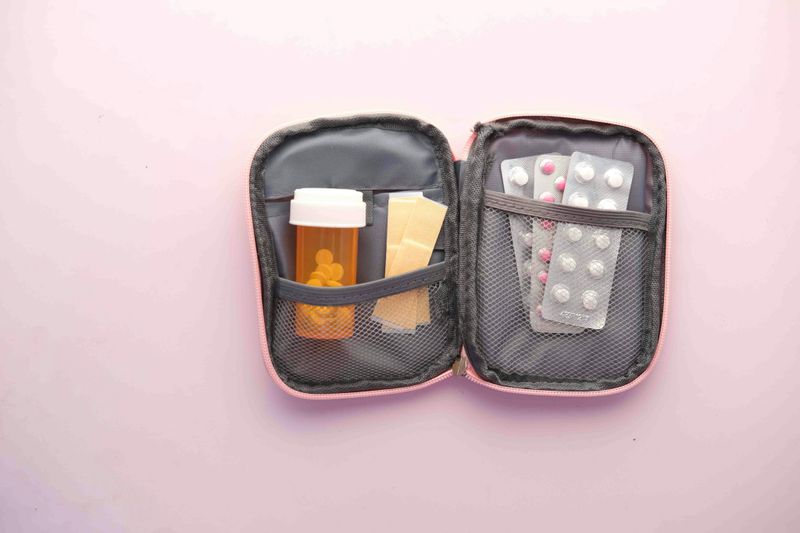
Small health annoyances become big problems when you’re away from home and don’t know where to shop.
A tiny travel med kit can cover the most common issues—headaches, allergies, blisters, minor cuts, stomach discomfort—without taking up much space.
You don’t need to bring an entire pharmacy; a few single-dose packets or a small pill organizer usually does the trick.
Add bandages, blister pads, and a couple of alcohol wipes, especially if you’ll be walking a lot.
If you take prescription medication, keep it in your carry-on and bring extra in case of delays.
This hack is about comfort and prevention, not paranoia.
When something hits at midnight or mid-flight, you’ll be glad you packed it, and you may avoid paying inflated tourist prices for basics.
11. Wear your bulkiest items on the plane to avoid overweight luggage fees.
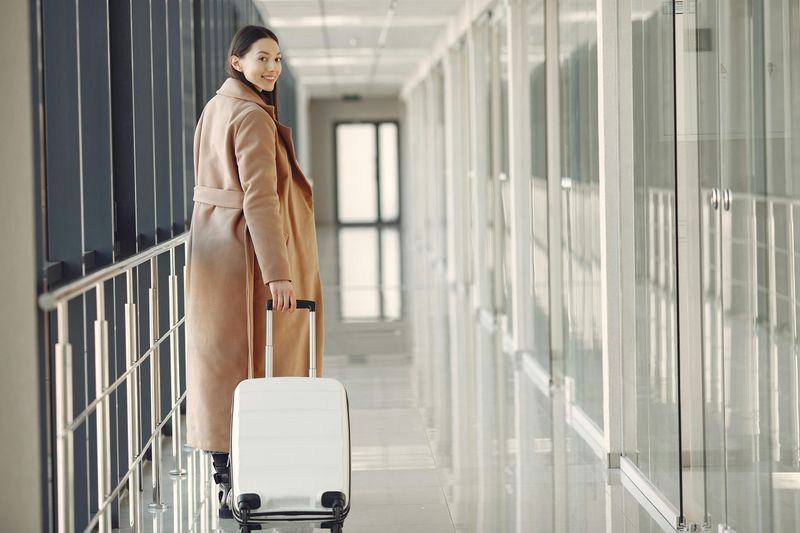
Luggage weight limits can feel like a game you didn’t agree to play, and bulky items are often what push you over.
Wearing your heaviest shoes, thickest jacket, or chunkiest sweater during travel can free up space and reduce the chance of paying extra baggage fees.
Even if you get warm, you can usually take a layer off once you’re seated and use it as a blanket.
If you’re bringing boots or a heavy coat for a cold destination, this trick becomes even more helpful.
The key is comfort: choose items you can actually tolerate wearing through security and sitting in for a while.
When done right, it’s a practical way to stretch carry-on space without sacrificing what you need at your destination.
12. Bring an empty water bottle and fill it after security to save money (and stay hydrated).

Airport drinks are expensive, and dehydration makes travel feel worse than it needs to.
Carrying an empty reusable bottle through security lets you fill up once you’re inside, which saves money and helps you feel better during flights and long travel days.
Many airports now have bottle-filling stations, and even when they don’t, a regular water fountain works fine.
If you prefer cold water, fill it partially and add ice if available near food courts.
For destinations where tap water isn’t safe, this hack still helps—just fill it with bottled water after security instead of buying multiple single-use bottles throughout the day.
It’s a small habit that adds up over a trip, and it reduces the temptation to pay $6 for a plastic bottle you’ll finish in five minutes.
13. Use a carry-on “essentials pouch” (chapstick, sanitizer, gum, pen, earbuds) so you’re not digging.
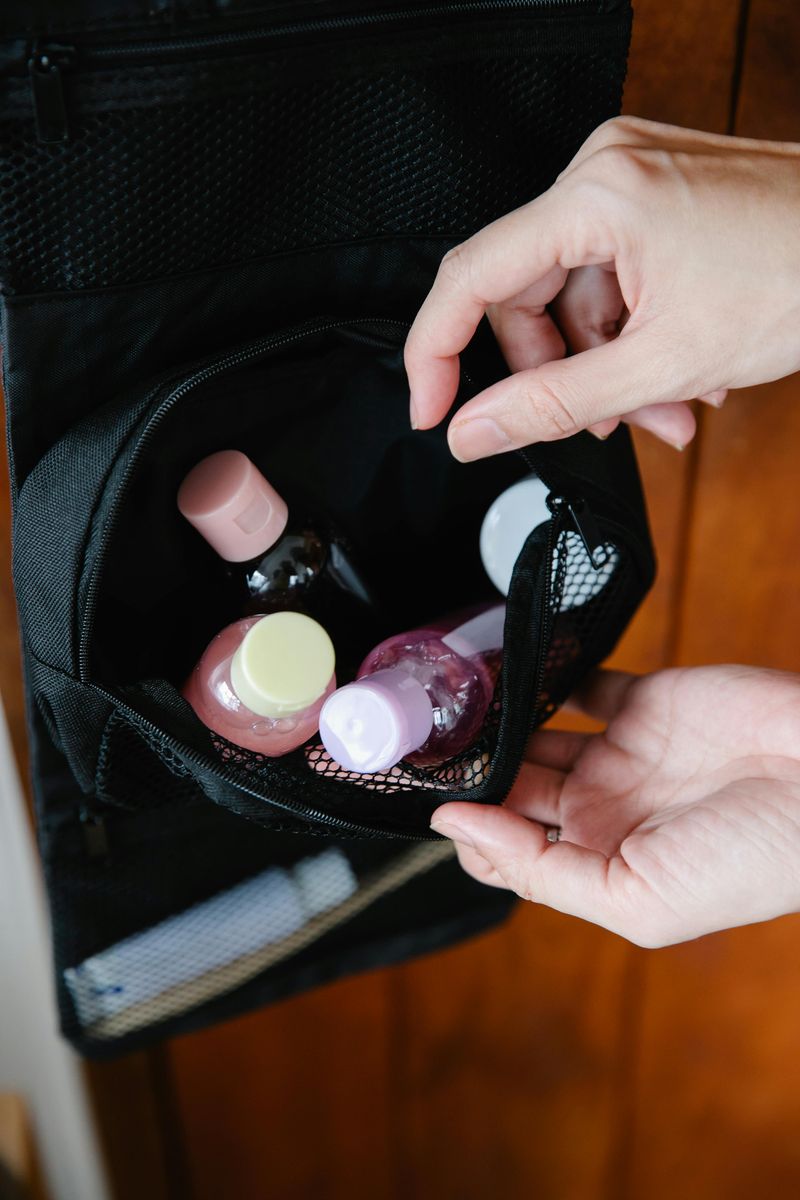
The worst time to rummage through your bag is when you’re holding up a security line or trying to find something in a cramped airplane seat.
Keeping a small essentials pouch makes everything easier because the items you reach for constantly—lip balm, hand sanitizer, gum, a pen, pain reliever, earbuds, and charging cables—live in one place.
You can pull it out quickly at security, slide it into the seatback pocket, or grab it during layovers without unpacking your whole carry-on.
This also helps you stay organized when you switch bags, since you’re not re-collecting loose items each time.
If you travel often, it’s worth keeping the pouch stocked permanently.
It’s a simple system, but it makes you feel more put-together instantly.
14. Take photos of your luggage + contents for lost-bag claims and easier descriptions.
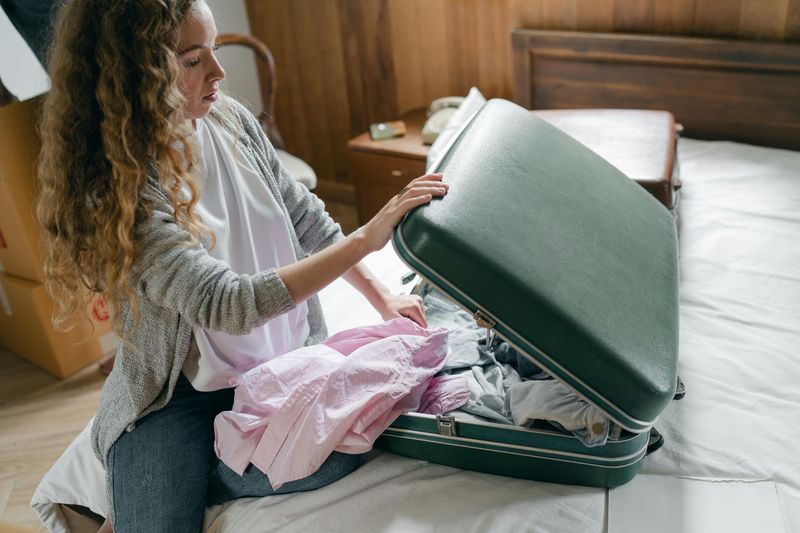
If your bag goes missing, you’ll be asked to describe it, and “black suitcase” isn’t exactly helpful when half the plane has the same one.
Taking a quick photo of your luggage—front, back, and any identifying features—makes reporting much easier.
It’s also smart to snap a picture of the contents before you close it, especially if you’re packing anything valuable or brand-name items.
Should you need to file a claim, those images can help you remember what you brought and provide proof of ownership.
This hack takes less than a minute and can save you from a frustrating guessing game later.
It also nudges you to pack more intentionally, because seeing your items laid out can reveal what’s unnecessary before it’s too late.
15. Check local grocery stores for cheap snacks, breakfast, and bottled drinks.
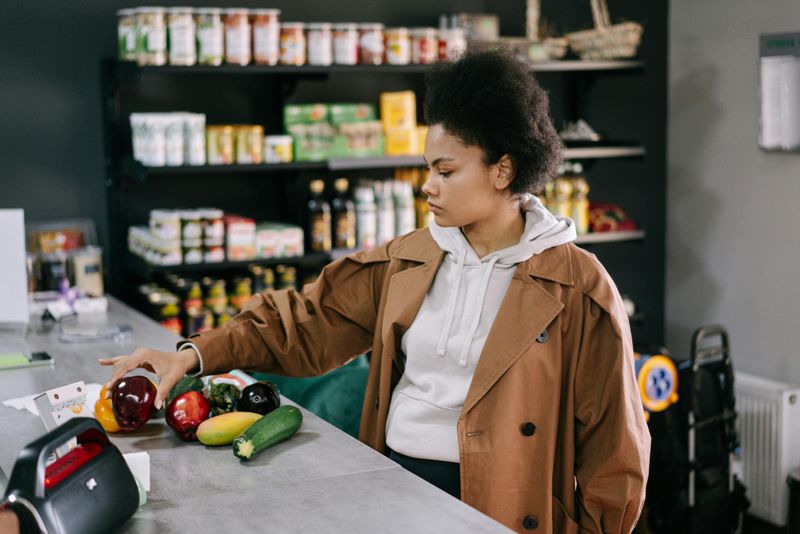
Eating every meal at restaurants gets expensive fast, and it also leaves you at the mercy of tourist pricing.
Visiting a local grocery store early in your trip can cut costs immediately by giving you affordable breakfast options, snacks, and drinks.
Even simple items like yogurt, fruit, granola bars, and sandwich supplies can keep you full between activities, which reduces impulse spending when hunger hits.
Many grocery stores also have ready-made meals that cost far less than dining out, and they’re great for nights when you’re tired but still want something decent.
If you’re traveling with kids, this hack is even more powerful because it prevents constant snack purchases.
Bonus: browsing local supermarkets is a fun way to see everyday culture without paying attraction prices.
16. Book hotels with free breakfast or kitchenettes to cut food costs immediately.

Food is one of the easiest travel budgets to blow, especially when every morning starts with a $20 café stop.
Booking a hotel that includes breakfast, or an apartment-style stay with a kitchenette, can dramatically lower daily costs without making your trip feel “cheap.”
Free breakfast doesn’t have to be fancy to be useful; even basic options like eggs, toast, fruit, and coffee can carry you through until lunch.
If you have a fridge and a microwave, you can store leftovers, chill drinks, and prep simple meals that save both money and time.
This matters most in high-cost cities, where a few meals can rival the price of an extra night.
A small lodging upgrade can actually be a budget win when it reduces constant food spending.
17. Plan one “anchor” activity per day and leave the rest flexible (prevents overspending + burnout).
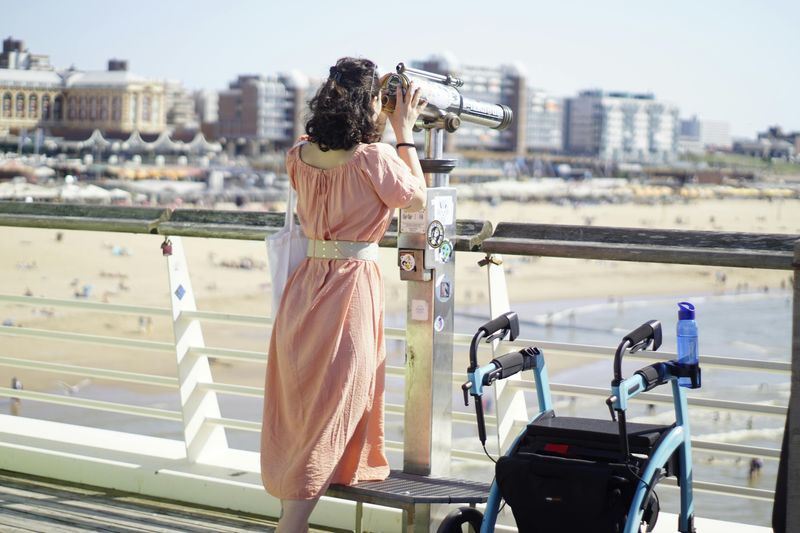
Trying to schedule every hour of your trip often leads to rushing, overspending, and disappointment when something inevitably changes.
A calmer approach is to choose one main “anchor” plan per day—like a museum visit, a tour, or a special dinner—and leave the rest open for wandering, rest, and spontaneous finds.
This structure helps you feel productive without turning the trip into a checklist.
It also protects your budget, because an overstuffed itinerary tends to create expensive “fixes,” such as last-minute taxis or grabbing overpriced food because you have no time.
Keeping your schedule lighter makes it easier to say yes to the unexpected: a recommendation from a local, a cute shop you stumble into, or a view you want to enjoy longer.
The trip becomes more enjoyable and less stressful.
Comments
Loading…