
 Jade Reed
10 Classic ’80s TV Shows That Started Strong and Ended Strangely
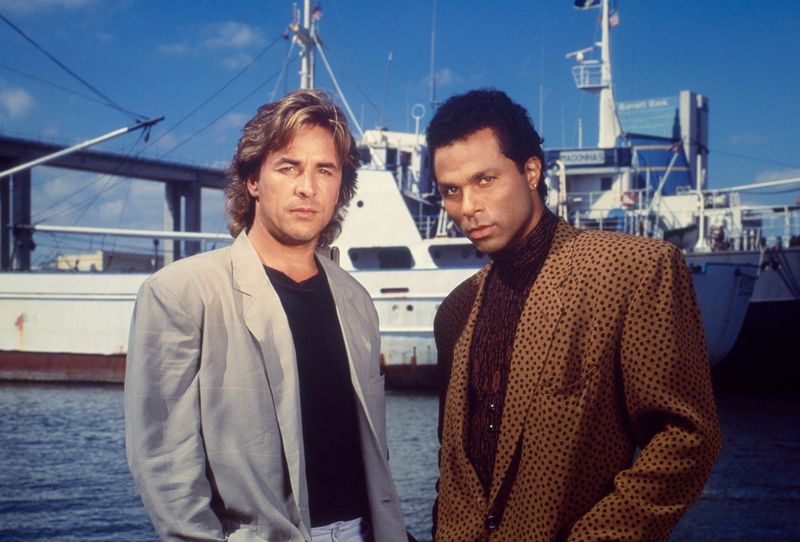
The 1980s gave us some of television’s most memorable shows.
Flashy crime dramas, witty detective series, and quirky sitcoms captured millions of viewers every week.
But not every hit show maintained its magic until the final credits rolled, and some beloved programs took bizarre turns that left fans scratching their heads in confusion.
1. Moonlighting (1985–1989)
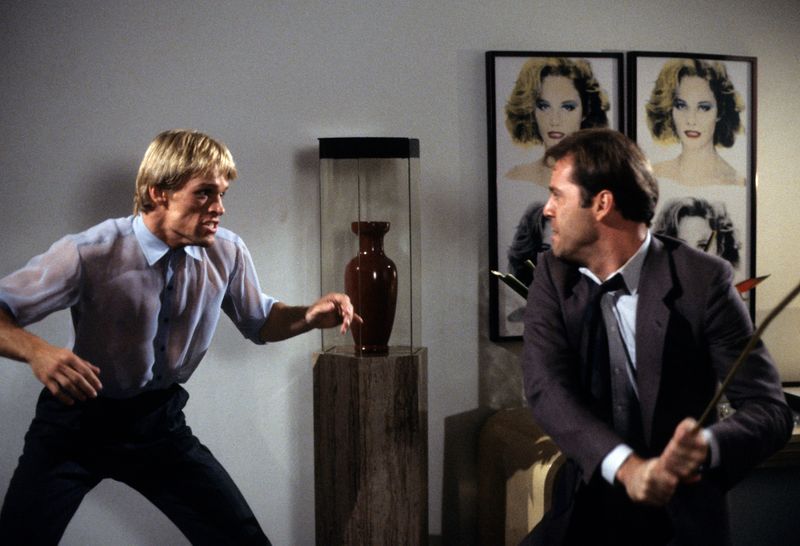
Bruce Willis and Cybill Shepherd brought incredible chemistry to this detective comedy that broke all the rules.
The show cleverly talked directly to viewers, mixed genres fearlessly, and made waiting for the leads to get together half the fun.
Everyone tuned in weekly to see the sparks fly between Maddie and David.
Behind the scenes, things weren’t so charming.
The stars reportedly couldn’t stand each other, leading to separate filming schedules and fewer shared scenes.
Production delays mounted as the show tried increasingly gimmicky episodes to mask the growing problems.
By the final season, the magic had completely vanished.
The will-they-won’t-they tension that made the show special was gone, replaced by desperate storytelling tricks that felt hollow and forced.
2. Dynasty (1981–1989)
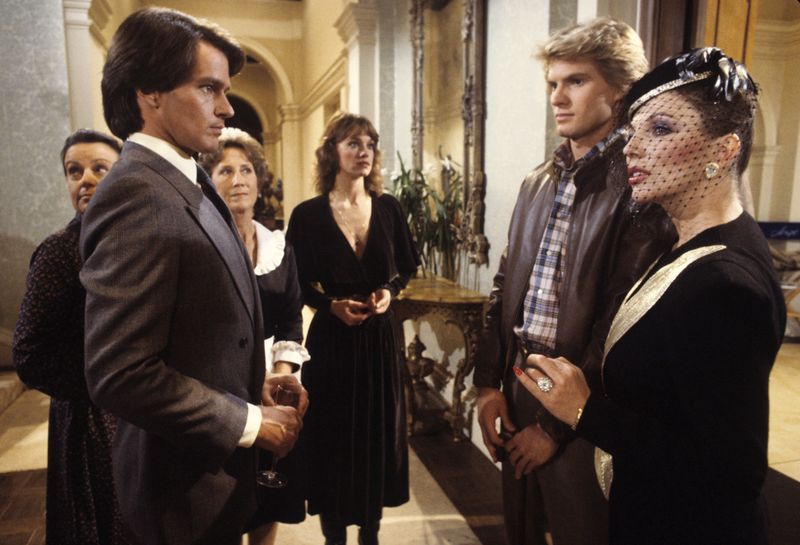
Shoulder pads, catfights, and more wealth than anyone could imagine made Dynasty the ultimate guilty pleasure.
Joan Collins as Alexis Carrington delivered deliciously evil performances that kept viewers hooked.
The Carrington family drama was addictive television at its finest, with betrayals and power plays in every episode.
Somewhere along the way, the writers apparently ran out of realistic plot ideas.
Characters developed sudden amnesia, discovered secret twins, and faced increasingly ridiculous obstacles.
One storyline even involved a UFO abduction that left longtime fans wondering if they’d accidentally changed channels.
The final seasons felt like a completely different show.
What started as sophisticated adult drama devolved into cartoonish nonsense that respected neither its characters nor its audience.
3. Miami Vice (1984–1989)
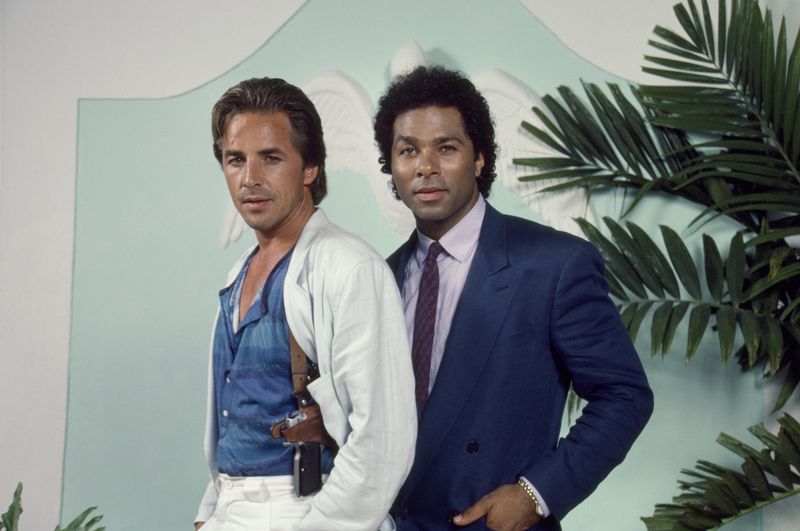
Pastel suits, synthesizer music, and Don Johnson’s stubble defined cool in the mid-’80s.
Miami Vice revolutionized television by making style as important as substance, with cinematography that belonged in movie theaters.
Crockett and Tubbs chasing drug dealers through neon-lit streets became must-see TV every Friday night.
As seasons progressed, the show became obsessed with looking cool at the expense of telling good stories.
Plots grew increasingly convoluted and weird, with characters making decisions that made no sense.
The style that once enhanced the storytelling eventually suffocated it completely.
Later episodes felt more like music videos than coherent drama.
The show forgot what made it special in the first place, leaving viewers with pretty pictures but empty stories.
4. Knight Rider (1982–1986)
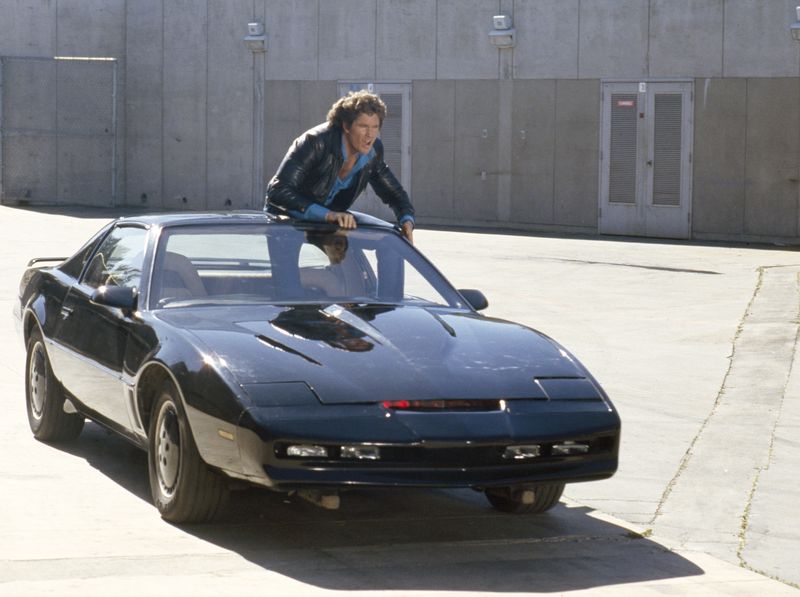
A talking car named KITT and David Hasselhoff fighting crime captured kids’ imaginations everywhere.
The concept was pure genius: a high-tech vehicle with artificial intelligence helping its driver save the day.
Michael Knight and his nearly indestructible Pontiac Trans Am faced off against criminals with style and wit.
Success led to a predictable formula that the show followed religiously.
Every episode featured the same basic structure, with increasingly cartoonish villains and ridiculous situations.
KITT gained new features that felt more like toy commercial tie-ins than organic story developments.
The show’s final season was particularly rough.
Creative storytelling gave way to repetitive plots that even young viewers could predict.
What began as innovative television ended as a tired formula desperately trying to sell merchandise.
5. The A-Team (1983–1987)
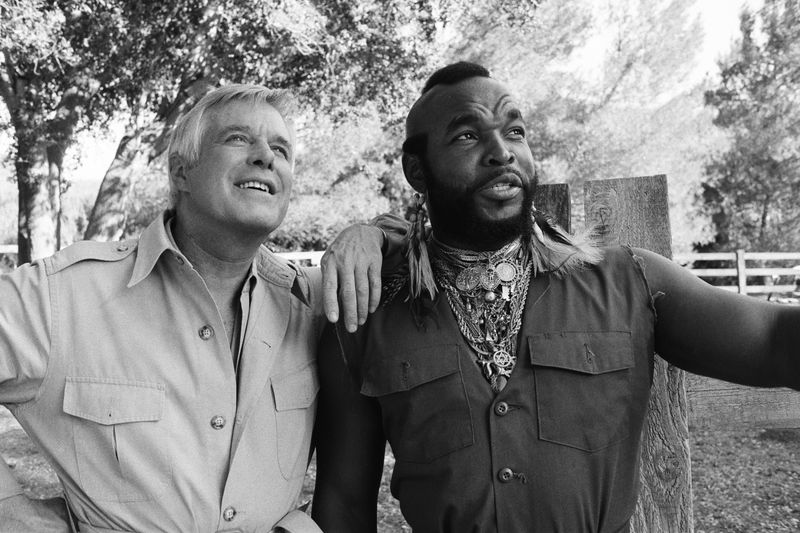
Mr. T’s gold chains and the iconic black van made The A-Team instantly recognizable.
These Vietnam veterans turned soldiers of fortune helped the innocent while evading military police.
The show delivered action, humor, and heart in equal measure, making it a ratings powerhouse for NBC.
Unfortunately, the same formula that worked brilliantly at first became its biggest weakness.
Every episode followed an identical pattern: someone needs help, the team gets captured, they build something amazing from junk, and nobody ever actually gets hurt despite thousands of bullets flying around.
The lack of real consequences or character growth eventually made the show feel pointless.
Viewers grew tired of watching the same story play out with different locations and guest stars, no matter how charming the cast remained.
6. ALF (1986–1990)
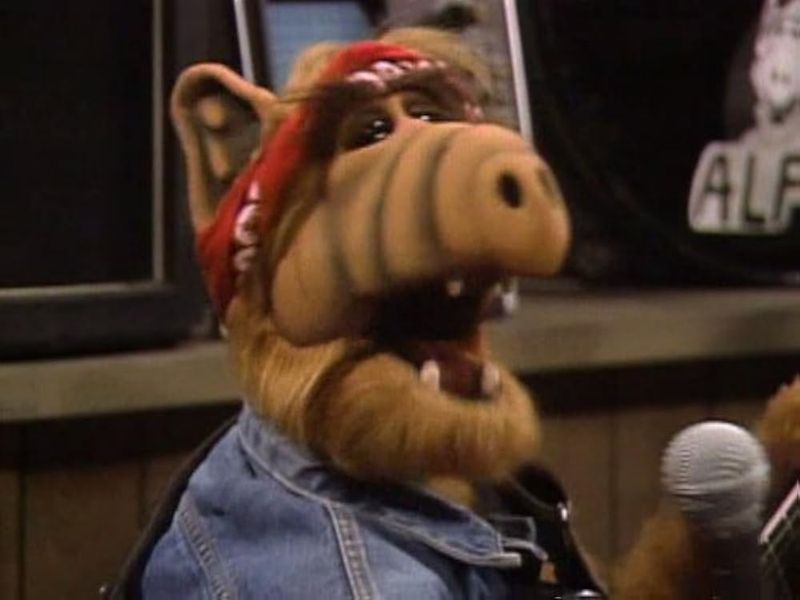
An alien from Melmac crashing into a suburban garage shouldn’t have worked, but somehow it did.
ALF’s wisecracks and appetite for cats made him an unlikely star, while the Tanner family played the perfect straight men to his chaos.
The puppet sitcom became a cultural phenomenon that kids and adults enjoyed together.
Four seasons in, the show had exhausted its premise.
How many times could ALF almost get discovered or nearly eat the cat?
The writers struggled to find fresh angles on the same basic situations.
The series ended on a cliffhanger with ALF captured by the government, leaving fans stunned and angry.
A TV movie years later tried to provide closure, but the damage was done.
What should have been a heartwarming farewell became a frustrating mess.
7. Mork & Mindy (1978–1982)
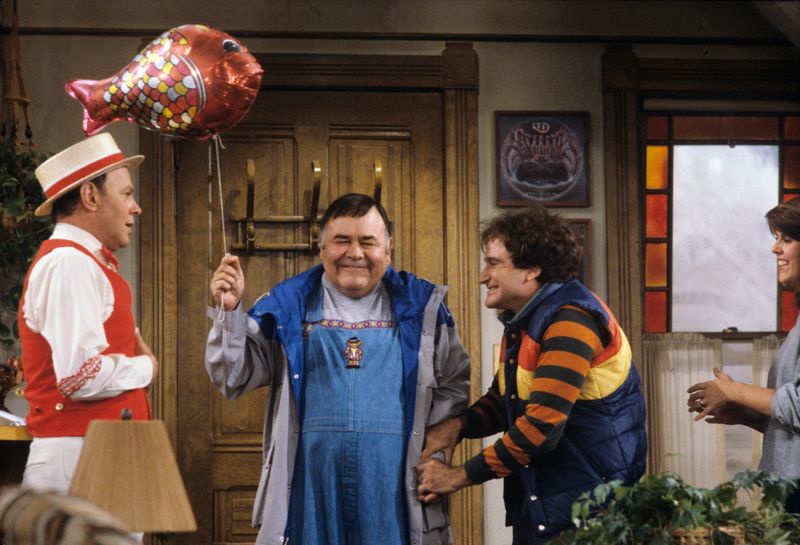
Robin Williams exploded onto television as an alien learning about Earth through Boulder, Colorado.
His improvisational genius and Pam Dawber’s grounded performance created comedy gold.
Mork’s innocent observations about human behavior were both hilarious and surprisingly insightful, making the show feel fresh and unpredictable.
Network executives couldn’t leave well enough alone.
They demanded changes that stripped away the show’s charm: adding a baby, shifting time slots, and forcing storylines that felt unnatural.
Williams’ manic energy, once the show’s greatest asset, was increasingly constrained by network interference.
The final season barely resembled the show that premiered four years earlier.
Tonal shifts left viewers confused about whether they were watching comedy or drama, and the magic that made Mork special had completely evaporated.
8. Remington Steele (1982–1987)
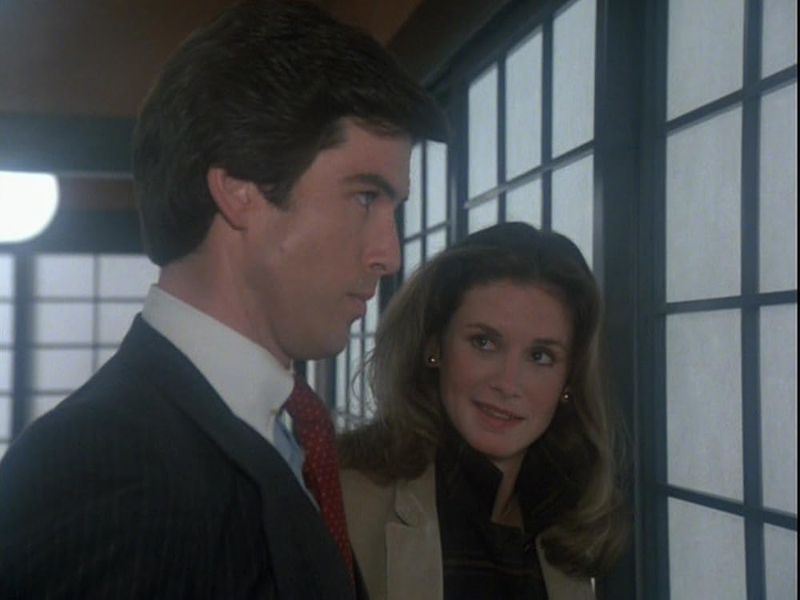
Before Pierce Brosnan became James Bond, he charmed audiences as the mysterious Remington Steele.
Stephanie Zimbalist played Laura Holt, the brilliant detective who invented a male boss to legitimize her agency.
Their romantic tension and clever mysteries made the show sophisticated entertainment for adults.
Off-screen drama nearly destroyed everything.
Contract disputes, network battles over Brosnan’s availability, and creative disagreements created chaos.
The show was canceled, then unexpectedly renewed, then struggled to recapture its original appeal.
Later seasons felt forced and awkward.
The carefully built mystery of Steele’s true identity was handled clumsily, and the romantic payoff fans waited years for felt rushed and unsatisfying.
A show built on elegance ended in confusion.
9. Diff’rent Strokes (1978–1986)
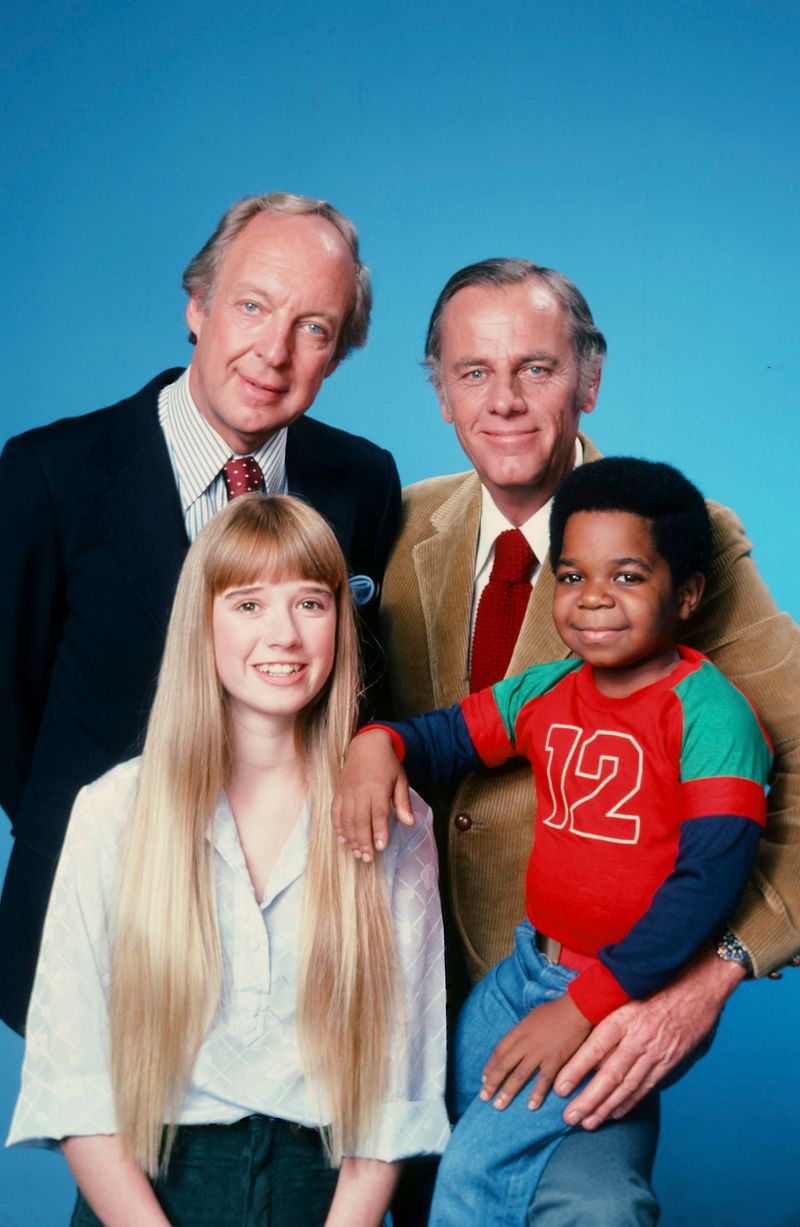
Gary Coleman’s “Whatchu talkin’ ’bout, Willis?” became one of television’s most famous catchphrases.
The show tackled serious issues like racism and drug abuse while maintaining its sitcom warmth.
The Drummond family showed audiences that love transcends race and class, breaking important ground for network television.
As years passed, the show lost its way completely.
Cast changes disrupted the family dynamic that made the show work.
Desperate attempts to stay relevant led to very special episodes that felt preachy rather than genuine.
Behind the scenes, the child actors faced tragic personal struggles that overshadowed the show’s legacy.
What began as groundbreaking television ended as a cautionary tale about child stardom and declining creativity.
The heart that made it special simply disappeared.
10. V: The Series (1984–1985)
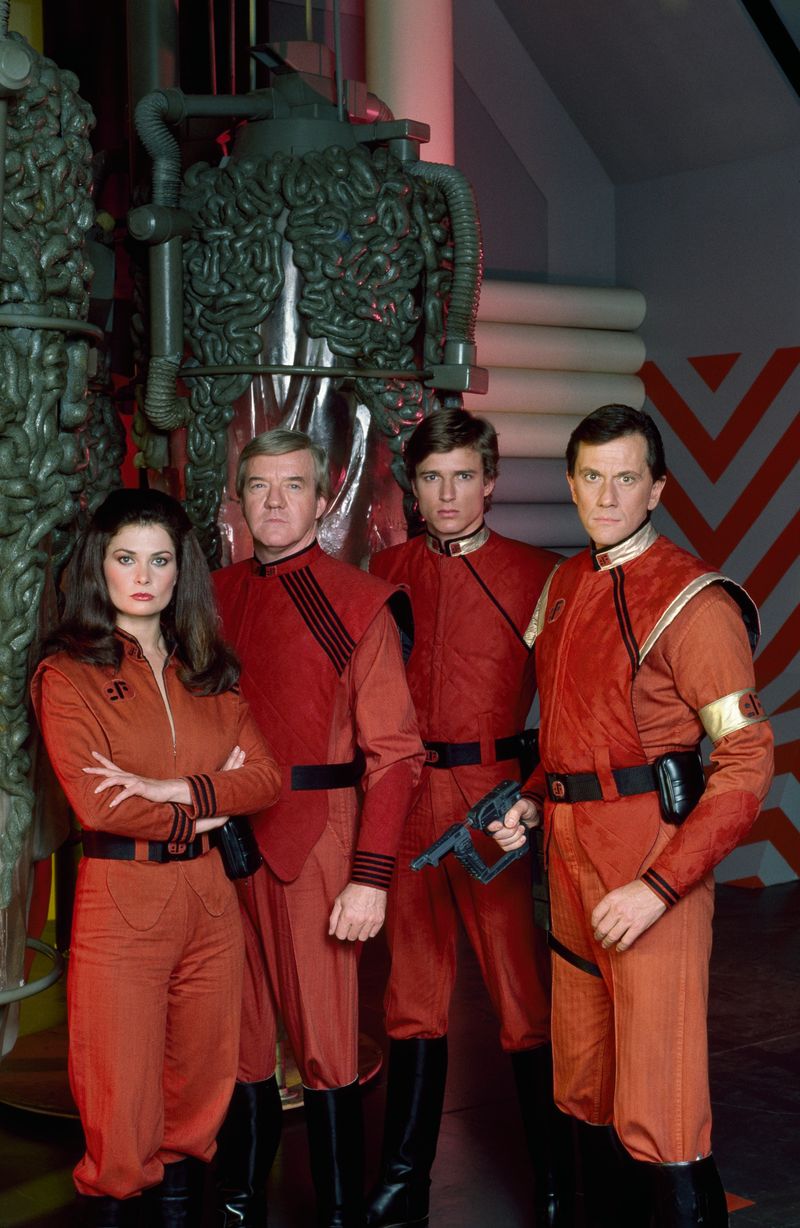
Aliens disguised as friendly humans but secretly planning to harvest Earth’s resources made for thrilling television.
The original miniseries was smart science fiction that used alien invasion as a metaphor for fascism.
Viewers were hooked by the political intrigue and genuine sense of danger.
When it became a weekly series, everything that made V special vanished.
The sharp political commentary was replaced by generic action sequences and confusing plotlines.
Characters made nonsensical decisions, and the show’s budget couldn’t support the ambitious scope the story required.
Only one season aired before cancellation mercifully ended the mess.
What started as thought-provoking sci-fi drama became a cheap action show that abandoned its intelligence.
Fans of the original miniseries barely recognized the hollow shell it became.
Comments
Loading…