
 Chloe Peterson
15 Mystery Movies That Keep You Guessing Until the End
Some films pull you in with action, others with romance, but mystery movies hook you with questions that refuse to let go.
They plant clues, hide secrets, and challenge you to solve the puzzle before the credits roll.
From psychological thrillers to classic whodunits, these 15 films are masters of misdirection, keeping audiences guessing right up to their final, unforgettable moments.
1. The Usual Suspects (1995)
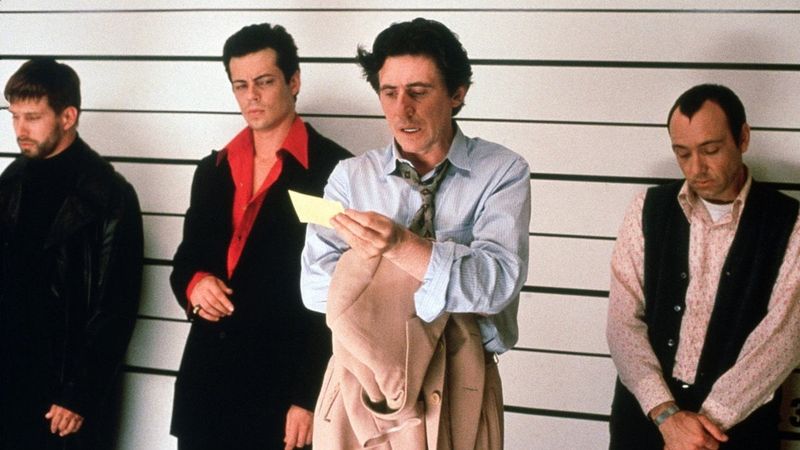
What starts as a routine police interrogation quickly becomes something far more elaborate.
Five criminals brought together by chance find themselves tangled in a conspiracy that reaches further than anyone imagined.
The story unfolds through flashbacks and testimonies that seem straightforward at first.
Every line of dialogue carries hidden weight.
Small details mentioned casually early on resurface with shocking significance later.
The film treats viewers like detectives, scattering breadcrumbs that only make sense once the full picture emerges.
Director Bryan Singer crafted a narrative that rewards close attention while punishing assumptions.
The final revelation doesn’t just answer questions—it forces you to reconsider everything you’ve watched.
It’s a masterclass in unreliable narration.
2. Shutter Island (2010)
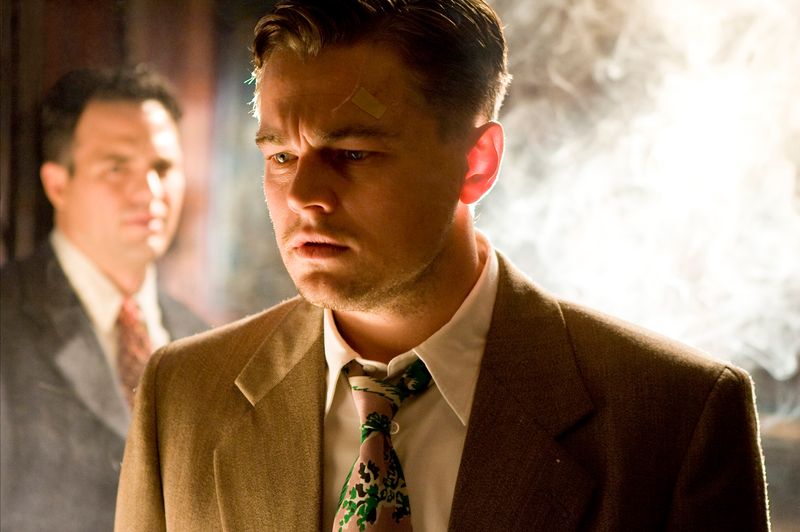
Federal marshals arrive at a remote asylum to investigate a patient’s disappearance, but the island itself feels wrong from the moment they step ashore.
Storms trap them there as the investigation grows increasingly bizarre.
Reality seems to shift with each new discovery.
Martin Scorsese directs this adaptation with deliberate disorientation, making viewers question what’s actually happening.
The asylum’s doctors seem evasive, the staff acts suspicious, and the missing patient couldn’t have simply vanished.
Clues point in multiple directions simultaneously.
Psychological horror blends with detective work as the protagonist’s own mind becomes part of the mystery.
The truth hiding beneath the surface proves more devastating than any external threat could be.
3. Se7en (1995)
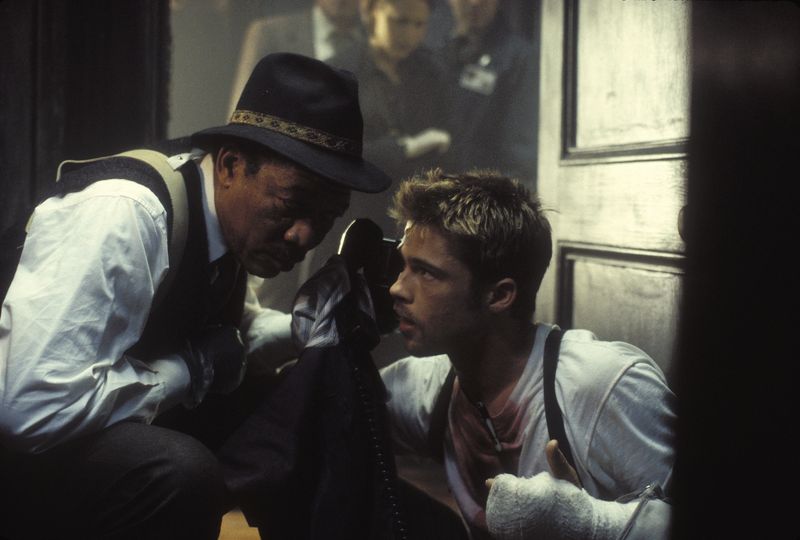
Rain never stops falling in this city where two detectives hunt a killer using the seven deadly sins as his blueprint.
Each crime scene reveals meticulous planning and disturbing symbolism.
The veteran detective wants to retire; his young partner thinks he can make a difference.
David Fincher creates an atmosphere of relentless dread, where even daylight feels dim and hopeless.
The investigation follows a twisted logic that becomes clearer—and more horrifying—with each new victim.
The killer stays several steps ahead, orchestrating events with chilling precision.
What makes this mystery unforgettable isn’t just the hunt, but how the ending recontextualizes everything that came before.
The final act delivers a gut-punch that transforms the entire case into something far more personal and tragic.
4. Gone Girl (2014)

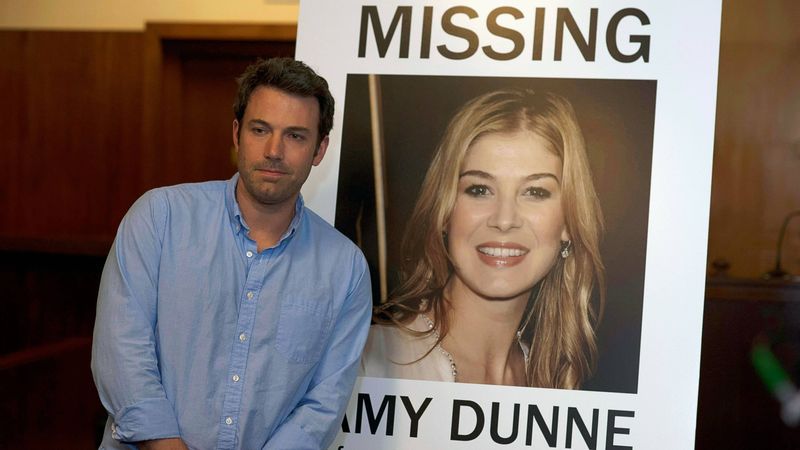
A wife disappears on her anniversary, and her husband becomes the prime suspect as media attention intensifies.
The case seems straightforward: troubled marriage, suspicious behavior, mounting evidence.
But director David Fincher and author Gillian Flynn have far more devious plans in mind.
The narrative splits between past and present, his perspective and hers, public perception and private truth.
Each revelation peels back another layer of deception.
What initially appears to be a standard missing-person case transforms into something far more calculated and sinister.
Rosamund Pike delivers a performance that redefines her character multiple times over.
The film dissects marriage, media manipulation, and the masks people wear with surgical precision, building toward twists that genuinely shock.
5. Memento (2000)
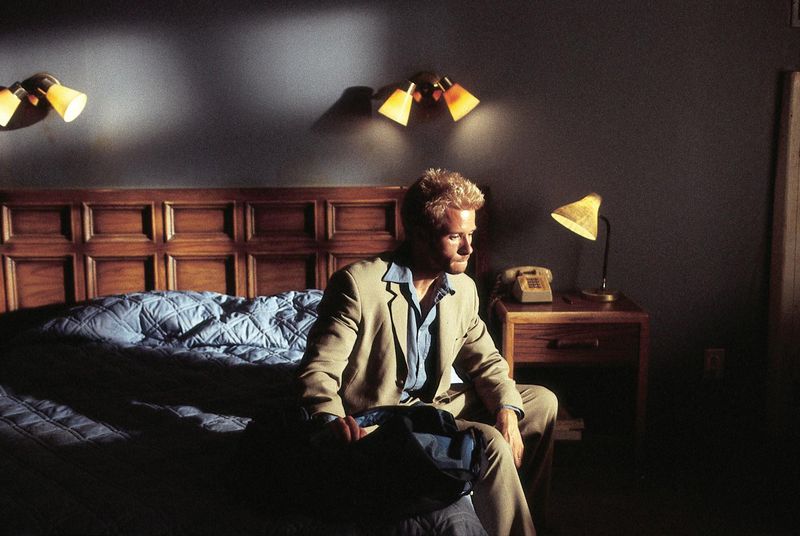
Christopher Nolan tells this story backwards, forcing viewers to experience confusion alongside a protagonist who can’t form new memories.
Every scene runs in reverse chronological order, creating a puzzle that must be assembled in your mind.
The man hunting his wife’s killer relies on notes, tattoos, and Polaroids to remember what he’s learned.
This unconventional structure isn’t just stylistic—it’s essential to understanding the mystery.
You discover information in the same fragmented way the main character does, never quite sure what’s reliable.
Trust becomes impossible when your own memories can’t be trusted.
The film rewards multiple viewings as you spot connections that were always there but impossible to see initially.
It’s a brilliant exploration of identity, revenge, and truth.
6. The Sixth Sense (1999)
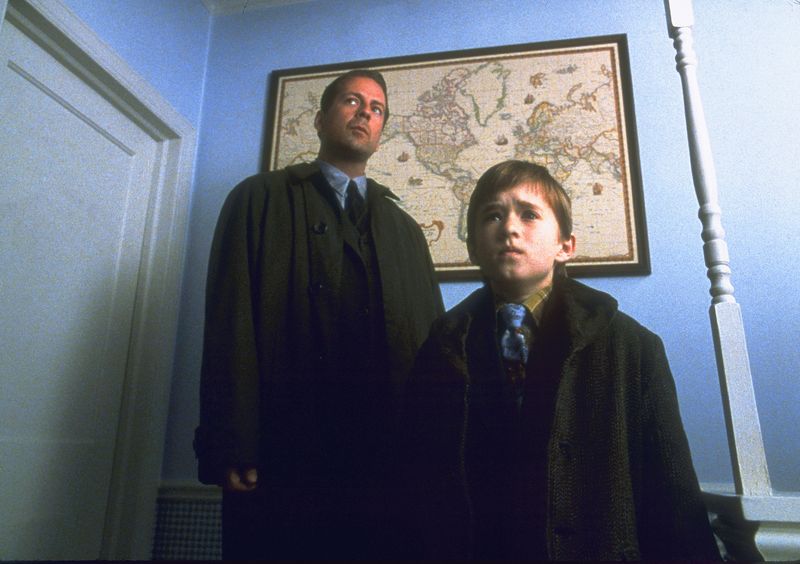
A child psychologist tries to help a troubled boy who claims to see dead people, approaching the case with professional skepticism and personal baggage.
The film unfolds quietly, building its mystery through small, unsettling moments rather than loud scares.
Something feels slightly off throughout, though you might not identify exactly what.
M. Night Shyamalan plants visual and dialogue clues from the very first scene, hiding them in plain sight.
The relationship between doctor and patient develops with genuine emotional depth, making this more than just a supernatural puzzle.
Every conversation carries double meaning once you know where things are headed.
The revelation has become legendary, but it works because the film earns it through careful storytelling rather than cheap tricks.
7. Knives Out (2019)
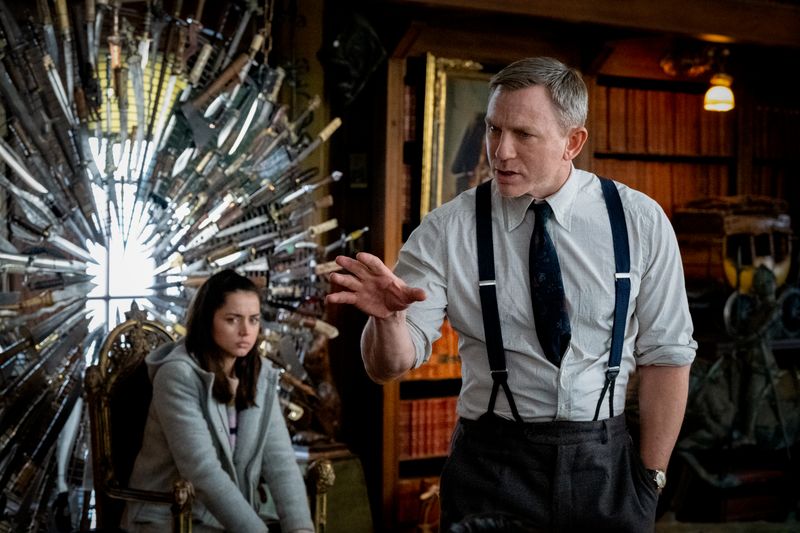
When a wealthy crime novelist dies under suspicious circumstances, his eccentric family becomes a houseful of suspects with motives and secrets.
Detective Benoit Blanc arrives to untangle the web of lies, but writer-director Rian Johnson isn’t interested in following traditional mystery formulas.
The film reveals key information early, then pivots to explore how and why rather than simply who.
This modern take on the whodunit genre layers social commentary beneath its entertaining puzzle.
Each family member embodies different types of privilege and entitlement, their true natures exposed through the investigation.
The immigrant nurse caught in the middle becomes an unlikely but perfect protagonist.
Sharp dialogue and surprising twists keep the story moving while respecting the audience’s intelligence throughout.
8. Zodiac (2007)
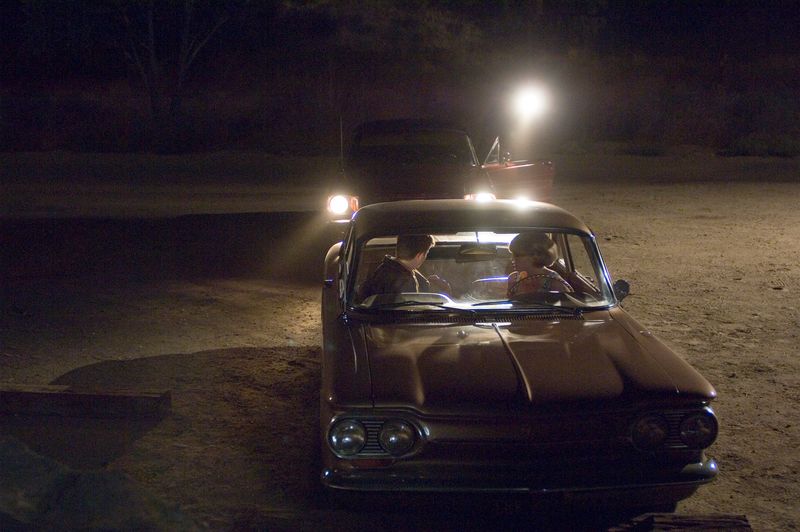
Based on true events, this film follows the obsessive hunt for the Zodiac killer across years of dead ends and false leads.
David Fincher recreates 1970s San Francisco with meticulous detail, showing how the case consumed journalists, detectives, and amateur sleuths alike.
The mystery isn’t structured like typical thrillers because real investigations rarely reach tidy conclusions.
What makes this film haunting is its commitment to ambiguity and obsession over resolution.
Characters sacrifice relationships and careers chasing answers that remain frustratingly out of reach.
The killer taunts authorities through cryptic messages, enjoying the chaos he creates.
Fincher captures the maddening reality of unsolved cases—how they linger in minds long after official investigations close, leaving only theories and unease behind.
9. The Prestige (2006)
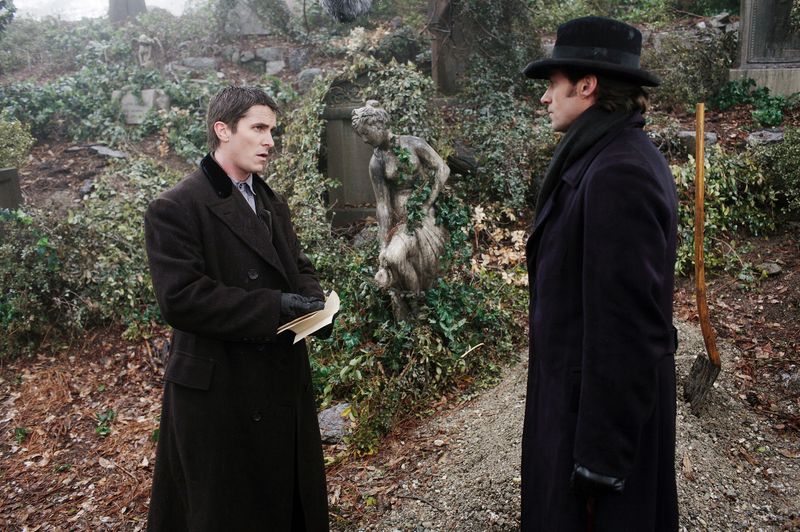
Two magicians in Victorian London become bitter rivals after a tragedy during a performance.
Their competition escalates from professional jealousy into dangerous obsession, each trying to create the ultimate illusion.
Christopher Nolan structures the film like a magic trick itself—misdirecting attention while hiding the truth in plain view.
The narrative jumps between time periods and perspectives, slowly revealing how far each man will go for success.
Sacrifice, deception, and the cost of ambition drive the story toward increasingly dark places.
Every scene contains clues about the final revelation, but they’re disguised as something else.
Like the best magic tricks, the ending makes you want to immediately rewatch everything to see how you were fooled from the very beginning.
10. Get Out (2017)
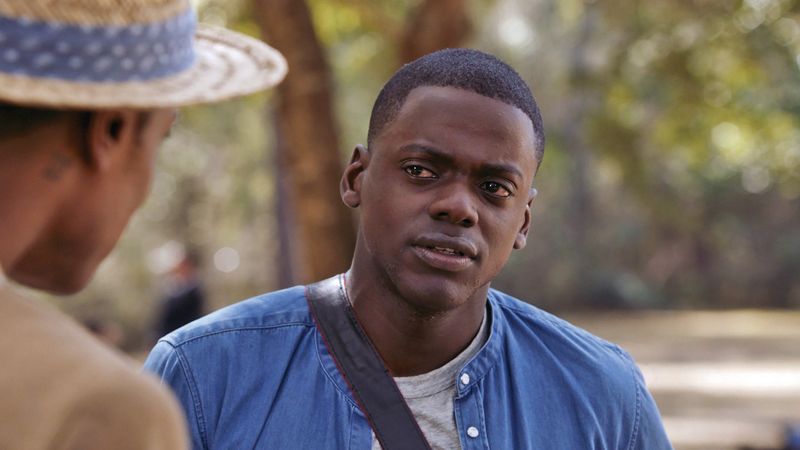
A young Black man visits his white girlfriend’s family estate for a weekend that starts awkwardly and becomes progressively more disturbing.
Jordan Peele’s directorial debut works as both social commentary and pure suspense, loading every interaction with multiple layers of meaning.
Small details—a teacup stirring, forced smiles, too-friendly neighbors—accumulate into mounting dread.
The mystery unfolds through the protagonist’s growing realization that something is fundamentally wrong beneath the liberal, welcoming surface.
Microaggressions and odd behavior hint at darker truths hiding behind polite conversation.
Peele masterfully builds tension through discomfort rather than obvious threats.
When the full horror emerges, it recontextualizes everything that seemed merely uncomfortable before, revealing a conspiracy more disturbing than expected.
11. The Girl with the Dragon Tattoo (2011)

A disgraced journalist and a brilliant but damaged hacker investigate a decades-old disappearance within a wealthy Swedish family.
Director David Fincher brings Stieg Larsson’s novel to life with icy precision, creating an atmosphere as cold as the Scandinavian winter.
The mystery involves family secrets, corporate corruption, and violence spanning generations.
Rooney Mara’s portrayal of Lisbeth Salander provides the film’s fierce heart—a survivor using her skills to uncover truths others want buried.
The investigation methodically pieces together clues from old photographs, documents, and interviews.
Each discovery reveals another layer of darkness hiding within the respectable family’s history.
The film balances procedural detective work with genuine danger as the investigators get closer to answers someone will kill to protect.
12. Identity (2003)
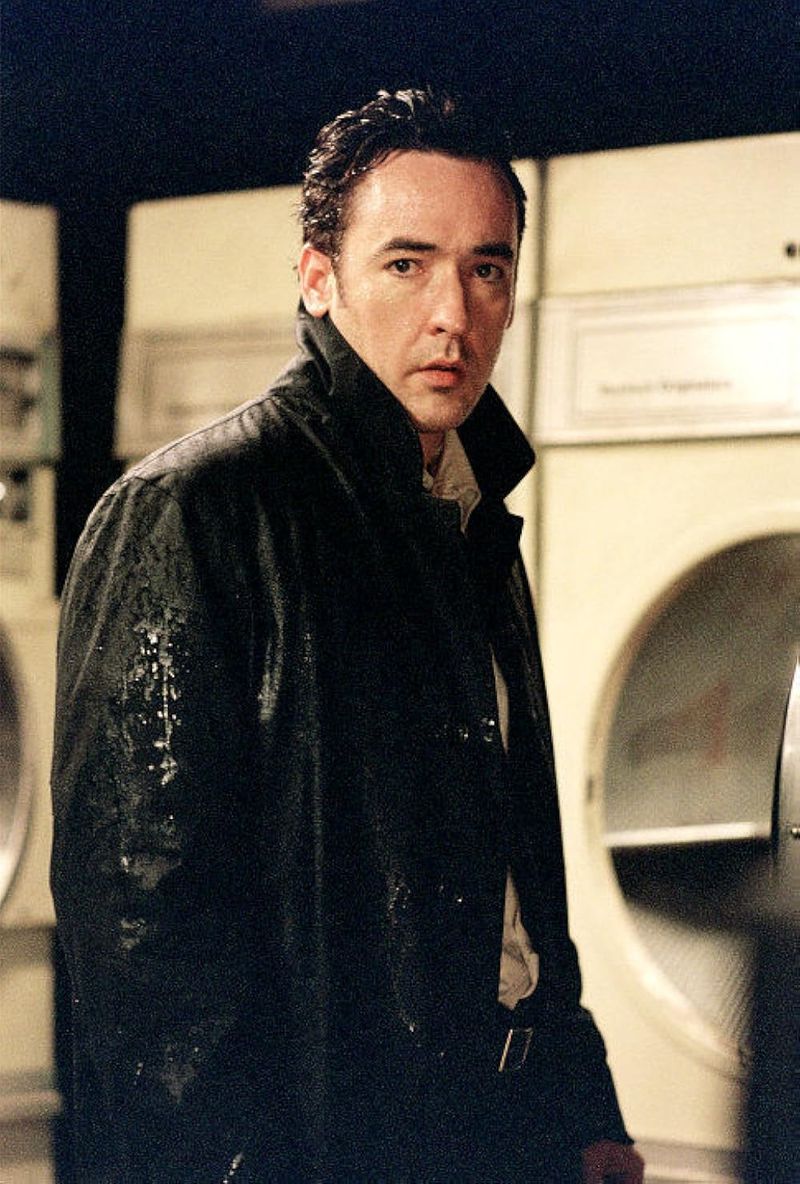
Ten strangers become stranded at a remote Nevada motel during a torrential storm, and then they start dying one by one.
The setup feels like a classic Agatha Christie locked-room mystery, but director James Mangold has more ambitious plans.
Each character has secrets and connections that slowly emerge as the body count rises.
The isolated setting creates claustrophobic tension—no phones work, roads are flooded, and help won’t arrive in time.
Suspicion falls on everyone as the group tries to determine who among them is the killer.
The storm outside mirrors the chaos building inside.
Just when you think you’ve figured out the pattern, the film reveals its true nature in a twist that reframes everything you’ve watched.
13. Vertigo (1958)
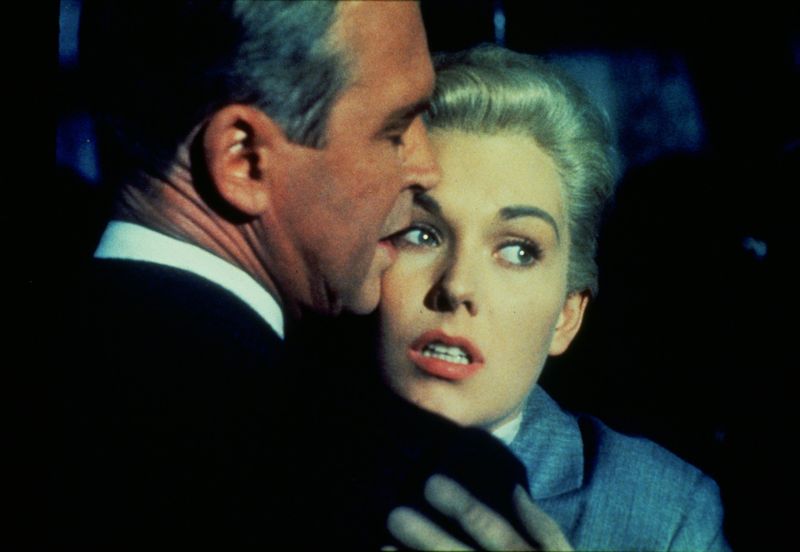
Alfred Hitchcock crafted this psychological mystery about a detective with acrophobia hired to follow a friend’s wife who behaves strangely.
The case becomes an obsession as he falls for the woman he’s supposed to be watching.
San Francisco’s steep streets and vertiginous heights become characters themselves, reflecting the protagonist’s inner turmoil.
The film’s first half establishes the mystery; the second half spirals into darker psychological territory exploring obsession, identity, and manipulation.
Hitchcock reveals key information midway through, then uses that knowledge to create different kinds of suspense.
The famous spiral motif appears repeatedly, symbolizing the protagonist’s descent.
This masterpiece explores how desire and delusion can reshape reality, building to an ending that’s both tragic and inevitable.
14. Inside Man (2006)
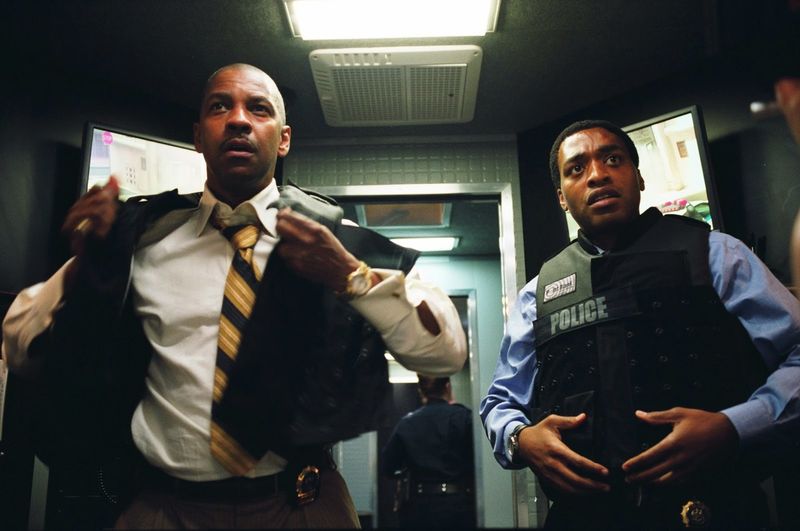
A bank robbery unfolds with the criminals seemingly in complete control, but detective Keith Frazier suspects something doesn’t add up.
Spike Lee directs this smart thriller that functions as both heist film and mystery, where the real question isn’t whether the robbers will succeed but what they’re actually after.
The setup appears straightforward—hostages, demands, negotiation—but layers of misdirection hide the true plan.
Denzel Washington’s detective tries to stay ahead of criminals who’ve thought of everything, while a powerful fixer arrives to protect interests that have nothing to do with the money.
Each revelation adds complexity rather than clarity.
The film respects its audience, trusting viewers to follow intricate plotting.
The resolution proves that the smartest heists hide in plain sight.
15. The Third Man (1949)
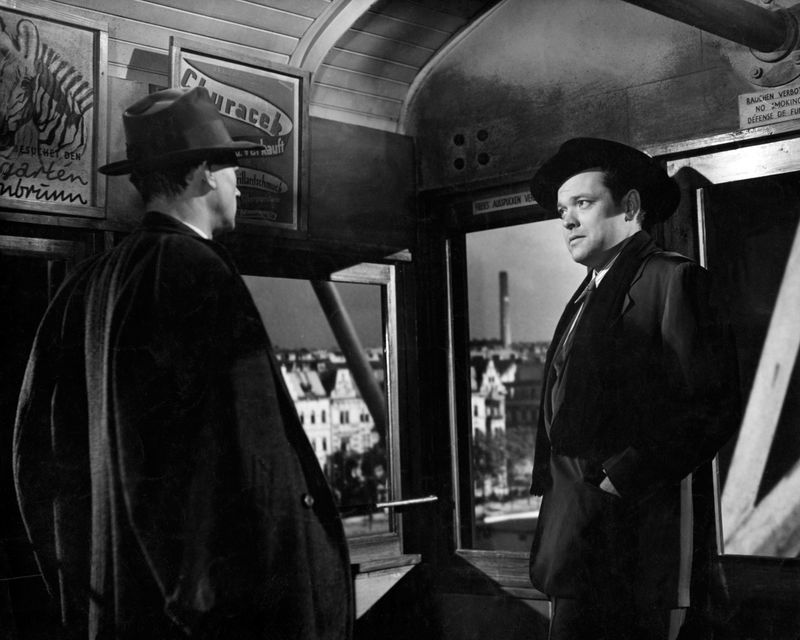
In post-World War II Vienna, an American writer arrives to find his friend Harry Lime has died under mysterious circumstances.
Director Carol Reed creates an atmosphere of moral ambiguity in a city divided into occupation zones where black market dealings thrive.
The investigation reveals that nothing about Harry’s death—or life—was as simple as it seemed.
Iconic cinematography uses Dutch angles and shadows to create visual unease matching the story’s themes.
The famous sewer chase through Vienna’s underground remains one of cinema’s most memorable sequences.
Orson Welles makes Harry Lime unforgettable despite limited screen time.
The film explores how war destroys not just cities but moral certainty, building to a finale that refuses easy emotional resolution.
Comments
Loading…