
 Hailey Watson
Getting older doesn’t mean slowing down or losing your independence.
Scientists have identified specific activities that separate those who age gracefully from those who struggle with everyday tasks.
If you’re still doing these things after 75, your body and mind are in better shape than 95% of people your age, and you’re likely adding years of quality life ahead.
1. Walking Up a Flight of Stairs Without Stopping

Your heart pounds.
Your lungs burn.
Many people over 75 need multiple breaks just to reach the top of a staircase.
But if you’re breezing up those steps without pausing, your cardiovascular system is working remarkably well.
Strong heart and lung function means oxygen flows efficiently through your body.
This keeps your muscles energized and your brain sharp.
People who maintain this ability have significantly lower risks of heart disease and stroke.
Stair climbing also reveals leg muscle strength and endurance.
These muscles support your entire body during daily activities.
Doctors often use stair tests to measure overall fitness because they’re such reliable indicators of health span, not just lifespan.
2. Getting Down on the Floor and Back Up Unassisted
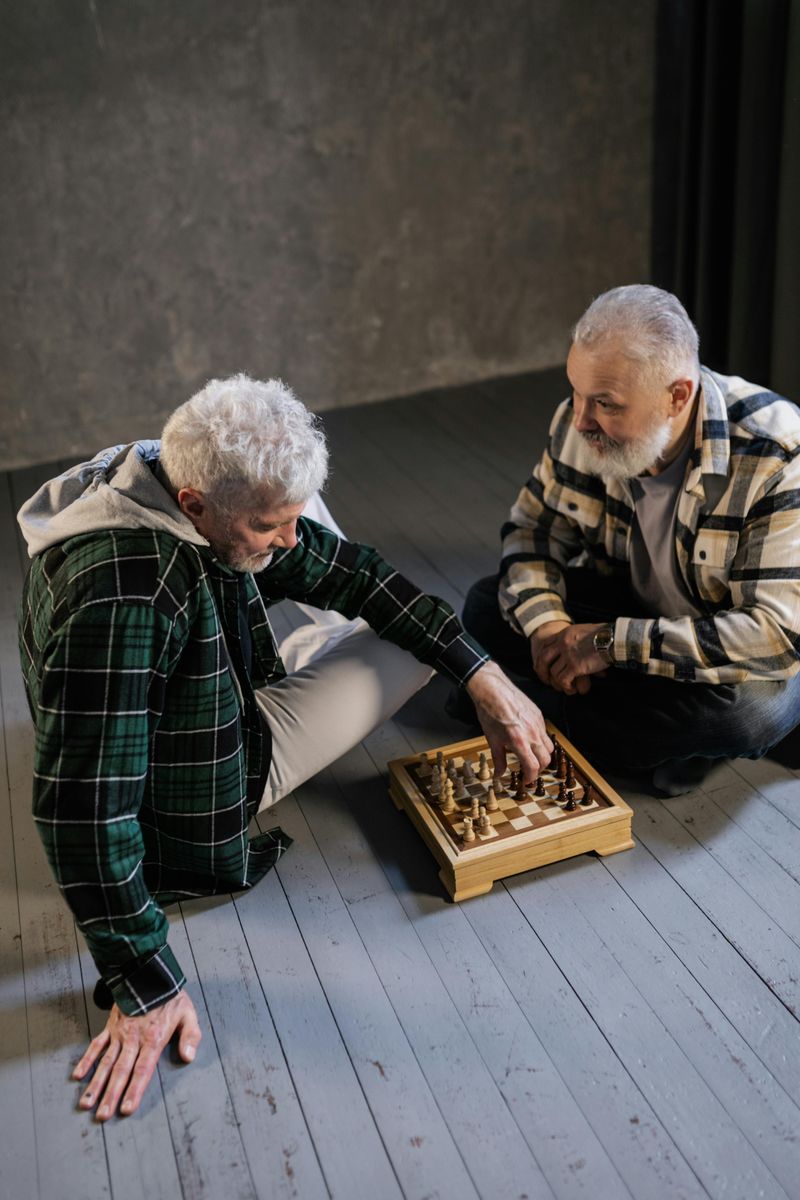
Most people lose this ability somewhere in their sixties or seventies.
Sitting on the floor seems simple until you try getting back up without grabbing furniture or asking for help.
This movement requires impressive coordination between multiple body systems working together.
Brazilian researchers developed the “sitting-rising test” and found it predicts longevity better than many medical tests.
Lower-body strength, core stability, flexibility, and balance all contribute to this skill.
People who maintain it have drastically lower fall risks.
Falls are the leading cause of injury-related deaths in older adults.
Being able to control your body through this full range of motion means your muscles, joints, and nervous system remain youthful and responsive.
3. Remembering What You Had for Breakfast Yesterday

For many older adults, these recent memories fade quickly, replaced by fog and frustration.
If yesterday’s breakfast comes to mind easily, your brain’s memory centers are functioning beautifully.
Short-term memory relies on the hippocampus, which often shrinks with age.
Retaining everyday details means your brain cells are communicating effectively and forming new connections.
This cognitive reserve protects against dementia and Alzheimer’s disease.
Memory isn’t just about recalling facts.
It connects you to your experiences and helps you make decisions.
People with sharp recent memory maintain independence longer because they remember medications, appointments, and important conversations without constant reminders.
4. Driving at Night Without Anxiety

Headlights blur into streaks.
Street signs become harder to read.
Nighttime driving terrifies many older adults who once drove confidently after dark.
Continuing to drive comfortably at night signals that your vision, reaction time, and mental processing remain excellent.
Night vision naturally declines with age as pupils become less responsive and cataracts develop.
Glare from oncoming headlights overwhelms many drivers.
But if you’re still comfortable navigating after sunset, your eyes are aging slower than average.
Beyond vision, nighttime driving requires quick decision-making and spatial awareness.
Your brain must process information rapidly while staying calm under pressure.
This combination of physical and mental sharpness keeps you safe and independent.
5. Learning New Technology Without Frustration

Technology changes rapidly, leaving countless older adults feeling confused and left behind.
If you’re figuring out new devices and apps independently, your brain shows remarkable adaptability.
Neuroplasticity—your brain’s ability to form new connections—typically decreases with age.
Learning unfamiliar technology requires pattern recognition, problem-solving, and patience.
People who maintain this skill keep their minds flexible and engaged with the modern world.
Technology literacy isn’t about being trendy.
It connects you to family through video calls, helps you access healthcare online, and keeps you informed.
Mental flexibility in learning translates to better overall cognitive function and slower mental decline.
6. Standing on One Foot for 10 Seconds
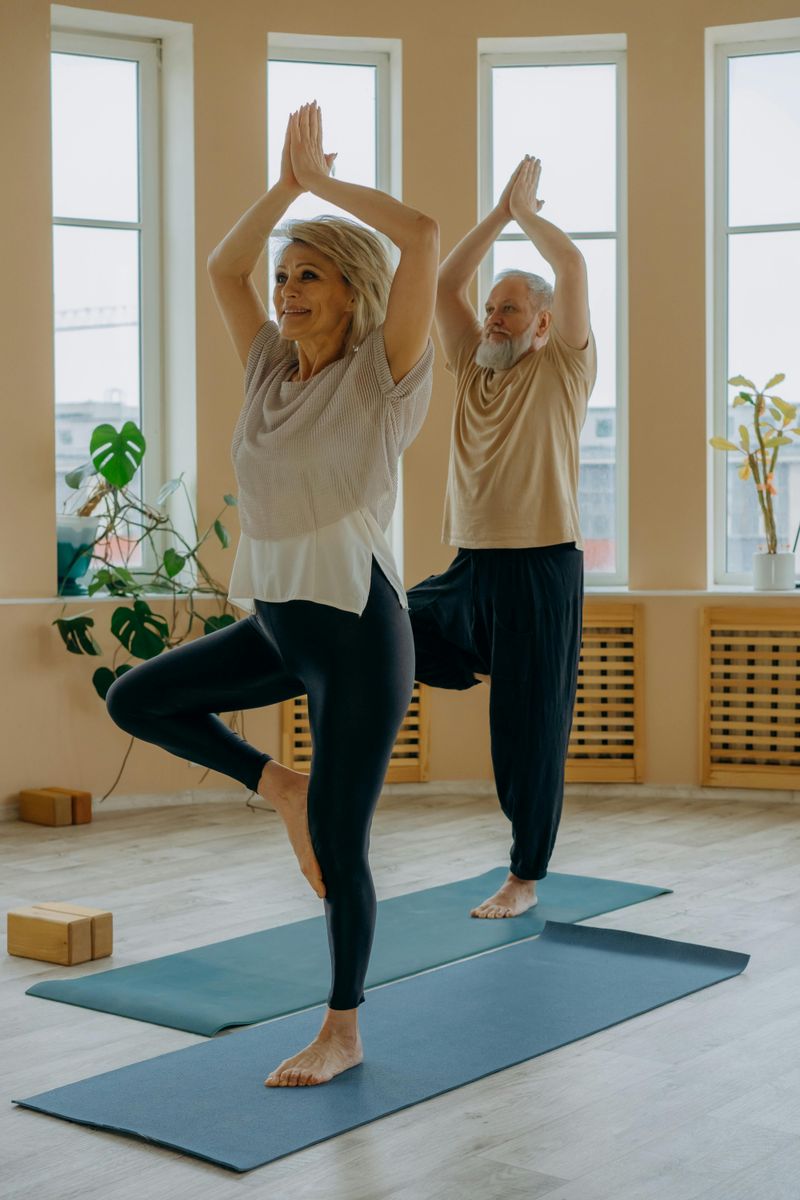
Try standing on one foot right now.
Seems easy until you wobble after three seconds.
Balance deteriorates quickly as we age, making this simple test a powerful predictor of future health and fall risk.
Holding steady for ten seconds requires coordination between your inner ear, vision, muscles, and brain.
All these systems must communicate instantly to keep you upright.
People who pass this test have stronger cores and better proprioception—knowing where their body is in space.
Poor balance leads to falls, which cause fractures, hospitalizations, and loss of independence.
Maintaining this ability means your nervous system remains sharp and your stabilizing muscles stay strong.
It’s one of the most important markers of healthy aging.
7. Laughing Deeply and Often

When did you last laugh until your stomach hurt?
Real laughter—not polite chuckles—becomes rarer as people age and face losses.
But if genuine, full-body laughter still happens regularly in your life, you’re emotionally healthier than most.
Laughter releases endorphins, reduces stress hormones, and strengthens your immune system.
It requires social connection and the ability to find joy despite life’s challenges.
People who laugh often have lower rates of depression and better cardiovascular health.
Deep laughter also indicates you’re still engaged with life.
You’re spending time with people who bring you joy and maintaining the emotional resilience to appreciate humor.
This optimism and social connection are as important as physical health for longevity.
8. Making Plans for Next Year

Some older adults stop thinking beyond next month, feeling like their best days are behind them.
But if you’re booking trips, setting goals, and making commitments for next year, your mindset is incredibly healthy.
Forward thinking requires optimism and mental clarity.
It means you expect to be around and capable of enjoying future experiences.
Research shows people who plan ahead live longer because this mindset motivates healthy behaviors and gives life meaning.
Planning also keeps your executive function sharp.
You’re organizing information, considering possibilities, and making decisions.
This cognitive engagement protects against mental decline while giving you something exciting to anticipate, which boosts mood and overall wellbeing.
9. Carrying Groceries Without Help

Grocery bags feel heavier every year.
Eventually, many people need family members to carry everything inside while they supervise.
If you’re still hauling bags from car to kitchen independently, your functional strength is outstanding.
Grip strength predicts overall health better than almost any other single measurement.
It correlates with heart health, bone density, and mortality risk.
Carrying groceries requires not just hand strength but also arm, shoulder, and core muscles working together.
This everyday task represents true functional fitness—strength that matters for daily life.
You’re maintaining the muscle mass and endurance needed for independence.
People who keep this ability avoid the downward spiral where weakness leads to inactivity, which causes more weakness.
Comments
Loading…