
 Harper Hall
10 Underrated Crime Movies That Aged Surprisingly Well
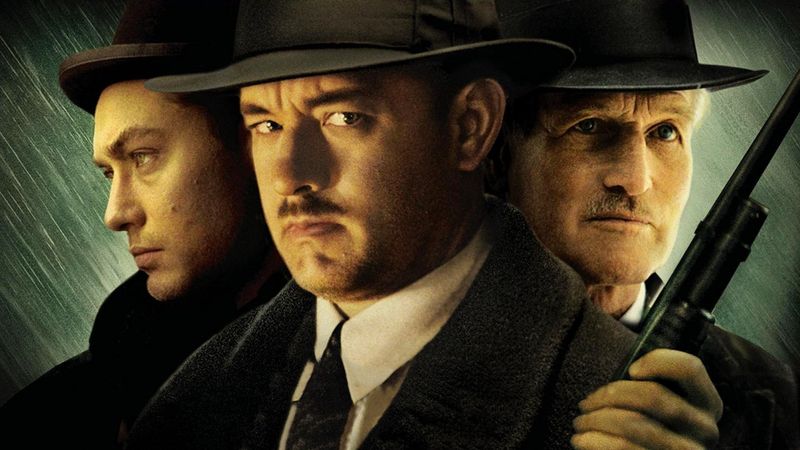
Some crime movies slip through the cracks when they first hit theaters, but time has a funny way of proving their worth.
These films didn’t always get the attention they deserved during their initial release, yet they’ve grown more powerful and relevant with each passing year.
What makes a crime movie age well?
It’s usually a mix of strong performances, smart storytelling, and themes that continue to resonate long after the credits roll.
1. A Perfect World (1993)
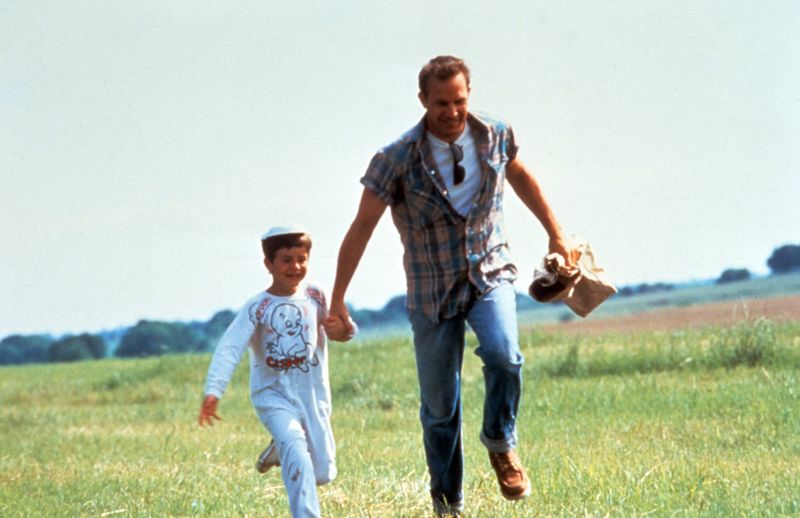
Clint Eastwood directed this surprisingly tender film about an escaped convict and the young boy he takes hostage during a desperate flight across Texas.
Kevin Costner plays Butch Haynes with unexpected vulnerability, transforming what could have been a standard chase thriller into something deeply moving.
The relationship between Butch and eight-year-old Phillip becomes the heart of the story, revealing how broken men sometimes try to fix themselves through protecting innocence.
Eastwood himself appears as a Texas Ranger in pursuit, but he wisely keeps the focus on the strange bond forming in that stolen car.
The film asks difficult questions about redemption and whether damaged people can ever truly escape their pasts.
2. Cop Land (1997)
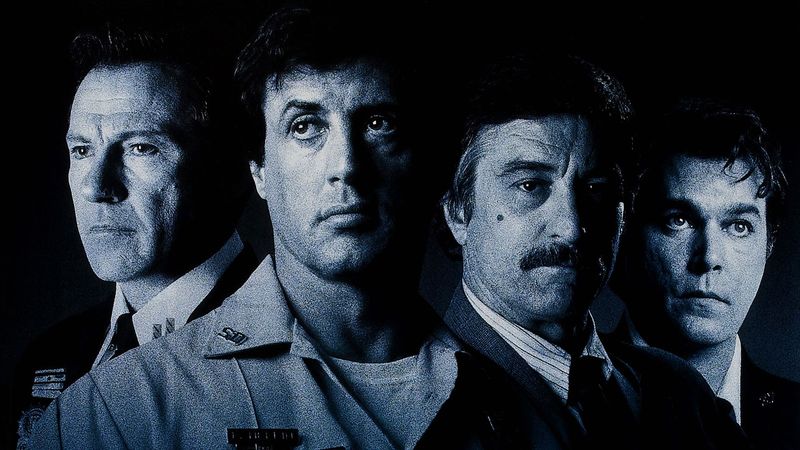
Sylvester Stallone gained weight and stripped away his action-hero persona to play Freddy Heflin, a hearing-impaired sheriff in a New Jersey town populated entirely by corrupt NYPD cops.
Director James Mangold assembled an incredible cast including Harvey Keitel, Ray Liotta, and Robert De Niro, then let them simmer in moral ambiguity.
The genius of this film lies in its patience.
Freddy spends most of the runtime as a passive observer, idolizing the very men who mock and manipulate him.
When he finally takes action in the climax, it carries genuine weight because we’ve watched him struggle with every compromise.
The film refuses easy answers about heroism and complicity in systems designed to protect their own.
3. Bad Day at Black Rock (1955)
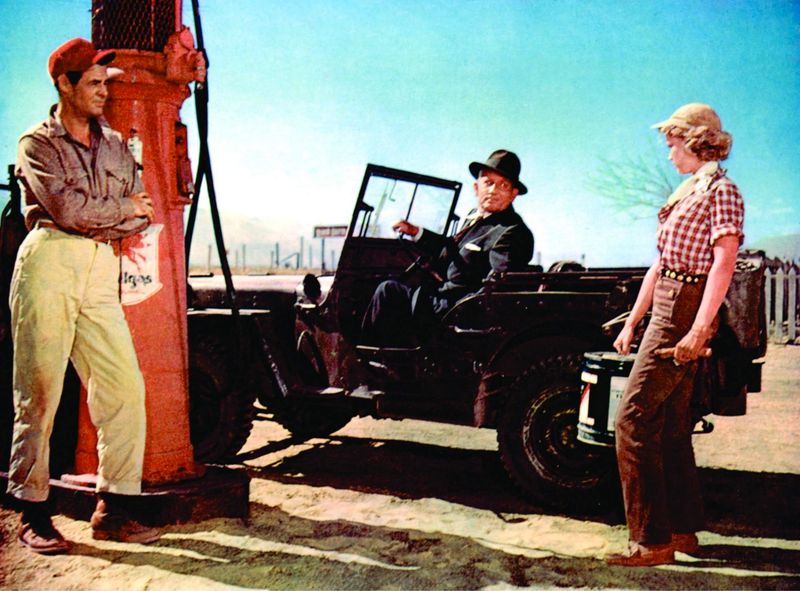
A one-armed stranger arrives in a small desert town asking questions about a Japanese farmer, and the locals immediately close ranks with hostile silence.
Spencer Tracy delivers one of his most controlled performances in this taut thriller that runs just 81 minutes but packs more tension than films twice its length.
What seems like a simple mystery quickly reveals itself as something far darker: a town hiding a wartime murder fueled by racism and cowardice.
Director John Sturges strips away every unnecessary element, creating a pressure-cooker atmosphere where every glance and pause carries weight.
The film’s exploration of collective guilt and moral courage feels even more urgent today than it did in 1955.
4. Insomnia (2002)
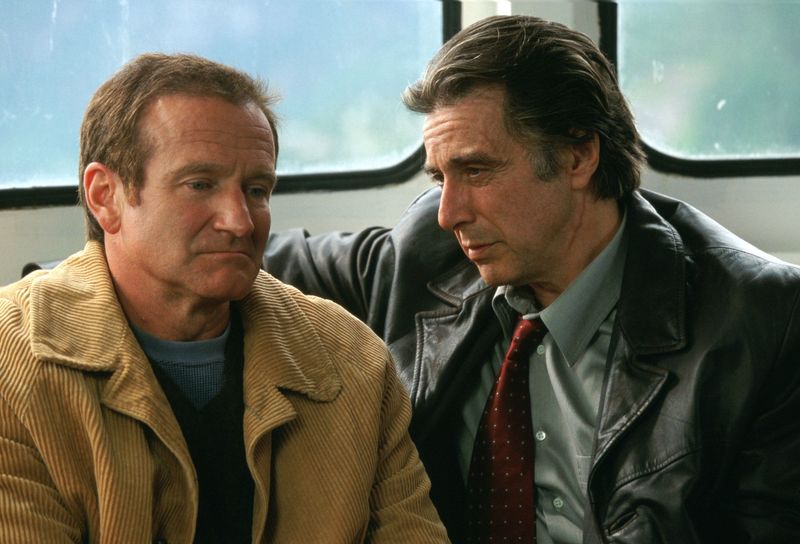
Christopher Nolan’s remake of the Norwegian thriller puts Al Pacino in perpetual daylight as a Los Angeles detective sent to Alaska to investigate a murder.
The midnight sun becomes a character itself, preventing sleep and slowly unraveling Pacino’s Detective Dormer as guilt and exhaustion blur his judgment.
Robin Williams plays against type as the killer, bringing an unsettling ordinariness to a man who understands Dormer’s moral compromises better than anyone should.
Unlike Nolan’s more elaborate later films, this one focuses on psychological deterioration rather than structural tricks.
The result is his most emotionally raw work, a study of how good people convince themselves that bad actions serve noble purposes.
5. Road to Perdition (2002)
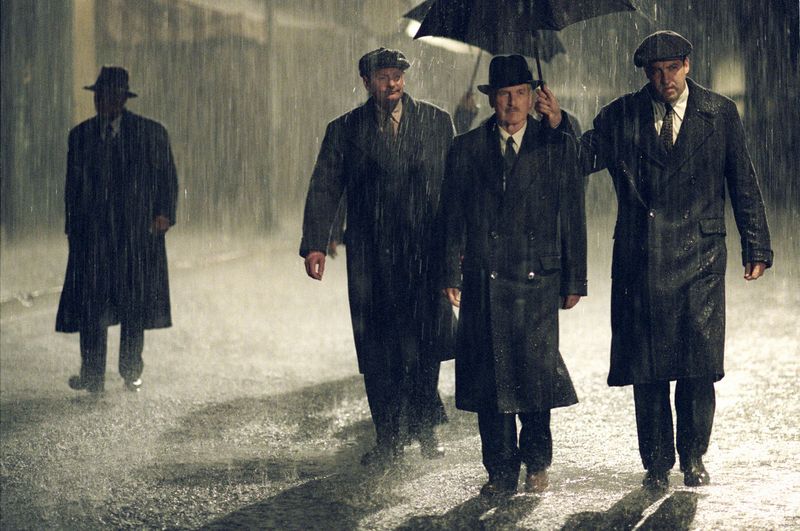
Sam Mendes followed up his Oscar-winning American Beauty with this visually stunning adaptation of a graphic novel about a mob enforcer and his young son on the run.
Tom Hanks plays against his everyman image as Michael Sullivan, a hitman seeking revenge after his family is murdered by his own crime family.
Cinematographer Conrad Hall, in his final film, shoots every frame like a painting, using shadow and light to create a world that feels both historical and mythic.
The relationship between Sullivan and his surviving son becomes a meditation on legacy and whether we can protect our children from our own sins.
Paul Newman delivers a chilling performance as the mob boss caught between loyalty and survival.
6. One False Move (1992)
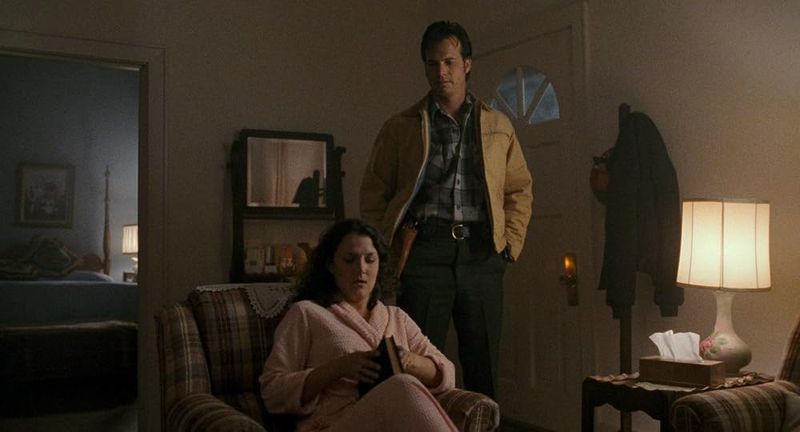
Three criminals flee Los Angeles after a brutal drug robbery, heading for a small Arkansas town where local police chief Dale Dixon eagerly awaits his chance to help catch them.
Carl Franklin directed this low-budget thriller that starts as a standard crime chase before revealing unexpected depths in its final act.
Bill Paxton plays Dixon with a puppy-dog enthusiasm that initially seems like comic relief, but the script by Billy Bob Thornton and Tom Epperson has darker plans.
As the criminals arrive, long-buried connections between them and the town emerge, transforming everyone’s understanding of who these people really are.
The film builds tension through character revelation rather than action, proving that knowing people’s histories can be more suspenseful than any shootout.
7. Raising Arizona (1987)
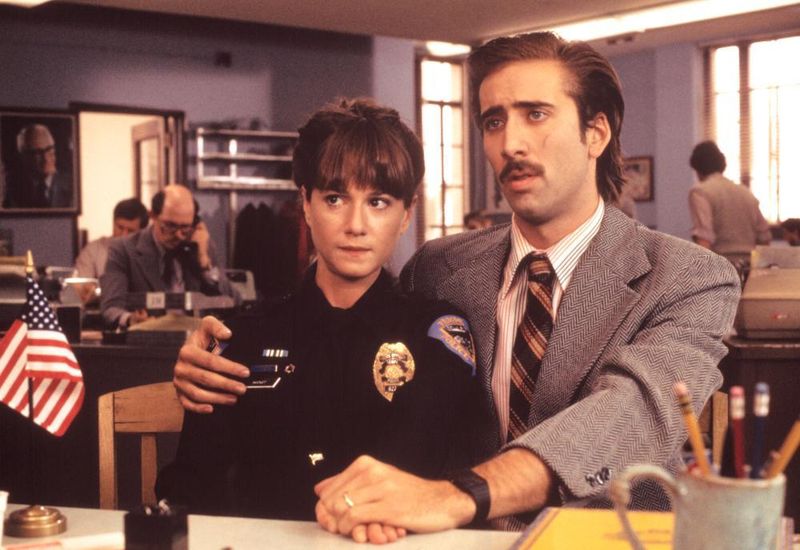
Joel and Ethan Coen announced themselves as major filmmaking voices with this wild crime comedy about an ex-con and an ex-cop who kidnap a baby from a furniture magnate with quintuplets.
Nicolas Cage and Holly Hunter create an oddly touching couple whose desperation for a child leads them into increasingly absurd situations.
The film bounces between slapstick chases, surreal dream sequences, and genuine emotional moments without ever losing its rhythm.
What could have been a one-note joke becomes something richer, exploring working-class dreams and the family bonds we choose rather than inherit.
The Coens’ signature style—mixing violence with humor, finding poetry in regional dialects—is fully formed here, making it essential viewing for understanding their entire career.
8. Clockers (1995)
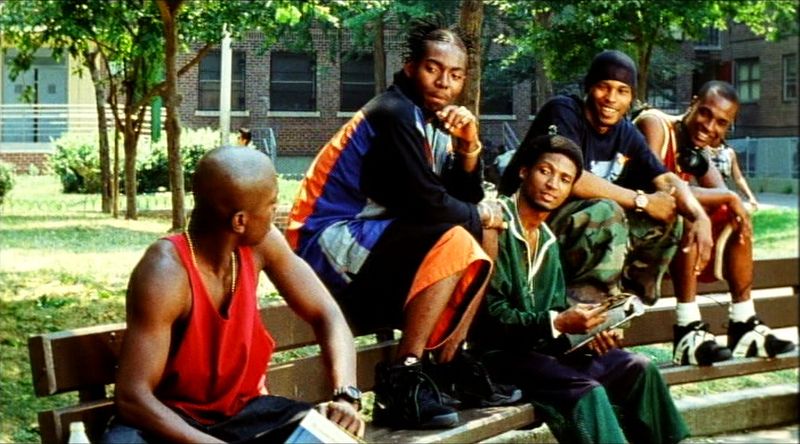
Spike Lee adapted Richard Price’s novel about low-level drug dealers in Brooklyn, focusing on Strike, a young clocker caught between his violent boss and a homicide detective investigating a murder.
Harvey Keitel and Mekhi Phifer anchor the film with performances that avoid easy stereotypes, presenting complicated people navigating impossible choices.
Lee shoots the projects with documentary-like authenticity, showing the drug trade as a soul-crushing job rather than glamorous criminal enterprise.
Strike suffers from stomach problems that literalize how this life is eating him alive from the inside.
The film refuses to offer simple solutions or clear villains, instead examining how poverty and limited options create cycles that trap everyone involved, from dealers to cops to families.
9. City of Ghosts (2002)
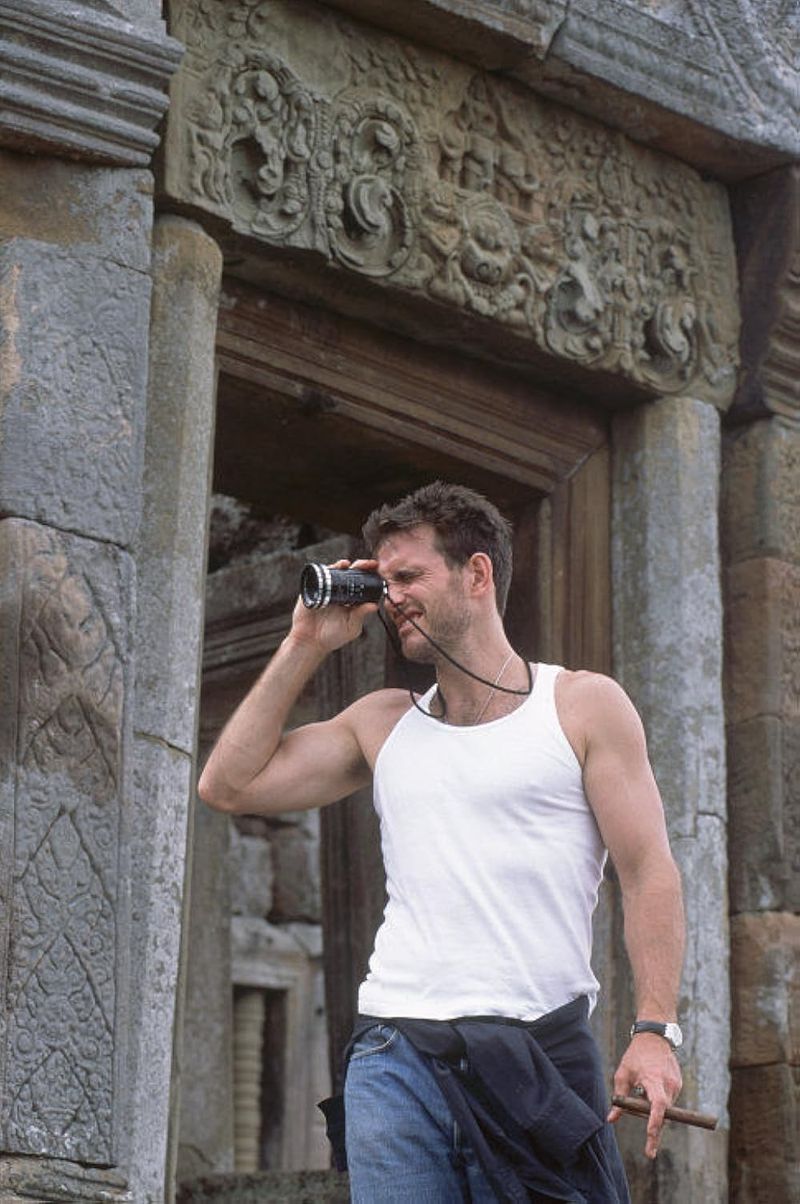
This film captures Phnom Penh in the early 2000s with atmospheric precision, using the city’s combination of ancient temples and modern corruption as the perfect backdrop for betrayal.
Matt Dillon directed and starred in this underappreciated neo-noir about an insurance scammer who flees to Cambodia to find his mentor after a deal goes wrong.
James Caan appears as the missing partner, and their eventual confrontation crackles with the exhaustion of men who’ve run too many cons for too long.
Dillon fills the supporting cast with interesting faces, including Gérard Depardieu and Stellan Skarsgård as fellow expatriates hiding from various pasts.
The film moves at a deliberate pace, prioritizing mood and character over plot mechanics in ways that recall classic 1970s crime cinema.
10. The Negotiator (1998)
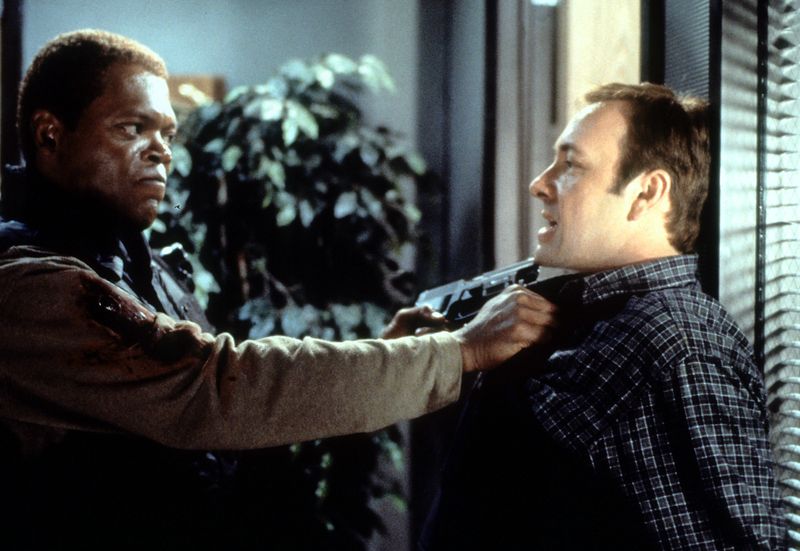
Samuel L. Jackson plays a Chicago police hostage negotiator who becomes the subject of a frame-up and takes hostages himself to prove his innocence.
Kevin Spacey enters as the outside negotiator brought in to talk him down, and their verbal chess match becomes the film’s greatest pleasure.
Director F. Gary Gray wisely focuses on dialogue and psychological maneuvering rather than explosions, trusting his two leads to carry the tension through performance alone.
The script by James DeMonaco keeps adding layers of conspiracy and betrayal without losing track of the human stakes.
What elevates the material is how both negotiators use their professional skills against each other, creating a battle of experts that respects the intelligence of everyone involved.
Comments
Loading…