
 Mila Ross
These Products Millennials Won’t Buy Anymore, and It’s Hurting Entire Industries

From cable TV to fine china, Millennials are quietly abandoning products that once defined adulthood and success.
Rising costs, changing values, and a preference for convenience over tradition are reshaping consumer habits — leaving entire industries scrambling to adapt.
These are the products younger generations no longer see as worth the money, and the businesses feeling the impact the most.
1. Cable Television Subscriptions

Remember when families gathered around the TV to watch their favorite shows at specific times?
Those days are fading fast.
Millennials have embraced streaming services like Netflix, Hulu, and Disney+ instead of paying for expensive cable packages.
Cable companies are losing subscribers by the millions each year.
Young people don’t see the point in paying for hundreds of channels they’ll never watch.
They’d rather choose exactly what they want to stream, when they want to watch it.
This shift has forced cable providers to lower prices and create their own streaming options.
The traditional TV industry will never be the same again.
2. Canned Tuna Products

Tuna sandwiches used to be a lunchbox staple across America.
Not anymore.
Since the late 1980s, canned tuna sales have dropped by a shocking 42 percent, and millennials are largely responsible.
Young shoppers worry about sustainability and ocean health.
They’ve read about overfishing and mercury levels in tuna.
When they do buy fish, they prefer fresh or frozen options from the seafood counter.
Canned tuna companies have tried everything from new flavors to fancy packaging.
Nothing seems to work.
Millennials simply don’t trust or want this product their grandparents relied on for quick, cheap protein.
3. Breakfast Cereal Boxes
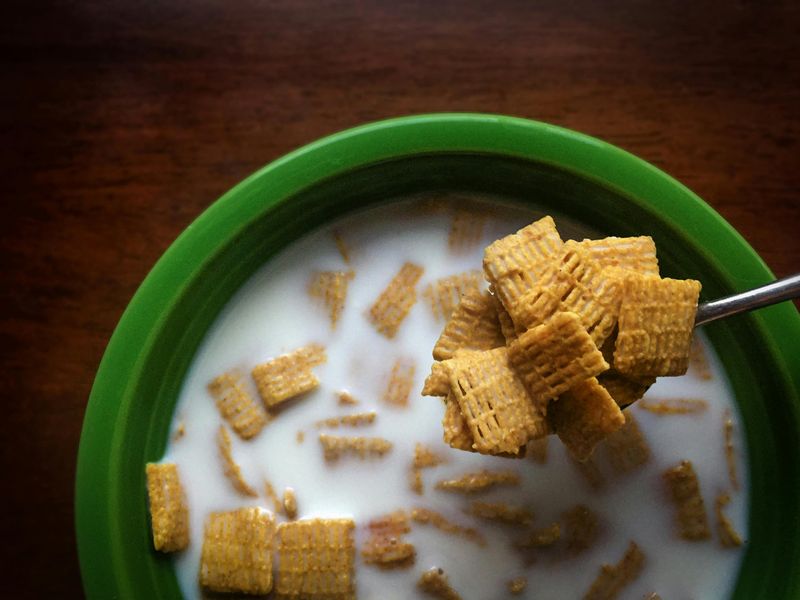
Pouring a bowl of cereal used to be the easiest breakfast choice.
Today’s young adults think it’s too much work.
Cereal sales have fallen 11 percent in just five years.
Millennials complain that cereal requires too much cleanup in the morning rush.
They also worry about sugar content and artificial ingredients.
Instead, they grab protein bars, smoothies, or avocado toast on their way out the door.
Major cereal brands are panicking.
They’ve introduced healthier options and smaller portion packs.
Some companies have even started selling cereal in cups with milk included, hoping convenience will win millennials back to this classic breakfast food.
4. Fabric Softener Bottles
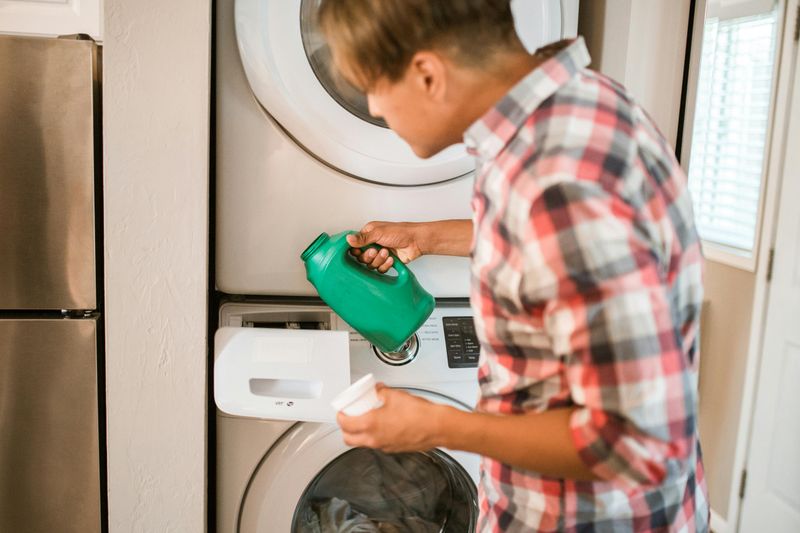
Walk down the laundry aisle at any store, and you’ll notice something interesting.
Fabric softener sales dropped 15 percent between 2007 and 2015, with no recovery in sight.
Millennials question whether they actually need this product.
Modern washing machines and detergents already make clothes soft enough.
Plus, young shoppers worry about chemicals in fabric softener affecting their skin and the environment.
Many millennials use dryer balls made from wool instead.
Others skip fabric softener entirely and don’t miss it.
Companies that built entire businesses around making clothes feel fluffy are now scrambling to stay relevant in a market that doesn’t want them anymore.
5. Home Landline Telephones
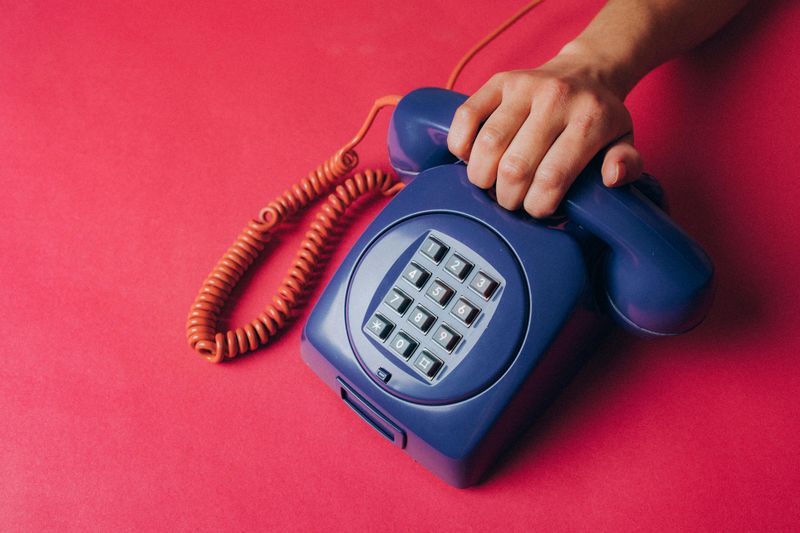
That phone attached to your kitchen wall?
Millennials think it’s basically a museum piece.
Research shows 66 percent of people aged 25-29 live in completely wireless households with no landline at all.
Why would anyone pay for a landline when smartphones do everything better?
You can text, video chat, take your phone anywhere, and never miss a call.
Landlines just sit there, ringing for telemarketers nobody wants to talk to anyway.
Phone companies have watched landline revenue disappear year after year.
Some have stopped offering landline service in certain areas.
For millennials, the idea of being tied to one spot to make calls seems absolutely ridiculous.
6. Mayonnaise Jars
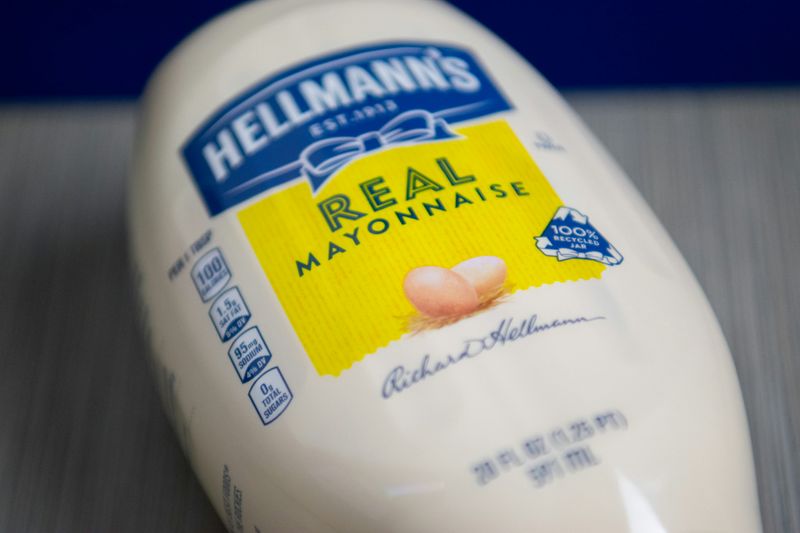
America’s love affair with mayonnaise is ending, at least among younger shoppers.
Between 2012 and 2017, mayo sales dropped 6.7 percent nationwide, and the trend continues.
Millennials find mayonnaise boring and bland.
They want bold flavors like sriracha, chipotle aioli, or hummus on their sandwiches.
Some also worry about calories and cholesterol in traditional mayo.
Companies like Hellmann’s have fought back with flavored versions and lighter recipes.
They’ve launched social media campaigns trying to make mayo cool again.
Despite these efforts, young people keep choosing more exciting spreads, leaving this classic condiment struggling to survive in modern kitchens.
7. Department Store Shopping

Macy’s, Sears, and JCPenney once dominated American retail.
Now they’re closing stores faster than ever, and millennials are partly to blame for their struggles.
Young shoppers prefer buying clothes online or at fast-fashion stores like Zara and H&M.
Department stores feel old-fashioned, with confusing layouts and prices that seem too high.
Why spend an afternoon at the mall when you can order exactly what you want from your couch?
These retail giants have tried creating websites and apps.
Unfortunately, they can’t compete with Amazon’s speed or specialty retailers’ selection.
Thousands of department store workers have lost jobs as this once-mighty industry continues its painful decline.
8. Razor Blades and Shaving Supplies
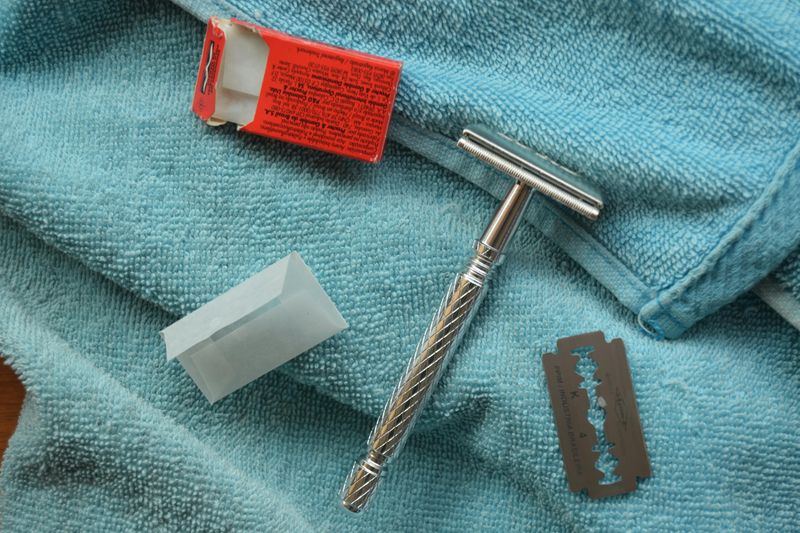
Beards are in, and razor companies are suffering.
Men now shave an average of 3.2 times per month, down from 3.7 times a decade ago.
That might not sound like much, but it’s costing companies millions.
Millennials think fancy razor blades cost too much money.
They’ve also embraced facial hair as fashionable rather than sloppy.
Many young men only shave for job interviews or special occasions.
Companies like Gillette have slashed prices and started subscription services.
They’re also marketing body grooming products instead of just face razors.
Still, the golden age of daily shaving seems to be over for good among younger generations who prefer scruff.
9. Motorcycle Sales

Harley-Davidson and other motorcycle makers are watching their customer base literally die off.
Younger riders aren’t replacing them, and sales have tumbled over the past ten years.
Millennials living in cities don’t need motorcycles for transportation.
They use rideshare apps, public transit, or electric scooters instead.
Motorcycles also seem dangerous and expensive to insure.
The iconic image of freedom on the open road doesn’t appeal to debt-burdened young adults.
They’d rather spend money on experiences like travel than maintaining a bike.
Motorcycle companies are desperately trying to attract younger buyers with smaller, cheaper models, but nothing’s working so far.
10. Paper Greeting Cards

Hallmark stores are disappearing from shopping centers across America.
Physical greeting cards feel outdated when you can send a heartfelt text, email, or social media post instantly and for free.
Millennials don’t see the point in paying five dollars for a card that gets thrown away.
They’d rather send a funny GIF or create a personalized video message.
Environmental concerns also make paper cards seem wasteful.
Card companies have tried adding QR codes and creating digital versions.
Some sell cards with gift card holders attached.
Nothing stops the decline though.
Young people simply don’t value physical cards the way their parents and grandparents did for birthdays and holidays.
11. Diamond Engagement Rings

The diamond industry built itself on the slogan “A diamond is forever.” Millennials aren’t buying it, literally.
Young couples are choosing alternative gemstones, lab-grown diamonds, or skipping engagement rings entirely.
Expensive natural diamonds seem like a waste when you’re drowning in student loan debt.
Millennials also know diamonds aren’t actually rare, and they worry about conflict diamonds from war zones.
Many prefer spending money on weddings, honeymoons, or house down payments instead.
Major diamond companies have launched campaigns to win back young buyers.
They promote lab-grown options and smaller stones.
Despite these efforts, the traditional diamond engagement ring is losing its grip on American culture.
12. Golf Equipment and Memberships

Country clubs and golf courses are struggling to attract young members.
Golf participation has dropped significantly among millennials, who find the sport too expensive, time-consuming, and exclusive.
Playing 18 holes takes four or five hours that busy young adults don’t have.
Equipment costs hundreds or thousands of dollars.
Club memberships require even more money and often come with stuffy dress codes and rules.
Millennials prefer quick, social activities like pickleball or rock climbing.
They want exercise that feels fun, not formal.
Golf’s image as an old man’s game isn’t helping either.
The industry has tried everything from shorter courses to relaxed dress codes, but millennials still aren’t interested.
13. Bar Soap Bars
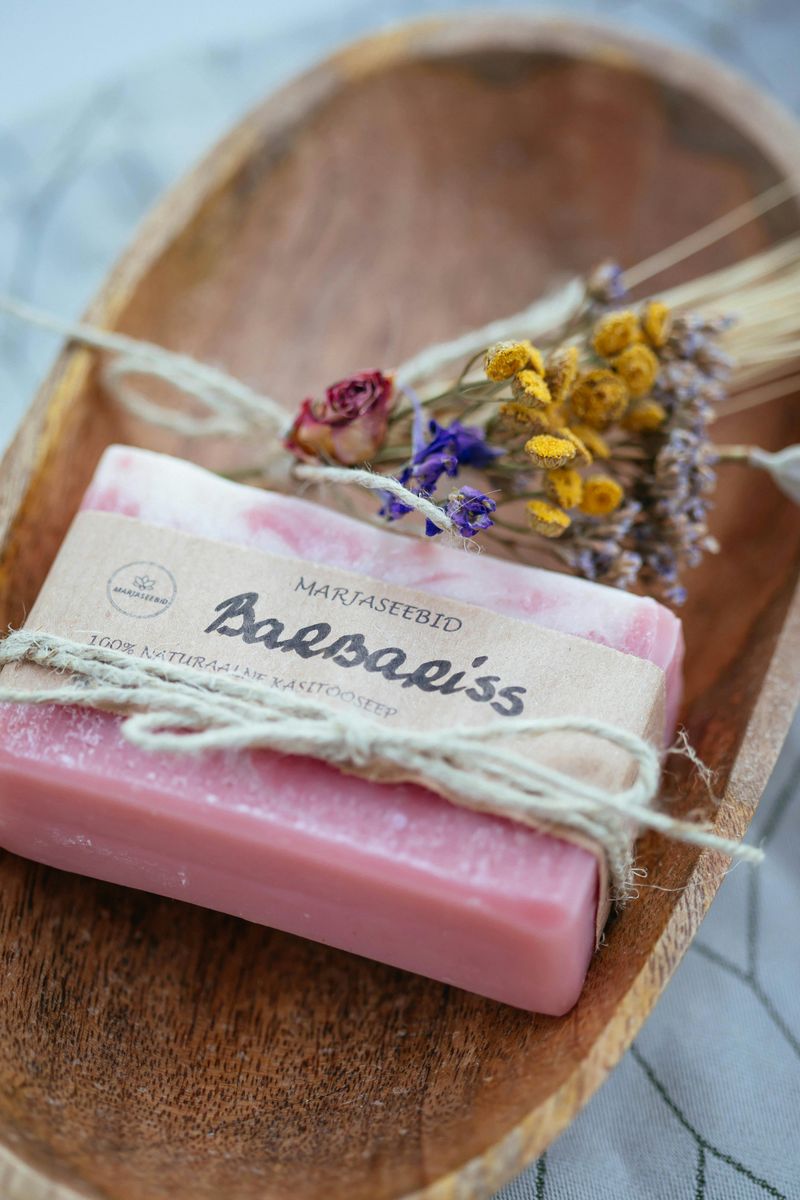
That slippery bar of soap in your shower?
Millennials think it’s gross.
They’ve switched to liquid body wash, and bar soap sales have suffered dramatically as a result.
Young people worry that bar soap harbors germs when multiple people use it.
Liquid soap in pump bottles feels cleaner and more hygienic.
Body wash also comes in more scents and varieties than traditional bars.
Soap companies have responded with individually wrapped bars and specialty products.
Some market natural, handmade soaps as eco-friendly alternatives to plastic bottles.
Most millennials still prefer liquid though, viewing bar soap as something their grandparents used in the old days before better options existed.
14. Napkins and Paper Towels

Walk into a millennial’s home and you might not find paper napkins or towels.
Sales of disposable paper products have declined as young people switch to reusable cloths and towels.
Environmental concerns drive this change.
Millennials hate creating unnecessary waste that ends up in landfills.
Reusable options save money over time too, which matters when you’re paying off student loans and saving for a house.
Paper product companies have introduced recycled and sustainable options.
They’ve made paper towels stronger so you use less.
Young shoppers still prefer washable alternatives though, viewing disposable paper products as wasteful and old-fashioned.
This shift is forcing major brands to completely rethink their business models.
15. Light Yogurt Products
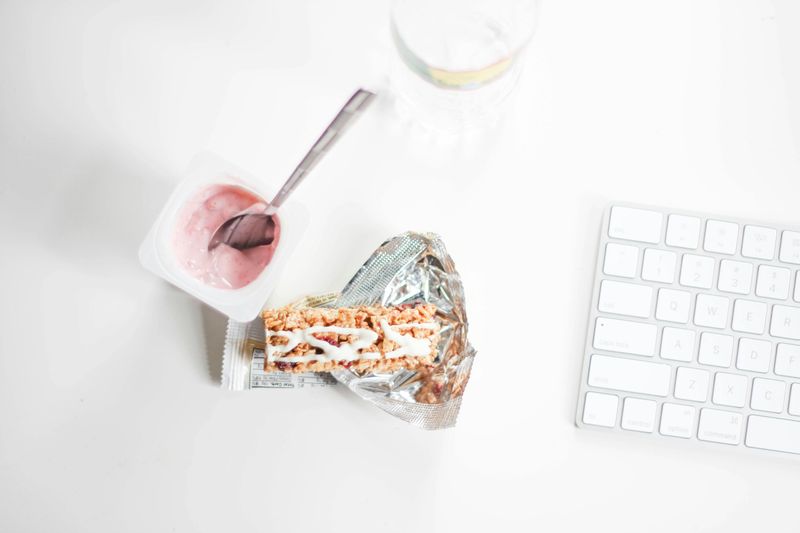
Remember when low-fat and light yogurt dominated grocery store dairy aisles?
Not anymore.
Millennials have rejected diet yogurt in favor of full-fat Greek yogurt and other richer options.
Young shoppers don’t trust artificial sweeteners used in light yogurt.
They’ve learned that fat isn’t the enemy nutritionists once claimed.
Full-fat yogurt keeps you fuller longer and tastes better without weird chemical aftertastes.
Companies that built empires on diet products are scrambling.
They’re reformulating recipes and launching new full-fat lines.
Many millennials now view “light” labels as a warning sign rather than a selling point, completely reversing decades of diet culture marketing.
16. Casual Dining Chain Restaurants

Applebee’s, Chili’s, and TGI Friday’s face an existential crisis.
Millennials aren’t eating at casual dining chains like their parents did, causing widespread closures and declining profits.
Young diners find chain restaurants boring and inauthentic.
They’d rather try local restaurants with unique menus or order delivery from their couch.
Casual chains seem stuck in the past with outdated decor and microwaved food.
These restaurants have added delivery options and updated menus with trendy items.
They’ve renovated locations and launched social media campaigns.
Nothing works though.
Millennials simply don’t see the appeal of sitting in a cookie-cutter restaurant when better options exist, leaving this once-thriving industry fighting for survival.
17. Starter Homes
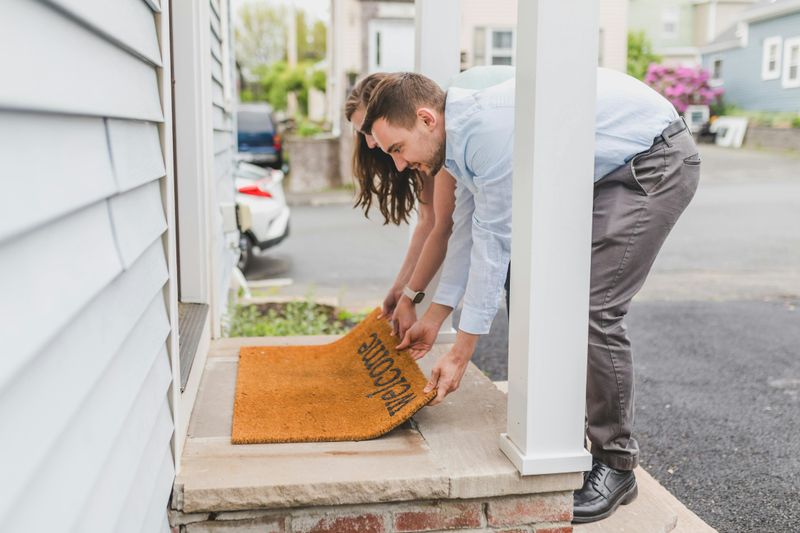
The traditional path of buying a small starter home and trading up later is broken.
Millennials can’t afford houses the way previous generations could, reshaping the entire real estate industry.
Student loan debt, stagnant wages, and sky-high housing prices make homeownership impossible for many young adults.
Those who do buy often skip starter homes entirely, waiting until they can afford something bigger.
Others rent forever or choose alternative housing like condos or tiny homes.
Real estate agents and builders are adjusting strategies.
They’re focusing on luxury properties for older buyers or rental properties.
The starter home market that once drove suburban growth has essentially collapsed for millennial buyers.
18. Doorbells

That button next to your front door is becoming obsolete.
Millennials installing video doorbells from Ring and Nest have made traditional doorbells seem ancient and pointless.
Smart doorbells let you see who’s at the door from your phone, even when you’re not home.
They record video of package deliveries and potential burglars.
Regular doorbells just make noise, which seems useless by comparison.
Traditional doorbell companies are trying to add smart features to compete.
Most millennials buying or renovating homes skip old-fashioned doorbells entirely though.
They want technology that connects to their smartphones, not mechanical buttons that do one simple thing their grandparents used decades ago.
19. Banks with Physical Branches

When was the last time you actually walked into a bank?
If you’re a millennial, probably never.
Young adults handle all their banking through apps, making physical branches increasingly irrelevant.
Mobile banking lets you deposit checks, transfer money, and pay bills instantly from anywhere.
Why waste time driving to a branch and waiting in line?
Online banks often offer better interest rates too, without expensive buildings to maintain.
Traditional banks are closing thousands of branches nationwide.
They’re investing heavily in apps and digital services instead.
Many millennials have never even met a human bank teller, viewing physical banking as a bizarre inconvenience from the past.
20. Wedding China and Fine Dinnerware

Registering for expensive china sets used to be a wedding tradition.
Millennials are breaking that tradition, leaving fine dinnerware companies struggling to find buyers.
Young couples don’t want dishes they’ll only use twice a year.
They prefer versatile, dishwasher-safe plates for everyday use.
Formal dinner parties feel stuffy and old-fashioned compared to casual gatherings with friends.
Storage is another issue in smaller millennial homes and apartments.
Why dedicate cabinet space to fancy plates gathering dust?
Companies selling fine china have tried marketing smaller sets and modern designs.
Millennials still aren’t interested, preferring to spend wedding gift money on experiences like honeymoons instead of dishes.
21. Ironing Boards and Irons
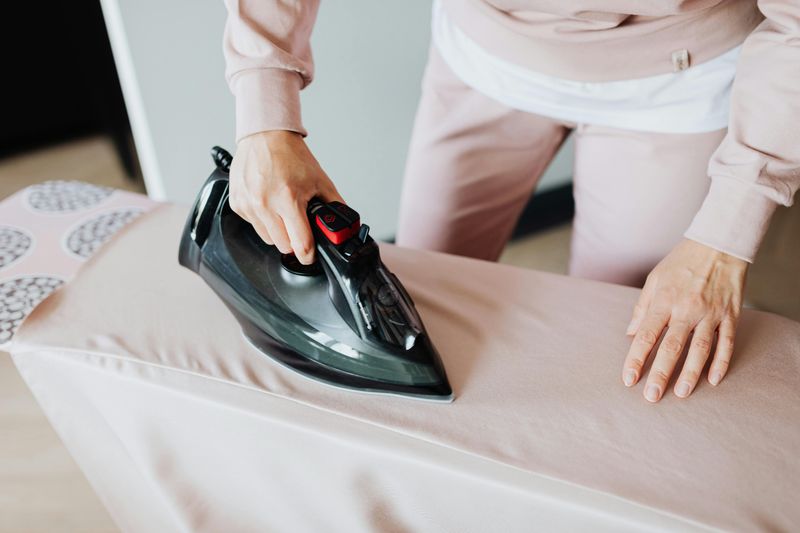
Ironing clothes is becoming a lost art.
Millennials rarely iron anything, causing sales of irons and ironing boards to drop significantly over the past decade.
Wrinkle-free and performance fabrics have made ironing less necessary.
Young people also dress more casually for work, where slightly wrinkled shirts are acceptable.
When they do need crisp clothes, they use handheld steamers or just throw items in the dryer with a damp towel.
Spending time ironing seems ridiculous to millennials with busy schedules.
They’d rather do literally anything else with that time.
Appliance companies keep making fancier irons with more features, but millennials still aren’t buying them for homes where they’ll sit unused.
22. Designer Handbags
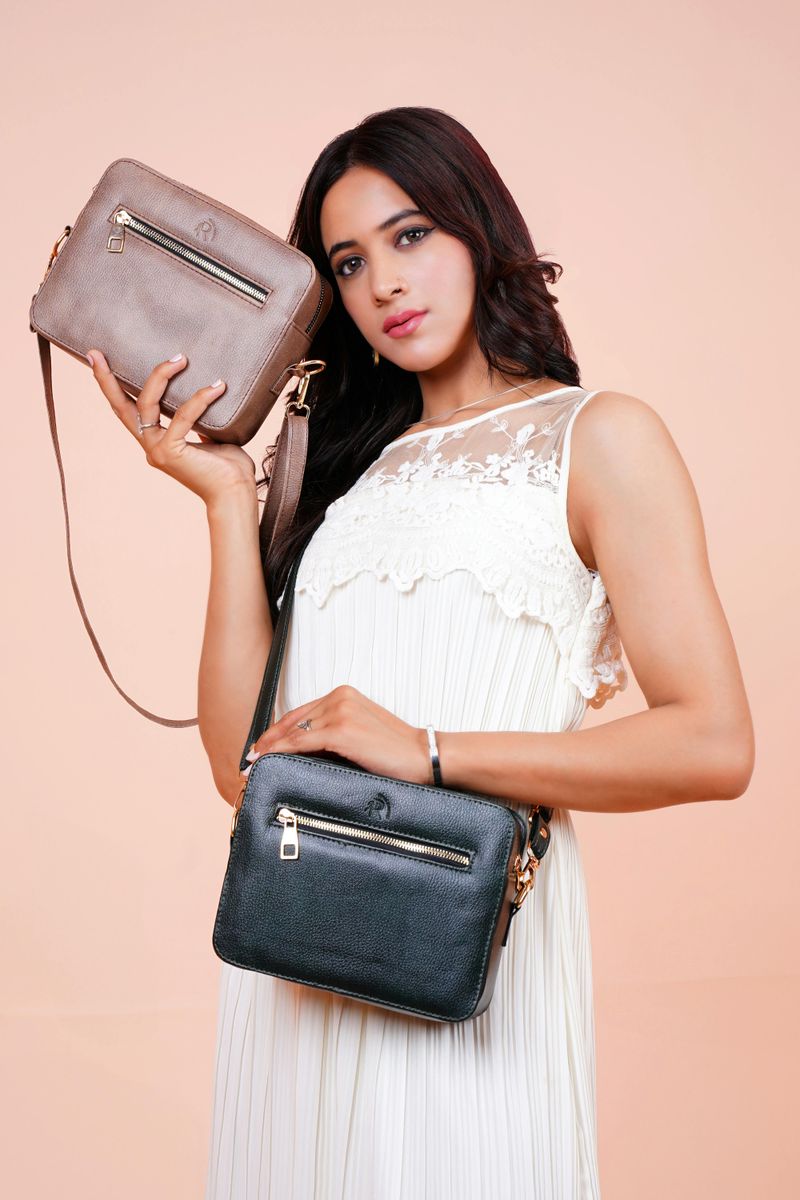
Luxury handbag makers are panicking as millennials reject expensive purses that previous generations coveted.
Young women would rather spend money on travel and experiences than thousand-dollar bags.
Millennials find designer handbags impractical and unnecessarily expensive.
They prefer functional crossbody bags or backpacks that hold laptops and water bottles.
Showing off brand names seems shallow and materialistic to them.
Companies like Coach and Michael Kors have seen sales plummet.
They’ve introduced cheaper lines and more casual styles trying to attract younger buyers.
Most millennials still choose affordable options from Target or small brands instead, fundamentally changing the luxury accessories market that once thrived on status symbols.
23. Processed Lunch Meats

Pre-packaged lunch meats like bologna and processed turkey are disappearing from millennial shopping carts.
Sales have dropped as young people worry about nitrates, sodium, and mystery ingredients in processed meats.
Millennials prefer fresh-sliced deli meat or plant-based alternatives.
They’ve read articles about cancer risks from processed meats and want cleaner, healthier options.
The convenience of pre-packaged meat doesn’t outweigh health concerns.
Companies have launched nitrate-free and organic versions trying to win back younger shoppers.
They’ve created fancier packaging and marketing campaigns.
Despite these changes, millennials remain skeptical of processed lunch meats, viewing them as unhealthy leftovers from a less health-conscious era that their generation is leaving behind.
24. Daily Newspaper Subscriptions

Morning paper delivery used to be a daily routine for millions of American households.
Now, driveways stay empty as millennials get their news instantly from smartphones and social media.
The newspaper industry has lost more than half its advertising revenue since 2000, with hundreds of local papers shutting down.
Why pay for yesterday’s news when you can read breaking stories for free online?
Millennials prefer digital sources that update constantly and don’t create piles of recycling.
Many have never held a physical newspaper subscription, choosing apps and websites that curate stories based on their interests instead.
25. American Cheese Slices
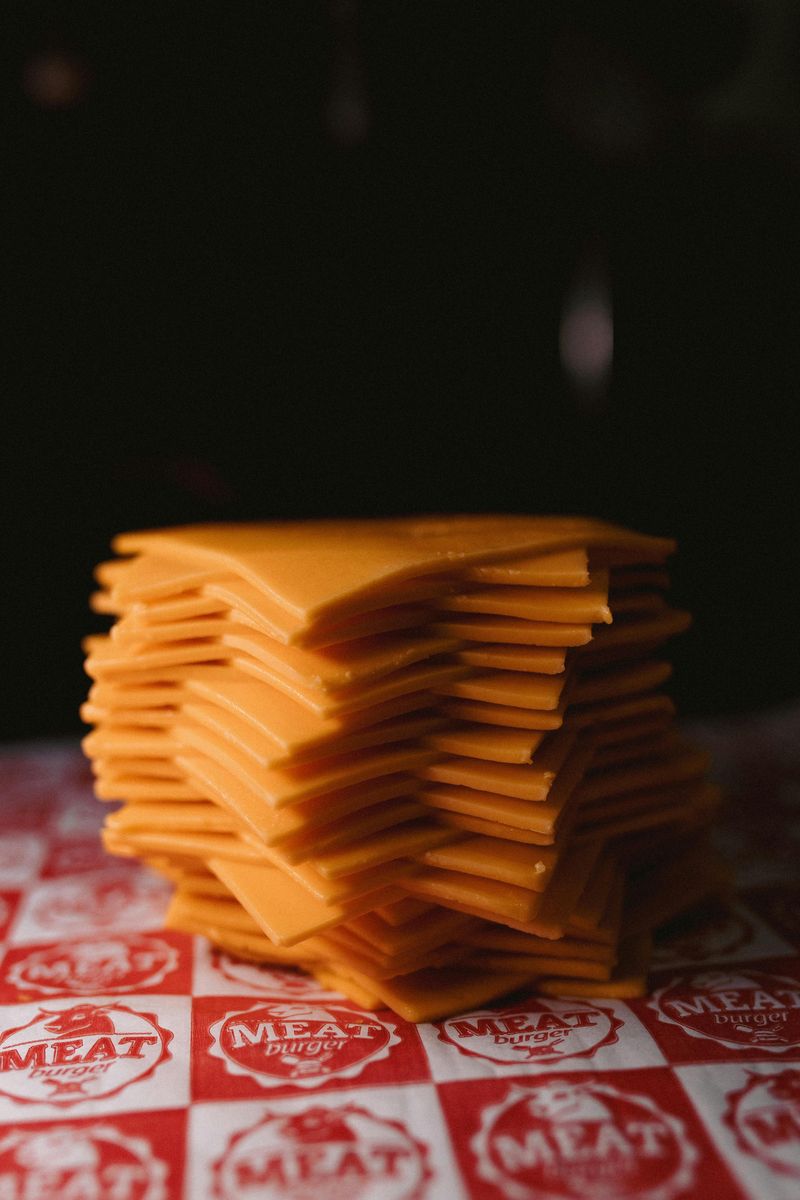
Those bright orange squares wrapped in individual plastic no longer make it into millennial shopping carts.
Health-conscious buyers are reading ingredient labels and discovering that American cheese barely qualifies as real cheese.
Made from processed cheese product with added oils, emulsifiers, and artificial colors, it represents everything this generation tries to avoid.
Millennials grew up watching cooking shows and learning about artisan foods, making them more adventurous with their cheese choices.
They’d rather spend more on aged cheddar, fresh mozzarella, or specialty cheeses from local farms.
The processed cheese market has declined steadily, forcing major brands to introduce more natural alternatives.
Comments
Loading…