
 Hailey Watson
12 So-Called True Story Movies That Completely Rewrote Reality
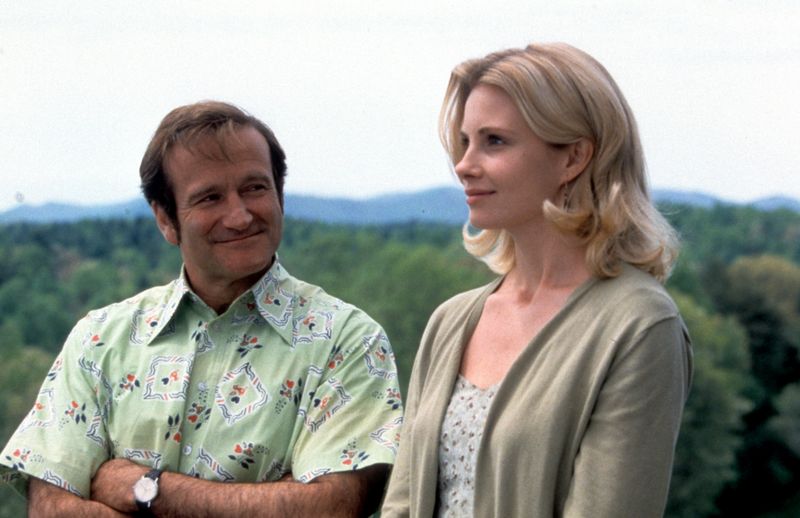
Hollywood loves slapping “based on a true story” onto movie posters, but that label often hides some seriously creative storytelling.
Filmmakers frequently twist facts, invent characters, and completely reimagine events to make their stories more exciting.
While these movies entertain millions, the real stories behind them are sometimes totally different from what appears on screen.
Here are twelve films that took major liberties with the truth while claiming to tell it like it happened.
1. American Hustle
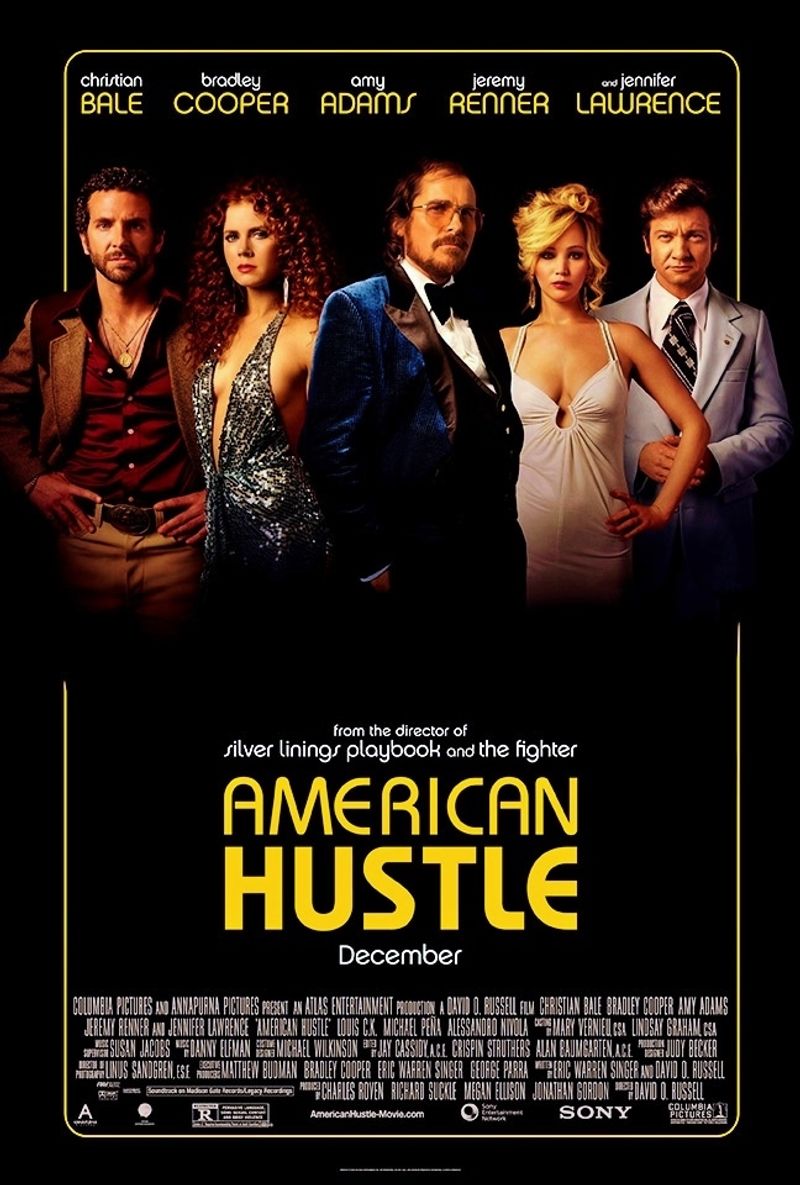
Director David O.
Russell opened this film with a cheeky disclaimer: “Some of this actually happened.” That statement turned out to be generous.
The movie dramatizes the FBI’s Abscam operation from the late 1970s, but creates entirely fictional characters and backstories.
Irving Rosenfeld’s elaborate past never existed in reality.
The portrayal of Camden Mayor Carmine Polito bears little resemblance to the actual politicians involved.
Even the central romance between con artists is Hollywood invention.
The real Abscam operation caught several congressmen accepting bribes, but the film transforms this straightforward sting into a glamorous caper filled with elaborate cons and love triangles that never happened.
2. The Hurricane
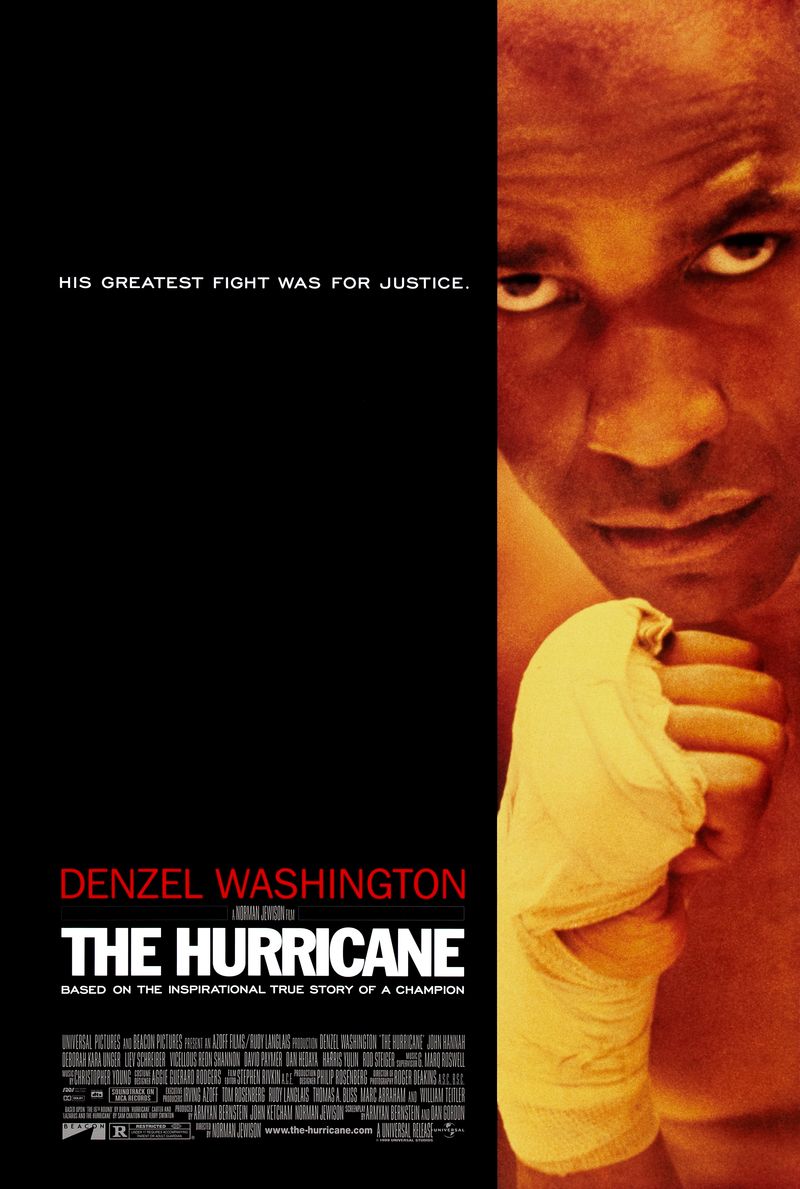
Denzel Washington delivered a powerful performance as wrongfully imprisoned boxer Rubin Carter, earning an Oscar nomination.
However, the film presents a sanitized version of a far more complicated story.
The movie simplifies decades of legal battles into a straightforward tale of injustice.
Carter’s actual case involved multiple trials, conflicting evidence, and controversies the film completely ignores.
The Canadian activists who helped free him get portrayed with exaggerated importance.
Many key players from Carter’s real legal team don’t appear at all.
The film also glosses over aspects of Carter’s past that would have complicated the narrative, choosing inspiration over accuracy at nearly every turn.
3. The Blind Side
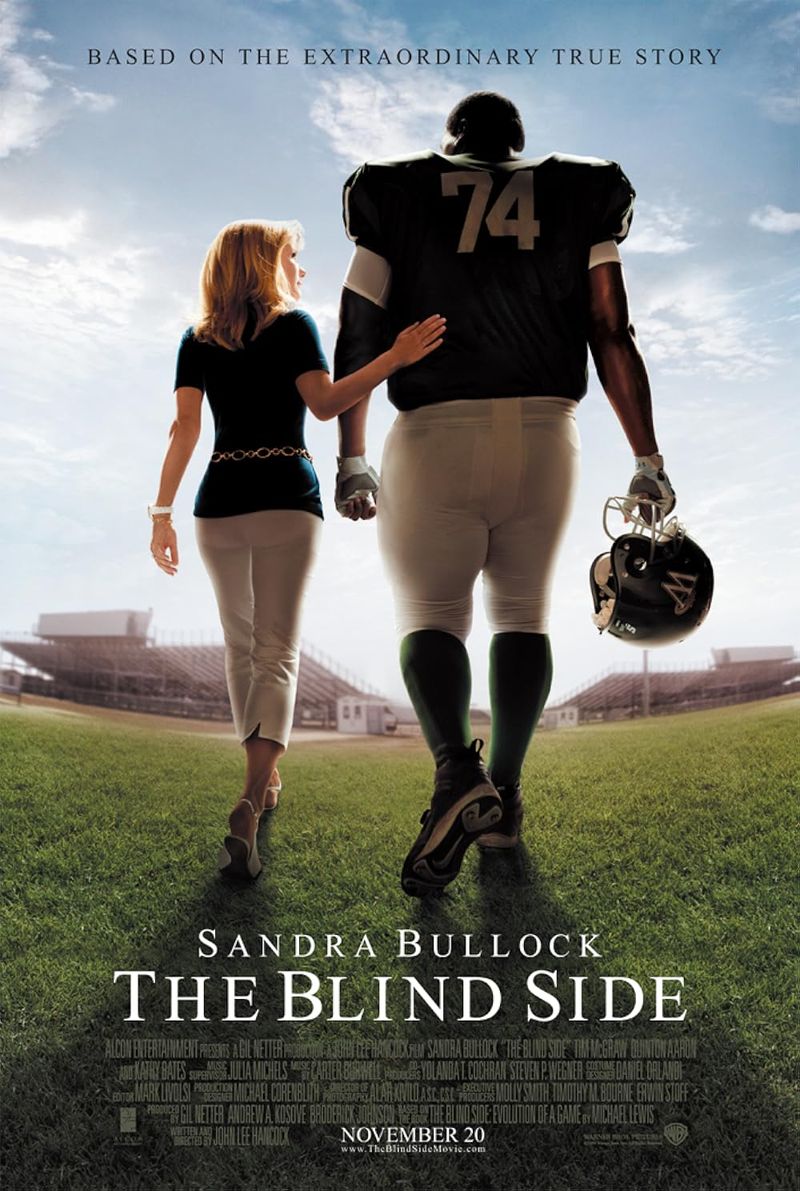
Sandra Bullock won an Academy Award playing Leigh Anne Tuohy, but Michael Oher himself has expressed frustration with how this film portrays his journey.
The movie suggests he barely understood football before the Tuohy family adopted him, which wasn’t true at all.
Oher already possessed significant athletic skills and received coaching from multiple sources.
The film dramatically overstates the Tuohy family’s role while downplaying other important mentors and supporters.
His own intelligence and determination get minimized in favor of a white savior narrative.
The real story involves far more complexity than a simple rags-to-riches tale, with Oher’s own agency largely erased from the Hollywood version.
4. The Exorcist
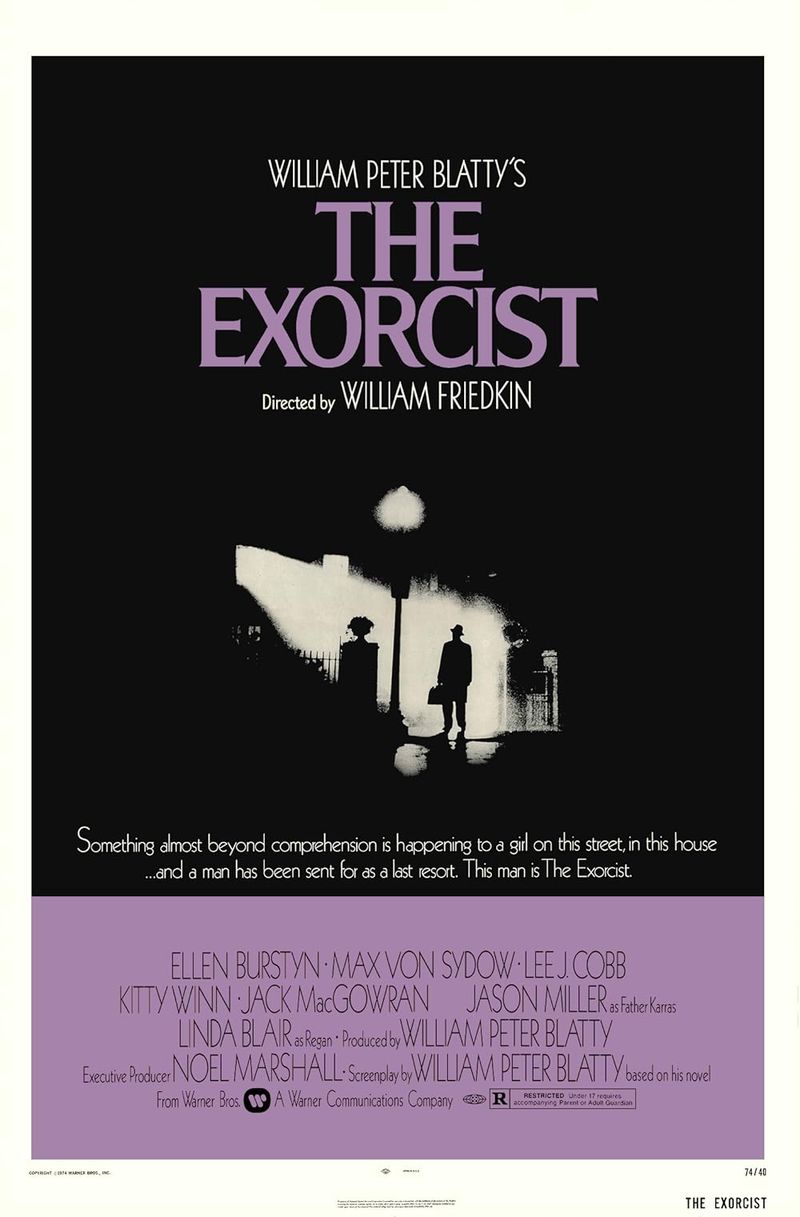
Few realize this terrifying classic claims roots in a real 1949 case from Maryland.
The truth?
That case involved a young boy, not a girl, and occurred in a completely different location.
The actual events remain disputed, with skeptics questioning whether any genuine possession occurred.
Medical records suggest the child might have suffered from mental illness rather than demonic influence.
The famous head-spinning, projectile vomiting, and levitation scenes are pure Hollywood invention.
Most dramatic moments in the film have zero basis in the original case files.
Author William Peter Blatty took minor inspiration from newspaper accounts, then created an entirely fictional story that became a cultural phenomenon.
5. The Texas Chainsaw Massacre
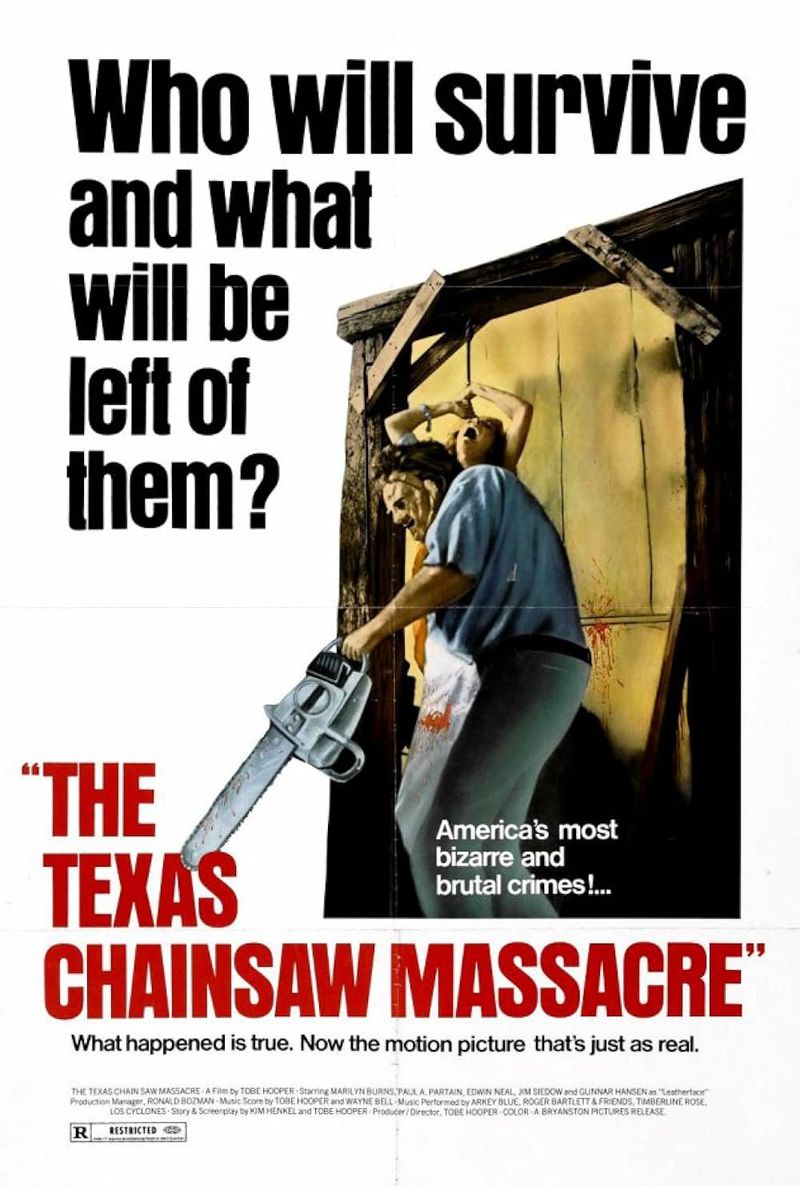
“This film is based on true events,” the opening crawl declares ominously.
That statement is essentially false advertising.
Director Tobe Hooper drew loose inspiration from serial killer Ed Gein, who lived in Wisconsin, not Texas, and never used a chainsaw.
Gein’s crimes involved grave robbing and two murders, nothing resembling the film’s massacre.
The character of Leatherface, the cannibalistic family, and virtually every plot point are complete fabrications.
No group of teenagers was ever attacked in rural Texas the way the film depicts.
The “true story” angle was purely a marketing gimmick designed to make the horror feel more immediate and terrifying to audiences.
6. Fargo
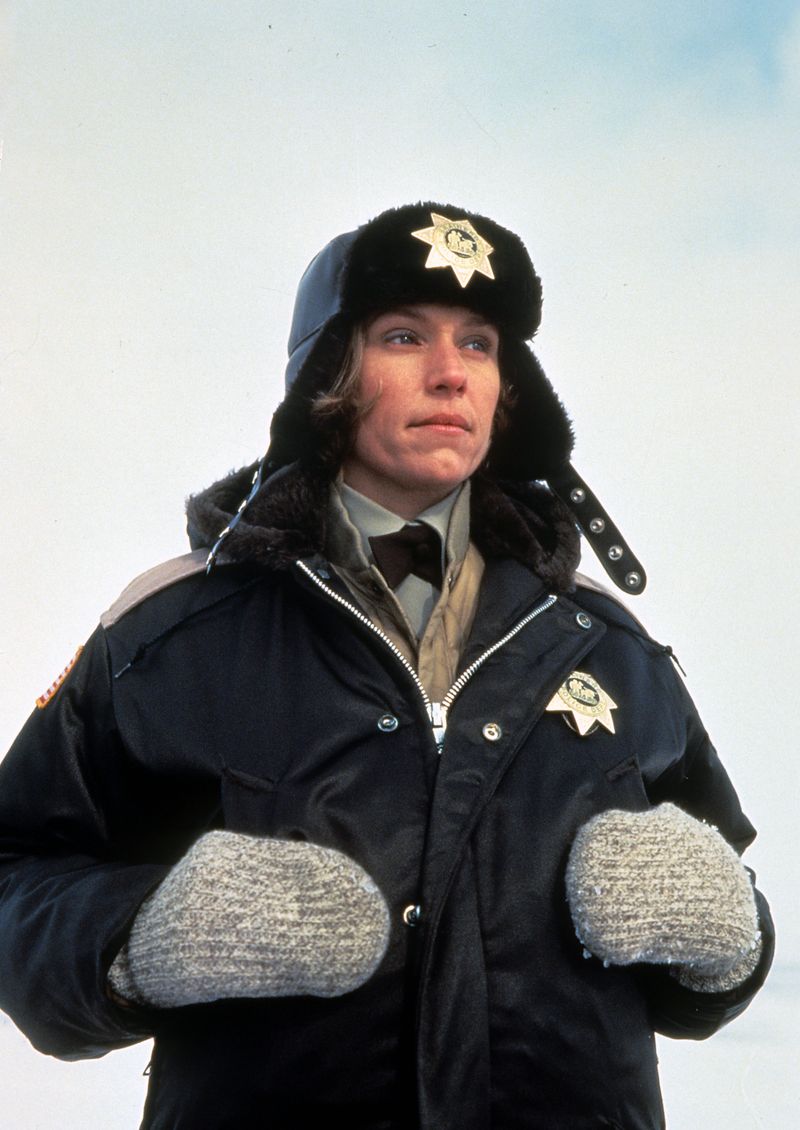
The Coen Brothers opened their dark comedy with a bold claim: “This is a true story.” Audiences believed them for years.
Eventually, the filmmakers admitted they completely made everything up.
No pregnant police chief investigated murders in Brainerd, Minnesota.
The wood chipper murder never happened.
The bumbling criminals, the car salesman’s scheme, and every character are fictional creations.
The Coens later explained they added the disclaimer to make the absurd events feel more plausible.
Their trick worked brilliantly, fooling viewers into accepting increasingly ridiculous plot developments.
The film won Oscars while being entirely invented, proving that sometimes the best true stories are completely fake.
7. Argo
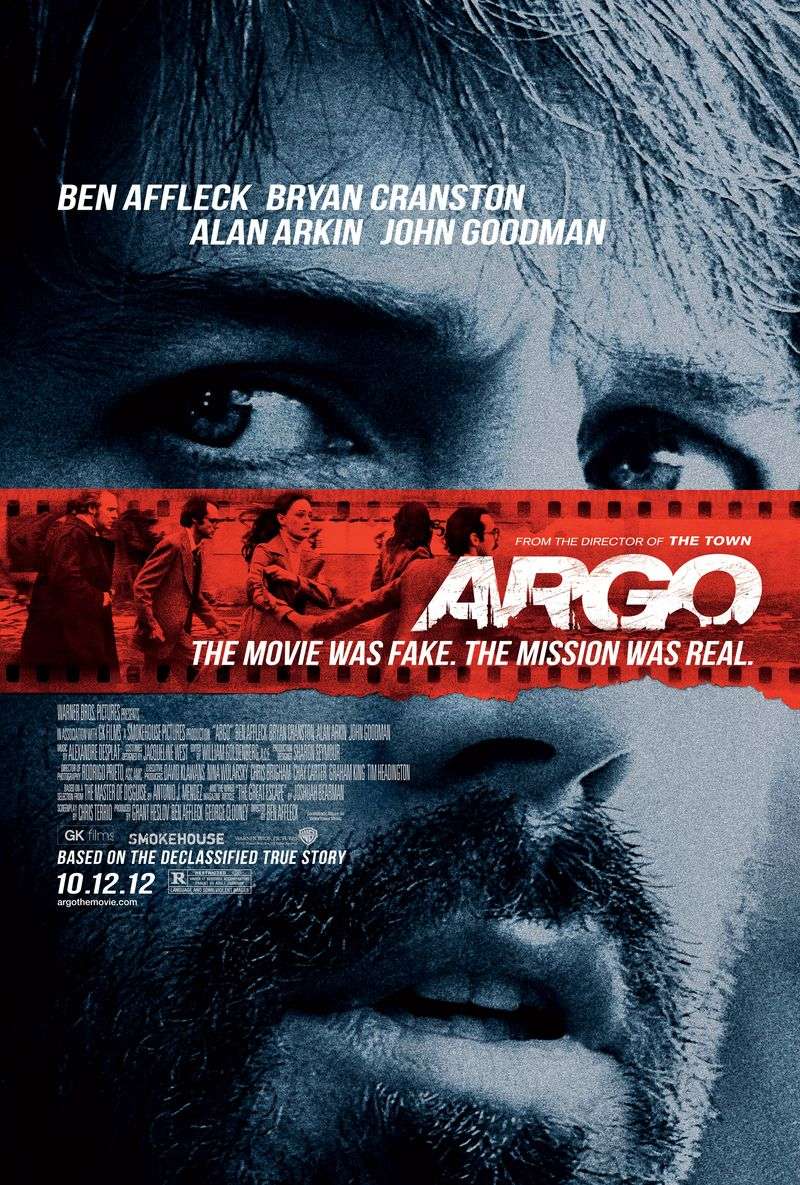
Ben Affleck’s thriller won Best Picture for its portrayal of a daring CIA rescue during the Iranian hostage crisis.
The basic framework is accurate, but Hollywood dramatically inflated the tension.
That nail-biting airport chase scene?
Completely fabricated.
The real extraction went smoothly without last-minute confrontations.
The film also diminishes Canada’s crucial role, angering Canadian officials who felt their contribution was erased.
New Zealand and Canadian ambassadors who sheltered Americans barely appear.
Tony Mendez’s plan was brilliant, but the movie adds unnecessary drama to an already impressive operation.
Former President Carter himself criticized the film’s historical distortions despite its entertainment value.
8. The Imitation Game
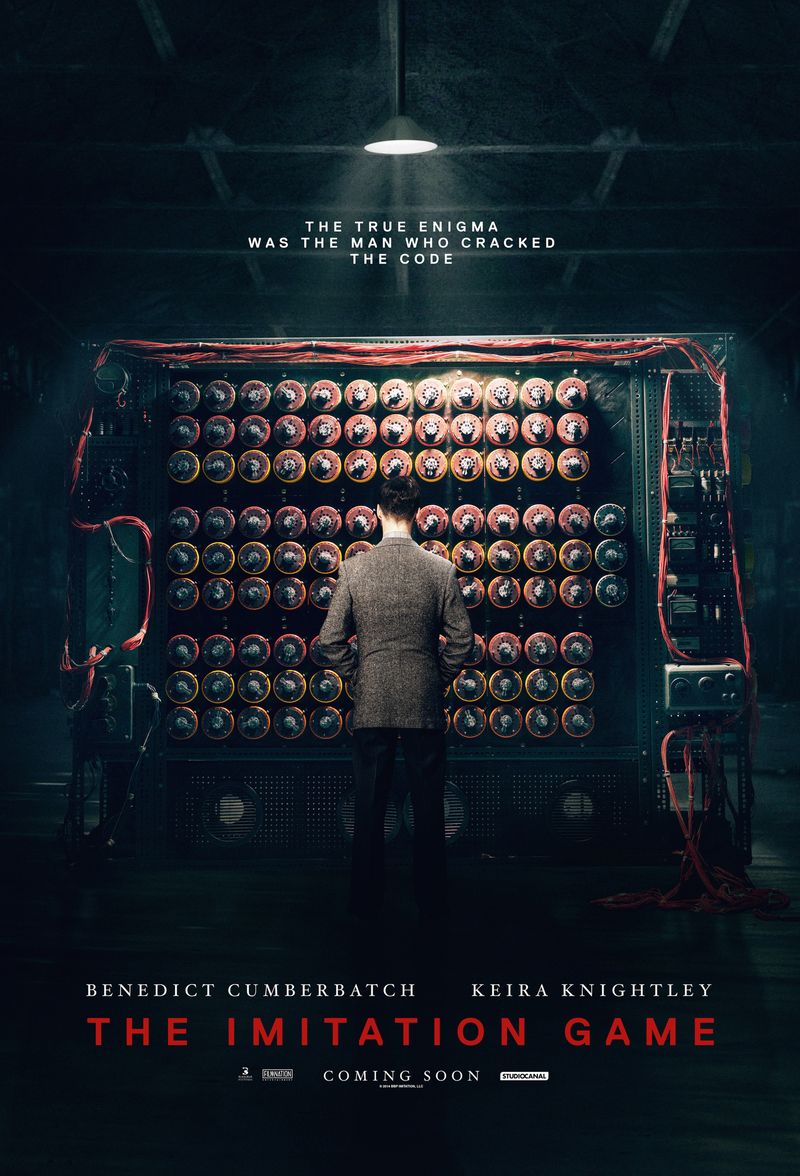
Benedict Cumberbatch portrayed brilliant mathematician Alan Turing, but historians cringed at numerous inaccuracies.
The film suggests Turing almost single-handedly cracked the Enigma code, ignoring the massive team effort involved.
His colleagues get portrayed as dismissive when they actually respected his genius.
The movie invents a Soviet spy subplot and dramatically exaggerates Turing’s social awkwardness.
His relationship with Joan Clarke is romanticized beyond reality.
The famous scene where Turing suddenly realizes how to break Enigma never happened that way.
While the film highlights Turing’s tragic persecution for homosexuality, it sacrifices historical accuracy throughout, frustrating scholars who know the real story.
9. Braveheart
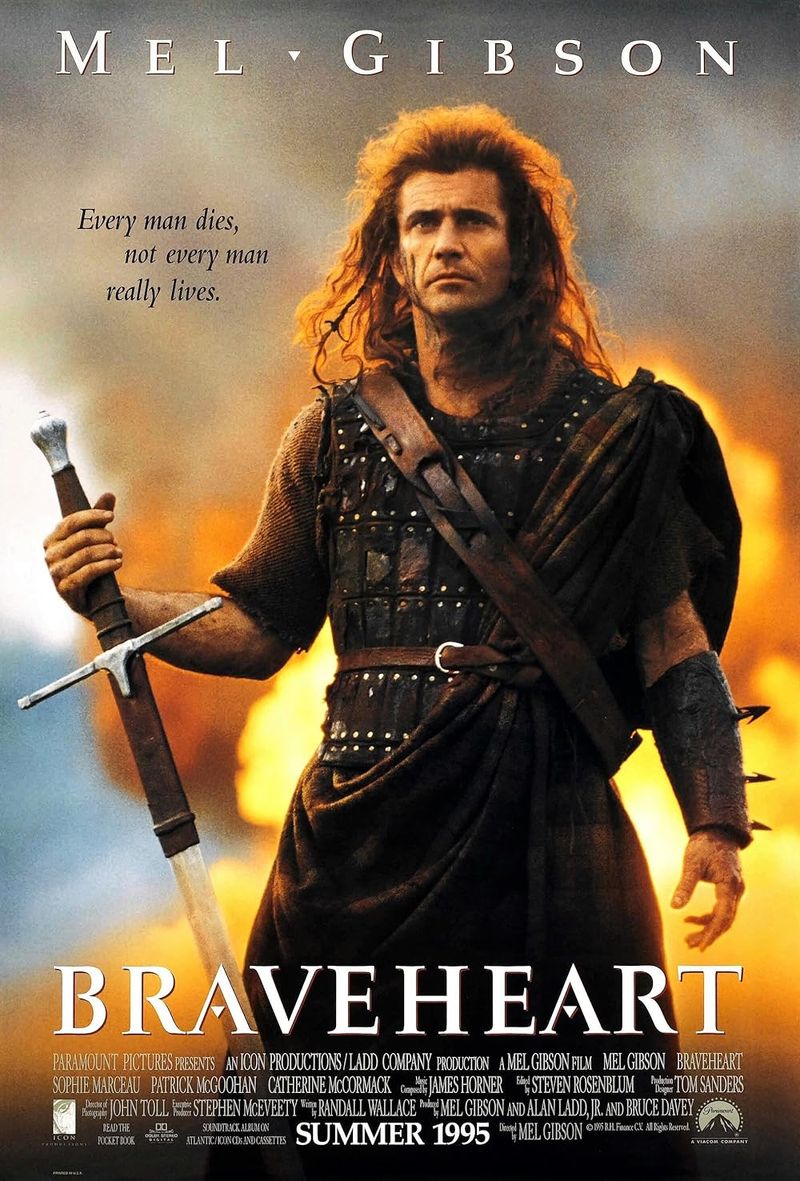
Mel Gibson’s epic inspired Scottish pride worldwide, but historians consider it almost completely fictional.
William Wallace never wore a kilt since they didn’t exist in the 13th century.
The famous face paint?
Also invented, borrowed from much earlier Celtic traditions.
The romance with Princess Isabella is impossible since she was a child in France when Wallace died.
The Battle of Stirling Bridge happens without the actual bridge, which was tactically crucial.
Dozens of timeline errors place events years apart as if they happened consecutively.
Gibson created a rousing adventure film that captures emotional truth while butchering historical facts at every opportunity.
10. A Beautiful Mind
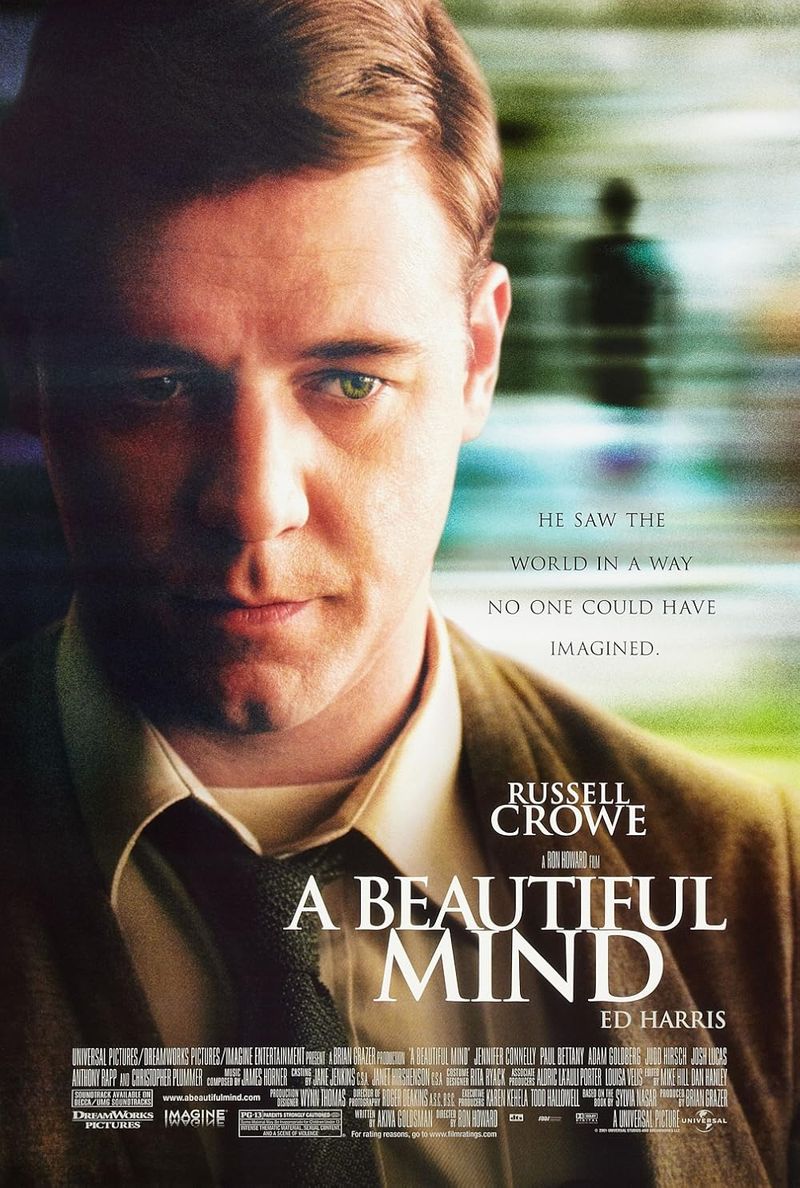
Russell Crowe’s portrayal of mathematician John Nash won Oscars but sanitized the real story considerably.
The film depicts Nash experiencing visual hallucinations, but his actual schizophrenia involved auditory hallucinations instead.
His roommate Charles never existed as shown.
The movie glosses over Nash’s arrest for indecent exposure and his troubled first marriage.
His bisexuality gets completely erased from the narrative.
The film also exaggerates his Pentagon codebreaking work while minimizing his actual mathematical achievements.
Nash’s recovery from mental illness was gradual and complicated, not the dramatic breakthrough the film suggests.
The real story involves messier human struggles than Hollywood wanted to show.
11. The Social Network
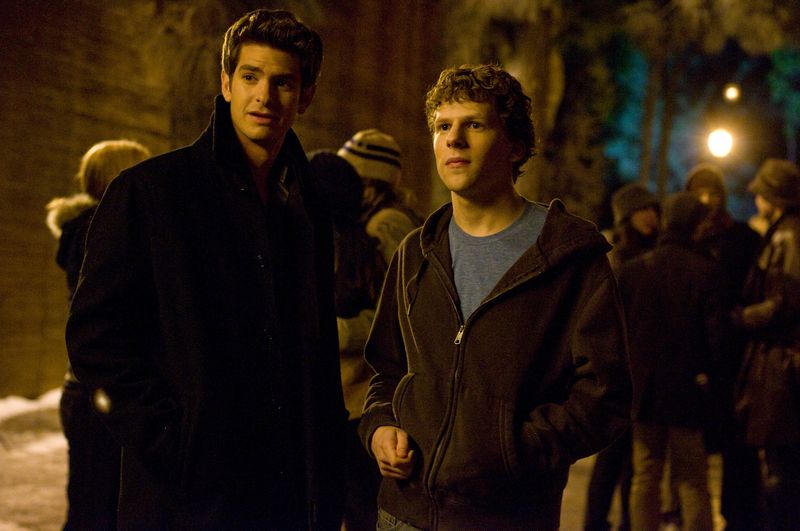
Aaron Sorkin’s rapid-fire dialogue made Facebook’s origin story compelling, but Mark Zuckerberg himself called it fiction.
The movie portrays him creating Facebook after a breakup, but he was already dating his now-wife Priscilla Chan when Facebook launched.
Eduardo Saverin’s role and betrayal get dramatized far beyond reality.
The Winklevoss twins’ lawsuit is exaggerated for dramatic effect.
Zuckerberg appears socially inept throughout, contradicting accounts from people who actually knew him at Harvard.
Sorkin admitted he prioritized creating interesting characters over factual accuracy.
The result entertains brilliantly while bearing limited resemblance to how Facebook actually came to exist.
12. Patch Adams
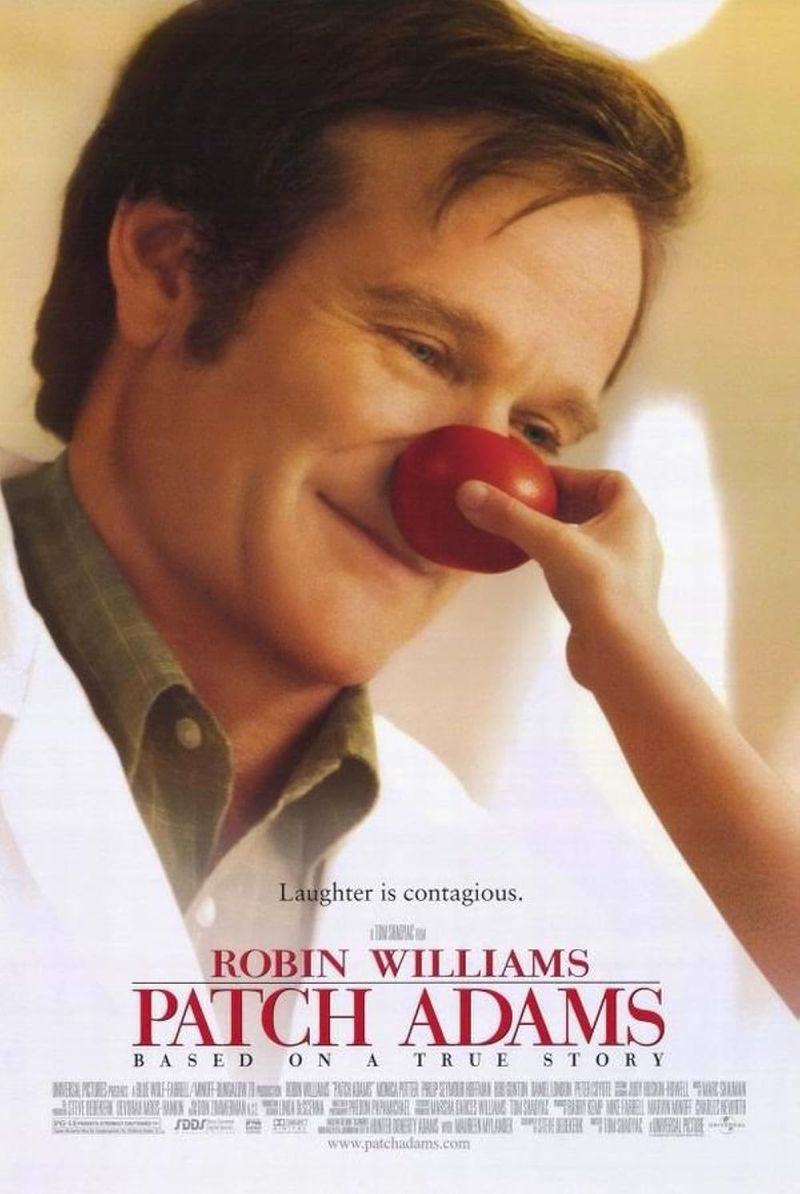
Robin Williams brought warmth to this story about an unconventional doctor, but the real Patch Adams hated the film.
The movie invents a girlfriend who gets murdered, a storyline that never happened and Adams found exploitative and offensive.
His medical school experiences were far less antagonistic than portrayed.
The film suggests he revolutionized medicine single-handedly, ignoring countless colleagues in the holistic healthcare movement.
His actual philosophy gets simplified into clowning around, missing deeper points about healthcare reform.
Adams publicly criticized the film for decades, frustrated that millions know a fictional version of his life rather than his real work building free clinics worldwide.
Comments
Loading…