
 Jade Reed
14 Movies That Nearly Everyone Dislikes
Some movies become beloved classics, while others are remembered for all the wrong reasons. Certain films manage to unite critics and audiences in collective disappointment, earning their place in cinema history as cautionary tales.
From misguided adaptations to comedy misfires, these movies prove that even big budgets and famous stars cannot guarantee success. Here are fourteen films that struggled to find fans anywhere.
1. Street Fighter (1994)
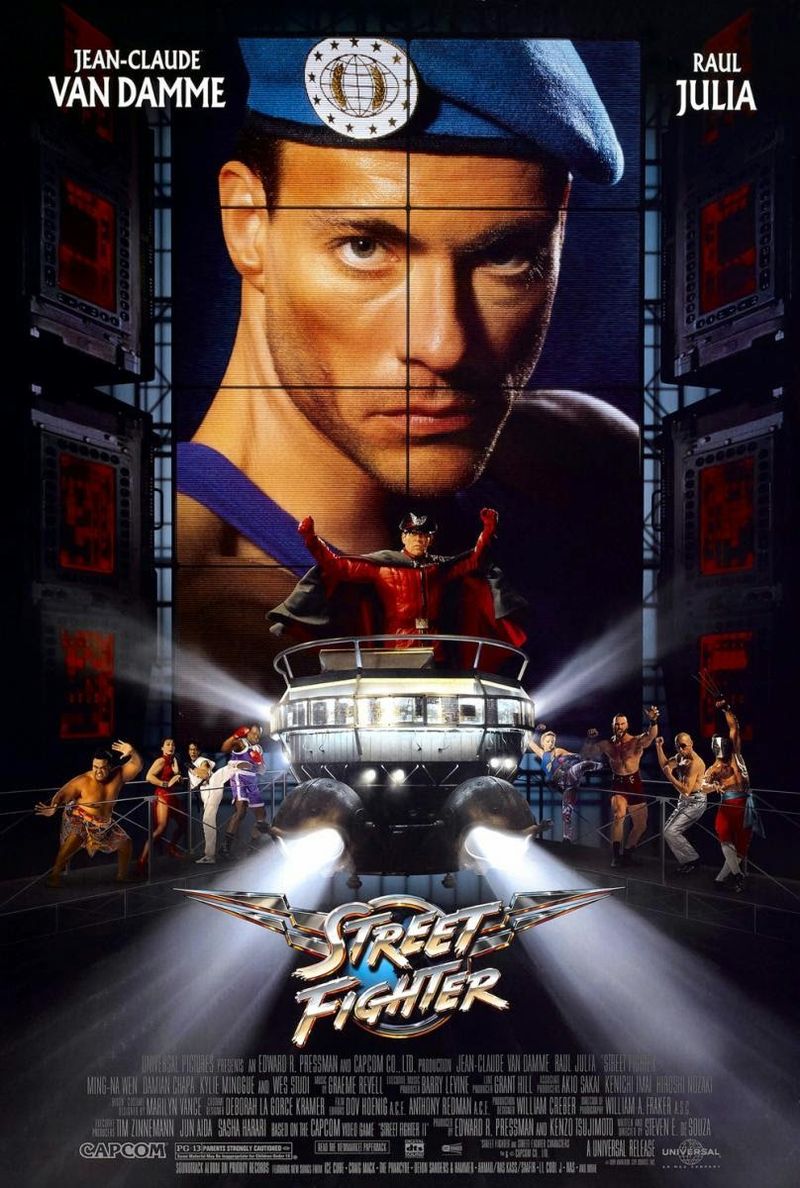
Based on the wildly popular video game franchise, this action flick starring Jean-Claude Van Damme disappointed fans and newcomers alike.
The film strayed far from its source material, turning beloved characters into unrecognizable versions of themselves.
Van Damme’s portrayal of Guile felt miscast, while the script failed to capture the spirit of the game.
Critics panned the cheesy dialogue and weak plot that felt rushed and confusing.
The special effects looked dated even for the mid-90s, making fight scenes less exciting than they should have been.
Raul Julia’s performance as M. Bison became the only bright spot, though even his talent couldn’t save the overall product.
Fans expected thrilling martial arts battles but got a messy action movie instead.
The film currently holds embarrassingly low scores on review sites, cementing its status as a failed adaptation.
2. The Room (2003)
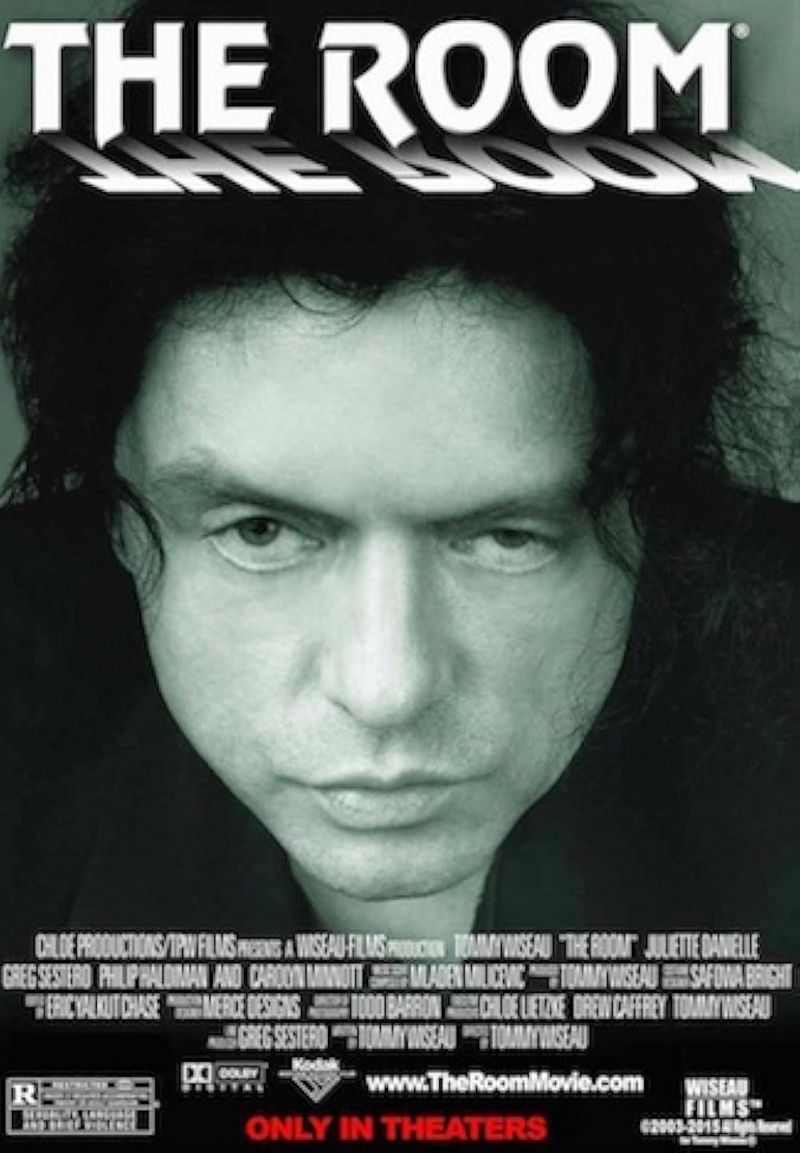
Tommy Wiseau wrote, directed, produced, and starred in what many call the worst movie ever made.
This bizarre drama about love and betrayal became famous for its terrible acting, nonsensical plot, and baffling creative choices.
Scenes appear randomly without connecting to the story, while dialogue sounds like it was written by someone unfamiliar with human conversation.
Characters are introduced and forgotten, subplots go nowhere, and the green-screen effects look amateurish at best.
Wiseau’s performance remains particularly memorable for all the wrong reasons, with line deliveries that defy explanation.
The film’s technical problems include inconsistent audio, strange camera angles, and editing mistakes that any film student would catch.
Despite universal critical hatred, the movie found new life as a midnight screening favorite.
Audiences now celebrate its awfulness, turning screenings into interactive experiences filled with jokes and thrown spoons.
3. The Emoji Movie (2017)
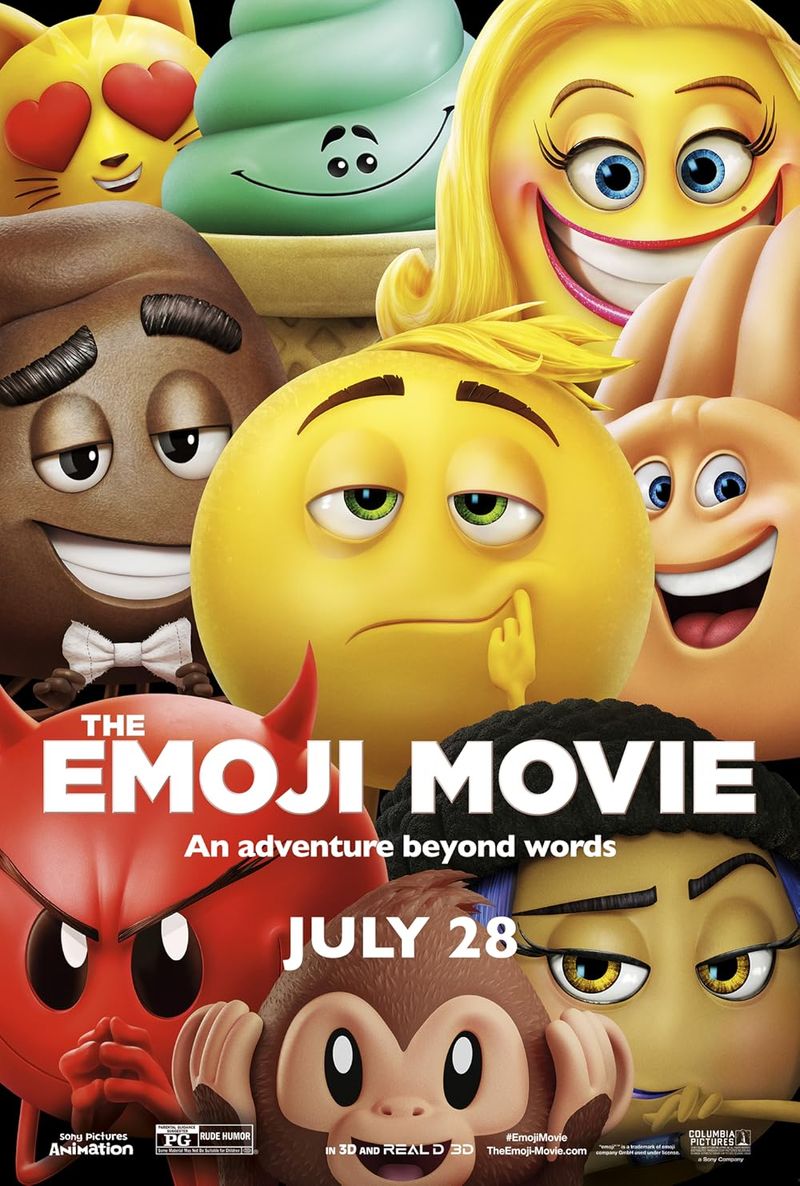
Hollywood’s attempt to turn smartphone emojis into movie heroes resulted in one of animation’s biggest misfires.
The story follows Gene, a “meh” emoji who doesn’t fit in, on a predictable journey through a teenage girl’s phone.
Critics lambasted the film for being nothing more than a feature-length advertisement disguised as entertainment.
Product placement overwhelms every scene, with apps like Candy Crush and Spotify getting shameless promotion throughout.
The humor falls flat for both children and adults, relying on outdated references and obvious jokes.
Animation quality looks decent but cannot compensate for the weak script and uninspired characters.
Voice actors including T. J. Miller and James Corden couldn’t inject life into the lifeless material.
The movie earned terrible reviews across the board, with many calling it cynical and creatively bankrupt.
Parents and kids alike left theaters feeling disappointed by the wasted potential.
4. The Last Airbender (2010)
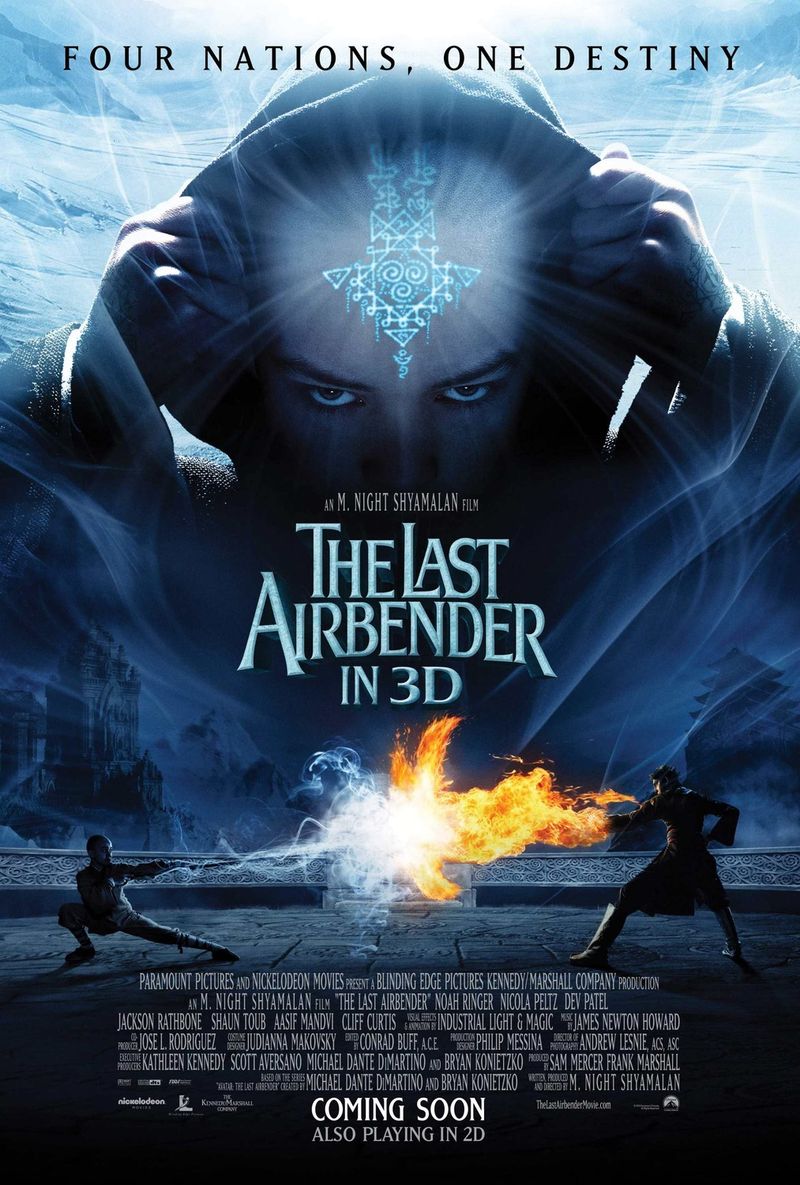
M. Night Shyamalan’s adaptation of the beloved animated series “Avatar: The Last Airbender” crushed fan expectations spectacularly.
The director compressed an entire season of rich storytelling into 103 painful minutes, losing all the charm and depth of the original.
Characters who were complex and lovable became wooden and forgettable on screen.
Casting choices sparked immediate controversy, with white actors playing characters coded as Asian and Inuit in the show.
The action sequences that should have been breathtaking instead looked stiff and poorly choreographed.
Dialogue came across as expository and unnatural, making talented young actors seem amateur.
Pronunciation of character names changed inexplicably, frustrating longtime fans of the series.
Special effects appeared unfinished, particularly during bending scenes that looked unconvincing and slow.
The film bombed critically and commercially, effectively killing plans for a trilogy and becoming a textbook example of adaptation failure.
5. Meet the Spartans (2008)
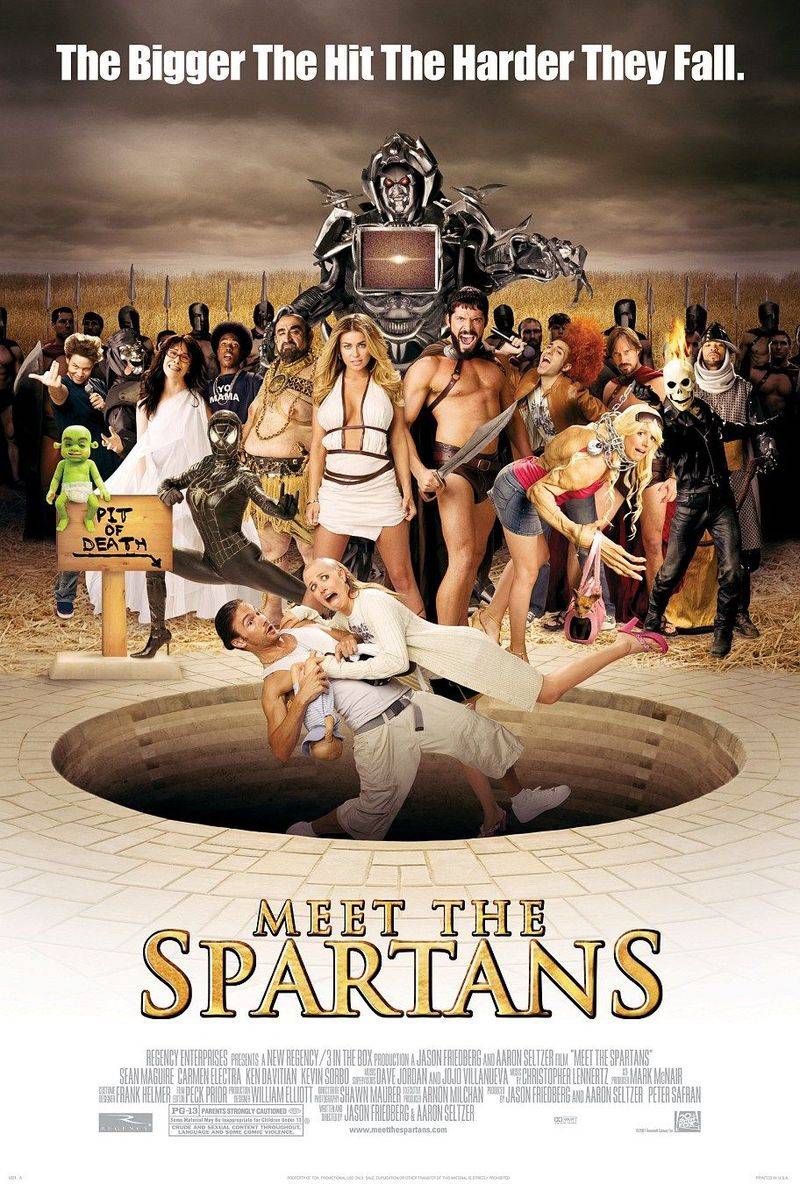
From the creators of other critically despised parody films came this misguided spoof of “300” and pop culture in general.
The movie throws random celebrity impressions and dated references at the wall, hoping something will stick.
Unfortunately, almost nothing lands, resulting in 84 minutes of cringe-worthy attempts at humor.
Jokes rely heavily on gross-out gags and cheap shots at easy targets like Britney Spears and Paris Hilton.
The references felt old even upon release, making the comedy feel stale and desperate.
Unlike classic parody films that satirize with cleverness, this one simply points at things and expects laughter.
Critics universally panned the lazy writing and absence of actual wit or creativity.
The film holds single-digit scores on major review sites, with audiences equally unimpressed.
Even fans of dumb comedy found little to enjoy, as the movie mistakes recognition for humor throughout its mercifully short runtime.
6. The Love Guru (2008)
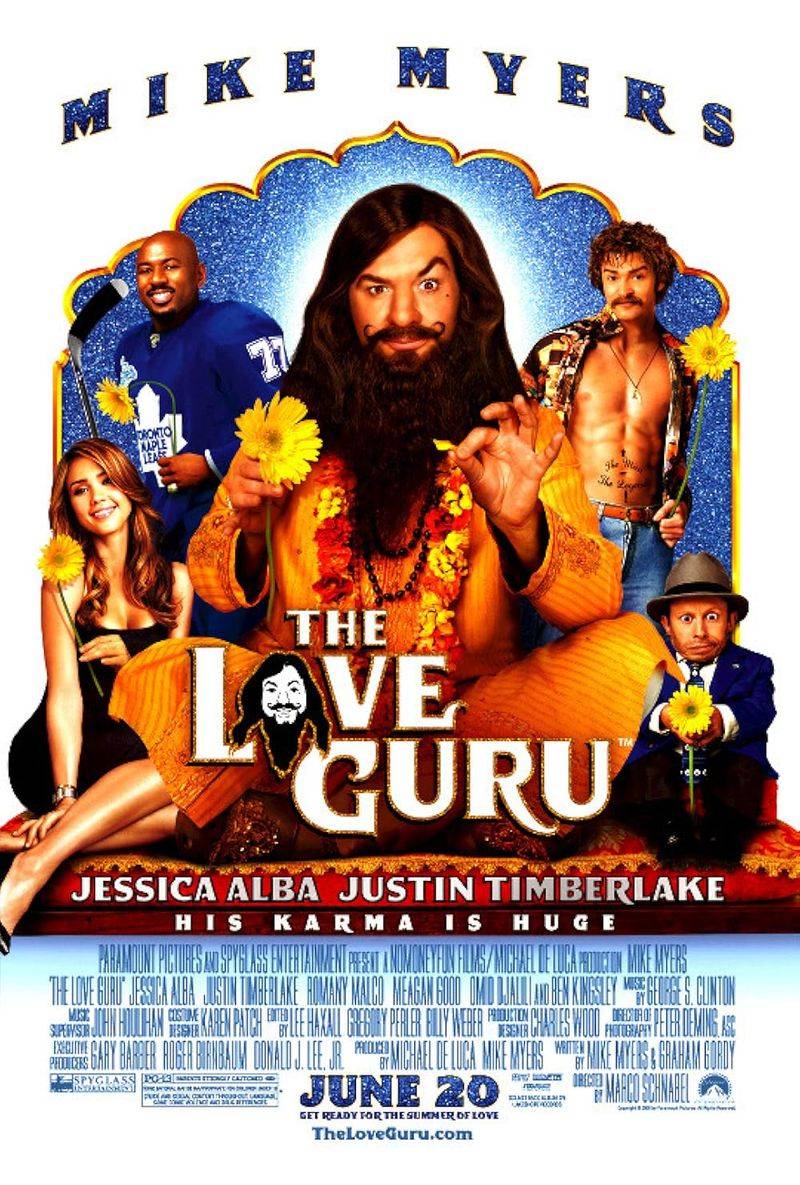
Mike Myers’ return to comedy after the Austin Powers trilogy proved disastrous with this offensive misfire.
Playing Guru Pitka, an American raised in India who becomes a self-help expert, Myers relies on crude jokes and cultural stereotypes throughout.
The humor feels mean-spirited rather than playful, making audiences uncomfortable instead of entertained.
Every joke about Indian culture comes across as insensitive and lazy, lacking the charm Myers brought to previous characters.
The romantic subplot feels forced, while the hockey storyline provides no real laughs or excitement.
Supporting actors like Jessica Alba and Justin Timberlake seem lost in the mess of unfunny material.
Box office returns were dismal, and critics savaged the film mercilessly upon release.
The movie effectively ended Myers’ career as a leading comedy star, a stunning fall from grace.
Audiences who loved his earlier work found nothing recognizable in this tone-deaf attempt at humor.
7. Norbit (2007)
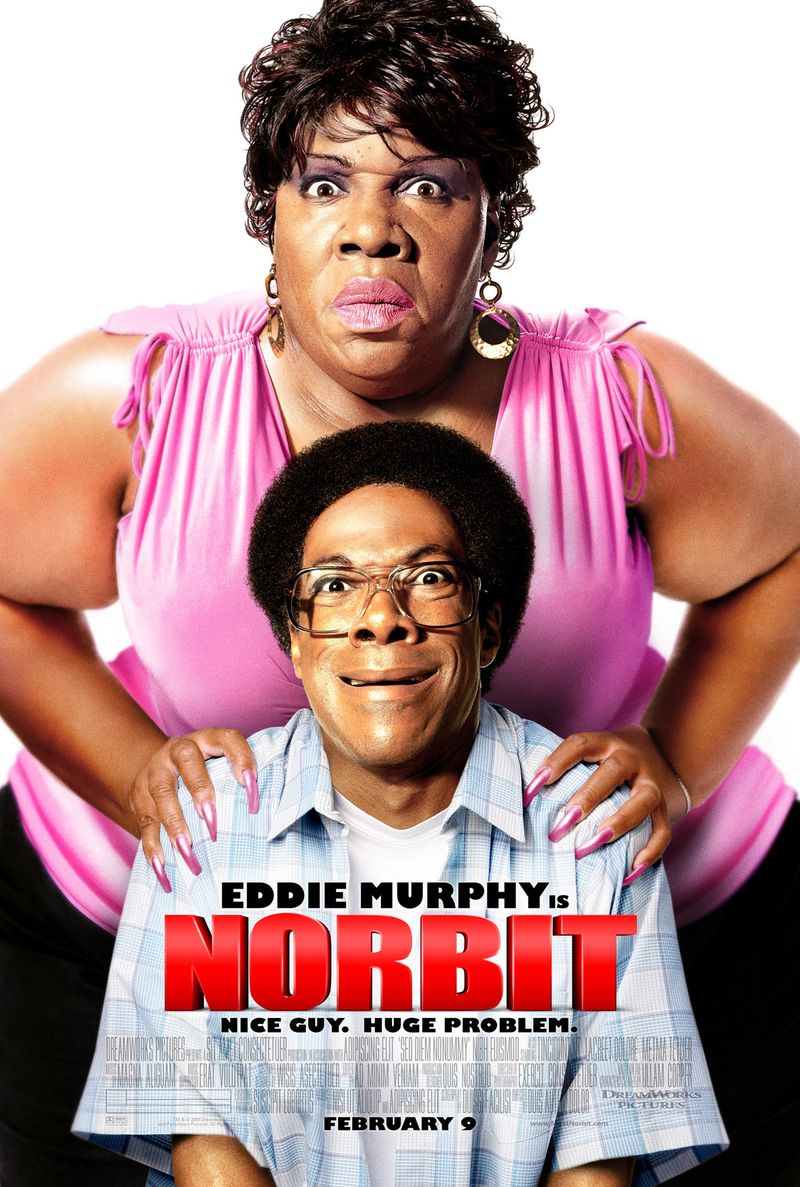
In this film, Eddie Murphy plays several characters in a story centered on a meek man trapped in a toxic marriage.
Rather than developing its premise, the movie depends almost entirely on fat jokes and exaggerated stereotypes, particularly through Murphy’s portrayal of Rasputia in a fat suit.
Any potential for a meaningful narrative about empowerment is buried under lazy, offensive comedy.
Critics noted the mean-spirited tone that punches down rather than finding clever ways to explore relationships.
Murphy’s talent gets wasted on broad, unfunny characters that lack any real depth or humanity.
The romantic subplot with Thandie Newton feels rushed and unconvincing, serving only as a plot device.
Many believe this film cost Murphy the Oscar for “Dreamgirls” when Academy voters saw it during voting season.
The movie earned terrible reviews and is often cited as a low point in Murphy’s once-stellar career.
Audiences found little to laugh at in this uncomfortable comedy experience.
8. Catwoman (2004)
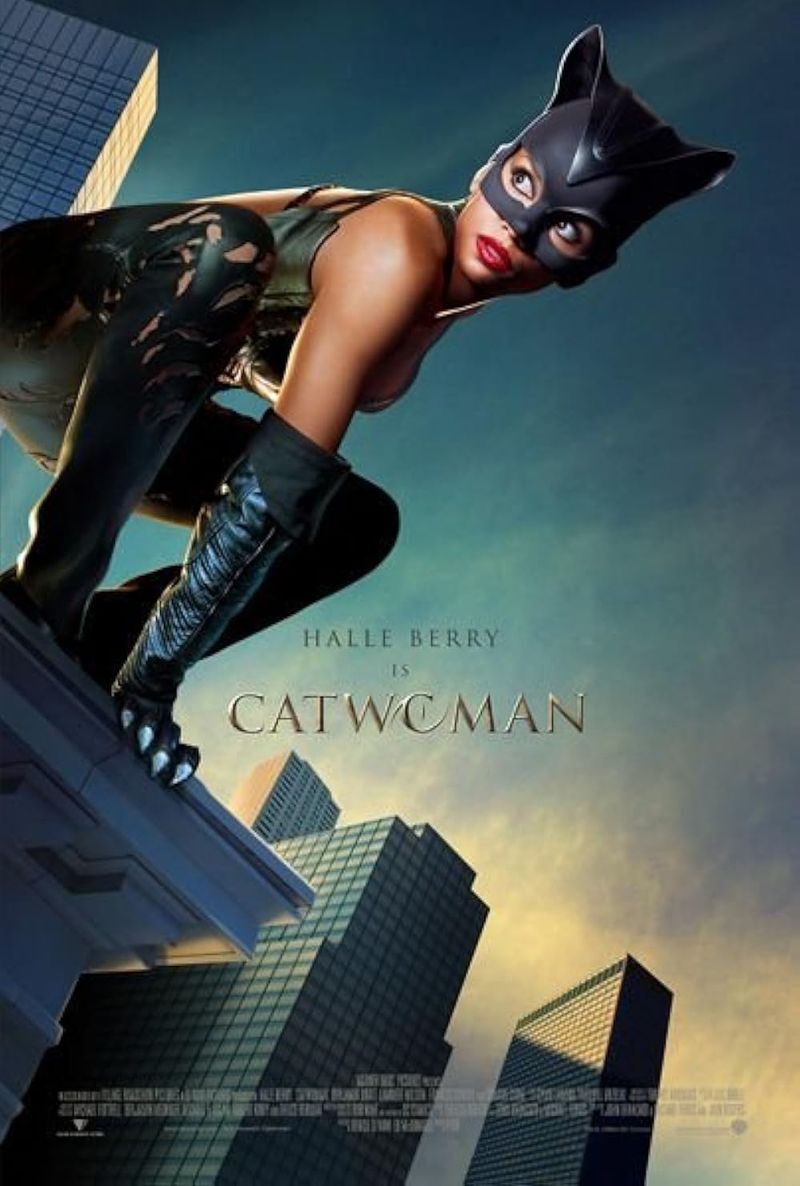
Halle Berry starred in this superhero disaster that bears almost no resemblance to the beloved DC Comics character.
The plot involves magical cats giving an artist superpowers, abandoning all established Catwoman mythology completely.
Berry’s costume looked more like clubwear than a superhero outfit, while the CGI cat movements appeared laughably fake.
Action sequences were incomprehensible thanks to choppy editing that made following fights nearly impossible.
The villain’s evil plot revolves around dangerous beauty cream, a premise too silly even for comic book standards.
Dialogue ranged from wooden to cringe-worthy, with Berry unable to elevate the poor material despite her acting abilities.
The film won multiple Razzie Awards, including Worst Picture, with Berry famously accepting her award in person.
Critics and comic book fans united in their dislike of this misguided adaptation.
The movie’s failure set back female-led superhero films for years, becoming a cautionary tale about respecting source material.
9. The Wicker Man (2006)
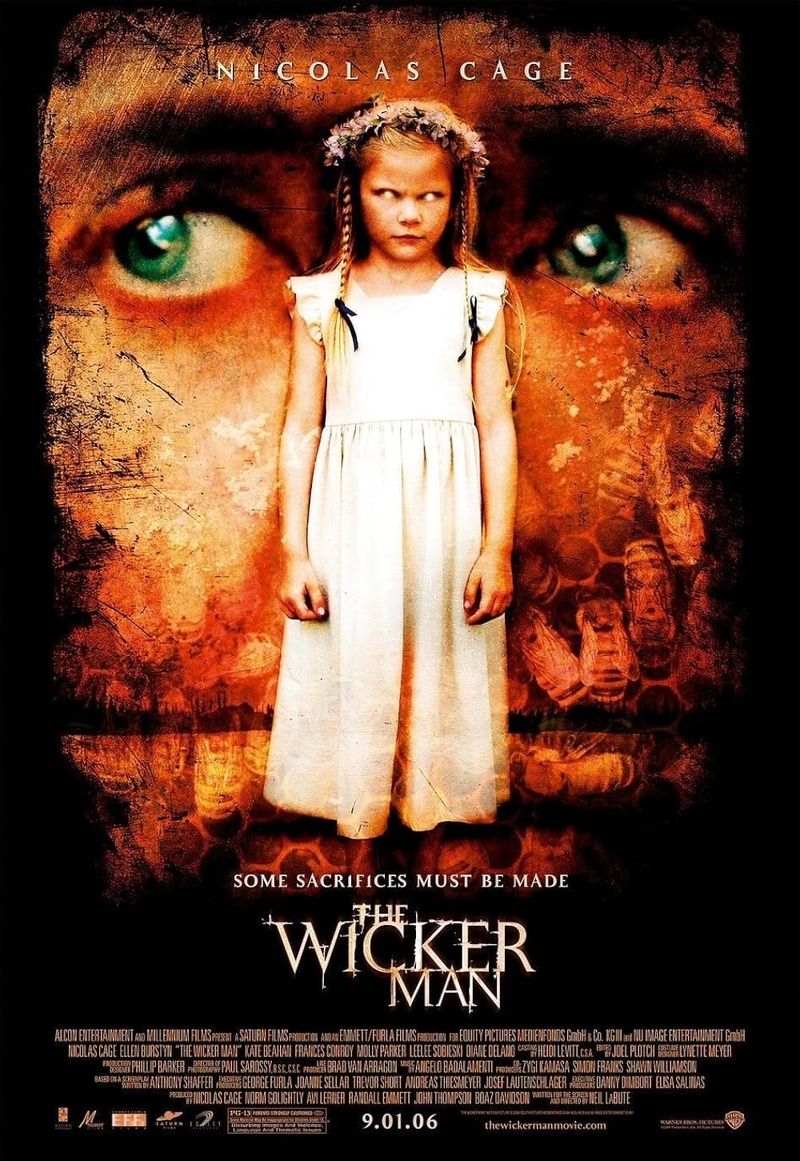
Nicolas Cage starred in this remake of a classic horror film, turning suspenseful material into unintentional comedy gold.
The original 1973 film was a masterpiece of folk horror, but this version stripped away all subtlety and intelligence.
Cage’s over-the-top performance became instantly memeable, particularly scenes involving bees and his infamous “not the bees!” screaming.
The plot follows a cop investigating a missing girl on an island ruled by women, but the execution feels clumsy and heavy-handed.
What should be creepy instead comes across as silly, with the matriarchal society portrayed in cartoonish fashion.
The ending attempts to shock but lands with a thud due to poor buildup and unconvincing performances.
Critics noted the film’s failure to understand what made the original work so effectively.
Audiences found it neither scary nor engaging, though many now watch it for laughs.
The remake stands as proof that not every classic needs updating, especially without proper understanding.
10. Scary Movie V (2013)
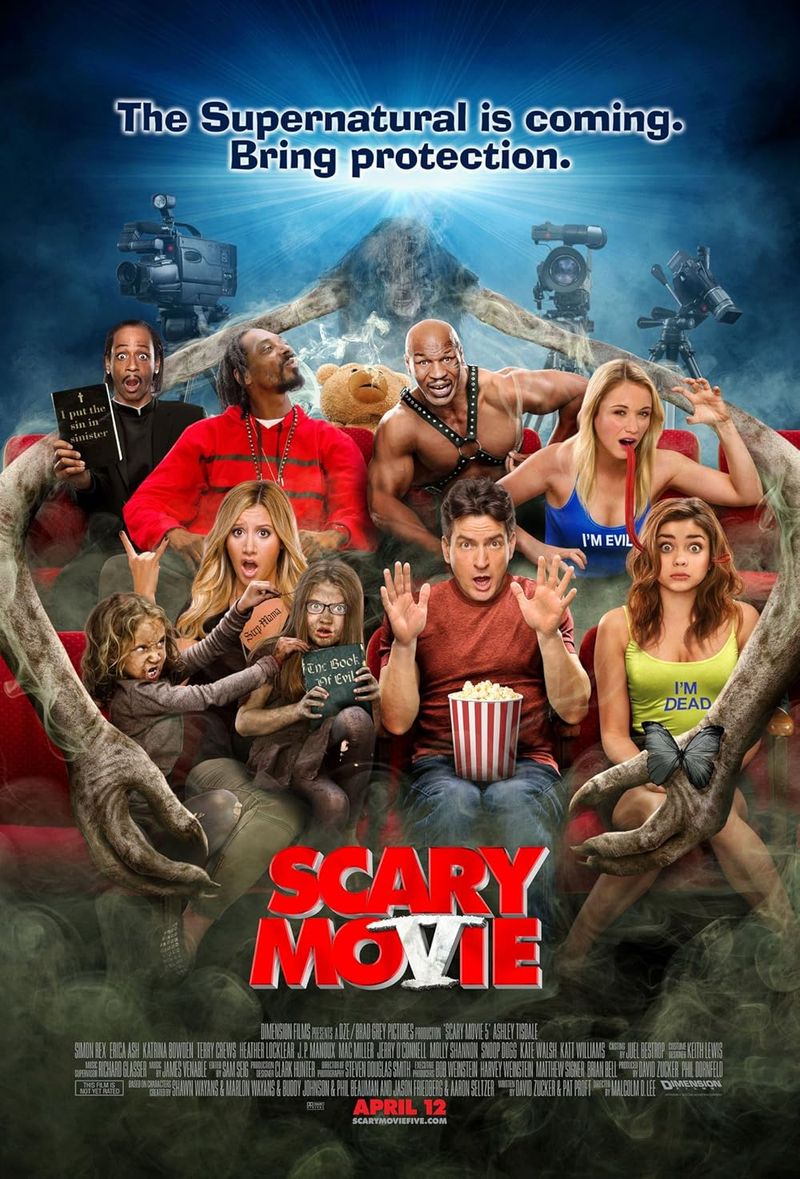
By the fifth installment, the Scary Movie franchise had completely run out of steam and ideas.
This entry attempts to parody films like “Paranormal Activity” and “Black Swan” but forgets to include actual jokes.
The Wayans brothers, who created the series, had long since departed, leaving behind a hollow imitation of what once worked.
Cameos from celebrities like Charlie Sheen and Lindsay Lohan feel desperate rather than funny or clever.
The spoofs are lazy, simply recreating scenes from other movies without adding commentary or humor.
Slapstick gags replace the satirical edge that made the first film surprisingly sharp and entertaining.
Critical reception was brutal, with many questioning why the film was made at all.
Audiences stayed away in droves, making it the lowest-grossing entry in the franchise.
The movie serves as a sad reminder that comedy sequels need fresh ideas, not just name recognition and recycled formulas.
11. The Cat in the Hat (2003)
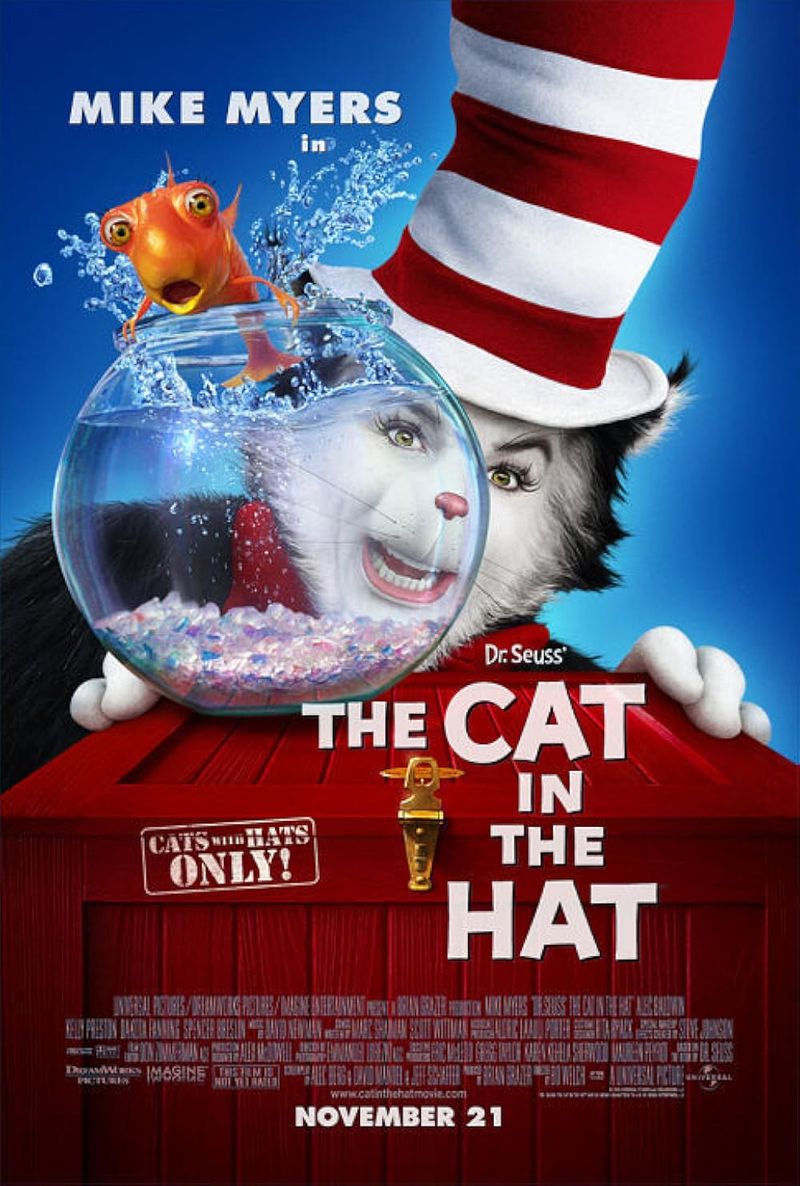
Dr. Seuss’s whimsical children’s book became a nightmarish live-action film starring Mike Myers as the titular cat.
The charm and innocence of the source material disappeared under crude humor and disturbing visuals.
Myers’ cat makeup looked creepy rather than friendly, giving children nightmares instead of joy.
Jokes about adult topics had no place in a movie aimed at young audiences, confusing parents and boring kids.
The production design went overboard with garish colors and chaotic sets that felt overwhelming rather than magical.
What should have been a simple story about imagination became a loud, obnoxious mess.
Critics savaged the film, calling it a betrayal of Seuss’s legacy and vision.
The author’s widow was so horrified that she banned future live-action adaptations of his works.
Box office numbers were decent initially but couldn’t overcome the terrible word-of-mouth from disappointed families everywhere.
12. Jack and Jill (2011)
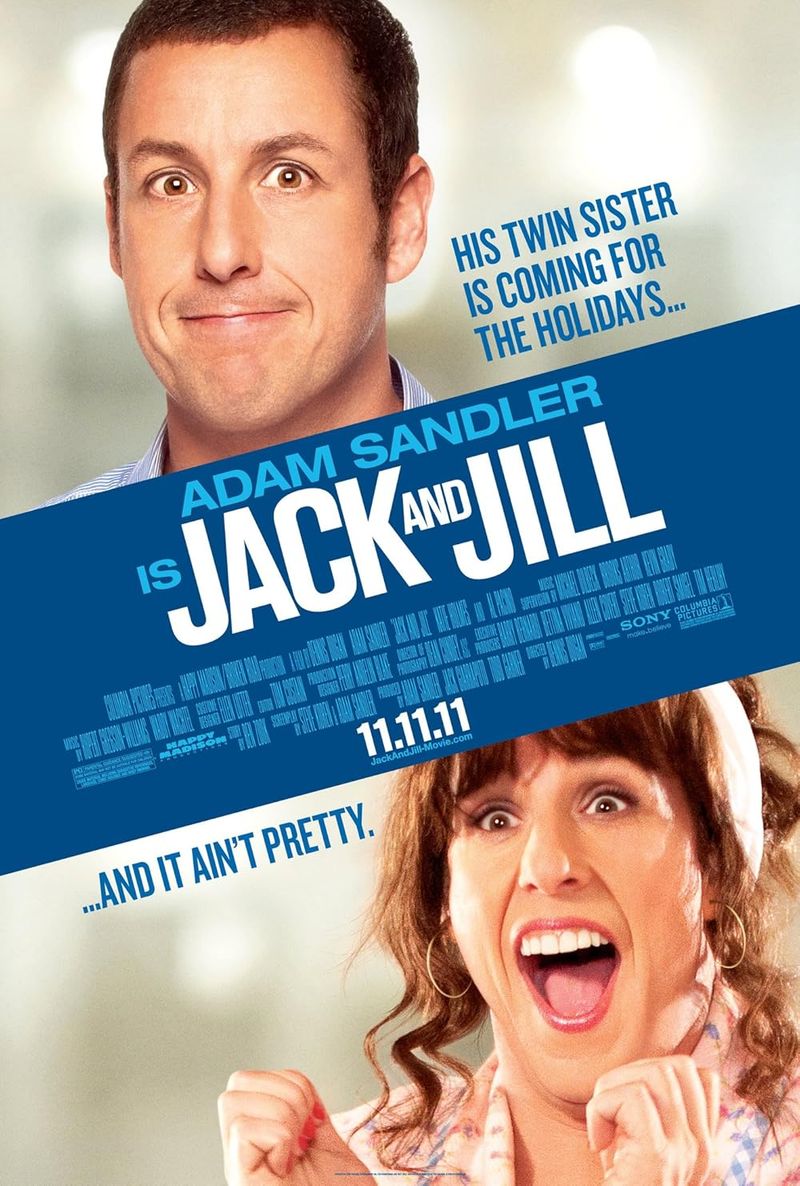
In this film, Adam Sandler takes on dual roles as a successful executive and his abrasive twin sister, Jill.
The comedy hinges almost entirely on the novelty of Sandler in drag, a concept that quickly grows tiresome.
With Jill portrayed as shrill and painfully shallow, the character offers little beyond grating repetition.
Product placement reaches absurd levels, with the plot literally revolving around getting Al Pacino for a Dunkin’ Donuts commercial.
Pacino himself appears in a baffling extended cameo that feels like a fever dream.
The humor consists mainly of bathroom jokes, pratfalls, and Sandler making exaggerated voices.
The film swept the Razzie Awards, winning in every category it was nominated for, including all acting awards.
Critics questioned how such a lazy, unfunny script ever got greenlit by a major studio.
Even Sandler’s loyal fanbase struggled to defend this aggressively mediocre comedy that insults audience intelligence.
13. Batman & Robin (1997)
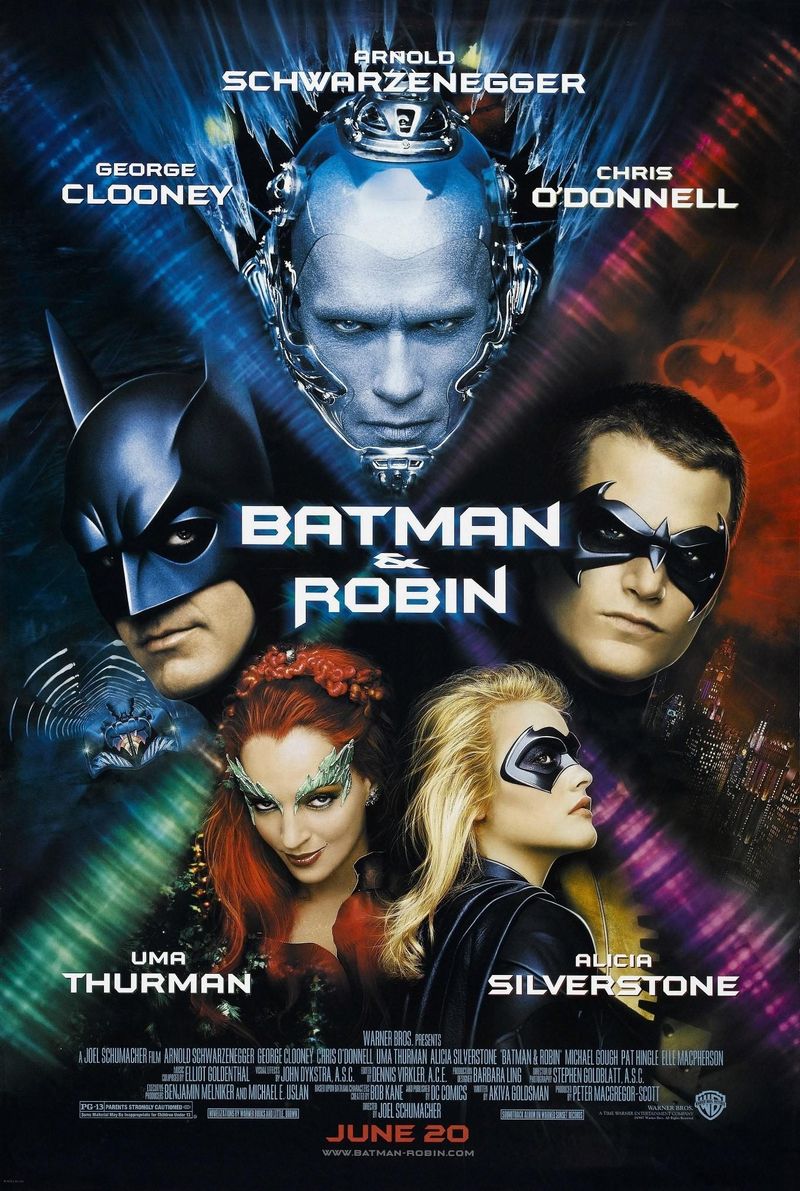
Director Joel Schumacher turned Batman into a neon-colored toy commercial that nearly killed the superhero movie genre.
George Clooney donned the cape and cowl but couldn’t save a script filled with terrible puns and nonsensical plot points.
The infamous bat-nipples on the costumes became symbolic of everything wrong with the film’s approach.
Arnold Schwarzenegger’s Mr. Freeze delivers ice puns in every scene, turning a potentially tragic villain into a walking joke machine.
Uma Thurman’s Poison Ivy chews scenery with exaggerated femme fatale clichés that feel dated and silly.
The plot makes little sense, jumping between storylines without proper development or coherence.
Batgirl gets shoehorned in without proper introduction, while Robin whines throughout the entire runtime about Batman’s treatment.
Critics and fans united in their disappointment, with Clooney himself later apologizing for the film.
The disaster forced Warner Bros. to reboot the franchise eight years later with a darker, grounded approach.
14. Date Movie (2006)
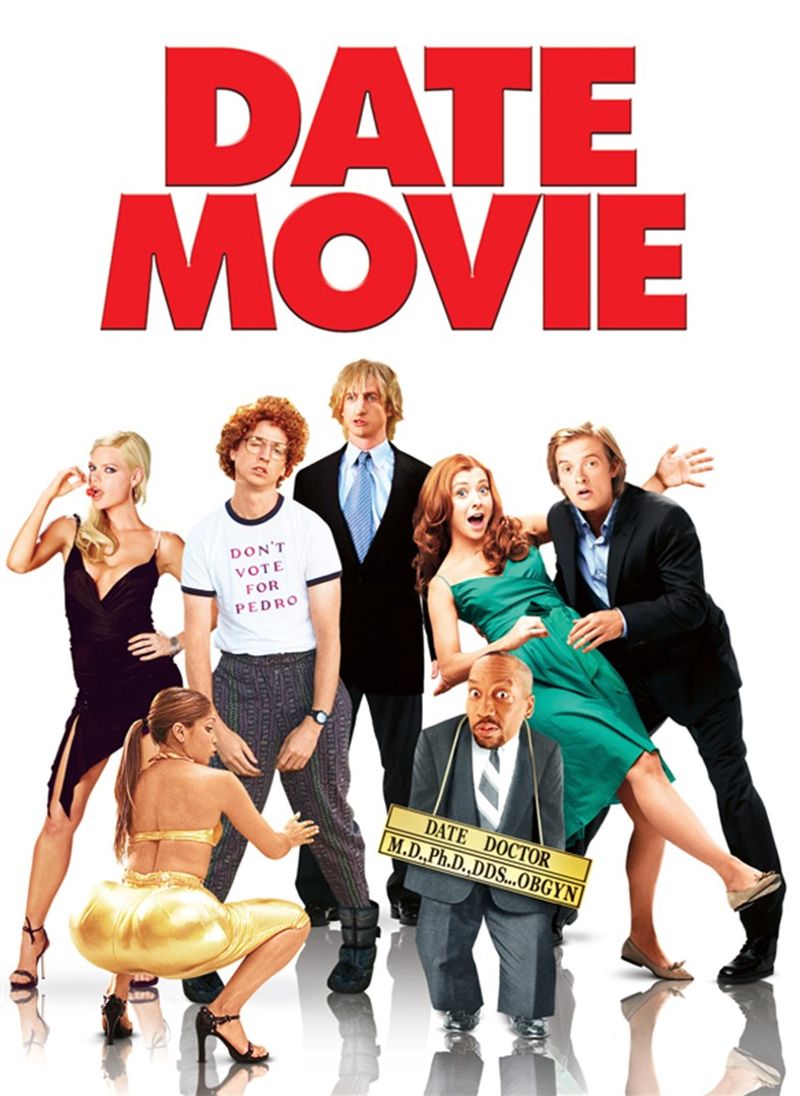
Another entry from the creators of terrible parody films, this one attempts to mock romantic comedies but forgets to be funny.
The movie spoofs films like “Meet the Parents” and “My Big Fat Greek Wedding” with all the subtlety of a sledgehammer.
References replace jokes, as if simply recognizing a scene from another movie constitutes humor.
Alyson Hannigan stars as a woman seeking love, but the script gives her nothing interesting or funny to do.
The parodies feel lazy and surface-level, never finding clever ways to comment on rom-com tropes.
Gross-out humor dominates, including an extended sequence involving a cat and a toilet that aims for laughs but lands with disgust.
Critics were merciless, calling it unfunny and creatively bankrupt from start to finish.
The film barely made back its modest budget despite opening at number one.
Audiences who enjoyed actual parody classics found nothing worthwhile in this shallow, forgettable cash-grab that disrespects both its targets and viewers.
Comments
Loading…