
 Mary Murphy
15 Rock Bands That Deserved More Spotlight
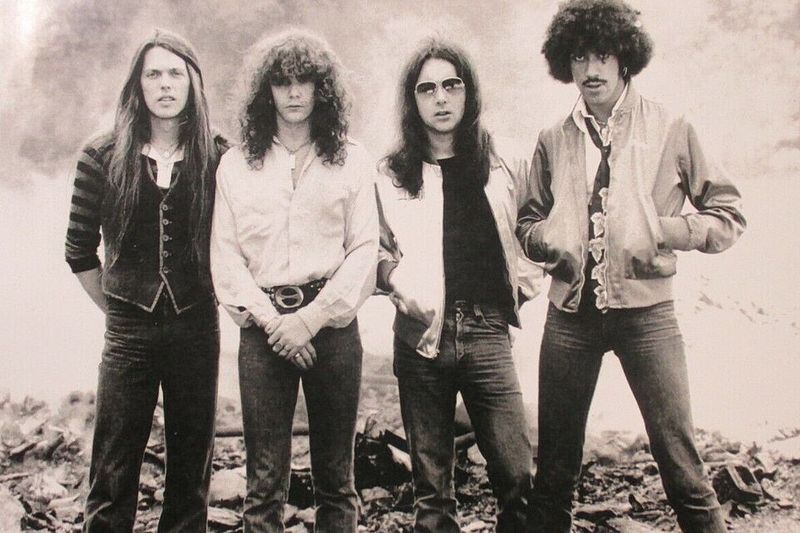
Rock history celebrates legends like The Beatles, Led Zeppelin, and The Rolling Stones, but countless brilliant bands never received the recognition they truly earned. Some created groundbreaking sounds that influenced generations, while others wrote perfect songs that somehow slipped through the cracks of mainstream success.
Whether they were too ahead of their time, lacked proper promotion, or simply had bad luck, these fifteen remarkable rock bands deserved far more attention than they received during their peak years.
1. Big Star
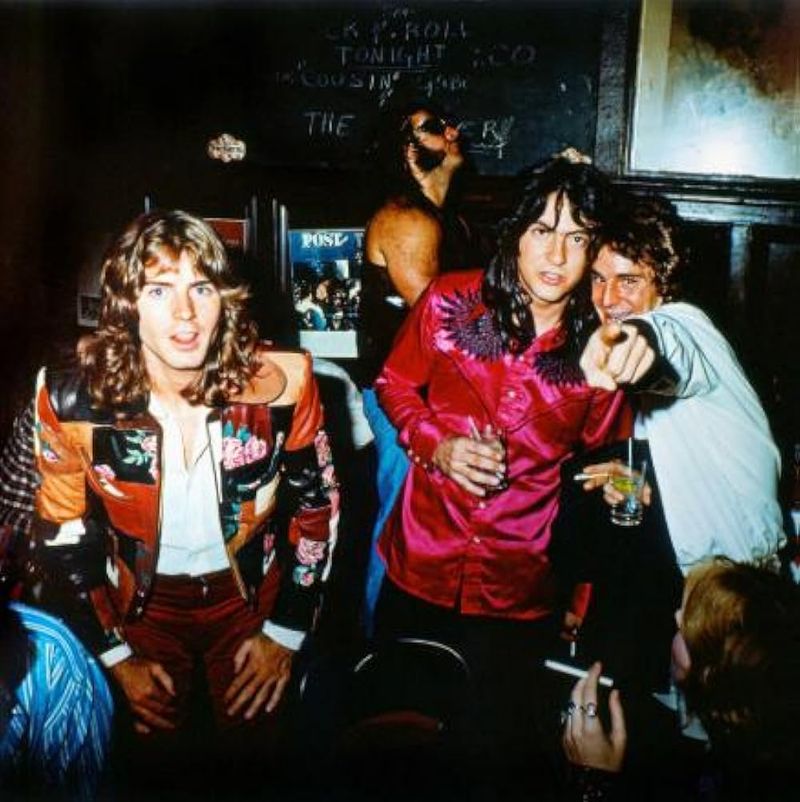
Memphis birthed one of rock’s greatest tragedies when Big Star released three near-perfect albums that almost nobody heard.
Alex Chilton’s songwriting brilliance shone through every jangly guitar riff and heartbreaking melody, yet commercial success remained frustratingly out of reach.
Their 1972 debut “#1 Record” should have dominated radio stations everywhere.
Distribution problems killed their momentum before it could build, leaving them playing to empty rooms while inferior bands filled arenas.
Decades later, bands like R.E.M. and The Replacements worshipped Big Star’s legacy, finally giving them the credit they deserved.
Their influence on alternative rock cannot be overstated, proving that true artistry eventually finds its audience, even if it takes thirty years.
2. Faces
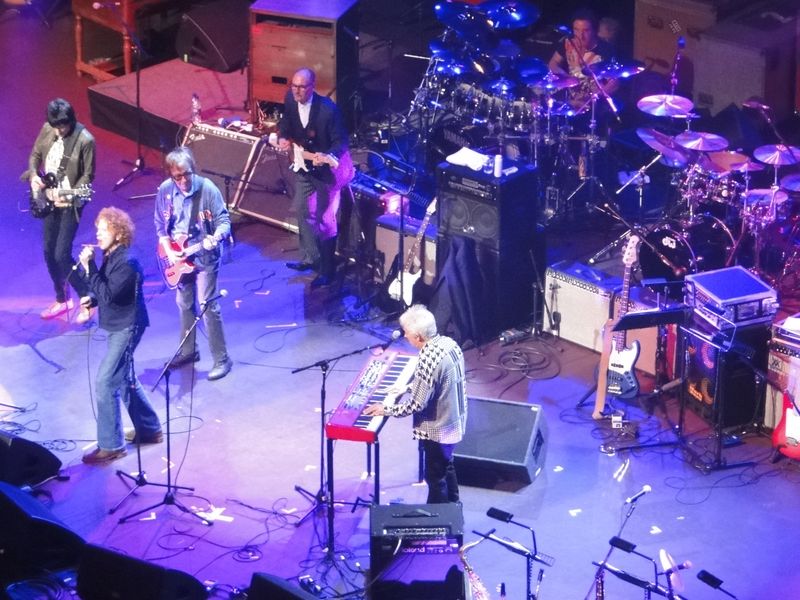
Before Rod Stewart became a solo superstar, he fronted one of rock’s rowdiest, most lovable bands.
Faces combined blues, rock, and pure boozy fun into something magical that captured the spirit of early seventies Britain perfectly.
Rod Stewart’s raspy vocals meshed beautifully with Ronnie Wood’s slide guitar work.
Their live shows were legendary parties where the band seemed to be having more fun than the audience, which made everyone love them even more.
Unfortunately, Stewart’s solo career overshadowed the band’s achievements, and they broke up just as they were hitting their stride.
Songs like “Stay With Me” remain timeless classics that showcase what made Faces special beyond just being Rod Stewart’s backing band.
3. The Zombies
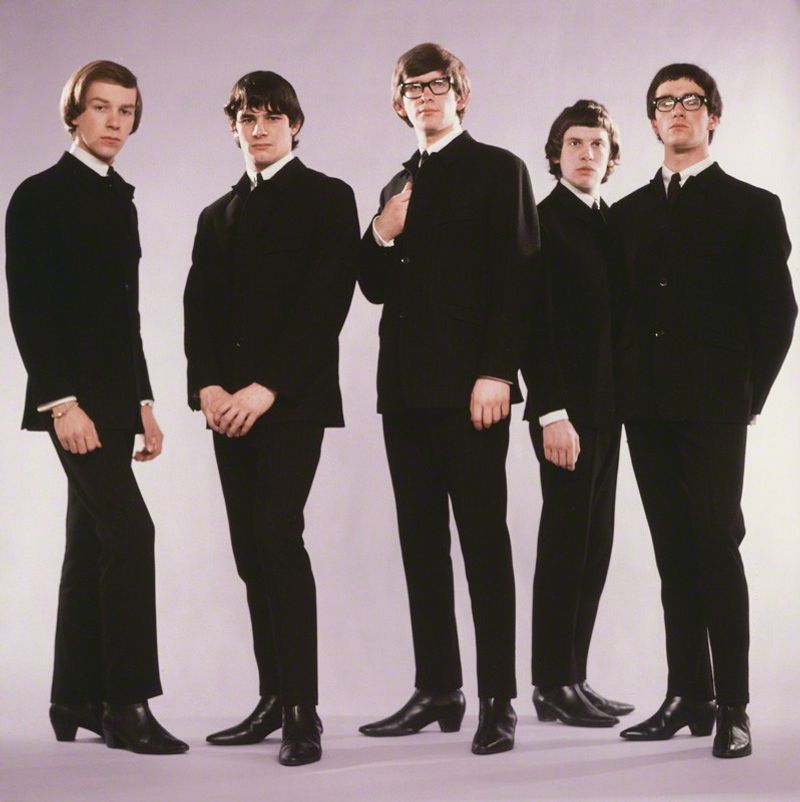
“Time of the Season” became a massive hit in 1969, but The Zombies had already broken up by the time it climbed the charts.
This heartbreaking irony defined their entire career, as brilliant music met terrible timing at every turn.
Colin Blunstone’s ethereal voice floated over Rod Argent’s sophisticated keyboard arrangements, creating a sound far more mature than typical British Invasion fare.
Their album “Odessey and Oracle” is now considered a masterpiece, though it sold poorly upon release.
Record label indifference and internal tensions destroyed the band just as their creativity peaked.
Modern listeners discovering their catalog wonder how something so beautiful could have been ignored, but the music industry has never been fair to artists ahead of their time.
4. T. Rex
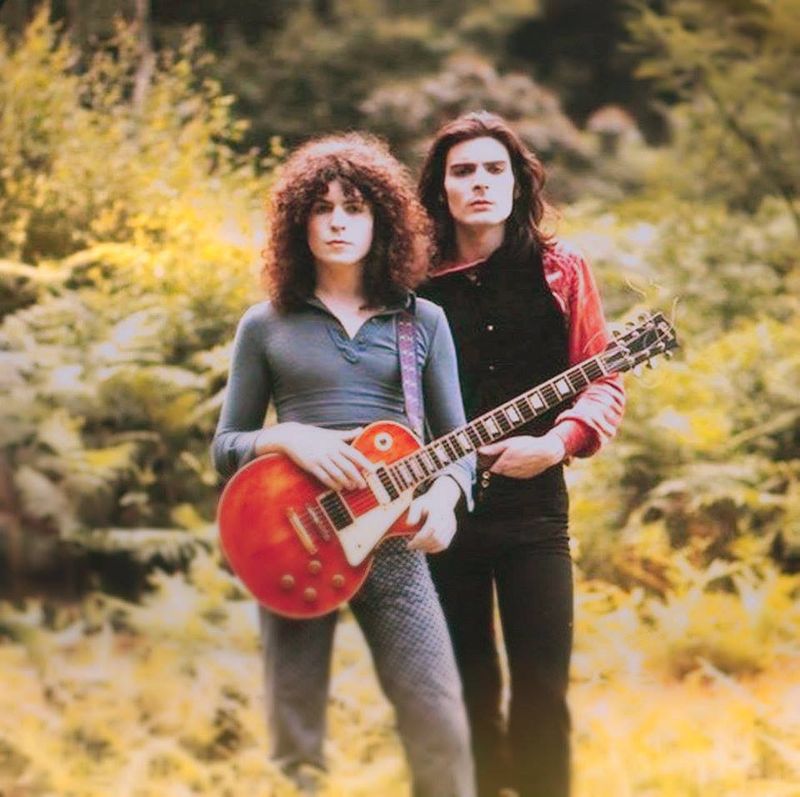
Marc Bolan invented glam rock before anyone knew what to call it, transforming from a hippie folk singer into a glittering rock god who made teenage hearts explode.
In Britain, T. Rex ruled the charts, but American audiences never quite understood their magic.
“Bang a Gong (Get It On)” gave them one U.S. hit, yet albums like “Electric Warrior” deserved to conquer the world.
Bolan’s unique vocal hiccup and simple but infectious guitar riffs created a sound nobody could replicate, no matter how hard they tried.
His tragic death in 1977 at just 29 robbed rock of one of its most creative spirits.
Had he lived, T. Rex might have achieved the global recognition they earned but never fully received during their brief, brilliant run.
5. The Move
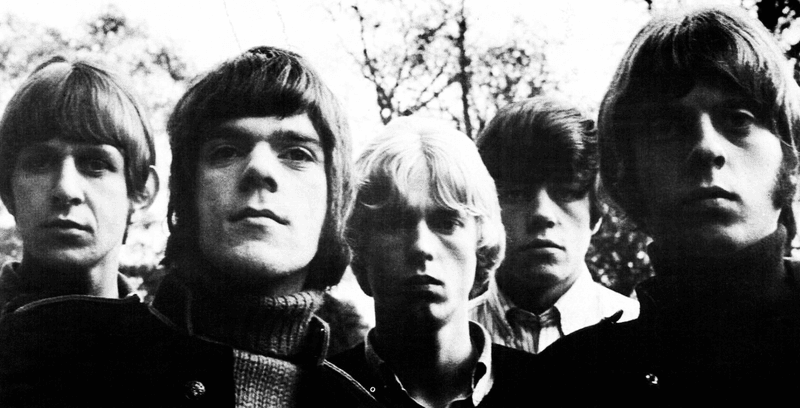
Roy Wood’s genius fueled one of Britain’s most inventive bands, yet The Move remained virtually unknown in America despite scoring multiple UK hits.
Their wild eclecticism ranged from psychedelic pop to hard rock, often within the same song, confusing record executives who preferred predictable formulas.
“Blackberry Way” topped British charts while showcasing Wood’s ability to craft perfect pop melodies.
Jeff Lynne joined later, bringing his production skills before leaving to form Electric Light Orchestra with Wood, essentially cannibalizing The Move’s momentum.
Their experimental spirit influenced countless bands, but their refusal to stick to one style probably hurt their commercial prospects.
Looking back, that fearless creativity makes their catalog endlessly fascinating, even if it prevented them from achieving superstar status.
6. Thin Lizzy
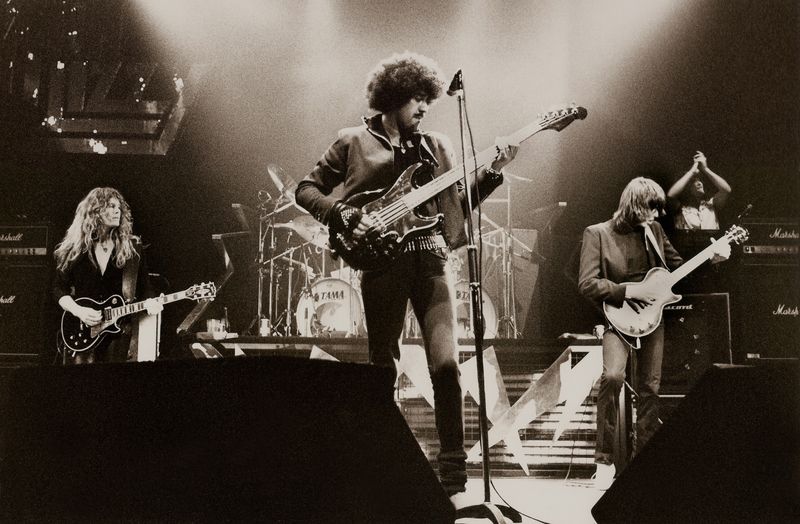
Phil Lynott’s poetic lyrics and thunderous bass lines drove Thin Lizzy to create some of the seventies’ most exciting rock music.
Their twin guitar attack influenced heavy metal’s development, yet they never received the same acclaim as contemporaries like Led Zeppelin or Deep Purple.
“The Boys Are Back in Town” became their signature hit, but albums like “Jailbreak” and “Black Rose” contained dozens of equally brilliant tracks.
Lynott’s status as rock’s first Black Irish frontman should have made him a bigger icon than he became.
Constant lineup changes and Lynott’s struggles with addiction undermined their stability.
His death in 1986 at 36 ended any chance of a proper comeback, leaving Thin Lizzy as one of rock’s great what-if stories.
7. Television
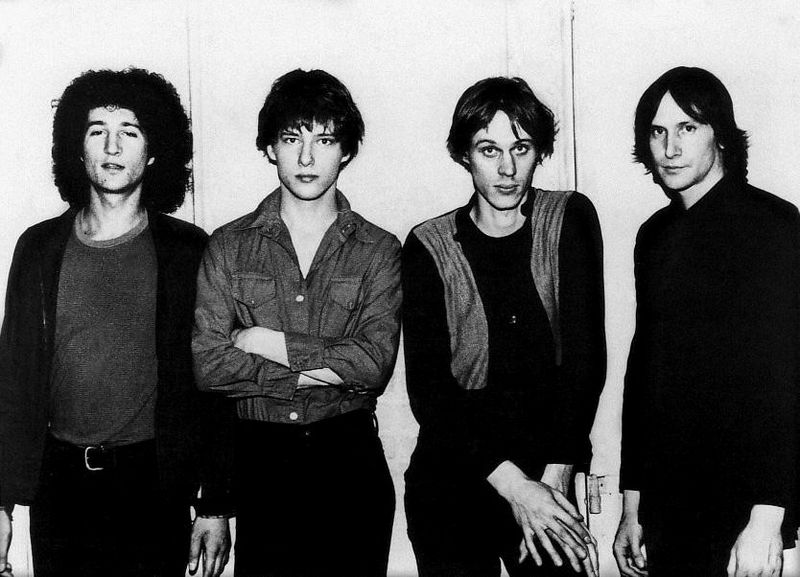
When punk exploded at CBGB, Television stood apart with their intricate guitar work and intellectual approach.
Tom Verlaine’s spiky guitar lines intertwined with Richard Lloyd’s playing, creating something far more sophisticated than three-chord thrash, which meant many punk fans dismissed them as pretentious.
“Marquee Moon,” their debut album, stretched songs past the ten-minute mark at a time when punk demanded brevity.
Critics recognized its brilliance immediately, but radio programmers had no idea what to do with it, leaving it to become a cult classic instead of a mainstream success.
Their influence on alternative rock proved massive, inspiring bands from R.E.M. to Sonic Youth.
Still, Television never achieved the fame their groundbreaking sound deserved, breaking up after just two studio albums.
8. Love
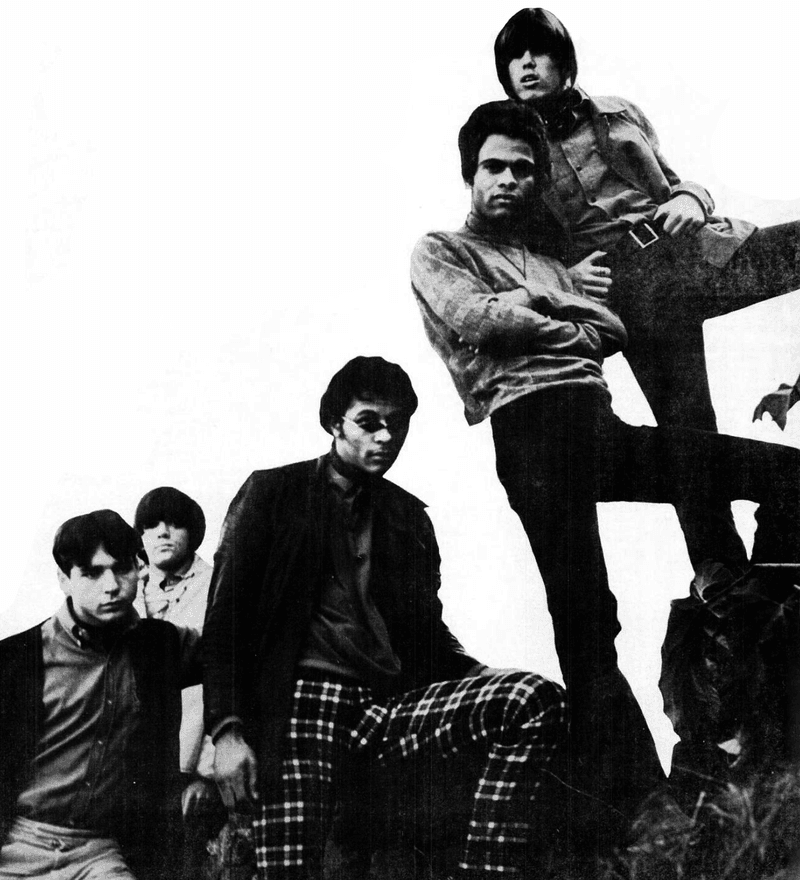
Arthur Lee created one of the 1960s’ most stunning albums with “Forever Changes,” blending rock, folk, and orchestral arrangements into something that still sounds fresh today.
Love should have been as famous as The Doors, yet they remained largely unknown outside Los Angeles music circles.
Lee’s refusal to tour extensively hurt their chances at national success.
While other bands crisscrossed America building fanbases, Love stayed home, letting their moment slip away despite possessing immense talent and vision.
Racial tensions within the band and Lee’s difficult personality created additional obstacles.
“Forever Changes” finally received proper recognition decades later, but by then, the chance for Love to claim their rightful place among rock’s elite had long passed, leaving them as critics’ darlings rather than household names.
9. Badfinger
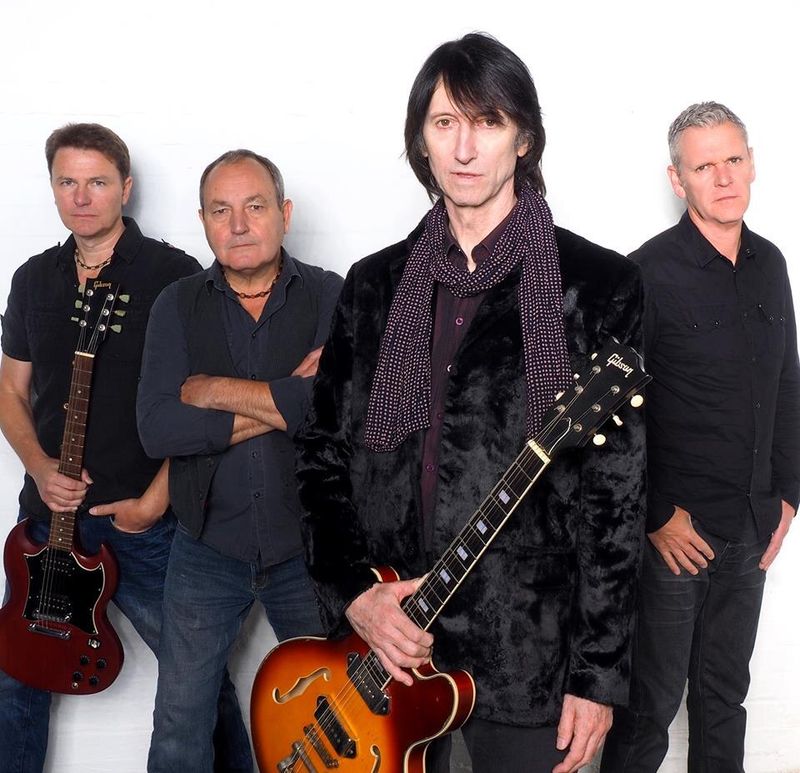
Signed to The Beatles’ Apple Records, Badfinger seemed destined for greatness with their impeccable pop songwriting.
Paul McCartney produced their first hit “Come and Get It,” and their own compositions like “No Matter What” proved they didn’t need Beatle help to write classics.
Behind the beautiful melodies lurked a nightmare of management fraud and financial ruin.
Their crooked manager stole their earnings, leaving them penniless despite writing “Without You,” which became a massive hit for Harry Nilsson and later Mariah Carey.
The stress drove songwriter Pete Ham to suicide in 1975, a tragedy that devastated the music world.
Badfinger’s story remains one of rock’s saddest, as immense talent and hit songs couldn’t protect them from exploitation and heartbreak that destroyed everything they built.
10. The Go-Betweens
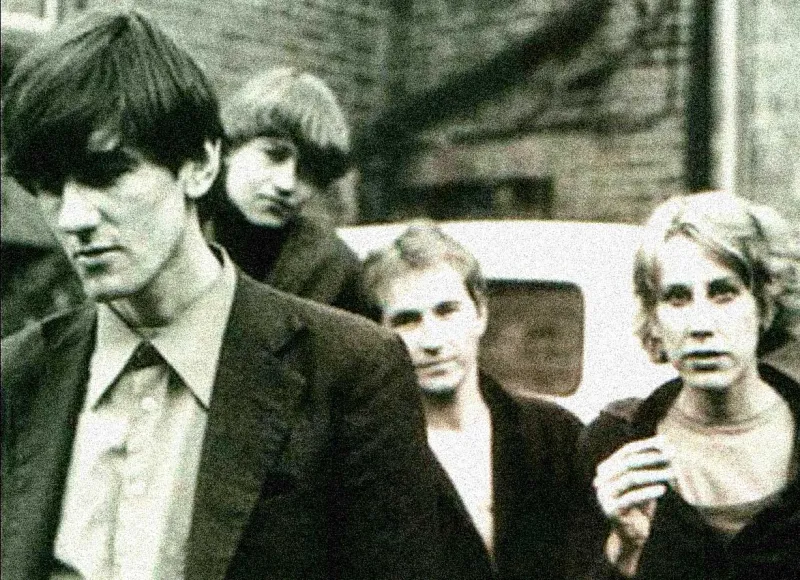
Australia’s The Go-Betweens crafted literate, emotionally complex rock songs that should have made them stars.
Robert Forster and Grant McLennan’s songwriting partnership produced albums of stunning beauty, yet commercial success remained frustratingly elusive throughout their career.
Critics adored them, placing albums like “16 Lovers Lane” on year-end best lists.
Radio ignored them, and record labels couldn’t figure out how to market their sophisticated sound to mass audiences expecting simpler fare.
Their influence on indie rock proved substantial, inspiring countless bands in the college rock and alternative scenes.
McLennan’s death in 2006 ended any reunion hopes, but their catalog continues attracting new fans who discover what the mainstream missed: one of rock’s most underrated songwriting duos creating timeless, heartfelt music.
11. The Jayhawks
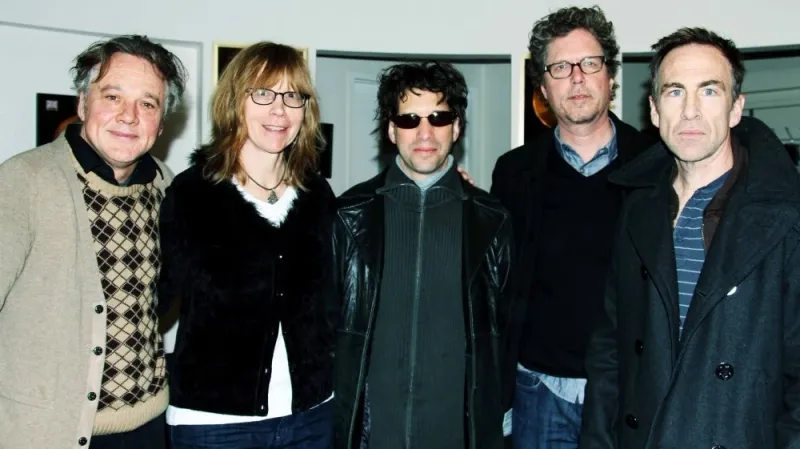
Emerging from Minneapolis in the late eighties, The Jayhawks blended country, rock, and folk into gorgeous harmonies that predated the alt-country movement.
Mark Olson and Gary Louris sang together like brothers, creating a warm sound that felt both timeless and contemporary.
“Hollywood Town Hall” should have been a breakthrough, but timing worked against them.
Grunge dominated the early nineties, and radio had no room for their gentle, melodic approach, no matter how beautifully crafted their songs were.
Olson’s departure in 1995 changed their dynamic, though Louris continued making excellent music.
The Jayhawks built a devoted cult following that appreciated their artistry, but mainstream recognition never arrived, leaving them as one of Americana’s best-kept secrets despite deserving far wider recognition for their consistently brilliant work.
12. UFO
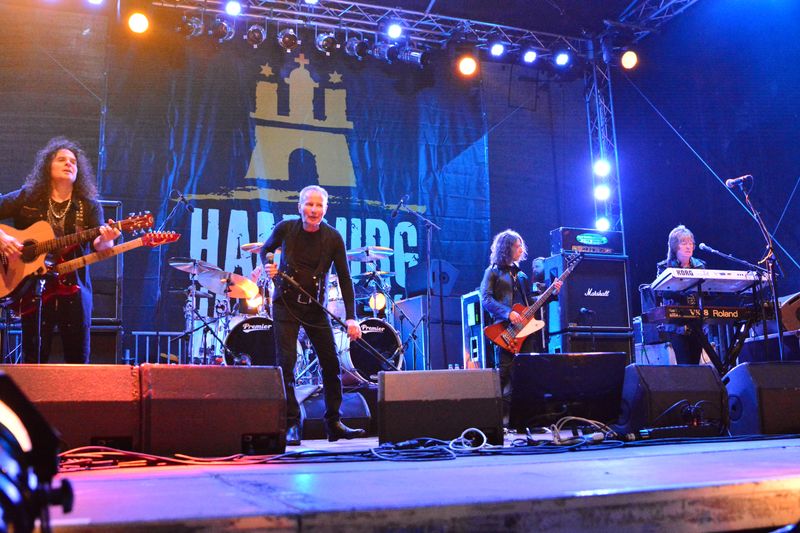
German guitar prodigy Michael Schenker joined British rockers UFO and created some of the seventies’ most explosive hard rock.
His playing on albums like “Lights Out” influenced every metal guitarist who followed, yet UFO never achieved the fame of bands they clearly inspired.
Phil Mogg’s distinctive vocals and Schenker’s virtuoso guitar work should have made them superstars.
Instead, they remained a band that other musicians worshipped while the general public remained largely unaware of their existence.
Schenker’s departure in 1978 hurt their momentum just as they seemed poised for breakthrough success.
UFO continued for decades, building a loyal following, but they never escaped the frustrating position of being hugely influential yet commercially underappreciated compared to their actual impact on rock music.
13. The Replacements

Paul Westerberg wrote songs that captured every emotion between drunken joy and crushing heartbreak, making The Replacements college radio heroes.
Their sloppy, passionate performances felt more real than the polished arena rock dominating the eighties, connecting deeply with fans who felt like outsiders themselves.
“Let It Be” and “Tim” are now considered classics, but commercial radio wouldn’t touch them.
The band’s self-destructive tendencies, including famously disastrous television appearances and drunken concerts, sabotaged their chances at mainstream success despite major label support.
They influenced virtually every alternative rock band that followed, from Nirvana to The Hold Steady.
Westerberg’s songwriting genius deserved to reach millions, but The Replacements seemed determined to snatch defeat from victory’s jaws, leaving them as beloved cult heroes rather than the stars they could have become.
14. Blue Oyster Cult
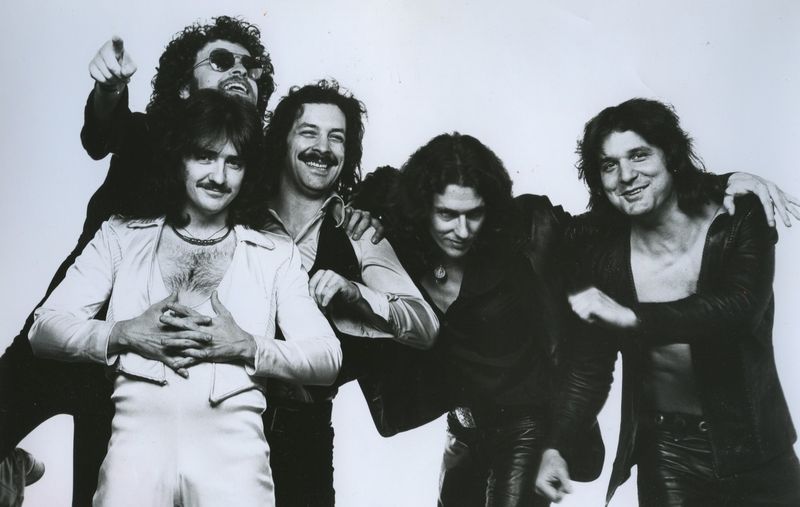
“Don’t Fear the Reaper” made Blue Oyster Cult famous, but that one hit barely scratched the surface of their intelligent, heavy rock catalog.
Their songs explored science fiction, horror, and philosophy with more depth than typical seventies hard rock, appealing to thinking fans who wanted substance with their riffs.
Albums like “Agents of Fortune” and “Spectres” deserved to make them arena headliners.
Instead, they remained a second-tier act despite possessing the songwriting chops and musical ability to compete with anyone in their era.
Their refusal to dumb down their lyrics or simplify their sound probably limited their commercial appeal.
Blue Oyster Cult built a devoted following that appreciated their uniqueness, but mainstream rock audiences never fully embraced them, leaving them underrated despite creating some of the seventies’ most interesting heavy music.
15. Manic Street Preachers

Wales produced one of Britain’s most politically charged and emotionally intense rock bands, yet America barely noticed.
Manic Street Preachers combined punk energy with literate lyrics that referenced everything from Sylvia Plath to Chilean politics, creating something far more substantial than typical nineties rock.
In Britain, they achieved massive success and critical acclaim.
American audiences, focused on grunge and alternative rock, never gave them a proper chance, dismissing them as just another British band despite their obvious brilliance and unique perspective.
Lyricist Richey Edwards’ mysterious disappearance in 1995 added tragic mythology to their story.
The remaining members continued making excellent albums that topped UK charts while remaining virtually unknown in the U.S., proving that talent and intelligence don’t always translate across the Atlantic, no matter how deserving.
Comments
Loading…