
 Jade Reed
Not Interested: 11 Musicians Who Turned Down the Super Bowl Halftime Show
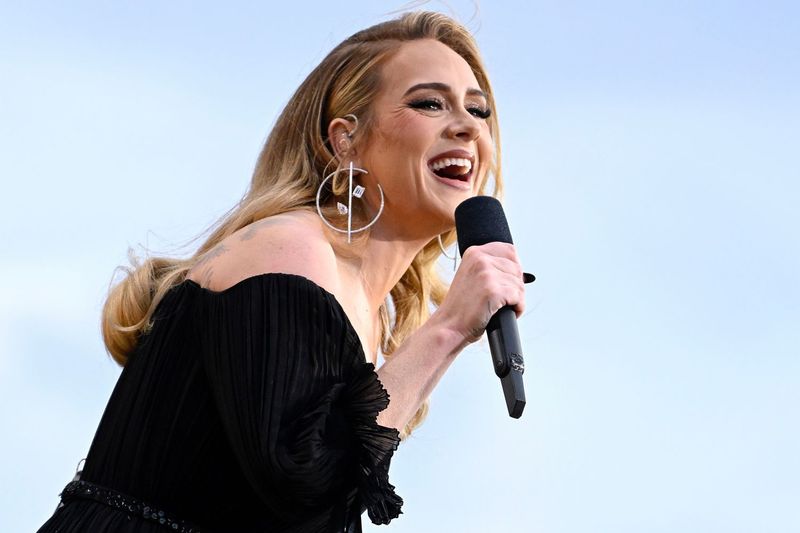
The Super Bowl Halftime Show is often treated like the ultimate pop-culture coronation: a global audience, nonstop media coverage, and a performance slot that can permanently reshape an artist’s legacy.
Still, for all the prestige, the gig comes with plenty of baggage.
The set is short, the expectations are sky-high, and the politics around the NFL and its controversies have made the invitation feel like a minefield for some performers.
Add in intense rehearsal demands, creative restrictions, and the reality that the spotlight can be as unforgiving as it is flattering, and it starts to make sense why certain stars have chosen to pass.
Here are 11 musicians who, for reasons ranging from principle to practicality, refused to take the Halftime Show stage.
1. P!nk
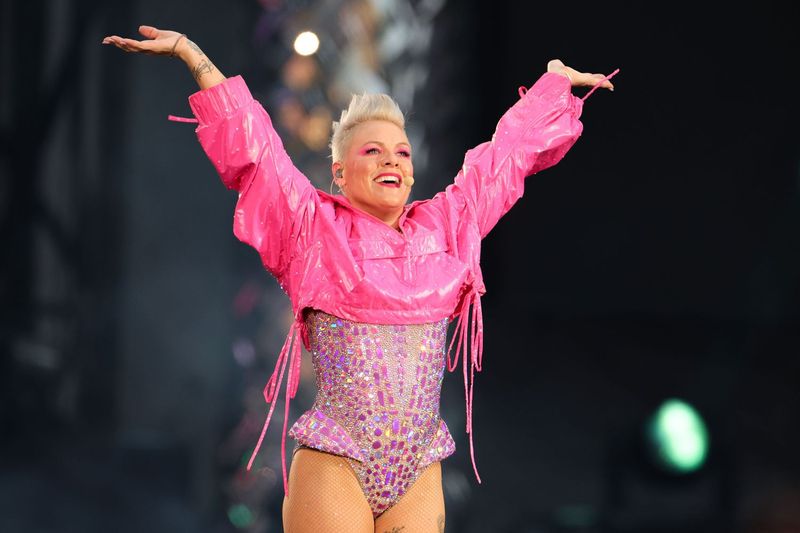
Turning down the Halftime Show isn’t always about nerves or scheduling conflicts; sometimes it’s about the climate surrounding the NFL itself.
The pop powerhouse has been linked to the 2019 Halftime Show conversation and, in statements at the time, suggested she didn’t want to step into an environment where performers can be dragged from all directions.
She also signaled support for Colin Kaepernick, which placed her decision in the larger context of protest, public backlash, and the league’s image issues.
What makes her refusal especially interesting is that she’s the kind of artist who could absolutely dominate that stage, with the stamina and performance chops to prove it.
Even so, the idea of being caught in a cultural crossfire clearly mattered more than the exposure.
2. JAY-Z
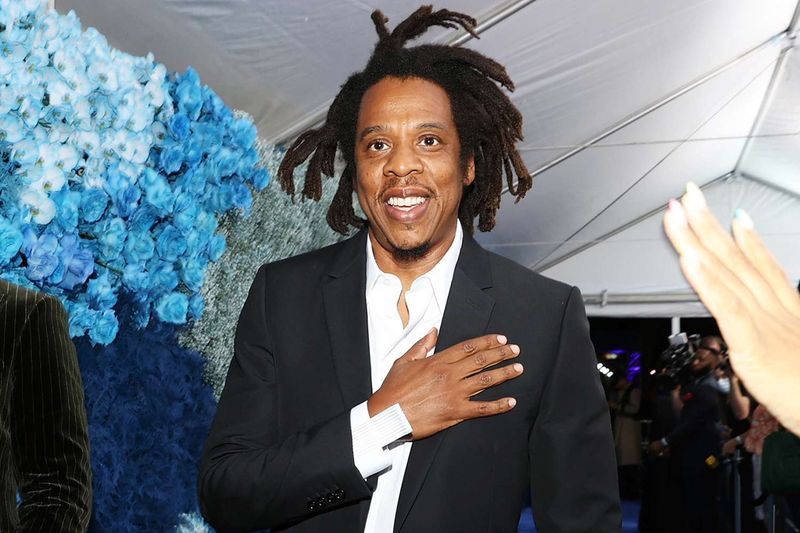
Saying “no” can look different when you’re already operating at the level of mogul, tastemaker, and cultural architect.
The rap icon has spoken about refusing a Halftime Show offer because the conditions and decision-making process didn’t sit right with him, especially when it came to control over who would appear and how the show would be shaped.
His stance was widely interpreted as tied to broader criticism of the NFL’s handling of social justice issues, and it underscored how power works in entertainment: sometimes the real flex is declining the biggest stage when the terms feel off.
Whether fans agree with his reasoning or not, the moment became a reminder that for certain artists, principle and leverage matter more than another headline-making performance slot.
3. Taylor Swift
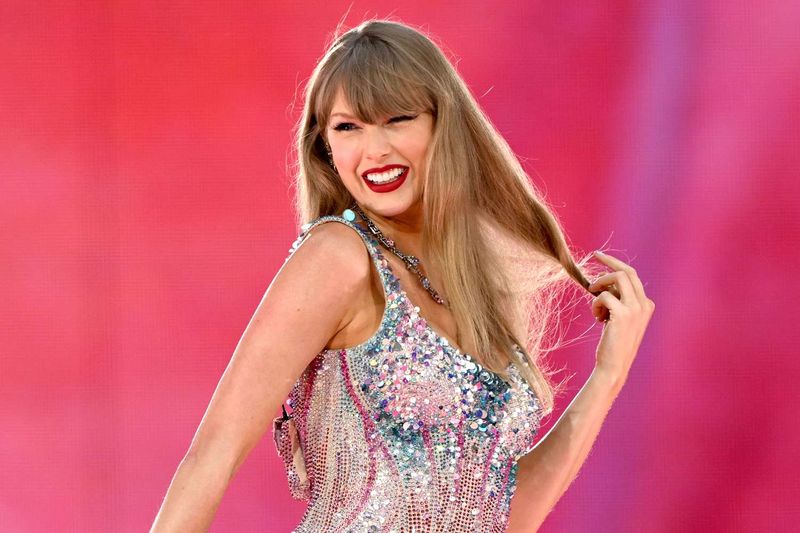
Super Bowl rumors seem to follow the world’s biggest pop star every year, but the reasons for a “no” are often more strategic than dramatic.
Reports have suggested that the singer declined an invitation at some point because the timing didn’t align with her priorities, particularly during the era when she was focused on re-recording her catalog and controlling how her music is used and presented.
The Halftime Show can absolutely boost a career, but it can also distract from a carefully planned rollout, and her brand is built on precision and long-game storytelling.
Even if fans would happily watch her sing for twenty straight minutes, the NFL format demands condensed hits and big visual moments.
For an artist who likes full narrative arcs, it simply may not have been the right chapter.
4. André 3000 (Outkast)
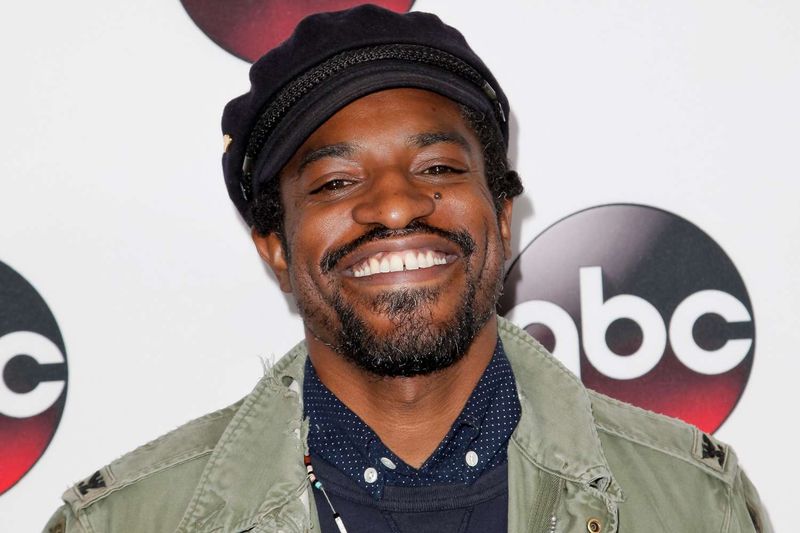
A fast-cut medley of hits can be thrilling for viewers, but it can also feel creatively limiting for artists who care deeply about pacing and musical flow.
According to comments shared by his bandmate, the more enigmatic half of Outkast was hesitant to do the Halftime Show because he didn’t love the idea of performing shortened “snippet” versions of songs.
That hesitation makes sense if you think about how Outkast’s catalog works: the best tracks breathe, switch gears, and build moods that don’t always translate cleanly into a quick-fire montage.
The NFL also tends to favor safe, instantly recognizable moments, which can clash with an artist known for unpredictability and artistic left turns.
In that light, refusing wasn’t about being difficult; it was about protecting the integrity of a sound that never played by mainstream rules in the first place.
5. Big Boi (Outkast)
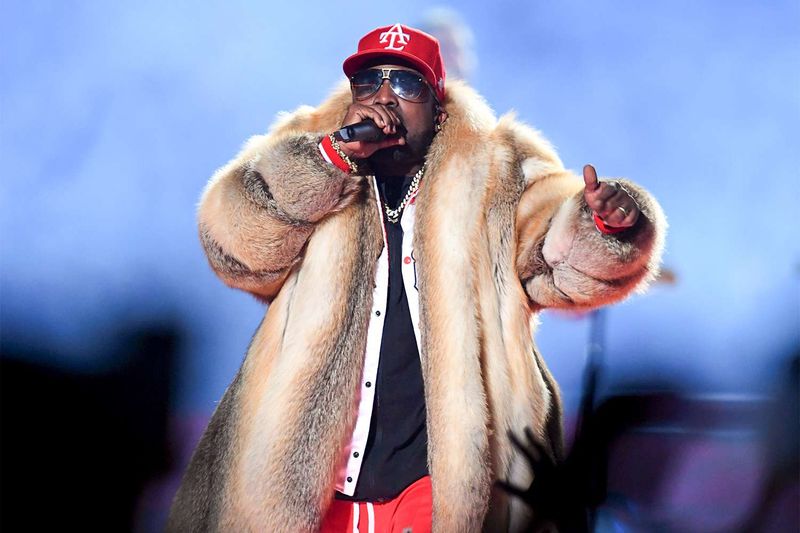
When a duo is being courted, one person’s reluctance becomes a shared decision, and that’s essentially what happened with Outkast.
The other half of the legendary group has indicated that an offer came in, but the opportunity didn’t move forward because the pair wasn’t aligned on what the performance would look like.
While it’s tempting to frame that as a missed chance, it also speaks to the reality of partnerships: chemistry isn’t just about recording together, it’s about agreeing on the moments that define you publicly.
The Super Bowl would have demanded a tight, polished, crowd-pleasing set, and that’s not always the easiest fit for a group whose magic comes from eccentricity and experimentation.
Ultimately, the refusal kept the story consistent: Outkast never existed to meet anyone else’s expectations, even the NFL’s.
6. Adele
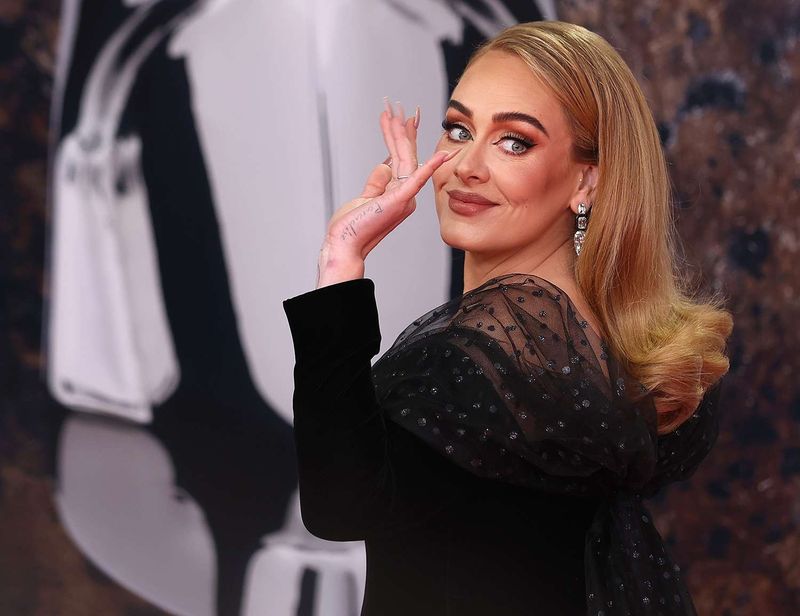
Few modern singers can fill stadiums on vocal power alone, but the Halftime Show has never been a simple “stand there and sing” kind of event.
In interviews, the British superstar has explained that she turned down the opportunity because it didn’t feel like the right format for what she does best, and she’s joked that her skill set doesn’t exactly include high-energy choreography.
That honesty is part of her appeal, and it highlights a truth fans sometimes forget: the Super Bowl is as much spectacle as it is music.
For an artist whose brand is built on intimacy, emotion, and controlled simplicity, the pressure to deliver fireworks could feel like forcing a square peg into a very shiny, very loud round hole.
7. Cardi B
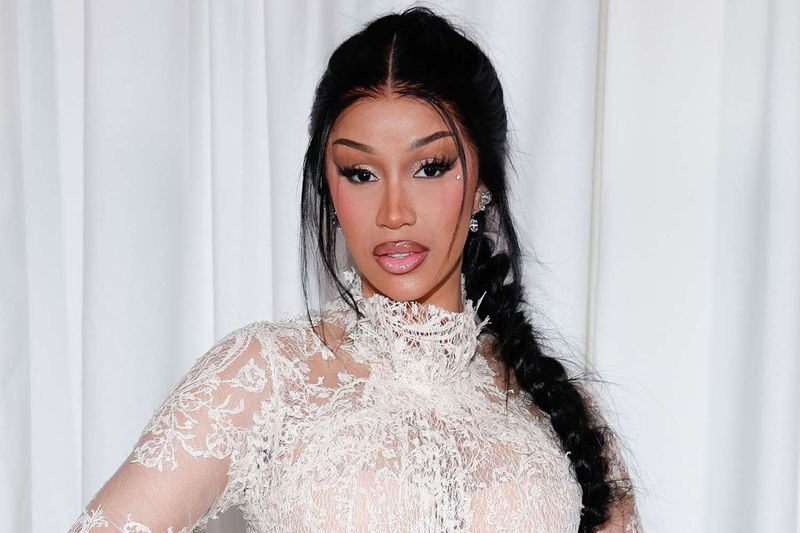
Few stars have been as blunt about where they stand, and her decision around the 2019 Halftime Show conversation reflected that same directness.
The rapper publicly said she wouldn’t participate, framing it as solidarity with Colin Kaepernick and a refusal to help the NFL polish its image while controversy still lingered.
That choice carried weight because it’s not the kind of opportunity artists casually reject, especially when the spotlight could expand an already massive platform.
At the same time, it showed that cultural moments can collide with career moments, and not everyone is willing to separate the two.
The Halftime Show isn’t simply a performance; it’s also a symbol, and symbols come with meaning whether performers want them to or not. By opting out, she turned a potential gig into a statement.
8. Dolly Parton
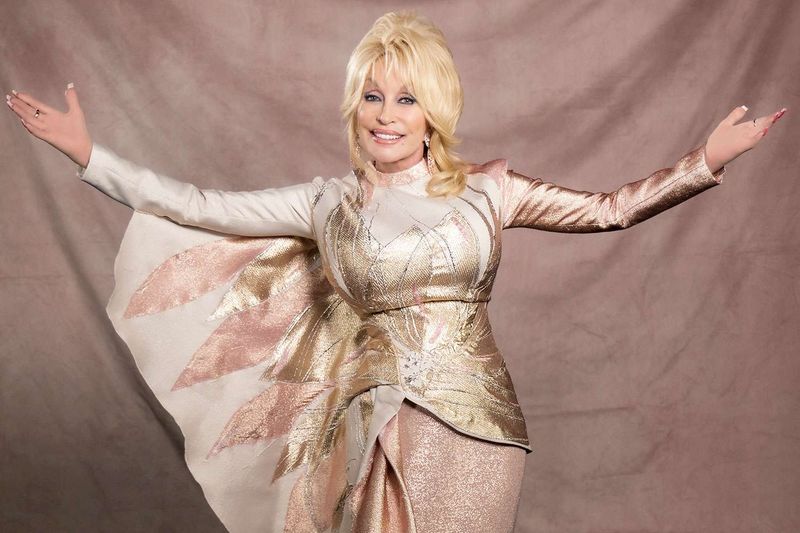
For someone with decades of hits, beloved status across generations, and undeniable star power, turning down the Super Bowl might sound surprising at first.
Yet the country legend has suggested she didn’t feel like the right fit for the Halftime Show scale, sometimes framing it as not being “big enough” for that kind of spectacle.
That humility is very on-brand, but it also hints at the pressure of modern halftime production, where even icons are expected to deliver stadium-sized visuals and rapid-fire pacing.
Her music thrives on storytelling, warmth, and connection, and those qualities can get lost when the goal is to fill every second with pyrotechnics and camera cuts.
It’s also possible she simply preferred to keep her performances in spaces where she can control the tone.
Either way, the refusal reads less like fear and more like knowing exactly who she is.
9. Rihanna
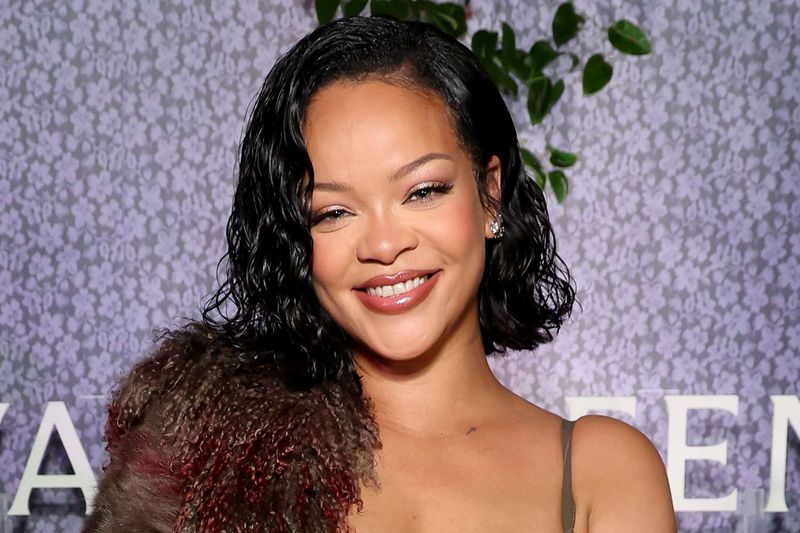
Before she eventually did take the Halftime stage years later, she was one of the most high-profile names to openly reject the opportunity.
At the time, the singer confirmed she declined an offer associated with the 2019 show, pointing to support for Colin Kaepernick and discomfort with what the NFL represented in that moment.
The decision landed hard because she’s exactly the kind of artist the Halftime Show is built for: hit-packed catalog, massive cultural reach, and a fanbase ready to tune in.
Saying no meant walking away from a guaranteed “moment” in favor of a moral stance, and that’s not a small tradeoff in a business that runs on visibility.
When she later returned under different circumstances, it didn’t erase the earlier refusal; it simply showed how timing and context can change what a stage represents.
10. Gloria Estefan
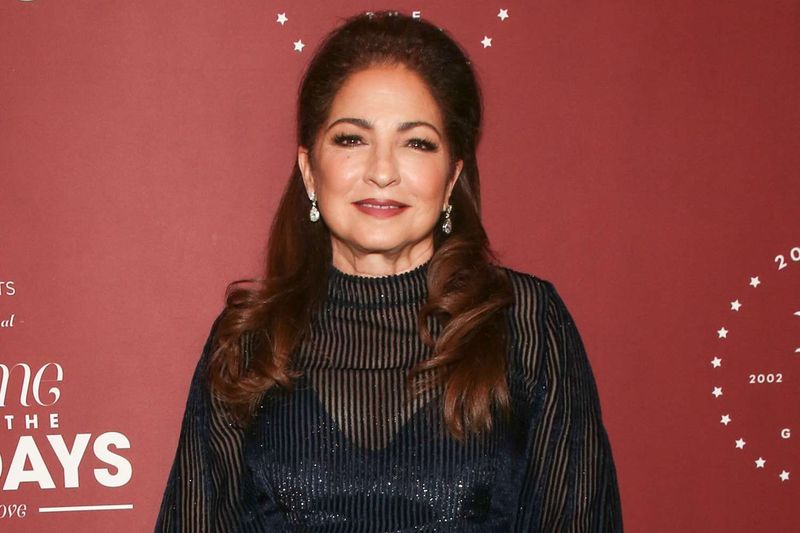
Being invited to participate in a star-studded Halftime lineup sounds like an easy yes, but sometimes the simplest answer is a polite no.
The Miami music icon has explained that she turned down a chance to be involved with the 2020 show featuring Jennifer Lopez and Shakira, offering a mix of practical and playful reasoning, including not wanting to spend the holidays worrying about performance prep.
She also made it clear that she felt the spotlight belonged to the headliners, and she didn’t want to crowd their moment.
That kind of decision reflects the difference between chasing attention and choosing grace, especially for someone who has nothing left to prove.
The Halftime Show thrives on packed stages and surprise cameos, but not everyone wants to be a “special guest” if it doesn’t feel meaningful.
In her case, stepping aside looked like confidence, not a snub.
11. Lil Wayne
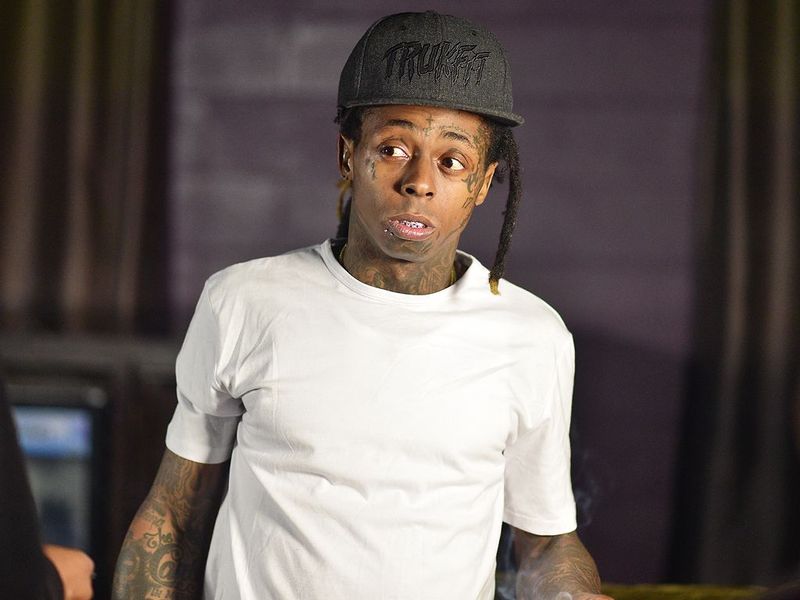
Sometimes a “refusal” is fueled by disappointment rather than a direct invitation that didn’t work out.
After the NFL selected a different headliner for the 2025 Halftime Show in New Orleans, the rapper spoke publicly about feeling overlooked and later suggested he would never do the Halftime Show going forward.
Even if fans debate whether a formal offer was ever on the table, the sentiment was clear: the snub stung, especially because the location felt like it should have been a natural fit for a hometown hero narrative.
His reaction also highlights how personal the Halftime conversation can get, since it’s not just about music—it’s about cultural recognition, legacy, and who gets positioned as the face of a city or genre on the biggest night.
When pride and visibility are part of the equation, declining can be a way of reclaiming control.
Comments
Loading…