
 Isabel Parker
Never Use Disinfecting Wipes on These 14 Things in Your Home
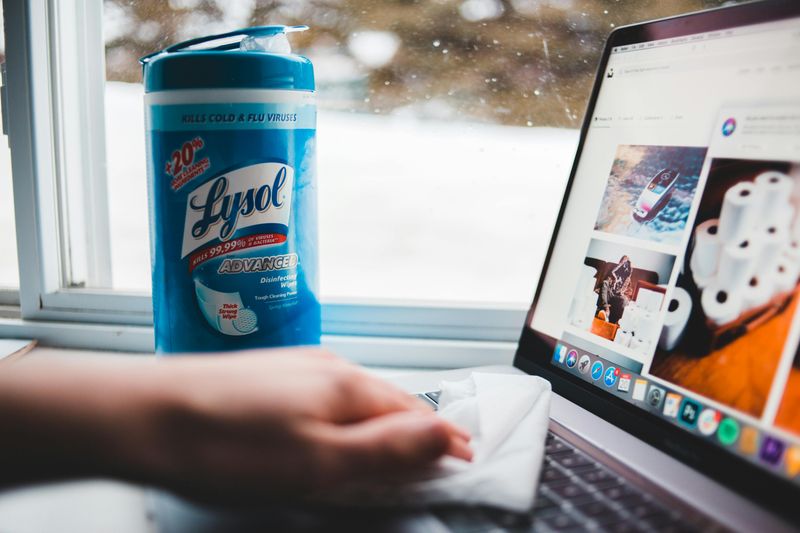
Disinfecting wipes became a household essential for many families, but experts warn that they shouldn’t be used on everything.
Some common items around the home can react poorly to the chemicals found in these wipes, leading to fading, cracking, corrosion, or protective coatings wearing away.
Knowing what not to clean with disinfecting wipes can help you avoid costly mistakes while still keeping your home fresh and sanitary.
1. Phone screens & tablets
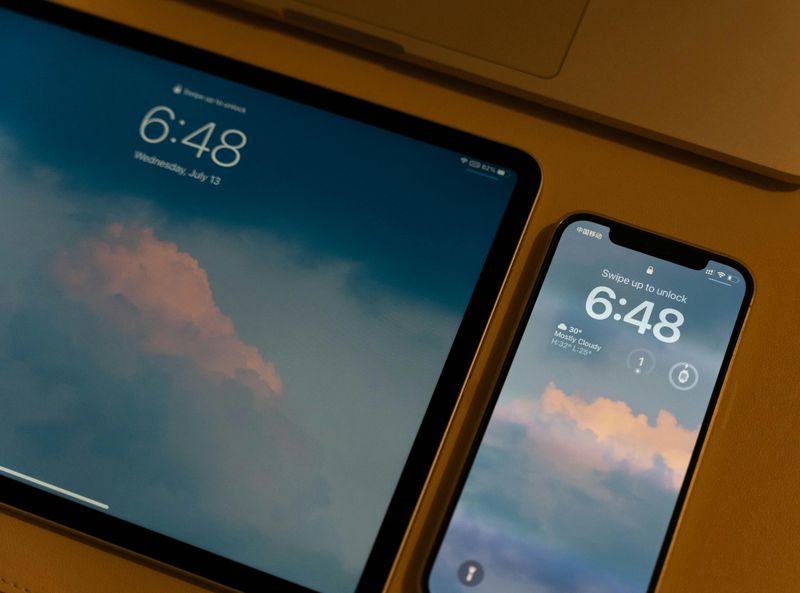
Your phone and tablet get handled constantly, so it’s tempting to swipe them down with a disinfecting wipe and call it done.
The issue is that many screens have special coatings that reduce fingerprints and help the glass feel smooth, and frequent exposure to strong cleaners can wear those coatings down over time.
Once that happens, the screen may look streaky more easily, feel less slick, and show smudges faster than it used to.
Another concern is moisture creeping into openings around buttons, ports, or speaker grilles, especially if the wipe is very wet.
A safer routine is using a clean microfiber cloth to remove grime first, then lightly dampening the cloth with water or a screen-safe cleaner made specifically for electronics.
Finish by drying gently so you don’t leave residue behind.
2. Eyeglasses (especially coated lenses)
Glasses seem like they should be easy to sanitize, but lens coatings are surprisingly sensitive and can react badly to harsh wipe ingredients.
Many prescription lenses have anti-reflective, anti-scratch, or blue-light coatings, and repeated contact with strong disinfectants can make those layers haze, peel, or develop a cloudy film that never quite comes off.
It’s especially frustrating because the damage can look like dirt, so you keep wiping harder and accidentally make things worse.
Instead, rinse lenses under lukewarm water to remove grit that could scratch, then use a small drop of mild dish soap and your fingertips to clean both sides.
After that, dry with a microfiber cloth that’s meant for eyewear, not a paper towel or shirt hem.
If you want a quick option, use a lens spray that’s designed specifically for coated eyewear.
3. Computer monitors & TV screens
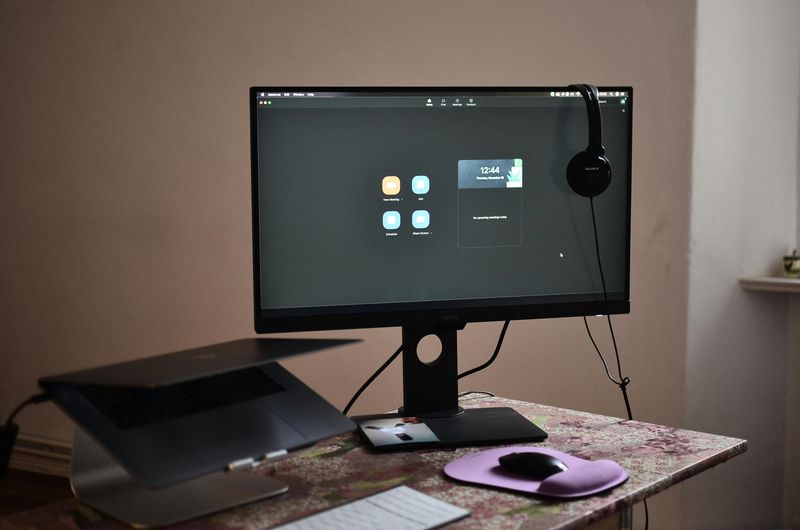
Flat screens look sturdy, but many are coated in ways that don’t play nicely with disinfecting wipes.
Depending on the model, the display may have an anti-glare layer that can streak, haze, or become blotchy when exposed to strong cleaners, especially those that contain alcohol or other solvents.
Another risk is that wipes can be wetter than they feel, and liquid can seep along edges where the panel meets the frame.
When that happens, you may end up with dead pixels, dark spots, or weird pressure marks that don’t go away.
A better approach is to power the screen off first so you can see smudges clearly, then use a dry microfiber cloth to lift dust and fingerprints gently.
If you need more cleaning power, lightly dampen the cloth with water or a screen-approved cleaner, never spray directly, and wipe with a slow, even motion.
4. Natural stone (granite, marble, quartzite)
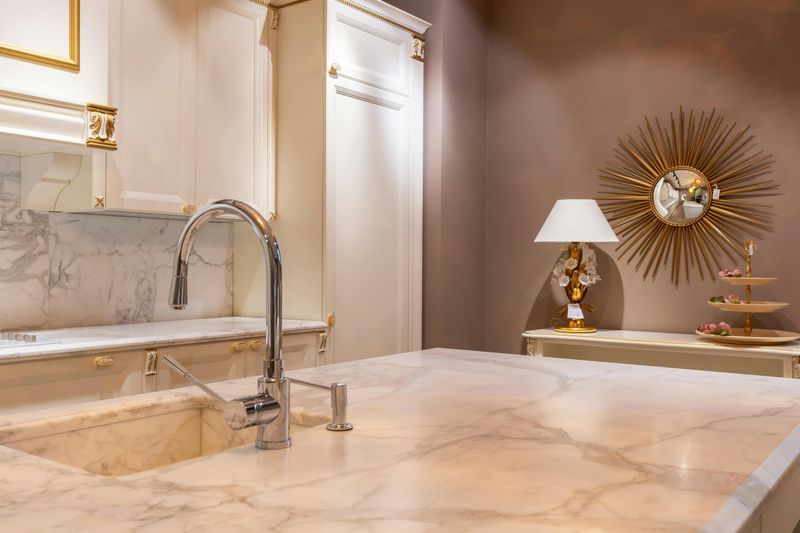
Stone countertops are often sold as durable, but they’re not automatically “disinfecting wipe proof,” especially when it comes to long-term appearance.
Some wipes contain ingredients that can dull the shine, break down sealant, or slowly etch the surface, and that’s particularly true for softer stones like marble.
Even if damage isn’t obvious at first, repeated wiping can leave a cloudy cast or create uneven patches where the finish wears faster.
Many people also notice that stone starts to look dirtier sooner because residue from wipes can attract dust and grime, creating a cycle of more wiping and more buildup.
The safer option is a pH-neutral cleaner made for stone or a small amount of mild dish soap in warm water, followed by a clean rinse and dry.
If you want disinfecting power, choose a stone-safe product and follow the label so you don’t compromise the seal.
5. Wood furniture (especially finished/antique wood)
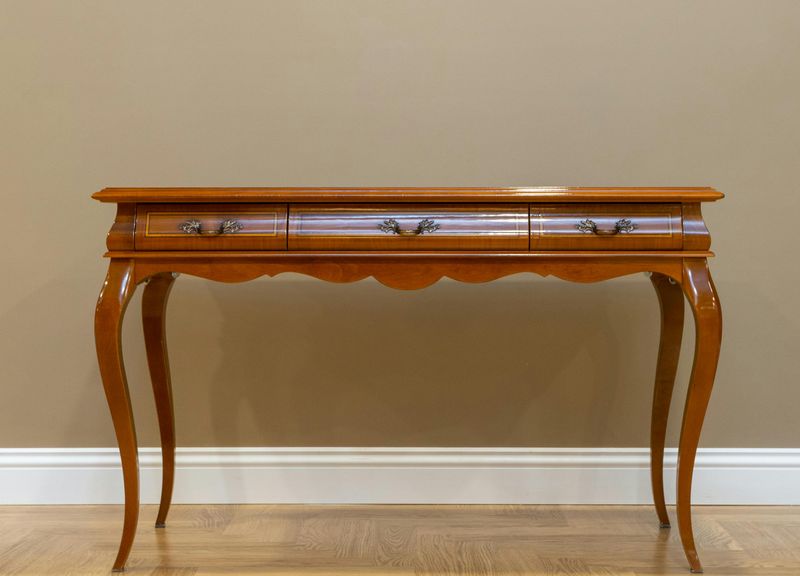
Wood furniture can look fine after one wipe-down, which is why this mistake is easy to repeat until the damage becomes obvious.
Many disinfecting wipes are formulated to cut through grime quickly, and that can slowly strip wax, polish, or protective finish from wood, leaving it looking dull and feeling rough.
Some pieces develop cloudy streaks that won’t buff out because the residue bonds to the surface instead of sitting on top.
Older or antique furniture is even more vulnerable, since the finish may already be thin or delicate.
A smarter method is to dust with a dry microfiber cloth first, then use a slightly damp cloth with water for sticky spots, immediately drying afterward so moisture doesn’t linger.
For routine care, a wood cleaner designed for your furniture’s finish is a better choice than a disinfectant, and it helps keep the surface looking rich instead of dried out.
6. Hardwood floors
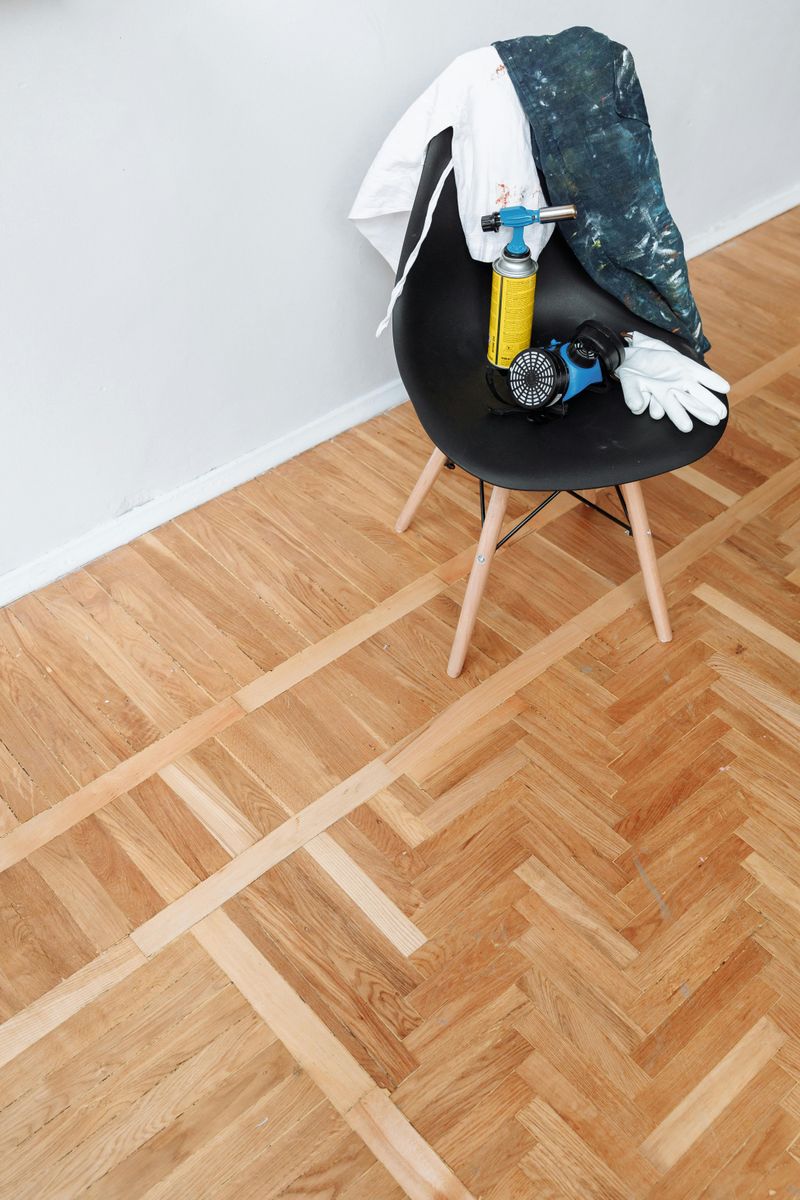
Disinfecting wipes seem like a quick fix for spots on hardwood, but they can cause a slow-burn problem you don’t notice until your floors look permanently tired.
Many wipes leave behind a film that feels invisible at first, yet it attracts dirt and dulls the finish, so the floor gets grimy faster and needs more frequent cleaning.
On top of that, moisture is the enemy of hardwood, and even small amounts can work into seams, especially if you wipe a large area or go over the same spot repeatedly.
Over time, that can contribute to swelling, warping, or edges that don’t sit flush.
A safer strategy is using a cleaner that’s specifically labeled for hardwood floors along with a microfiber mop that’s only lightly damp, not wet.
If you need to disinfect after illness, look for hardwood-safe disinfecting solutions and use them sparingly, drying the area promptly.
7. Leather (couches, bags, shoes, car seats)
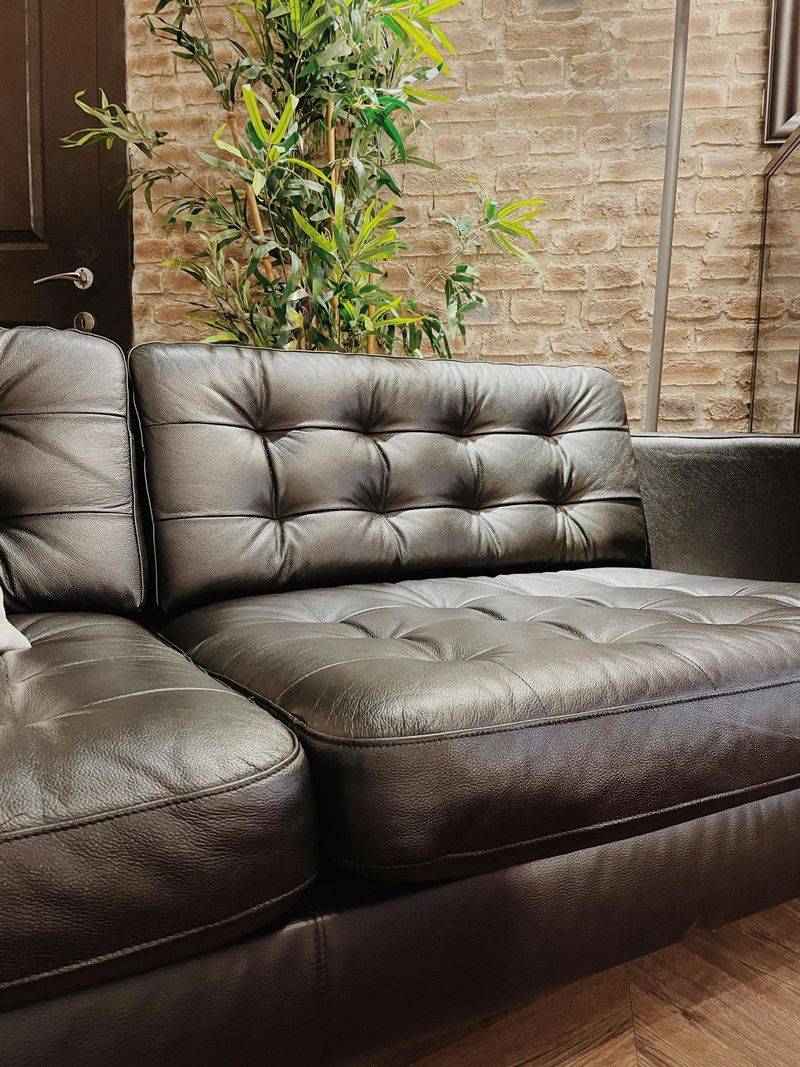
Leather looks tough, but it’s basically skin, which means it can dry out and crack when exposed to harsh ingredients.
Many disinfecting wipes contain alcohol or other strong cleaning agents that remove not just dirt, but also the natural oils and conditioners that keep leather supple.
After repeated wipe-downs, you might notice stiff patches, fading, or a dull look that makes the item seem older than it is.
Some finishes also become sticky or shiny in a way that never quite goes back to normal, especially on coated leather furniture and car seats.
A better routine is to use a leather-specific cleaner that lifts grime gently, then follow with a conditioner to replenish moisture.
If you need occasional sanitizing, choose a product approved for leather and test it in a hidden spot first, because different leather finishes react differently even when the item looks similar on the outside.
8. Car interiors with special finishes (dashboards, touchscreens, leather steering wheels)
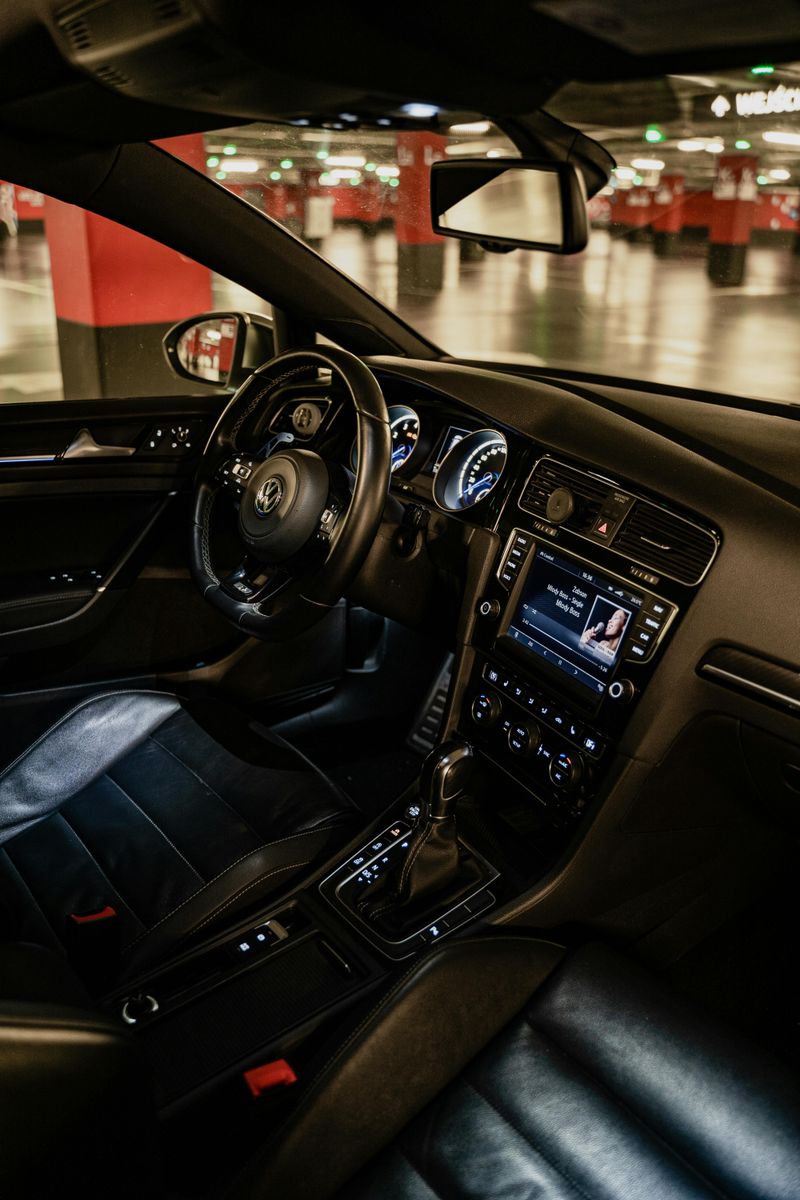
It’s easy to assume your car’s interior can handle anything, but modern dashboards and trims often have soft-touch coatings and matte finishes that are surprisingly easy to damage.
Disinfecting wipes can strip that coating, leaving shiny patches, discoloration, or a tacky feel that makes dust cling like magnetized fuzz.
Steering wheels and armrests can also become slick or blotchy when the finish breaks down, and once it happens, it’s almost impossible to reverse without professional detailing.
Touchscreens deserve extra caution because they can be similar to phone displays, meaning harsh wipes can interfere with coatings and leave streaks that never fully disappear.
For a safer clean, use an interior cleaner designed for automotive materials and a microfiber towel that won’t scratch.
For screens, use a screen-safe product applied to the cloth, not directly onto the display, and wipe gently to avoid pushing moisture into edges.
9. Cast iron cookware
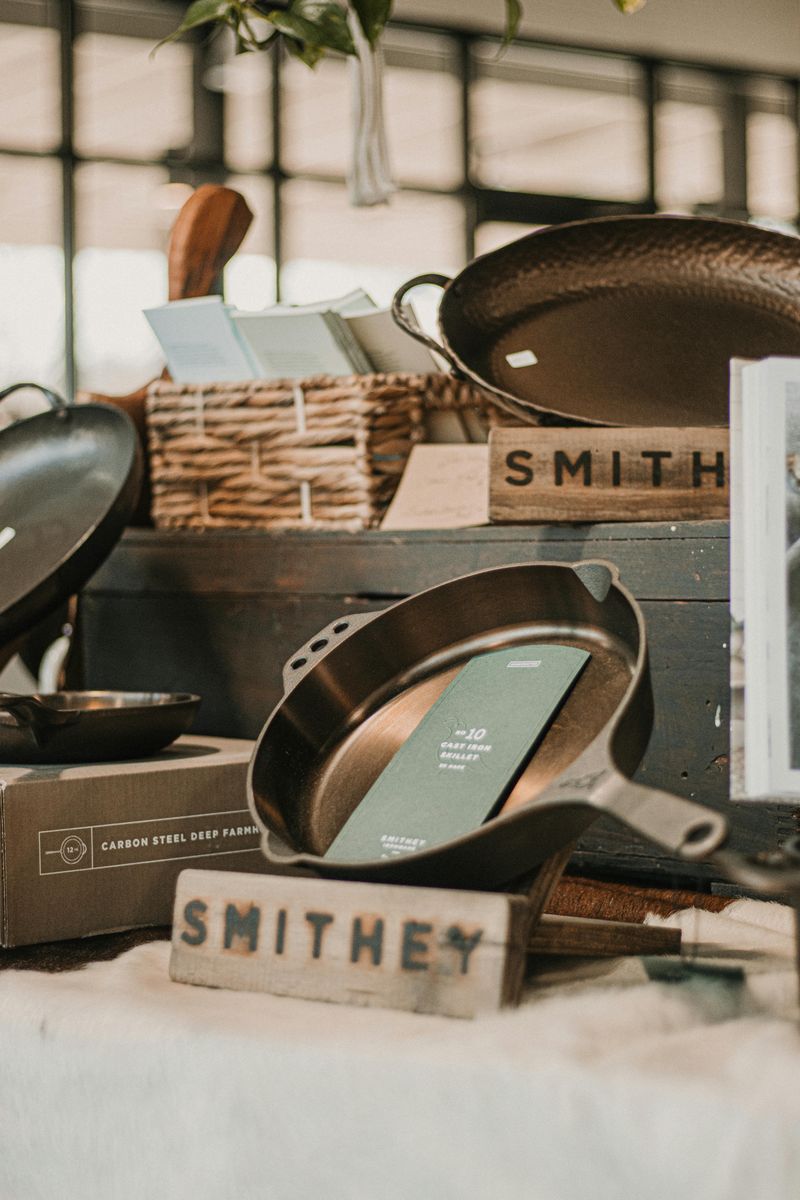
Cast iron thrives on seasoning, which is that protective, nonstick layer built up from oil and heat over time.
Strong disinfecting wipes can interfere with that layer by leaving residue, stripping oils, and making the surface more prone to rust, especially if any moisture lingers after cleaning.
Even if the pan doesn’t look ruined immediately, you can end up with sticky spots, uneven seasoning, or a metallic smell that shows up the next time you cook.
Another issue is that disinfectants aren’t meant to be heated on a food-contact surface, so using them creates a “why risk it” situation when simpler options work well.
The best method is hot water and a stiff brush, with coarse salt as a scrub if food is stuck, then drying the pan thoroughly.
After it’s dry, rubbing in a thin layer of oil helps keep the seasoning strong and the surface protected.
10. Nonstick pans
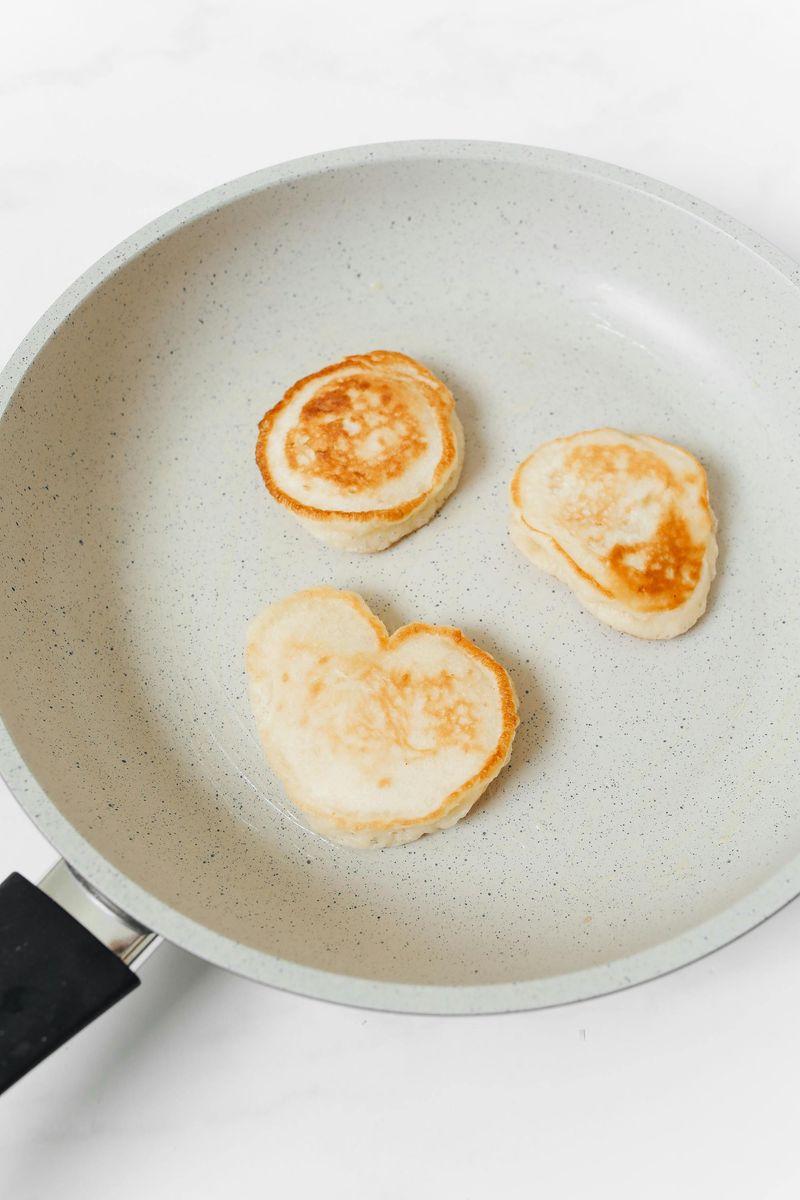
Nonstick cookware is designed for easy cleanup, which makes disinfecting wipes feel like overkill, but some people reach for them anyway because the pan “looks” dirty after cooking.
The issue is that wipes can leave a chemical film that you don’t see, and that residue may smoke or smell strange when the pan heats up again.
Over time, harsh ingredients can also contribute to the coating breaking down faster, especially if you scrub hard while using the wipe to lift stuck-on bits.
Even though nonstick is convenient, it’s also one of those surfaces where gentle cleaning makes the cookware last longer.
Warm water, mild dish soap, and a soft sponge are usually enough, and soaking for a few minutes works better than rubbing aggressively.
If you need to sanitize cookware after handling raw meat, hot soapy water does the job for most situations, and thorough rinsing ensures nothing unwanted gets cooked into your next meal.
11. Baby items that go in mouths (teethers, pacifiers, bottle nipples)

Anything a baby chews or sucks on deserves extra caution, and disinfecting wipes can introduce residue that simply isn’t worth the tradeoff.
Even wipes that claim to be “gentle” are often made for hard surfaces like counters, not for items that spend minutes in a mouth, which means you may end up transferring trace chemicals directly to your child.
Another problem is that wipes can leave a taste behind, and babies are surprisingly sensitive to odors and flavors, so a “clean” pacifier might suddenly be refused.
The safer route is the old-fashioned one: wash items with hot, soapy water and rinse thoroughly, or use a dishwasher cycle if the product allows it.
For true disinfecting, boiling water can work for certain items, but you should follow manufacturer guidance so you don’t warp or weaken materials.
When in doubt, soap, water, and a good rinse beat a mystery film every time.
12. Butcher block & wooden cutting boards

It is tempting to swipe butcher block and wooden cutting boards with a disinfecting wipe after prepping dinner.
The problem is the solution can strip protective oils, raise the grain, and leave behind residue that is not food safe.
Over time, boards dry out, crack, and absorb more moisture and odors.
Instead, wash with hot soapy water, then rinse and dry upright.
Disinfect safely with diluted white vinegar or a hydrogen peroxide spritz, letting it sit briefly before wiping.
Refresh the finish regularly with food grade mineral oil or board cream to keep fibers sealed, water repellent, and less welcoming to bacteria.
13. Yoga mats (natural rubber, TPE, PVC)
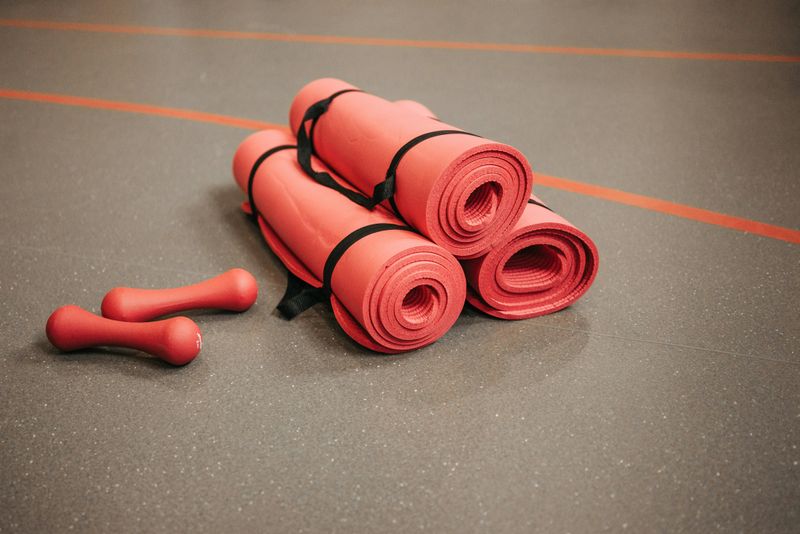
Those trusty wipes seem perfect after a sweaty flow, but many yoga mats are made of natural rubber or TPE that reacts badly to harsh disinfectants.
The chemicals can dry, fade, or pit the surface, making it slippery and shortening its lifespan.
Some formulas also leave a tacky film that attracts lint and grime.
For daily care, spritz with a gentle mat cleaner or a mix of water and a few drops of mild soap, then wipe and air dry.
For deeper refresh, use a diluted vinegar solution.
Always avoid soaking, intense heat, and essential oils that can degrade closed cell materials.
14. Musical instruments (guitars, pianos, violins)
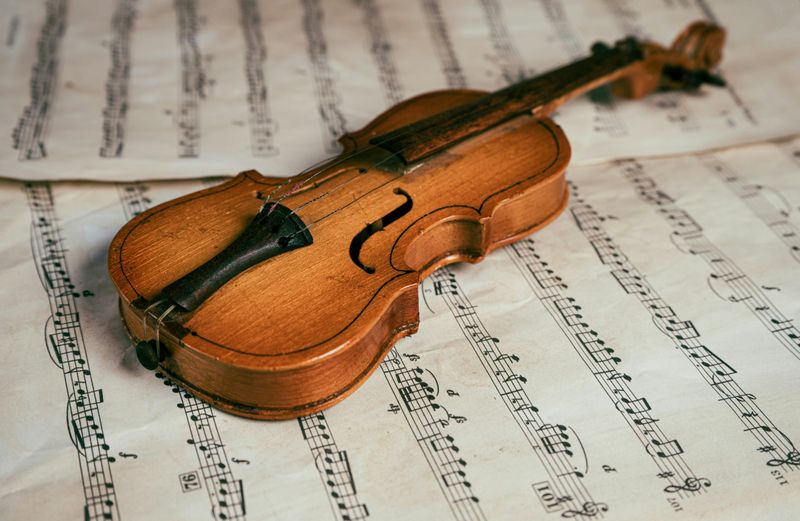
Disinfecting wipes sound convenient on instruments, but finishes are finicky.
On guitars, pianos, and violins, the moisture and solvents can cloud lacquer, soften nitro, and swell unfinished wood at seams and bridges.
Metal parts are not safe either, since chloride can corrode hardware and strings faster than regular sweat.
Instead, dust with a clean microfiber and use products labeled for instrument care.
A barely damp cloth with a drop of mild soap handles sticky spots on sealed finishes, then dry immediately.
For sanitizing shared gear, use 70 percent isopropyl on hard, non porous parts only, keeping it far from bare wood.
Comments
Loading…