
 Jade Reed
Coming home from vacation can feel weirdly emotional, even when everything went “perfect.”
One minute you’re living on sunsets, slow mornings, and zero deadlines, and the next you’re staring at laundry piles and a calendar that looks like a threat.
That post-trip crash is real, and it can show up as irritability, sadness, anxiety, or a heavy sense that normal life suddenly feels too loud.
It doesn’t mean you’re ungrateful or dramatic, and it definitely doesn’t mean you did vacation “wrong.”
It usually means your brain and body are adjusting after a big shift in routine, stimulation, sleep, and expectations.
The good news is you don’t have to white-knuckle your way through it.
With a few practical moves, you can soften the landing, bring some of that vacation calm into daily life, and start feeling like yourself again.
1. Do a “soft landing” day (or evening) at home

A gentle re-entry can make the difference between a manageable mood dip and a full-blown spiral.
Instead of scheduling your first day back like you’re auditioning for “Most Productive Person Alive,” try to create a buffer where you can unpack, restock the fridge, and ease into reality at a slower pace.
If you can’t take an extra day off, you can still build a soft landing by keeping the evening low-pressure and prioritizing sleep over catching up on everything.
Choose one or two essential tasks, like checking your schedule and washing the most important clothes, and let the rest wait.
Your brain needs time to transition from novelty mode to routine mode, and that adjustment goes smoother when you stop treating the first 24 hours like an emergency.
2. Recreate one tiny vacation ritual in real life

Keeping a small piece of your trip alive helps your mind stop thinking of vacation as a door that slammed shut.
Rather than chasing the whole experience, pick one specific habit that made you feel good and recreate it at home in a way that fits your real schedule.
Maybe you had leisurely breakfasts, evening walks, or a “no phone until coffee” rule that made your mornings feel peaceful.
Even lighting the same candle you bought on your trip or playing a playlist that reminds you of that place can trigger the same calmer state.
The point is not to pretend you’re still traveling, but to remind yourself that your day-to-day life can hold moments of pleasure too.
Tiny rituals work because they’re sustainable, and sustainable is what actually changes your mood.
3. Unpack immediately—and make it oddly satisfying
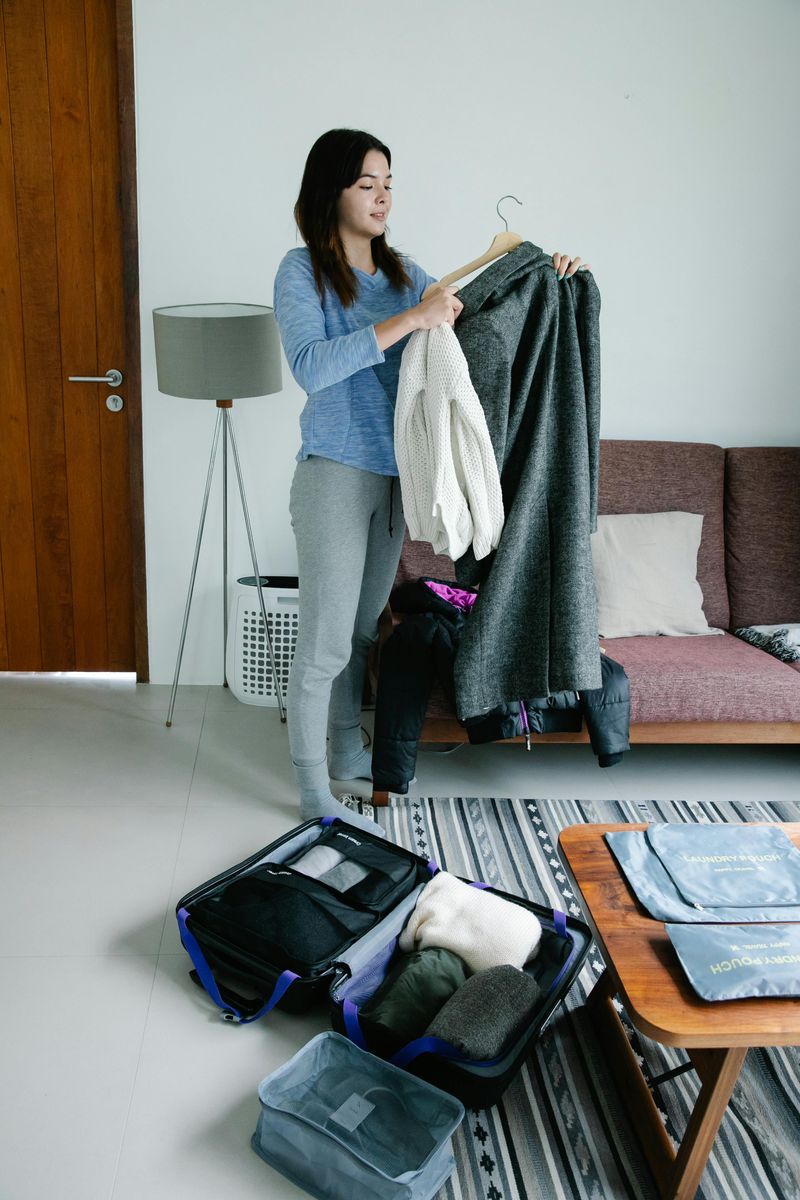
Leaving suitcases half-open is basically inviting post-vacation dread to move in and start paying rent.
A quick, focused unpacking session creates closure and signals to your brain that you’re safe, settled, and back in control.
It also prevents the slow creep of chaos that makes everything feel harder than it needs to be, especially when you’re already emotionally fragile.
Start by putting dirty clothes straight into the laundry and returning toiletries and chargers to their usual spots, then make your bed with fresh sheets if you can manage it.
The goal is to make home feel like a calm base, not a messy reminder that vacation is over.
When your environment looks handled, your mind often follows, and you stop feeling like you’re living in a transition zone.
4. Plan your next “micro-escape” (even if it’s cheap/free)

Give your brain a future treat to chew on.
Put a micro-escape on the calendar: a day trip, a museum afternoon, a sunrise hike, or dinner with a friend.
It does not need to be fancy, just specific and scheduled.
Choose date, time, and one anchor detail like tickets, a trail name, or a menu you want to try.
The moment it lives on your calendar, the last-good-thing illusion breaks. Momentum replaces nostalgia, gently.
Keep costs low so the plan survives real life. Use free days at museums, pack a picnic, or carpool to a trail.
You will feel lighter because anticipation is medicine, and your mind relaxes when the horizon holds something kind.
5. Do a 30-minute “life reset” (not a full overhaul)

Overcorrecting is tempting when you get home, especially if you return to overflowing emails and a house that suddenly feels smaller.
The problem is that a full “new me” reset usually backfires and turns into guilt when you can’t maintain it.
Instead, pick one contained project you can finish in half an hour, because completion is incredibly stabilizing when you feel emotionally scattered.
You might clear your kitchen counters, restock easy meals, organize your work bag, or do a quick budget check so money anxiety doesn’t pile onto everything else.
Keep the bar low and the outcome clear, because the point is to create a sense of momentum, not perfection.
When you complete one manageable task, your brain gets evidence that you can handle being back, and that feeling is surprisingly soothing.
6. Move your body outdoors—especially in the morning

Your mood and sleep can get scrambled by travel schedules, different time zones, extra treats, and irregular routines, which is why the blues often feel physical as much as emotional.
Getting outside for gentle movement helps recalibrate your system without demanding too much willpower.
A brisk walk, a light jog, or even stretching on a balcony counts, especially if you can do it in morning daylight.
Natural light supports your circadian rhythm, and movement can reduce that restless, edgy energy that shows up when you’re anxious or down.
This doesn’t need to be a hard workout or a punishment for vacation indulgence, because the goal is regulation, not redemption.
When you pair fresh air with motion, you’re giving your brain the basic inputs it uses to feel steady, and that steadiness makes everything else easier to manage.
7. Talk about it without making it a big dramatic thing

Isolation makes post-vacation depression feel heavier, because your brain starts narrating the slump like it’s a personal failure instead of a normal adjustment.
Talking about it gently, without making it a dramatic crisis, can be surprisingly powerful.
You might tell a friend, “I’m struggling more than I expected after getting back,” or mention it to your partner so they understand why you seem off.
Often, the simple act of naming the feeling reduces it, because it stops bouncing around in your head as vague discomfort.
If the sadness sticks around for more than a couple weeks, or you notice it interfering with sleep, appetite, or motivation, reaching out to a therapist can be a smart next step.
Support isn’t just for emergencies, and you deserve it even for “small” emotional crashes.
Comments
Loading…