
 Isabel Parker
A minimal-makeup routine can mean a lot of different things, from skipping foundation but loving mascara, to saving glam for special occasions, to simply preferring a bare face most days.
It is also rarely a single “type” of woman, because choices around appearance are shaped by personality, culture, skin needs, time, money, and even workplace expectations.
Still, psychologists who study self-presentation, self-esteem, and social pressure often notice a few patterns that show up more frequently among women who keep makeup light or optional.
These traits are not rules, and they are not moral rankings, because wearing a full face can be just as healthy and self-directed as wearing none.
Think of the list below as a set of tendencies that might feel familiar if you keep your routine simple, or if you have ever wondered why some women feel perfectly at home with less.
1. Comfort-first self-presentation
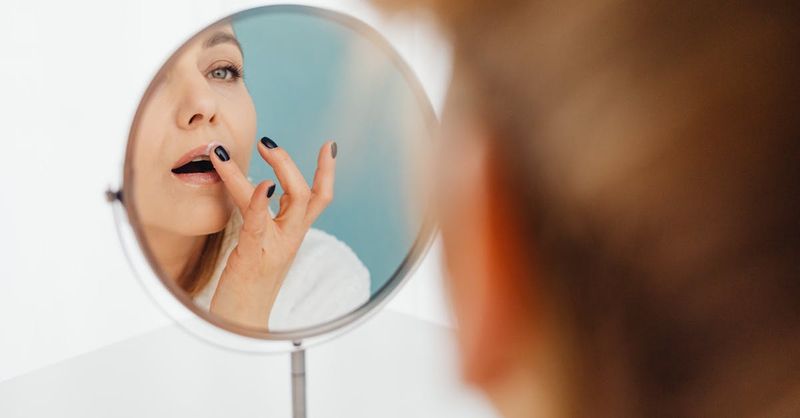
Choosing little makeup is often part of a bigger preference for ease and physical comfort rather than a statement about beauty.
Psychologists frequently describe this as a practical orientation toward self-presentation, where the goal is to feel good in your body and move through the day without constant adjustments.
Women who lean this way tend to dislike anything that feels heavy, itchy, smudgy, or high-maintenance, especially if it creates extra worry about mirrors, touch-ups, or photos.
That does not mean they do not care about looking put together, because many still invest in skincare, hair, and clothing that feels effortless but polished.
What stands out is the priority order: comfort and convenience come first, and aesthetics follow in a way that supports daily life instead of complicating it.
2. Lower appearance-contingent self-worth
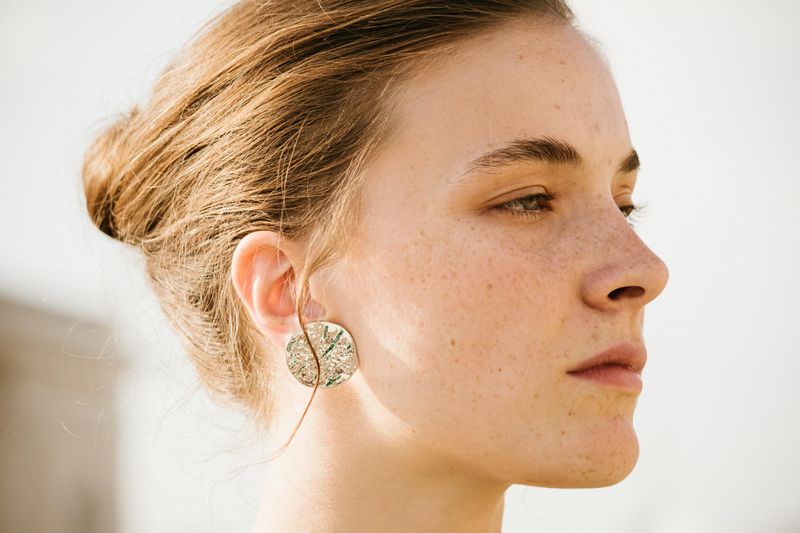
For many women, self-esteem rises and falls depending on how they feel they look, and psychologists often call this “appearance-contingent” worth.
Women who wear little makeup may be less likely to tether their confidence to achieving a specific standard each morning, which can reduce the emotional stakes of a pimple, tired eyes, or a bad hair day.
Their self-evaluation tends to draw more from stable sources like competence, reliability, humor, creativity, relationships, or personal values.
This does not mean insecurity never shows up, because it does for everyone, but the feedback loop can be gentler.
When appearance is not treated as the main scoreboard, there is less urgency to “fix” every perceived flaw before leaving the house.
That often creates a calmer, more flexible relationship with one’s face and body overall.
3. Authenticity-driven identity
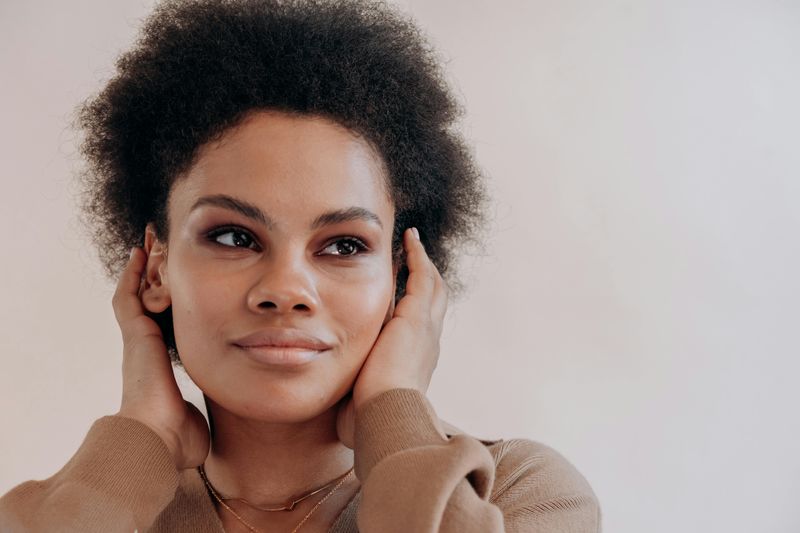
Minimal makeup often reflects a desire to feel congruent, which psychologists describe as aligning your external presentation with your internal sense of self.
Women who prefer a bare or lightly enhanced look may experience heavy makeup as a kind of costume, not because it is wrong, but because it feels less like them.
They might enjoy being recognized instantly, looking similar across contexts, and avoiding the pressure to maintain a “finished” version of themselves at all times.
This preference can connect to self-concept clarity, meaning they have a relatively consistent idea of who they are and how they want to show up.
Even when they do wear makeup, it is more likely to be used as a small accent rather than a transformation.
The underlying theme is comfort with being seen as real, not perfectly curated.
4. Internal validation over external validation
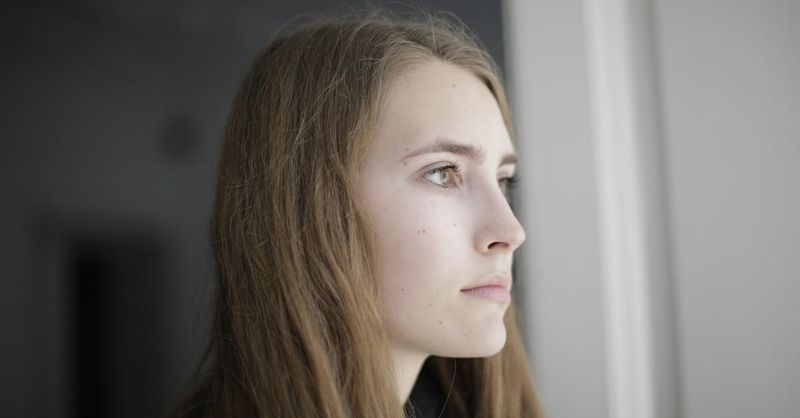
Some people feel most secure when they receive steady approval, while others rely more on inner standards, and psychologists often link this difference to motivation and self-regulation.
Women who wear little makeup may place less weight on compliments, social media feedback, or the fear of being judged for looking “unfinished.”
They can still enjoy positive attention, but they do not always treat it as proof that they are doing life correctly.
This mindset often shows up as a quieter kind of confidence, where decisions are made based on personal preference rather than imagined reactions.
It may also reduce the urge to perform perfection in public, especially in environments that reward polished beauty.
When internal validation is stronger, the daily question becomes, “Do I feel like myself today?” rather than, “Will everyone approve of how I look?”
5. Pragmatism and time boundaries
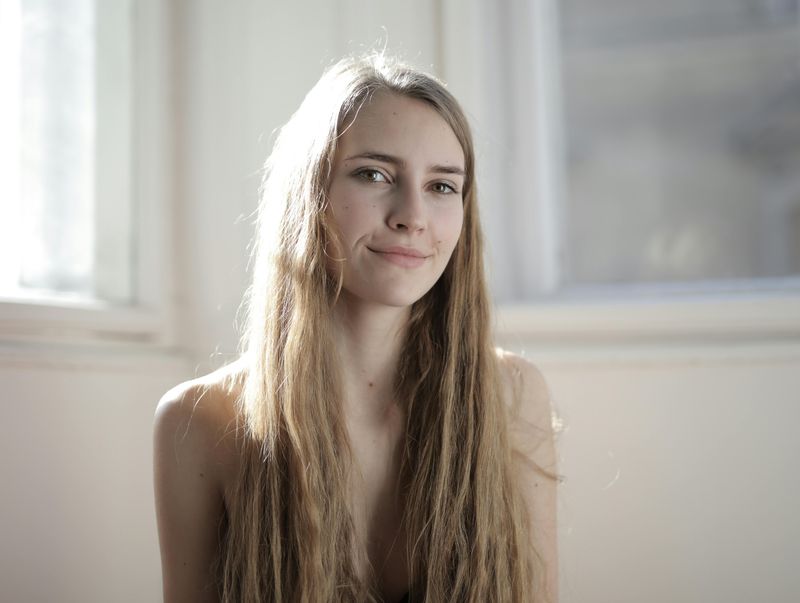
Energy is a budget. You allocate it where returns are highest: sleep, exercise, deep work, family.
High opportunity-cost awareness makes the routine lean and intentional. Rather than defaulting to an hour of glam, you ask what that hour buys elsewhere.
Maybe it buys a workout, a homemade lunch, or ten quiet minutes with a child. The trade-offs become visible and empowering.
Psychologists link this to executive functioning and boundary clarity. Saying yes to priorities means saying no to extras.
You choose frictionless habits that scale. Makeup still fits on certain days, but it does not own the calendar.
Simple systems reduce decision fatigue and stress. Time boundaries protect momentum and mood.
6. Lower social comparison pressure
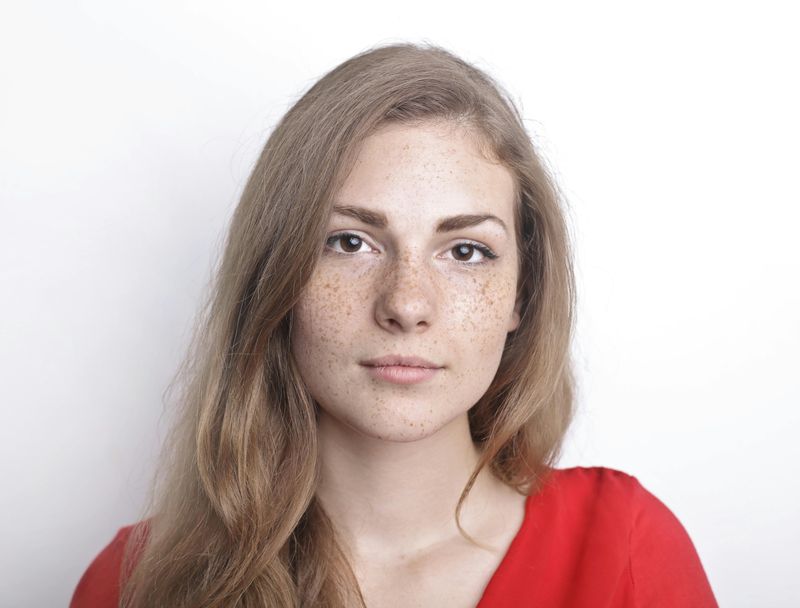
A lighter makeup routine can sometimes signal a reduced pull toward comparison, which psychologists associate with better emotional regulation and self-acceptance.
Women who wear little makeup may still notice beauty trends, but they are less likely to use them as a constant measuring stick for their own worth.
This can translate into fewer spirals around “I should look like her,” fewer purchases driven by insecurity, and less vulnerability to the curated perfection of online images.
In practice, the mindset may look like selective exposure, such as unfollowing accounts that trigger shame or being mindful about how much time is spent in comparison-heavy spaces.
When social comparison pressure is lower, appearance becomes one part of life rather than the center of it.
Over time, that can support steadier confidence and a more compassionate inner dialogue.
7. Resilience to gender-role expectations

Norms whisper that women should always look polished. You hear them and still decide what fits your day.
Boundary-setting with expectations does not reject femininity, it reframes it. Psychologists would call this autonomy and normative resistance.
You protect your sense of self from performative demands. The result is dignity that does not wobble when trends shift.
Minimal makeup becomes a signal of choice rather than neglect. You pick your moments instead of obeying a script.
That flexibility reinforces self-respect. The ripple effect is real.
Others notice permission to define their own standards. Cultural change often starts with quiet, consistent decisions.
8. Selective self-expression

Many women who wear little makeup are not “anti-makeup” at all, and psychologists often describe their approach as situational rather than habitual.
Instead of treating makeup as a daily requirement, they use it like a tool that matches the moment, whether that moment calls for creativity, celebration, professionalism, or simply a mood boost.
This can reflect flexible thinking, because the choice is not tied to rigid identity rules like “I never wear makeup” or “I must always wear makeup.”
It also suggests that self-expression can happen in multiple ways, including clothing, hair, scent, nails, or the energy someone brings into a room.
By being selective, they keep makeup in the category of option, not obligation.
That framing can make beauty feel lighter, more playful, and less emotionally loaded.
Comments
Loading…