
 Harper Hall
15 Times Beautiful Actors Had to Be Ugly-Fied for a Role
Hollywood loves a glow-up montage, but some of the most unforgettable performances happen when the glam gets stripped away on purpose.
When a director, makeup team, and actor commit to a believable “glow-down,” it’s rarely about making someone look “ugly” for shock value.
It’s about removing the safety net of prettiness so the audience focuses on grief, grit, fear, obsession, or plain old human exhaustion.
The best transformations don’t just add prosthetics or messy hair; they change posture, voice, energy, and the way a character occupies space.
Suddenly, someone you’ve seen on magazine covers looks like a person you might pass at the grocery store, or a figure you can’t look away from because the pain feels real.
1. Charlize Theron — Monster (2003)
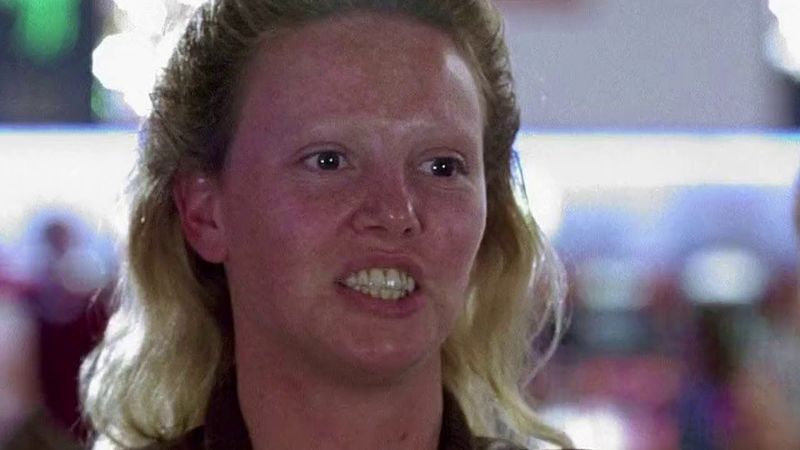
Few transformations feel as total as the one that turns Charlize Theron into Aileen Wuornos, because it isn’t just a change in face shape or skin texture.
The prosthetic teeth, the weight gain, and the weathered makeup do a lot of the heavy lifting, but the real “wow” factor comes from how Theron carries herself like someone who has been bruised by life for years.
Every grimace looks earned, and every tired glance feels like a survival strategy rather than a performance choice.
Even the hair and wardrobe contribute to the character’s constant discomfort, as if nothing ever fits right or feels safe.
By the time the story hits its darkest turns, the lack of glamour makes the tragedy land harder, because you’re watching a person unravel, not a star posing for sympathy.
2. Nicole Kidman — The Hours (2002)
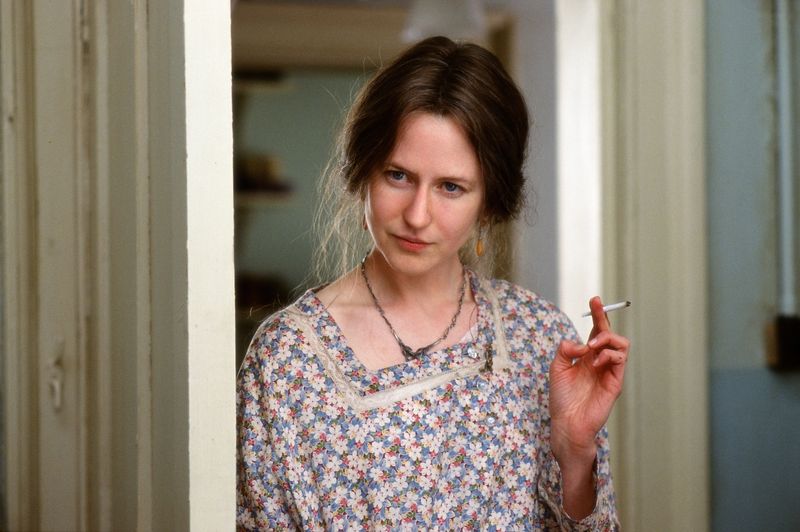
A small prosthetic can do big work when it’s paired with a completely different internal rhythm, and Nicole Kidman’s Virginia Woolf is a masterclass in that idea.
The nose isn’t the point on its own; it’s the way it helps erase the familiar “movie-star” silhouette so the audience can settle into Woolf’s uneasy, searching presence.
Kidman’s styling stays muted and restrained, which makes her expressions feel sharper and more intimate, as if the camera is catching private thoughts rather than crafted moments.
The hair, the clothing, and the minimal polish all contribute to a sense of heaviness, like the character is moving through water.
By choosing believability over beauty, the film invites you to sit with her discomfort, and Kidman never tries to soften it for anyone.
3. Margot Robbie — I, Tonya (2017)
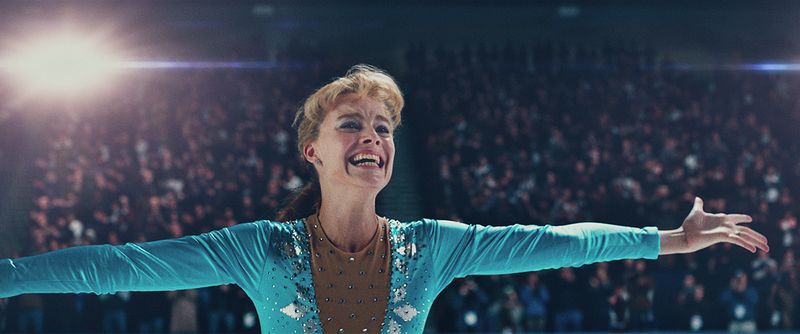
Instead of leaning into the usual Hollywood “pretty but messy” shortcut, I, Tonya commits to the era-specific choices that make the character feel unfiltered and real.
The unflattering hair, the heavy makeup, and the aggressively ordinary wardrobe aren’t there to mock Tonya Harding, but to show how she moved through a world that didn’t offer her much softness.
Margot Robbie plays the frustration underneath the look, letting the character’s chip-on-the-shoulder energy show up in posture, facial tension, and that defensive way she speaks when she expects judgment.
Even when the film is funny, it never treats the transformation like a punchline.
The styling becomes part of the storytelling, because it highlights class tension, media cruelty, and the exhausting effort it takes to be taken seriously when people decided who you were before you opened your mouth.
4. Anne Hathaway — Les Misérables (2012)
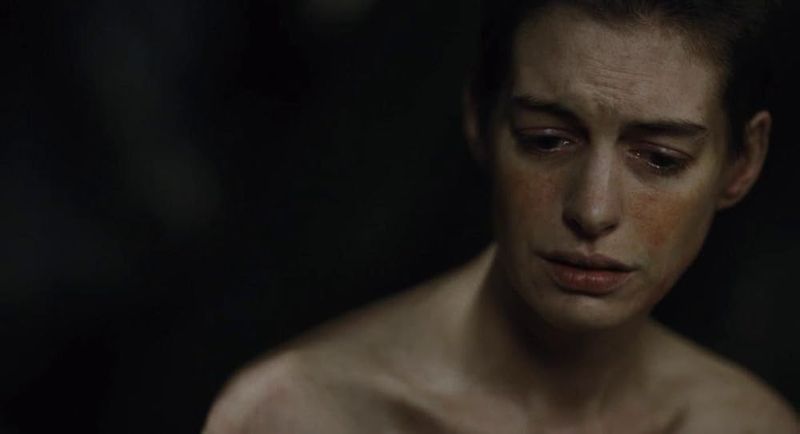
Taking away the usual “star” polish makes Fantine’s downfall feel brutally immediate, and Anne Hathaway leans into the rawness with zero vanity.
The shaved head and pared-back face are obvious markers, but what really sells it is the way she looks physically depleted, as if sleep, safety, and hope have all been rationed for months.
The camera doesn’t give her flattering angles because the story isn’t flattering, and Hathaway doesn’t fight that; she uses the discomfort to make Fantine’s humiliation and desperation feel personal rather than theatrical.
Even the costuming reads like a series of compromises, the kind you make when you’re running out of options and time.
The result is a performance that hits harder because it refuses the audience any pretty distance from the suffering, which is exactly why it works.
5. Tilda Swinton — Trainwreck (2015)
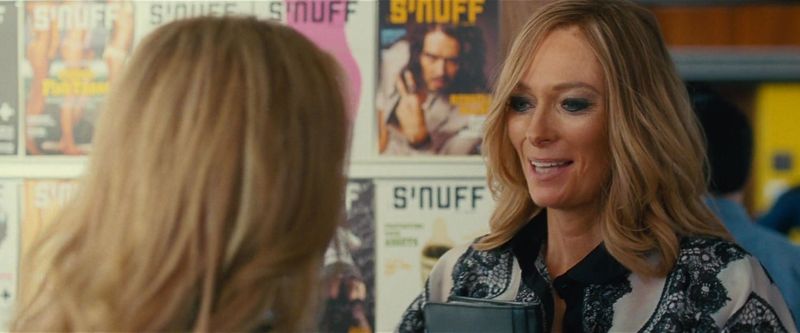
Comedy can be a surprisingly good place for “uglification,” because the best versions are built on specificity instead of exaggeration.
Tilda Swinton’s character is intimidating not because she looks monstrous, but because every detail feels like a real person who has weaponized presentation.
The severe styling, the slightly uncanny polish, and the just-a-bit-too-much perfection create an image that’s sharp in the way a corporate power player can be sharp.
Swinton’s transformation works because it pushes her away from ethereal glamour and into something more rigid and controlled, almost like a human spreadsheet with impeccable cheekbones.
She also pairs the look with a tight, precise performance that makes the character’s intensity funny without turning her into a cartoon.
It’s proof that “making someone look worse” can be less about messiness and more about discomforting accuracy.
6. Tilda Swinton — Suspiria (2018)
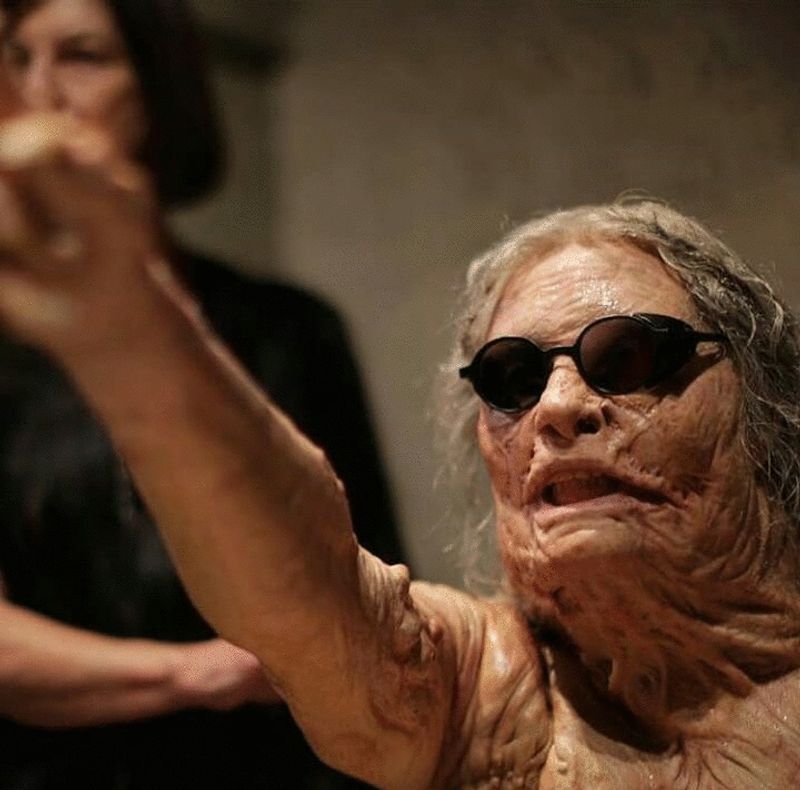
Aging makeup and prosthetics can look impressive in still photos, but they only become convincing when the actor moves like the character has lived a full, specific life.
That’s why Tilda Swinton’s transformation in Suspiria lingers in your mind, because the physicality matches the illusion.
The heavy prosthetic work doesn’t read as “look what we did,” since Swinton commits to the small details that sell age: the pacing, the posture, and the way the face settles into expressions that feel practiced by decades.
The styling is intentionally drained of glamour, which fits the film’s unsettling tone and makes the character feel embedded in that eerie world.
Instead of distracting from the story, the transformation adds to the dread, because you’re watching someone who looks fragile on the outside while carrying something unsettling underneath.
7. Jennifer Aniston — Cake (2014)
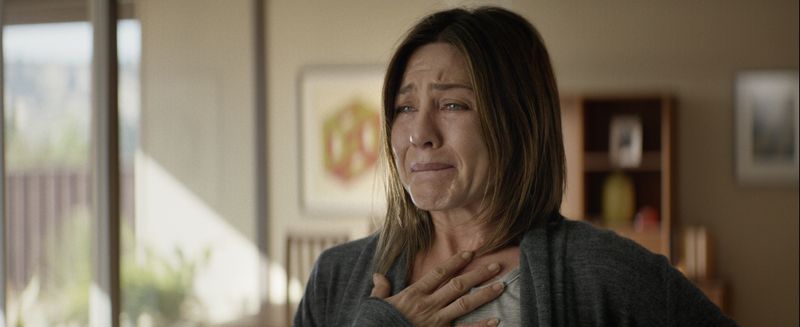
Seeing Jennifer Aniston without the usual glossy sheen feels quietly startling, especially because the film doesn’t treat it like a gimmick.
The scar makeup and the drained styling are part of a larger portrait of chronic pain, grief, and the kind of irritability that comes from never getting a break from your own body.
Aniston’s transformation works best when you notice how the physical look and the emotional texture match, because the character’s discomfort shows up in her face, her patience, and the way she interacts with other people like every conversation is a small burden.
The choices avoid melodrama, which keeps the “glow-down” from feeling like award bait.
Instead, the minimal glamour becomes a storytelling tool, pushing the audience to focus on the character’s isolation and sharp edges rather than relying on Aniston’s familiar likability.
8. Hilary Swank — Boys Don’t Cry (1999)
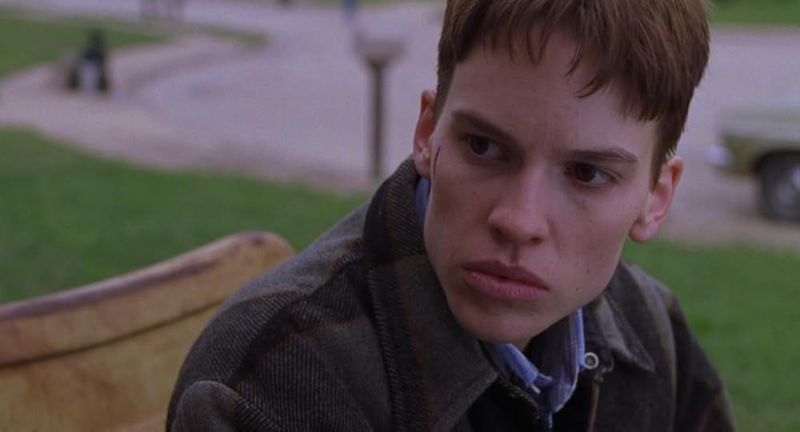
Transformations become truly memorable when they’re driven by respect for the character rather than a desire to shock, and Hilary Swank’s work here is rooted in empathy.
The hair, the clothing, and the body language are meticulously crafted to help Brandon Teena feel like a whole person, not a costume.
Swank’s performance doesn’t rely on external tricks; she adjusts her posture, her facial expressions, and her energy in ways that feel natural, which is why the look never reads as “an actress playing dress-up.”
The lack of glamour serves the story’s realism, especially because the film is dealing with vulnerability, identity, and violence without softening the edges.
By removing the familiar markers of Swank’s beauty and leaning into everyday believability, the film creates intimacy, making the audience feel close to Brandon’s hopes and fears in a way that’s both tender and devastating.
9. Natalie Portman — V for Vendetta (2005)
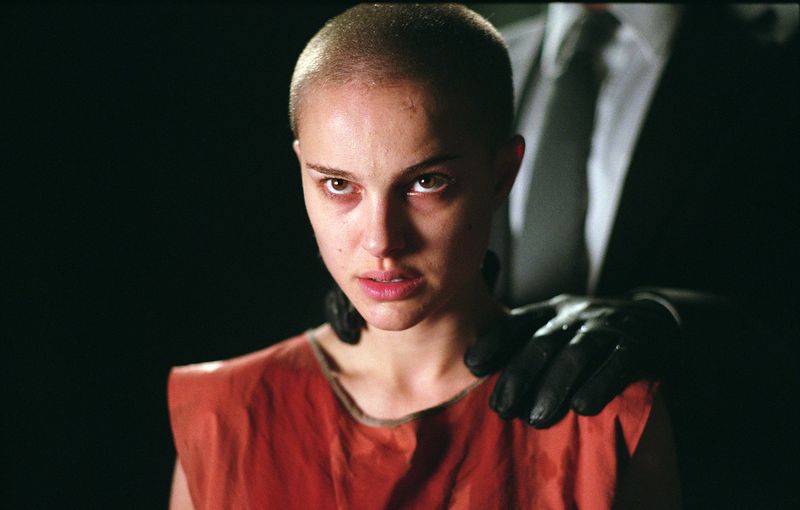
Shaving a head on screen can easily become a dramatic stunt, but this transformation lands because it’s treated as a character pivot rather than a visual trick.
Natalie Portman’s look shifts from polished and cautious to stripped-down and exposed, which mirrors the story’s insistence on identity beyond appearance.
The shaved head and minimal styling remove the usual “pretty framing,” so the audience pays attention to her eyes, her breathing, and the way she stands her ground when fear starts to change shape.
Portman’s performance helps the transformation feel meaningful, because she plays the psychological journey with patience instead of rushing to a triumphant makeover moment.
Even when the character regains control, the film resists glamorizing the hardship, and that’s why it works.
The visual change becomes a symbol of shedding forced versions of the self, not a shortcut to being edgy.
10. Naomi Watts — The Impossible (2012)

Disaster movies sometimes keep their stars suspiciously photogenic, but The Impossible chooses a more honest approach, and Naomi Watts looks genuinely wrecked for much of the film.
The makeup and effects work—blood, bruising, dirt, dehydration—create a physical reality that makes the story’s stakes feel immediate.
Watts sells it even more with the way she moves like someone fighting shock, pain, and panic all at once, which turns the “uglified” look into something you barely notice after a while because it feels so natural.
The transformation isn’t about making her unattractive for the sake of it; it’s about capturing what survival actually looks like when the body has been pushed past its limits.
By refusing to offer the audience comforting glamour, the film makes every moment feel more urgent and more human, which is exactly the point.
11. Cameron Diaz — Being John Malkovich (1999)
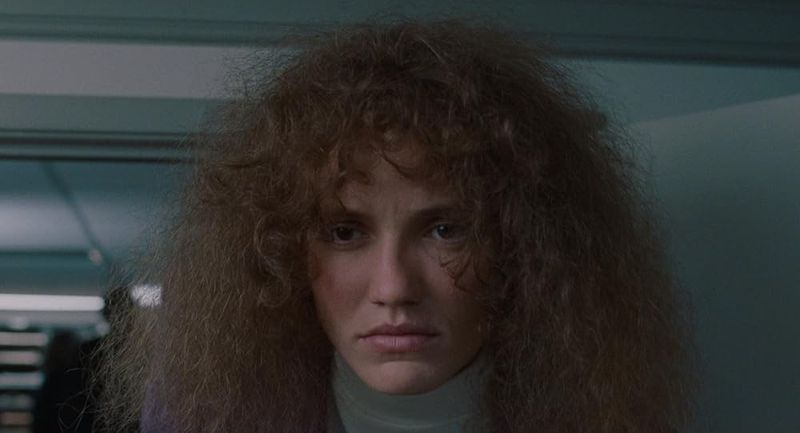
Sometimes the most effective “make her look ugly” choice is simply giving a beautiful actor styling that screams “regular person you’d never look twice at,” and Cameron Diaz is perfect here.
The frizzy hair, the awkward clothes, and the general lack of polish create a character who feels uncomfortable in her own skin, which fits the film’s offbeat, slightly grimy energy.
Diaz also adjusts her posture and facial expressions so she seems perpetually irritated, a little cramped, and not particularly interested in being likable.
That commitment is what makes the transformation land, because it’s not just a wardrobe shift; it’s a full-body change in how she exists in a room.
The result is one of those performances that makes you forget the actor’s usual image, which is the highest compliment for a “glow-down.” It’s unflattering, specific, and weirdly memorable.
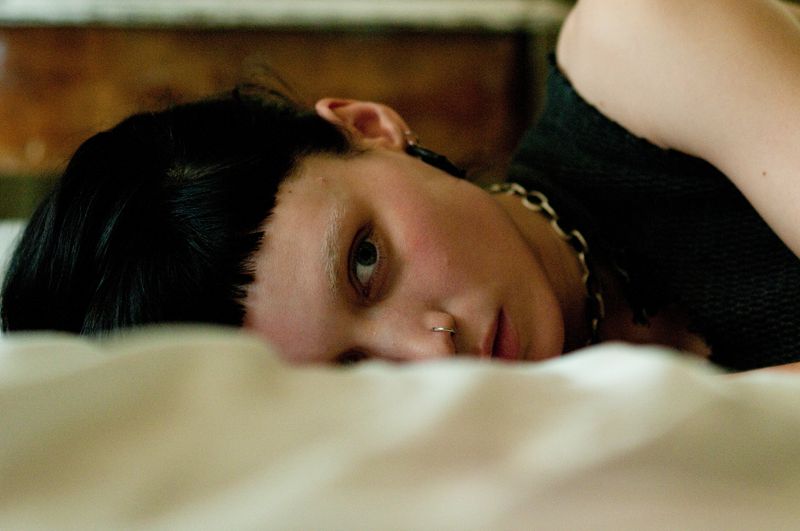
12. Rooney Mara — The Girl with the Dragon Tattoo (2011)
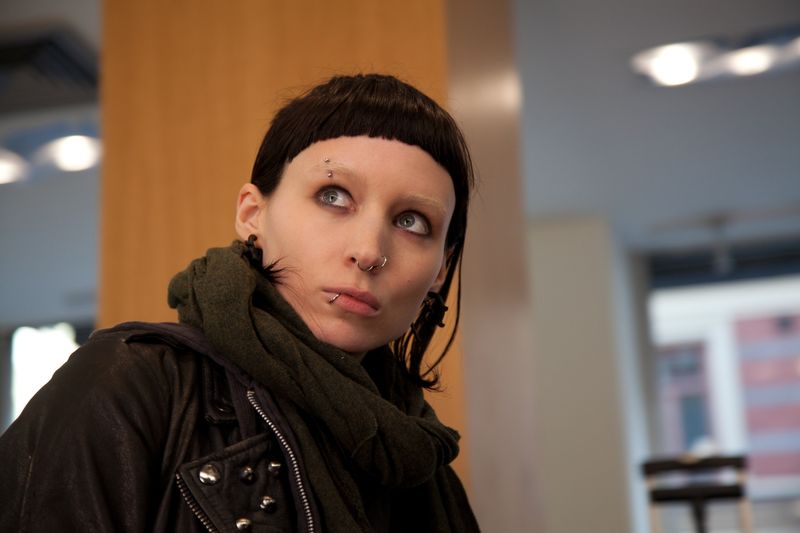
Rather than aiming for a conventional “Hollywood edgy” makeover, this transformation goes all-in on making Lisbeth Salander feel sharp, guarded, and built for survival.
Rooney Mara’s styling is intentionally severe, from the bleached brows and harsh makeup to the piercings and stark wardrobe, creating a look that pushes back against anyone expecting softness.
What makes it work is how the appearance pairs with an internal intensity that never winks at the audience, because Lisbeth isn’t trying to be cool; she’s trying to stay in control.
Mara’s performance adds layers through stillness and precision, which makes the character’s vulnerability more striking when it finally cracks through.
The “uglification” isn’t about ugliness at all, since the goal is to disrupt beauty-as-default and replace it with a visual language of defense.
In a story about power and violence, that choice feels both honest and iconic.
13. Halle Berry — Monster’s Ball (2001)
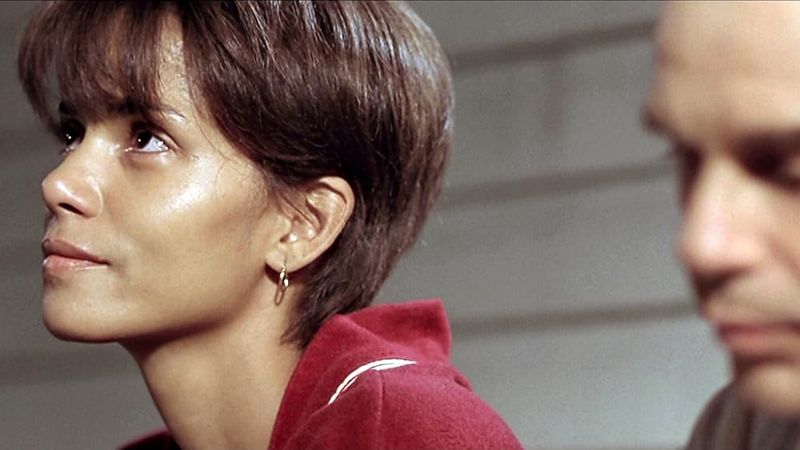
Hardship looks different from person to person, and this role captures that worn-down, barely-holding-it-together quality without polishing it into something palatable.
Halle Berry’s styling stays grounded in realism, with choices that reflect a life shaped by stress, grief, and too many responsibilities with too little support.
The film doesn’t frame her as glamorous, and Berry doesn’t lean on charm to soften the character’s pain; she lets the exhaustion and desperation sit right on the surface.
That’s part of what makes the performance so unsettling at times, because you can feel how close the character is to breaking.
The “glow-down” becomes a tool for intimacy, forcing the audience to confront the character’s circumstances instead of admiring the actress.
Even in moments of connection, there’s a rawness that makes everything feel fragile, which is why the transformation works as storytelling rather than spectacle.
14. Glenn Close — Hillbilly Elegy (2020)
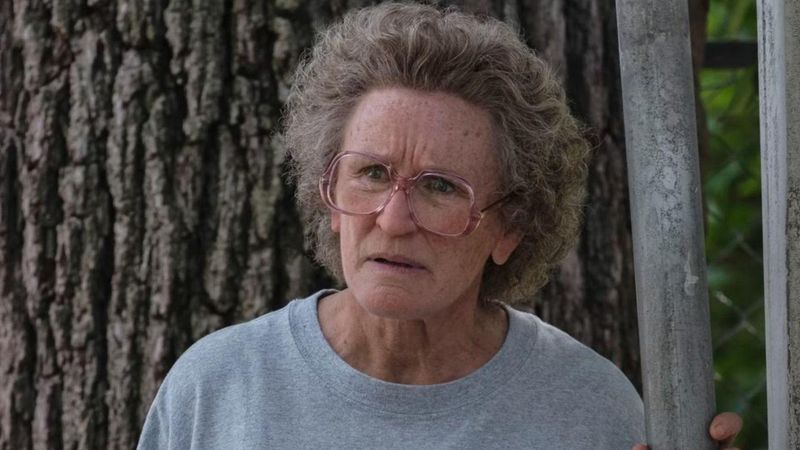
A convincing aging transformation isn’t just about adding wrinkles; it’s about creating a whole person the audience believes has lived inside that face.
Glenn Close’s look here is built from heavy makeup and styling choices that push her far away from her usual polished presence, but the real success comes from how the character’s toughness shows up in small, unflattering ways.
The hair, the wardrobe, and the posture suggest someone who has seen too much and refuses to waste energy on appearances, which makes her feel specific rather than generic “old lady” makeup.
Close also plays her with a bluntness that fits the look, balancing sharp humor with an underlying brittleness.
Whether you loved the film or not, the transformation itself is hard to ignore, because it commits to realism rather than flattering nostalgia.
It’s a reminder that “uglification” often works best when it looks like a life, not a mask.
15. Jared Leto — Chapter 27 (2007)
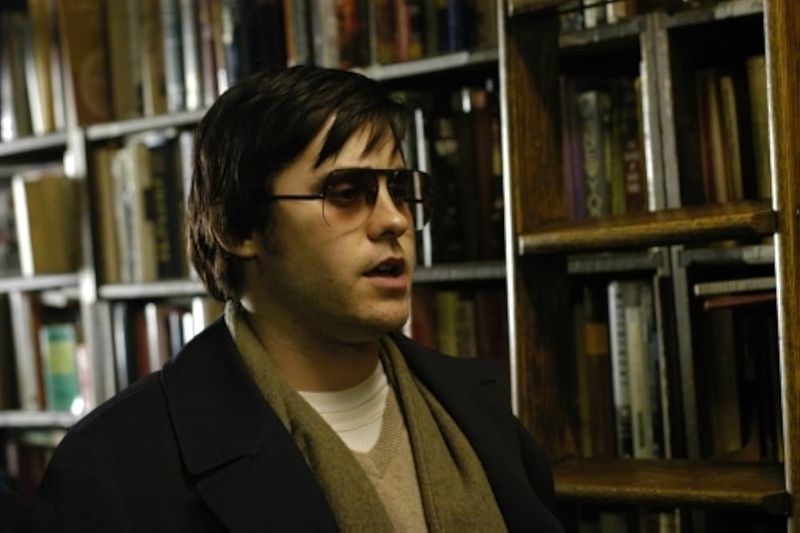
Physical transformations can be controversial, but there’s no denying the “wait, that’s him?” effect this one creates on first watch.
Jared Leto’s drastic weight gain immediately changes the way the character reads, since the body becomes part of the psychological portrait rather than a separate costume.
The styling leans into discomfort, emphasizing a sluggish, unsettled presence that makes the character feel invasive and hard to sit with.
What keeps the look from feeling like a stunt is how Leto pairs it with behavior choices that match the physicality, so the transformation doesn’t float above the story as an isolated “commitment” headline.
The result is intentionally unpleasant, which is the point, because the film is exploring obsession and darkness rather than asking the audience to enjoy the ride.
When Hollywood “uglifies” a star successfully, it’s usually because the actor lets the transformation serve the character, even when it’s hard to watch.
Comments
Loading…