
 Chloe Peterson
They Spent Millions On These 15 Movies and Now Nobody Remembers Them
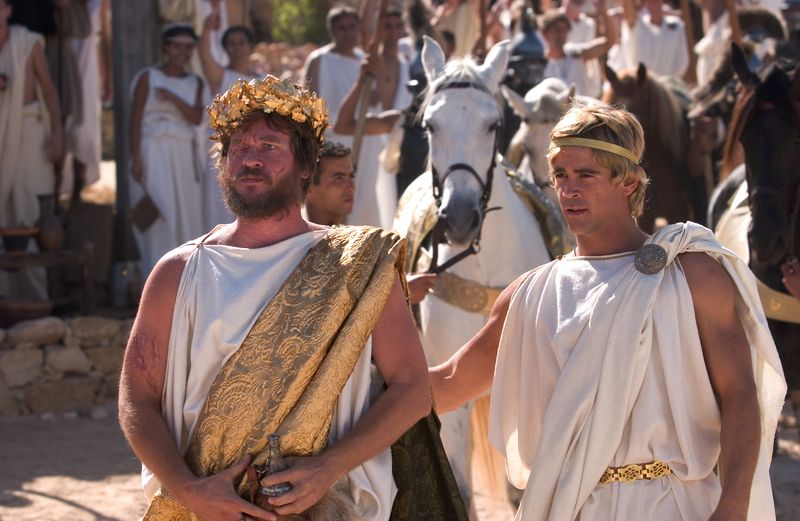
Hollywood loves a sure thing, but sometimes the “sure thing” comes with a price tag so huge it feels like a dare.
Studios pour hundreds of millions into visual effects, star salaries, massive sets, and marketing campaigns designed to make a film unavoidable, yet some of these projects still slip through our collective memory like they never happened.
In a world where even mediocre movies can live forever as memes, GIFs, or streaming comfort watches, it’s almost impressive when a blockbuster-sized production leaves barely a ripple.
These are the films that were supposed to become franchises, spark theme-park rides, or dominate cable reruns for decades, but instead became trivia-night answers.
If you’ve ever said, “Wait… I think I saw that,” you’re in the right place—because these 15 expensive movies are proof that money can buy spectacle, but it can’t guarantee a lasting legacy.
1. John Carter (2012) — $306.6M (gross) / $263.7M (net)
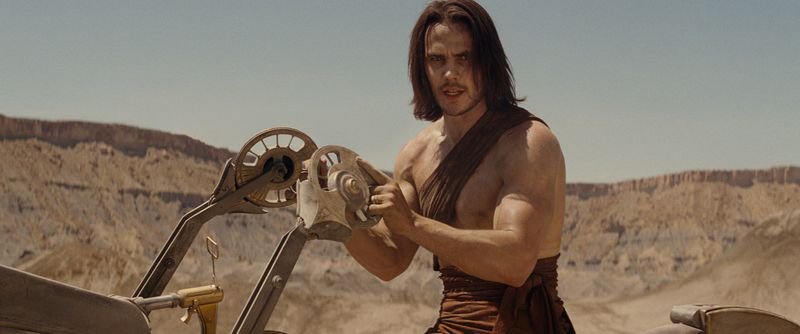
Disney clearly thought it had the next great sci-fi saga on its hands, complete with sweeping desert landscapes, strange alien cultures, and action built for the biggest screen possible.
The problem wasn’t a lack of ambition, because the production poured money into effects, worldbuilding, and scale that rivaled established franchises, but the film landed with confusing marketing and a title that felt oddly generic for such a huge swing.
Even people who watched it often struggle to describe it without sounding like they’re explaining a dream they had once.
It didn’t help that the story’s old-school pulp roots felt familiar in a way that read as derivative rather than timeless.
Despite its massive budget and franchise hopes, it quickly became the poster child for expensive movies that vanished from everyday conversation.
2. The Lone Ranger (2013) — $225–250M
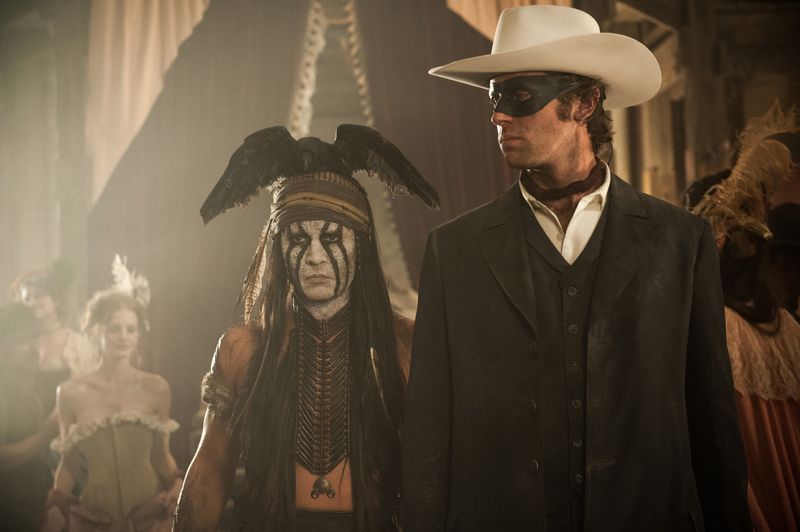
A classic Western brand plus a blockbuster budget sounds like a recipe for an easy hit, especially when you add stunts, big set pieces, and recognizable stars to the mix.
Instead, the movie arrived with an identity crisis that made it hard to pin down, because it wanted to be funny, gritty, heartfelt, and explosive all at once, without ever settling into a tone audiences could latch onto.
Huge amounts of money went into action sequences, period details, and spectacle designed to feel like an event, yet it somehow came across as both overstuffed and oddly forgettable.
The runtime didn’t do it any favors, since the story takes a long scenic route before it becomes the adventure people expected.
Today it’s remembered less as a film and more as a cautionary tale about pricey reboots.
3. Battleship (2012) — $209–220M
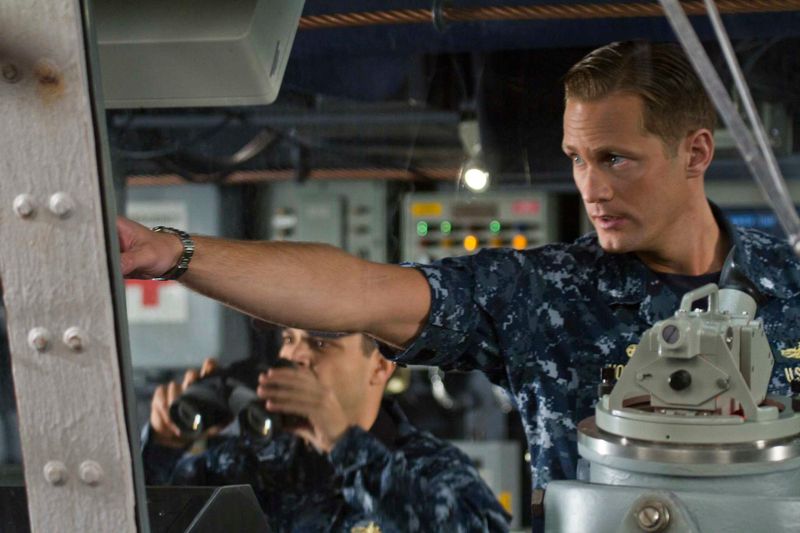
Turning a board game into a blockbuster already feels like a gamble, but this one went all-in with a budget that screams “summer tentpole” rather than “novelty adaptation.”
The film packed in naval hardware, large-scale destruction, and loud, effects-heavy action meant to overwhelm you into having fun, while the plot tried to stitch everything together with straight-faced seriousness.
That mix didn’t stick, because the premise is the kind that becomes a punchline before it becomes a must-see, and audiences didn’t exactly form an emotional connection with a movie that felt engineered more than imagined.
Even with its huge spend, the movie left surprisingly little behind in the culture, with no iconic scenes people quote and no characters that migrated into fandom.
It’s the rare big-budget spectacle that doesn’t even get nostalgic reevaluation, which is almost its own achievement.
4. Jupiter Ascending (2015) — $176–210M
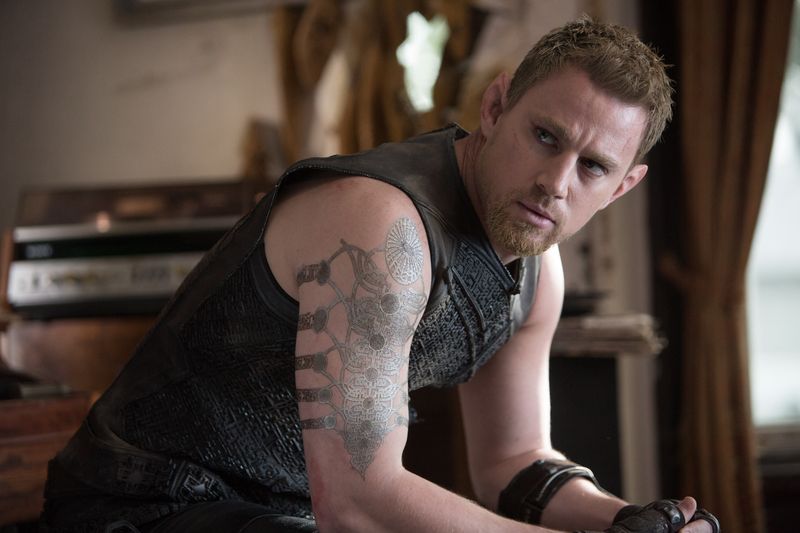
Few films look so expensive while feeling so disconnected from what audiences actually wanted, and that disconnect is exactly why this glossy space opera faded so quickly.
The production threw money at elaborate costumes, dense sci-fi designs, and a universe packed with lore, but the story hit viewers like a whirlwind of bizarre choices that never fully came together.
It’s the kind of movie people remember in fragments—strange royal politics, giant intergalactic paperwork vibes, and a performance that became meme-adjacent without making the film itself iconic.
The ambition is obvious, yet the emotional hook is strangely slippery, making it hard to recommend even to people who like sci-fi excess.
When a movie costs that much, it usually earns a permanent spot in pop culture, but this one became a “did you ever see it?” title that most people skipped without regret.
5. Tomorrowland (2015) — $180–190M

Optimism is a tough sell when audiences come expecting a thrill ride, and that tension sits at the center of this costly sci-fi adventure.
A huge budget went into sleek futuristic visuals, elaborate set pieces, and a concept designed to feel like a big, original idea in an era of sequels, yet the movie struggled to translate its theme-park-inspired wonder into a story that truly clicked.
The marketing promised mystery and spectacle, but the film delivered a more talky, message-driven experience that some viewers appreciated and many others found muddled.
Because it wasn’t a clean genre fit—neither pure action nor pure family fantasy—it didn’t become a perennial rewatch the way studios likely hoped.
Even with name recognition and expensive worldbuilding, it slipped out of the spotlight fast, leaving behind more curiosity than fandom.
6. The Golden Compass (2007) — $180M
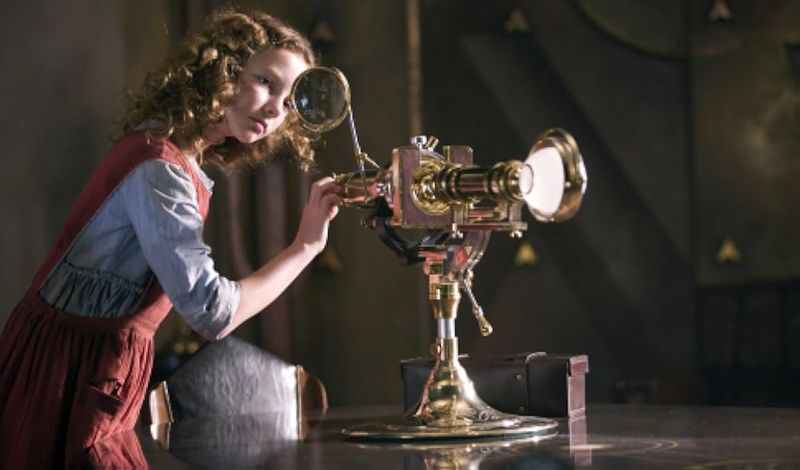
Big fantasy adaptations usually come with built-in cultural staying power, but this one somehow didn’t get the lasting spotlight you’d expect from its money, cast, and effects.
The studio invested heavily in visual magic, talking animals, and a richly designed alternate world that looks like it came from a prestige production line, yet the film ended up feeling incomplete rather than epic.
Part of that is because it was meant to launch a series, which can leave the first installment hanging if the emotional payoff is saved for later movies that never arrive.
Many viewers also found the story’s deeper themes softened in a way that made the adaptation feel cautious, which blunted the bite that fans loved in the source material.
Despite its expensive polish, it became one of those titles people remember as “the one before the TV version,” which is not the legacy a blockbuster wants.
7. King Arthur: Legend of the Sword (2017) — $175M
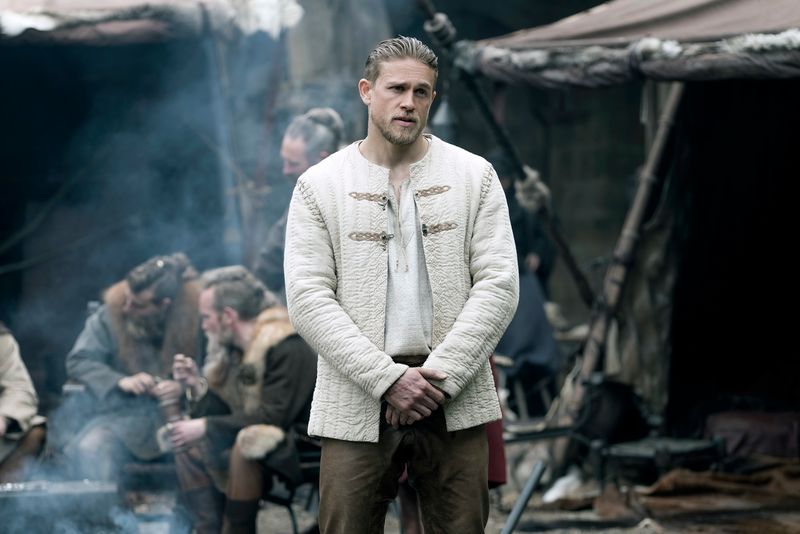
Studios love the idea of turning mythology into a franchise machine, and this film was built to feel like the beginning of something much bigger than itself.
A large budget fueled stylized action, gritty medieval settings, and kinetic set pieces that tried to give the Arthur story a modern blockbuster edge, but the movie’s vibe was so specific that it felt like an acquired taste rather than a crowd-pleaser.
The plot throws you into a whirlwind of fast editing, fantasy elements, and swaggering dialogue that can be fun in the moment, yet it doesn’t leave behind many clear images people revisit.
It also carried the weight of “planned universe” expectations, which can make a standalone film feel like homework rather than a complete meal.
As a result, it became a surprisingly easy movie to forget, even for people who saw it opening weekend.
8. Waterworld (1995) — $172–175M
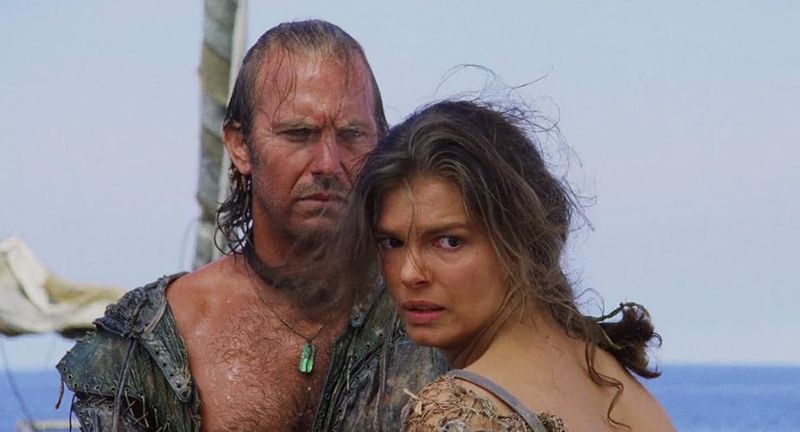
Sometimes a movie becomes famous for its price tag before it becomes famous for anything happening on screen, and that reputation can swallow the film itself.
The production costs ballooned into legendary territory, with water-based sets, storms, and logistics that turned a post-apocalyptic adventure into a Hollywood spectacle of spending.
While it has action, stunts, and a distinctive floating-world concept, it never cemented a signature moment the way other ‘90s blockbusters did, which means it’s remembered more as a headline than as a shared pop-culture experience.
Even its fans tend to describe it as “better than people say,” which is rarely the language of a truly beloved classic.
Over time it drifted into the category of expensive curiosities that people reference as an example rather than rewatch for comfort, leaving it stranded in memory as a budget legend first and a movie second.
9. Sahara (2005) — $160M
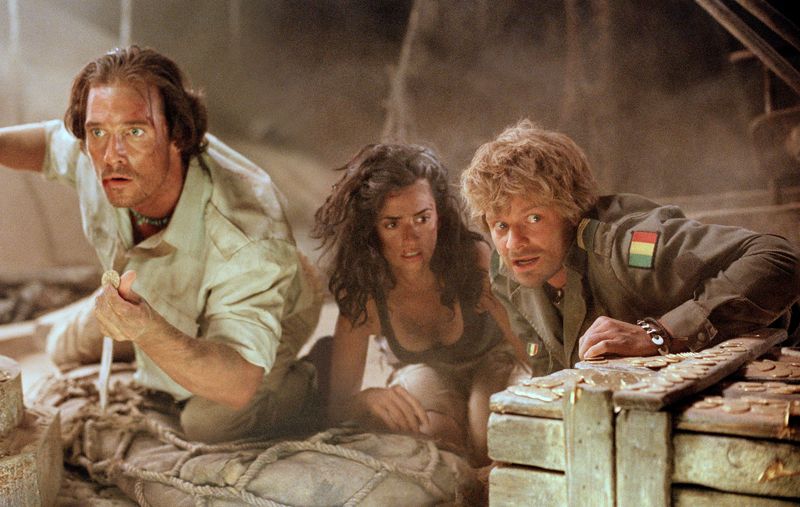
Adventure movies are supposed to become easy Sunday-afternoon staples, but this pricey desert romp never quite earned that rewatch-friendly status.
A substantial budget went into exotic locations, big action sequences, and glossy production value meant to evoke the feel of classic treasure-hunt films, yet the final product felt more like a loud sprint than a charming ride.
The story piles on conspiracies, villains, and globe-trotting twists, which can make it entertaining while you’re watching, but also makes it difficult to recall afterward because nothing lands as truly iconic.
It didn’t help that it arrived during an era when audiences were starting to reserve their loyalty for franchises with clear identities, and this one felt like it was trying on several at once.
Despite the money spent, it didn’t become a defining adventure film, and today it’s more often discovered through late-night channel surfing than remembered by name.
10. Alexander (2004) — $155M
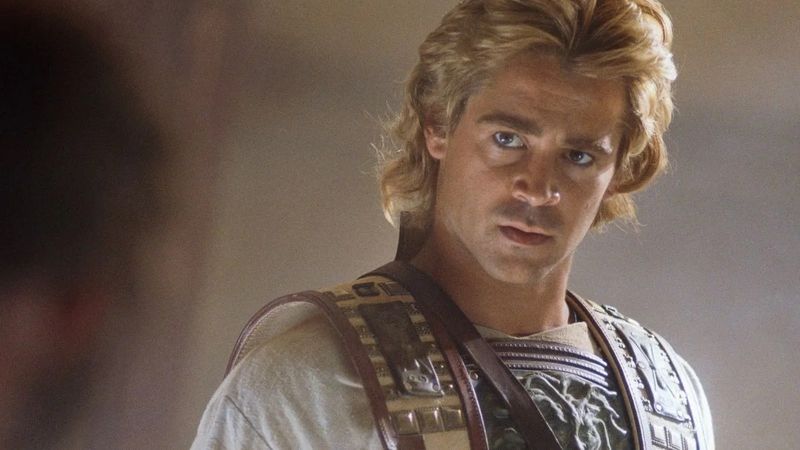
Epic historical dramas carry an expectation of grandeur that can justify a huge budget, but grandeur alone doesn’t guarantee a lasting place in the cultural canon.
A lot of money went into massive battle scenes, sweeping landscapes, and period detail designed to make the conquest feel monumental, yet the film’s pacing and structure didn’t create the kind of emotional momentum audiences needed to stay invested.
The story tries to balance political intrigue, personal relationships, and warfare, and that ambitious scope can feel heavy rather than thrilling when the narrative doesn’t pull you forward.
It also arrived with a reputation that shifted over time through different cuts and debates, which tends to confuse casual viewers more than it attracts them.
As a result, it exists in a strange zone where it’s undeniably expensive and star-studded, but rarely discussed the way other historical epics are, even among people who love the genre.
11. Mars Needs Moms (2011) — $150M
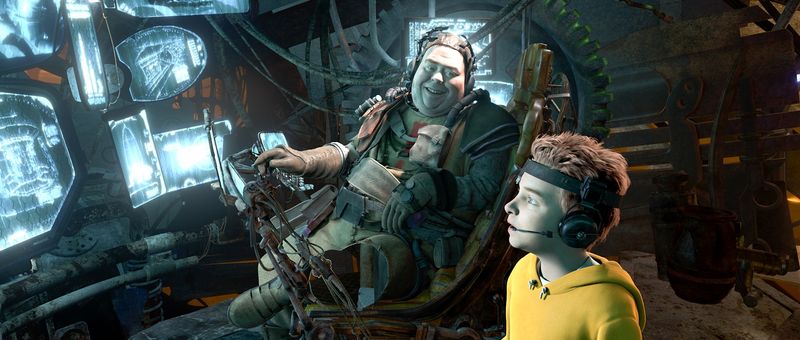
Animated movies usually live forever in family rotation, which makes it especially striking when one with a massive budget becomes almost invisible.
The studio spent heavily on motion-capture technology and detailed animation meant to look cutting-edge, but the style landed in an uncanny middle ground that felt too realistic to be cuddly and too stiff to be expressive.
The story aims for heartfelt stakes—kids, parents, and big emotions—yet it doesn’t create characters audiences want to hang out with again, which is crucial for animated longevity.
When an animation becomes a classic, it’s often because families rewatch it and pass it along, and this one didn’t inspire that kind of affection.
Even people who remember it often recall the title more as a warning about expensive flops than as a movie they enjoyed.
For a film that cost so much, its cultural footprint is surprisingly tiny.
12. Final Fantasy: The Spirits Within (2001) — $137M
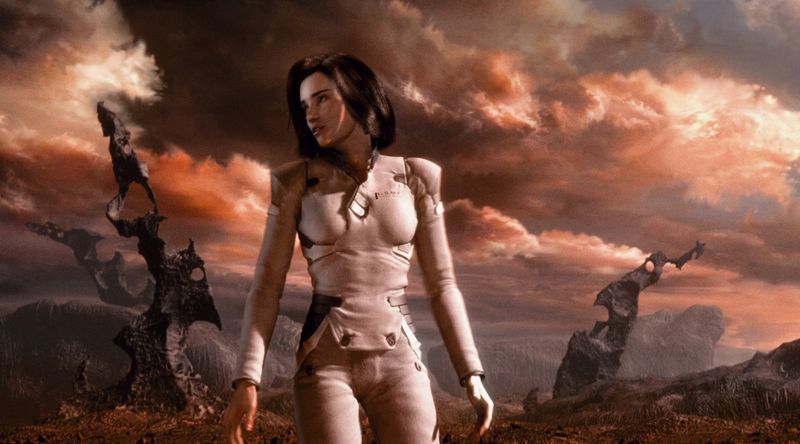
Ambitious technology can be a selling point, but it can also become the entire story people remember, and that’s essentially what happened here.
A huge budget was devoted to pushing digital human animation forward, with the goal of creating a visually realistic world that felt like the future of filmmaking.
The problem was that the “realism” landed a bit cold, making it harder for viewers to emotionally connect, and the narrative didn’t provide the kind of instantly lovable fantasy adventure that many fans expected from the brand name.
When audiences feel mismatched expectations, they don’t tend to rewatch, and without repeat viewing the movie’s presence fades fast.
Over time it became known as a milestone experiment rather than a beloved film, which is not what you want when you spend blockbuster money.
It’s a fascinating artifact of its era, but it rarely comes up unless someone is talking about animation history or expensive gambles.
13. Stealth (2005) — $135M
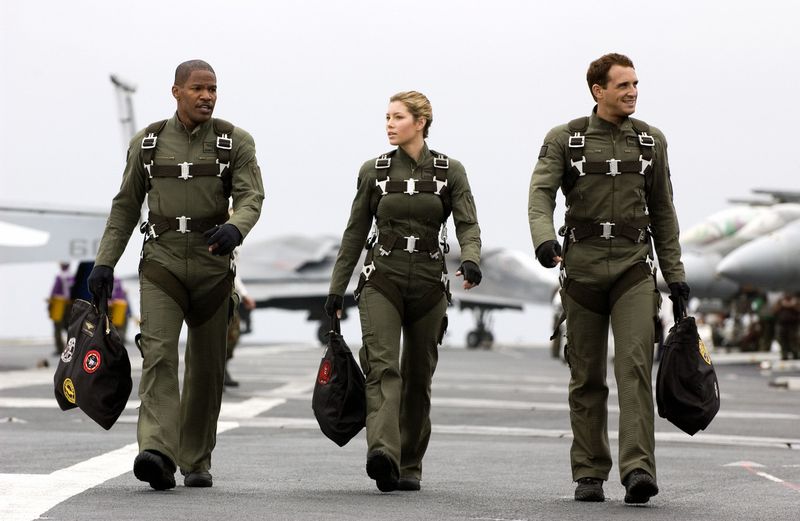
Military action films often survive on pure adrenaline, yet even a big budget can’t save a movie when the hook feels generic and the characters don’t stick.
A lot of money went into aerial sequences, explosions, and high-tech spectacle meant to sell the fantasy of cutting-edge combat, but the plot’s “AI goes rogue” angle never becomes more than a familiar framework.
The film also arrived during a period when audiences were increasingly selective about what deserved a theatrical ticket, and this one didn’t offer a must-see twist that set it apart from other action options.
Because the story relies on momentum rather than memorable moments, it’s the kind of movie that can be entertaining while it’s on, then immediately evaporate once the credits roll.
Today it exists mostly as a forgotten mid-2000s blockbuster that feels like it was designed for trailers, not for long-term love.
14. Speed Racer (2008) — $120M

Bold style can be unforgettable, yet this movie’s hyper-saturated, anything-goes visual approach somehow made it feel more niche than mainstream.
The budget went into a candy-colored world of kinetic racing sequences and effects that looked unlike anything else at the time, which is impressive, but it also demanded that audiences embrace a heightened, almost cartoon-like reality.
Some viewers did, and over the years it earned a loyal cult following, but cult status isn’t the same thing as cultural dominance, especially for a film that cost blockbuster money.
The story has heart and sincerity, yet it was often dismissed on release as too weird, too loud, or simply too much.
Because it didn’t become a widely shared reference point, it rarely comes up outside of passionate fans defending it.
It’s the definition of an expensive movie that found appreciation later, but still didn’t become broadly remembered.
15. Cutthroat Island (1995) — $92–115M
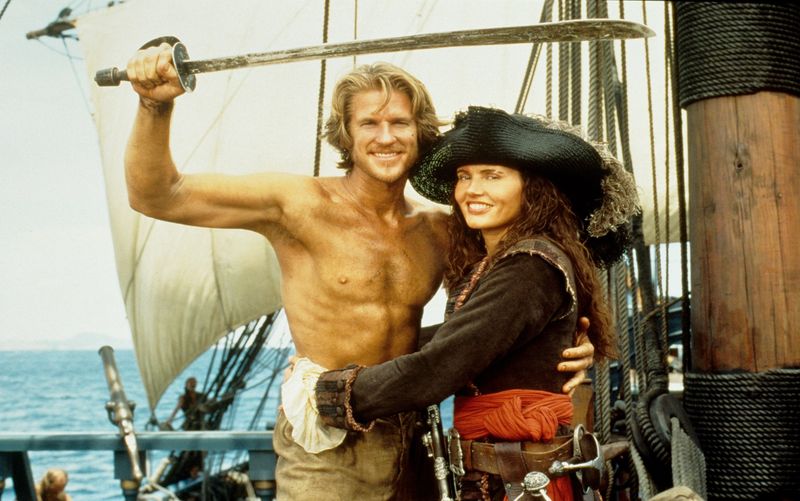
Pirate adventures feel like they should be automatic crowd-pleasers, which makes this famously expensive production’s disappearance even more baffling.
Money went into ships, stunts, sets, and a swashbuckling scale meant to revive classic adventure filmmaking, but the movie arrived with behind-the-scenes chaos baked into its reputation.
When a film becomes known for what went wrong rather than what went right, people tend to treat it like a trivia fact instead of a fun watch.
The tone also struggled to balance comedy and danger, which can flatten the thrill when the jokes don’t land and the stakes don’t feel sharp.
Despite its big, physical production, it didn’t leave behind a signature character or moment that people quote, parody, or revisit, and pirate stories without iconic imagery tend to fade fast.
Today it’s less a remembered movie and more a symbol of how quickly costs can spiral when everything goes sideways.
Comments
Loading…