
 Hailey Watson
People Who Cry During Movies Tend to Share These 11 Unique Traits

Have you ever found yourself wiping away tears during a touching movie scene while your friends sit there unmoved?
You’re not alone, and science suggests this emotional response reveals something fascinating about your personality.
People who cry during films often possess unique psychological traits that set them apart in meaningful ways.
Understanding these characteristics can help you appreciate the depth of your emotional responses and recognize the strengths that come with being a sensitive soul.
1. Deep Empathy That Connects You to Others

Feeling what characters feel isn’t just about being emotional—it’s about having a remarkable ability to step into someone else’s shoes.
When you cry during movies, you’re experiencing genuine empathy that allows you to connect with fictional characters as if they were real people facing real struggles.
This trait extends far beyond the movie theater.
In everyday life, empathetic people make amazing friends because they truly listen and understand what others are going through.
They notice when someone’s having a bad day and know exactly how to offer comfort.
Research shows that high empathy leads to stronger relationships and better communication skills.
You’re not being overly sensitive—you’re tapping into an emotional superpower that helps you navigate social situations with grace and understanding.
2. Emotional Intelligence That Helps You Understand Feelings

Being able to name exactly what you’re feeling takes real skill.
Movie criers often possess something called emotional granularity—the ability to identify precise emotions rather than just feeling “good” or “bad.”
Instead of saying you feel sad, you might recognize you’re feeling nostalgic, disappointed, or grief-stricken.
This detailed emotional vocabulary helps you process complex feelings more effectively.
When you understand your emotions clearly, you make better decisions about how to handle them.
This trait proves incredibly valuable during difficult times.
People with high emotional intelligence bounce back faster from setbacks because they can pinpoint what’s bothering them and take appropriate action.
Your tears during movies are practice sessions for understanding the full spectrum of human emotion.
3. Openness to New Experiences and Perspectives

Did you know that people who cry during movies score higher on openness, one of the five major personality traits?
This means you’re naturally curious about the world and willing to explore unfamiliar ideas and emotions.
Open-minded individuals don’t just watch movies—they fully immerse themselves in different worlds, cultures, and viewpoints.
This willingness to embrace new experiences makes life richer and more interesting.
You’re the person who tries exotic foods, travels to unusual places, and genuinely wants to understand people different from yourself.
Creativity flourishes in open minds.
Whether you’re solving problems at work or planning weekend activities, your ability to consider multiple perspectives gives you an edge.
Your emotional responses during films reflect this beautiful willingness to let stories change you.
4. Secure Attachment Style in Relationships
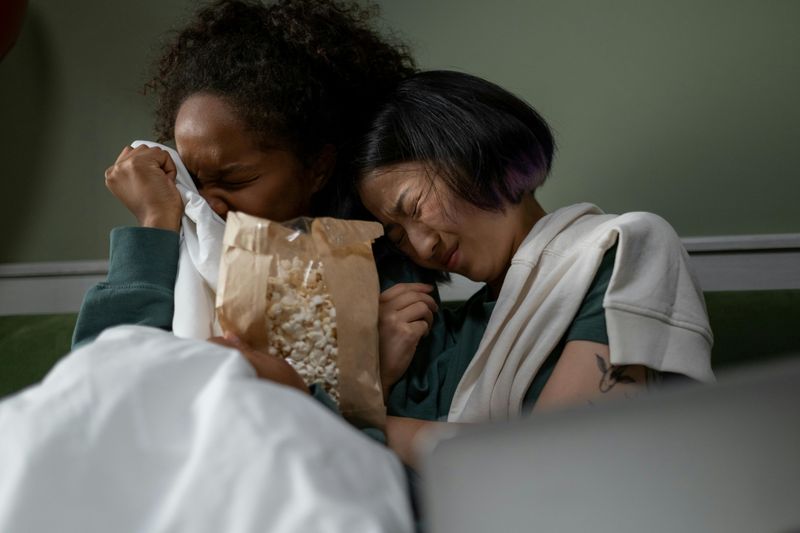
Comfortable with both closeness and independence?
That’s the hallmark of secure attachment, and movie criers often demonstrate this healthy relationship pattern.
You trust others easily and aren’t afraid to show vulnerability when the moment calls for it.
In friendships and romantic relationships, securely attached people create stable, lasting bonds.
They communicate openly about their needs and feelings without fear of rejection.
When conflicts arise, they handle them maturely rather than shutting down or overreacting.
Your willingness to cry during movies reflects this emotional security.
You’re not embarrassed by your feelings or worried about judgment from others.
This confidence in your emotional responses translates to healthier connections with the people who matter most in your life.
5. Strong Moral Compass and Sense of Justice

Stories about sacrifice, redemption, and standing up for what’s right hit you particularly hard.
That’s because movie criers often possess powerful moral imagination—the ability to deeply consider ethical questions and feel moved by acts of courage or kindness.
You’re the person who gets choked up when an underdog triumphs or when someone makes a difficult choice for the greater good.
These emotional responses aren’t weakness; they’re evidence of your strong values and commitment to fairness.
In real life, this trait drives you to act ethically even when it’s inconvenient.
You speak up against injustice, volunteer your time for worthy causes, and treat others with dignity.
Your tears during meaningful movie moments reflect the depth of your principles.
6. Comfortable with Vulnerability as Strength

Society often teaches us to hide our feelings, but movie criers understand something important: vulnerability creates authentic connections.
When you cry during films, you’re demonstrating courage by allowing yourself to feel deeply without putting up emotional walls.
Brené Brown’s research shows that vulnerability is essential for meaningful relationships and personal growth.
People who embrace their emotions rather than suppressing them live more fulfilling lives.
They form deeper friendships and experience greater joy because they’re willing to risk feeling the full range of human emotions.
Your openness about crying during movies signals to others that you’re a safe person to be around.
Friends know they can share their struggles with you without judgment because you’ve shown you’re not afraid of emotions.
7. Natural Stress Relief Through Emotional Release

Ever notice how you feel lighter after a good cry during a movie?
That’s catharsis at work—the emotional release that comes from expressing pent-up feelings.
Your body is literally processing stress through tears.
Scientists have discovered that emotional tears contain stress hormones, meaning crying actually removes these chemicals from your body.
Movie criers benefit from this natural stress-relief mechanism more regularly than people who hold everything inside.
You’re giving yourself mini therapy sessions every time you watch an emotional film.
This healthy outlet helps prevent emotional buildup that can lead to anxiety or depression.
While others might need to schedule stress-relief activities, you’ve found an accessible way to process feelings.
Your tears serve an important biological and psychological function.
8. High Sensitivity to Subtle Emotional Cues
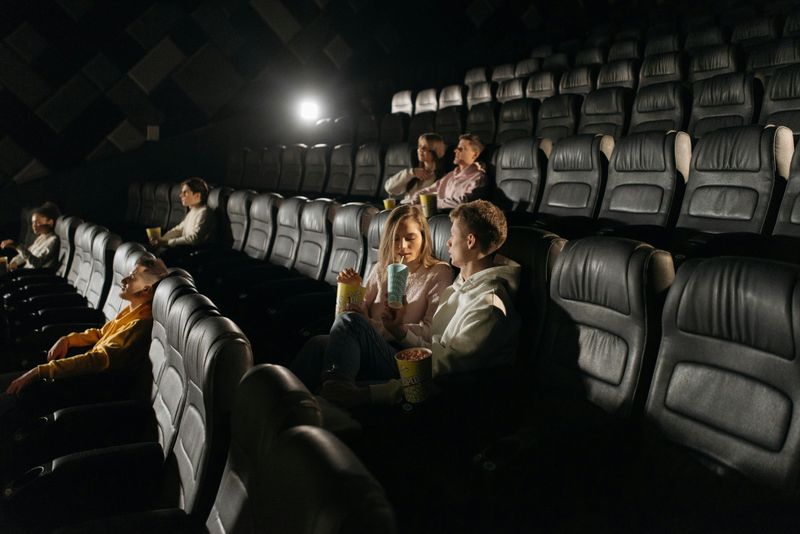
You probably pick up on things others miss—a slight change in someone’s tone, a fleeting expression of sadness, or the emotional weight behind seemingly simple dialogue.
This heightened sensitivity allows you to respond to movie moments that fly under other people’s radar.
Being a highly sensitive person means your nervous system processes information more deeply.
You notice subtleties in acting, music, and cinematography that combine to create powerful emotional experiences.
This isn’t overthinking; it’s perceiving the world with greater nuance.
This sensitivity makes you an excellent judge of character and helps you navigate complex social situations.
You sense when something’s wrong before others do and can offer support at just the right moment.
Your emotional antenna is finely tuned.
9. Active Imagination and Creative Thinking
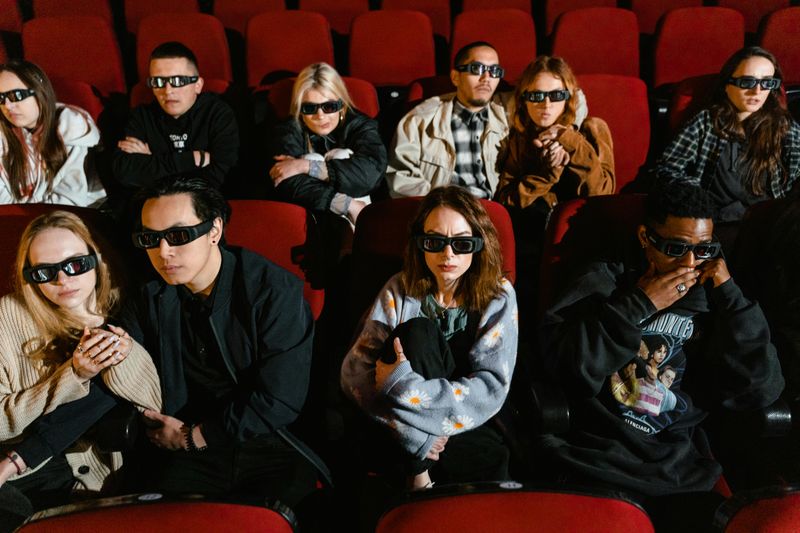
Movie criers often possess vivid imaginations that allow them to fully inhabit the fictional worlds they’re watching.
You don’t just observe stories—you live them mentally, which is why emotional scenes affect you so powerfully.
This imaginative capacity extends to creative problem-solving in everyday life.
When faced with challenges, you can envision multiple solutions and think outside conventional boundaries.
Your ability to mentally simulate different scenarios makes you an innovative thinker.
Creative people often work in fields requiring imagination, but even if your job isn’t traditionally creative, this trait helps you approach tasks with fresh perspectives.
Your emotional engagement with movies exercises the same mental muscles used for creative thinking in all areas of life.
10. Authentic Self-Expression Without Pretense

Pretending to be unmoved when you’re actually feeling emotional?
That’s not your style.
Movie criers value authenticity and refuse to hide their genuine reactions to maintain a false image of toughness or indifference.
This commitment to being real extends throughout your life.
You’re the friend who admits when you’re struggling rather than pretending everything’s perfect.
You share honest opinions even when they’re unpopular, and you don’t waste energy maintaining facades that don’t reflect who you truly are.
Authenticity attracts genuine relationships.
When you’re real about your emotions, you give others permission to do the same.
Your willingness to cry during movies models emotional honesty that creates deeper, more meaningful connections with people around you.
11. Appreciation for Beauty and Meaningful Moments

Some people watch movies for entertainment, but you experience them as art.
Your tears often flow during moments of profound beauty—a perfectly composed shot, a soaring musical score, or dialogue that captures something true about the human experience.
This aesthetic sensitivity enriches your entire life.
You notice stunning sunsets, feel moved by beautiful music, and appreciate small moments of grace that others overlook.
You’re capable of finding meaning in everyday experiences because you’ve cultivated the ability to recognize significance.
Research suggests that people who appreciate beauty and seek meaning report higher life satisfaction.
Your emotional responses to movies reflect this capacity to find depth and purpose in experiences.
You’re not just watching stories—you’re connecting with the profound beauty of human expression through film.
Comments
Loading…