
 Mary Murphy
16 Hollywood Biopics That Are More Fiction Than Fact
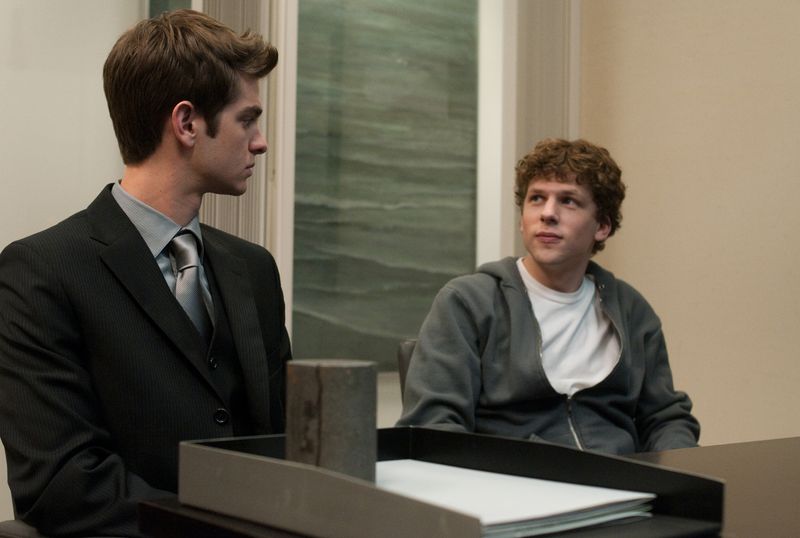
Biopics are supposed to make history feel alive, but Hollywood has a habit of sanding down the messy parts and cranking up the drama.
Sometimes that means compressing timelines, inventing conversations, or combining multiple real people into one convenient character so the story flows better.
Other times, it goes further and rewrites reputations, motivations, and major events until the final film feels like fan fiction with a “based on a true story” sticker slapped on top.
That doesn’t always make these movies bad, because plenty of them are wildly entertaining, beautifully acted, or genuinely moving.
It just means the “true” part often comes with an asterisk the size of a movie poster.
If you love a good real-life story but also love knowing what really happened, these are some of the most infamous examples of biopics that played fast and loose with the facts.
1. Braveheart (1995)

Mel Gibson’s medieval epic is thrilling, emotional, and full of quotable speeches, but historians have spent decades pointing out how little of it resembles the real William Wallace.
The film reshapes the politics of Scotland and England into a simpler good-versus-evil story, then layers on invented relationships and exaggerated betrayals to raise the stakes.
Major characters are altered, timelines are scrambled, and key events are dramatized in ways that make for great cinema while blurring what actually occurred.
Even visual details, like costuming choices that don’t match the era, help push the movie into legend territory rather than biography.
If you watch it as a rousing myth about rebellion, it works beautifully, but as a historical account it is more fantasy than fact.
2. The Greatest Showman (2017)
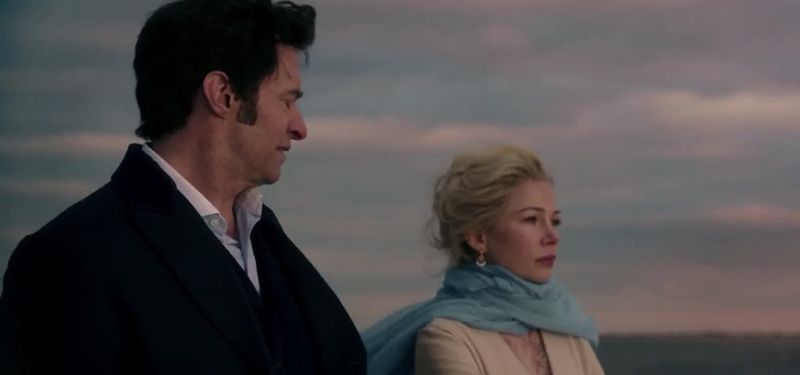
A shiny musical can sell you on the idea that P.T.
Barnum was a misunderstood champion of outsiders, and this movie leans hard into that version of him.
Instead of lingering on Barnum’s real-world controversies and the ways he profited from exploitation, the film reframes him as a visionary who simply wanted to give unusual performers a stage.
Relationships are simplified, motivations are softened, and the story’s emotional beats are designed to uplift, not challenge.
The result is a crowd-pleasing anthem of self-acceptance that treats history like a mood board rather than a record.
It is easy to enjoy the songs and spectacle, but it helps to remember that the true Barnum story is far less inspirational and far more complicated than the film suggests.
3. Bohemian Rhapsody (2018)

Few modern music biopics have been as beloved by audiences while also being as criticized for rearranging basic facts.
The movie compresses years of band history into a tidy rise-fall-redemption arc, and it plays with chronology so major moments land right when the script wants them to.
Details surrounding the group’s internal conflicts, Freddie Mercury’s personal life, and key career milestones are restructured to heighten drama and simplify messy realities.
Some scenes feel designed to deliver emotional clarity, even if they trade accuracy for that payoff.
None of this erases the powerful performances or the joy of hearing Queen’s music blasted in a theater, but it does mean the film works better as a tribute than a documentary.
If you want the real timeline, you’ll have to look beyond the movie.
4. The Blind Side (2009)

The film presents a heartwarming transformation story that many viewers found inspiring, yet its narrative has been criticized for flattening a real person into a supporting character in someone else’s emotional journey.
The story emphasizes a “rescued” framing, where Michael Oher’s growth appears driven mainly by the guidance of the Tuohy family, rather than his own agency, resilience, and athletic talent.
Over time, public conversations and legal disputes have also raised questions about how certain aspects were portrayed, including what Oher understood about key arrangements and how the relationship dynamics were depicted.
Even without taking a side on contested claims, it is clear the movie prioritizes a feel-good structure over nuance.
It can still be moving as a crowd-pleaser, but it’s also a reminder that “inspirational” biopics sometimes simplify real lives in ways that don’t feel fair to the people who actually lived them.
5. A Beautiful Mind (2001)
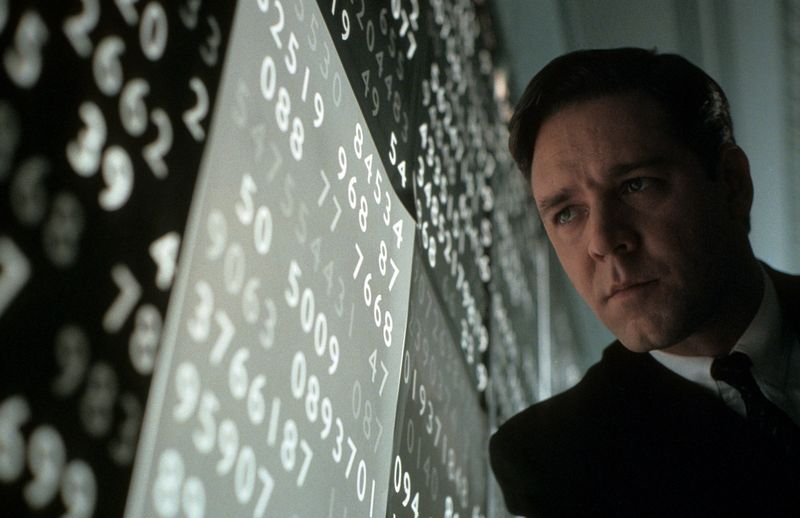
The movie turns John Nash’s life into a sweeping, uplifting journey, but it does so by reshaping both the timeline and the way his illness is presented.
Instead of sticking closely to the complex reality of schizophrenia and its impact over many years, the film chooses a cleaner narrative with cinematic twists and emotionally satisfying milestones.
Certain relationships are simplified, key events are altered or omitted, and the story emphasizes a kind of inspirational triumph that fits neatly into a two-hour arc.
The portrayal is powerful, and it helped many people empathize with mental illness, but it also risks giving viewers a distorted picture of how symptoms can appear and how recovery often works.
It’s a well-made drama that uses real life as a foundation, then builds a more comforting structure on top of it.
If you want accuracy, the true story is more uneven, complicated, and difficult than the film implies.
6. The Imitation Game (2014)
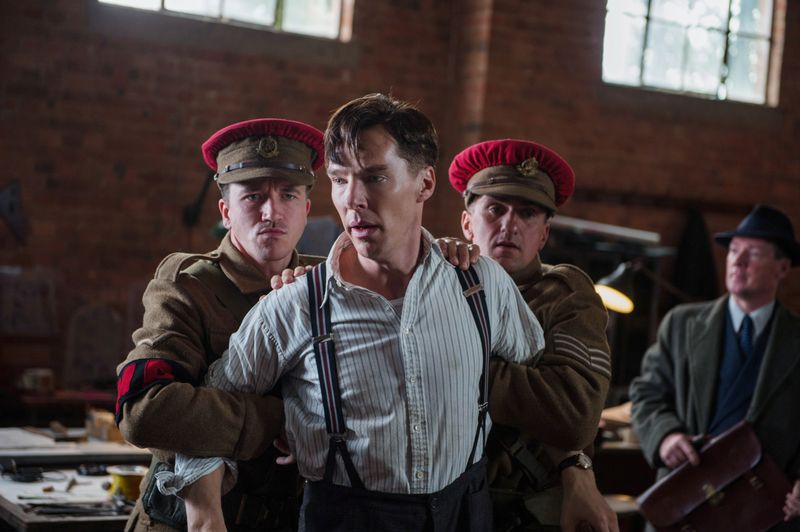
A fast-paced thriller about Alan Turing is an easy sell, and the film delivers tension by turning a collaborative, bureaucratic wartime effort into something closer to a lone-genius battle.
The story emphasizes interpersonal conflict, suspicion, and personality extremes to create friction, which can leave a misleading impression about how Bletchley Park functioned and how Turing interacted with colleagues.
Several events are compressed or re-ordered, and certain character dynamics feel tailored to modern storytelling archetypes more than historical record.
The result is a compelling portrait of brilliance and injustice, but it’s also one that can blur the real contributions of many people involved in codebreaking.
Watching it as an emotional introduction to Turing’s importance can be valuable, yet treating it as a reliable history lesson is where it starts to fall apart.
The real story is bigger, more collaborative, and less neatly dramatic than the movie’s version.
7. Argo (2012)
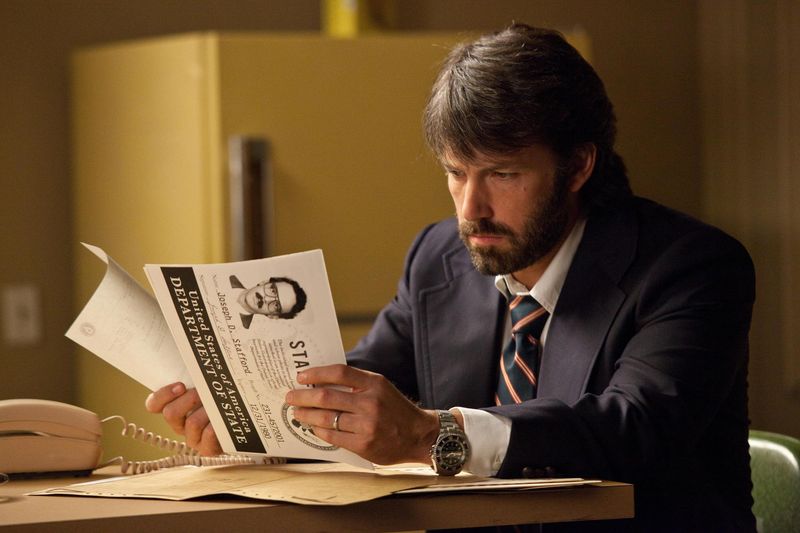
Tension is the point here, and the film crafts a nail-biting escape story by heightening danger and streamlining who did what.
The central “fake movie” plan is real, but the movie shapes the narrative to feel like a single agency’s daring operation with obstacles popping up at exactly the right time.
In reality, the rescue effort involved multiple governments and a broader network of support than the screenplay highlights.
Certain scenes that make the audience sweat, including last-minute chases and near-captures, have been criticized as sensationalized additions meant to turn history into a thriller.
It’s excellent as a suspenseful crowd-pleaser, and it captures the paranoia of the era, but the specifics of credit and chronology are more complicated than the movie suggests.
If you love the film, it’s worth reading more afterward, because the full story includes more players and less Hollywood-style cliff-hanging.
8. The Social Network (2010)

A smart script can make a messy origin story feel clean, and this movie is famous for doing exactly that.
Instead of presenting a neutral account of Facebook’s early days, it turns the rise of a tech empire into a tight drama about ambition, betrayal, and social insecurity.
Motivations are sharpened into cutting one-liners, relationships are framed through a particular emotional lens, and timelines are compressed so the story feels like a single escalating conflict.
It’s not that every element is pure invention, but the film’s confidence can trick viewers into thinking the dialogue and inner thoughts are factual.
Even people connected to the real events have disputed aspects of how they were depicted.
As a piece of cinema, it’s sharp and rewatchable, but as a literal biographical record it’s more like an interpretation than a transcript.
If you want the truth, it requires multiple sources, not just Aaron Sorkin’s momentum.
9. Patch Adams (1998)

Robin Williams brings charm and warmth to the role, but the movie’s version of Patch Adams has been criticized for turning a complicated real-life figure into a simplified saint of unconventional medicine.
The story leans heavily into inspirational beats and big emotional set pieces, even if that means inventing characters, reshaping relationships, and creating tragedies designed to make the audience cry.
Adams himself has publicly objected to how the film portrayed him, particularly the way it reframes his intentions and the nature of his work.
The movie sells a clear message about humor and compassion in healthcare, which is appealing, yet the real story involves more nuance and more conflict than a feel-good arc can handle.
It’s easy to leave the film believing you watched a faithful account, but it functions more like a Hollywood fable about kindness than a precise biography.
If you want the real-life context, the movie is only a starting point, not a reliable summary.
10. Amadeus (1984)
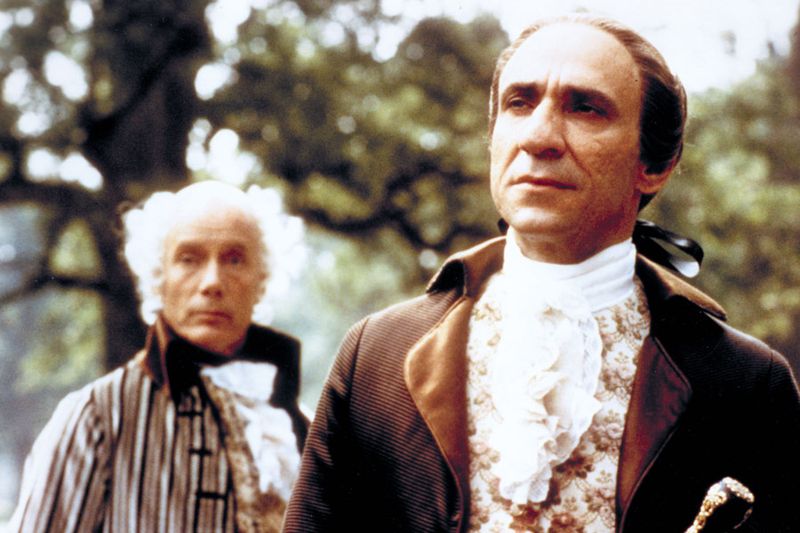
The film is so confident and stylish that it can feel like you are watching musical history unfold exactly as it happened, even though it is intentionally dramatized.
Rather than focusing on verified events, it leans into a rivalry narrative that portrays Antonio Salieri as a bitter villain obsessed with destroying Mozart.
The problem is that this framing comes from rumor, artistic interpretation, and theatrical tradition more than hard historical evidence.
The movie also shapes Mozart into an exaggerated personality to heighten the contrast, which makes for unforgettable scenes but a questionable portrait.
None of this stops it from being a masterpiece of filmmaking, because it’s brilliantly acted and emotionally rich, yet it’s best understood as historical drama rather than historical record.
If you walk away believing the story is literal truth, you’re likely absorbing legend as fact.
It’s a reminder that “biopic” sometimes means “inspired by history,” not “accountable to it.”
11. American Sniper (2014)

War stories are often contested, and this film sits in the middle of debates about what it emphasizes, what it omits, and how it frames a real person’s legacy.
The movie adapts events from Chris Kyle’s account while also building a dramatic narrative about trauma, duty, and identity, which can blur where memoir ends and cinematic interpretation begins.
Some critics argue that certain portrayals simplify complex realities of the Iraq War and the broader military context, while others point to disputes around specific incidents and claims tied to Kyle’s public story.
That doesn’t mean the film is automatically worthless, because it captures a certain emotional experience and delivers intense performances, but accuracy is not its strongest selling point.
The structure encourages viewers to see events through a particular moral and psychological lens, which is powerful as drama yet limiting as biography.
If you’re using it as a reference for “what really happened,” you’ll want additional sources, because the real story is more disputed than the movie makes it seem.
12. The Sound of Music (1965)
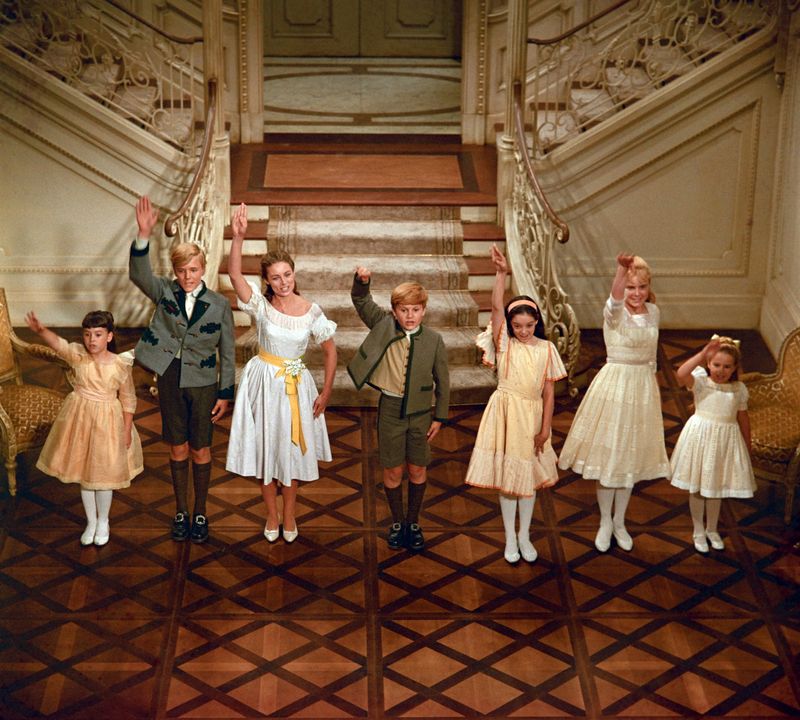
If you’ve ever sung along to this classic, you already know the film works beautifully as a romantic, comforting story about family and courage.
What it doesn’t do is stick closely to the real von Trapp family’s timeline, personalities, and circumstances.
The movie streamlines family dynamics into a clear before-and-after transformation, and it reshapes their escape from Austria into a dramatic route that is easy to visualize and emotionally satisfying.
Relationships are softened, character traits are heightened, and real-world complexities are minimized so the story fits a musical’s tone.
It’s not that the broad strokes are entirely invented, but many of the details are adjusted to serve an uplifting narrative rather than strict biography.
As a result, viewers can come away with a sentimental “history” that feels definitive even when it’s not.
It remains a beloved film, but accuracy is not why it endures; it endures because it’s a fairy tale with incredible songs.
13. Catch Me If You Can (2002)
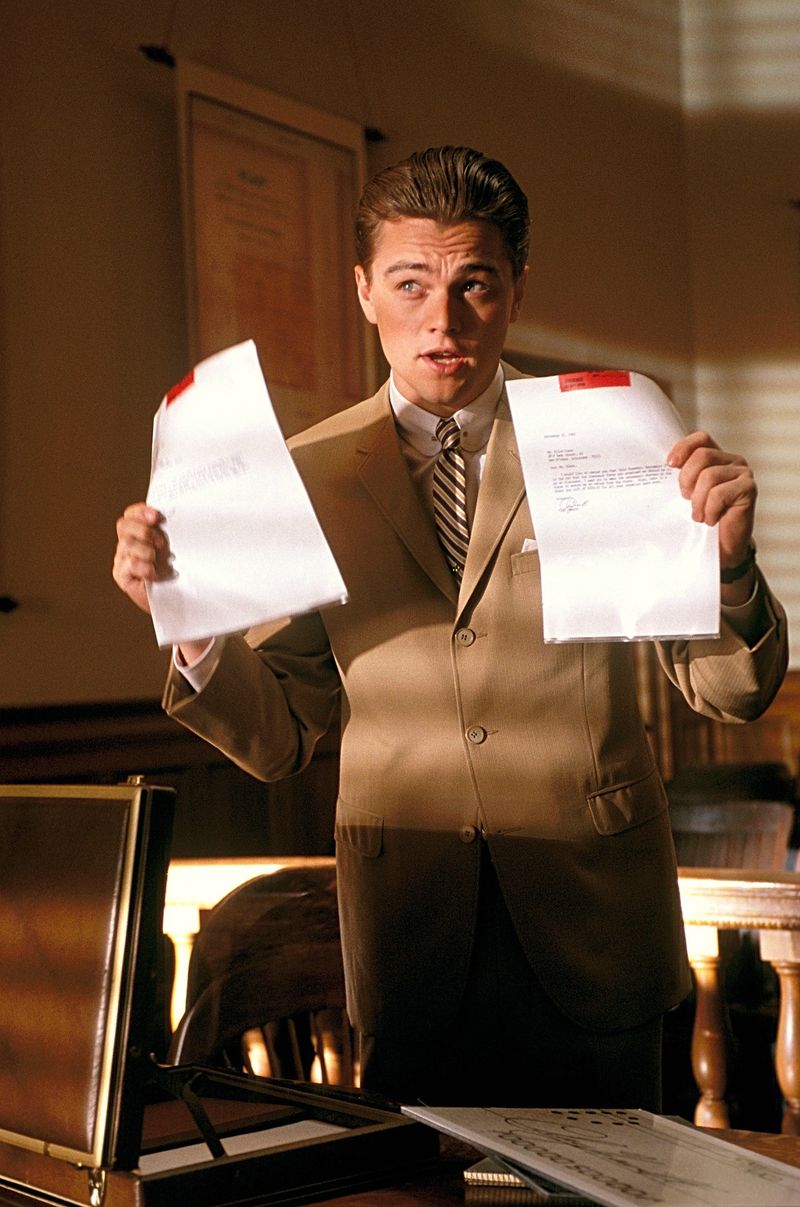
The movie races along with charming confidence, which makes it easy to assume the story is a verified chronicle of one of the greatest con artists ever.
Over the years, though, many of Frank Abagnale’s most famous claims have been questioned, and the legend-like quality of his story is part of what makes the film both fun and suspicious.
The narrative is built around a cat-and-mouse dynamic that feels too perfect, filled with conveniently dramatic escapes and near-misses that play like a slick caper rather than a documented biography.
That doesn’t mean nothing happened, but the movie treats Abagnale’s self-told story as a sturdy foundation, even though parts of it have been disputed by researchers and journalists.
As entertainment, it’s delightful, because it’s Spielberg making a glossy chase film with heart.
As “truth,” it’s more like a polished myth about a mythmaker, which is exactly the kind of biopic problem that can mislead casual viewers.
14. Hidalgo (2004)
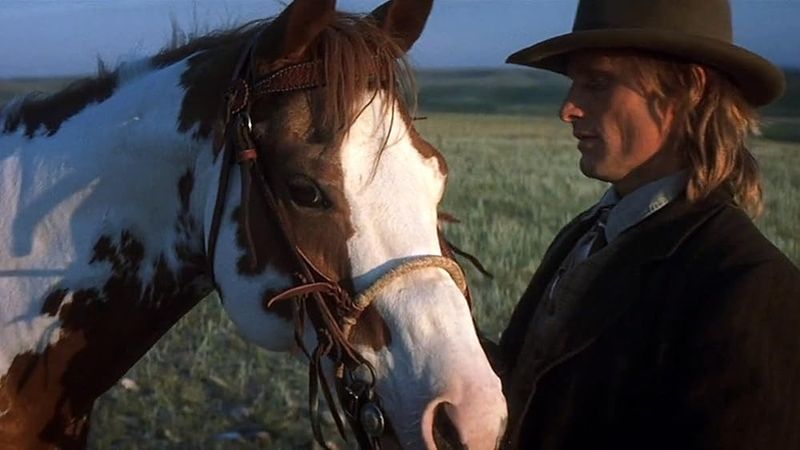
Adventure biopics love rugged heroes, and this one presents Frank Hopkins as a larger-than-life figure conquering a punishing endurance race with grit and honor.
The issue is that Hopkins’ story has long lived in a fog of questionable documentation, and many elements tied to his legend have been challenged or treated as exaggerated.
The film leans into that legend anyway, building a sweeping narrative filled with noble rivalry, cultural conflict, and cinematic triumph that feels designed for a classic underdog arc.
Even if there was a real rider, a real horse, and some real racing history in the background, the movie embraces the most dramatic version available, then turns it into a definitive “true story.” It’s exciting, romantic, and easy to root for, which is the point, but it does not behave like careful biography.
If you’re writing about inaccurate biopics, Hidalgo is a great example of a movie that treats uncertain history like established fact because it makes for a better hero.
15. The Conqueror (1956)
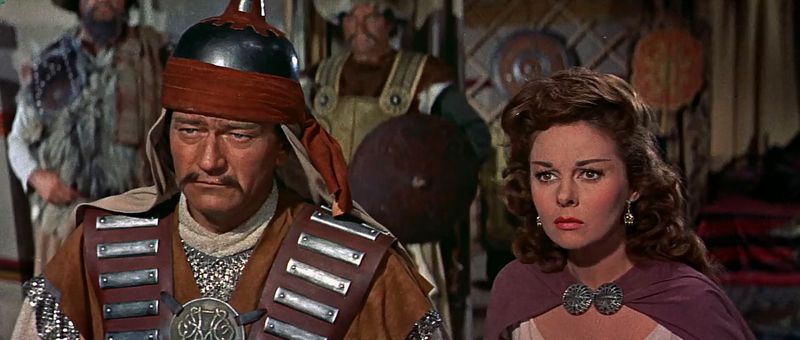
Casting can signal accuracy, and this film signals the opposite before it even starts.
John Wayne as Genghis Khan is the kind of creative decision that turns a historical figure into a costume, and the script follows through by leaning into melodrama, romance tropes, and simplified power struggles.
Instead of offering a grounded look at Mongol history, the movie reshapes events into familiar Hollywood patterns, reducing cultural complexity into generic spectacle.
Dialogue and character behavior feel aimed at mid-century Western-style storytelling rather than any attempt at authenticity, which makes the film historically unmoored even for audiences who aren’t historians.
It’s remembered today less as a serious portrait and more as an infamous example of how biopics can become accidental parody when accuracy is not a priority.
If you want a case study in “the biopic as fantasy,” this one qualifies on multiple levels, because the choices aren’t just inaccurate; they’re practically the opposite of historically attentive filmmaking.
16. Confessions of a Dangerous Mind (2002)
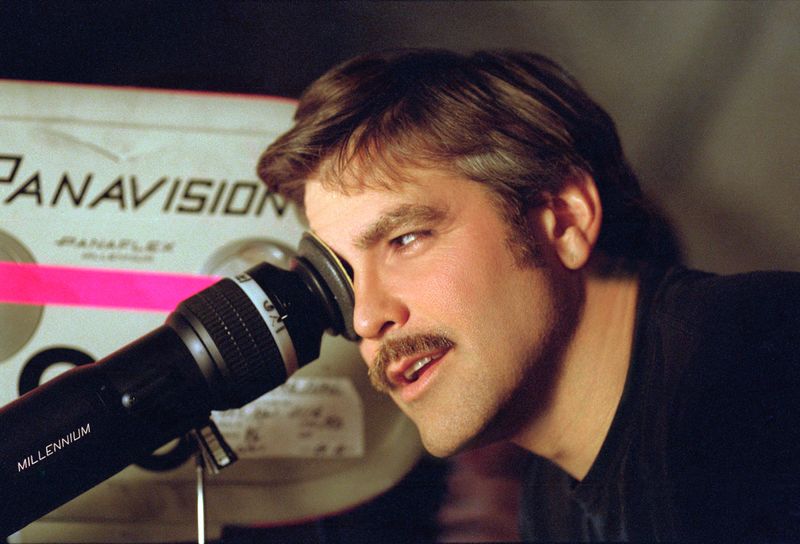
A biopic built on a disputed memoir is going to wobble between reality and invention, and this one embraces that wobble as its entire identity.
The film is based on Chuck Barris’ claim that he lived a double life as both a TV producer and a CIA assassin, a story that has been widely doubted and never definitively proven in the way the movie suggests.
Instead of clarifying what’s true, the film plays the idea for surreal comedy and paranoia, treating the alleged espionage as both literal plot and metaphor for show business absurdity.
That makes it stylish and fun, but it also makes it one of those “biopics” that can leave viewers thinking they learned something factual.
In reality, the central hook is the uncertainty, and the movie’s tone gives it permission to blur lines without resolving them.
It’s a perfect entry for an “inaccurate biopics” list because the inaccuracies aren’t just incidental; they are baked into the premise.
Comments
Loading…