
 Harper Hall
10 Things We Do Now That Would’ve Been Weird 10 Years Ago
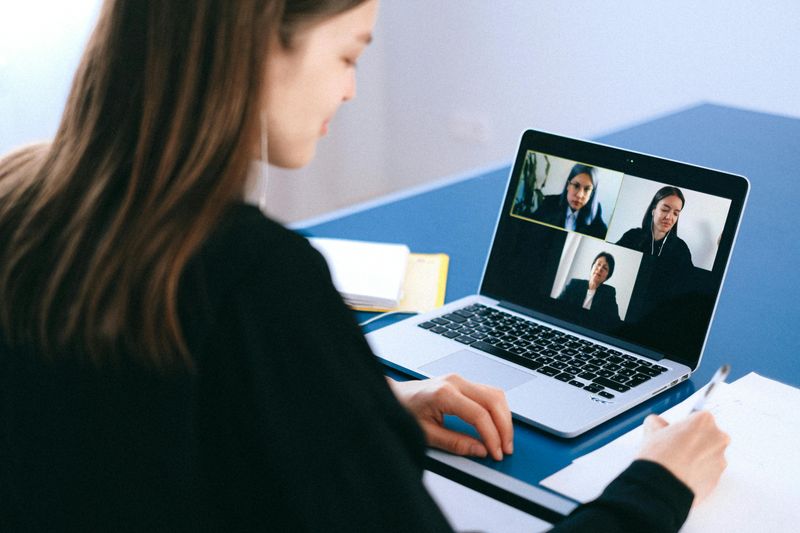
Remember when talking to your phone seemed like something out of a science fiction movie? Or when sharing every meal online would have made people think you were a little odd?
The world has changed dramatically in just a decade, and behaviors that once seemed strange are now completely normal. From how we communicate to how we shop and entertain ourselves, our daily habits have transformed in ways nobody could have predicted back in 2015.
1. Talking to Voice Assistants Like They’re Real People
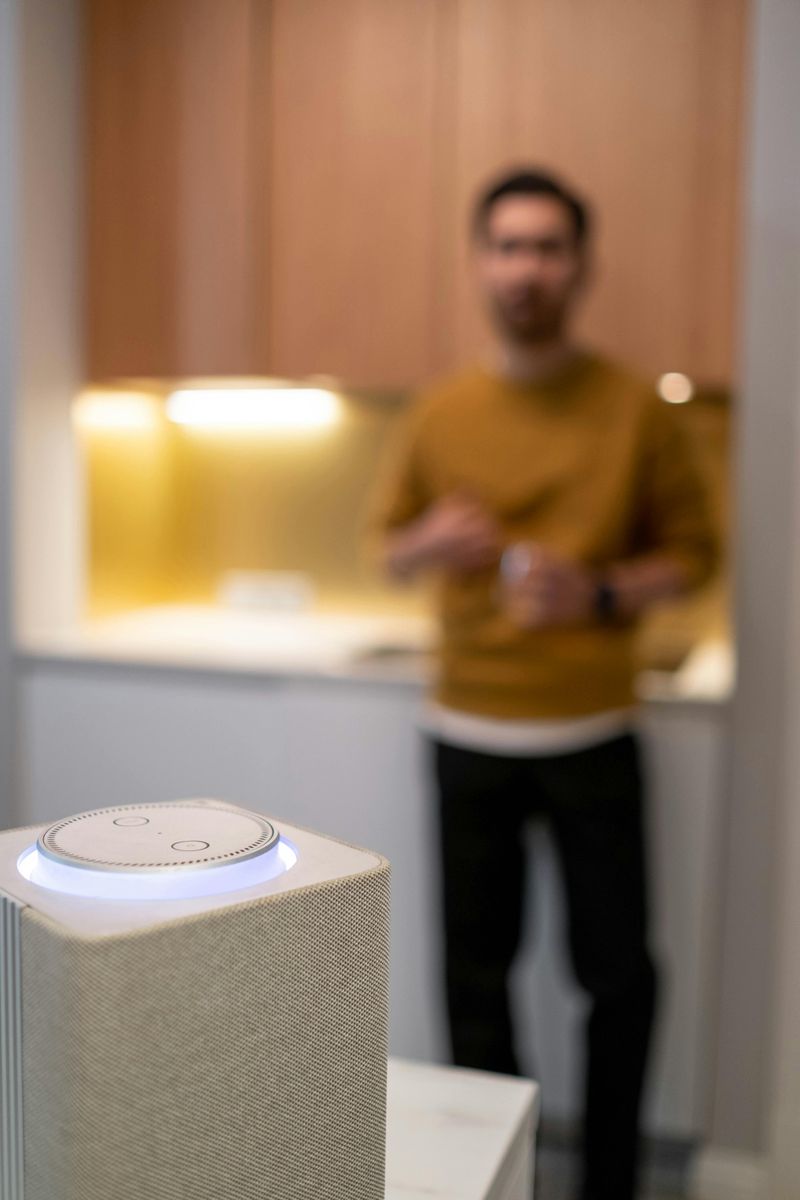
Picture this: you’re standing in your kitchen, asking an invisible helper named Alexa what the weather will be like tomorrow.
A decade ago, people would have thought you’d lost your mind talking to a cylinder on your counter.
Now it’s as normal as asking a friend for directions.
Voice assistants have become our go-to helpers for everything from setting timers to controlling lights.
We chat with Siri, Google, and Alexa without thinking twice about it.
Some people even say “please” and “thank you” to their devices, treating them like polite roommates.
The really interesting part?
Kids growing up today think it’s perfectly normal to ask the air for answers.
They’ll never know a time when talking to technology seemed weird or futuristic.
2. Recording Every Moment of Our Lives on Stories
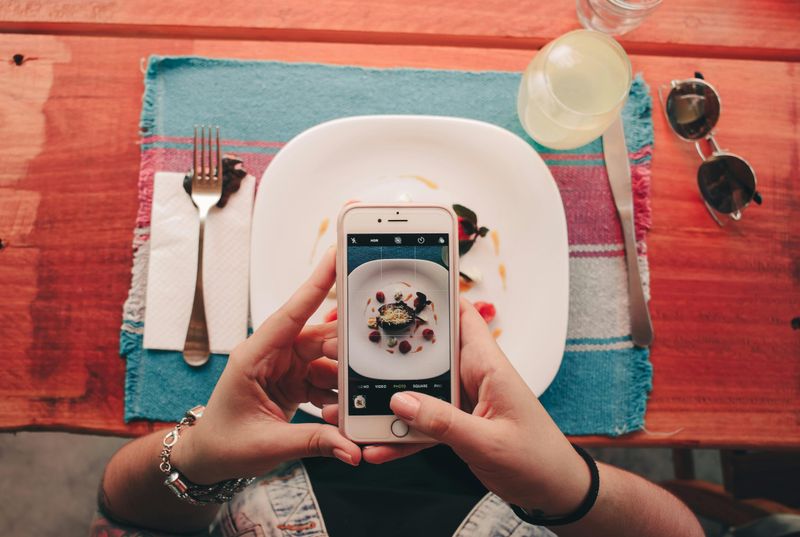
Breakfast, lunch, dinner, and everything in between—if it happened, it’s probably on someone’s Instagram or Snapchat Story.
Back in 2015, constantly documenting your day would have seemed incredibly self-centered.
Today, it’s just how we stay connected with friends and family.
Stories disappear after 24 hours, which somehow makes sharing even more appealing.
There’s less pressure to make everything perfect when it vanishes quickly.
We share our workouts, our pets, our random thoughts, and even our grocery shopping trips without worrying about cluttering up anyone’s feed.
What’s wild is that not posting regularly can actually make people wonder if you’re okay.
The tables have completely turned on what’s considered normal social behavior.
3. Working From Coffee Shops Like They’re Our Office
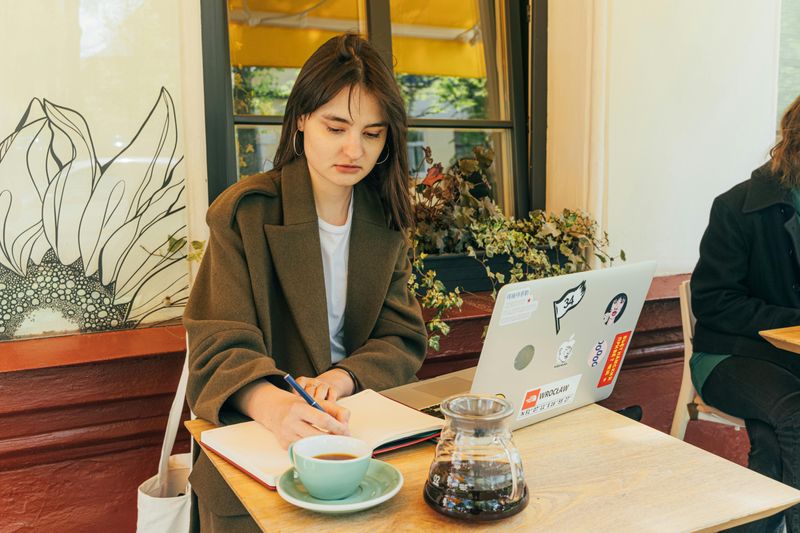
Coffee shops have transformed into unofficial offices for millions of people.
Ten years ago, camping out at a table for hours with your laptop, taking video calls, and treating the place like your personal workspace would have been considered rude.
The baristas definitely would have given you the side-eye.
Remote work wasn’t nearly as common back then.
Most people had traditional office jobs with cubicles and water coolers.
Now, coffee shops expect laptop workers and even offer power outlets and strong WiFi as selling points.
Some folks spend entire workdays bouncing between different cafes.
They order one drink and settle in for hours, and nobody bats an eye.
It’s become such normal behavior that coffee shops have built their business models around it.
4. Paying for Everything With Our Phones
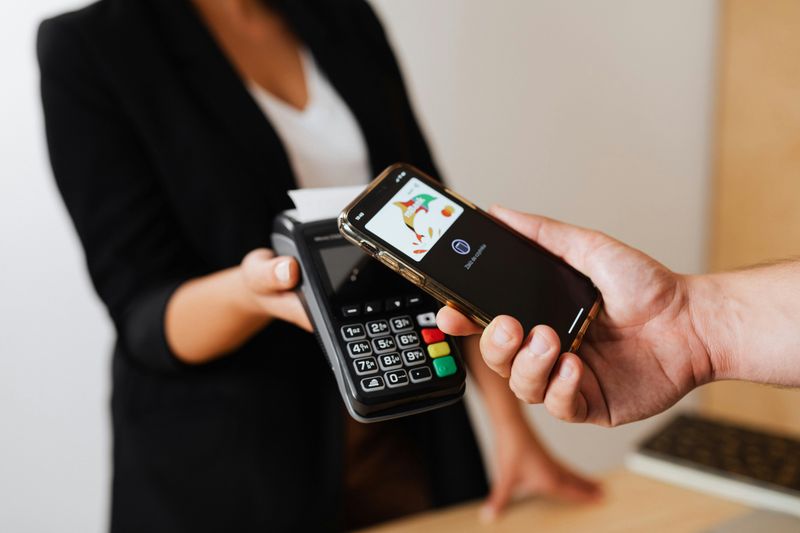
Wallets are becoming dinosaurs.
Just wave your phone near a card reader, and boom—payment complete.
In 2015, this technology existed but hardly anyone used it.
People were suspicious about storing their credit card information on their phones, worried about security and hackers.
Fast forward to today, and leaving your wallet at home isn’t even a crisis anymore.
Your phone handles everything from buying groceries to splitting dinner bills with friends.
Apps like Venmo and Cash App have made exchanging money as easy as sending a text message.
Even street vendors and farmers markets now accept phone payments.
The funny part is watching older generations slowly adapt, going from skeptical to completely converted once they realize how convenient it really is.
5. Getting In Cars With Complete Strangers
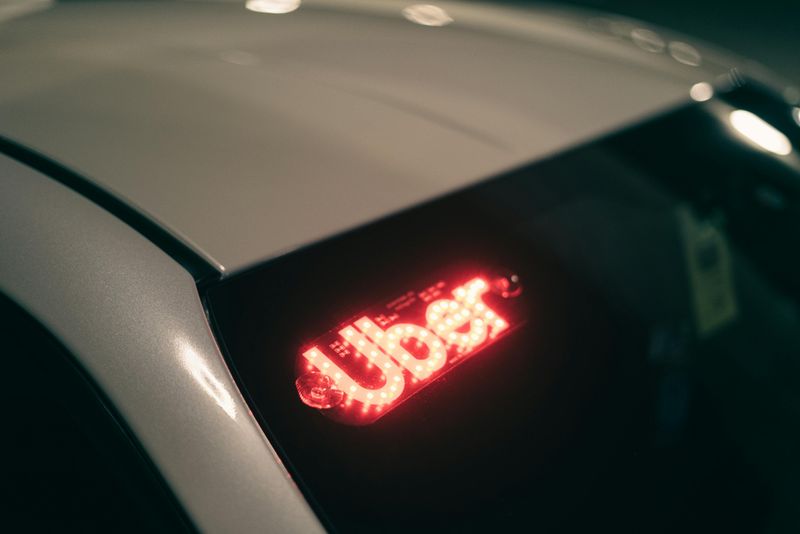
“Never get in a car with strangers” was the golden rule parents drilled into everyone’s heads.
Now we literally summon strangers to pick us up and drive us around.
Uber and Lyft have completely flipped our understanding of personal safety and transportation.
A decade ago, suggesting an app that connects you with random drivers would have sounded like a terrible idea.
People would have questioned your judgment.
Today, it’s often safer and more reliable than traditional taxis, and we do it without a second thought.
The rating system changed everything.
Both drivers and passengers review each other, creating accountability that makes the whole system work.
We trust these strangers with our safety because of star ratings and user reviews—something that would have seemed absurd in 2015.
6. Binge-Watching Entire TV Series in One Weekend
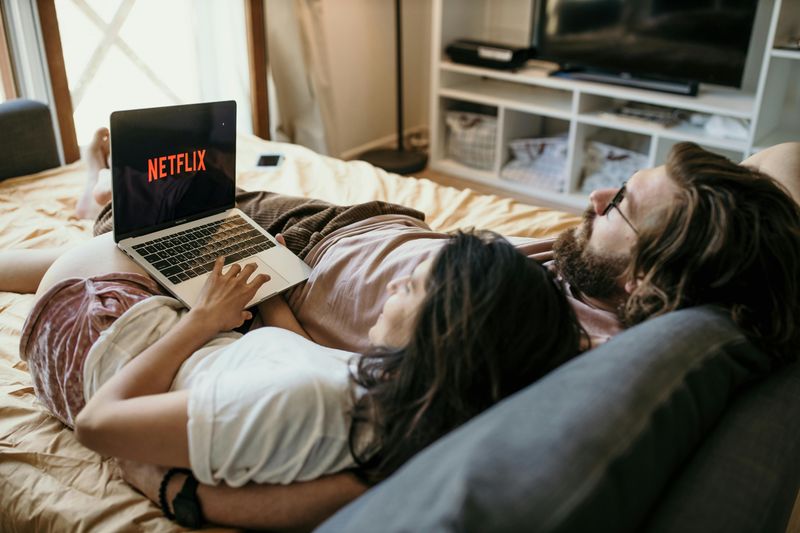
“Did you watch the new episode last week?” used to be a normal question.
Now it’s “Have you finished the entire season yet?” because streaming services drop all episodes at once.
Watching eight hours of television in one sitting has gone from lazy and concerning to totally acceptable weekend plans.
Back in 2015, Netflix was just starting to change how we consumed TV.
Most shows still aired weekly on traditional networks.
The idea of canceling all your plans to watch an entire series would have seemed excessive and antisocial.
Now we wear our binge-watching habits like badges of honor.
People proudly announce they finished a whole season overnight.
It’s become our primary form of entertainment and a legitimate way to spend free time without judgment.
7. Tracking Our Every Step and Heartbeat
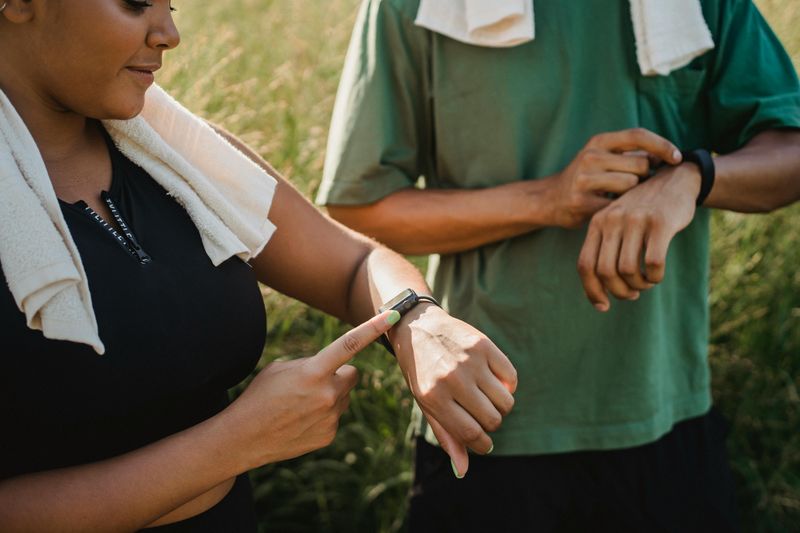
Wearing a device that monitors your heart rate, counts your steps, and tracks your sleep patterns?
That used to be something only serious athletes or people with medical conditions did.
Now everyone from teenagers to grandparents sports a smartwatch or fitness tracker on their wrist.
We’ve become obsessed with our own data.
People compare step counts like they’re competing in the Olympics.
Friends challenge each other to close their activity rings or hit daily movement goals.
It’s turned basic physical activity into a gamified competition.
The weirdest part is how much personal health information we willingly share with tech companies.
Ten years ago, privacy concerns would have made people hesitate.
Today, we happily hand over our biometric data for the satisfaction of hitting 10,000 steps.
8. Ordering Groceries Online and Never Entering a Store
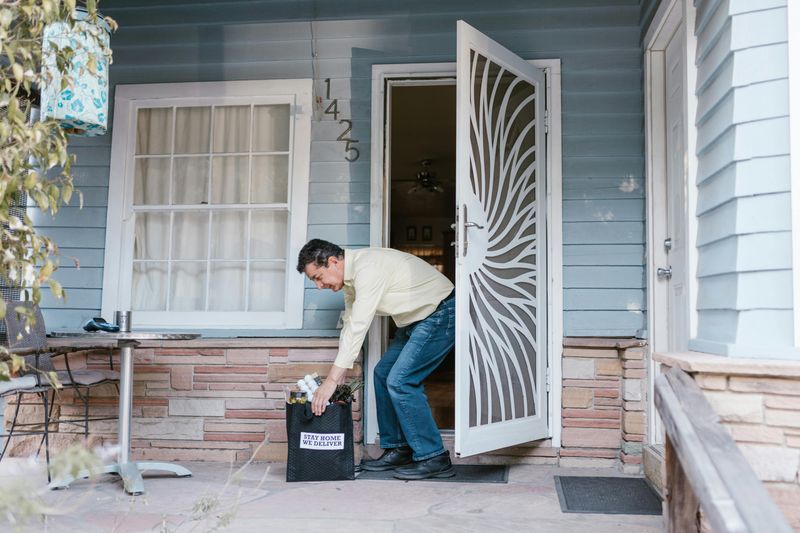
Grocery shopping without actually going to the store seemed lazy or strange just ten years ago.
People who couldn’t be bothered to pick their own produce?
That was considered odd behavior reserved for the extremely busy or mobility-challenged.
Then the pandemic accelerated a trend that was already growing.
Suddenly, having strangers select your bananas and deliver them to your doorstep became not just normal but preferred.
Services like Instacart and Amazon Fresh exploded in popularity.
Now entire families go weeks without setting foot in a supermarket.
Someone else does the shopping, loads the car, and brings everything right to your door.
We’ve collectively decided that spending an hour wandering grocery aisles isn’t the best use of our time anymore.
9. Having Video Calls With Everyone, Everywhere
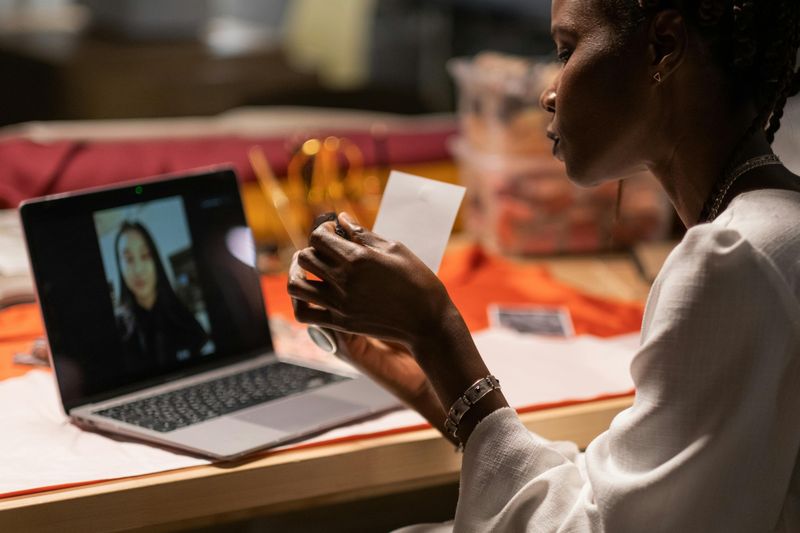
Video calling existed ten years ago, but people rarely used it.
It felt awkward and formal, something you only did for long-distance relationships or important business meetings.
Most folks preferred regular phone calls where they didn’t have to worry about how they looked or what was behind them.
Technology has made video calls so smooth and easy that they’ve become our default communication method.
We FaceTime while walking down the street, take Zoom meetings in our pajamas, and video chat with relatives like it’s no big deal.
The self-consciousness has disappeared too.
Nobody worries anymore about being on camera or having a messy background.
We’ve all seen each other’s homes, pets, and family members interrupting calls.
It’s made communication more personal and somehow more casual at the same time.
10. Trusting Online Reviews More Than Personal Recommendations

Your best friend recommends a restaurant, but you still check Yelp before deciding to go.
This behavior would have seemed insulting a decade ago.
Trusting the opinions of hundreds of strangers over someone you actually know?
That’s a dramatic shift in how we make decisions.
Online reviews now influence everything from where we eat to which doctors we visit.
We read star ratings before buying anything, no matter how small.
A product with 4.8 stars and thousands of reviews feels safer than a personal recommendation from one person.
The democratization of opinions has changed consumer behavior forever.
We’ve decided that crowd wisdom beats individual advice, even when that individual is someone we trust.
It’s reshaped entire industries and how businesses operate in ways nobody predicted back in 2015.
Comments
Loading…