
 Chloe Peterson
12 Ways Romanticizing Your Life Actually Improves Mental Health

Have you ever noticed how some people seem to find joy in the smallest moments? They sip their morning coffee like it’s a scene from a movie, turn grocery shopping into an adventure, and treat everyday tasks like they’re special occasions.
This practice of romanticizing life isn’t just about being dramatic or pretending everything is perfect—it’s actually a powerful tool for boosting your mental health and overall happiness. When you start seeing your daily routine through a more positive, appreciative lens, you unlock real benefits that can transform how you feel about yourself and your world.
1. Morning Rituals Become Self-Care Ceremonies

Transforming your morning routine into something special changes how you start each day.
Instead of rushing through breakfast or scrolling mindlessly on your phone, you create moments that feel intentional and nourishing.
When you light a candle while making coffee or play your favorite music during breakfast, you’re telling your brain that you matter.
These small acts of self-love reduce morning stress and anxiety significantly.
Your body responds by releasing fewer stress hormones, helping you feel calmer and more centered.
Research shows that people who enjoy mindful morning routines report better moods throughout the day.
They feel more in control and less overwhelmed by daily challenges.
2. Walking Becomes an Adventure, Not a Chore

Every walk outside holds potential for discovery when you approach it with curiosity.
You might notice a beautiful garden you’ve passed a hundred times, hear birds singing their unique songs, or feel the sun warming your face in just the right way.
This shift in perspective turns exercise into exploration.
Your brain releases endorphins not just from physical movement but from the novelty and interest you’re experiencing.
Studies confirm that spending time outdoors while being present reduces symptoms of depression and anxiety.
People who romanticize their walks often report feeling more connected to their communities and less isolated.
3. Cooking Transforms Into Creative Expression

Preparing meals becomes an art form when you treat it as more than just a necessity.
Choosing fresh ingredients, trying new recipes, and plating your food beautifully all contribute to a sense of accomplishment and pride.
Your brain rewards creative activities by releasing dopamine, the feel-good chemical that boosts motivation and happiness.
When you slow down and enjoy the cooking process, you’re also practicing mindfulness, which reduces racing thoughts and worry.
The sensory experience—smelling herbs, feeling textures, tasting flavors—grounds you in the present moment.
This practice helps people feel more capable and self-sufficient, boosting overall confidence.
4. Reading Becomes Escapism That Heals

Books offer portals to different worlds, and treating reading time as sacred creates powerful mental health benefits.
Setting aside dedicated time with your favorite novel isn’t lazy—it’s therapeutic.
Your mind gets a break from daily stressors when you immerse yourself in stories.
This mental vacation allows your nervous system to calm down and reset.
Research demonstrates that just six minutes of reading can reduce stress levels by up to 68 percent, more than listening to music or taking a walk.
When you romanticize this activity by creating a special reading space or ritual, you enhance these benefits even further.
5. Dressing Well Boosts Your Confidence Daily

Putting effort into your appearance, even when staying home, signals self-respect to your subconscious mind.
You don’t need expensive clothes—just wearing something that makes you feel good changes your entire attitude.
Psychologists call this “enclothed cognition,” where what you wear actually affects how you think and feel.
When you dress in a way that feels special or put-together, you carry yourself differently.
Your posture improves, you smile more, and you interact with others more confidently.
This simple practice combats feelings of worthlessness or depression by reinforcing that you deserve care and attention.
6. Music Creates Emotional Soundtracks

Curating playlists for different moods turns music into a powerful emotional regulation tool.
Whether you need energy, comfort, or motivation, the right songs can shift your mental state almost instantly.
Scientists have found that music activates the brain’s reward centers, releasing dopamine and reducing cortisol, the stress hormone.
When you intentionally choose music that matches or improves your mood, you’re taking active control of your emotional well-being.
This sense of agency is crucial for mental health.
People who use music mindfully report feeling less anxious and more capable of handling difficult emotions throughout their day.
7. Journaling Turns Thoughts Into Clarity

Writing down your thoughts and feelings isn’t just for recording events—it’s a way to process emotions and gain perspective.
When you treat journaling as a special practice, perhaps with a nice pen or in a favorite spot, it becomes something you look forward to.
This activity helps your brain organize chaotic thoughts and identify patterns in your feelings.
Studies show that expressive writing reduces symptoms of anxiety and depression while improving overall mood.
The physical act of writing by hand also slows you down, forcing you to be more deliberate and present.
Many people discover solutions to problems simply by writing them out.
8. Bathing Becomes a Spa-Like Retreat
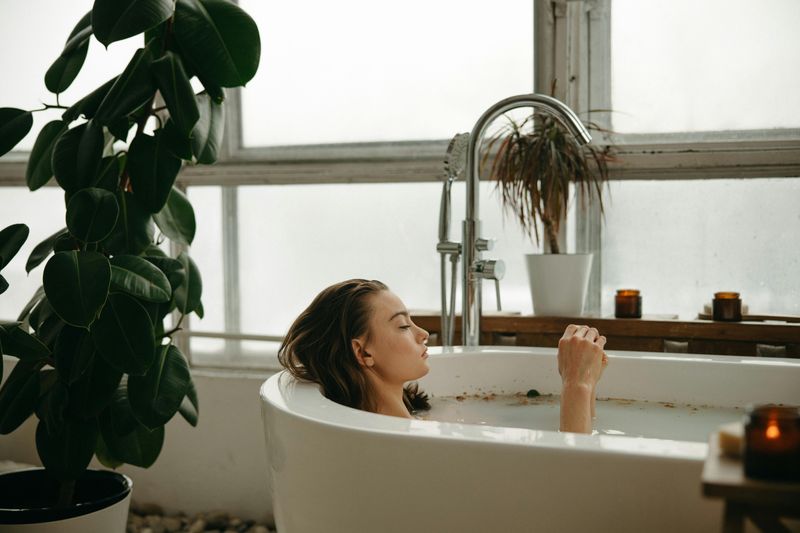
Turning bath time into a luxurious experience doesn’t require expensive products—just intention and presence.
Adding Epsom salts, playing soft music, or lighting candles transforms a basic hygiene task into genuine self-care.
Warm water naturally relaxes tense muscles and signals your nervous system to shift into rest mode.
When you add sensory pleasures like pleasant scents or soft lighting, you multiply these calming effects.
Your brain associates these rituals with safety and comfort, making it easier to unwind mentally.
Regular relaxation practices like this improve sleep quality and reduce chronic stress, both essential for good mental health.
9. Nature Watching Grounds You in the Present

Simply observing nature—watching clouds drift, birds hop around, or leaves rustle—pulls you out of anxious thoughts about past and future.
This practice costs nothing but offers profound mental health benefits.
When you romanticize these moments by truly paying attention, you engage your senses fully and quiet your worried mind.
Research consistently shows that time in nature lowers blood pressure, reduces anxiety, and improves concentration.
Even looking at trees through a window has measurable positive effects on mood and stress levels.
People who regularly connect with nature report greater life satisfaction and resilience when facing challenges.
10. Letter Writing Deepens Human Connection

In our digital age, handwritten letters feel extraordinary and meaningful.
Taking time to write to friends or family members creates connection that texts and emails can’t match.
This practice benefits both sender and receiver.
When you write by hand, you slow down and think more carefully about what you want to say.
This mindfulness reduces stress and helps you feel more connected to others, which is one of the strongest protective factors against depression and anxiety.
Receiving a handwritten letter makes people feel valued and remembered.
Strengthening relationships this way builds your social support network, essential for mental wellness.
11. Tea Time Creates Peaceful Pauses
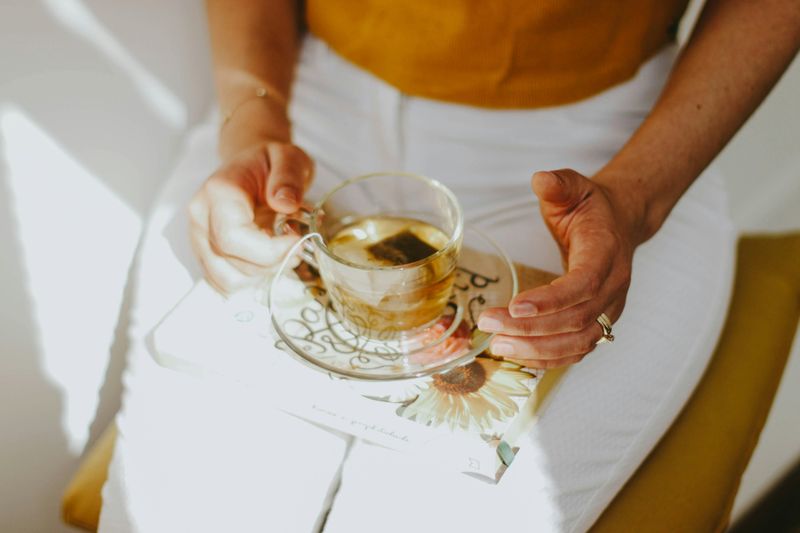
Making tea into a ritual rather than just a beverage gives you permission to pause and breathe.
Choosing your favorite cup, waiting for water to boil, and sitting while it steeps all create moments of intentional calm.
The warmth of the cup in your hands, the aroma, and the taste all engage your senses and anchor you in the present.
This sensory experience interrupts anxiety spirals and gives your mind a break from worries.
Certain teas like chamomile or lavender also have mild calming properties that support relaxation.
Regular tea rituals help establish healthy boundaries between work and rest time.
12. Solo Dance Parties Release Stress

Dancing alone to your favorite songs releases pent-up energy and emotions in a healthy, fun way.
You don’t need skills or an audience—just music and willingness to move your body however feels good.
Physical movement releases endorphins, your body’s natural mood elevators, while music activates pleasure centers in your brain.
Together, they create a powerful combination for stress relief.
Dancing also helps you reconnect with your body in a positive way, which can be especially healing if you struggle with body image issues.
Many people report that solo dance sessions leave them feeling lighter, happier, and more energized than before.
Comments
Loading…