
 Isabel Parker
13 Fictional Characters Who Solve Crimes Better Than Actual Detectives
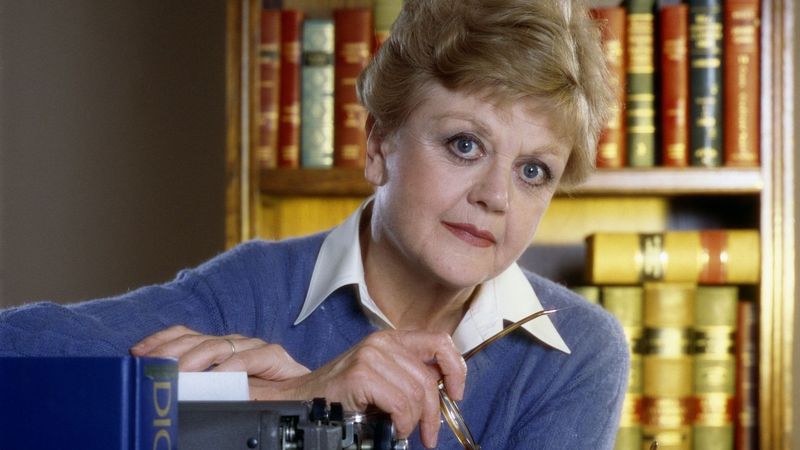
TV and movies have given us some incredible detectives who make solving crimes look easy.
These characters don’t always wear badges or work for the police, yet they crack cases that leave professional investigators scratching their heads.
From teenagers with notebooks to priests with wisdom, these sleuths prove that sometimes the best detective work happens outside the law enforcement world.
Their unique skills, sharp minds, and fearless attitudes show us that anyone can be a hero when justice needs serving.
1. Dexter Morgan in Dexter (2006–2013, 2021–2022)
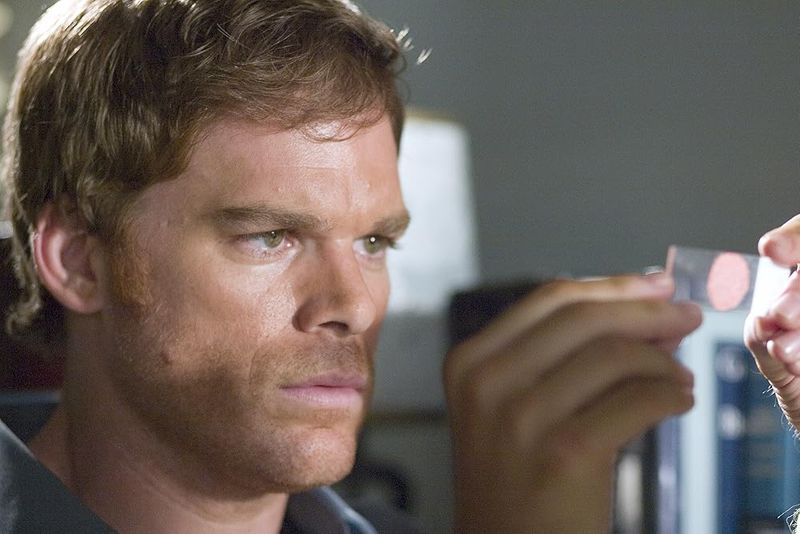
Michael C. Hall transformed this unlikely crime solver into one of television’s most unsettling minds.
His version of Dexter Morgan analyzes blood patterns and forensic details while quietly staying one step ahead of law enforcement.
Miami Metro relies on his expertise, unaware that he often understands the killer’s mindset better than anyone else.
Dexter processes crime scenes with chilling efficiency, recognizing patterns and motives long before detectives connect the dots.
His methods are calculated and emotionally distant, but they consistently reveal truths others fail to see.
Without holding any investigative authority, he still influences major cases through forensic insight alone.
What makes him extraordinary is his disturbing precision mind.
2. Jessica Fletcher in Murder, She Wrote (1984–1996)

Angela Lansbury created television’s most beloved amateur detective, a mystery writer who somehow encounters murders wherever she travels.
Jessica proves that life experience and careful observation beat fancy forensic equipment.
Her gentle demeanor makes suspects underestimate her, which becomes their biggest mistake.
Police departments should honestly just hire her permanently.
She solves homicides in small towns and big cities with equal ease.
Her secret weapon?
Understanding human nature better than trained psychologists.
Jessica asks the right questions at the perfect moments, unraveling lies that fooled everyone else.
She’s proof that wisdom, patience, and a sharp mind never retire, no matter your age.
3. Shawn Spencer in Psych (2006–2014)
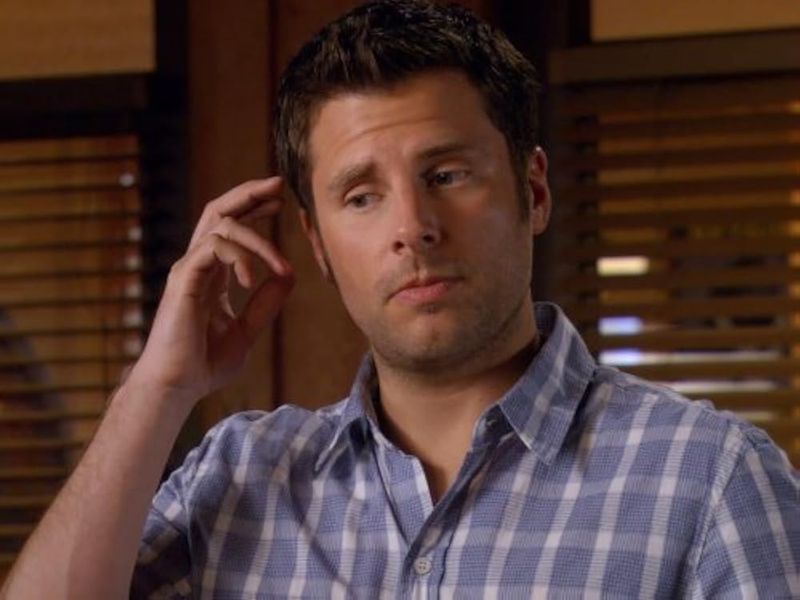
Playing a fake psychic, James Roday’s character relies on extraordinary observation rather than supernatural abilities.
Shawn’s photographic memory and detective father’s training give him superpowers disguised as supernatural abilities.
The Santa Barbara Police Department pays him to solve cases they can’t crack, never realizing his visions are just really good detective work.
His goofy personality masks serious skills that embarrass trained professionals.
Shawn notices tire tracks, clothing fibers, and behavioral patterns others walk right past.
He turns crime-solving into entertainment while his best friend Gus reluctantly tags along.
The show proves that being unconventional doesn’t mean being ineffective—sometimes the class clown becomes the hero.
4. Veronica Mars in Veronica Mars (2004–2019)

Kristen Bell portrays a high school student who runs her own private investigation business.
After her best friend’s murder goes unsolved, Veronica decides to find answers herself.
She uses hidden cameras, computer hacking, and old-fashioned detective work to expose secrets in her wealthy California town.
Adult detectives constantly underestimate this blonde teenager with a sharp tongue and sharper instincts.
Veronica faces down dangerous criminals without backup, relying on intelligence over physical strength.
Her investigations reveal corruption that seasoned cops missed or ignored.
She balances homework with stakeouts, proving that age doesn’t determine ability.
Veronica shows young viewers that standing up for truth matters more than popularity.
5. Nancy Drew in Nancy Drew (2019–2023)
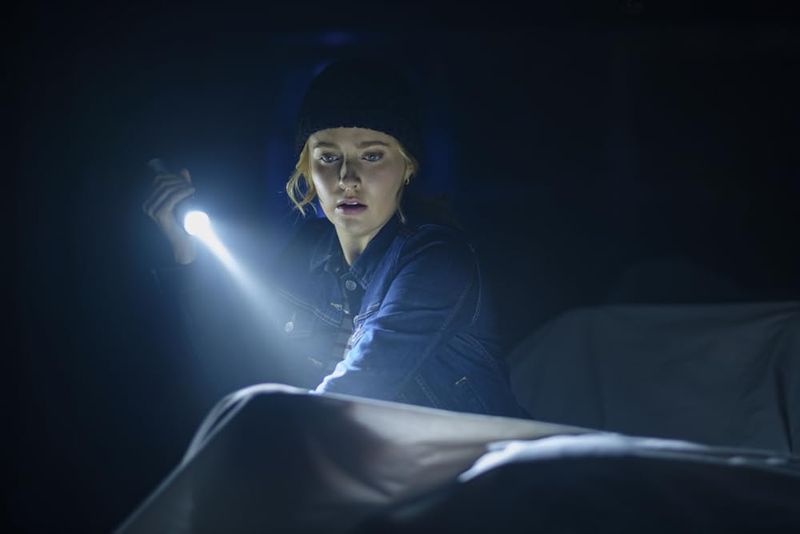
Kennedy McMann breathes new life into this classic teen detective for modern audiences.
Nancy waitresses at a diner while investigating supernatural mysteries that plague her Maine hometown.
Local police struggle with cases she solves using research, bravery, and relentless curiosity.
Her fearless approach to danger sometimes borders on reckless, but results speak louder than caution.
Nancy digs through archives, interviews witnesses, and follows leads into genuinely creepy situations.
She uncovers family secrets and town conspiracies that adults deliberately buried.
The show demonstrates how asking questions and refusing to accept easy answers can reveal truth.
Nancy inspires viewers to trust their instincts even when authority figures dismiss their concerns.
6. Adrian Monk in Monk (2002–2009)
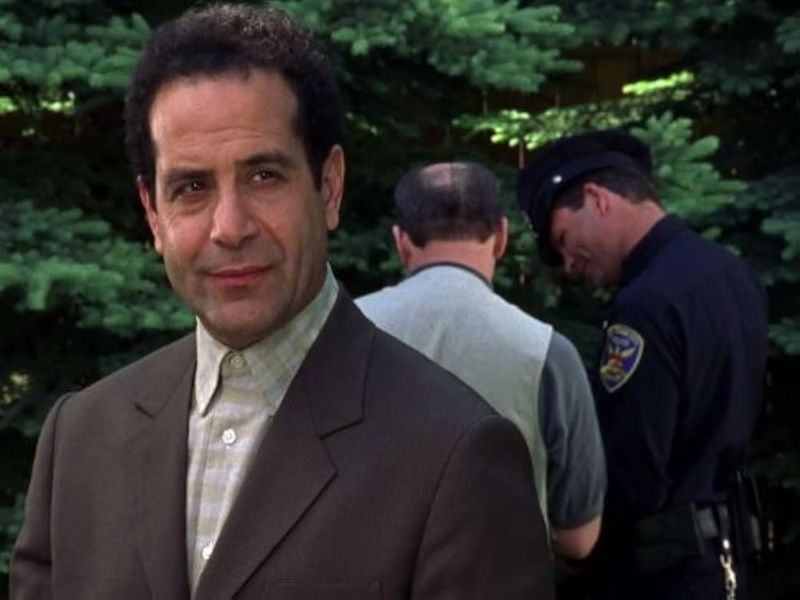
Playing a former San Francisco detective, Tony Shalhoub portrays a man whose obsessive-compulsive disorder ended his police career but sharpened his investigative abilities.
Monk notices every crooked picture frame, misplaced item, or inconsistent detail that normal people ignore.
His phobias make daily life challenging, yet they make him an unstoppable crime solver.
Police detectives regularly consult him because his attention to microscopic details cracks impossible cases.
Monk reconstructs crimes by spotting things out of place that criminals thought nobody would notice.
His condition becomes his superpower rather than just his struggle.
The character teaches viewers that differences don’t define limitations—they can become extraordinary strengths when channeled correctly.
7. Miss Marple in Agatha Christie’s Marple (2004–2013)
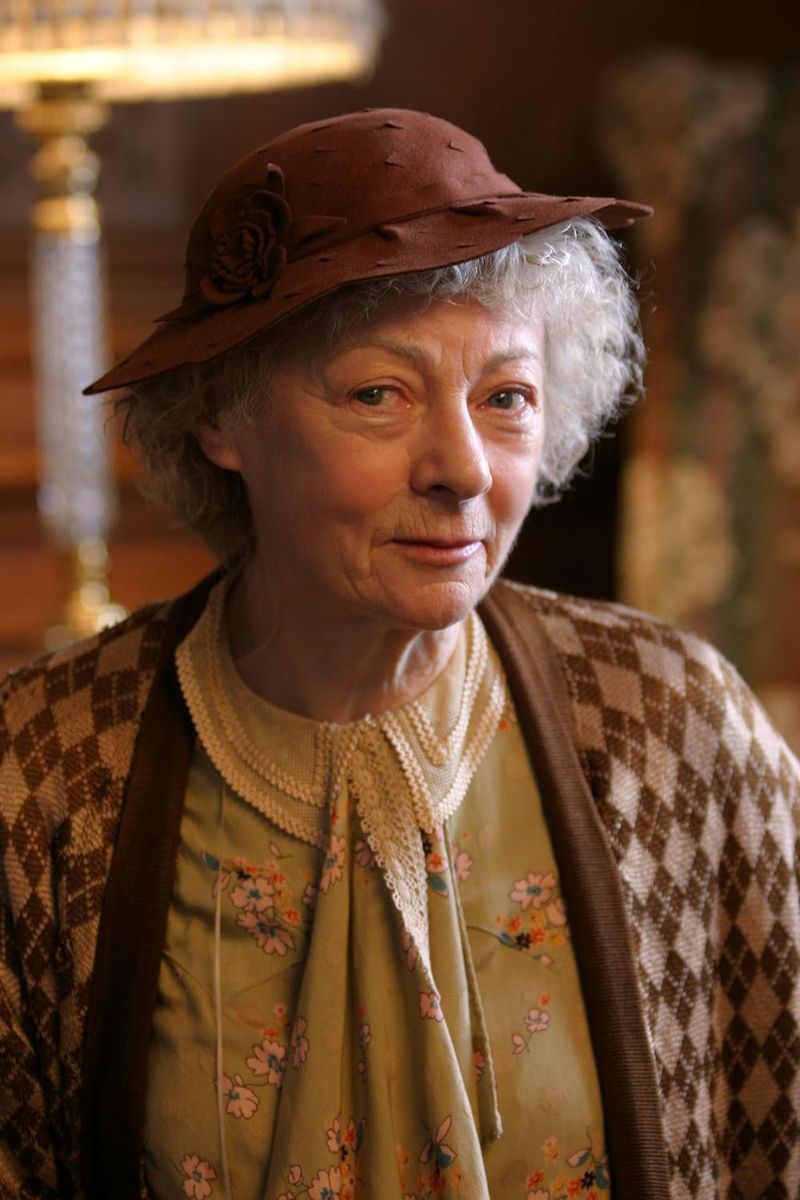
Agatha Christie created this unassuming village spinster who solves murders through understanding human psychology.
Miss Marple compares crimes to village gossip and small-town scandals she’s observed over decades.
Killers never suspect the sweet old lady asking innocent questions at garden parties.
Her knowledge of human weakness comes from years of watching neighbors, not police academy training.
Miss Marple recognizes patterns in behavior that reveal guilt better than fingerprints or alibis.
She solves cases by thinking about why people commit crimes, not just how.
This character proves that life experience and emotional intelligence matter more than physical strength or technology in detective work.
8. Jonathan Creek in Jonathan Creek (1997–2016)
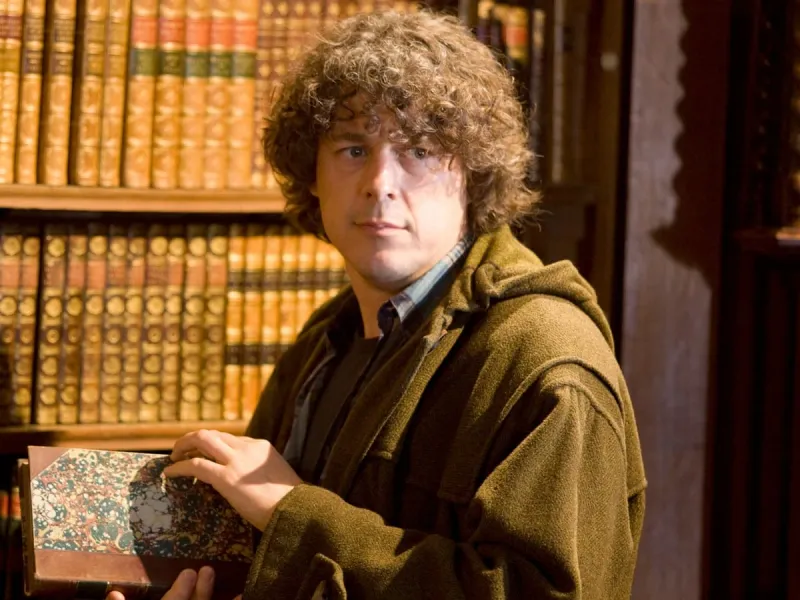
Alan Davies stars as a magician’s assistant who designs impossible illusions for a living.
Jonathan applies his knowledge of tricks and misdirection to solve locked-room mysteries that baffle police.
He lives in a windmill and thinks differently than conventional detectives.
His unique perspective reveals how criminals create seemingly supernatural crimes using practical methods.
Jonathan explains murders that appear physically impossible by understanding how stage magic fools audiences.
Police investigators lack his specialized knowledge of deception and optical illusions.
The show demonstrates that unconventional career paths can provide unexpected problem-solving advantages.
Sometimes the person who creates illusions best understands how to see through them.
9. L in Death Note (2006–2007)

This anime genius hunts a supernatural serial killer using only logic and psychological warfare.
L never shows his face publicly and works through computer screens, maintaining complete anonymity.
His unconventional methods include testing suspects with elaborate mind games rather than traditional interrogation.
The world’s greatest detective survives on candy and caffeine while outsmarting criminals with god-like powers.
L predicts behavior patterns by understanding psychology at levels that seem almost superhuman themselves.
He proves that intellect can challenge even supernatural threats.
His character demonstrates that pure reasoning ability, when pushed to extremes, becomes its own kind of superpower worth watching.
10. Richard Castle in Castle (2009–2016)
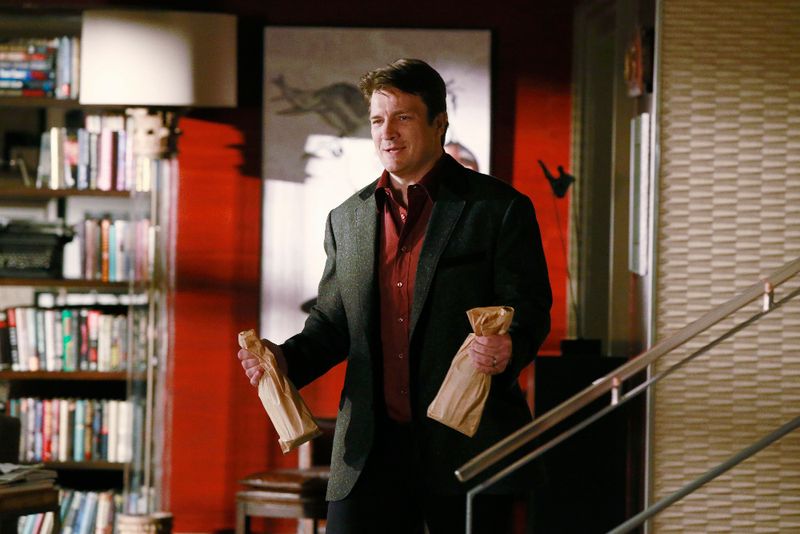
Nathan Fillion plays a wealthy mystery novelist who shadows NYPD detectives for book research.
Castle’s creative imagination helps solve real murders by thinking like the killers he writes about.
His partnership with Detective Beckett combines street smarts with storytelling instincts.
While cops focus on evidence and procedure, Castle asks “what would make a good plot twist?”
This unusual approach cracks cases by predicting criminal behavior through narrative logic.
He spots patterns because he’s written similar scenarios in his bestselling novels.
Castle shows that creativity and analytical thinking work better together than separately.
Sometimes fiction writers understand story structure well enough to recognize it in real life.
11. Father Brown in Father Brown (2013–present)
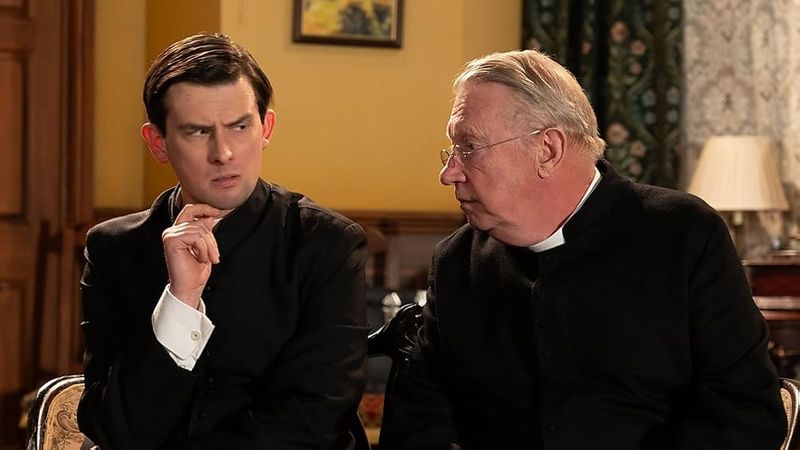
Mark Williams portrays a Catholic priest in 1950s England who solves murders through moral insight rather than forensic science.
Father Brown understands sin and human weakness from hearing confessions for decades.
Criminals confide in him because he offers spiritual guidance alongside justice.
His gentle approach disarms suspects who would never talk to aggressive police interrogators.
The priest recognizes guilt not through evidence but through understanding the human soul’s capacity for both good and evil.
He forgives while still ensuring killers face consequences.
Father Brown teaches that compassion and justice aren’t opposites—they work together to reveal truth and promote healing.
12. The Hardy Boys in The Hardy Boys (2020–2023)
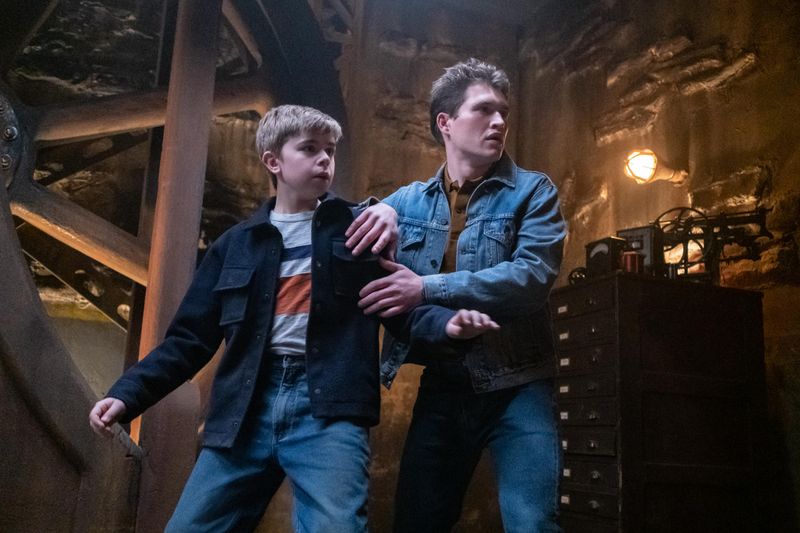
These teenage brothers tackle dangerous mysteries in their small town while dealing with family tragedy.
Frank and Joe Hardy investigate crimes that adult detectives dismiss or can’t solve.
Their youth makes suspects underestimate them, which becomes a tactical advantage.
The brothers combine book smarts with street smarts, researching history while also taking physical risks.
They uncover conspiracies involving powerful people who thought teenagers wouldn’t pose threats.
Their determination comes from personal loss driving them toward truth and justice.
The Hardy Boys demonstrate that young people can handle serious responsibilities when properly motivated.
Sometimes being underestimated gives you the element of surprise needed to win.
13. The Scooby-Doo Gang in Scooby-Doo, Where Are You! (1969–1970)
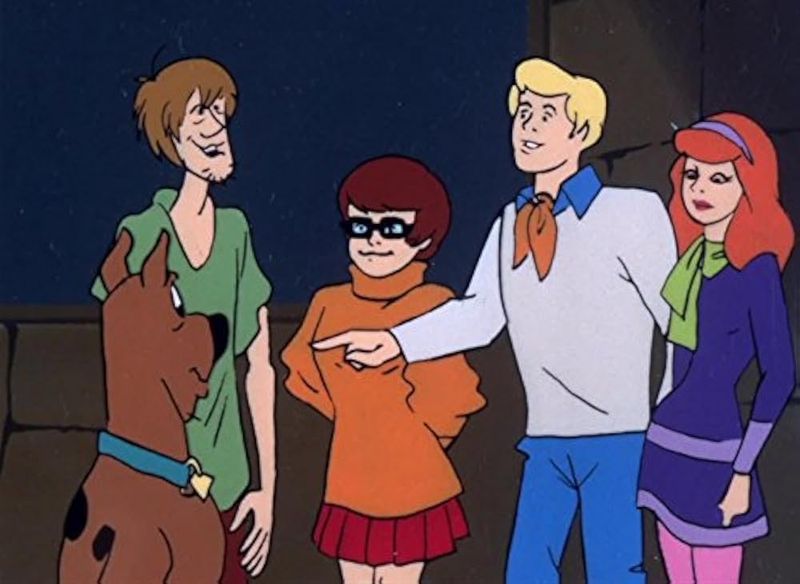
Fred, Daphne, Velma, Shaggy, and Scooby have unmasked criminals for over fifty years.
These teenagers drive around in their van solving mysteries that local authorities couldn’t crack.
Their method involves setting traps, finding clues, and revealing that every ghost is actually someone in a costume.
Velma’s intelligence, Fred’s leadership, and Daphne’s resourcefulness combine with Shaggy and Scooby’s accidental heroics.
They prove that teamwork beats individual effort when solving crimes.
Every episode ends with police thanking these kids for catching criminals they missed.
The gang shows young audiences that curiosity, friendship, and courage matter more than age when fighting injustice.
Comments
Loading…