
 Harper Hall
17 Old Hollywood Heartthrobs Whose Handsome Looks Still Set the Standard
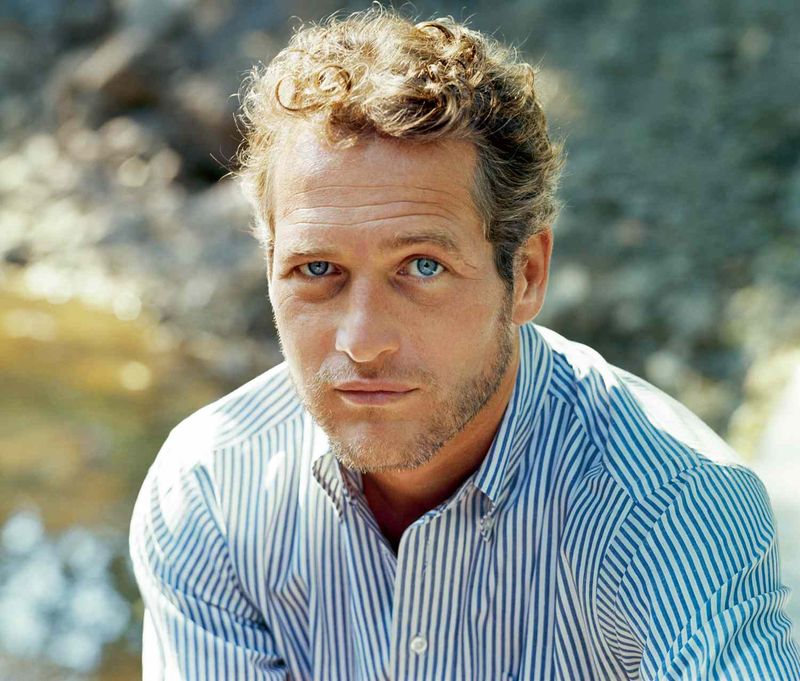
Before Instagram filters and TikTok trends, Hollywood created legends whose looks defined masculine beauty for generations.
These silver screen icons possessed a natural magnetism that cameras couldn’t help but capture, making audiences swoon worldwide.
Their timeless appeal proves that true handsomeness never goes out of style, transcending decades and continuing to influence modern standards of attractiveness.
1. Rudolph Valentino
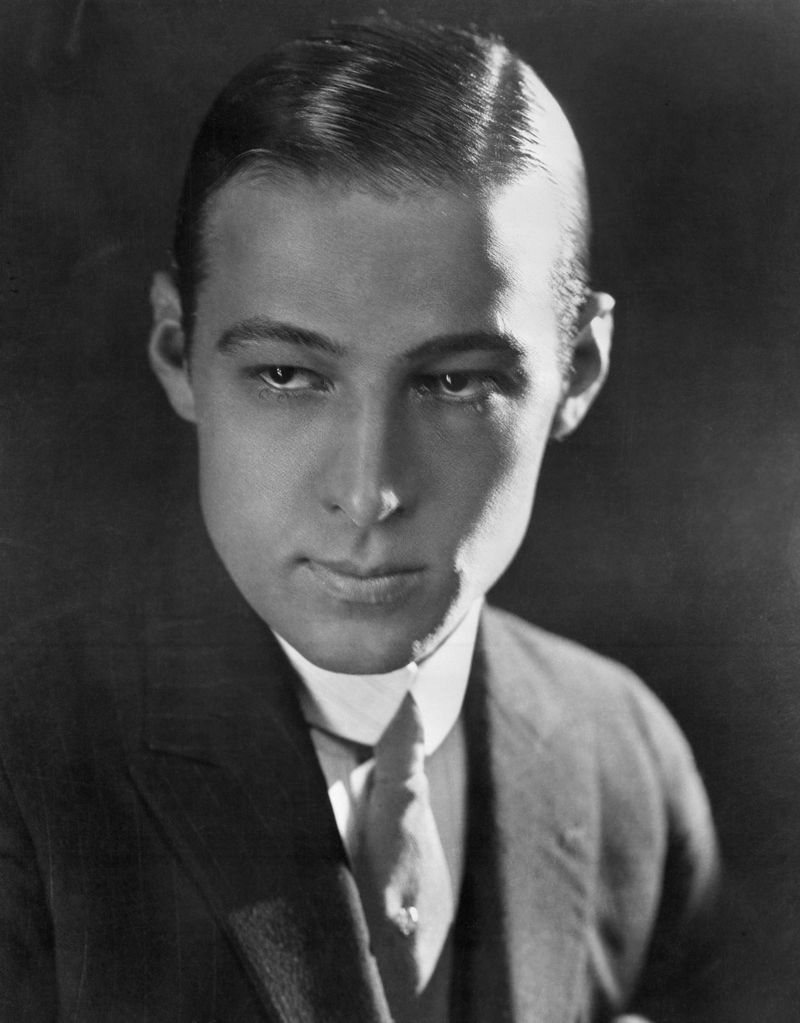
Silent films had no dialogue, yet Valentino spoke volumes with just a glance.
His dark, mysterious eyes and exotic features made women faint in theater aisles across America during the 1920s.
Born in Italy, he brought European sophistication to Hollywood’s rough-and-tumble early days.
Films like “The Sheik” turned him into a cultural phenomenon, sparking everything from fashion trends to hairstyles.
His tragic death at just 31 created mass hysteria, with tens of thousands mourning at his funeral.
Valentino proved charisma needs no words, establishing the blueprint for every heartthrob who followed.
2. James Stewart
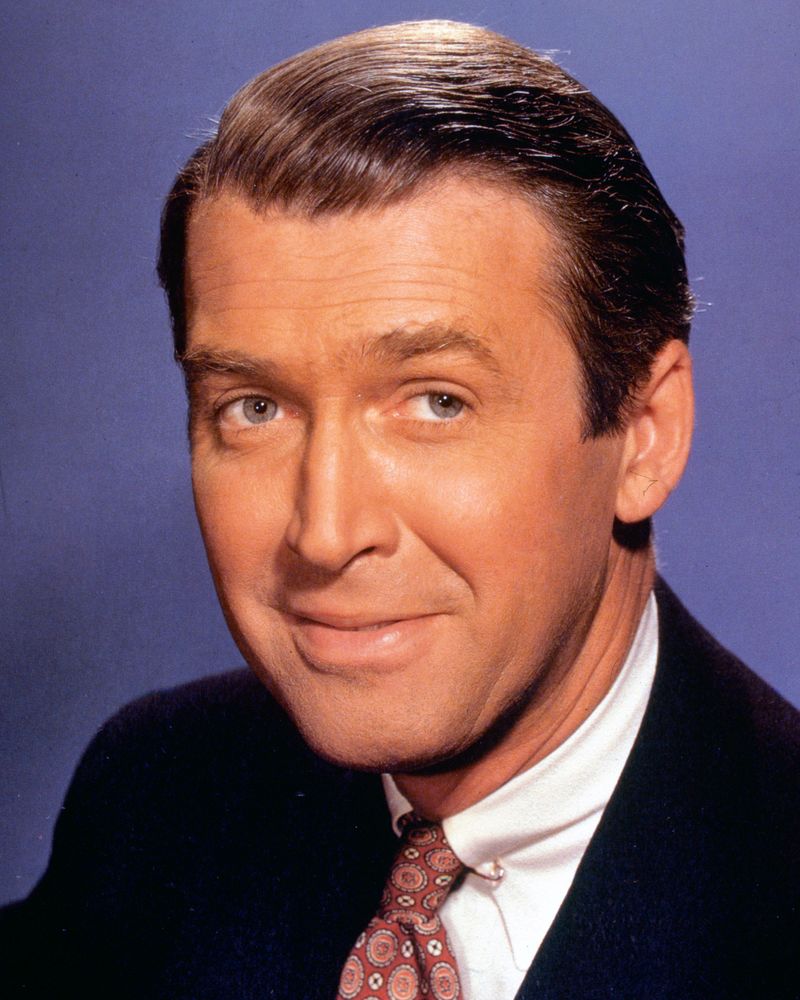
Standing over six feet tall with an aw-shucks demeanor, Stewart represented the boy next door who happened to be devastatingly handsome.
His stammering speech pattern became endearing rather than awkward, making him relatable yet aspirational.
“It’s a Wonderful Life” showcased his ability to convey deep emotion through those expressive eyes.
Directors discovered that Stewart’s wholesome image could carry heavy dramatic weight without losing audience sympathy.
War hero turned actor, his real-life courage added authenticity to his screen presence.
Stewart proved nice guys don’t finish last when they possess genuine warmth.
3. Clark Gable
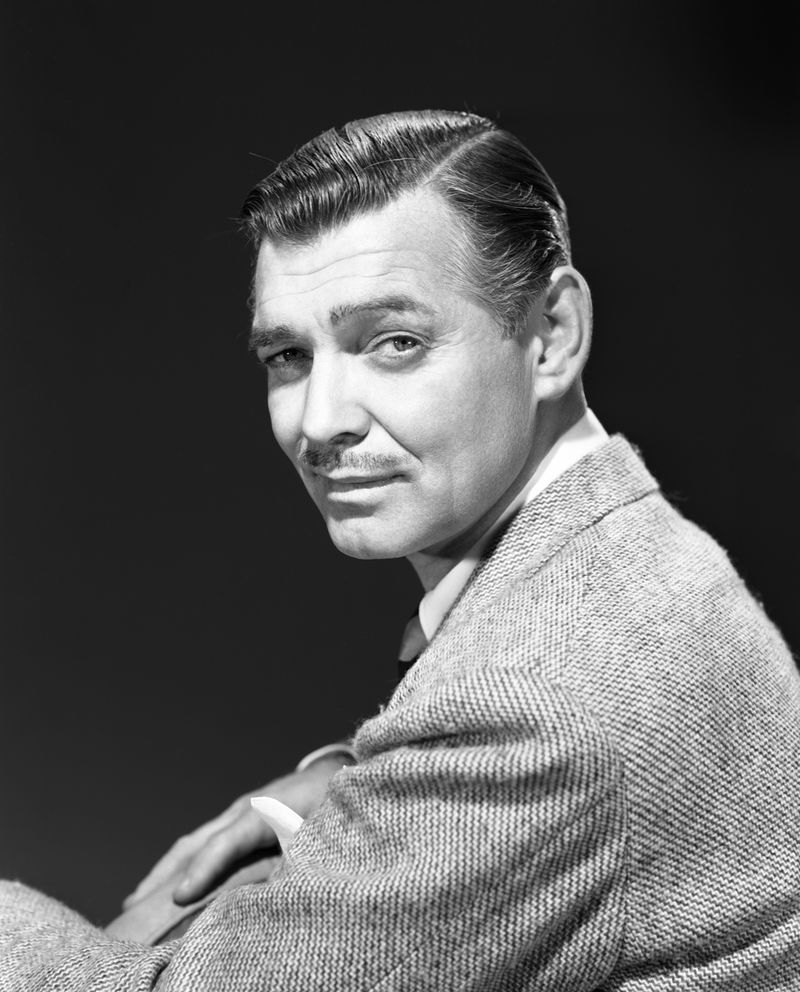
That mustache became as famous as the man himself.
Gable’s rugged masculinity in “Gone with the Wind” created the template for leading men everywhere, combining strength with undeniable charm.
His confidence wasn’t just acting—it radiated from every scene.
Women adored him while men wanted to be him, a rare combination that earned him the title “King of Hollywood.”
Even President Franklin Roosevelt once joked about Gable’s influence on American morale.
His effortless swagger and deep voice made him unforgettable, proving that real masculinity doesn’t need to shout.
4. Tyrone Power
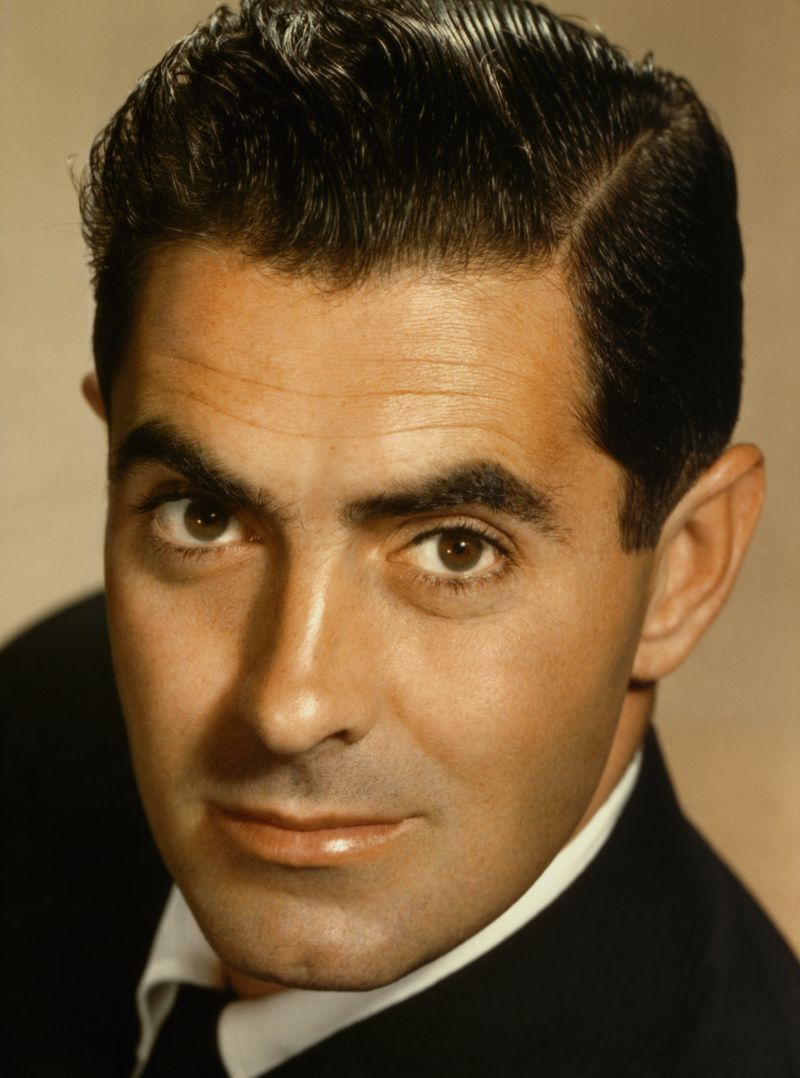
Cameras loved Power’s face from every angle.
His almost perfect features made him the most photographed actor of the 1930s and 40s, gracing magazine covers and movie posters worldwide.
“The Mark of Zorro” highlighted his athletic abilities alongside his stunning looks.
Power could fence, ride horses, and deliver lines with equal skill, making him the complete package.
Studio executives called him their most valuable asset, and box office numbers proved them right.
His tragic early death at 44 robbed Hollywood of one of its most beautiful stars.
5. Cary Grant
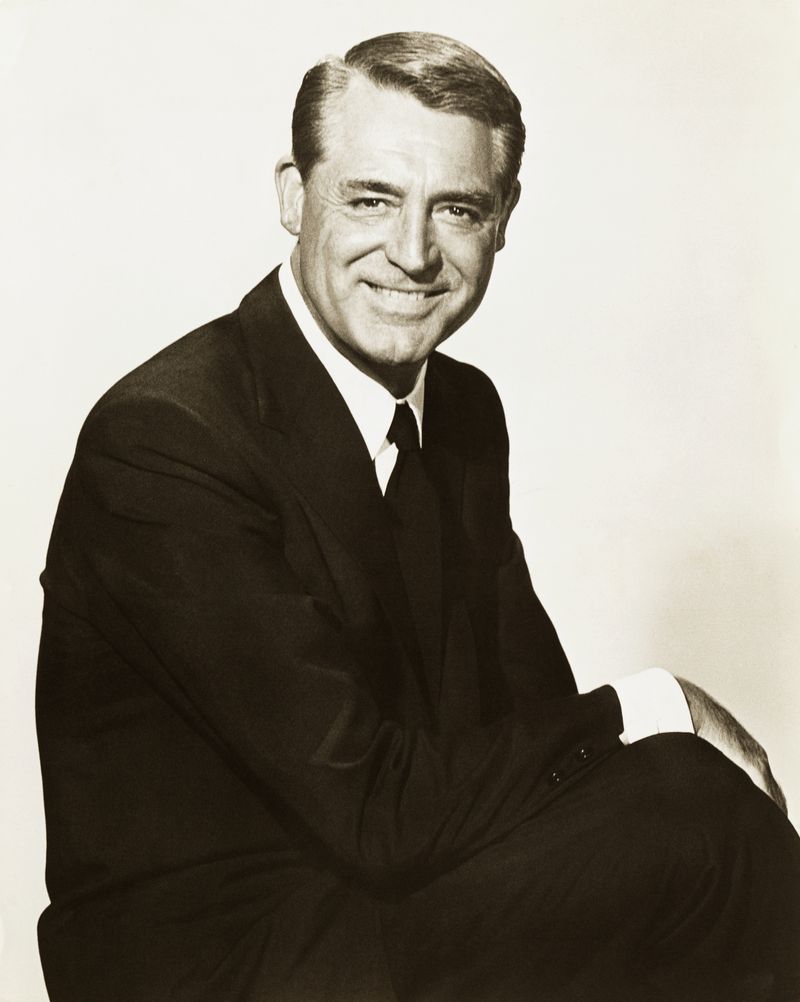
Nobody wore a tuxedo quite like Grant.
His British accent and impeccable timing made romantic comedies feel like masterclasses in charm, setting standards that modern actors still chase.
Directors loved him because he made difficult scenes look easy.
“North by Northwest” and “Charade” showcased not just his looks but his ability to blend humor with romance seamlessly.
Even into his fifties, Grant remained Hollywood’s most eligible bachelor.
His secret?
Understanding that true sophistication comes from making others feel comfortable, not from showing off.
6. Errol Flynn
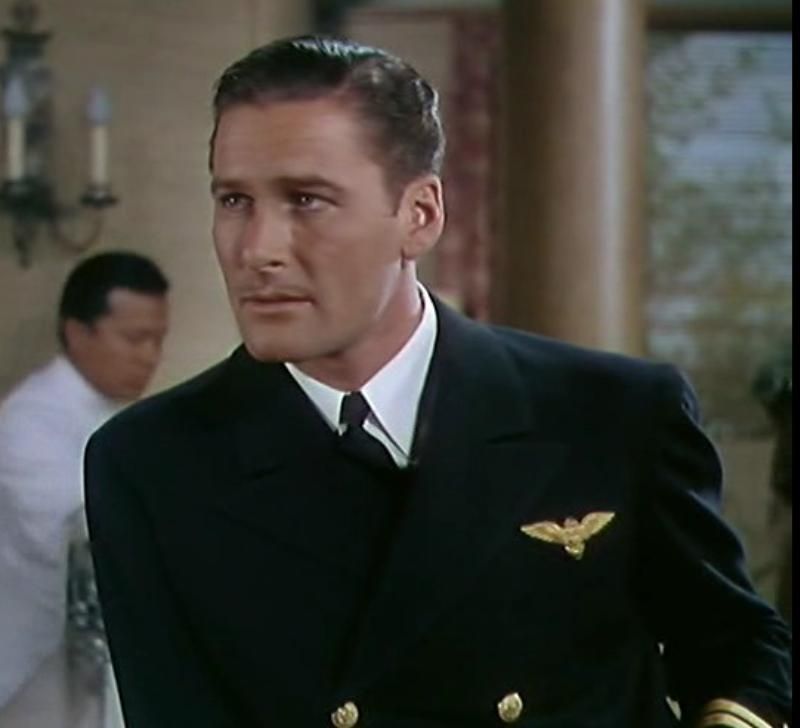
Flynn’s devil-may-care grin suggested he was always up to something exciting.
His athletic prowess in adventure films like “The Adventures of Robin Hood” made action sequences look like graceful dances rather than stunts.
Off-screen stories matched his on-screen persona, creating a larger-than-life reputation.
Women appreciated his roguish charm while men admired his fearless approach to life and filmmaking.
His Australian accent added exotic appeal to Hollywood’s leading men roster.
Flynn taught audiences that confidence combined with physical grace creates an irresistible combination that transcends simple good looks.
7. Humphrey Bogart
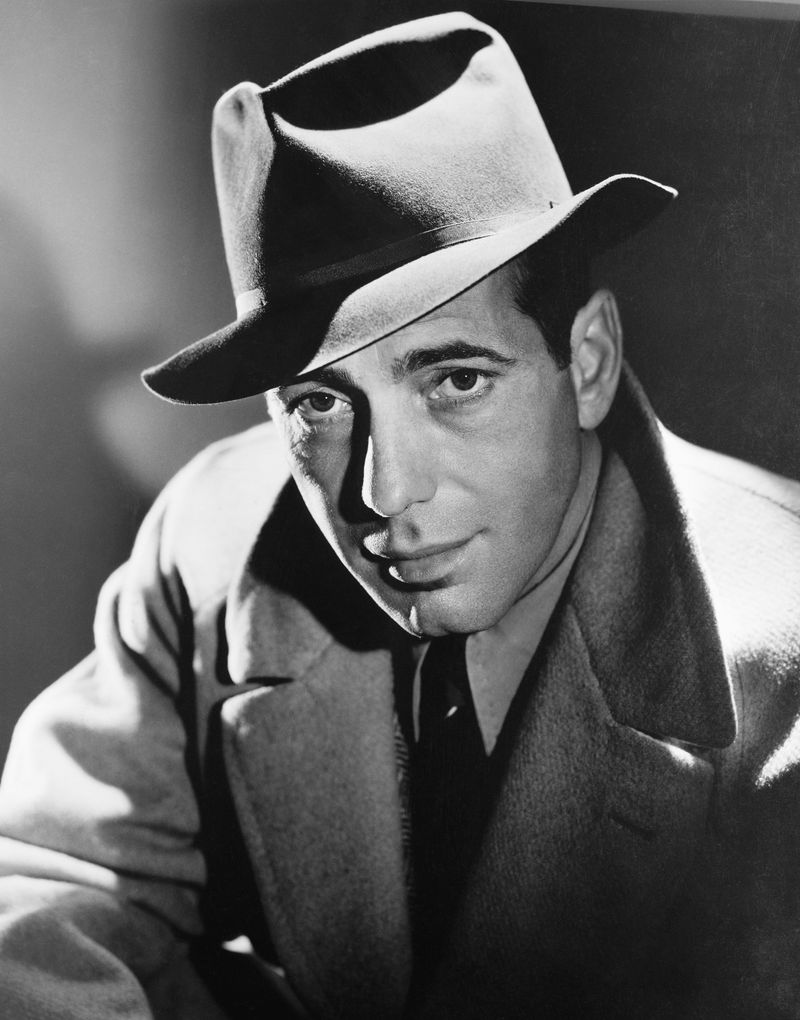
Bogart wasn’t classically handsome, and that’s exactly what made him irresistible.
His weathered face told stories before he spoke a word, creating a tough-guy image with surprising emotional depth underneath.
“Casablanca” turned his understated style into legend.
While other actors projected, Bogart pulled you in, making audiences lean forward to catch every subtle expression.
His relationship with Lauren Bacall proved that chemistry beats perfection every time.
Bogart showed that real attractiveness comes from authenticity, not from trying too hard to impress anyone.
8. Gregory Peck
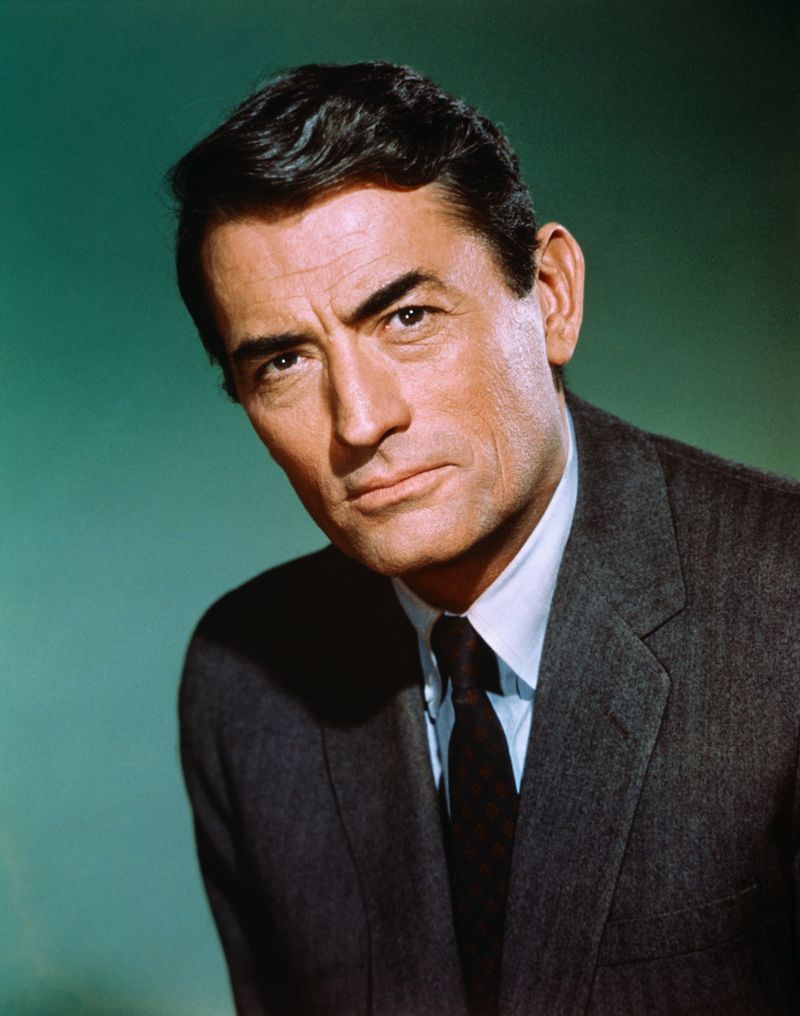
Peck’s towering presence commanded respect before he spoke.
His deep, resonant voice and calm demeanor made him perfect for playing heroes with unshakeable moral compasses in films like “To Kill a Mockingbird.”
Unlike flashier contemporaries, Peck’s appeal came from quiet strength.
His dignified approach to acting created characters audiences trusted implicitly, making him Hollywood’s conscience throughout the 1950s and 60s.
Directors valued his professionalism as much as his looks.
Peck demonstrated that true handsomeness includes character, integrity, and the ability to make others feel safe and inspired.
9. Marlon Brando
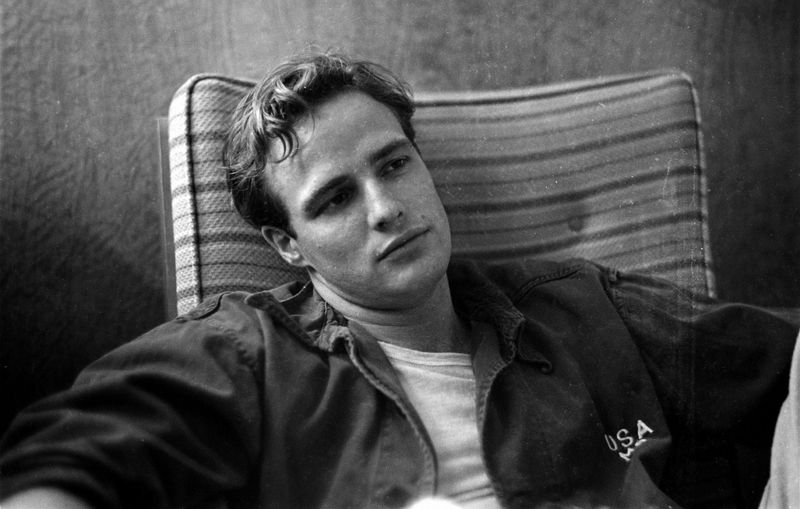
Brando shattered Hollywood’s polished image with raw, animalistic magnetism.
“A Streetcar Named Desire” introduced audiences to a new kind of male beauty—sweaty, emotional, and dangerously unpredictable.
His method acting brought psychological realism to the screen.
Women responded to his vulnerability hidden beneath masculine bravado, while his physicality redefined what leading men could look like.
“The Godfather” proved his enduring appeal across decades.
Brando showed that true attractiveness comes from fearless authenticity, changing Hollywood forever by refusing to play by old rules about male beauty.
10. Paul Newman
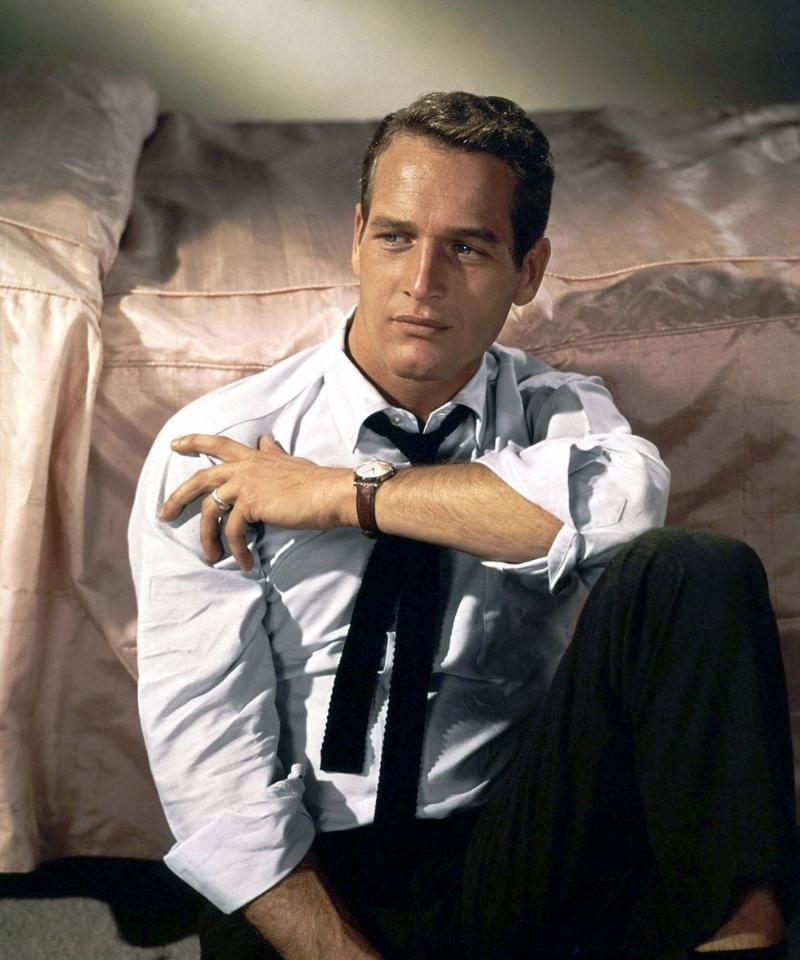
Those blue eyes could stop traffic and frequently did.
Newman’s gaze had an almost hypnotic quality that cameras captured perfectly, making him one of cinema’s most photographed faces throughout the 1960s and 70s.
“Butch Cassidy and the Sundance Kid” proved he could blend humor with heroism effortlessly.
His natural charisma never felt forced, making him equally convincing as a romantic lead or an antihero.
Off-screen, his racing hobby and philanthropy added depth to his appeal.
Newman showed that handsomeness ages gracefully when backed by substance, character, and genuine passion for life.
11. James Dean
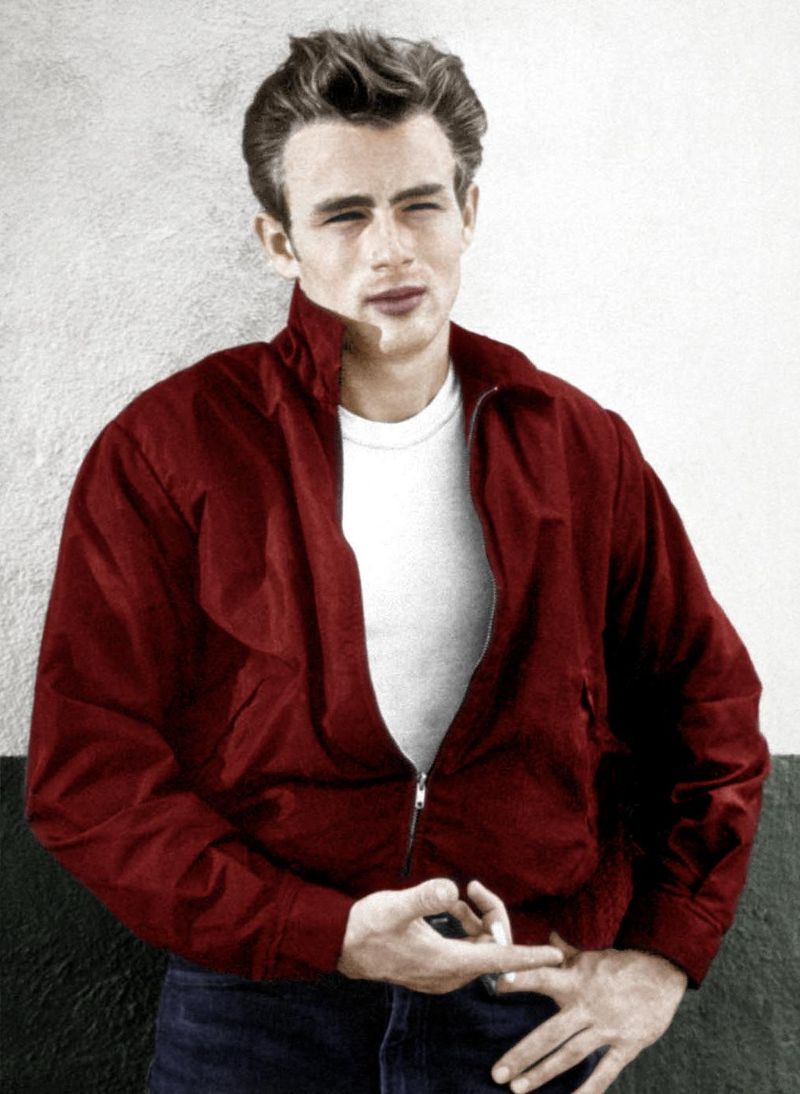
Dean lived fast and died young, creating a legend in just three films.
His tousled hair and tortured expressions in “Rebel Without a Cause” captured teenage angst perfectly, making him an eternal symbol of youthful rebellion.
That red jacket became as iconic as the man wearing it.
Dean’s ability to channel confusion and passion simultaneously resonated with audiences tired of Hollywood’s polished perfection.
His death at 24 froze him in time as forever young.
Dean demonstrated that vulnerability isn’t weakness—it’s magnetic, especially when combined with defiant independence and smoldering intensity.
12. Montgomery Clift
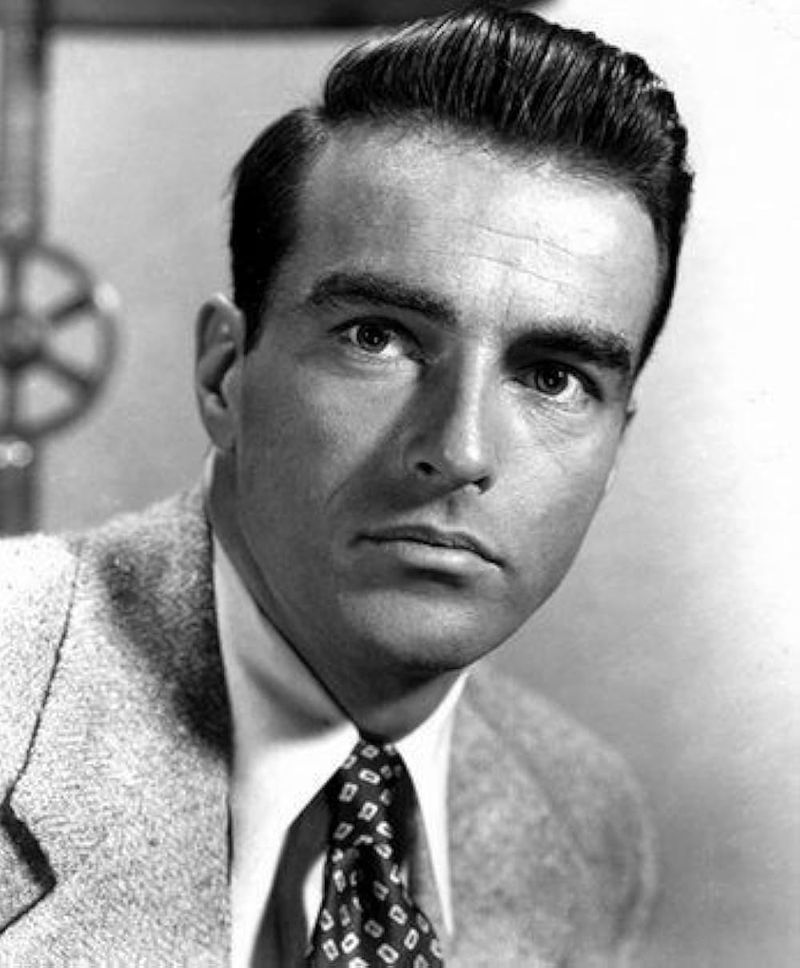
Clift’s beauty felt almost fragile, like porcelain that might crack.
His delicate features and wounded eyes suggested depths of emotion that traditional tough guys couldn’t access, creating a new template for sensitive leading men.
“A Place in the Sun” showcased his ability to convey internal turmoil wordlessly.
Directors discovered that Clift’s vulnerability on screen made audiences protective and deeply invested in his characters’ fates.
His personal struggles added tragic dimension to his appeal.
Clift proved that masculine beauty could include softness, opening doors for generations of actors who didn’t fit conventional molds.
13. Tony Curtis
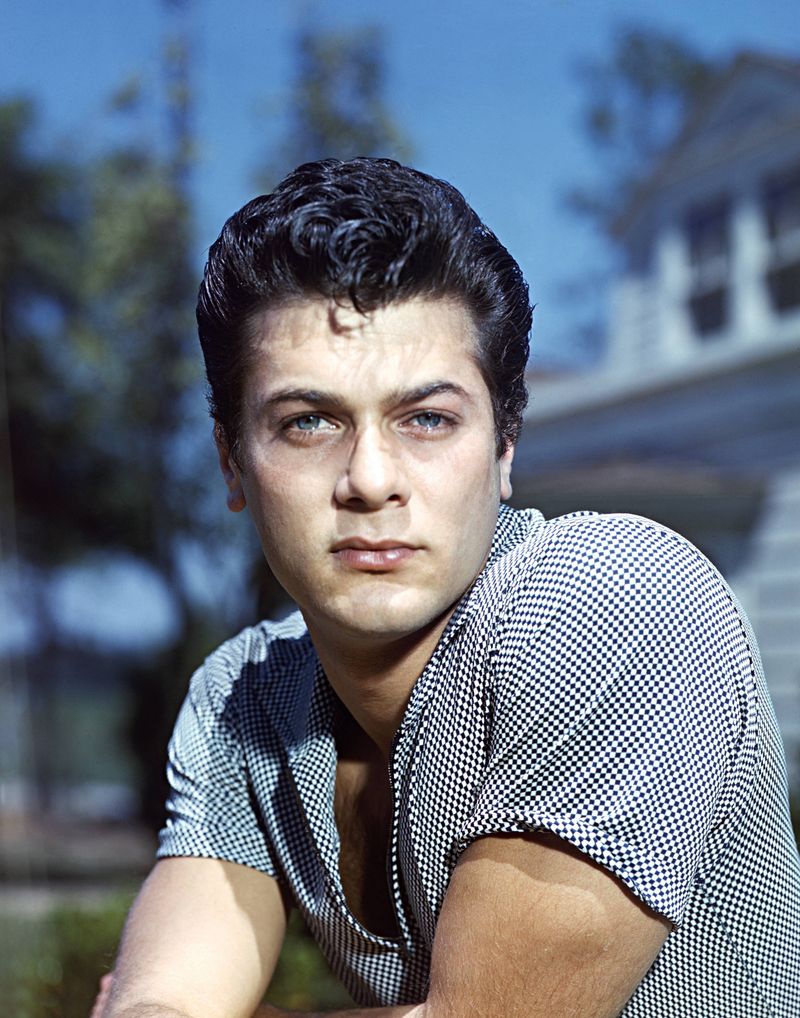
Curtis’s smile could light up entire soundstages.
His Bronx-born charm translated surprisingly well to Hollywood glamour, creating a unique blend of street-smart energy and polished leading-man appeal.
“Some Like It Hot” proved his comedic timing matched his looks.
Curtis fearlessly took risks with roles, showing versatility that kept him relevant across multiple decades of changing audience tastes.
His dark good looks offered contrast to blonde leading men dominating the era.
Curtis demonstrated that handsomeness comes in many forms, and confidence makes any look work on screen beautifully.
14. Kirk Douglas
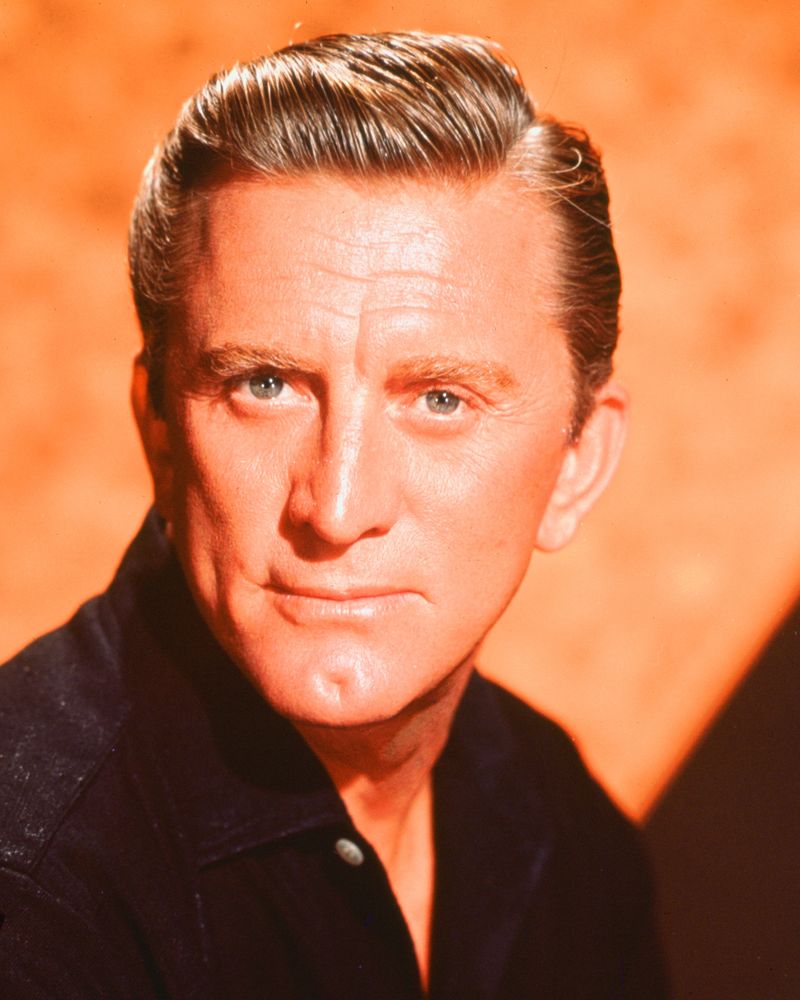
That dimpled chin became Douglas’s trademark, instantly recognizable worldwide.
His intensity on screen suggested barely contained power, making him perfect for playing gladiators, cowboys, and complex antiheroes throughout his long career.
“Spartacus” showcased both his physical prowess and emotional depth.
Douglas never played safe, choosing challenging roles that let him explore darker aspects of masculinity while maintaining his leading-man status.
His commitment to serious filmmaking earned respect beyond his looks.
Douglas proved that handsome actors could also be taken seriously as artists, paving the way for future generations.
15. Steve McQueen
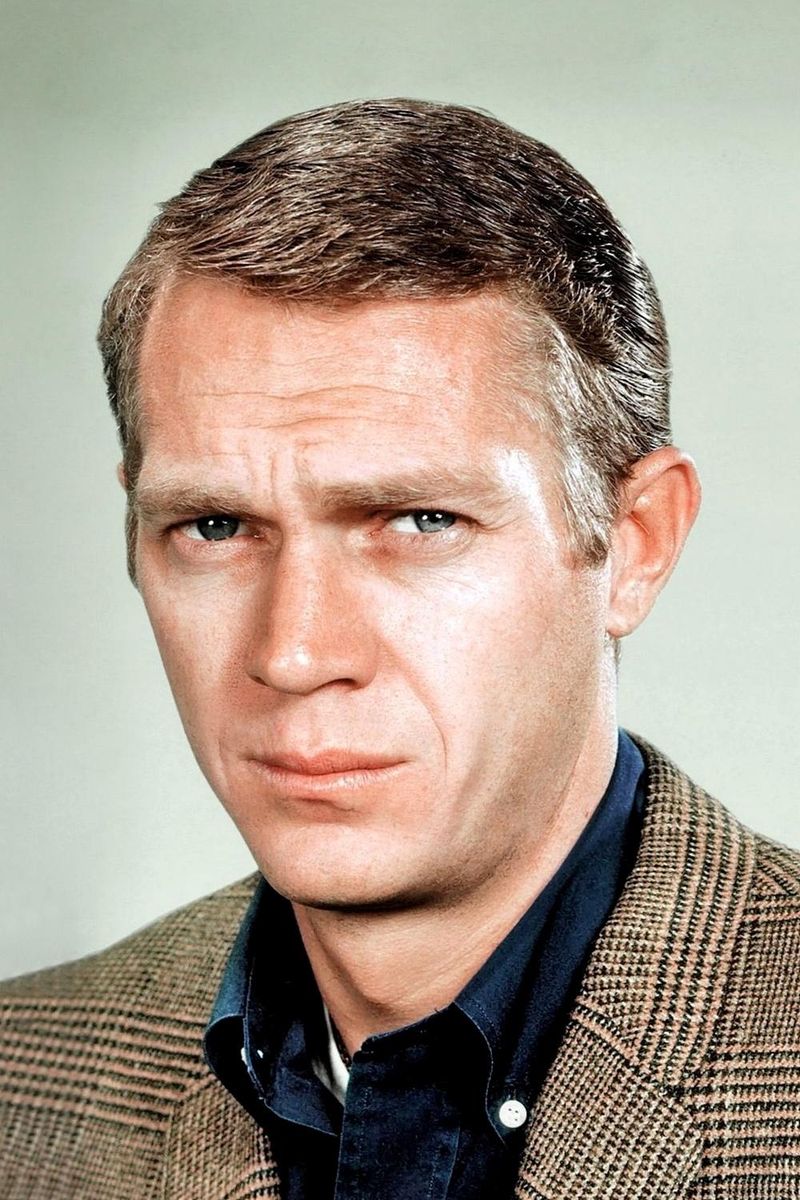
McQueen didn’t act cool—he simply was cool.
His minimalist approach to performance let his natural magnetism fill the screen, whether racing motorcycles in “The Great Escape” or driving through San Francisco in “Bullitt.”
Directors learned to let the camera linger on his face.
McQueen’s ability to convey confidence without dialogue made him perfect for action roles that required physical presence over verbal exposition.
His real-life passion for racing added authentic edge to his tough-guy image.
McQueen proved that less is more, becoming an icon by never trying too hard to impress anyone.
16. Rock Hudson
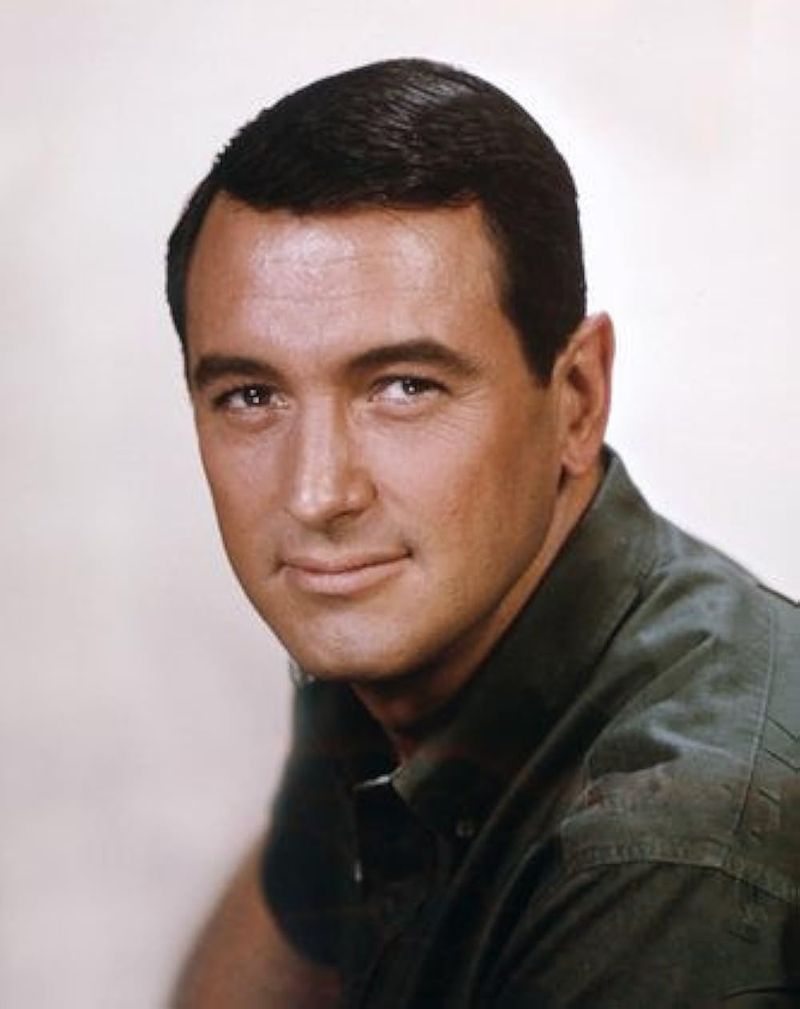
Hudson’s six-foot-four frame and broad shoulders made him Hollywood’s physical ideal.
His warm smile and gentle manner in romantic comedies with Doris Day created a template for leading men that studios tried replicating for decades.
“Giant” showcased his dramatic range beyond romantic roles.
Hudson proved that classic good looks could carry serious material, earning critical acclaim alongside his box office success.
His all-American appeal made him one of the industry’s most bankable stars.
Hudson demonstrated that traditional masculine beauty combined with genuine kindness creates an enduring appeal that transcends changing trends.
17. Sean Connery
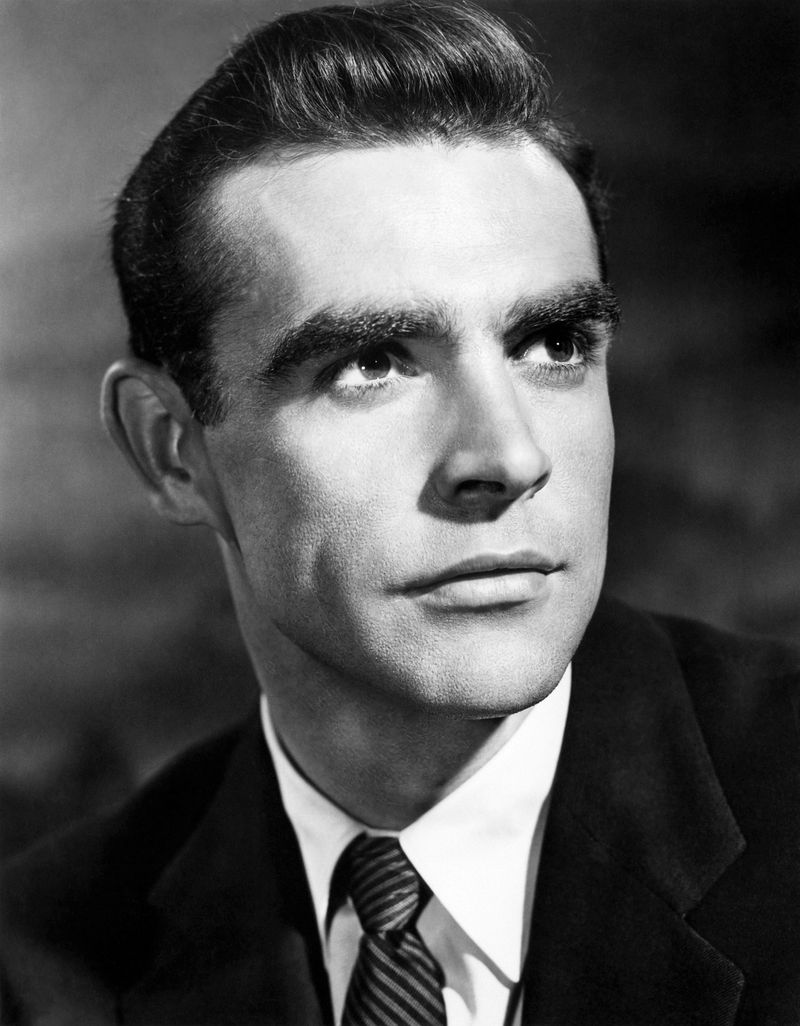
Connery’s Scottish accent added unexpected sophistication to James Bond.
His commanding presence transformed Ian Fleming’s character from page to screen, creating the ultimate template for suave leading men that continues influencing actors today.
“Dr. No” introduced audiences to a new kind of hero—dangerous yet charming.
Connery’s physicality combined with sharp wit made him believable as both action star and romantic lead simultaneously.
His career longevity proved his appeal transcended youth.
Connery demonstrated that true handsomeness matures like fine wine, becoming more distinguished and attractive with age rather than fading away.
Comments
Loading…