
 Isabel Parker
10 Small Lies That Slowly Ruin Long-Term Relationships
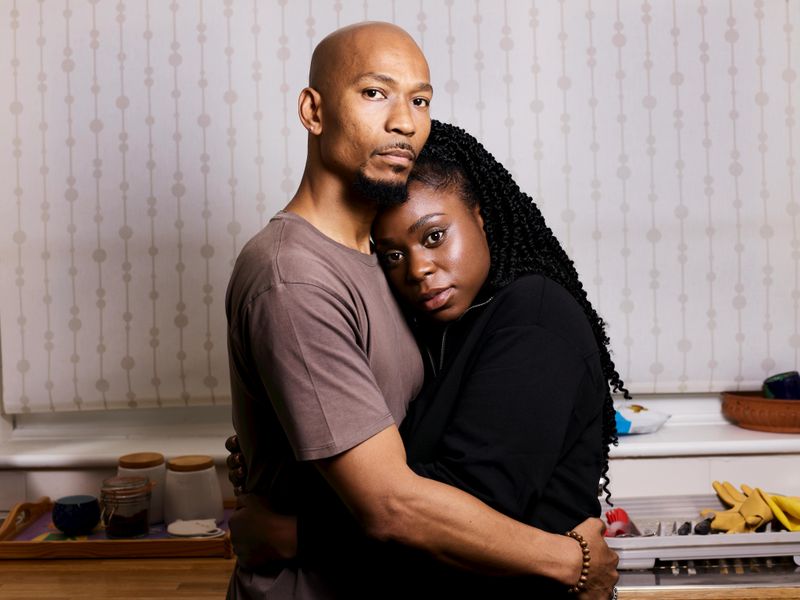
Every relationship has its ups and downs, but some of the biggest problems start with the smallest lies.
You might think little fibs protect your partner or keep the peace, but over time they build walls instead of bridges.
When you hide your true feelings or brush off honest conversations, trust begins to crack and connection fades away.
1. “I’m Fine”

Saying you’re fine when you’re really not might seem like the easiest way to avoid an argument.
But this tiny phrase acts like a locked door between you and your partner.
Real problems need real conversations to get solved.
When you shut down communication with “I’m fine,” your partner can’t help fix what’s wrong.
They might sense something’s off but feel helpless to reach you. Resentment grows in the silence.
Over months and years, this pattern teaches both people to stop trying.
Issues pile up like dirty laundry nobody wants to touch.
Eventually, the distance becomes so normal that neither person remembers how to be truly close anymore.
2. “That Doesn’t Bother Me”

Pretending something doesn’t bug you when it actually drives you crazy is like swallowing poison and hoping the other person gets sick.
You think you’re being the bigger person, keeping the peace and avoiding drama.
But inside, a little voice keeps count of every time you bite your tongue.
Your partner never gets the chance to change their behavior because they don’t know it hurts you.
They keep doing the same thing, totally unaware.
Meanwhile, your patience wears thinner each day.
Before long, tiny annoyances turn into massive frustrations.
One day you explode over something small, and your partner feels blindsided.
They had no idea you were keeping score all along.
3. “I’m Not Mad”

Denying anger while your body language screams the opposite confuses everyone involved.
Your partner knows something’s wrong but you won’t admit it, creating a weird guessing game nobody wins.
This disconnect between your words and actions makes honest communication impossible.
Instead of dealing with anger directly, it leaks out in sarcastic comments, eye rolls, or the silent treatment.
These passive behaviors hurt more than a straight conversation ever would.
Your partner feels punished but doesn’t know exactly why.
Emotional distance grows when anger goes underground.
Trust erodes because your partner can’t rely on your words matching your feelings.
The relationship becomes exhausting as both people walk on eggshells around unspoken tension.
4. “I Didn’t See Your Text”

Everyone misses a text sometimes, but using this excuse repeatedly becomes a pattern your partner will notice.
Modern phones make it pretty obvious when messages are read or ignored.
This little lie chips away at your reputation as someone reliable and trustworthy.
Your partner starts wondering what else you might be avoiding or hiding.
If you can’t be honest about something as simple as seeing a message, what bigger things might you lie about?
Doubt creeps into places it never existed before.
Relationships need both people to show up consistently.
When your partner can’t count on you to respond, they feel less important in your life.
That feeling of being deprioritized hurts deeply and creates emotional distance over time.
5. “I’m Just Tired”

Sometimes you really are just tired from a long day.
But when “I’m tired” becomes your go-to excuse for dodging meaningful conversations, it stops being about sleep.
Your partner wants to connect, share their day, or discuss something important, and you shut them down with this phrase.
Deep conversations and emotional intimacy require energy, sure, but they also feed relationships like oxygen feeds fire.
Without them, the spark dies. Your partner begins to feel like a roommate instead of a lover and best friend.
Using tiredness as a shield teaches your partner to stop reaching out.
They learn their needs aren’t priorities.
Eventually, they might stop trying altogether, and you’ll both wonder why you feel so disconnected and alone together.
6. “I Don’t Care Where We Go”

Being flexible sounds nice in theory, but constant indifference feels like emotional absence.
When you always say you don’t care about plans, restaurants, or activities, your partner ends up doing all the mental work.
They carry the entire burden of decision-making while you coast along.
Your partner might initially appreciate your easygoing nature.
But after the hundredth time hearing “I don’t care,” they start feeling like you’re checked out of the relationship.
Participation matters, even in small choices.
Engagement shows investment.
When you genuinely share preferences and opinions, your partner feels like you’re building a life together.
Constant indifference makes them feel like they’re dragging you along, which is lonely and exhausting for everyone involved.
7. “I’m Not Jealous”

Jealousy is a totally normal human emotion that everyone feels sometimes.
Denying it doesn’t make it disappear—it just pushes it underground where it grows bigger and weirder.
When you pretend jealousy doesn’t exist, you miss the chance to understand what triggers it and work through those feelings together.
Unacknowledged jealousy comes out sideways through suspicious questions, checking phones, or making cutting remarks about people your partner knows.
These behaviors damage trust far more than honest conversations about insecurity ever would.
Your partner feels accused but doesn’t understand why.
Addressing jealousy openly actually strengthens relationships.
It gives your partner the chance to reassure you and helps you both set boundaries that work.
Hiding it creates secret resentments that poison everything over time.
8. “I Didn’t Mean It Like That”

Words have power, and sometimes they hurt even when you didn’t plan it that way.
But automatically deflecting with “I didn’t mean it like that” skips over the most important part—acknowledging your partner’s pain.
Impact matters more than intent when someone you love feels wounded by your words.
This phrase makes your partner feel like their hurt feelings are wrong or exaggerated.
Instead of receiving an apology, they get a defense.
That leaves them feeling unheard and invalidated, which damages emotional safety in the relationship.
Taking responsibility doesn’t mean you’re a bad person.
It means you care more about your partner’s experience than protecting your ego.
A simple “I’m sorry I hurt you” opens doors that excuses slam shut.
9. “I’m Over It”
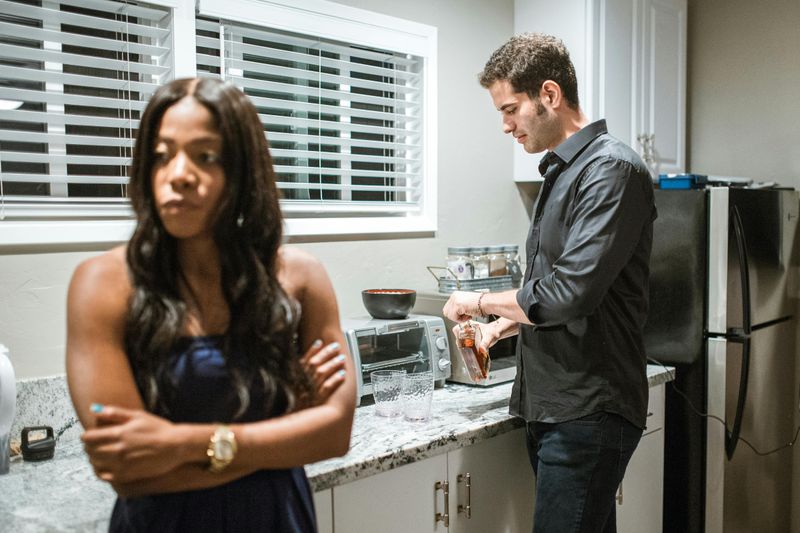
Declaring yourself over something doesn’t automatically heal the emotional wound underneath.
Real healing takes time, honest conversations, and sometimes uncomfortable feelings you have to sit with.
When you rush to say “I’m over it,” you might be protecting yourself from vulnerability rather than actually moving forward.
Your partner might sense that things aren’t really resolved but feel confused about how to address it.
The topic becomes off-limits because you’ve declared it closed.
Meanwhile, the hurt quietly influences how you interact, creating invisible barriers.
Genuine closure happens through processing emotions, not just deciding you’re done with them.
Being honest about where you are in the healing process—even if it’s messy—builds deeper trust than pretending everything’s fine when it’s not.
10. “That Didn’t Hurt My Feelings”
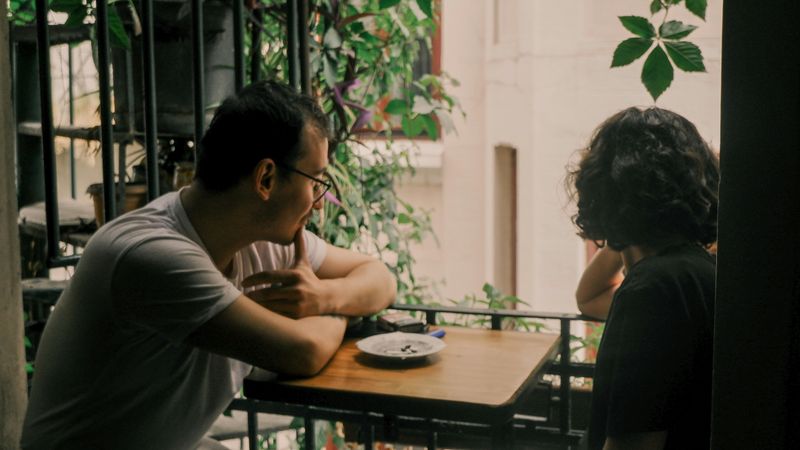
Protecting the moment by hiding hurt feelings might prevent immediate awkwardness, but it creates long-term problems for emotional honesty.
When you consistently deny feeling hurt, you train yourself to disconnect from your emotions.
You also train your partner that they don’t need to consider your feelings carefully.
Your partner might keep doing things that bother you simply because you never speak up.
They can’t read your mind, so your silence gives them permission to continue.
Resentment builds as you keep score of injuries they don’t even know they’re causing.
Vulnerability is scary but necessary for deep connection.
Admitting when something hurts allows your partner to understand you better and adjust their behavior.
It also models emotional honesty that encourages them to share their own feelings, creating a cycle of openness instead of hiding.
Comments
Loading…