
 Hailey Watson
12 Influential Movies That Somehow Never Won Best Picture
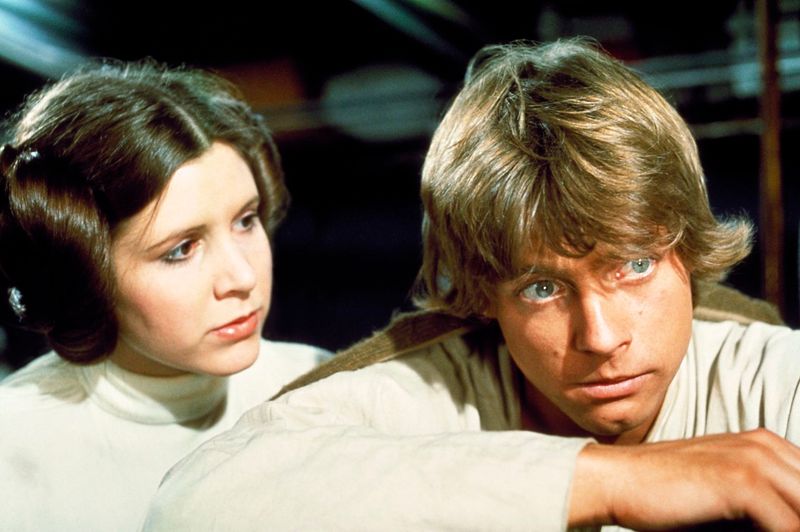
The Academy Awards have crowned many great films over the years, but some of the most important movies in cinema history walked away empty-handed.
These groundbreaking pictures changed how filmmakers tell stories, use special effects, and connect with audiences worldwide.
While they may have missed out on the top Oscar prize, their influence on modern moviemaking is undeniable and continues to inspire new generations of directors and fans alike.
1. Citizen Kane (1941)
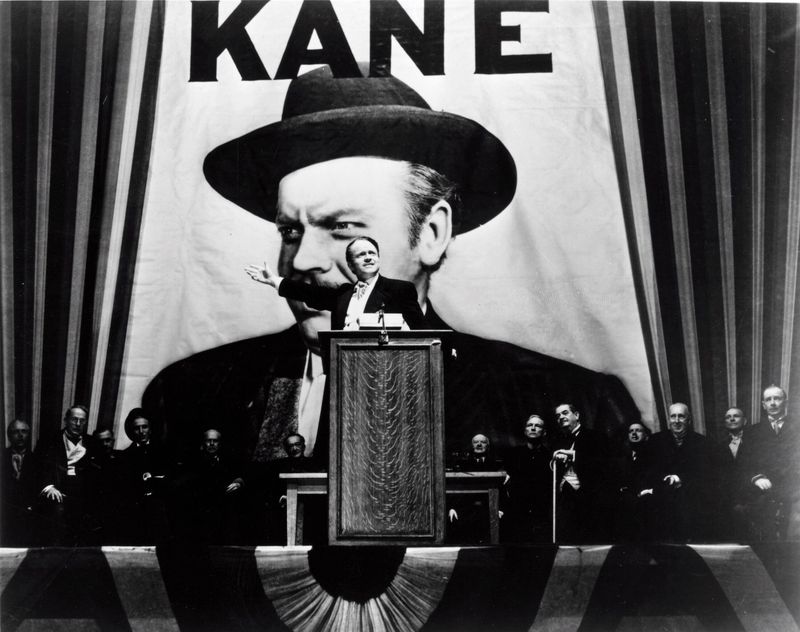
Orson Welles was just 25 when he created this masterpiece that film schools still study today.
His innovative camera angles, deep-focus shots, and fragmented timeline storytelling were revolutionary techniques that nobody had seen before.
The movie follows a newspaper tycoon’s rise and fall through flashbacks, piecing together his mysterious final word.
Critics initially praised it, but it lost Best Picture to a forgettable drama.
What makes it truly special is how Welles broke every filmmaking rule of his era.
He pointed cameras at ceilings, filmed actors from floor level, and kept everything in sharp focus simultaneously, techniques that became standard practice for directors everywhere.
2. 2001: A Space Odyssey (1968)
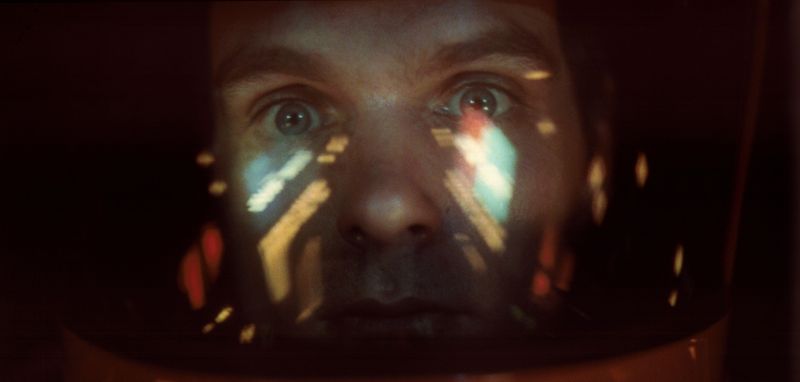
Stanley Kubrick’s sci-fi epic remains visually stunning more than fifty years after its release.
Before this film, space movies featured cheesy rubber aliens and cardboard rockets that wobbled on strings.
Kubrick partnered with author Arthur C. Clarke to create something scientifically accurate and philosophically deep.
The HAL 9000 computer became cinema’s most chilling artificial intelligence, sparking conversations about technology that feel even more relevant today.
Its slow, meditative pace confused many viewers initially, but the groundbreaking special effects earned technical Oscars.
The film lost Best Picture to a musical, yet its influence on every serious science fiction movie since cannot be overstated.
3. Pulp Fiction (1994)
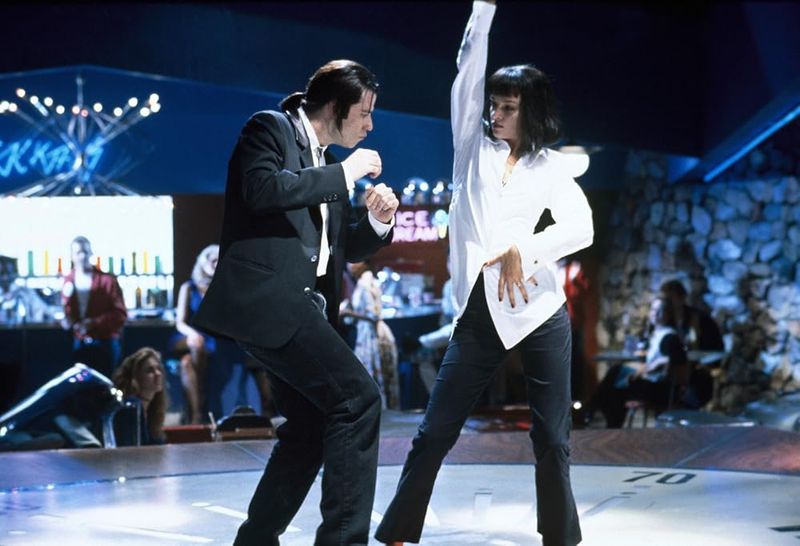
Turning Hollywood upside down, Quentin Tarantino delivered a wild crime anthology told completely out of order.
Watching events unfold backward and sideways created a puzzle-box experience that audiences had never encountered in mainstream cinema.
The dialogue crackles with pop culture references, dark humor, and conversations about cheeseburgers that somehow feel as important as the violence.
Tarantino resurrected John Travolta’s career and made Samuel L. Jackson a superstar.
Independent filmmakers everywhere suddenly realized they could make unconventional movies and still find huge audiences.
Despite winning for Best Original Screenplay, it lost the top prize to Forrest Gump, though film students still quote Pulp Fiction endlessly.
4. Star Wars (1977)
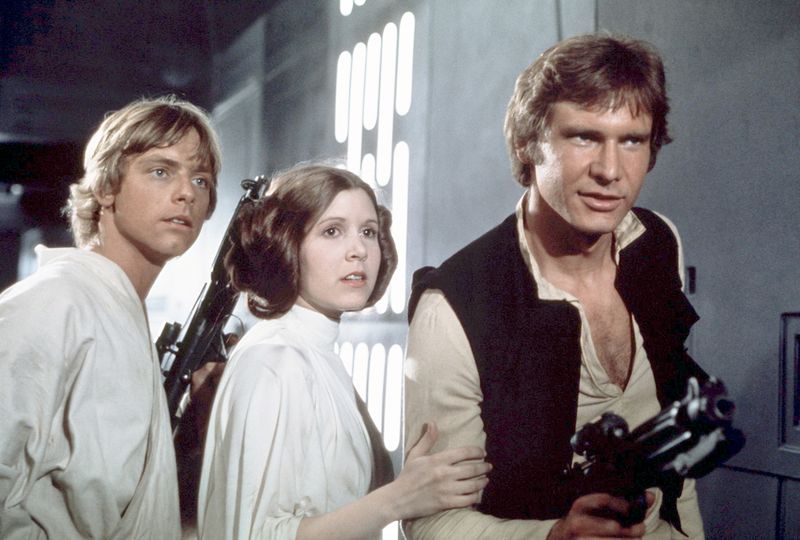
George Lucas created a space fantasy that transformed movies into year-round events rather than seasonal entertainment.
Before Star Wars, studios released films and moved on; afterward, they built universes designed to last decades.
The groundbreaking special effects company Industrial Light & Magic was born from this production.
Miniature models, motion-control cameras, and innovative editing techniques made space battles feel real and thrilling.
Merchandising became a massive industry because kids wanted lightsabers, action figures, and lunch boxes.
The Academy gave it technical awards and nominated it for Best Picture, but Annie Hall won instead, a decision that looks increasingly puzzling as Star Wars continues dominating popular culture.
5. Goodfellas (1990)
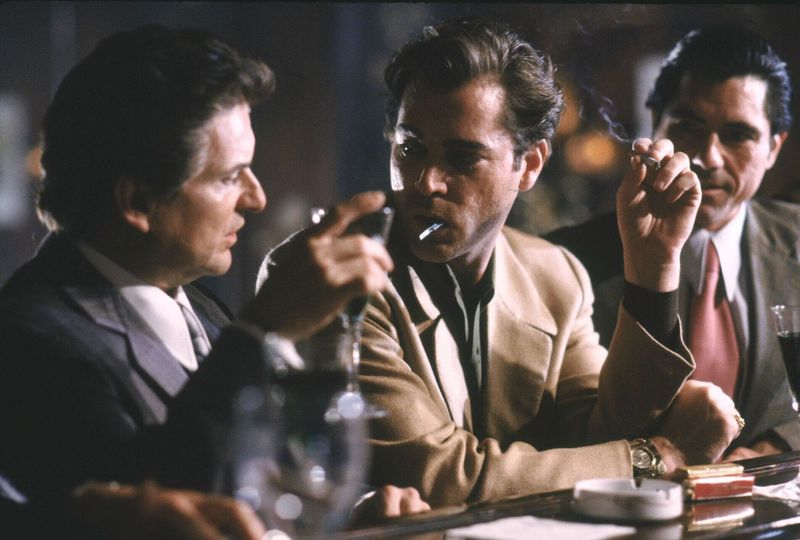
Martin Scorsese stripped away the romanticism from gangster movies and showed the brutal reality underneath.
His kinetic camera movements, freeze frames, and wall-to-wall music created an intoxicating energy that pulls viewers into the criminal lifestyle.
Ray Liotta’s voiceover narration makes you feel like an insider hearing secrets whispered in your ear.
The famous Copacabana tracking shot, following characters through a nightclub in one continuous take, has been imitated countless times.
Joe Pesci’s unpredictable violence won him a Supporting Actor Oscar, but the film lost Best Picture to Dances with Wolves.
Television shows from The Sopranos onward borrowed Goodfellas’ documentary-style realism and morally complicated characters.
6. Apocalypse Now (1979)
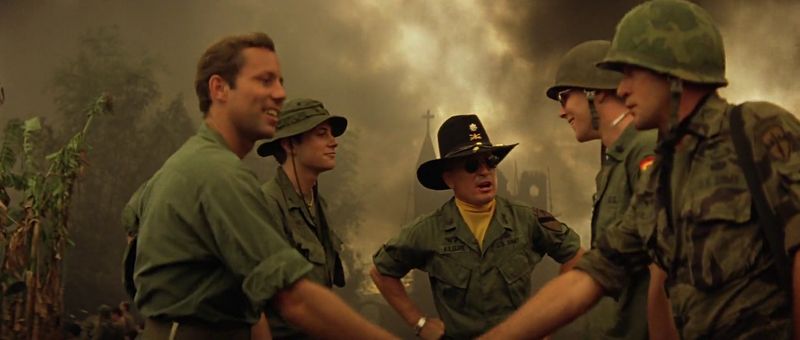
Nearly losing his mind during production, Francis Ford Coppola created a hallucinogenic war epic that cost more and took longer than anyone expected.
Typhoons destroyed sets, lead actor Martin Sheen suffered a heart attack, and the production spiraled into chaos that mirrored the movie’s themes.
Yet that madness resulted in unforgettable imagery: helicopters attacking to Wagner’s music, Marlon Brando emerging from shadows whispering philosophy.
The film doesn’t just show war; it makes you feel its psychological horror.
Coppola released multiple versions over the years, each offering different perspectives on his nightmarish vision.
Despite winning for cinematography and sound, it lost Best Picture to Kramer vs. Kramer, though its cultural impact proved far more lasting.
7. Taxi Driver (1976)
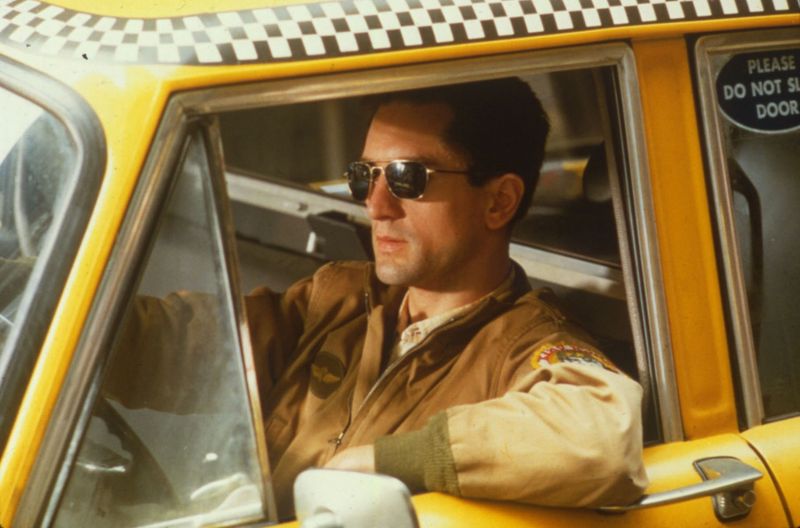
Robert De Niro’s terrifying performance as lonely cab driver Travis Bickle remains one of cinema’s most disturbing character studies.
His descent into violence feels inevitable as he drives through nighttime streets witnessing urban decay and human suffering.
Scorsese’s camera captures 1970s New York as a hellscape of steam vents, flickering lights, and moral corruption.
The famous mirror scene where Travis practices confrontations became instantly iconic and endlessly parodied.
Bernard Herrmann’s haunting jazz score was the legendary composer’s final work before his death.
The movie sparked controversy about violence in cinema and nearly inspired a presidential assassination attempt, proving its uncomfortable power.
It earned four nominations but won nothing, losing Best Picture to Rocky.
8. The Shawshank Redemption (1994)
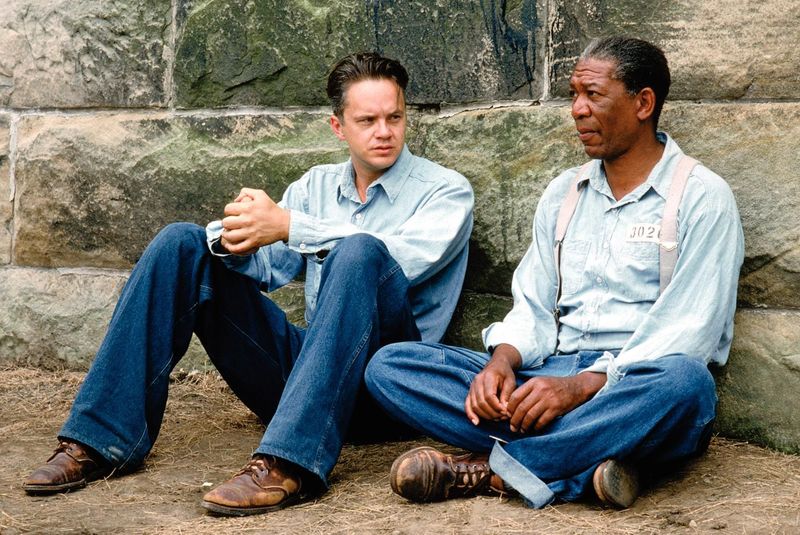
Frank Darabont adapted Stephen King’s novella into a story about friendship and hope that barely made money during its theatrical release.
Critics liked it fine, but audiences stayed away, and it earned seven Oscar nominations without winning any.
Then something magical happened through cable television and home video.
People discovered this quietly powerful film and fell deeply in love with Andy Dufresne’s patient quest for freedom and Red’s journey toward redemption.
Tim Robbins and Morgan Freeman deliver career-defining performances filled with dignity and warmth.
Today it regularly tops lists of favorite movies ever made, proving that immediate success matters less than lasting emotional connection.
Forrest Gump beat it for Best Picture that year.
9. The Social Network (2010)
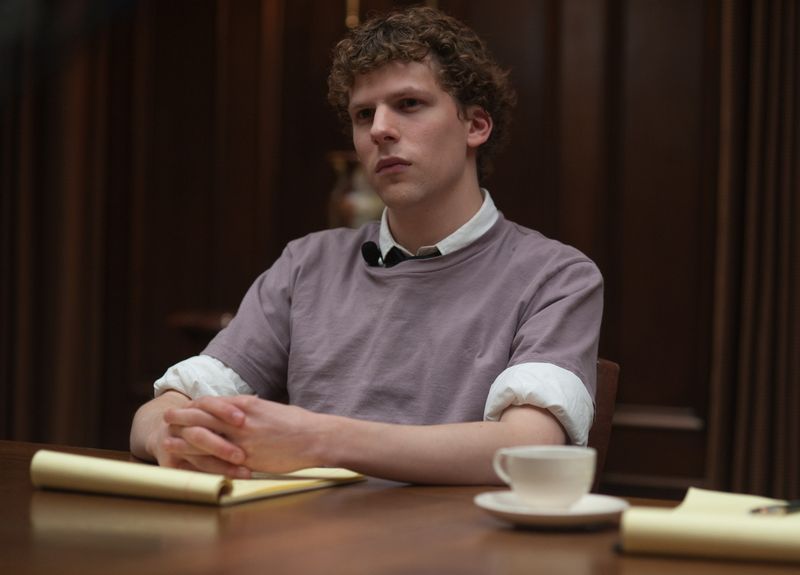
Capturing the ruthless ambition of the digital age, Aaron Sorkin and David Fincher brought the birth of Facebook to life with razor-sharp precision.
Jesse Eisenberg plays Mark Zuckerberg as a brilliant but socially awkward genius whose creation changes the world while destroying friendships.
The script moves at breakneck speed, making computer programming and legal depositions feel as exciting as action sequences.
Trent Reznor’s electronic score perfectly mirrors the cold, algorithmic world being created.
The film arrived just as social media was transforming human interaction, making it feel urgently relevant.
It won three Oscars including Best Adapted Screenplay, but The King’s Speech claimed Best Picture, a safer choice that feels less important with each passing year.
10. E.T. the Extra-Terrestrial (1982)
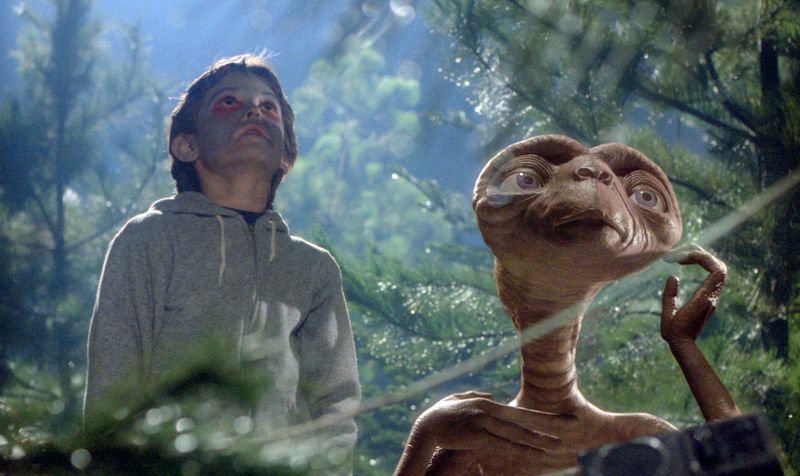
Steven Spielberg proved that blockbuster spectacles could make audiences cry just as easily as they cheered.
His story about a lonely boy befriending a stranded alien became the highest-grossing film of its time through pure emotional power.
John Williams’ soaring musical score elevates every moment, especially when bicycles fly across the moon in cinema’s most magical image.
Spielberg filmed mostly from a child’s eye level, making adult authority figures seem distant and threatening.
The movie works because it treats childhood feelings with complete seriousness and respect.
Kids everywhere understood Elliott’s loneliness and desperate need for connection.
Despite its massive success and nine nominations, it lost Best Picture to Gandhi, though E.T.’s cultural footprint remains equally large.
11. The Wizard of Oz (1939)
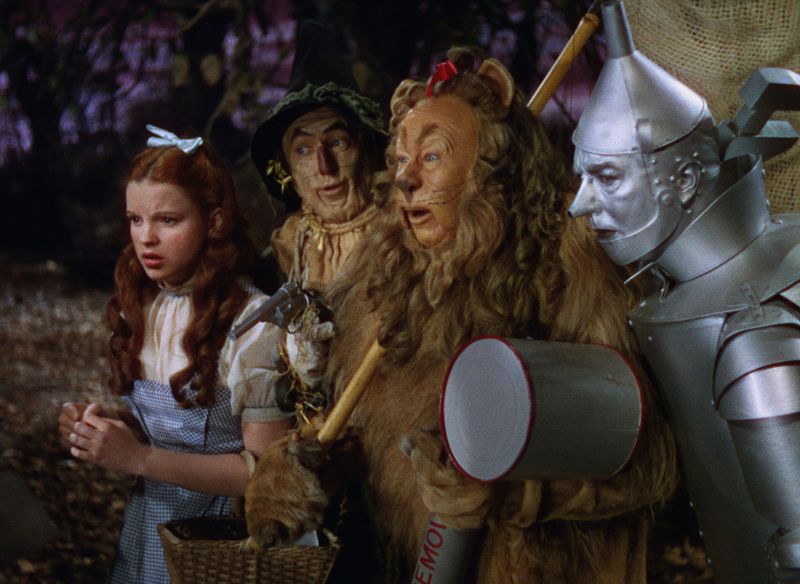
Transporting Depression-era audiences from dusty Kansas to a world of impossible color and imagination, MGM’s Technicolor fantasy became timeless.
The transition from sepia-toned reality to vibrant Oz remains one of cinema’s most effective uses of color technology.
Judy Garland was just sixteen when she sang “Over the Rainbow,” a song that nearly got cut from the final film.
Her yearning performance made the tune an eternal anthem for anyone dreaming of something better.
The movie flopped initially but found immortality through annual television broadcasts that made it a shared cultural experience.
Its influence on fantasy filmmaking, musical storytelling, and pop culture iconography cannot be measured.
It lost Best Picture to Gone with the Wind in Hollywood’s most competitive year ever.
12. Blade Runner (1982)
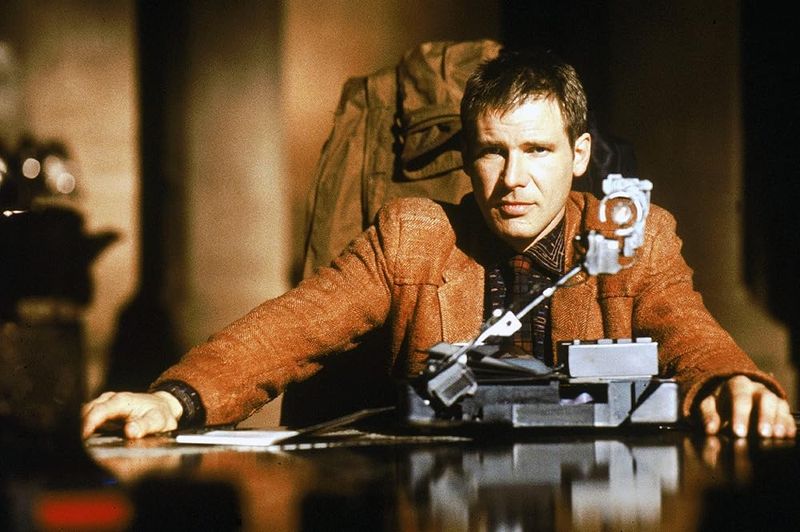
Ridley Scott’s dark vision of 2019 Los Angeles barely found an audience in 1982, yet it completely defined how movies depict the future.
Its rain-soaked streets, towering advertisements, and multicultural chaos inspired every cyberpunk story that followed.
Harrison Ford plays a burnt-out detective hunting artificial humans called replicants who want desperately to live.
The film asks profound questions about what makes us human, questions that feel more urgent as technology advances.
Multiple director’s cuts exist because the studio forced changes that Scott disagreed with for decades.
The visual design, from costumes to architecture, remains stunningly detailed and influential.
Despite its revolutionary aesthetics and philosophical depth, it wasn’t even nominated for Best Picture, an oversight that looks more embarrassing yearly.
Comments
Loading…