
 Isabel Parker
10 Underrated Remakes That Never Got the Credit They Deserved
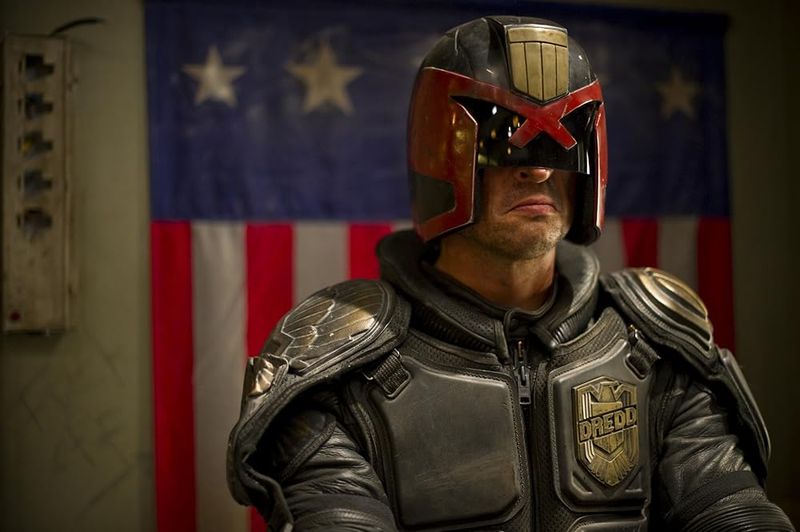
Hollywood loves a good remake, but not all of them get the recognition they deserve.
While some remakes flop or get dismissed as cash grabs, others quietly deliver exceptional storytelling, improved effects, and fresh perspectives that honor their originals.
These 10 films proved that remakes can be more than just retreads—they can be bold reimaginings that stand on their own merit.
1. Dawn of the Dead (2004)
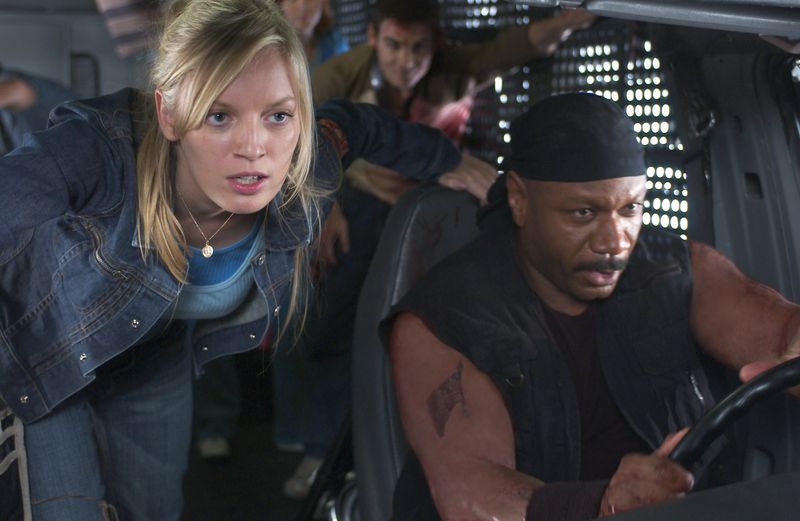
Zack Snyder’s directorial debut took George Romero’s slow-shambling zombies and cranked them into sprinting nightmares.
The shopping mall setting remains, but everything else accelerates into pure adrenaline-fueled terror that never lets up.
What makes this remake special is how it maintains Romero’s sharp social commentary about consumerism while creating its own identity.
The opening sequence alone—showing suburban America collapsing into chaos—remains one of horror’s most devastating moments.
Critics initially compared it unfavorably to the original, but time has been kind to this ferocious update.
It proved remakes could respect their source material while blazing entirely new trails through familiar territory.
2. 3:10 to Yuma (2007)
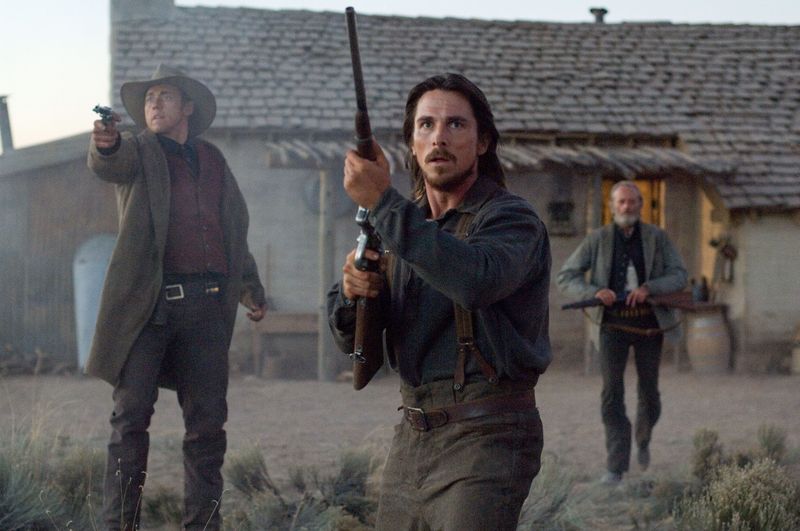
Russell Crowe and Christian Bale bring electric chemistry to this gritty Western that transforms a solid original into something truly memorable.
Their cat-and-mouse dynamic—outlaw versus desperate rancher—crackles with moral ambiguity that keeps you guessing until the final frame.
Director James Mangold strips away romanticism to reveal the West’s brutal reality.
Every gunfight feels consequential, every choice carries weight, and the tension builds like a pressure cooker about to explode.
The remake deepens character motivations beyond simple good-versus-evil.
Both men are flawed, desperate, and surprisingly sympathetic, making their journey to that train something far more complex than typical Western fare.
3. The Crazies (2010)
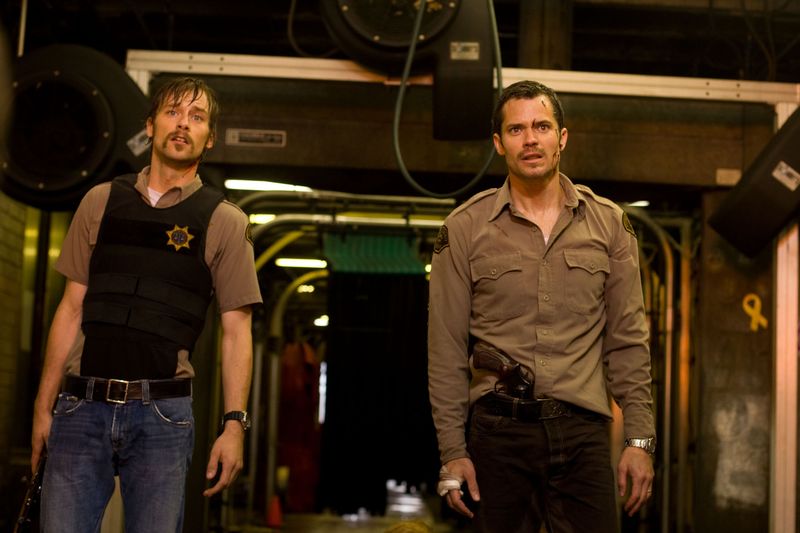
Brec Eisner’s reimagining of Romero’s cult classic trades campy chaos for suffocating paranoia.
When a biological weapon contaminates a small town’s water supply, neighbors become threats and trust evaporates faster than hope.
The remake smartens up the premise considerably.
Instead of random violence, it builds dread through escalating uncertainty—who’s infected, who’s dangerous, and whether escape is even possible anymore.
What surprised audiences most was the genuine character development.
The sheriff and his wife aren’t just running from monsters; they’re fighting to maintain their humanity while everything around them descends into nightmare.
Strong performances elevate familiar horror beats into something genuinely unnerving.
4. Fright Night (2011)

Colin Farrell brings dangerous charisma to this slick update that relocates vampire terror to suburban Las Vegas.
His Jerry Dandridge isn’t the suave seducer from the original—he’s a predator barely containing his hunger beneath a thin veneer of normalcy.
The remake balances genuine scares with self-aware humor that never tips into parody.
It understands what made the original work while updating references and technology for contemporary audiences without feeling forced or pandering.
Director Craig Gillespie crafts stylish set pieces that honor classic vampire lore while embracing modern horror sensibilities.
The result feels fresh rather than redundant, proving that smart updates can coexist with respect for their predecessors.
5. The Blob (1988)
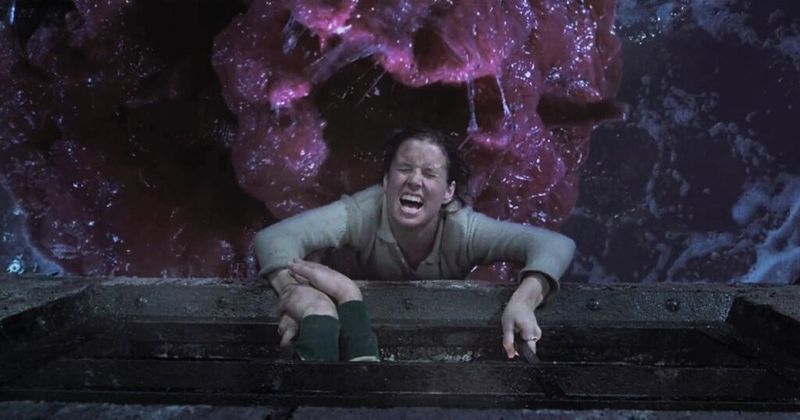
Chuck Russell’s remake transforms a goofy fifties creature feature into a gore-soaked spectacle that still impresses today.
The practical effects are legendarily disgusting—bodies dissolve, faces melt, and the Blob itself becomes genuinely terrifying rather than laughable.
Gone is the campy charm of Steve McQueen battling jelly.
This version amps up conspiracy elements and government cover-ups while delivering increasingly inventive death scenes that push boundaries even by modern standards.
Critics dismissed it as just another eighties splatter-fest, but horror fans recognized something special.
The craftsmanship behind those practical effects represents a lost art, creating visceral scares that CGI still struggles to match decades later.
6. Dredd (2012)
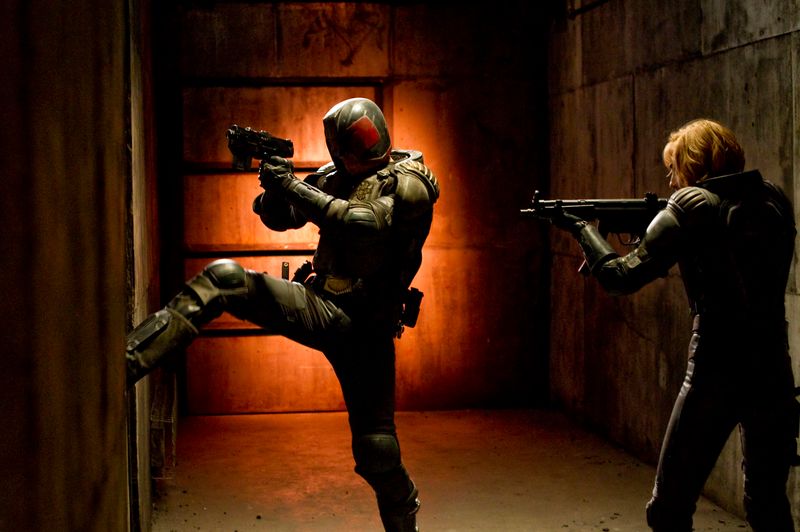
Karl Urban never removes his helmet, and that commitment signals everything right about this brutal reimagining.
Unlike the campy Stallone version, this Dredd captures the comic’s bleak dystopian vision where justice is swift, violent, and morally complicated.
The plot is elegantly simple—two Judges trapped in a massive tower block controlled by a ruthless drug lord.
What follows is relentless action that showcases creative ultra-violence without glorifying it, maintaining the source material’s satirical edge.
Box office failure nearly buried this gem, but cult appreciation has grown steadily.
Fans recognize it as the definitive Judge Dredd adaptation, proving that faithfulness to tone matters more than big budgets or star power.
7. Invasion of the Body Snatchers (1978)
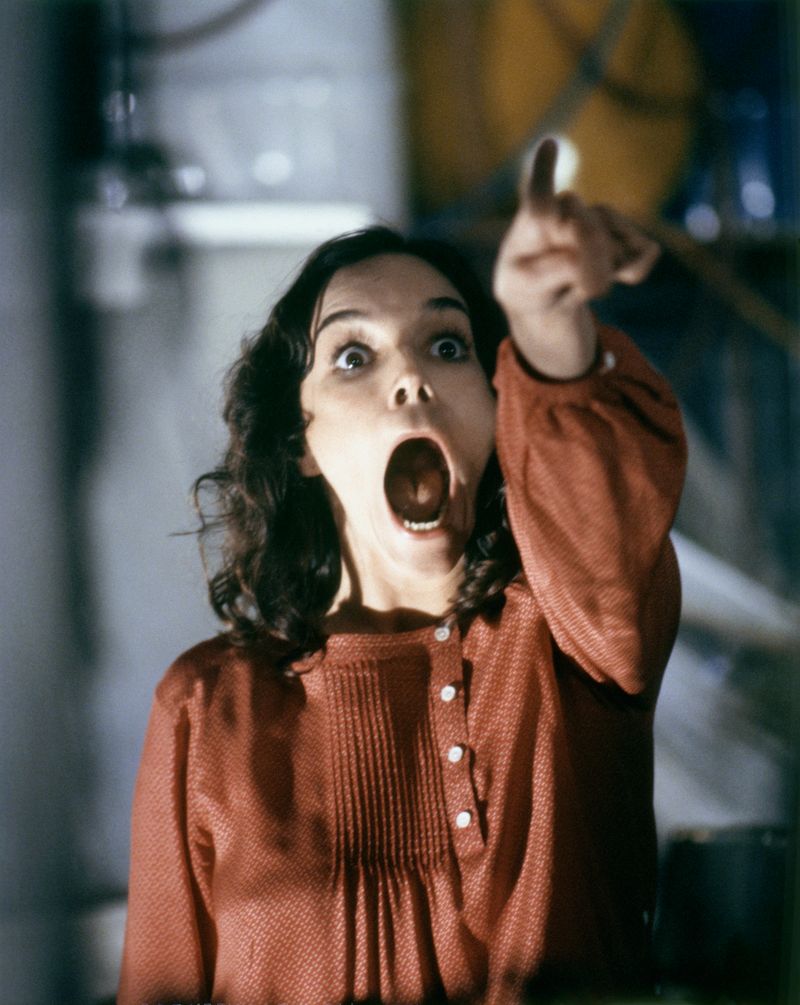
Philip Kaufman’s seventies update transplants pod people paranoia to San Francisco, creating an atmosphere of creeping dread that surpasses the original’s Cold War anxieties.
Donald Sutherland’s gradual realization that humanity is disappearing remains genuinely chilling.
The remake amplifies every unsettling element—the screaming pod people, the slow loss of individuality, the horrifying understanding that resistance is futile.
Urban isolation replaces small-town claustrophobia, making the invasion feel even more overwhelming and unstoppable.
That final shot—you know the one—ranks among cinema’s most disturbing endings.
It’s a masterclass in building paranoia until trust becomes impossible and hope evaporates completely into nightmare fuel.
8. The Thomas Crown Affair (1999)

Pierce Brosnan and Rene Russo sizzle through this impossibly sleek heist romance that improves upon the original in every conceivable way.
Their cat-and-mouse chemistry elevates what could have been a simple caper into something genuinely sophisticated and sexy.
The art theft sequences are meticulously crafted puzzles that reward attention.
Director John McTiernan brings his action expertise to create tension through intelligence rather than explosions, making every move feel calculated and consequential.
What distinguishes this remake is its refusal to dumb down the material.
Characters are smart, dialogue crackles with wit, and the romance feels earned rather than obligatory, creating pure entertainment for adults.
9. House of Wax (2005)
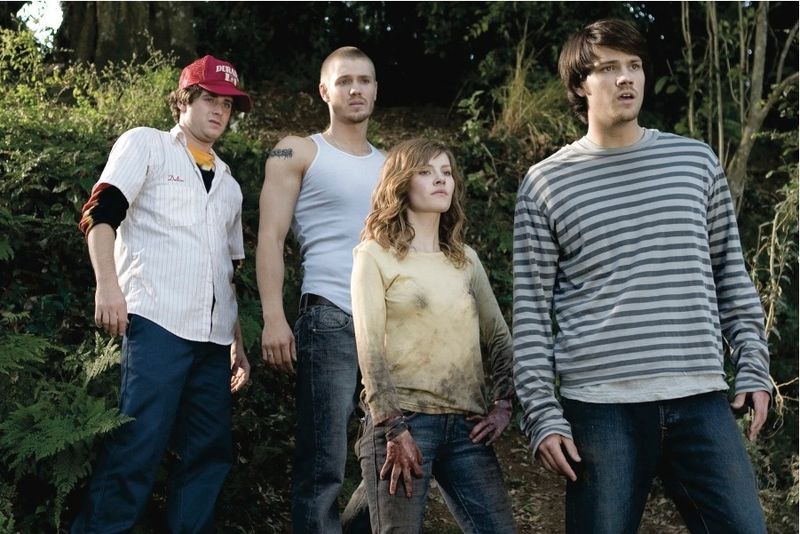
Dismissed as a Paris Hilton vehicle, this remake deserves serious reconsideration for its genuinely creepy production design and commitment to practical effects.
The entire town made of wax creates an uncanny valley effect that digital effects couldn’t replicate.
The set pieces are impressively constructed, particularly the climactic sequence where the wax house literally melts around fleeing victims.
It’s inventive horror filmmaking that demonstrates real craftsmanship behind the camera, even if critics refused to look past the casting.
Yes, Paris Hilton is here, but the film is better than its reputation suggests.
Strong kills, atmospheric tension, and that unforgettable melting finale make this a guilty pleasure that’s actually more pleasure than guilt.
10. Solaris (2002)
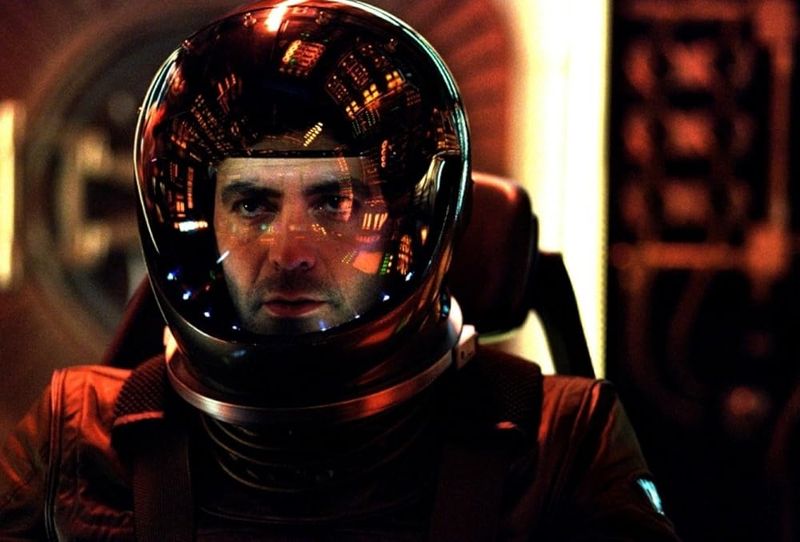
Steven Soderbergh strips Tarkovsky’s philosophical epic down to its emotional core, creating a meditation on grief and memory that prioritizes feeling over spectacle.
George Clooney delivers a remarkably vulnerable performance as a psychologist confronting his dead wife’s impossible return.
This isn’t space adventure—it’s intimate character study disguised as science fiction.
The mysterious planet Solaris manifests memories made flesh, forcing characters to confront their deepest regrets and unresolved losses in ways that feel genuinely heartbreaking.
Critics and audiences expecting action were disappointed, but patient viewers discovered something rare—a sci-fi film more interested in exploring human emotion than dazzling with effects.
It rewards contemplation rather than demanding adrenaline.
Comments
Loading…