
 Mary Murphy
13 Things That Drain Your Wallet for No Good Reason

Money often seems to disappear faster than you can earn it, and at times it’s hard to even pinpoint where it all went. Many everyday purchases feel harmless or necessary in the moment, yet they quietly drain your bank account without offering much real value in return.
These small, routine expenses add up more quickly than most people realize. Learning to recognize these sneaky spending traps can help you take back control of your finances, save hundreds or even thousands of dollars each year, and still enjoy life without feeling deprived.
1. Brand Name Medications

Walking into a pharmacy and grabbing the brand name medicine might feel like the safer choice, but you’re often paying for nothing more than fancy packaging and advertising.
Generic medications contain the exact same active ingredients as their expensive counterparts and must meet identical FDA standards for safety and effectiveness.
Your doctor can easily switch your prescriptions to generic versions, which typically cost 80-85% less than brand names.
The money you save adds up quickly, especially if you take multiple medications regularly.
Pharmacists are required by law to inform you when generics are available, so always ask before paying full price.
2. Extended Warranties

Retailers love pushing extended warranties because they’re incredibly profitable for stores, not for you.
Most electronics and appliances already come with manufacturer warranties that cover defects during the period when problems are most likely to occur.
Studies show that fewer than 20% of people who buy extended warranties ever use them.
The repair costs you’re protecting against often cost less than the warranty itself, making it a losing bet financially.
Credit cards frequently offer automatic extended warranty protection on purchases, giving you free coverage that makes paid warranties even more unnecessary.
3. ATM Fees
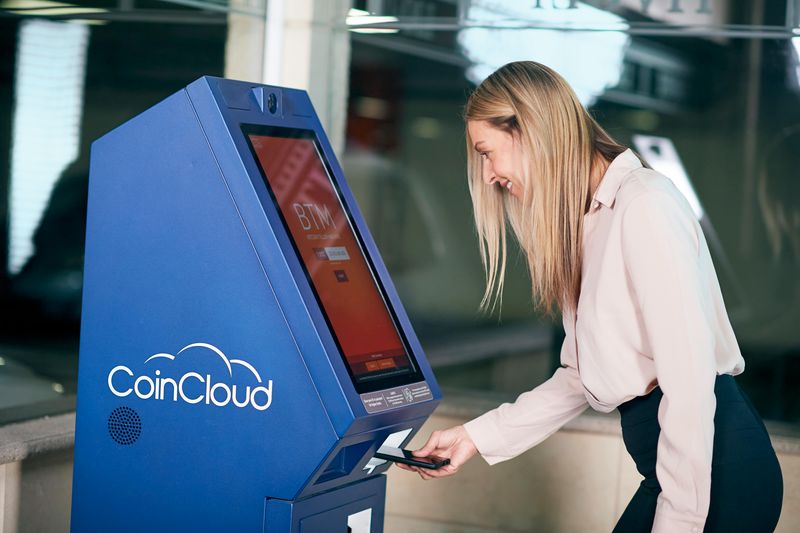
Convenience has a price, and ATM fees prove it every time you withdraw cash from an out-of-network machine.
Banks charge you for using their ATMs, and your own bank often adds another fee on top, creating a double penalty that can reach $5 or more per transaction.
Planning ahead and using your bank’s ATM network costs nothing and takes minimal extra effort.
Many banks now reimburse ATM fees or partner with nationwide networks that give you thousands of free options.
Grocery stores often offer cash back at checkout without any fees, providing another simple way to avoid these wasteful charges.
4. Premium Gas
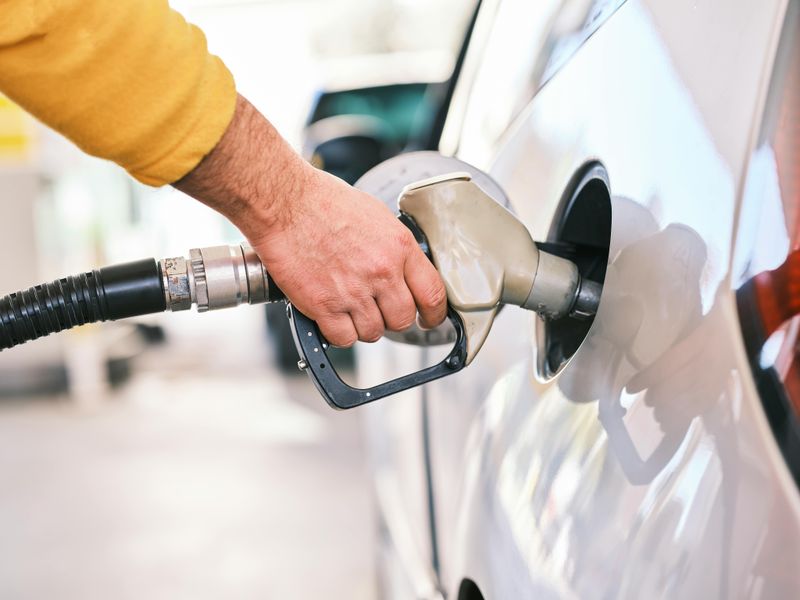
Your car’s engine knows exactly what fuel it needs, and unless your owner’s manual specifically requires premium gas, you’re wasting money with every fill-up.
Most vehicles run perfectly fine on regular unleaded fuel, which costs 50 cents to a dollar less per gallon than premium.
Car manufacturers design engines to work efficiently with regular gas, and using premium won’t make your standard vehicle run better or last longer.
The octane rating difference matters only for high-compression engines found in luxury sports cars.
Check your gas cap or owner’s manual—if it says “premium recommended” rather than “required,” regular gas works just fine.
5. Bottled Water

Americans spend billions on bottled water annually, even though tap water in most cities meets strict safety standards and costs a fraction of a penny per gallon.
A single bottle of water can cost $2 or more, while that same amount of tap water costs less than a penny.
Investing in a quality reusable bottle and a simple water filter gives you clean, great-tasting water without the constant expense or environmental waste.
Many public places now offer free water refill stations specifically designed for reusable bottles.
Blind taste tests repeatedly show that people can’t distinguish between bottled and filtered tap water, proving you’re paying for perception, not quality.
6. Bank Overdraft Fees
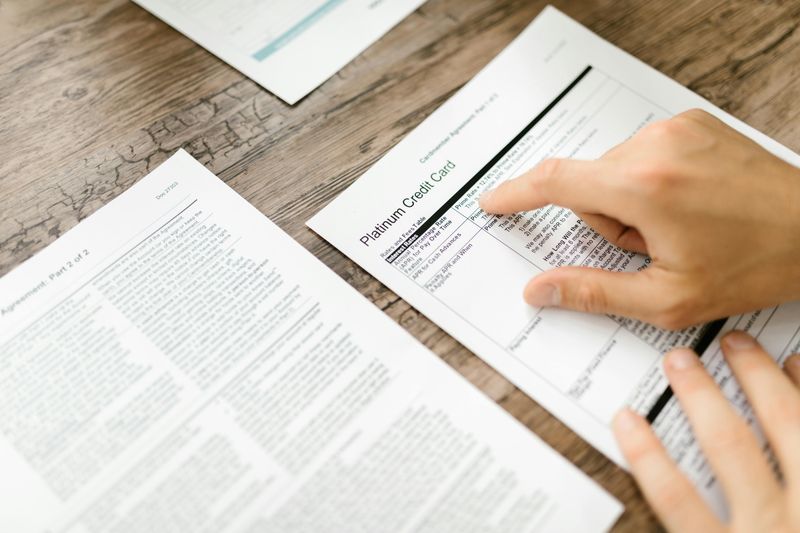
One small miscalculation can trigger a $35 overdraft fee that punishes you for spending money you don’t have.
Banks make billions from these fees each year, often charging multiple penalties in a single day if several small transactions go through.
Setting up low balance alerts on your phone takes five minutes and prevents these expensive surprises before they happen.
Many banks now offer overdraft protection that links your checking to savings, transferring money automatically for a much smaller fee or free.
Opting out of overdraft coverage means your card simply gets declined instead of triggering fees, protecting you from costly mistakes.
7. Cable TV Packages

Monthly cable bills averaging $100 or more deliver hundreds of channels you’ll never watch, bundled with equipment fees and taxes that inflate the advertised price.
Streaming services offer the shows and movies people actually want to watch for a fraction of the cost.
Cutting cable and subscribing to two or three streaming platforms saves most households $50-70 monthly while providing better on-demand content.
Digital antennas provide free local channels in high definition, covering news and sports without any subscription.
Cable companies know they’re losing customers, which is why they offer steep discounts to people who threaten to cancel—proving their regular prices are inflated.
8. Gym Memberships You Don’t Use

January enthusiasm leads millions to sign gym contracts, but research shows 67% of memberships go completely unused.
That $50 monthly fee continues charging your account month after month, even when your last visit was six months ago.
Home workouts, outdoor running, and free fitness videos provide excellent exercise without the recurring cost or commitment.
Many gyms make cancellation deliberately difficult, hoping you’ll keep paying out of laziness rather than actually showing up.
If you haven’t been to your gym in over a month, you’re essentially donating money to a business you’re not using—cancel it today.
9. Daily Coffee Shop Visits

That $5 latte every morning feels like a small treat, but it adds up to $1,825 per year—enough for a nice vacation or serious savings contribution.
Coffee shops mark up their drinks by 300-400%, making them one of the most profitable items in food service.
Brewing coffee at home costs roughly 50 cents per cup and takes just a few minutes with a quality coffee maker.
You can even make fancy drinks like lattes and cappuccinos at home for a fraction of cafe prices with simple equipment.
Limiting coffee shop visits to once or twice weekly as a genuine treat saves money while maintaining the enjoyment of the experience.
10. Pre-Cut Produce

Grocery stores charge premium prices for the convenience of pre-sliced fruits and vegetables, sometimes doubling or tripling the cost per pound.
A container of pre-cut watermelon might cost $6, while a whole watermelon providing twice the fruit costs $4.
Spending ten minutes with a knife saves substantial money over time and gives you fresher produce with longer shelf life.
Pre-cut items also come in plastic packaging that creates unnecessary waste and often contains preservatives to extend their shortened freshness window.
Basic knife skills are easy to learn and make meal prep faster than you’d think, eliminating the need for overpriced convenience items.
11. Late Payment Fees

Forgetting to pay a bill on time can trigger late fees ranging from $25 to $40, plus potential interest rate increases that cost even more long-term.
Credit card companies and utility providers count on these penalties as significant revenue sources, making billions from customer forgetfulness.
Setting up automatic payments or phone reminders eliminates these wasteful charges completely and protects your credit score.
Most companies will waive a first-time late fee if you call and ask politely, acknowledging your usual on-time payment history.
Calendar alerts set for three days before due dates give you enough warning to ensure payment goes through on time.
12. New Car Purchases

Driving a new car off the dealership lot instantly erases 20% of its value, making it one of the worst financial decisions people repeatedly make.
Within three years, that shiny new vehicle loses nearly half its purchase price, while you’re still making monthly payments.
Certified pre-owned cars that are two to three years old offer the same reliability and features at dramatically lower prices.
Someone else already absorbed the massive depreciation hit, giving you excellent transportation without the financial penalty.
Modern cars easily last 200,000 miles with proper maintenance, making the “new car smell” an incredibly expensive luxury that provides zero practical benefit.
13. Lottery Tickets
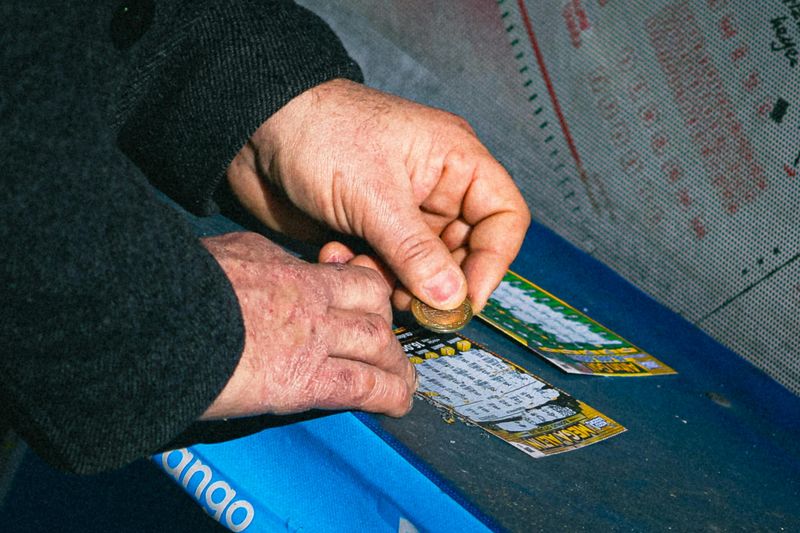
State lotteries market themselves as fun entertainment, but they’re mathematically designed to take your money with astronomical odds against winning anything substantial.
Your chance of winning a major jackpot is roughly one in 300 million—you’re more likely to be struck by lightning multiple times.
Regular lottery players spend an average of $200-500 annually on tickets that return nothing, money that could grow significantly in a savings account or investment.
The lottery essentially functions as a voluntary tax on people who struggle with probability and statistics.
If you enjoy the thrill, set a strict entertainment budget of $10 monthly maximum, treating it like any other discretionary spending rather than an investment.
Comments
Loading…