
 Chloe Peterson
23 Celebrities We’re Honestly Tired of Hearing About
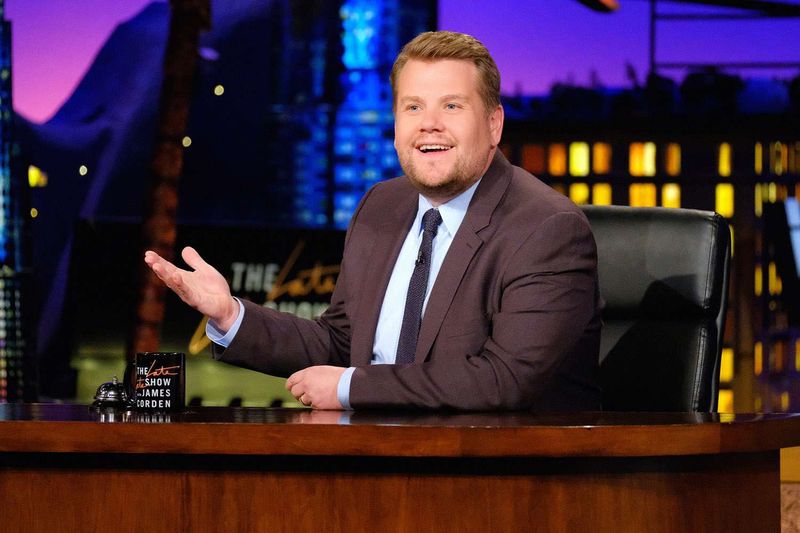
Celebrity culture can be fun when it’s about great performances, big wins, or genuinely interesting work, but it gets exhausting when attention turns into a nonstop sport with no real scoreboard.
The internet rewards controversy, oversharing, and constant reinvention, which means the loudest stories often drown out the most meaningful ones.
This list isn’t a declaration that these people have no talent or that they’ve never done anything worthwhile, because many of them clearly have, but the sheer volume of headlines can feel wildly disproportionate to what’s actually happening.
In a world where attention is basically a currency, it’s worth asking who keeps getting paid in clicks and why.
Consider this a pop-culture audit of fame that feels bigger than the substance behind it.
1. Kim Kardashian

Few modern figures have mastered the fame economy quite like the reality-star-turned-business mogul who can turn a single photo into a week of discourse and a new product drop.
The issue isn’t that entrepreneurship or reinvention is undeserving of coverage, because building brands that last is undeniably difficult, but the scale of attention can feel disconnected from anything that truly affects everyday life.
When every outfit, relationship rumor, or brief social media post becomes a headline, it starts to feel like the media is feeding a machine simply because it’s profitable.
There’s also a broader cultural consequence, since the spotlight often reinforces the idea that visibility itself equals achievement.
At a certain point, the constant focus says more about what we reward than what she’s actually doing.
2. Kylie Jenner
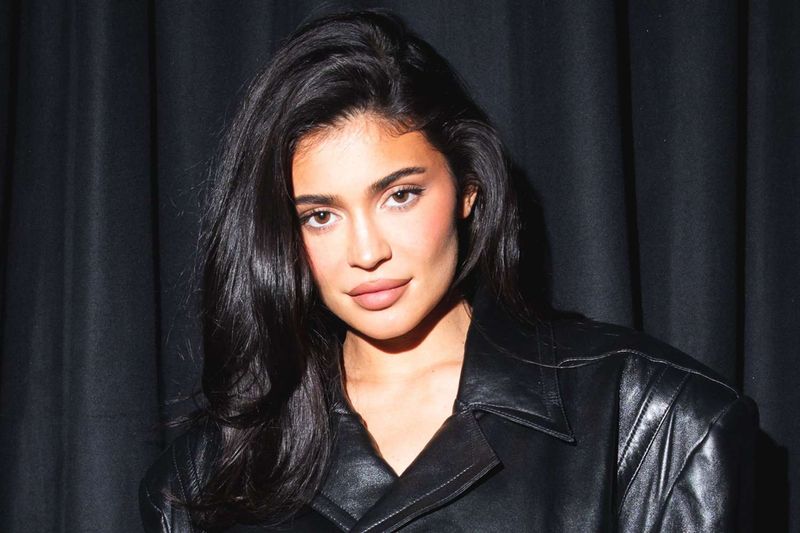
It’s hard to ignore how effectively a beauty empire was built out of social media influence, but the endless fascination can still feel disproportionate to the actual substance of the story.
The public conversation often circles around aesthetics, personal branding, and lifestyle flexes, which may be entertaining but rarely add up to anything meaningful.
Even when business milestones are real, the coverage tends to blur the line between commerce and celebrity, treating a curated feed like a cultural event.
The result is a constant stream of “look at this” moments that can feel repetitive, especially when plenty of creators, entrepreneurs, and innovators operate with far less attention and arguably more impact.
The biggest issue is that the spotlight encourages a cycle where visibility is the product, and we’re all trained to keep buying it.
3. Tristan Thompson
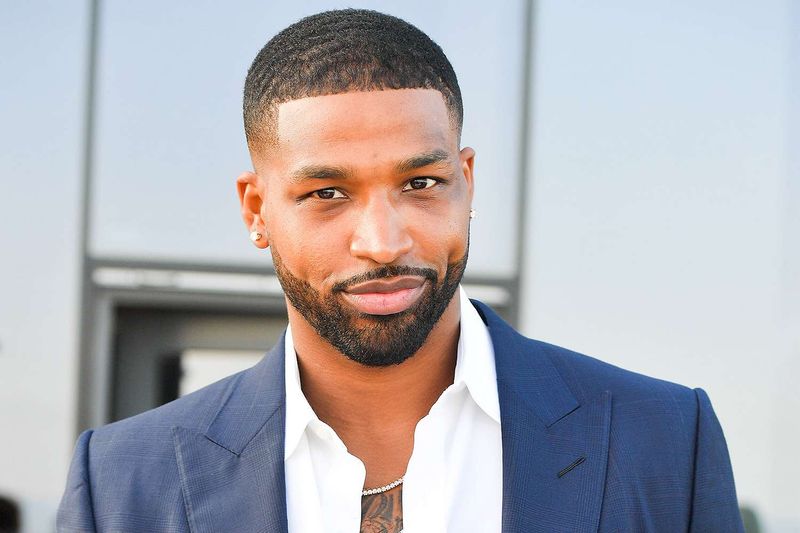
Sports fame is normal, but the level of public attention around certain off-the-court storylines can make it feel like we’re watching a reality show more than following an athlete’s career.
A pattern of relationship headlines has often overshadowed what should be the main focus, which is performance, teamwork, and professional milestones.
When the internet keeps amplifying personal drama, it creates a strange incentive structure where controversy is treated like a career asset rather than an embarrassing detour.
That can be frustrating for fans who just want to enjoy the game, and it can also feel unfair to other players who quietly deliver excellence without becoming a tabloid fixture.
The attention isn’t always about admiration, either, since much of it runs on outrage and commentary that never ends.
At some point, the constant spotlight feels more like a loop than news.
4. Pete Davidson
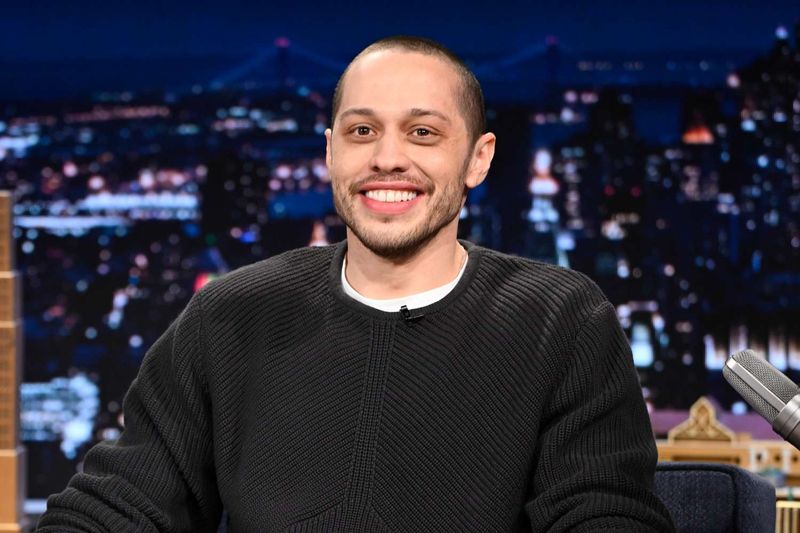
A comedian becoming a pop-culture fixation can be funny for a while, but the ongoing obsession often seems fueled more by dating headlines than by the work itself.
His appeal is easy to understand, because he leans into vulnerability and self-deprecating humor in a way that feels refreshing, yet the volume of attention can turn him into a meme rather than a performer.
When every relationship update becomes a major story, the coverage starts to crowd out everything else, including projects that actually deserve thoughtful discussion.
It also creates a strange dynamic where the public treats personal life as content, then complains that celebrities overshare.
The end result is a feedback loop that rewards notoriety over craft, even when the person at the center isn’t necessarily asking for that role.
A quieter spotlight would probably make the comedy land even better.
5. Hailey Bieber

There’s nothing wrong with being famous in fashion and beauty, but the attention can feel oddly intense considering how much of it revolves around speculation, comparison, and internet-made narratives.
Her public image often gets pulled into storylines that fans write in real time, which turns normal celebrity visibility into a constant referendum on body language, friendships, and marriage rumors.
That kind of coverage isn’t just exhausting for readers, it’s also limiting for the person involved, because it reduces an entire career to “who did she shade” this week.
It’s fair to acknowledge she’s built a brand presence and has a real footprint in beauty culture, yet the obsession frequently feels less about her work and more about a soap opera that the internet refuses to end.
At a certain point, attention becomes a cage disguised as relevance.
6. Justin Bieber
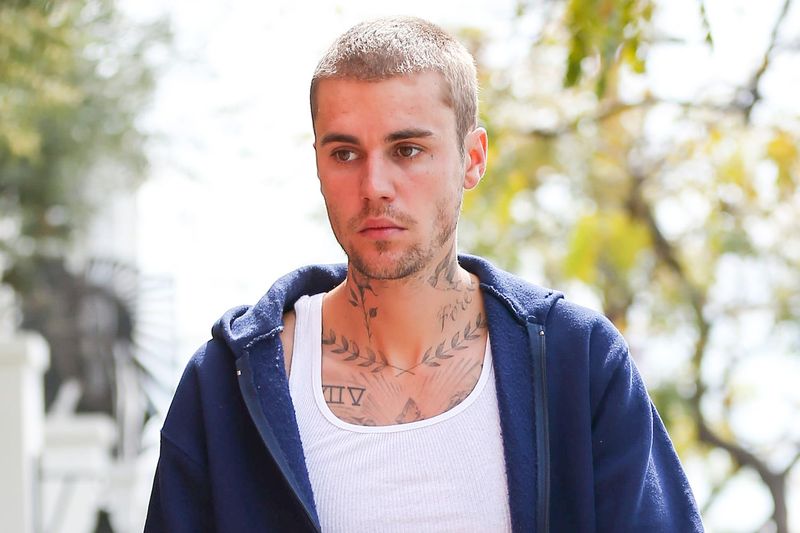
Pop stardom always attracts attention, but the fixation on personal ups and downs can be so intense that it stops feeling like fandom and starts resembling surveillance.
He’s had genuine cultural impact through music, and there’s no denying the career longevity, yet the spotlight often drifts toward health rumors, marriage speculation, and every visible mood shift.
When coverage turns a human being into a constant headline generator, it can blur the line between concern and consumption, especially when people treat vulnerability as entertainment.
The irony is that the most interesting parts of his story are the artistic choices and the evolution of sound, but those often get less oxygen than any minor paparazzi clip.
There’s also a bigger conversation here about child stardom and how audiences demand access forever, even after someone has clearly paid the price for growing up in public.
Sometimes the most respectful attention is less of it.
7. Meghan Markle
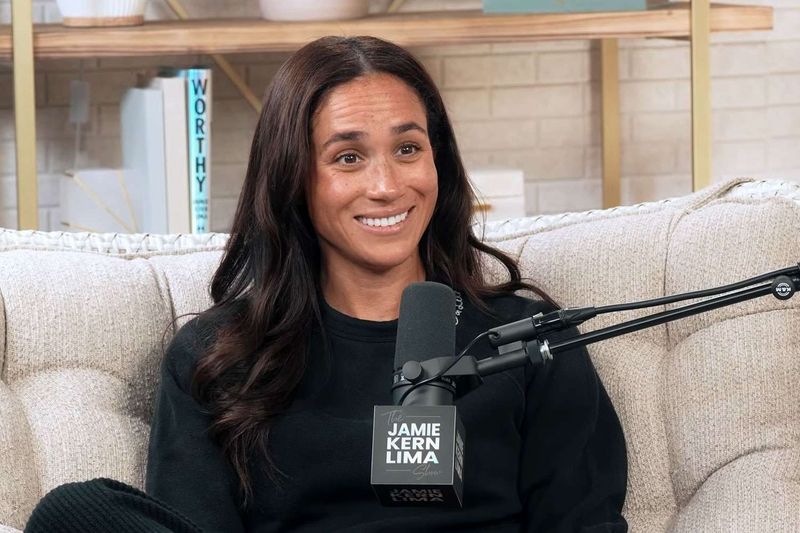
The amount of ink spilled about her can feel outsized, partly because her story sits at the intersection of celebrity culture, royalty, and modern media outrage.
Even when she’s working on projects or philanthropy, the conversation often gets dragged back into polarizing narratives that treat her like a symbol rather than a person.
That dynamic creates an endless cycle where every statement is parsed, every silence is interpreted, and every appearance becomes a referendum on something bigger than the actual event.
It’s reasonable to critique public figures, but the intensity often feels less like healthy scrutiny and more like a culture war fought through headlines.
The result is attention that rarely informs, frequently inflames, and almost never allows nuance.
At some point, the saturation starts to feel like an industry built on controversy, not relevance, and it leaves readers burned out before they even get the facts.
8. Prince Harry
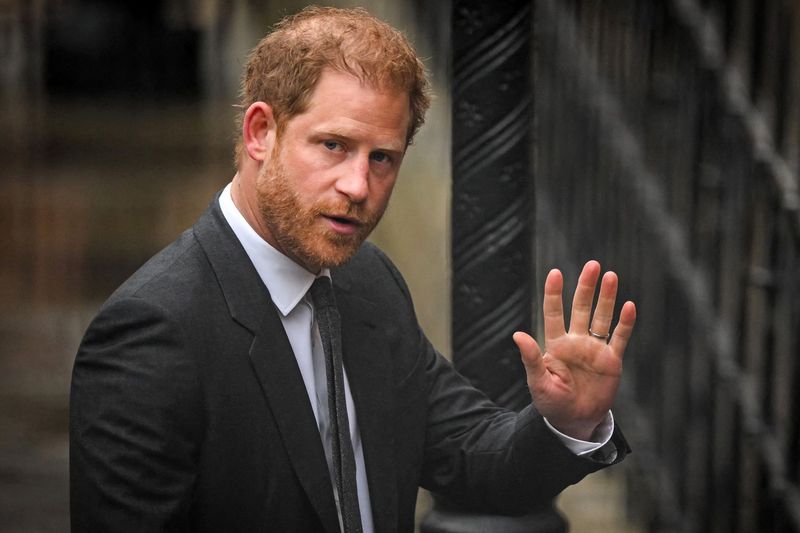
Royal intrigue has always sold, but the constant focus on his every move can feel like the media is stuck replaying the same chapter.
His decision to step away from certain royal duties and speak openly about personal experiences was undeniably newsworthy, yet the ongoing coverage often treats him like a perpetual main character in a never-ending feud.
When interviews, memoir excerpts, and family dynamics dominate headlines for years, it becomes difficult to separate meaningful advocacy from the noise of celebrity storytelling.
The public’s attention often shifts toward taking sides rather than understanding the underlying issues, which can include mental health, privacy, and institutional pressures.
That would be a more productive conversation if it weren’t packaged like entertainment.
In the end, the fixation feels less about what he’s doing now and more about what people want the royal story to be, which keeps everyone trapped in the loop.
9. Elon Musk
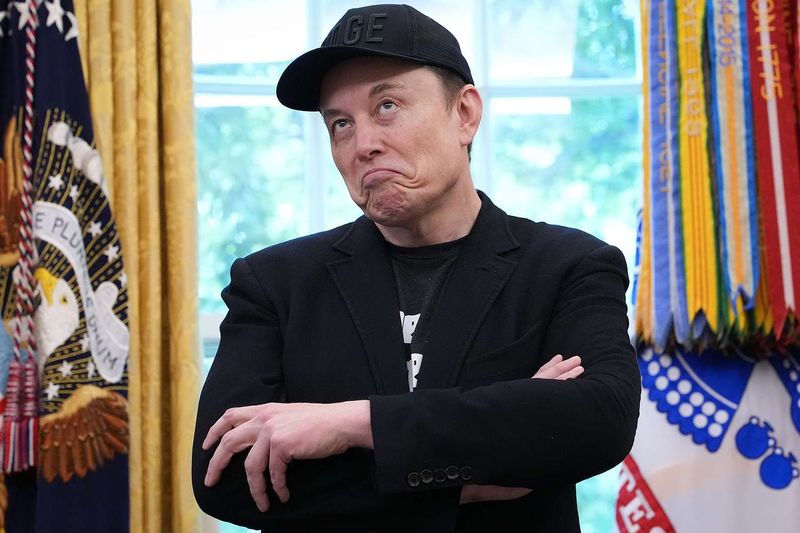
Tech leaders can be influential, but the level of celebrity worship and minute-by-minute coverage can make it feel like we’re watching a personality brand rather than evaluating real-world impact.
His companies and decisions have undeniably shaped industries, yet the attention often centers on provocative posts, internet feuds, and self-mythologizing narratives that reward spectacle.
When headlines chase every controversial comment, it encourages a culture where attention becomes a strategy, and disruption is treated as virtue even when it’s messy or harmful.
It also skews public perception of innovation, implying that progress depends on singular geniuses rather than teams, research, and accountability.
In a healthier media environment, the focus would land on outcomes, governance, and the human consequences of big decisions, not on whichever meme is trending.
The problem isn’t interest in power, it’s the way entertainment framing can sanitize or exaggerate it.
10. Kanye West (Ye)
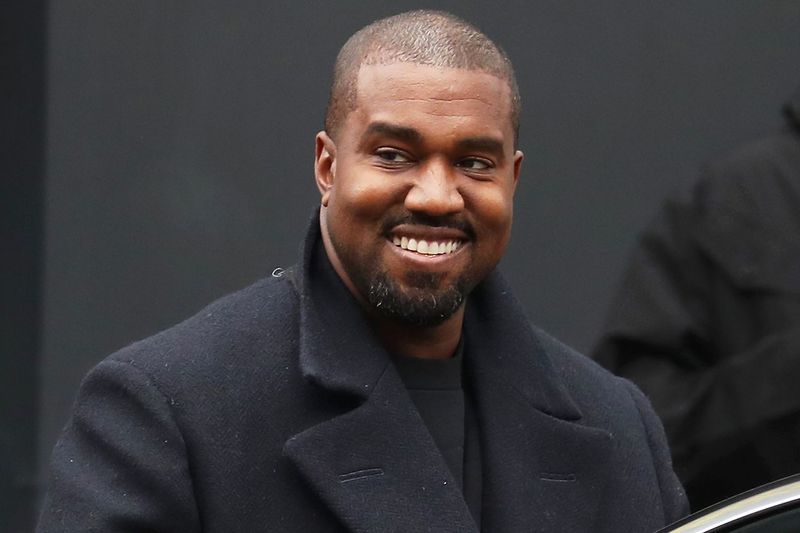
Few artists have had such undeniable creative influence while also generating so much attention for reasons that have nothing to do with the work.
His musical legacy is real, and it’s fair to recognize how he shaped modern sound, but the constant stream of controversy often eclipses everything else and leaves the public stuck in a cycle of shock and reaction.
When headlines chase inflammatory statements and public meltdowns, the coverage can feel less like cultural commentary and more like an outrage machine that keeps paying out because it drives clicks.
The situation is complicated by mental health conversations, which deserve compassion, yet compassion doesn’t require amplifying every harmful or chaotic moment as entertainment.
It becomes exhausting to watch art, ego, and publicity collide in real time, especially when the attention crowds out other artists doing remarkable work.
At some point, the spotlight stops documenting and starts enabling.
11. Chrissy Teigen
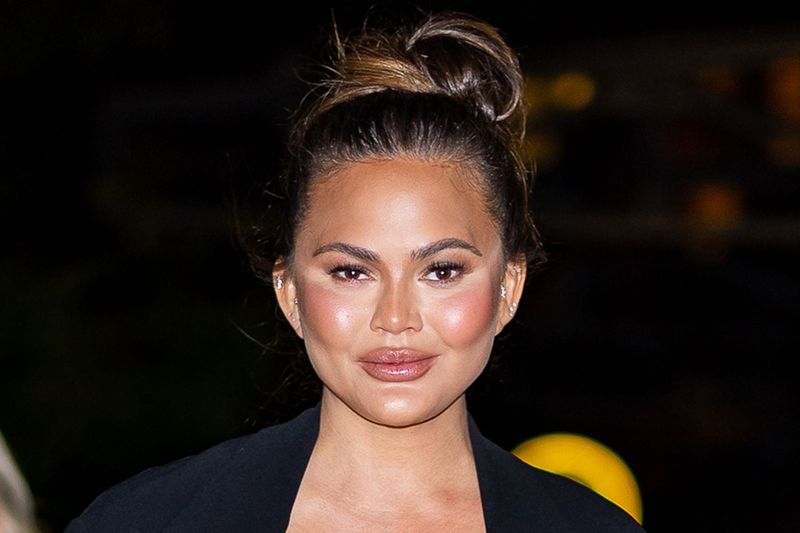
Her online presence has long been designed for maximum engagement, which is exactly why the attention often feels bigger than it needs to be.
She can be witty and honest, and some people connect with that, but the discourse frequently swings between adoration and backlash in a way that turns social media drama into headline material.
When a celebrity’s tweets, claps, and hot takes become a recurring news category, it raises the question of whether we’re mistaking internet noise for cultural importance.
The attention also tends to reward performative authenticity, where oversharing becomes currency and apologies become content, creating a cycle that never really resolves.
Even when she’s doing normal celebrity things, the conversation can feel oddly intense because audiences project their own expectations onto her.
In the end, the fixation tells us more about our addiction to online morality plays than about anything she’s uniquely doing.
12. Amy Schumer
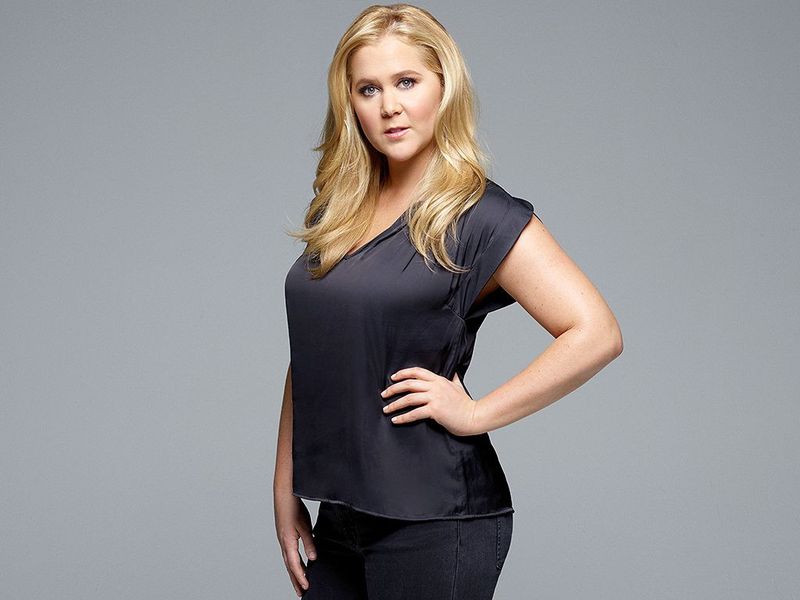
Comedy always divides people, and she’s had real success, but the attention can feel excessive because the discourse is often the same argument on repeat.
Her career became a lightning rod for debates about what’s funny, what’s “too much,” and who gets to take up space in mainstream comedy, which could be interesting if it weren’t constantly flattened into outrage or dismissal.
When every special, interview, or joke becomes a referendum on her entire existence, it crowds out more nuanced conversations about craft and context.
She’s also become a magnet for internet pile-ons, which turns “I didn’t like it” into a full-time identity for some viewers.
The disproportionate part is how often she’s treated as the face of modern comedy’s problems, as if an industry trend can be pinned on one person.
If the attention shifted toward the larger system, the conversation would be smarter and less exhausting.
13. Will Smith
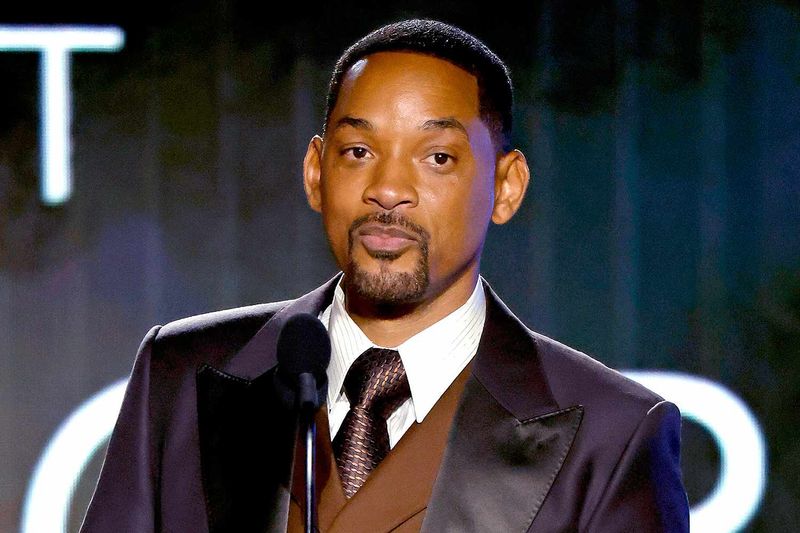
His film career and charisma made him a genuine A-list star, but the intensity of recent attention has often focused on a single public moment rather than decades of work.
The problem with that kind of fixation is that it turns a complex person into a shorthand for “controversy,” which is convenient for headlines but not particularly illuminating.
It’s fair for audiences to discuss accountability and public behavior, yet the nonstop replay of the same clip and the endless hot takes can feel like media inertia more than ongoing relevance.
Meanwhile, the more interesting questions about image management, celebrity pressure, and public forgiveness get lost in the noise.
He’s also had real artistic highs and misses that deserve thoughtful critique, but those are rarely as clickable as scandal.
At a certain point, the attention becomes less about his career and more about the culture’s hunger for a single dramatic storyline to keep chewing.
14. Jada Pinkett Smith

A talk-show platform built on candid conversation can be valuable, but the level of attention around her personal disclosures often feels like the media has turned intimacy into a spectacle.
She’s been framed as a villain, a truth-teller, or a manipulator depending on the day, which says more about audience projection than about the reality of any private relationship.
When every anecdote becomes a headline, it creates a situation where vulnerability is treated like a press release, and viewers respond as if they’re entitled to have opinions on people they don’t actually know.
The conversation also tends to flatten complicated themes, like marriage, autonomy, and public scrutiny, into gossip-friendly sound bites.
Even if you find her perspective interesting, the sheer volume can feel overwhelming because it’s rarely anchored to new work, just new revelations.
The attention economy loves personal drama, and she has become one of its most reliable story engines.
15. James Corden
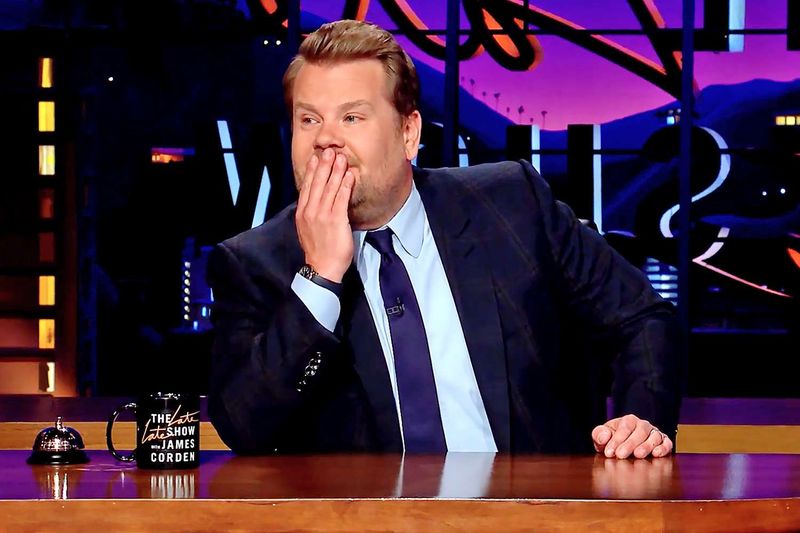
Late-night hosts are meant to be familiar faces, but the amount of attention around him often seems driven by personality discourse rather than the actual quality of the work.
He’s been associated with big, viral segments that are easy to share, yet the conversation frequently circles around whether he’s likable, whether he’s overrated, and whether the spotlight was ever warranted in the first place.
That kind of coverage becomes repetitive because it isn’t anchored to new creative output, it’s anchored to a debate about his vibe.
When the public spends years litigating a celebrity’s general presence, it starts to feel like fame has become a group project with no end date.
It also distracts from the broader conversation about why late-night content has leaned so hard into gimmicks and brand-friendly bits.
The obsession isn’t really about him alone, it’s about the media’s need for familiar targets to recycle.
16. Johnny Depp
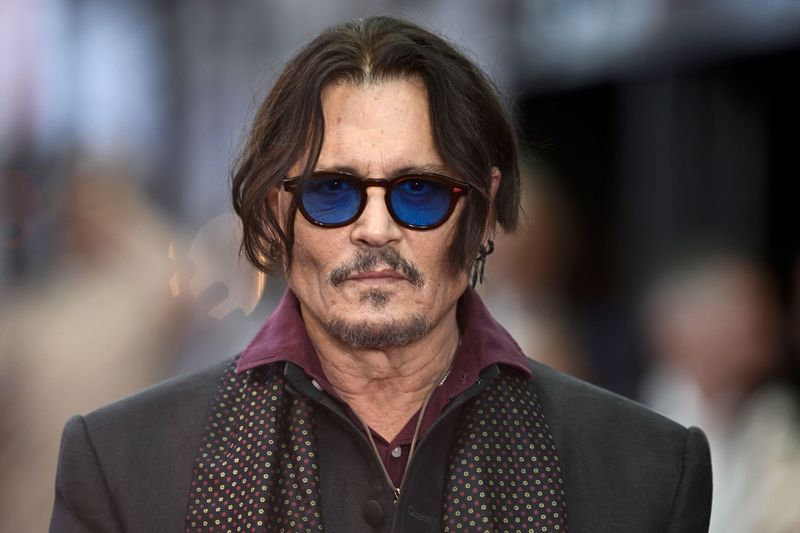
The public fascination around him has often shifted from career appreciation into something closer to a fandom-driven media battle, where nuance gets lost.
He had a defining run of iconic roles that genuinely shaped pop culture, but recent years have placed far more focus on legal and personal controversies than on acting choices or artistic growth.
The problem with that attention is that it invites audiences to act like jurors, detectives, and moral philosophers all at once, usually based on fragments and algorithm-fed narratives.
It’s understandable that people have strong feelings, yet the endless replay of the same arguments can feel like spectacle replacing thoughtful discussion.
Meanwhile, the larger industry questions—how Hollywood handles power, conflict, and accountability—often get sidelined in favor of celebrity-as-sport.
When a person becomes an internet cause instead of an artist, the attention stops being informative and starts becoming tribal entertainment.
17. Amber Heard
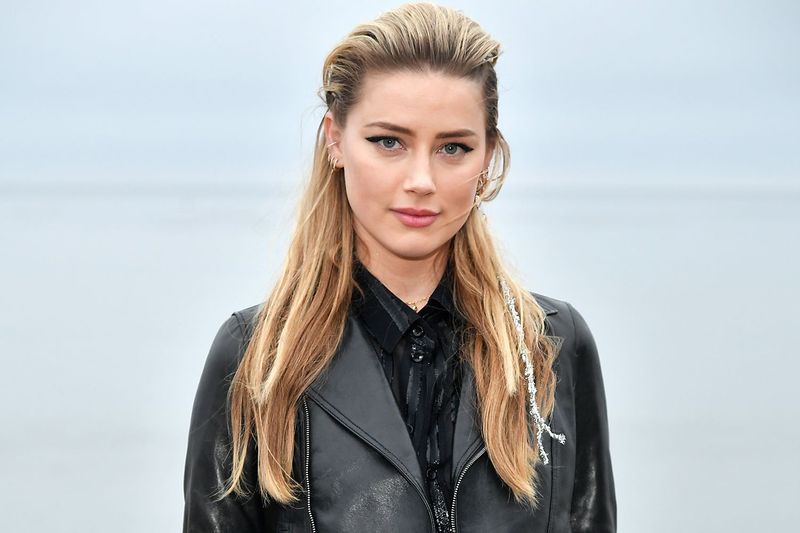
The volume of scrutiny she receives can feel disproportionate because it often functions less as news and more as a cultural proxy war.
Regardless of where people land emotionally, much of the attention has been shaped by viral clips, memes, and commentary ecosystems that reward certainty over complexity.
That kind of environment is almost guaranteed to flatten any real human story into a simplified narrative, which is damaging to everyone involved and to the public’s ability to talk about serious issues responsibly.
The exhausting part is that her name has become a trigger for endless online battles, even when there’s nothing materially new to report.
Instead of making space for thoughtful conversation about institutions, media ethics, and how we treat allegations in public, the focus often becomes personal humiliation disguised as commentary.
At some point, the attention stops being about accountability and turns into a performance of collective outrage, which rarely produces anything constructive.
18. Megan Fox
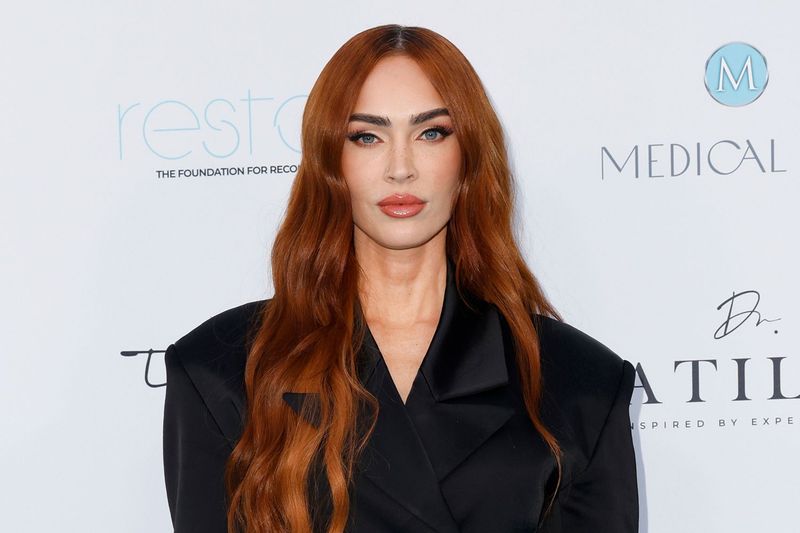
Her career has included real acting work and a distinct star presence, yet the attention often feels fixated on aesthetics, relationships, and sound bites rather than on the projects themselves.
She’s routinely treated as a symbol—of sex appeal, of “hot girl controversy,” of internet-era femininity—which creates endless discourse that doesn’t always connect to her actual output.
When the media spotlights who she’s dating, what she’s wearing, or what cryptic quote she posted, it can feel like a loop that prioritizes drama over substance.
She has also spoken openly about being objectified, which makes the fixation even more ironic, because the coverage frequently does exactly that.
The larger issue is that pop culture keeps rewarding the most sensational version of her story, then acts surprised when the narrative stays sensational.
If attention followed the work instead of the spectacle, the conversation would be less repetitive and more respectful.
19. Machine Gun Kelly
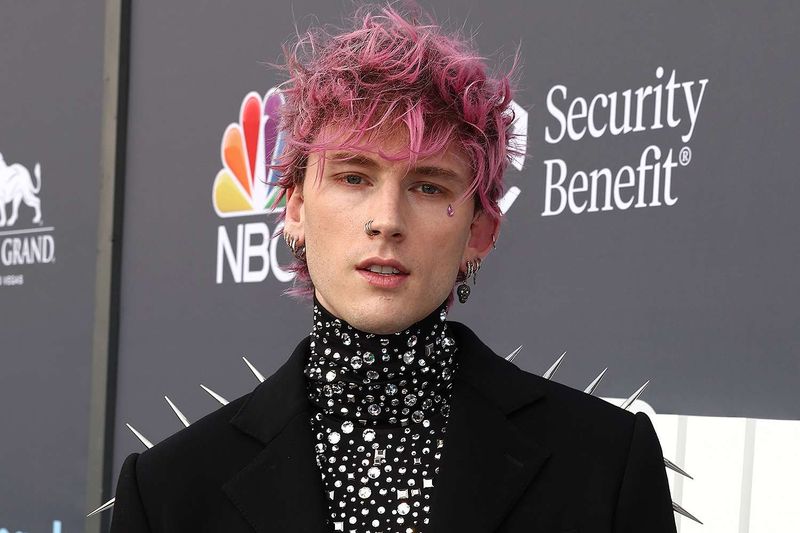
The way he dominates headlines can feel less tied to musical achievement and more tied to the branding of rebellion, romance, and controversy.
He’s built a loud aesthetic that’s perfect for social media, which helps explain why the attention sticks, but it also means the conversation often lives at the level of image rather than craft.
When a celebrity becomes a walking mood board, fans and critics alike can end up discussing outfits, public appearances, and relationship drama more than songs or performances.
That creates the impression that the attention is driven by storyline maintenance instead of artistic evolution.
It’s not that he hasn’t had successful projects, it’s that the discourse around him is frequently powered by spectacle, which can crowd out musicians doing quieter, more interesting work.
In a culture that loves a “character,” he fits the bill, but the question is whether we’re confusing character with substance.
20. Nick Cannon
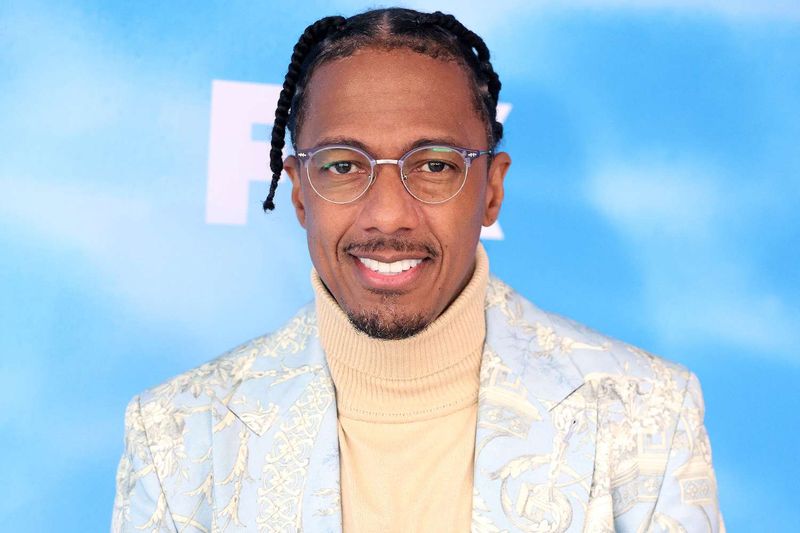
Some entertainers are famous for their work, and others become famous for their personal life as an ongoing headline category, which is where the attention often lands here.
He’s had a long career across hosting, music, and media, yet the public focus tends to revolve around family announcements and recurring controversy, as if the story itself is the product.
That kind of coverage can feel disproportionate because it rarely connects to new creative output, and it often invites commentary that’s more judgmental than meaningful.
The cycle becomes predictable: a new headline sparks outrage, jokes, think pieces, and then the internet moves on until the next one.
Meanwhile, plenty of people in entertainment are doing innovative work without becoming a tabloid series.
The attention economy loves repetition, and he provides a steady stream of it, which is exactly why it keeps happening.
At some point, the question becomes whether the spotlight is rewarding entertainment value or simply rewarding the ability to generate attention on demand.
21. Alec Baldwin
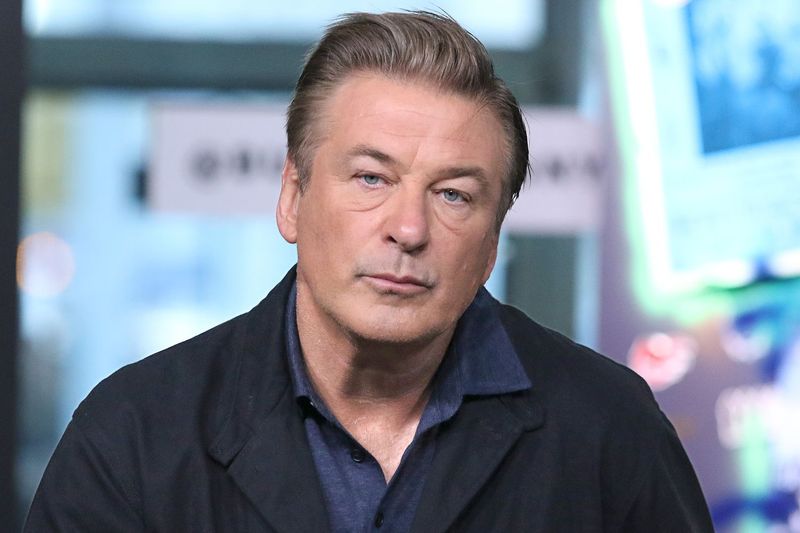
Public interest in actors is normal, but the ongoing attention surrounding him has often felt like a mix of serious news, legal speculation, and celebrity obsession that blurs into something messy.
He has a substantial body of work and has been part of iconic projects, yet the discourse in recent years has frequently centered on controversy and tragedy rather than craft.
The problem is that the media sometimes turns complex, high-stakes situations into click-driven storytelling, where every incremental update becomes a new round of debate.
That dynamic can be exhausting for readers and disrespectful to the gravity of real-world consequences when the tone veers toward entertainment.
It also keeps him in a spotlight that is neither purely professional nor purely public-service journalism, but an uneasy combination of both.
In cases like this, the healthiest approach would be more restraint and more focus on verified developments, rather than constant commentary designed to inflame.
22. Madonna
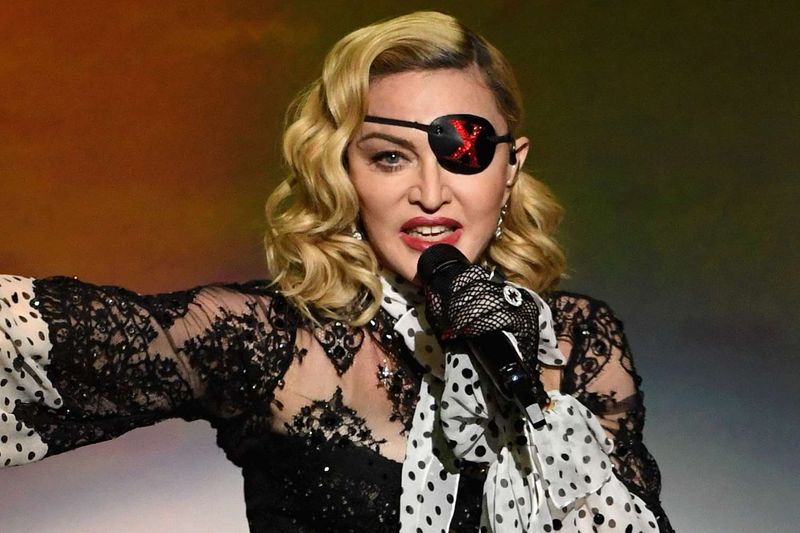
She’s undeniably a pop icon, but the attention sometimes feels trapped in a loop where the headline is simply that she exists loudly in public.
Her influence on music, fashion, and performance is enormous, yet the media fixation often narrows to shock value, appearance commentary, and “can you believe she did that” reactions.
That kind of coverage can be frustrating because it reduces decades of artistry to a running commentary on aging, reinvention, and provocation, as if those are scandals rather than intentional creative choices.
In many ways, she helped invent the blueprint for modern celebrity, but now the attention can feel like a parody of that same blueprint, endlessly feeding on superficial details.
The public doesn’t always seem interested in her music or legacy, just the latest viral moment.
When the conversation becomes a never-ending audit of how a woman should look or behave at a certain age, the attention says more about cultural discomfort than about her relevance.
23. Conor McGregor
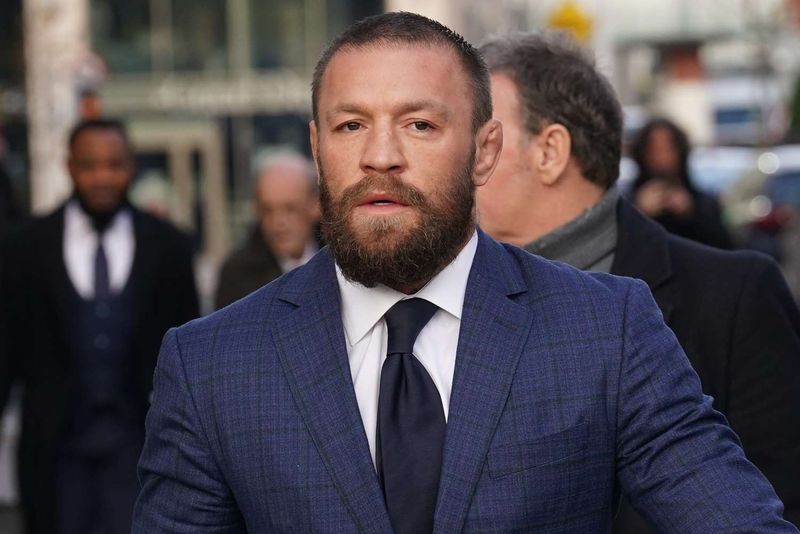
Combat sports naturally produce larger-than-life stars, but the intensity of attention around him often appears fueled as much by bravado and controversy as by actual competition.
He’s been a defining figure in MMA and has undeniable charisma, yet the spotlight frequently follows headlines that feel more like celebrity news than athletic achievement.
When a sports figure becomes a constant tabloid presence, it can overshadow the sport itself and turn fans into spectators of drama rather than performance.
The media also tends to reward provocative behavior because it generates clicks, which can create a feedback loop where controversy becomes part of the brand.
That’s a frustrating dynamic for viewers who want to celebrate discipline, skill, and rivalry without the circus.
It’s possible to recognize his impact while still questioning whether the amount of attention helps anything beyond his personal visibility.
Sometimes the loudest story isn’t the most worthy one, it’s just the most marketable.
Comments
Loading…