
 Harper Hall
14 Rolling Stones Classics That Somehow Missed the Top Spot
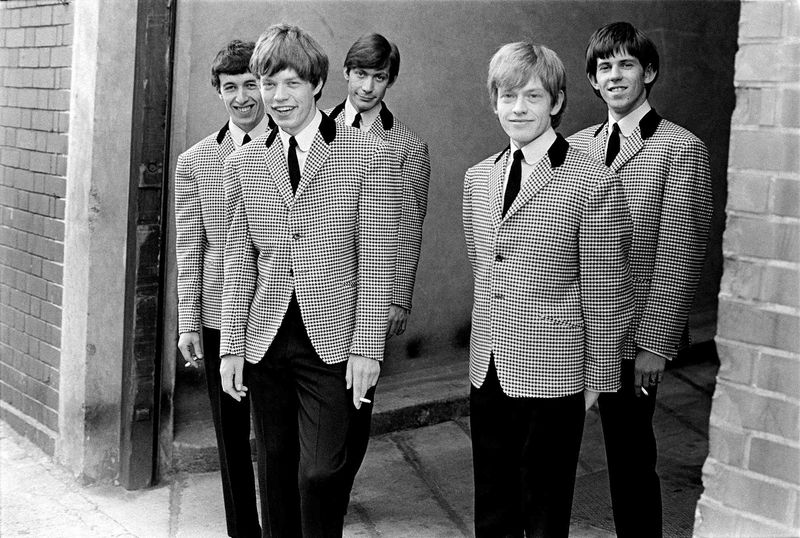
The Rolling Stones have given us some of the greatest rock songs ever recorded, yet many of their most beloved tracks never reached number one on the charts. These iconic tunes still fill stadiums and get played on classic rock radio every single day.
From powerful ballads to hard-driving rockers, these songs prove that chart position doesn’t always reflect true greatness or lasting impact on music history.
1. Heart of Stone
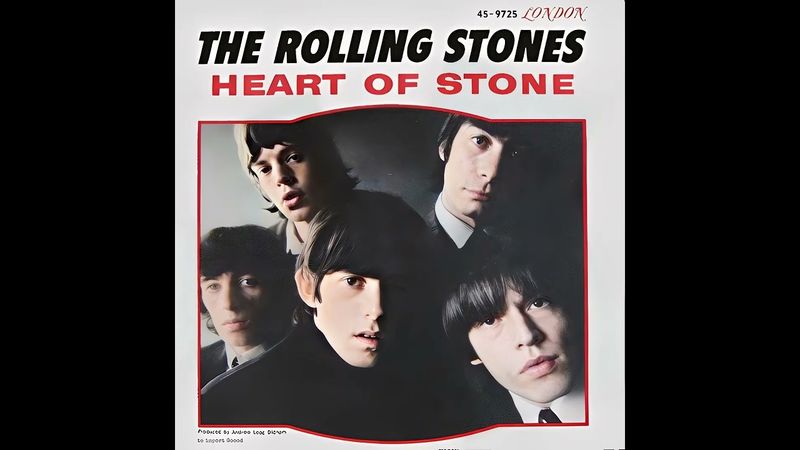
Released in 1964, this bluesy gem showcases the band’s early sound with a raw, emotional punch that still resonates today.
Mick Jagger’s vocals drip with attitude while the guitars create a moody atmosphere that pulls listeners right into the story.
The song peaked at number 19 in the United States, far below what many fans felt it deserved.
Its driving rhythm and memorable chorus made it a concert favorite for decades.
Many music critics consider it one of the band’s most underrated early recordings.
The track demonstrates how the Stones could blend American blues influences with their own British rock energy perfectly.
2. Shattered
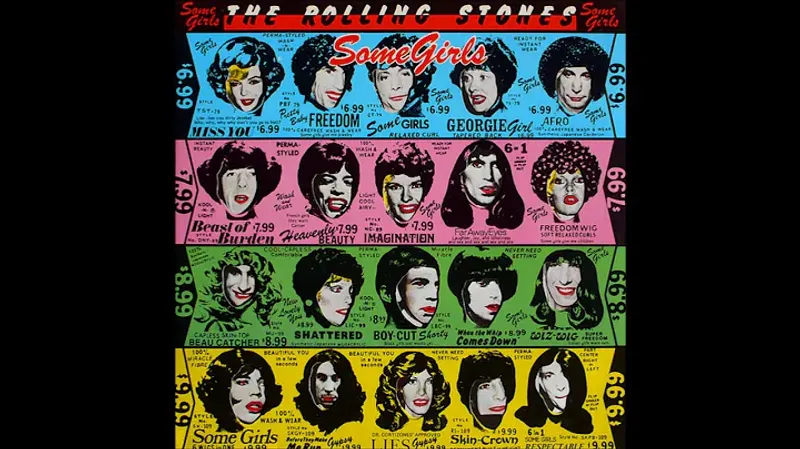
From their 1978 album “Some Girls,” this punk-influenced rocker captures the chaotic energy of New York City in the late seventies.
The song’s fragmented lyrics and driving beat reflect the gritty urban landscape that inspired it.
Surprisingly, “Shattered” only reached number 31 on the Billboard charts despite being a fan favorite.
Its raw sound and biting social commentary set it apart from typical radio fare of that era.
Keith Richards’ guitar work cuts through like broken glass on pavement.
The track proved the Stones could adapt to changing musical trends while maintaining their signature style and edge.
3. Tell Me
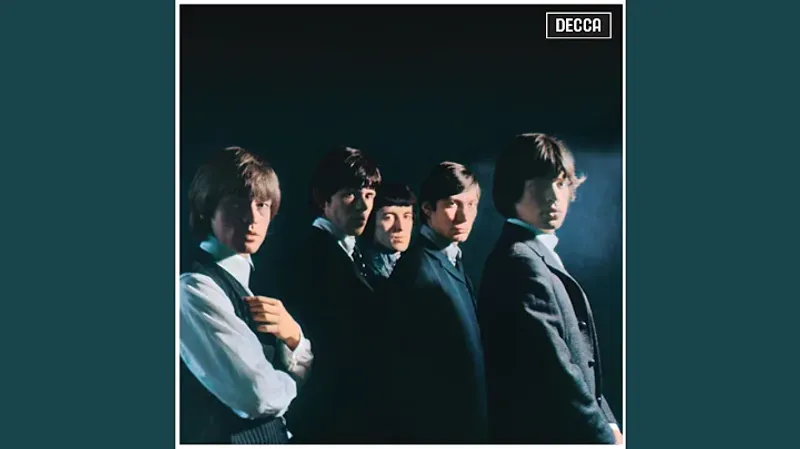
Back in 1964, the Stones released their first original composition to chart in America with this tender ballad.
Written by Jagger and Richards, it showed the duo’s emerging songwriting talents beyond covering blues standards.
The song climbed to number 24 on the US charts, introducing American audiences to the band’s softer side.
Its simple melody and heartfelt lyrics about romantic uncertainty connected with teenagers everywhere.
The track’s success encouraged the songwriting partnership that would define rock music for generations.
“Tell Me” remains a touching reminder of the band’s humble beginnings before they became legends.
4. 19th Nervous Breakdown
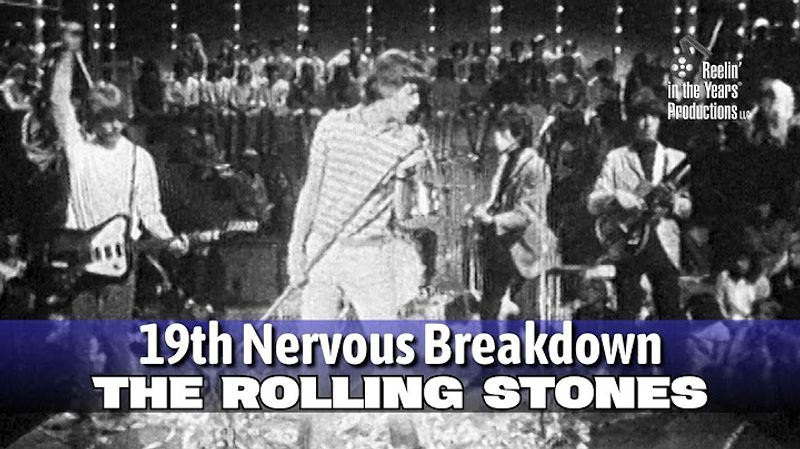
This 1966 single features some of the band’s most biting social commentary wrapped in a catchy, uptempo package.
The lyrics paint a vivid picture of a troubled young woman from a privileged background struggling with mental health.
Despite its commercial appeal and radio-friendly sound, the song peaked at number 2 in both the US and UK.
Many fans still scratch their heads wondering what kept it from the top spot.
The jangly guitars and Jagger’s sneering delivery made it instantly recognizable on the radio.
The track showcased the band’s ability to tackle serious subjects while still delivering an irresistible hook.
5. She’s a Rainbow
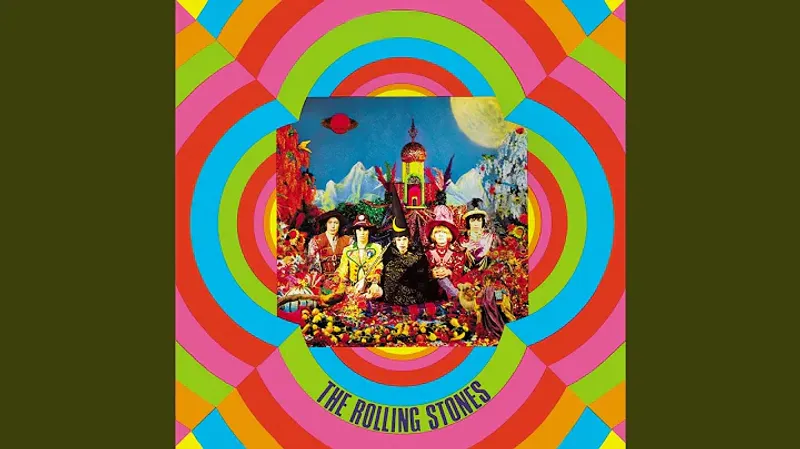
Bursting with orchestral arrangements and psychedelic production, this 1967 track stands out as the band’s most colorful creation.
Piano flourishes and strings create a dreamy soundscape that transports listeners to the summer of love.
The song reached number 25 in the US charts, though it deserved much higher recognition for its ambitious arrangement.
Its optimistic lyrics and lush instrumentation contrasted sharply with the darker material the band typically produced.
Decades later, it found new life in commercials and movies, introducing it to fresh audiences.
“She’s a Rainbow” proves the Stones could master any style they attempted with creativity and skill.
6. You Can’t Always Get What You Want
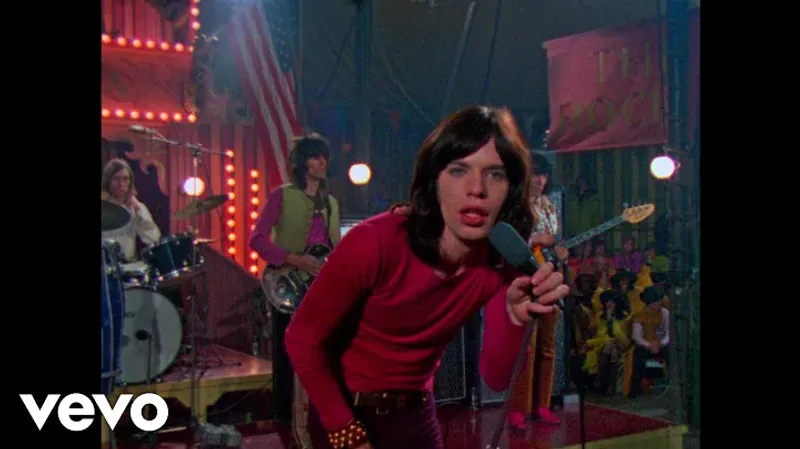
Opening with a London Bach Choir singing in perfect harmony, this epic 1969 track builds into one of rock’s most philosophical statements.
The song’s message about accepting life’s disappointments resonates across generations and circumstances.
Incredibly, it only reached number 42 on the US charts initially, though it became a cultural touchstone over time.
Its seven-minute length and unconventional structure may have limited radio play, but fans embraced its ambition wholeheartedly.
The French horn solo and gospel-influenced chorus create unforgettable musical moments.
Politicians, filmmakers, and countless artists have used this song to underscore important messages about perseverance and wisdom.
7. Gimme Shelter
Dark clouds gather as this haunting 1969 masterpiece opens with one of rock’s most recognizable guitar riffs.
The song captures the anxiety and violence of the late sixties with chilling accuracy and power.
Shockingly, “Gimme Shelter” never charted as a single despite being considered one of the greatest rock songs ever recorded.
Its intense subject matter about war and social upheaval may have scared radio programmers away.
Merry Clayton’s spine-tingling backup vocals add an urgency that still gives listeners goosebumps today.
The track has appeared in countless films whenever directors need to convey danger, tension, or historical weight.
8. Wild Horses
Gentle acoustic guitars introduce this heartbreaking 1971 ballad that showcases the band’s unexpected tenderness and vulnerability.
Keith Richards wrote it partly about his newborn son, adding genuine emotion to every note and word.
The song reached number 28 on the US charts, far lower than its emotional impact would suggest.
Its country-influenced arrangement and honest lyrics about love and separation touched millions of hearts worldwide.
The steel guitar adds a lonesome quality that perfectly matches the song’s bittersweet message.
Countless artists have covered this track, but none capture the original’s raw sincerity and beautiful simplicity quite the same way.
9. Not Fade Away
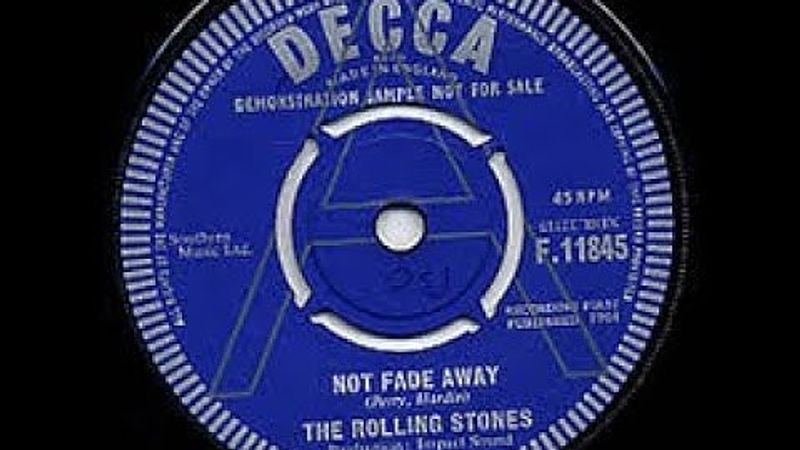
Borrowing Buddy Holly’s classic and adding their own twist, the Stones created a 1964 hit that introduced many British fans to American rock and roll.
The distinctive Bo Diddley beat drives the song forward with infectious energy and swagger.
It peaked at number 48 in the US but reached number 3 in the UK, showing different tastes across the Atlantic.
The maracas and handclaps give it a raw, garage band feel that influenced countless groups.
This cover demonstrated how the Stones could take existing material and make it completely their own.
The song became a staple of their early live shows and helped establish their reputation as premier interpreters.
10. Waiting on a Friend
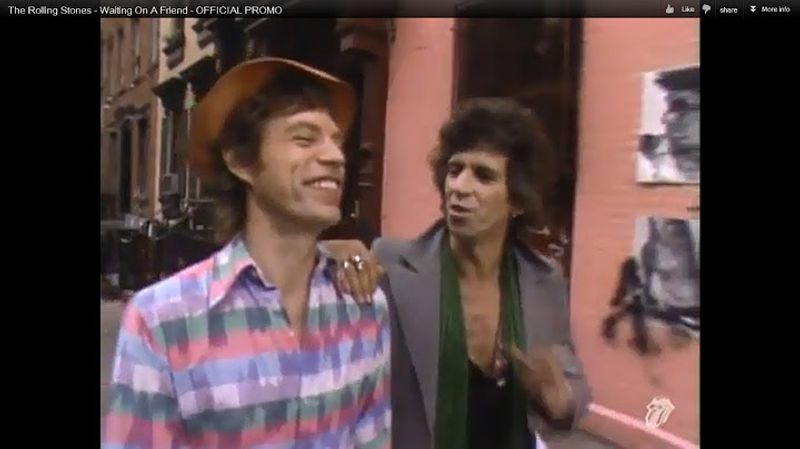
Mellow saxophone notes drift through this 1981 reflection on friendship and growing older with grace and wisdom.
The song’s relaxed groove and mature perspective showed a different side of the legendary rockers.
Reaching number 13 on the charts, it became a sleeper hit that grew on listeners over time.
Sonny Rollins’ jazz saxophone solo adds sophistication and depth to the laid-back arrangement.
The video, filmed in New York’s East Village, captured the band hanging out naturally without any rock star pretense.
This track proved the Stones could create compelling music without relying on their trademark rebellious energy and attitude.
11. Sympathy for the Devil
Conga drums and a hypnotic samba rhythm launch this controversial 1968 masterpiece that dares listeners to see history through the devil’s eyes.
The song’s literary lyrics reference historical atrocities with chilling detail and dark humor.
Amazingly, it never charted as a single in the US, though it became one of their most famous and analyzed songs.
Its provocative subject matter and nearly seven-minute length made it too risky for mainstream radio play.
Jagger’s “woo woo” calls became iconic, instantly recognizable to fans everywhere.
The track has sparked countless debates about its meaning while cementing the band’s reputation for pushing boundaries fearlessly.
12. Fool to Cry
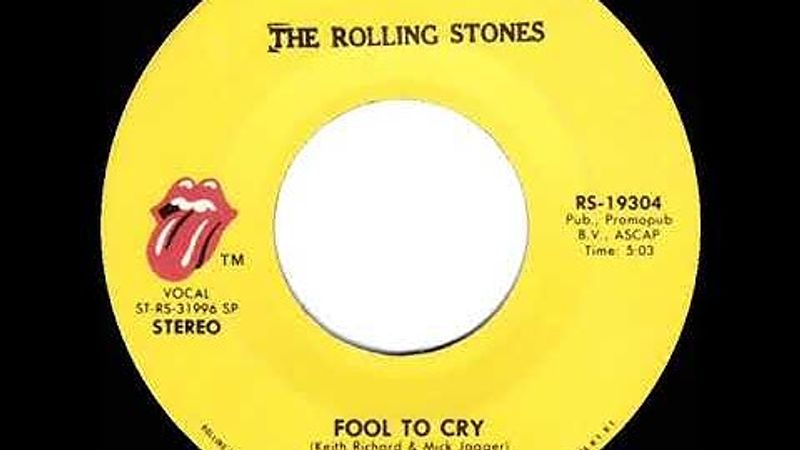
Vulnerability drips from every word of this 1976 ballad about a struggling father comforted by his daughter’s innocent love.
The song’s gentle melody and touching story showed the band’s emotional range beyond their tough rock image.
It reached number 10 in the US, their best chart performance on this list, yet many fans feel it deserved even higher recognition.
The piano-driven arrangement and Jagger’s tender vocal delivery create an intimate atmosphere rarely heard in their catalog.
Billy Preston’s keyboard work adds warmth and soul to the already emotional track.
This song reminds us that even rock legends understand heartache, family struggles, and the healing power of unconditional love.
13. Emotional Rescue
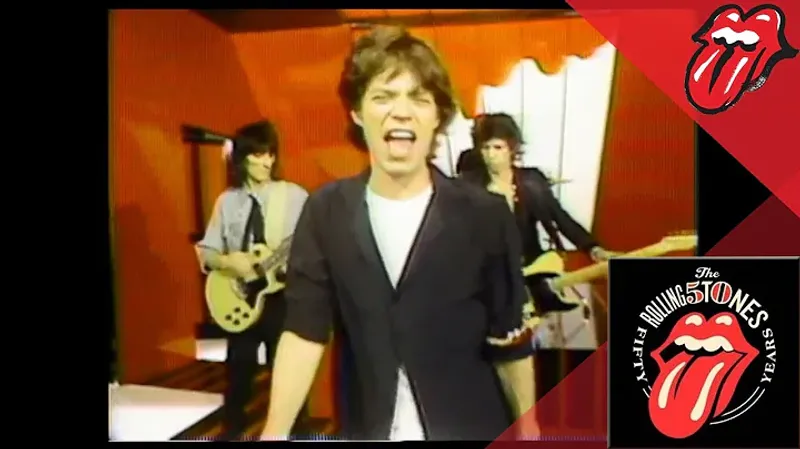
Falsetto vocals and a disco-influenced groove make this 1980 title track one of the band’s most unusual and divisive recordings.
Jagger’s high-pitched delivery divided fans, but the song’s funky bassline kept people moving on dance floors.
It reached number 3 in the US, their highest-charting single that decade, proving their willingness to experiment paid off commercially.
The synthesizers and electronic production reflected the changing musical landscape of the early eighties.
Some critics dismissed it as trendy, while others praised the band’s adaptability and courage to evolve.
This track shows that even legendary bands must take risks and embrace change to remain relevant across decades.
14. Start Me Up
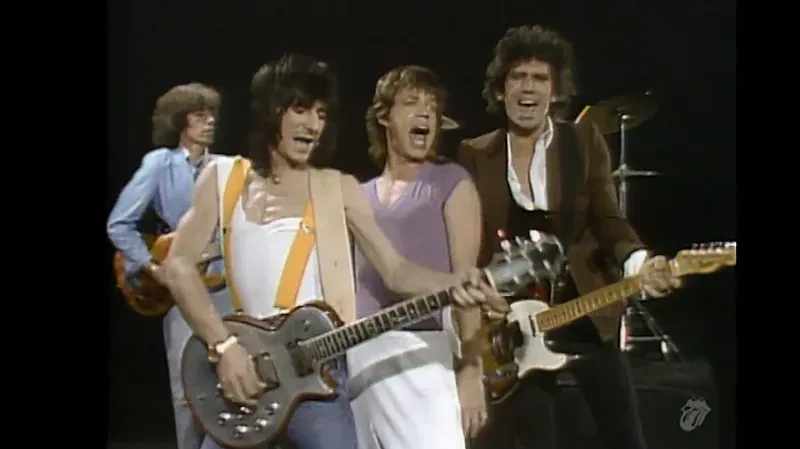
Few guitar riffs in rock history match the instant recognition of this 1981 stadium anthem’s opening notes.
Originally recorded as a reggae song years earlier, the band transformed it into a straight-ahead rocker that reignited their career.
It peaked at number 2 in the US, kept from the top spot by other hits of that era.
The song became synonymous with sports events, commercials, and celebrations worldwide.
Keith Richards’ simple but effective riff proved that sometimes less is definitely more in rock music.
Microsoft famously used it to launch Windows 95, paying millions for the privilege of associating their product with this unstoppable energy.
Comments
Loading…