
 Jade Reed
15 Famous Women Who’ve Been Labelled as Gold Diggers
Money has a way of turning celebrity relationships into public property, especially when there’s a big gap in wealth, age, fame, or status.
When that happens, a familiar insult tends to show up fast: gold digger.
It’s a label that reduces real people to a one-note stereotype, and it often gets applied without anyone knowing what a relationship actually looks like behind closed doors.
In many cases, the accusation is fueled by tabloids, social media, or a single viral quote, then repeated until it sounds like “truth” even when it’s just gossip.
Below are 15 famous women who have been accused of or labeled as “gold diggers” in the public conversation, plus the context that helped that narrative stick.
1. Anna Nicole Smith
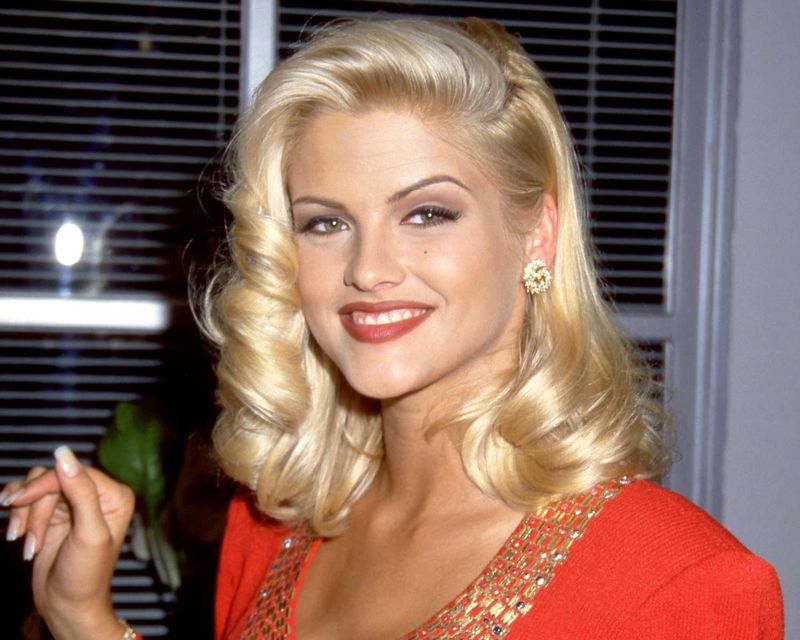
Few celebrity relationships have been dissected as intensely as the one involving Anna Nicole Smith and oil tycoon J.
Howard Marshall.
Their marriage sparked instant headlines because of the stark age difference and Marshall’s vast fortune, and critics rushed to frame the relationship as transactional.
The “gold digger” narrative followed her everywhere, often overshadowing her career and the way she insisted their bond was real.
After Marshall died, the scrutiny only grew as a long legal battle unfolded over his estate, which kept the storyline alive for years.
Supporters argued she was treated like a punchline because she didn’t fit the “acceptable” image of a grieving spouse, while detractors viewed the relationship through a cynical lens.
Either way, the label became part of her public identity in a way few celebrities ever escape.
2. Catherine Zeta-Jones
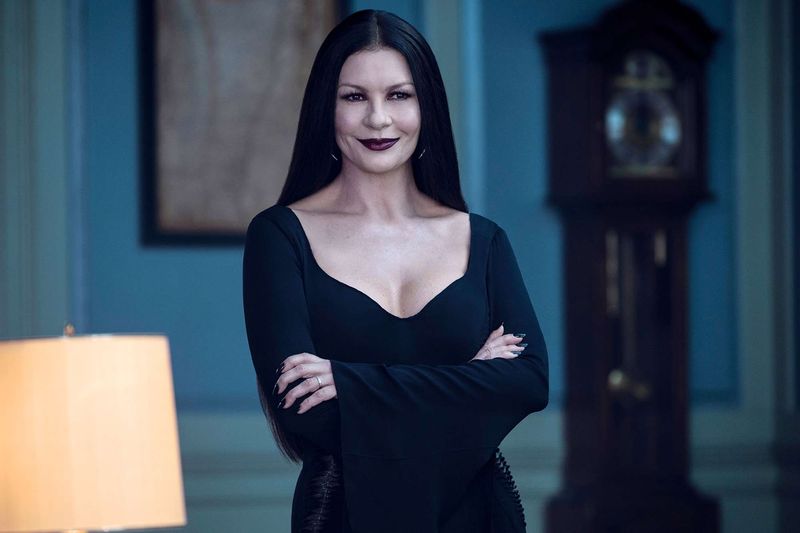
Celebrity couples with a significant age gap often get treated like a public debate, and Catherine Zeta-Jones faced that pattern when her relationship with Michael Douglas became high-profile.
Their romance was widely covered as glamorous, but it also attracted whispers about motives, especially as chatter about money, prenups, and power dynamics floated around entertainment media.
The “gold digger” accusation wasn’t always stated directly, yet it lingered in the tone of commentary that framed her as a younger woman “benefiting” from marrying an older, established movie star.
Over time, the longevity of their marriage made the stereotype harder to sustain, but the label still pops up in retrospectives that prefer sensational narratives.
What’s revealing is how quickly people leap to suspicion when a woman’s partner has status, as if affection must come with an asterisk.
3. Melania Trump
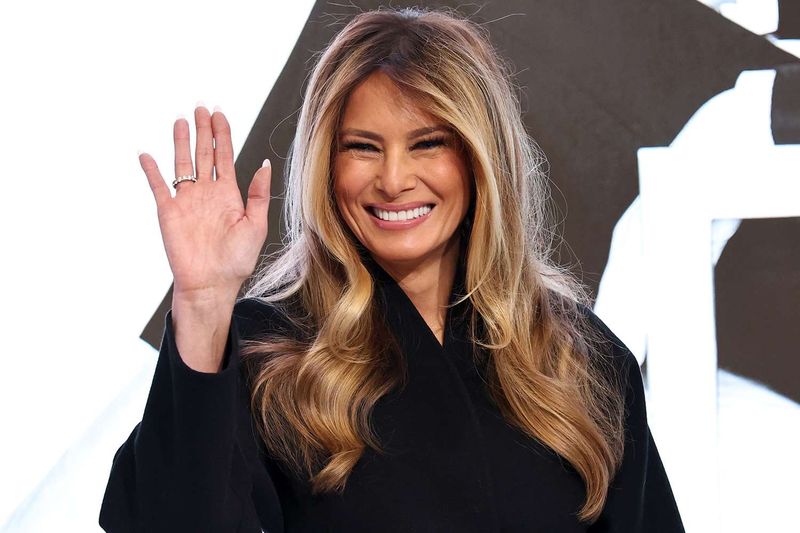
When someone becomes famous for who they marry, critics often treat that as an invitation to question their intentions, and Melania Trump has been on the receiving end of that dynamic for years.
Her relationship with Donald Trump—long before his presidency—was framed by many commentators as a story about wealth, access, and ambition, with “gold digger” used as a lazy shorthand.
The accusation tends to intensify whenever public attention returns to the Trump family, because the relationship is constantly filtered through politics, media spectacle, and assumptions about power.
While she has largely maintained a controlled public image, the absence of extensive personal commentary has sometimes fueled more speculation rather than less.
Regardless of where people land ideologically, the label illustrates how easily the public reduces a woman’s identity to her husband’s bank account, as if her choices can’t possibly have layered motives.
4. Amber Heard
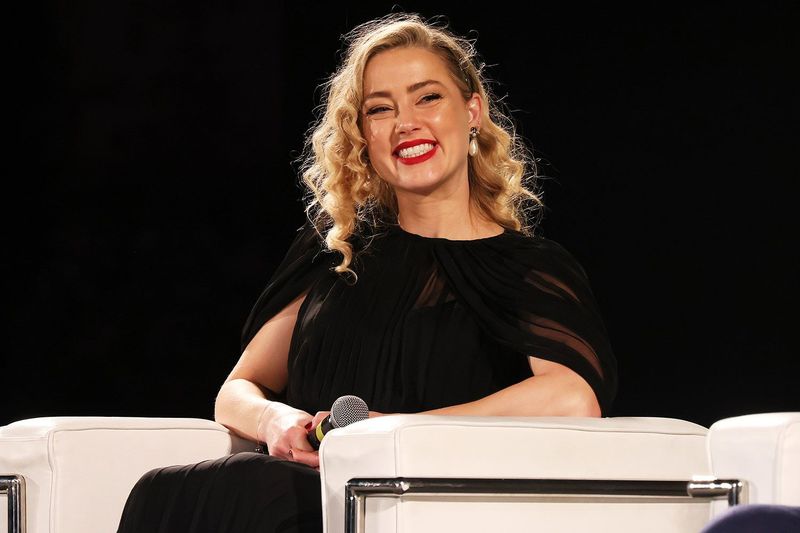
Public trials create simplified villains and heroes, and Amber Heard found herself subjected to some of the harshest name-calling imaginable during and after the Johnny Depp legal saga.
Among the insults that circulated widely was the “gold digger” accusation, which gained extra oxygen when a few celebrities and commentators repeated it publicly.
That label tended to frame her as motivated by money rather than focusing on the complicated legal and personal allegations at the center of the case, which is part of why it spread so quickly online.
Social media amplified the narrative through memes, clips, and selective interpretations of testimony, giving the accusation a life beyond the courtroom.
What’s notable is how often “gold digger” gets used as a moral shortcut, allowing people to dismiss a woman’s credibility or character without engaging with nuance.
In a media environment built for speed and outrage, complexity rarely goes viral, but insults always do.
5. Heather Mills

Divorces involving major fortunes almost always invite ugly speculation, and Heather Mills was treated as a lightning rod when her marriage to Paul McCartney ended.
In tabloid coverage and public conversation, she was often depicted as opportunistic, with “gold digger” framing used to explain the relationship through the simplest, harshest lens.
Mills pushed back strongly against that portrayal, and the back-and-forth created an ongoing media spectacle that kept the label alive.
The more the divorce became a public story about money, settlements, and reputations, the harder it was for any nuance to survive, especially because celebrity narratives reward clear-cut archetypes over messy human reality.
Supporters argued she was dehumanized in a way that male partners in wealthy splits rarely are, while critics insisted the financial stakes proved the point.
What’s undeniable is that the accusation became part of her public identity, regardless of what the relationship truly looked like privately.
6. Salma Hayek

When Salma Hayek married François-Henri Pinault, a billionaire businessman and luxury group executive, some corners of the internet immediately tried to rewrite her story as a “married for money” cliché.
That reaction ignored a basic fact: she had already built a major career in film and entertainment long before their relationship became public.
Still, “gold digger” accusations can latch onto any marriage involving extreme wealth, especially when people view a woman’s success as secondary to her partner’s fortune.
Hayek has addressed the topic with a mix of humor and firm pushback, emphasizing that the relationship isn’t a business transaction for public consumption.
The persistence of the label says less about her and more about the way audiences sometimes struggle to accept that a woman can be accomplished and still choose a wealthy partner without it being a scheme.
In celebrity culture, love rarely gets believed when money is in the room, even if the woman clearly had her own.
7. Julia Fox
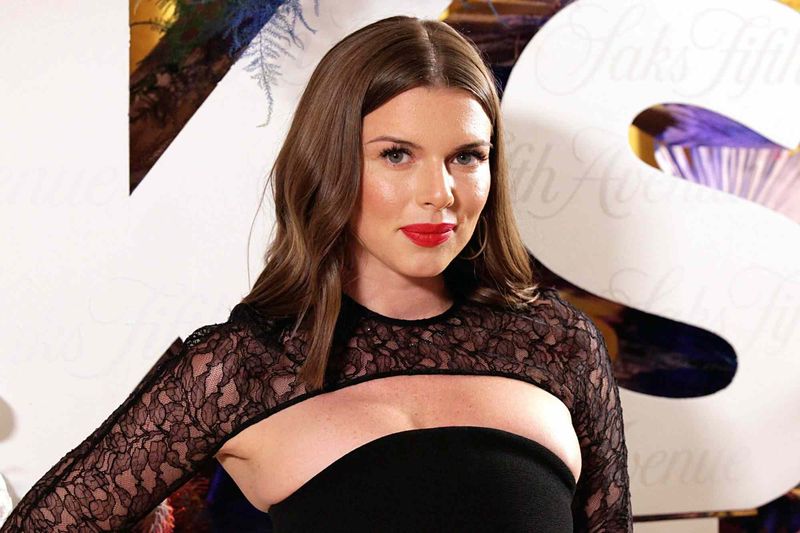
Attention moves fast in modern celebrity culture, and Julia Fox experienced that whiplash during the brief but highly publicized chapter involving Kanye West.
The relationship played out under a microscope, with paparazzi photos, rapid headlines, and intense online commentary that quickly turned into “gold digger” accusations.
Fox later spoke about the experience and the way the internet tried to reduce her to a stereotype, as if being linked to a wealthy, famous man automatically erased her agency.
Part of what fueled the label was the speed of the coverage and the sense that the relationship was a media event rather than a private connection, which created fertile ground for suspicion.
In these cases, people often assume a woman must be “getting something,” because the public struggles to imagine complicated reasons for dating decisions.
Whether the relationship was serious or fleeting, the episode shows how quickly women get punished for being visible, especially when money and fame collide.
8. Miranda Kerr

High-profile engagements tend to attract both congratulations and criticism, and Miranda Kerr saw that split reaction after getting engaged to Snapchat CEO Evan Spiegel.
Despite being an internationally successful model and businesswoman in her own right, she still faced online bullying and “gold digger” accusations that framed the relationship as a financial upgrade rather than a personal one.
The strange part is how this insult persists even when the woman clearly has her own career, as though wealth differences in a couple automatically imply manipulation.
Kerr has spoken about the emotional reality of being targeted by strangers, which highlights how casually people throw around labels that can genuinely harm someone’s mental well-being.
In many celebrity relationships, the public feels entitled to a motive, and money is the easiest motive to assign because it requires no evidence and no empathy.
The situation became another reminder that women are often expected to justify love in ways men rarely are.
9. Crystal Hefner

Being tied to a larger-than-life public figure can swallow someone’s identity, and Crystal Hefner dealt with that reality throughout her relationship with Hugh Hefner.
The marriage was frequently discussed through the lens of age gap, wealth, and the Playboy brand itself, which made “gold digger” accusations almost inevitable in tabloid and internet commentary.
She has spoken about feeling controlled and misunderstood, and those claims complicate the simplistic story outsiders tried to tell.
When people assume the relationship is purely transactional, they often ignore the possibility of emotional complexity, power imbalance, or personal vulnerability, especially in a setting as performative as the Playboy mansion.
The public tends to treat anyone near extreme wealth as fair game for judgment, and the label becomes a way to strip a woman of nuance and treat her like a character in someone else’s scandal.
Whether readers sympathize with her or not, the broader pattern is clear: when a woman marries into money, the world often refuses to believe anything else could be true.
10. Meghan Markle

The moment Meghan Markle entered the royal orbit, the internet seemed to pick a narrative and cling to it, and “gold digger” became one of the ugliest labels thrown her way.
Part of the accusation came from the idea that marrying into royalty must be a strategic grab for wealth or status, even though the reality of royal life is far more complicated than the fantasy.
Public commentary, including jokes and snide segments in some media circles, repeatedly implied opportunism, while supporters pointed to how such claims often carry racialized and sexist undertones.
What made the accusations especially persistent was the nonstop coverage of her background, career, and family drama, which created a tabloid ecosystem designed to provoke outrage.
Whether people viewed her sympathetically or skeptically, the label became a cultural talking point that says as much about public bias as it does about any one relationship.
11. Holly Madison

Reality-TV fame comes with a brutal tradeoff: the public feels entitled to label you, and Holly Madison has dealt with “gold digger” accusations for years because of her association with Hugh Hefner and the Playboy world.
The insult has appeared in media back-and-forth, including public remarks from people connected to Hefner, which helped cement the stereotype in pop culture.
Madison has consistently framed her story differently, describing emotional dynamics, control, and the personal cost of being part of that environment.
What’s interesting is how the accusation flattens everything into a single motive, as if a woman couldn’t be young, influenced, insecure, ambitious, or searching for stability all at once.
In stories like hers, money becomes the headline because it’s sensational, but it’s rarely the whole truth.
Whether someone views her as a victim, a willing participant, or something in between, the “gold digger” label tends to shut down real conversation instead of inviting it.
12. Ashley Darby
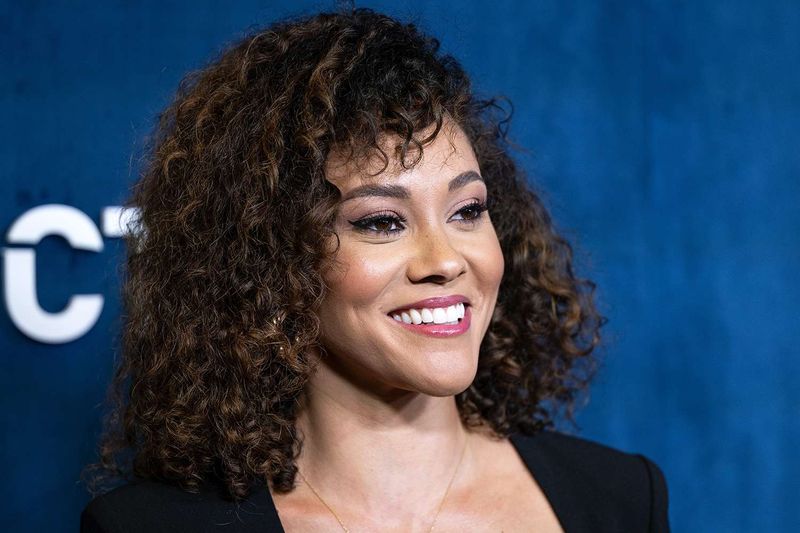
Reality television thrives on conflict, and Ashley Darby’s marriage to businessman Michael Darby became a frequent target for “gold digger” accusations on The Real Housewives of Potomac.
Castmates and commentators have used the insult as a storyline shorthand, especially because of the age gap and the show’s constant focus on wealth, contracts, and power.
The label gained traction not just because viewers love a scandal, but because Housewives culture rewards suspicion and sharp one-liners, even when real lives are involved.
Darby has addressed the criticism at different times while also navigating highly public marital controversies that kept the public intensely engaged.
In a setting where relationships become entertainment, nuance often gets sacrificed to whatever makes the best episode.
The result is that a complicated marriage, with real emotions and real consequences, becomes framed as a financial strategy, and the woman is expected to defend herself in a court of public opinion that’s already made up its mind.
13. Blac Chyna

Few modern celebrity storylines have been as fueled by internet commentary as the one involving Blac Chyna and Rob Kardashian, and “gold digger” accusations were a recurring part of that noise.
The relationship existed inside a larger ecosystem of fame, social media, and reality-TV branding, which made it easy for outsiders to assume every move was about money or clout.
At various points, public statements from people around the couple helped keep the label circulating, turning private conflict into a public debate about motives.
Chyna has long been portrayed through extremes—either a mastermind or a mess—because the internet prefers caricatures over complexity.
The “gold digger” insult also taps into deeper stereotypes about women who are outspoken, sexualized, or seen as ambitious, especially when they’re linked to powerful families.
No matter what people believe about her choices, it’s clear the label became a convenient way to dismiss her as a person rather than engage with the actual dynamics and disputes that played out in public.
14. Hailey Bieber (née Baldwin)
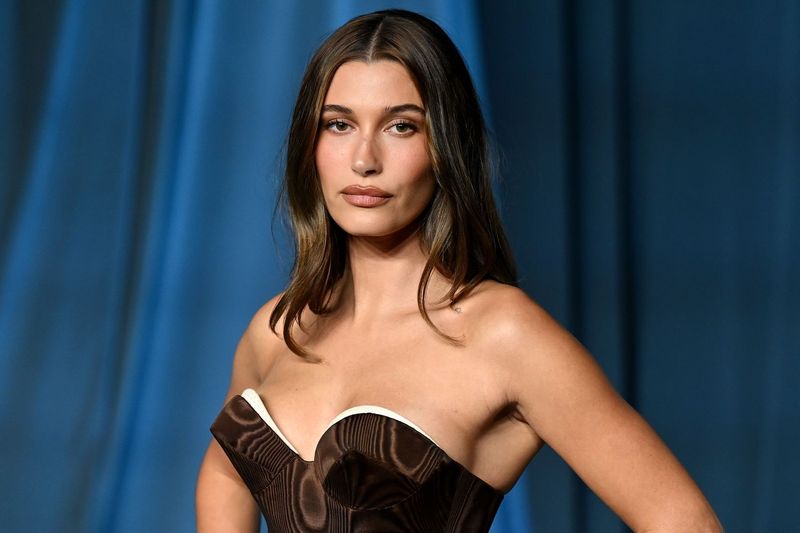
Online fandoms can be vicious, and Hailey Bieber has been targeted by “gold digger” claims that insist her relationship with Justin Bieber must be motivated by money or fame.
Even though she comes from an industry-connected family and has built her own public career, trolls often ignore anything that complicates their preferred narrative.
The accusation tends to show up alongside other insults, including comparisons to exes and conspiracy-style threads that treat her marriage like a competition rather than a partnership.
Hailey has responded to the harassment at different points, and her comments have underscored how exhausting it is to have strangers debate your intentions as if they’re reading a script.
What keeps the label alive is the way celebrity couples become symbols for other people’s projections, with money used as a shortcut explanation whenever fans dislike the match.
In a healthier culture, a woman wouldn’t have to prove she loves her husband for “the right reasons,” but celebrity life rarely offers that kind of fairness.
15. Oksana Grigorieva
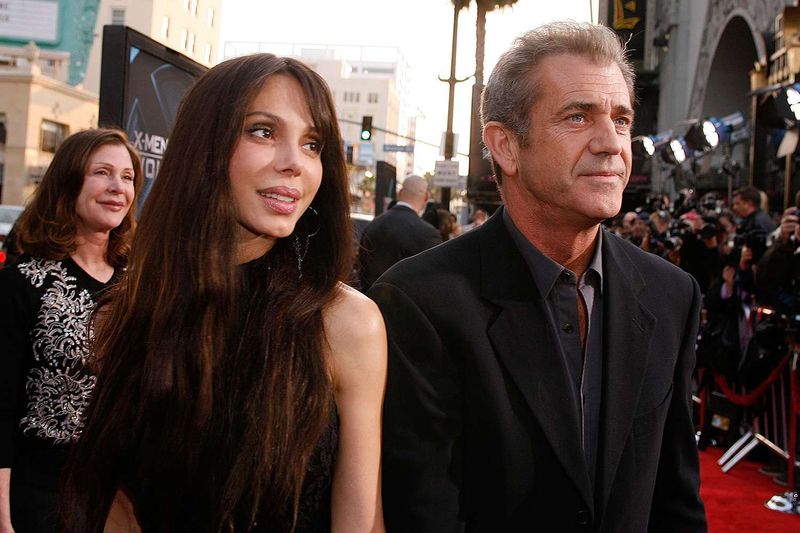
When a relationship becomes a headline machine, it often turns into a morality play, and Oksana Grigorieva experienced that during the highly public fallout involving Mel Gibson.
Public disputes, legal battles, and leaked controversies created an environment where insulting labels spread quickly, and “gold digger” was among the accusations used in coverage and commentary.
In situations like this, the public often decides motives before facts are clear, especially when money, settlements, and reputations are all tangled together.
The accusation also functions as a way to discredit a woman’s perspective, implying she’s driven by greed rather than concern, anger, or self-protection.
Regardless of what any outsider believes about the relationship’s true dynamics, the media spectacle ensured that simplistic narratives traveled farther than nuanced ones.
It’s another example of how quickly a woman can be reduced to a stereotype when a powerful, famous man is involved, because the public conversation tends to default to suspicion rather than empathy.
Comments
Loading…