
 Chloe Peterson
17 Modern TV Shows That Had All the Hype But Were Actually Letdowns

Hype is a powerful thing, especially in the streaming era, where a show can go from “never heard of it” to “you have to watch this” in a single weekend.
The problem is that buzz doesn’t always equal quality.
Sometimes the marketing is louder than the storytelling, the cast chemistry can’t save a weak script, or a promising premise gets stretched far past what it can support.
Other times, a series becomes a cultural moment mainly because everyone else is talking about it, and nobody wants to be the one person left out of the group chat.
If you’ve ever finished a season wondering why you kept pressing “Next Episode,” you’re not alone.
Here are 17 modern shows that pulled in huge audiences, dominated timelines, and still left a lot of viewers feeling like the payoff never matched the praise.
1. Emily in Paris

A glossy postcard version of Paris can be fun in small doses, but the fantasy starts to wear thin when it asks you to ignore basic logic for entire seasons.
The series leans hard on charming outfits, picturesque backdrops, and the promise of romantic chaos, yet it often treats cultural stereotypes like shortcuts instead of something worth exploring with nuance.
Emily’s career wins can feel unearned, with conflicts resolving because the plot says so rather than because she grows into competence.
Even the love triangles, which should be the show’s beating heart, sometimes play like repetitive reruns with new coats of lipstick.
If you want escapism, it delivers, but if you want characters who learn from mistakes and relationships that evolve realistically, the hype can feel louder than the substance.
2. The Idol

Shock value can create curiosity fast, but it rarely sustains interest when the storytelling doesn’t earn it.
This series arrived with major attention, a heavy marketing push, and the promise of a dark, provocative look at fame, power, and the music industry.
What many viewers got instead was a show that seemed more interested in being controversial than being insightful, with scenes that felt engineered for reaction rather than meaning.
Character motivations can come across as thin, and the emotional beats don’t always land because the writing doesn’t build the necessary empathy.
The performances and visuals are often striking, yet style can’t replace coherence for long.
When a show asks you to sit through discomfort, it needs a clear point, and this one struggled to justify its own intensity.
3. And Just Like That…
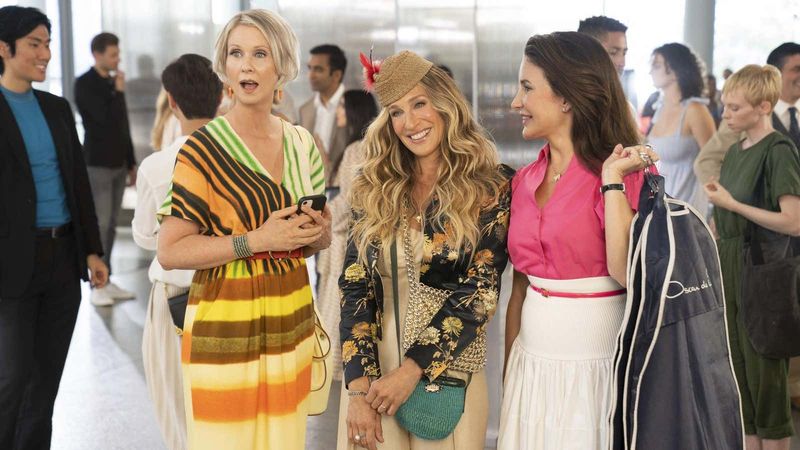
Reboots can work when they honor the original while acknowledging that time changes people, but nostalgia becomes a problem when it replaces sharp writing.
The series tries to update the world of its predecessor with new storylines, new dynamics, and a modern lens, yet it often feels like it’s juggling themes rather than developing them.
Moments that should be emotionally grounded can turn awkward or overly explanatory, as if the show is trying to teach the audience what to think instead of letting scenes speak.
Some character decisions feel like plot devices rather than believable choices, which makes it harder to stay invested even when the performances are solid.
Fans tuned in expecting wit, spark, and intimacy, but many walked away feeling like the show captured the brand without capturing the magic.
4. 13 Reasons Why
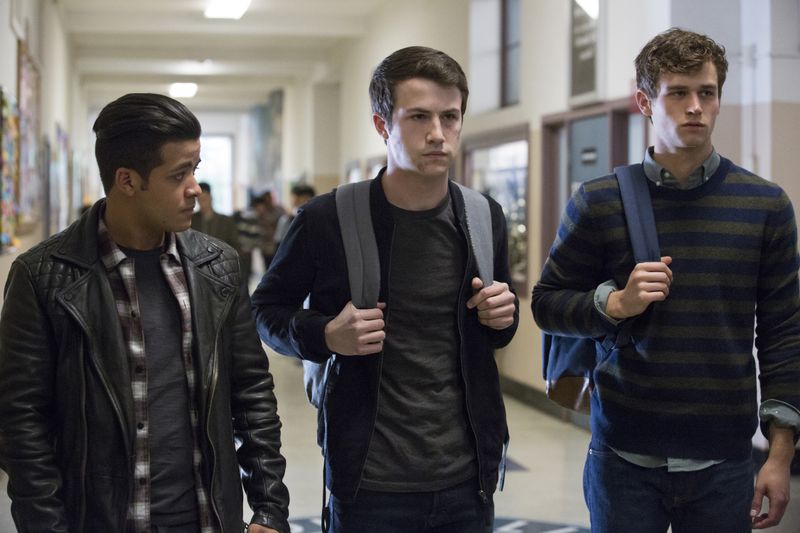
A tough subject can be handled responsibly, but it requires careful writing, clear intent, and a commitment to nuance.
This show became a phenomenon almost instantly, sparking conversations in schools, families, and online spaces, which made it feel culturally important even to people who didn’t watch.
The problem is that the series often blurred the line between awareness and sensationalism, turning heavy trauma into cliffhangers and mystery beats that didn’t always sit right.
As seasons went on, the story expanded in ways that felt increasingly forced, with shock-driven turns replacing authentic character development.
The emotional intensity is real, but it can also feel manipulated, especially when serious themes are used as narrative fuel rather than explored with care.
Not all attention is good attention, and the hype here often outweighed the storytelling discipline.
5. Insatiable

Dark comedy can be daring when it knows exactly what it’s satirizing, but muddled messaging can make the joke feel like the problem.
This series tried to blend body image commentary, pageant culture absurdity, and teen chaos into one messy cocktail, and that ambition pulled in plenty of curiosity clicks.
Yet the tone swings so aggressively that it’s hard to tell what the show wants you to laugh at versus what it wants you to critique.
Moments that could have offered sharp insight into insecurity and self-worth sometimes feel like they’re chasing shock, not truth.
Characters veer into cartoonish behavior without enough grounding, which makes serious beats land oddly.
It’s not that the show never has a point, but it often buries any meaningful message under so many extremes that viewers are left feeling more exhausted than entertained.
6. Riverdale
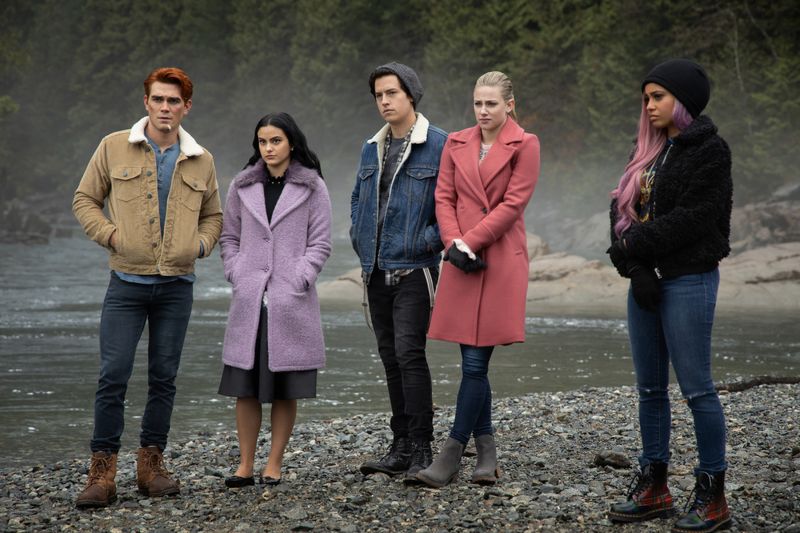
A moody teen mystery sounds irresistible until it starts stacking plot twists like it’s trying to break a record.
Early on, the show had an addictive energy, mixing small-town secrets with soap opera flair and a stylish, heightened vibe.
Over time, though, the storylines became so overstuffed and surreal that emotional stakes started to feel meaningless, because anything could happen at any moment for no clear reason.
Characters make dramatic choices that don’t always track with who they used to be, and “shocking” reveals can feel more like routine maintenance than genuine surprise.
The dialogue is famous for being memorable, but not always in a flattering way, and the tonal whiplash can make it hard to stay invested.
If you loved it as camp, it delivered, but as a “must-watch drama,” the hype asked for more coherence than the show wanted to provide.
7. The Witcher
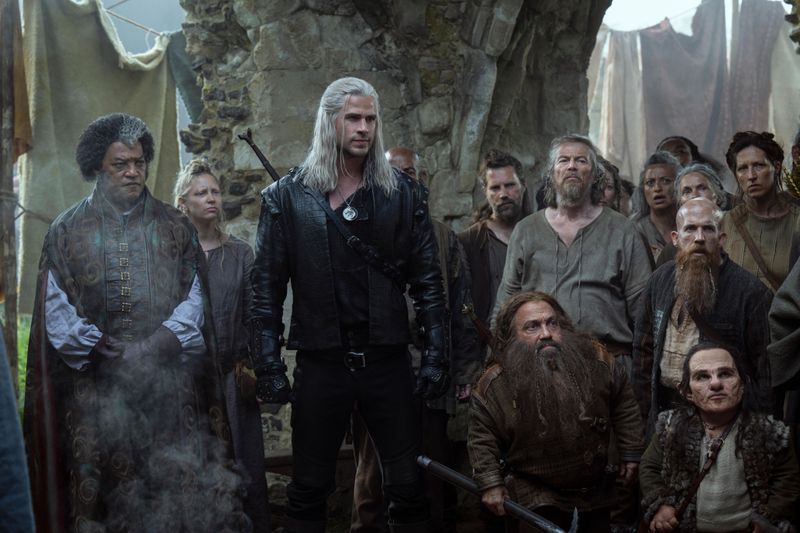
Fantasy adaptations live or die on world-building clarity, emotional momentum, and characters you’re willing to follow into chaos.
This series arrived with massive expectations, helped by a popular source material fan base and a lead performance that drew instant attention.
The issue for many viewers wasn’t a lack of spectacle, but a lack of storytelling consistency, especially in pacing and structure.
The timeline choices, while interesting on paper, sometimes made it harder for newcomers to connect with the emotional throughline, and the show’s tone could wobble between grim seriousness and quirky banter without smoothing the transitions.
The action is often impressive, and the creature design can be fun, yet the narrative can feel like it’s sprinting in circles.
When a show is sold as an epic, viewers want payoff, not just cool moments stitched together.
8. The Umbrella Academy
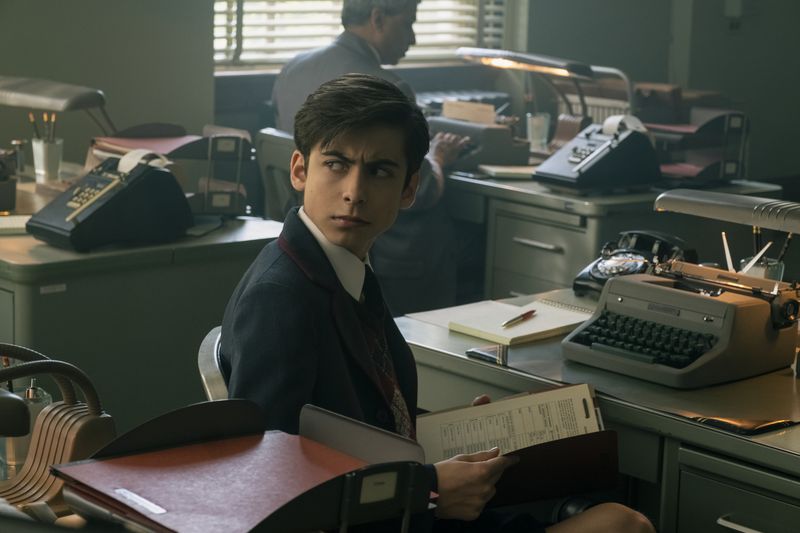
A dysfunctional super-family is a great premise, and the early episodes made it seem like the show would balance heart, humor, and chaos in a satisfying way.
As the seasons progressed, however, the story started to feel like it was repeating its own beats, with the same emotional conflicts resurfacing while the plot escalated into increasingly complicated resets.
The show still offers stylish visuals, strong performances, and a fun soundtrack, but those strengths sometimes mask pacing issues that can make a season feel longer than it needs to be.
Characters you want to root for can also become frustrating when growth stalls, because the narrative keeps pulling them back into old patterns for drama.
It’s entertaining in bursts, yet the “you have to binge this immediately” hype often promised a tighter, more consistent ride than the series actually delivers.
9. Money Heist (La Casa de Papel)
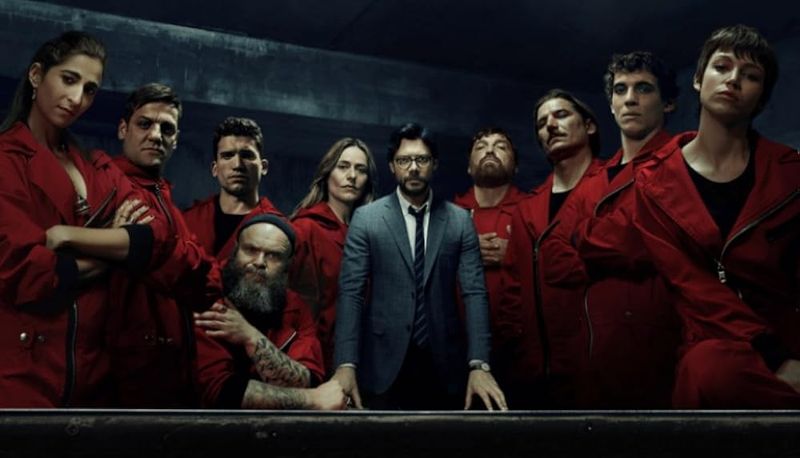
A high-stakes heist thriller practically begs to be binged, and the show’s early momentum made it easy to understand why it grabbed so many viewers.
The problem is that tension loses its bite when the same tricks get used repeatedly, especially when plot armor becomes obvious and every setback is just a setup for another grand speech.
Emotional manipulation can start to feel like a formula, with dramatic music and slow-motion looks doing heavy lifting that the writing should handle.
The characters are iconic, but some arcs stretch credibility, and the pacing can feel padded as the story expands far beyond the tightness that made it exciting in the first place.
There’s plenty of style, and the energy is undeniable, yet “best show ever” praise can feel inflated when the narrative keeps circling familiar ground.
10. Squid Game

A brutal social allegory can be gripping, and the series absolutely delivered a memorable concept that turned into a global event almost overnight.
Still, cultural domination isn’t the same as lasting depth, and some viewers found the execution more uneven than the headlines suggested.
The strongest episodes rely on suspense and moral pressure, but parts of the story can lean into melodrama in ways that flatten subtlety, especially when side plots become less believable.
The commentary about inequality is clear, yet it can feel like it’s underlined repeatedly rather than woven naturally into character choices.
There are also moments where the shock factor takes priority, leaving the emotional aftermath thinner than expected.
It’s an effective, conversation-starting show, but the “nothing has ever been this good” hype set a bar that the pacing and character development didn’t always clear.
11. Bridgerton
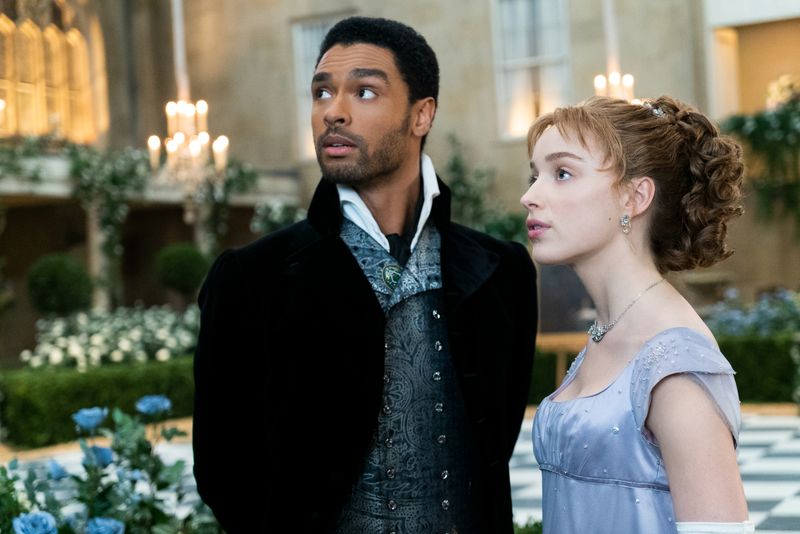
Romantic escapism is a valid pleasure, and the show’s costumes, music, and glossy drama make it easy to watch with a bowl of snacks and zero guilt.
The issue is that the storytelling can feel like it’s built for vibes first and logic second, with conflicts that balloon quickly and then resolve in ways that don’t always feel earned.
Chemistry varies by season, and when the central romance doesn’t fully click, the show’s reliance on longing looks and grand declarations can start to feel repetitive.
The dialogue is intentionally modern-flavored, which some viewers love, but others find it pulls them out of the period fantasy.
Side characters often steal scenes, yet they can also highlight how uneven the main plot is.
It’s fun, it’s pretty, and it’s addictive, but “masterpiece romance” hype can be a stretch when so much of the appeal is surface-level sparkle.
12. You
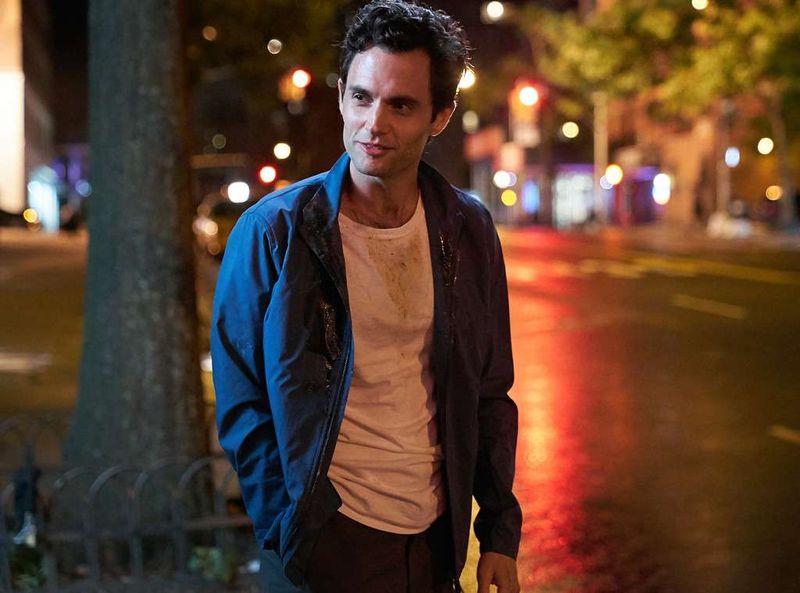
A stalker thriller can be chilling precisely because it exposes how easily charm can blur into danger, and the first season proved the concept could be both tense and darkly funny.
The longer it goes, though, the harder it becomes to maintain plausibility without turning the show into self-parody.
Joe’s internal monologue is a signature, but it can also start feeling like a crutch, repeating the same rationalizations with slightly different targets.
The show keeps reinventing its setting and supporting cast, which adds freshness, yet it can also make the story feel like a loop where consequences never fully stick.
Suspense thrives on escalation, but escalation without credibility eventually becomes noise.
It’s bingeable and entertaining, but the hype that frames it as endlessly brilliant ignores how much it relies on the audience accepting increasingly unrealistic turns.
13. The Bear

Intense workplace drama can be incredible when it balances realism with emotional release, and this series earned passionate fans for its performances and high-pressure energy.
At the same time, some viewers walked away feeling like the acclaim oversold what the show actually offers, especially if they expected a consistent “comedy” tone or a traditional feel-good arc.
The shouting, chaos, and claustrophobic pacing can be effective, yet they can also feel relentless, making it more stressful than cathartic depending on your tolerance.
Certain episodes are undeniably standout, but the season-to-season rhythm can feel uneven, with character breakthroughs sometimes arriving in bursts rather than steady growth.
It’s a strong show, but the near-universal “best thing on TV” chatter can create expectations of perfection, and perfection is a tough standard for any story that intentionally lives in discomfort.
14. Euphoria
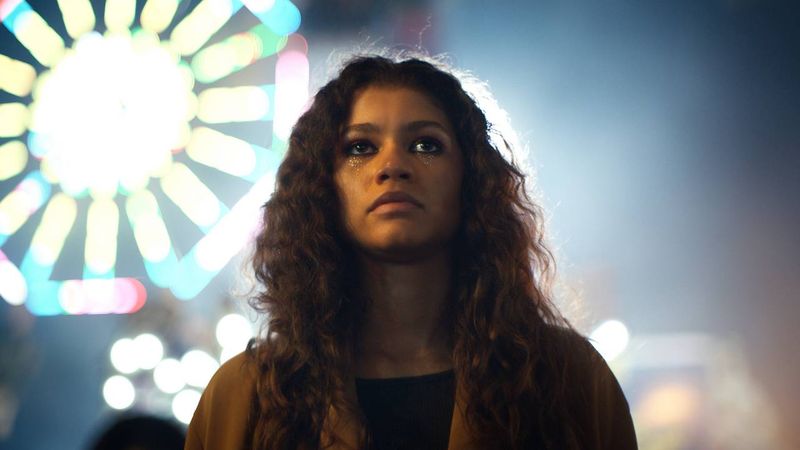
A visually striking teen drama can feel like an event, and the show’s cinematography, music, and performances made it impossible to ignore.
The problem is that style can become a distraction when the narrative doesn’t offer the same level of discipline.
Some storylines feel deeply emotional and raw, while others drift into spectacle, with trauma presented in ways that can feel more aestheticized than explored.
The pacing can be uneven, and character arcs sometimes move according to dramatic needs rather than organic growth, which can make the show feel more like a collection of powerful moments than a cohesive story.
It also sparked constant debate about realism, which became part of the hype machine itself.
There’s talent on display, but “generation-defining masterpiece” praise doesn’t always match the experience, especially when the show occasionally seems more committed to mood than to meaning.
15. Inventing Anna

True-crime-adjacent stories thrive on tension between truth and performance, and this series had a perfect setup: a charismatic con artist, a high-society playground, and a media frenzy waiting to be dissected.
What frustrated many viewers was how repetitive and drawn-out the storytelling could feel, as if the show was stretching a limited amount of material into a longer runtime than necessary.
The tone often wobbles between satire, drama, and moral lecture, which can make it hard to land on a clear emotional takeaway.
Some characters are compelling, but others feel like exaggerated types, and the central mystery loses steam once you realize the show is more about vibes and courtroom-style arguing than new revelations.
It’s watchable, and the premise is fascinating, yet the hype promised sharper insight and tighter pacing than the series consistently delivered.
16. Tiger King

Viral documentaries can feel irresistible because they give you a ready-made group chat topic, and this one arrived at the exact moment when people wanted something outrageous to collectively process.
The problem is that shock becomes the primary product, and once you’ve absorbed the big personalities and the wild twists, there isn’t always much else to take home.
The series can feel exploitative, lingering on chaos without providing the kind of careful context that makes a story more than a circus.
It also rewards bingeing, which amplifies the “you have to watch now” effect, but that urgency can fade quickly once the season ends and you realize how little depth remains.
It’s undeniably entertaining in a “can you believe this?” way, yet the hype framed it as essential viewing, when it often plays more like a time capsule of collective distraction.
17. The Morning Show
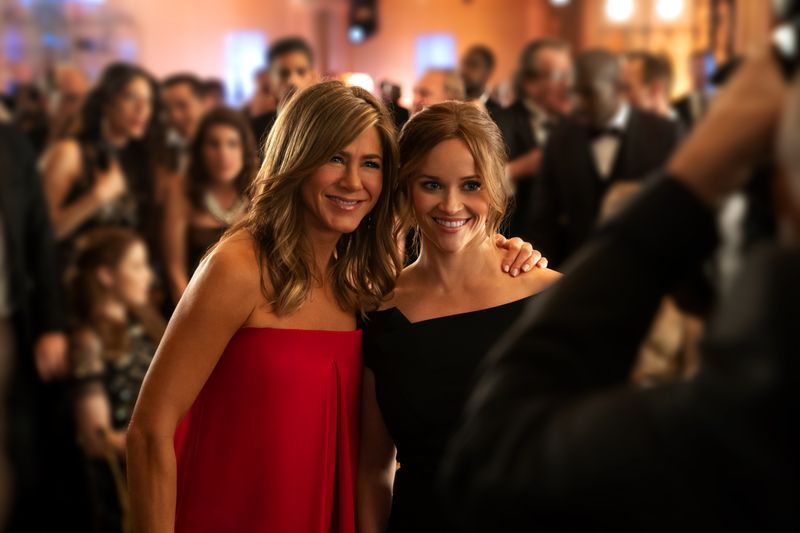
A star-studded drama about media ethics should be a slam dunk, and the show clearly aims for prestige with big themes, glossy production, and performances that demand attention.
Still, ambition can become a weakness when the writing tries to cover every headline at once instead of building a focused, believable story.
The series sometimes shifts tone between intimate character drama and sweeping social commentary in a way that feels stitched together, as if the plot is reacting to current events rather than unfolding naturally.
Characters can behave inconsistently, and emotional moments occasionally feel engineered to deliver speeches instead of honest conversation.
It isn’t that the show lacks quality, but the hype that positions it as razor-sharp and groundbreaking can set expectations for a tighter, more coherent experience.
When prestige TV becomes self-serious without the narrative precision to match, the result can feel more exhausting than compelling.
Comments
Loading…