
 Mila Ross
12 Times Actors Lost Roles to Bias, Ageism, Racism, and Homophobia
Casting is supposed to be about talent, timing, and chemistry, but the stories below show how often bias can slip into the decision-making process.
Over the decades, actors have described losing major opportunities because of race, age, pregnancy, sexuality, or retaliation after refusing inappropriate behavior.
In some cases, those claims were tested publicly in lawsuits and courtrooms; in others, they live in interviews, memoirs, and industry reporting that paints a picture of how power works behind the scenes.
What makes these examples so striking is that many of the actors involved were already proven performers, yet still found themselves treated as “too much” of something: too old, too pregnant, too Asian, too outspoken, or too openly themselves.
Here are 12 cases that illuminate the human cost of discrimination in Hollywood.
1. Bruce Lee — Kung Fu
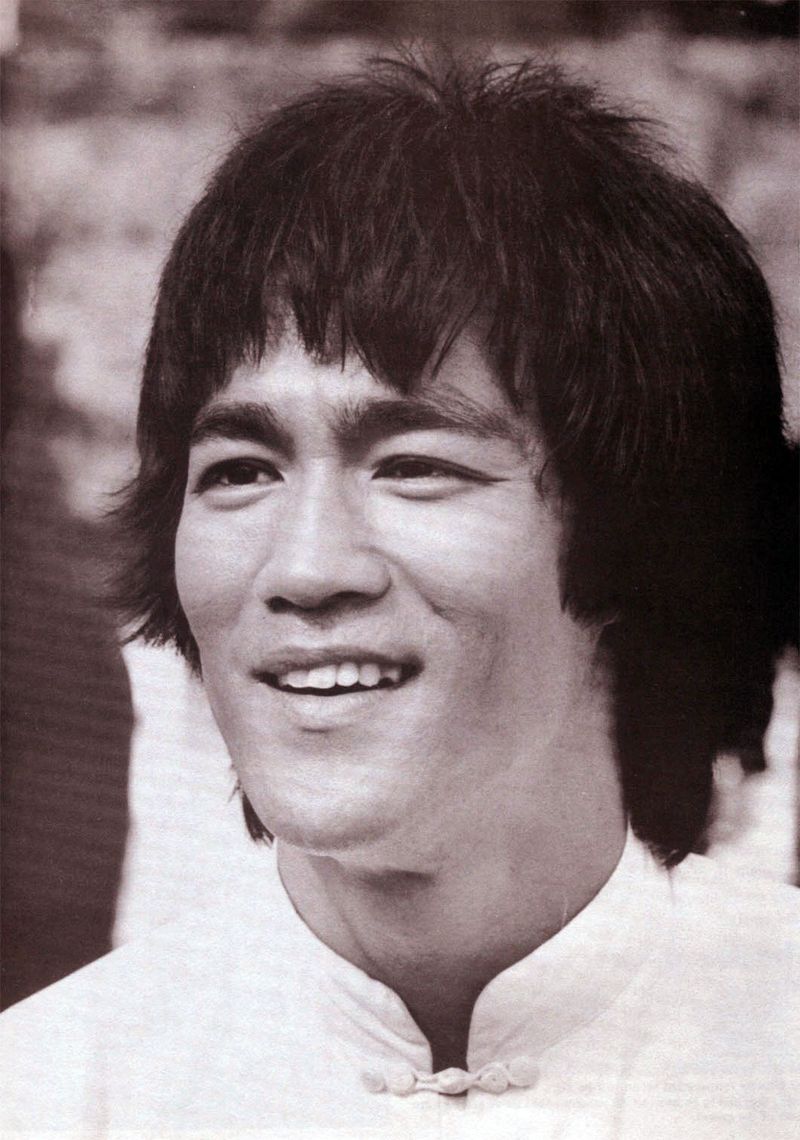
Long before representation became a mainstream talking point, Hollywood’s discomfort with an Asian leading man was already shaping careers.
The martial arts icon is often linked to the origin story of the 1970s series Kung Fu, a project many people believe aligned closely with the kind of role he could have made iconic.
Instead, the show’s lead ultimately went to David Carradine, and the decision has long been discussed as an example of how studios doubted whether audiences would accept an Asian star in a prime-time lead.
Whether every detail is perfectly settled decades later, the larger pattern is hard to ignore: the industry often treated Asian performers as supporting players rather than the face of a franchise.
Lee’s legacy became enormous anyway, but the “what if” still stings.
2. Anna May Wong — The Good Earth
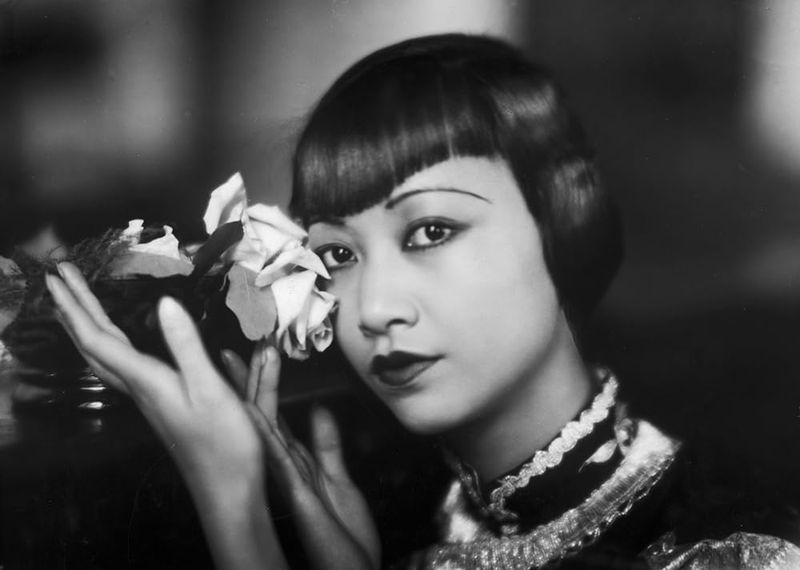
Early Hollywood often demanded authenticity from marginalized performers while refusing to give them real opportunities.
One of the most cited examples involves The Good Earth (1937), when a Chinese-American star who was already famous still couldn’t access the lead role in a story centered on Chinese characters.
Studios chose to cast a white actress instead, using makeup and styling that would now be recognized as blatant yellowface.
Wong’s exclusion has been widely discussed as a product of racist casting norms and restrictive industry practices, including the era’s anti-miscegenation rules that affected how studios handled on-screen romance.
The result wasn’t just a single lost role, but a reminder that “visibility” is not the same as power.
Wong’s career endured, yet her story remains a landmark lesson in how discrimination can define who gets to be seen.
3. Hunter Tylo — Melrose Place
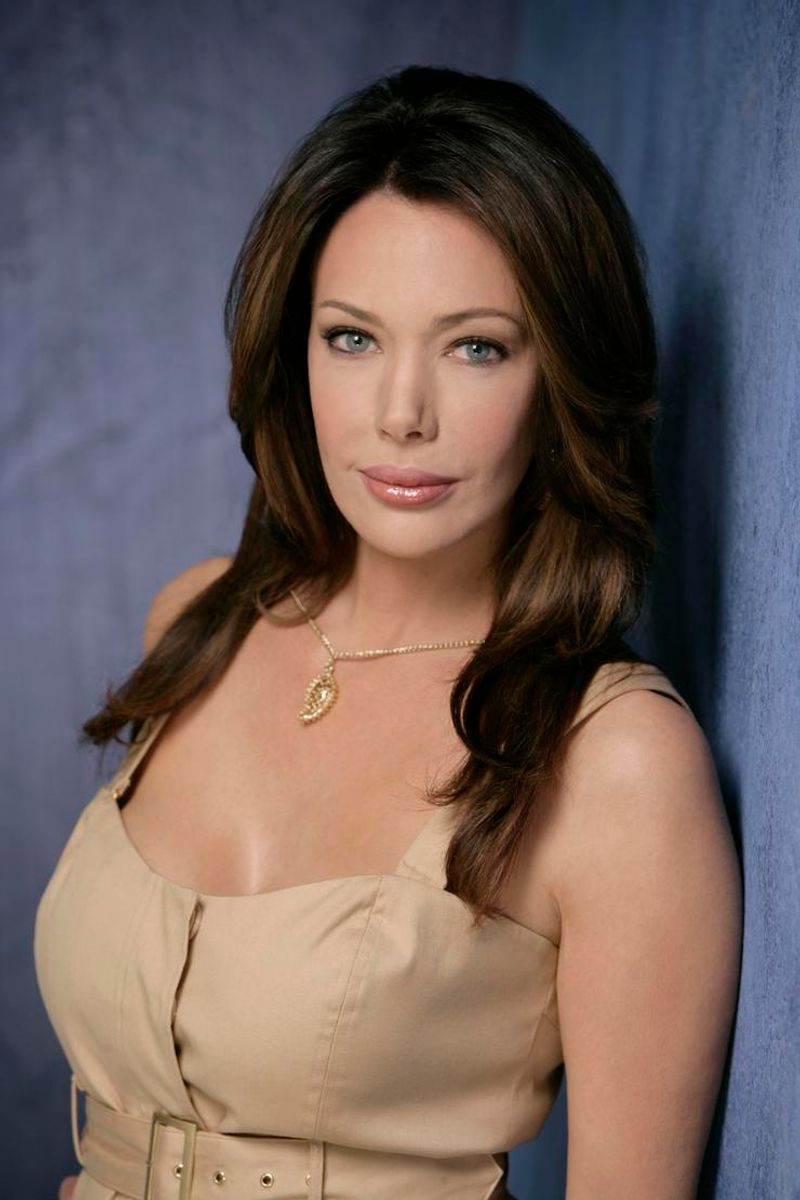
Pregnancy discrimination is sometimes talked about as a modern workplace issue, but entertainment has its own history of treating pregnancy as a “problem” to be removed.
In the 1990s, Hunter Tylo was cast on Melrose Place and then fired after revealing she was pregnant, a situation that became one of the most widely reported examples of alleged pregnancy-based bias in Hollywood.
The case is notable because it did not stay in the realm of rumors or vague grievances; it became a public legal fight, and Tylo ultimately prevailed in court.
Beyond the headlines, the situation captured a larger truth about how women’s bodies can be treated as liabilities in careers where appearance and scheduling are weaponized.
Even if producers can argue logistics, the message many performers hear is chilling: motherhood can cost you work.
4. Kari Wuhrer — General Hospital

Television production runs on tight schedules, which can make pregnancy feel like a disruption to executives who prioritize speed over fairness.
Kari Wuhrer’s experience has been reported in that context, as she alleged she was fired from General Hospital after becoming pregnant and pursued legal action tied to that claim.
Cases like this tend to expose how easily “creative decisions” can be used to mask workplace bias, especially in industries where characters can be written out overnight.
The entertainment business also has a long pattern of treating female performers as interchangeable, which makes it harder for any individual actor to challenge a decision without being labeled “difficult.”
While every legal dispute has its own specifics, the broader theme is consistent: when pregnancy becomes framed as a professional flaw, the consequences land heavily on women’s livelihoods.
Wuhrer’s story is a reminder that discrimination can hide behind the language of “storylines.”
5. Olivia Wilde — The Wolf of Wall Street
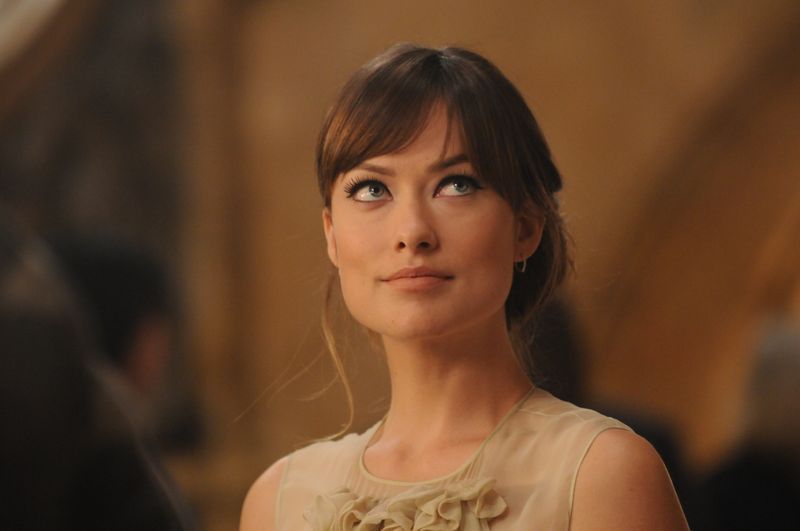
Ageism can be particularly brutal in Hollywood because it often arrives disguised as “fit” or “tone,” even when the underlying concern is simply a number.
Olivia Wilde has spoken about an audition experience connected to The Wolf of Wall Street in which she said she was told she was “too old” for the role, despite being far from old in any normal sense of the word.
The part eventually went to Margot Robbie, and the contrast between the two actresses—both talented, both young—illustrates how narrow the acceptable age window can be for women in studio films.
What makes these stories resonate is that they don’t describe gradual career decline; they describe doors closing abruptly because someone behind a desk decides a woman’s age reads wrong on camera.
Wilde’s account also highlights an uncomfortable truth: actresses can be penalized for maturity even when male co-stars are decades older.
6. Maggie Gyllenhaal — unnamed project
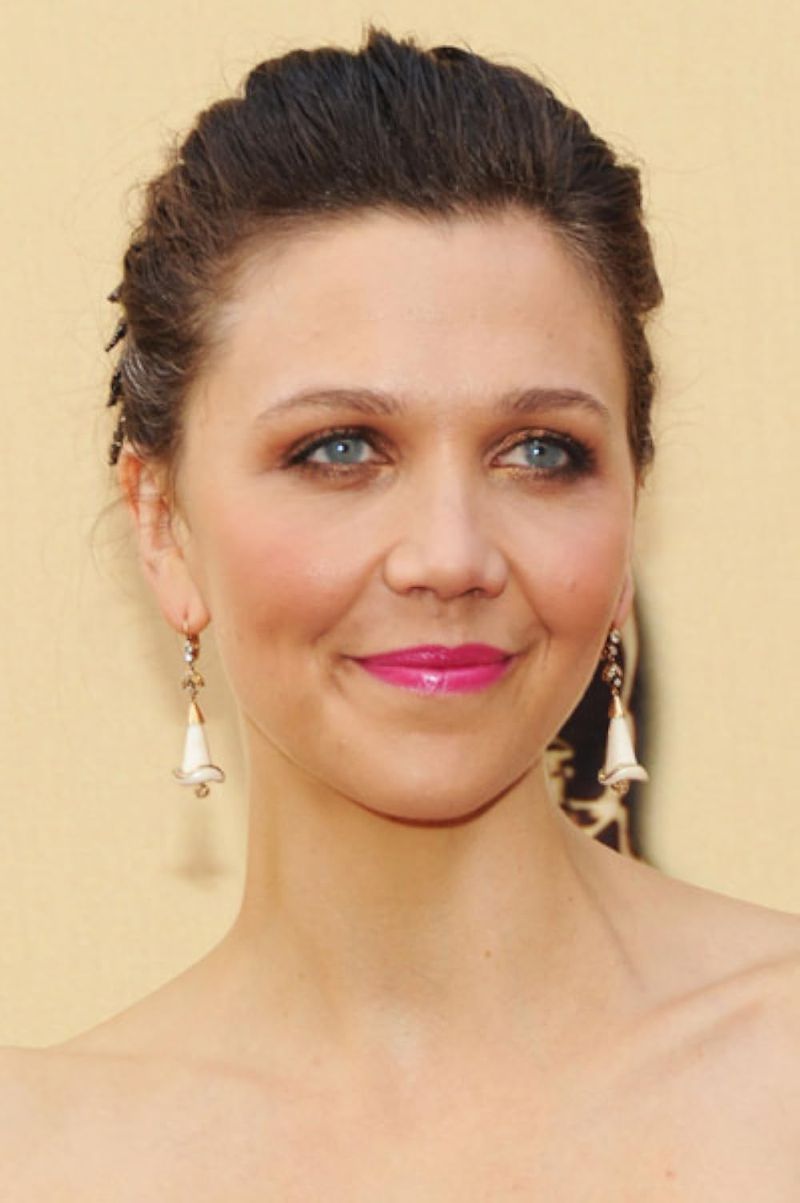
The double standard of “leading man aging gracefully” versus “leading woman aging out” has been talked about for years, but it still shocks when it shows up in personal stories.
Maggie Gyllenhaal has said she was once told she was too old at 37 to play the love interest of a 55-year-old male star, a claim that crystallized how lopsided casting expectations can be.
The issue is not just that one role slipped away; it’s what that decision implies about whose desirability is considered believable on-screen.
When studios normalize large age gaps in one direction, they effectively narrow career longevity for women and reinforce the idea that female characters are valuable primarily as youthful accessories.
Gyllenhaal’s story resonates because it’s both specific and universal, reflecting what many actresses report: that talent can’t always overcome a system built on bias.
It’s a reminder that discrimination often looks like “common sense” until you do the math.
7. Nathan Lane — Space Jam (1996)
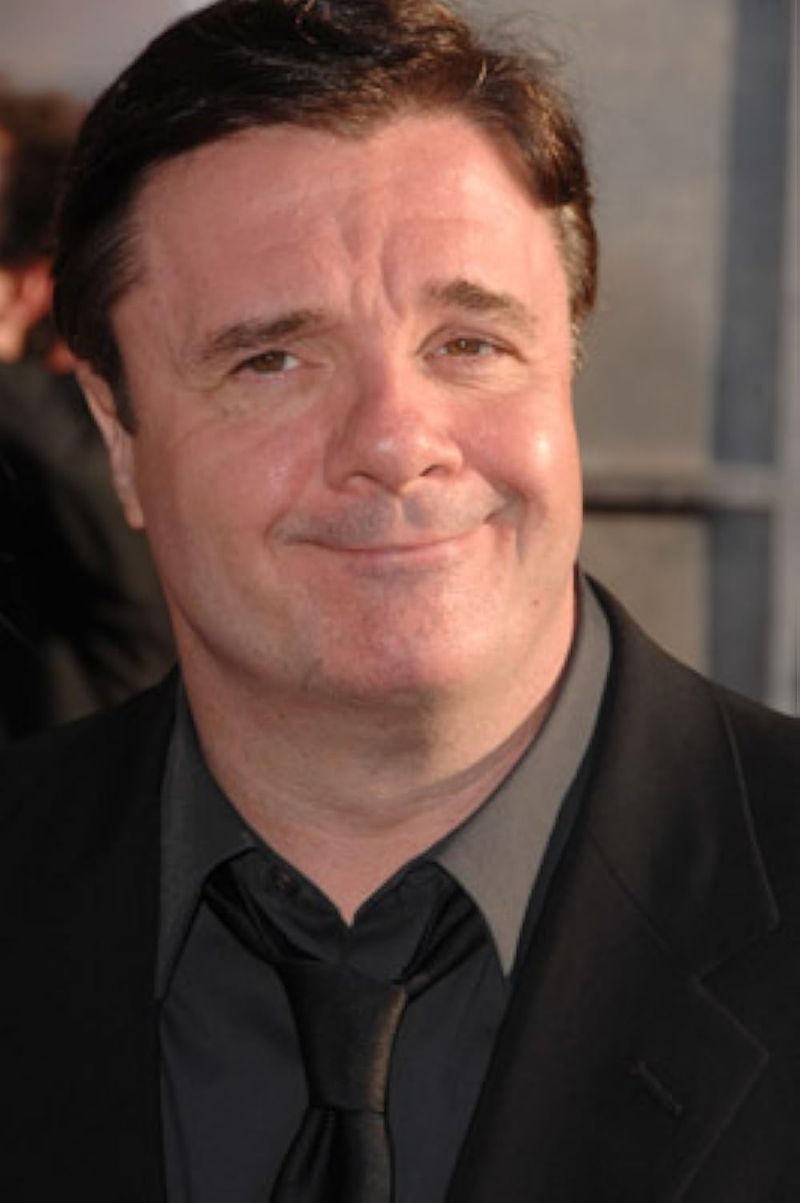
Comedy has always had room for big personalities, yet it has also carried a stubborn fear of queer visibility.
Nathan Lane has described losing a role in Space Jam after auditioning because he believes the director considered him “too gay,” with the part going to Wayne Knight.
Whether framed as an explicit decision or an unspoken vibe, the underlying message is familiar: that being openly queer could be perceived as distracting, unmarketable, or unsafe for mainstream audiences.
What makes the claim especially notable is that Lane is a powerhouse performer whose talent was never the problem, which forces the conversation back onto bias rather than capability.
Stories like his also show how discrimination can appear in the most casual way, as an offhand judgment that changes a career path without leaving a paper trail.
Even now, the idea that queerness is a “casting risk” pops up in quieter forms, proving the culture shift is incomplete.
8. Matt Bomer — cancelled early-2000s Superman project
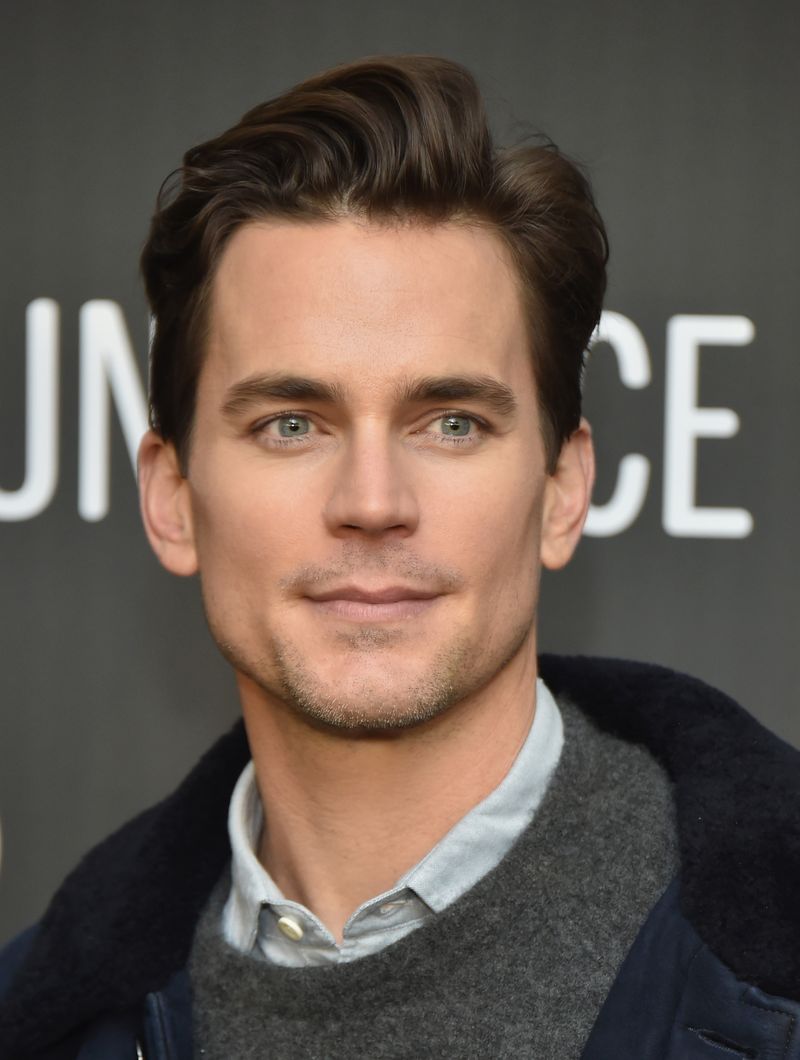
In the early 2000s, leading-man roles were still tightly policed by studio anxieties about masculinity and marketability.
Matt Bomer has said that his shot at playing Superman in a planned project fell apart after he was outed, describing how his sexuality became a factor in how people treated him professionally.
The significance of this story is not only that a major role allegedly slipped away, but that it illustrates how control of a performer’s personal life can become a tool for limiting opportunity.
The superhero genre is now filled with actors whose private identities don’t fit a single stereotype, yet that progress came after years of industry gatekeeping that kept queer men from being seen as “believable” romantic heroes.
Bomer’s experience resonates because it sits at the crossroads of celebrity, privacy, and power.
When an actor’s identity is used against them, the damage extends beyond one role; it becomes a warning to others about what honesty might cost.
9. Ashley Judd — The Lord of the Rings
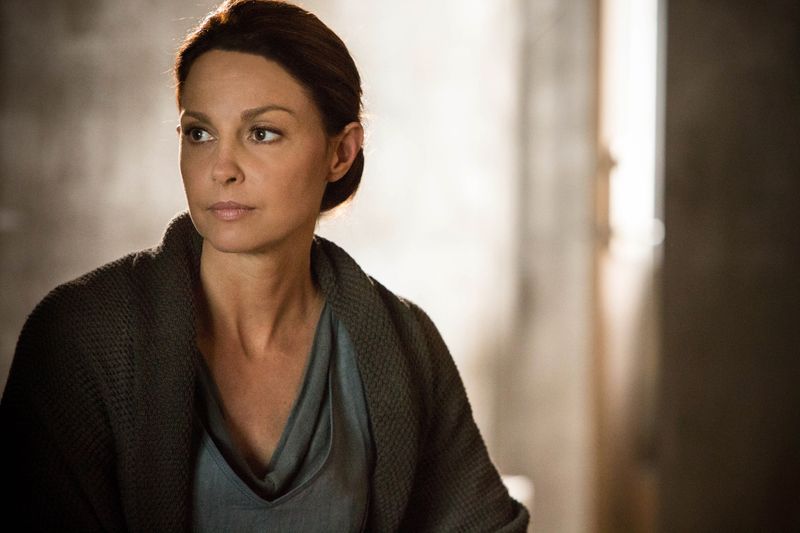
Retaliation is a form of discrimination that can be harder to prove but no less devastating, especially when it happens quietly across an entire industry.
Ashley Judd has alleged that after rejecting Harvey Weinstein’s advances, her career suffered and she was effectively blocked from major opportunities, including roles connected to high-profile franchises.
Reporting has also included claims that filmmakers were pressured to avoid casting certain actresses, which—if true—shows how power can operate like an informal blacklist.
The core issue here is not simply “missed roles,” but an imbalance in which saying no to someone influential becomes a professional hazard.
These stories matter because they reveal how careers can be derailed without any official announcement, leaving the actor to watch opportunities evaporate while outsiders assume it’s just bad luck.
Judd’s account is often cited in broader conversations about how entertainment workplaces can punish women for maintaining boundaries, turning personal safety into a career gamble.
10. Mira Sorvino — The Lord of the Rings
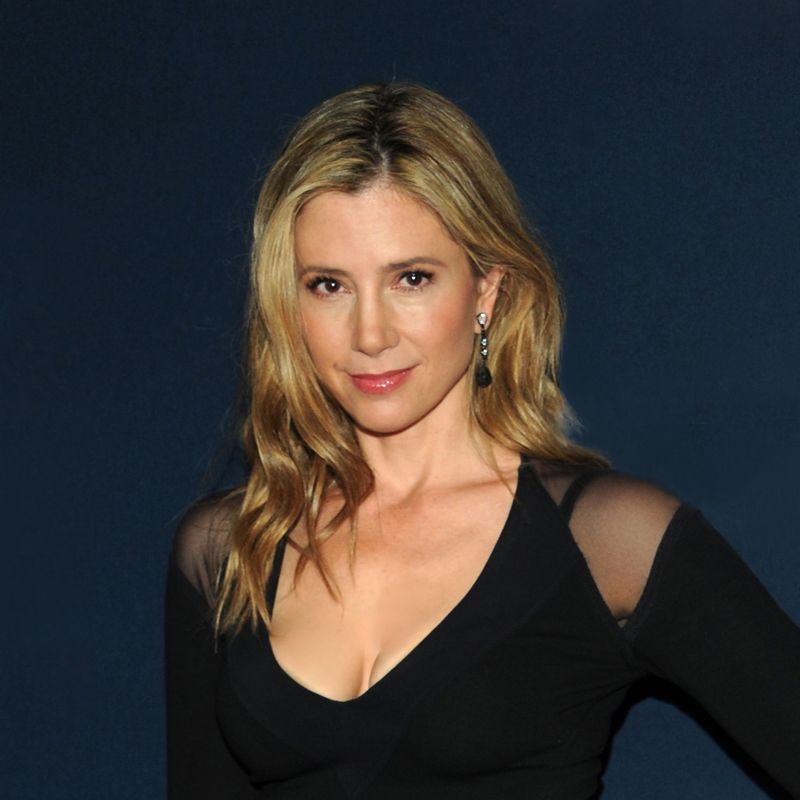
Hollywood often celebrates itself as progressive, yet the industry has repeatedly shown how quickly it can close ranks around powerful men.
Mira Sorvino has said her opportunities were harmed after she resisted Harvey Weinstein’s behavior, and reporting has described efforts to discourage others from hiring her.
Even without a single “smoking gun” moment, the pattern described in these stories is familiar: an influential figure signals that someone is troublesome, and suddenly the phone stops ringing.
What makes this kind of alleged discrimination especially damaging is that it attacks an actor’s reputation rather than their work, making it harder to fight because the public narrative becomes, “She’s difficult,” instead of “She was targeted.”
Sorvino’s career includes major achievements, so the idea that she could still be pushed aside underscores how power can outweigh merit.
Her story is also a reminder that the consequences of harassment are rarely limited to the moment itself; they can echo through years of lost roles and altered trajectories.
11. Arianne Zucker — Days of Our Lives

Workplace discrimination in entertainment is often discussed in abstract terms, but lawsuits force the conversation into concrete allegations and timelines.
Arianne Zucker filed claims involving sexual harassment, discrimination, and retaliation connected to her time on Days of Our Lives, describing a professional environment where speaking up allegedly carried consequences.
Situations like this are complicated and often contested, yet they highlight how vulnerable performers can be when their job depends on approval from producers and executives who control storylines, contracts, and screen time.
The unique cruelty of retaliation is that it turns the act of protecting yourself into a career risk, especially in soap operas where a character can be reduced or removed with little public explanation.
Zucker’s case also illustrates how discrimination is not always about who gets cast in a new project; sometimes it is about who gets supported, respected, and kept employed once they are already inside the machine.
Whether the industry admits it or not, that dynamic shapes which voices feel safe enough to stay.
12. Rupert Everett — “three or four” major Hollywood roles
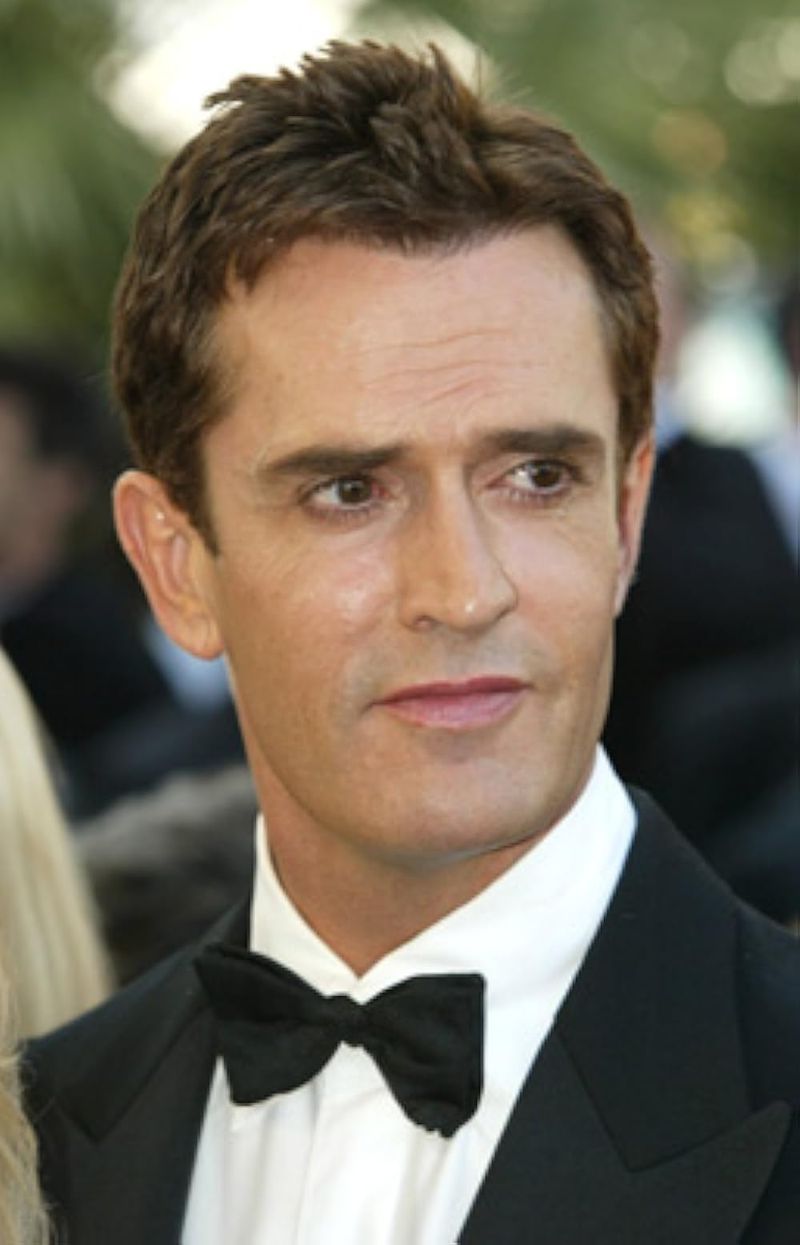
For years, certain corners of Hollywood treated openly gay actors as a threat to mainstream romance narratives, as if an off-screen identity could somehow break on-screen chemistry.
Rupert Everett has said he believes he lost several major roles because of homophobia, describing an era when being out was seen as incompatible with leading-man status.
The specificity of which roles slipped away can vary depending on the interview, but the throughline remains consistent: an actor’s career opportunities were allegedly narrowed by bias rather than talent.
Everett’s story is important because it highlights the informal nature of discrimination, where decisions don’t need to be stated plainly to be effective.
When casting directors and executives decide an actor “won’t play straight,” they aren’t just rejecting a person; they are reinforcing the idea that audiences can’t handle complexity.
Even today, the conversation around “bankability” can echo those old assumptions, proving how slowly some industry habits die.
Comments
Loading…