
 Jade Reed
12 Reboots Fans Didn’t Ask For—but Watched Anyway
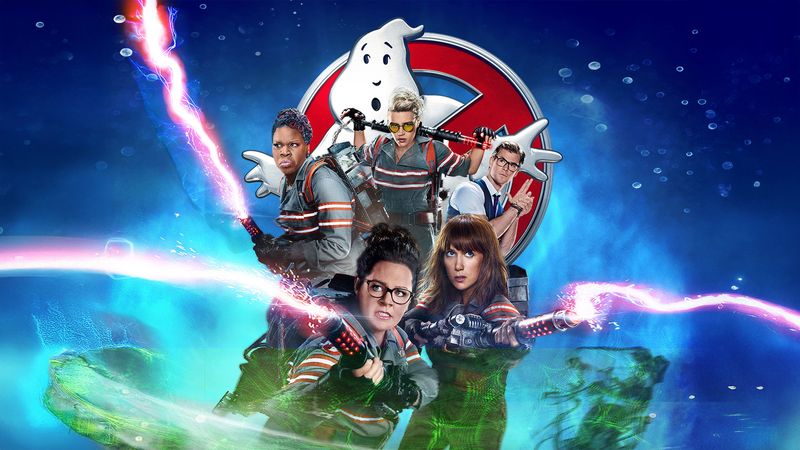
Hollywood loves to recycle old ideas, and sometimes the audience isn’t exactly thrilled about it.
Reboots and revivals often arrive with big budgets and even bigger question marks from fans who wonder why certain classics need to be touched at all.
Yet despite the eye-rolls and online complaints, people still show up to watch—whether out of curiosity, nostalgia, or just the hope that maybe, just maybe, it won’t be that bad.
1. Psycho (1998)
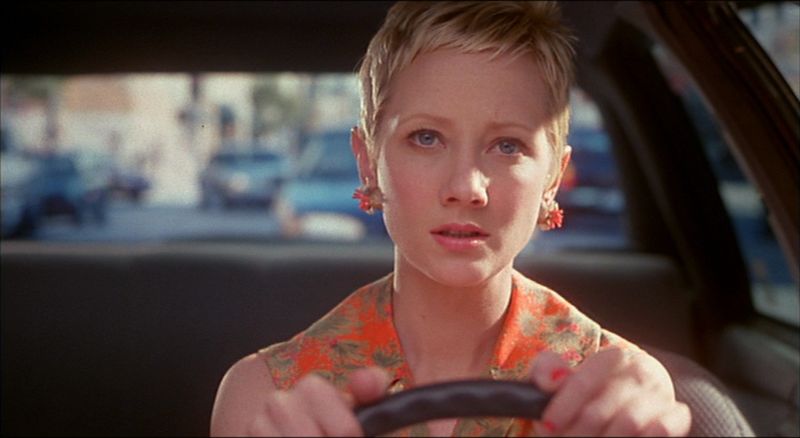
Gus Van Sant’s remake of Alfred Hitchcock’s masterpiece was an experiment that left most people scratching their heads.
Shot almost identically to the 1960 original, the film replaced the black-and-white tension with color and swapped Anthony Perkins for Vince Vaughn.
Critics called it pointless, and audiences wondered what the purpose was.
Still, curiosity got the better of moviegoers.
People wanted to see if a modern version could capture even a fraction of Hitchcock’s genius.
Spoiler alert: it didn’t.
The remake lacked the suspense and psychological depth that made the original iconic.
Despite being widely panned, the film earned a respectable box office return simply because fans couldn’t resist comparing it to the classic.
2. Ghostbusters (2016)
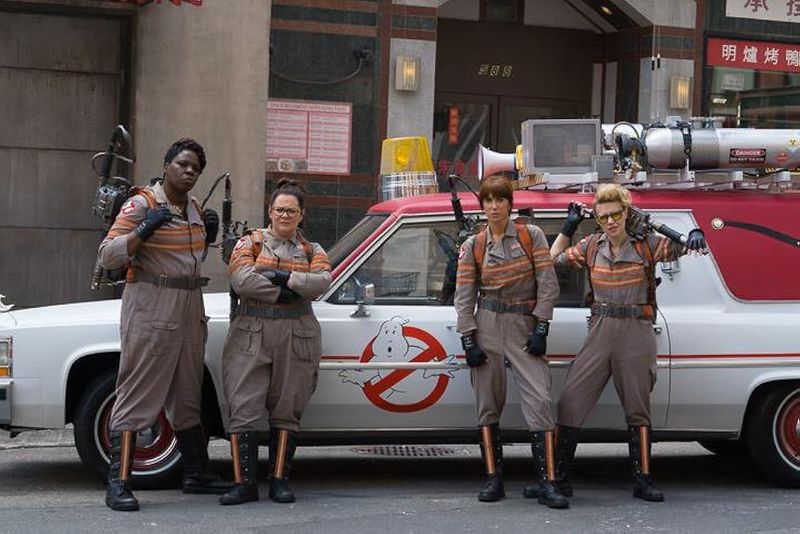
Few reboots sparked as much online debate as this all-female remake of the beloved 1984 comedy.
Before it even hit theaters, social media exploded with opinions, some excited and others deeply opposed to the casting choice.
Director Paul Feig brought together Melissa McCarthy, Kristen Wiig, Kate McKinnon, and Leslie Jones for a fresh take on ghost-busting.
Marketing went into overdrive, and the original fanbase was split down the middle.
Some appreciated the new direction, while others felt it tarnished the legacy.
Regardless of opinion, the controversy itself became a selling point.
Audiences flocked to theaters, many just to see what all the fuss was about, making it a commercial success despite mixed reviews.
3. The Mummy (2017)
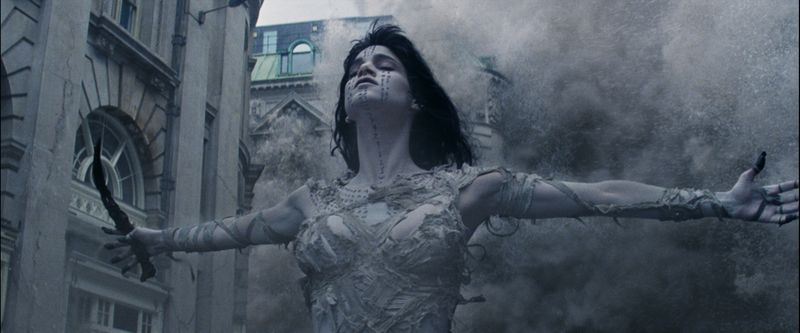
Universal Studios had big dreams of launching a cinematic universe called the Dark Universe, and Tom Cruise was supposed to be the leading man.
This reboot ditched the campy fun of Brendan Fraser’s version for a darker, action-heavy tone.
Unfortunately, critics and fans alike weren’t impressed.
The plot felt messy, the scares fell flat, and Russell Crowe’s Dr. Jekyll subplot confused more than it entertained.
Yet people still bought tickets, hoping to witness the birth of something epic.
Brand recognition and Cruise’s star power helped drive ticket sales.
In the end, the Dark Universe died before it could truly begin, but The Mummy still managed to pull in audiences worldwide.
4. RoboCop (2014)
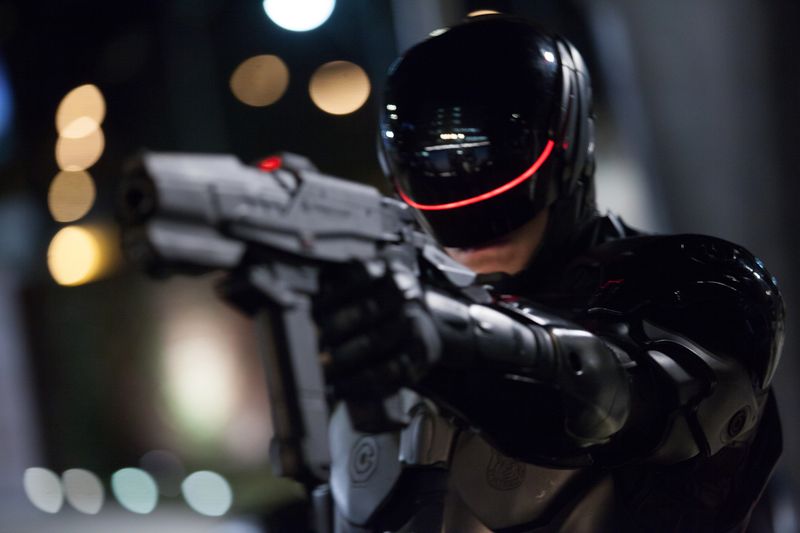
Paul Verhoeven’s 1987 RoboCop was a gritty, satirical masterpiece that tackled corporate greed and violence with a sharp edge.
The 2014 reboot, starring Joel Kinnaman, tried to modernize the story but ended up feeling watered down.
Fans missed the original’s dark humor and brutal action.
Instead of the raw, R-rated intensity, this version went for a more family-friendly PG-13 approach.
Critics called it safe and uninspired, yet international audiences still turned out in large numbers.
The sleek visual effects and updated technology drew viewers in.
Despite not living up to its predecessor, the film made enough money globally to be considered a moderate success.
5. Fantastic Four (2015)
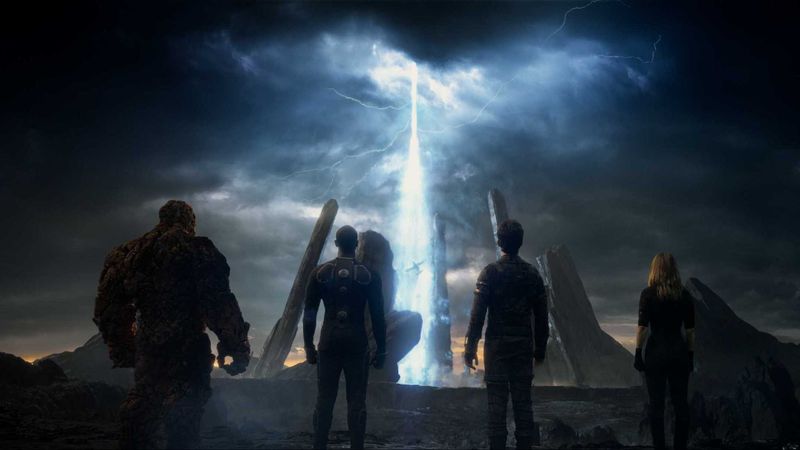
Marvel fans had high hopes when director Josh Trank signed on to reboot the Fantastic Four franchise.
Unfortunately, the final product was a disaster.
Behind-the-scenes drama, reshoots, and a grim tone clashed with what audiences expected from the superhero team.
Reviews were brutal.
Yet opening weekend saw strong ticket sales thanks to Marvel’s brand power and longtime comic book fans hoping for redemption.
People wanted to see if this version could finally do the team justice. It didn’t.
The film quickly became one of the most criticized superhero movies ever made, but curiosity and franchise loyalty ensured it still made a significant amount of money initially.
6. Point Break (2015)
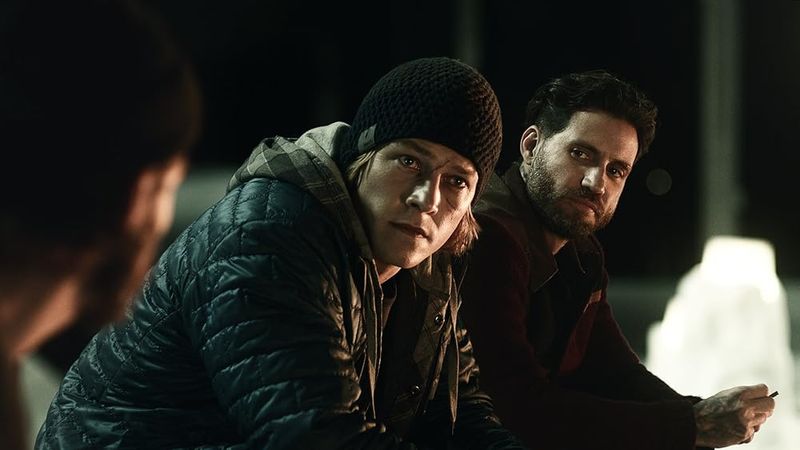
Remaking a cult classic like the 1991 Point Break was always going to be risky.
The original had Keanu Reeves, Patrick Swayze, and unforgettable surfing scenes that defined a generation.
This glossy remake replaced the charm with extreme sports spectacle and stunning cinematography.
Unfortunately, it lacked the heart and chemistry that made the first film so beloved.
Critics called it soulless, and fans felt it missed the point entirely.
Still, the adrenaline-pumping action sequences attracted thrill-seekers.
Audiences showed up to see jaw-dropping stunts, from wingsuit flying to massive wave surfing, even if the story didn’t quite deliver the emotional punch they hoped for.
7. The Karate Kid (2010)
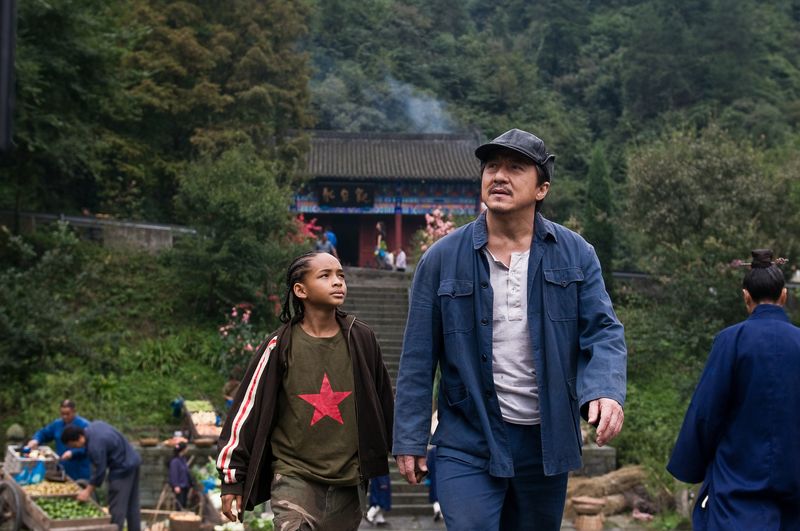
When Jaden Smith and Jackie Chan teamed up for a Karate Kid reboot, many fans of the original 1984 film were skeptical.
The story moved from California to China, and karate was replaced with kung fu, which technically made the title inaccurate.
Purists weren’t happy.
However, the star power of Will Smith’s son and martial arts legend Jackie Chan brought massive audiences to theaters.
The film was a global box office hit, especially in international markets.
Kids loved the action, and parents appreciated the positive messages.
Despite complaints about it being unnecessary, nostalgia and strong performances made it a commercial triumph that introduced a new generation to the story.
8. Charlie’s Angels (2019)

This wasn’t the first time Charlie’s Angels got a reboot, but it might have been the least necessary.
Directed by Elizabeth Banks, the film aimed for a modern, feminist twist on the franchise.
Unfortunately, it struggled to find an audience and was met with lukewarm reviews.
Brand recognition kept some viewers interested, and the cast, including Kristen Stewart, brought a fresh energy.
However, ticket sales were disappointing compared to previous versions.
Marketing efforts couldn’t generate the buzz needed.
Still, fans of the franchise and action-comedy lovers gave it a shot, hoping for the fun and style that made earlier adaptations enjoyable, even if this one didn’t quite hit the mark.
9. Poltergeist (2015)
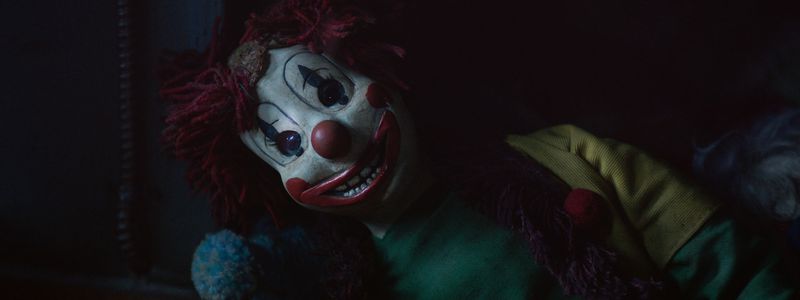
Tobe Hooper’s 1982 Poltergeist is a horror classic that terrified audiences for decades.
The 2015 remake tried to update the story with modern special effects and a new cast, but critics found it bland and uninspired.
The scares felt recycled, and the emotional core was missing.
Horror fans, however, couldn’t resist checking it out.
Loyalty to the original and curiosity about how it would be reimagined drove ticket sales.
Some hoped for fresh frights, while others just wanted to compare it to the beloved original.
While it didn’t become a new classic, the film still attracted enough viewers to be considered a modest success, proving that horror nostalgia is a powerful draw.
10. Charmed (2018)
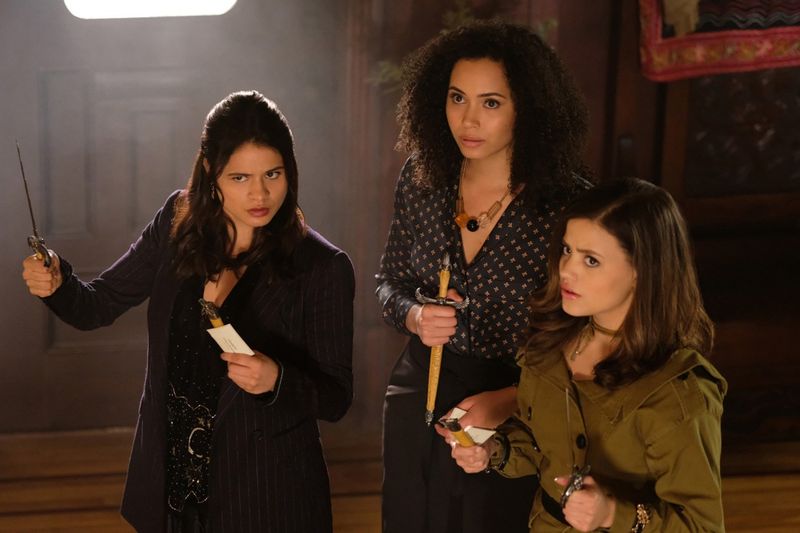
The CW’s reboot of Charmed took a very different approach from the beloved late-90s series.
With a more diverse cast and updated storylines, the network aimed to attract a younger audience.
Original fans, however, were not thrilled with the tonal changes and felt it lacked the charm of the first show.
Despite backlash, the reboot ran for four seasons, proving that curiosity and brand loyalty kept viewers tuning in.
Some appreciated the fresh take, while others watched just to see how it compared.
Social media debates kept the show in the conversation.
Whether loved or criticized, the reboot maintained a solid fanbase and demonstrated that nostalgia alone can sustain interest, even when opinions are divided.
11. Heroes Reborn (2015)

Heroes was a groundbreaking show when it debuted in 2006, capturing imaginations with its ensemble cast of ordinary people with extraordinary abilities.
By the time it ended in 2010, the show had lost much of its magic.
Heroes Reborn attempted to revive the franchise five years later with new characters and storylines.
Fans of the original series tuned in out of nostalgia, hoping to recapture the excitement they once felt.
Reviews were mixed, and the revival struggled to find its footing.
Still, curiosity and attachment to the brand kept viewers watching.
Though it only lasted one season, Heroes Reborn proved that even a faded franchise can draw an audience if nostalgia is strong enough.
12. The X-Files (2016)
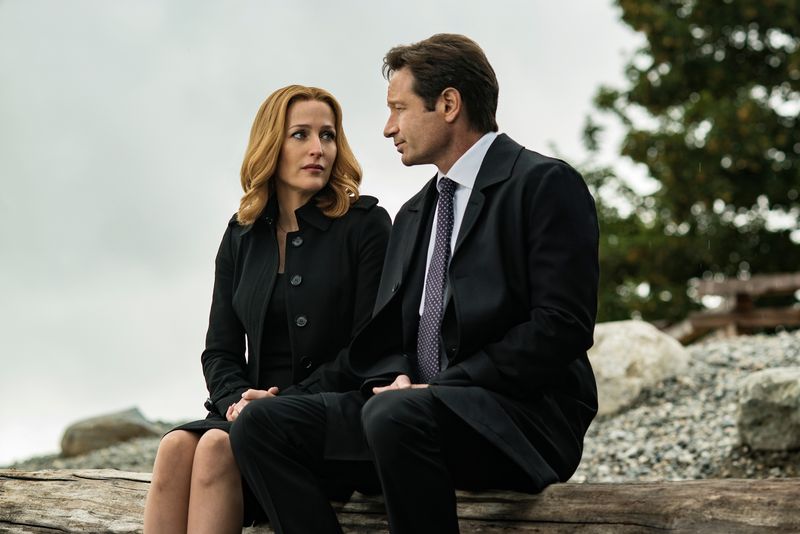
After ending in 2002, The X-Files returned in 2016 with a limited series that brought back David Duchovny and Gillian Anderson as Mulder and Scully.
Longtime fans were excited but also cautious, wondering if the show could recapture its former glory.
The revival received mixed reactions.
Some episodes felt like classic X-Files, while others seemed out of touch with modern storytelling.
Fans debated the quality online, yet they kept watching because of their deep connection to the characters.
Brand loyalty and nostalgia were incredibly powerful.
Despite uneven writing, the revival continued for another season, proving that devoted fans will show up even when they’re not entirely sure what they’ll get.
Comments
Loading…