
 Hailey Watson
Men Who Complain About These 12 Everyday Things Are a Nightmare to Be With

Nobody wants to spend their time with someone who finds fault in everything.
Constant complaining can drain the energy from any relationship and turn even simple moments into sources of stress.
When men grumble about ordinary, everyday responsibilities, it creates an atmosphere of negativity that’s hard to escape.
Here are 12 common things that, when complained about regularly, reveal someone who might be exhausting to be around.
1. Doing Chores
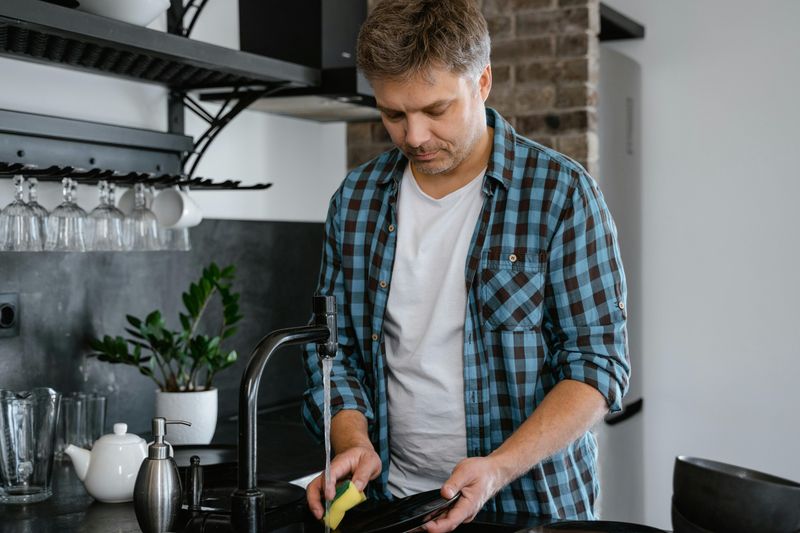
Household tasks are part of living in any space, whether shared or solo.
When someone treats vacuuming, dishes, or laundry like punishment, it shows a lack of respect for partnership.
Nobody enjoys scrubbing toilets, but mature adults understand that maintaining a home is everyone’s job.
Complaining about chores sends the message that one person’s time matters more than another’s.
It creates resentment and imbalance in relationships.
Partners should share responsibilities without making the other feel guilty for asking.
A healthy relationship means pitching in without keeping score or acting like a martyr.
Whining about basic upkeep turns a simple task into an emotional burden for everyone involved.
2. Cooking Dinner

Preparing meals is a fundamental life skill, not a favor.
When someone acts like helping in the kitchen is beneath them, it reveals entitlement.
Cooking together can actually be enjoyable and brings people closer when approached with the right attitude.
Resenting meal prep means one person carries the mental and physical load of feeding the household.
That’s unfair and unsustainable.
Everyone eats, so everyone should contribute to making food happen.
A partner who sighs heavily when asked to chop vegetables or stir a pot makes mealtime stressful.
Food should nourish relationships, not become another source of conflict and frustration in daily life.
3. Spending Money

Bills exist. Rent, utilities, food, and transportation aren’t luxuries—they’re requirements.
Constantly protesting necessary expenses creates financial anxiety and makes planning together impossible.
There’s a difference between being budget-conscious and making every purchase a battle.
Complaining about essential spending suggests control issues or misplaced priorities.
Money conversations should be collaborative, not combative.
When someone gripes about every dollar spent on basics, it poisons the relationship with constant tension.
Financial partnership requires trust and flexibility, not penny-pinching criticism that makes the other person feel guilty for existing and having needs.
4. Running Errands

Grocery shopping and pharmacy trips are necessities, not optional activities.
Everyone needs food, medicine, and household supplies to function.
Acting put-out about picking up milk or dropping off a package reveals an inability to handle adult responsibilities.
These tasks take maybe an hour out of a week.
Grumbling about them suggests a person lacks perspective on what real hardship looks like.
Life requires maintenance, and errands are simply part of that equation.
Someone who protests every trip to the store creates unnecessary drama around routine activities.
It’s exhausting to negotiate basic needs with someone who treats every request like an imposition on their precious time.
5. Apologizing

Saying sorry when you’re wrong is basic human decency.
It acknowledges hurt feelings and shows willingness to repair damage.
Someone who complains about apologizing lacks accountability and emotional maturity.
Refusing to admit mistakes creates toxic patterns where one person always feels invalidated.
Apologies aren’t about winning or losing—they’re about respecting the other person’s experience.
A genuine sorry costs nothing but means everything.
When a man treats apologies like pulling teeth, it signals deeper issues with pride and vulnerability.
Relationships can’t survive without the ability to own up to errors and make amends sincerely and willingly.
6. Watching the Kids

Fathers don’t babysit their own children—they parent them.
Referring to time with your kids as a chore is insulting to both them and your partner.
Children need active, engaged parents, not reluctant caretakers who act like victims.
Complaining about spending time with your own offspring reveals warped priorities.
These are precious years that pass quickly.
Acting burdened by their presence damages their self-worth and creates relationship imbalance.
Partners who treat childcare like doing a favor miss the entire point of family.
Kids deserve parents who want to be with them, not ones who grumble about every diaper change or bedtime routine.
7. Standing in Line

Waiting is part of modern life. Banks, post offices, coffee shops—lines happen everywhere.
Getting irrationally angry about something everyone experiences shows poor emotional regulation and lack of patience.
Five extra minutes in line won’t ruin anyone’s day unless they choose to let it.
Huffing, sighing, and complaining makes the wait worse for everyone nearby.
It also embarrasses whoever is with you.
Someone who can’t handle minor delays without melting down will struggle with bigger challenges.
Life doesn’t revolve around anyone’s schedule, and acting entitled to instant service makes you unpleasant company in public spaces.
8. Being Around Other People

Humans are social creatures by nature.
While introversion is valid, constantly griping about other people’s mere existence is exhausting.
Social situations are unavoidable, and treating every interaction like torture makes life harder for everyone.
Complaining about family gatherings, work events, or casual hangouts isolates your partner.
They end up torn between relationships and your antisocial attitude.
Sometimes we do things for people we love, even when we’d rather stay home.
A little flexibility and graciousness goes far.
Nobody expects fake enthusiasm, but basic civility shouldn’t require complaints.
Relationships thrive on connection, not constant withdrawal and criticism of normal human interaction.
9. Sharing His Emotions

Emotional honesty strengthens bonds and builds intimacy.
When someone treats vulnerability like weakness or an inconvenience, they shut down meaningful connection.
Sharing feelings isn’t optional in healthy relationships—it’s essential.
Bottling up emotions creates distance and misunderstanding.
Partners can’t read minds, and resenting questions about feelings is unfair.
Opening up takes courage, but complaining about it shows emotional immaturity.
Men who gripe about expressing themselves often struggle with deeper intimacy issues.
Real strength involves being honest about fears, hopes, and struggles.
Relationships can’t grow without emotional transparency and willingness to be seen.
10. Being Asked Simple Questions

Questions are how humans communicate and gather information.
Getting annoyed by basic, reasonable inquiries shows impatience and poor communication skills.
Your partner isn’t a mind reader—they need to ask things sometimes.
Snapping at someone for asking where something is or what time plans start creates a hostile environment.
It makes people walk on eggshells, afraid to seek clarification.
That’s no way to live together.
Calm, respectful answers take the same energy as irritated ones.
Someone who treats every question like an attack probably has deeper anger issues.
Healthy relationships require open dialogue, not defensive reactions to normal conversation.
11. Seeing Others Succeed

Celebrating other people’s wins says a lot about character.
Jealousy and bitterness toward someone else’s achievements reveal deep insecurity.
Success isn’t a limited resource—someone else winning doesn’t mean you’re losing.
Dismissive comments about friends’ promotions, relatives’ accomplishments, or neighbors’ good fortune poison the atmosphere.
It makes you seem small and petty.
Genuine happiness for others costs nothing and enriches your own life.
Partners who can’t handle others’ success will eventually resent yours too.
This mindset creates a competitive, toxic environment where nobody can share good news without backlash.
Supportive people lift others up instead of tearing them down.
12. Minor Changes to Plans

Flexibility is crucial for navigating life’s unpredictability.
Plans shift—restaurants get crowded, traffic happens, friends run late.
Rigidly complaining about small adjustments shows an inability to adapt to reality.
Nobody likes last-minute changes, but mature adults roll with them.
Making a big deal out of switching restaurants or leaving thirty minutes later creates unnecessary stress.
Life rarely follows the exact script we write.
Partners who can’t handle plan modifications will struggle with bigger life changes.
Adaptability and grace under minor inconvenience are relationship essentials.
Constant rigidity makes spontaneity impossible and turns flexibility into a source of conflict and frustration.
Comments
Loading…