
 Hailey Watson
If You Had These 12 Things Growing Up, You Were Considered Rich

Remember when having certain things made you the coolest kid on the block?
Back in the day, some possessions were serious status symbols that set families apart.
Whether it was the latest gadget or a special experience, these items signaled that your family had money to spare.
Looking back, it’s fascinating to see what we considered signs of wealth during our childhoods.
1. A Color Television in Your Living Room
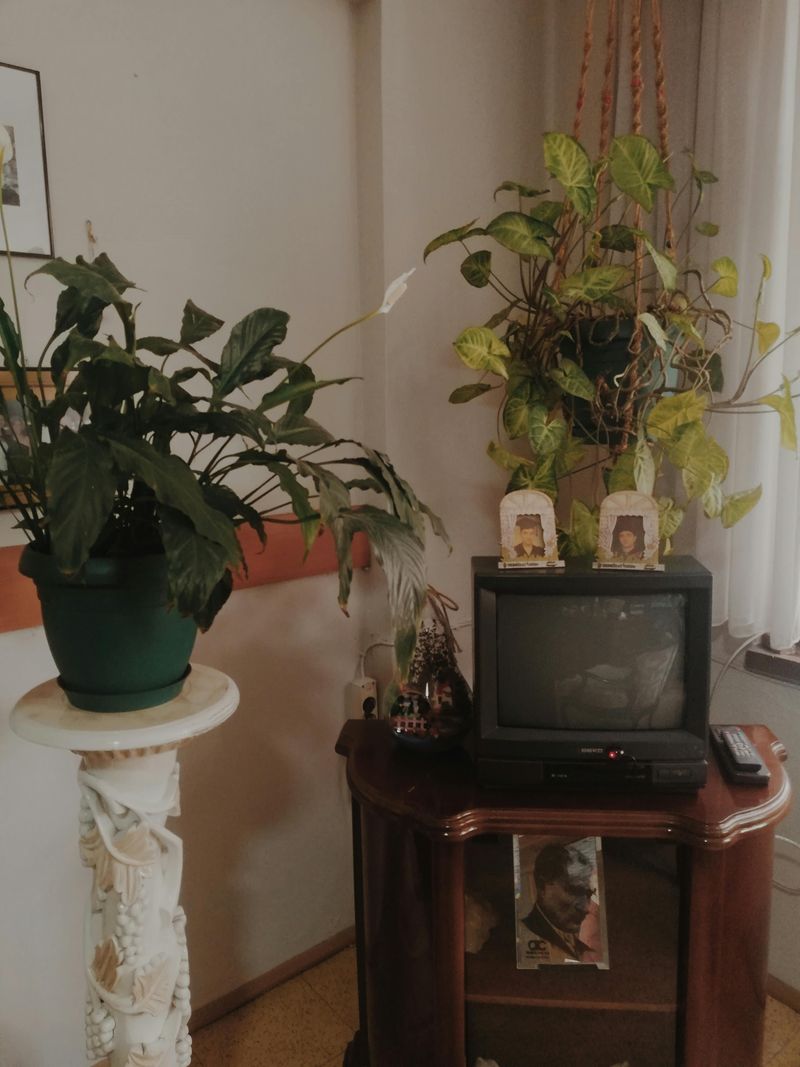
Families who owned a color TV were the talk of the neighborhood.
Before streaming services and smartphones, television was the main source of entertainment, and having one in color made you incredibly lucky.
Your house would become the gathering spot for big events like sports games or special shows.
Most families only had black-and-white sets or no TV at all.
The vibrant colors and clearer picture quality made watching cartoons and movies a magical experience.
Owning this technology meant your parents could afford the latest innovations, which wasn’t common for everyone back then.
2. Your Very Own Bicycle

A shiny new bicycle represented freedom like nothing else could.
Kids who owned bikes could explore their neighborhoods, race with friends, and feel independent from their parents.
Not every child had this privilege, making bike owners the envy of the playground.
Bicycles were expensive, and many families couldn’t justify the cost for what they saw as a luxury item.
Having one meant you could join bike rides and adventures that other kids could only dream about.
It also showed that your family valued giving you opportunities for fun and exercise beyond just the basics.
3. Regular Pocket Money Every Week

Getting an allowance was like having your own mini salary.
While other kids had to beg their parents for every candy bar or toy, you had cash in your pocket ready to spend.
This financial independence felt incredibly grown-up and special.
Pocket money taught valuable lessons about saving and budgeting, but it also signaled that your family had extra income to share.
You could treat friends to ice cream or buy comic books without asking permission first.
Many children never experienced this luxury, making those who did seem particularly fortunate and sometimes more popular among their peers.
4. Name-Brand Athletic Shoes
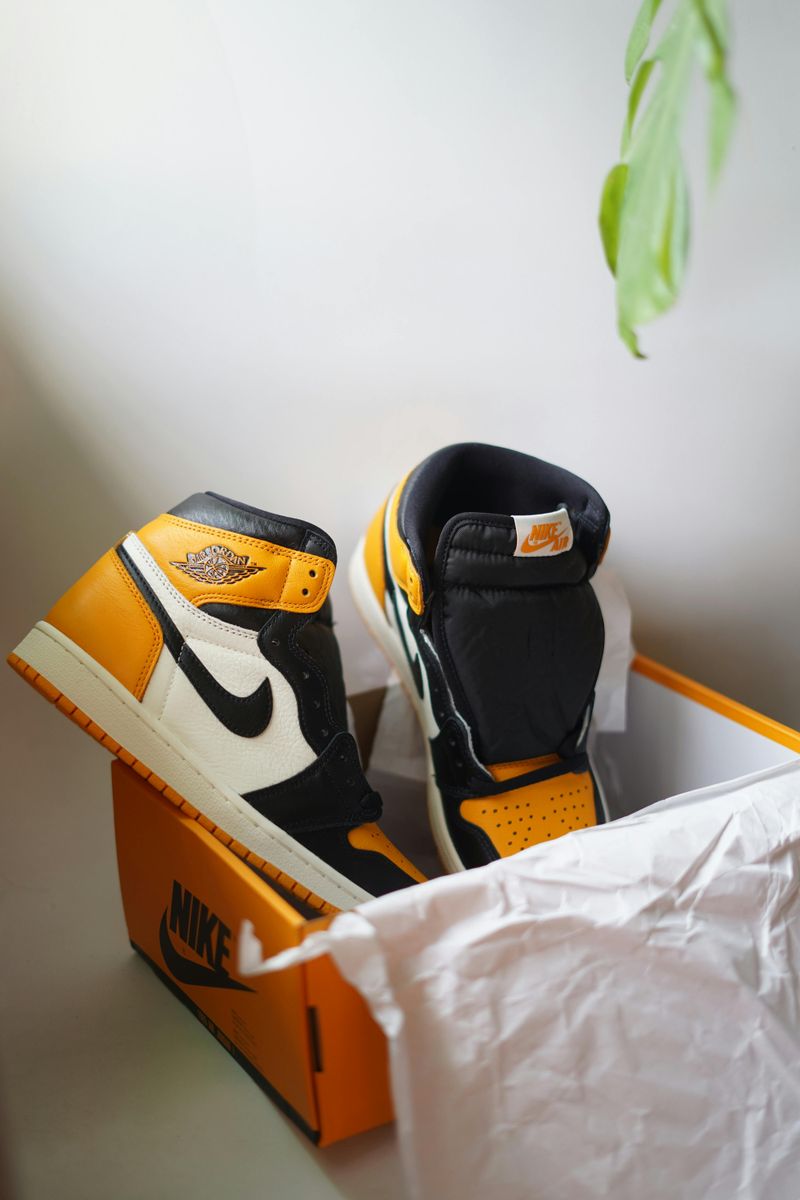
Wearing Nike, Adidas, or Reebok sneakers instantly elevated your social status at school.
These weren’t just shoes—they were fashion statements that showed your family could afford premium brands.
Kids would notice your footwear immediately and often judge your family’s wealth by what you wore.
Generic or discount store shoes worked perfectly fine, but they didn’t carry the same prestige.
The iconic swoosh or three stripes made you feel like a professional athlete.
Brand-name shoes were significantly more expensive than alternatives, so sporting them meant your parents prioritized style and quality, or at least wanted you to fit in with the popular crowd.
5. Family Vacation Trips Every Summer

Annual summer vacations to beaches, theme parks, or tourist destinations were clear indicators of wealth.
While many families stayed home during breaks, traveling meant your parents had disposable income for hotels, restaurants, and activities.
Coming back to school with vacation stories and souvenirs made you stand out.
These trips created memories that lasted a lifetime and exposed you to different places and cultures.
Some kids never left their hometown growing up, making your travel experiences seem exotic and enviable.
The photos, postcards, and trinkets you brought back proved you lived a life others could only imagine from television shows.
6. A Video Game Console
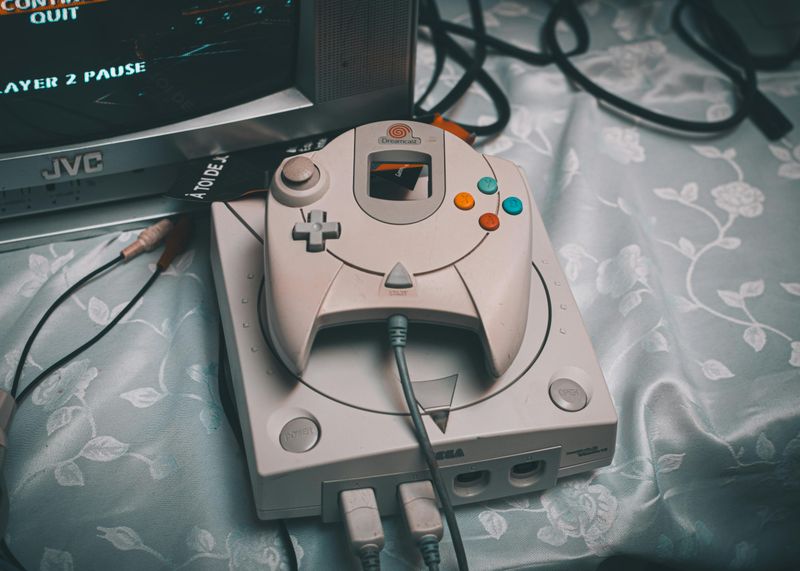
Owning a Nintendo, Atari, or Sega system was the ultimate childhood dream come true.
Video game consoles were expensive, and the games themselves cost significant money too.
Having one meant endless entertainment and made your house the coolest hangout spot in the neighborhood.
Friends would line up for their turn to play, and you’d become instantly popular.
Many families considered gaming systems unnecessary luxuries when that money could buy essentials instead.
If you had the latest console with multiple games, everyone knew your family was doing well financially and willing to invest in your happiness and entertainment.
7. Your Own Bedroom

Having a bedroom all to yourself was a luxury many kids never experienced.
In many households, siblings shared rooms out of necessity, not choice.
Personal space meant privacy, independence, and room to express yourself through decorations and posters.
A private bedroom showed your house was large enough to give each child their own territory.
You could shut the door, play music, and have friends over without disturbing others.
This privilege indicated your family either had a bigger home or fewer children, both signs of financial comfort that set you apart from classmates who shared cramped quarters with brothers or sisters.
8. A Home Computer

Before computers became standard, owning one at home was extraordinary.
Early personal computers were extremely expensive and seemed almost futuristic.
Families with computers were clearly ahead of the curve and invested in technology and education.
You could play educational games, learn programming, and do homework more efficiently than kids who had to use libraries or typewriters.
Having a computer meant your parents valued learning and could afford cutting-edge equipment.
At school, you’d be the tech-savvy kid who understood computers better than most teachers, giving you a distinct advantage and a reputation for being from a well-off, forward-thinking family.
9. Designer Clothes and Outfits

Wearing fashionable, brand-name clothing to school was a dead giveaway that your family had money.
While most kids wore hand-me-downs or bargain store finds, designer labels meant shopping at expensive stores.
Your outfits would get compliments and sometimes jealous looks from classmates.
Labels like Polo, Guess, or Tommy Hilfiger carried prestige that generic brands couldn’t match.
Fashion-conscious kids noticed these details immediately and used clothing to determine social hierarchies.
Having a closet full of trendy, name-brand outfits showed your parents prioritized appearance and had the financial means to keep you looking stylish season after season.
10. A Swimming Pool in Your Backyard

An in-ground or above-ground pool transformed your backyard into a private resort.
Pools were expensive to install and maintain, making them clear symbols of wealth.
During hot summers, your house became party central as friends begged for swimming invitations.
Most families couldn’t afford the initial cost, ongoing maintenance, or increased water bills that pools required.
Having one meant your parents had significant disposable income and property large enough to accommodate it.
Pool parties became legendary events, and you’d gain popularity simply because you offered something most kids only experienced at public pools or community centers, if they were lucky enough to go at all.
11. Eating at Restaurants Regularly

Frequent restaurant meals were a luxury most families reserved for rare special occasions.
If your family ate out regularly, it showed they could afford the convenience and expense of prepared food.
Other kids heard about your restaurant visits with a mix of curiosity and envy.
Home-cooked meals were the norm because they cost significantly less than dining out.
Going to restaurants meant your parents either had busy schedules that afforded them good incomes or simply enjoyed treating the family.
Whether it was fast food chains or sit-down establishments, regular restaurant meals indicated financial comfort that many households simply couldn’t justify when groceries stretched budgets much further.
12. Music Lessons and Extracurricular Activities

Piano lessons, dance classes, or sports teams cost money that many families couldn’t spare.
If you participated in organized activities beyond school, it meant your parents could afford registration fees, equipment, and transportation.
These enrichment opportunities developed skills and talents that set you apart.
Many children went straight home after school because their families couldn’t pay for extras.
Your involvement in activities showed investment in your development beyond basic necessities.
Whether you played an instrument, competed in gymnastics, or joined traveling sports teams, these experiences required financial commitment that clearly indicated your family’s comfortable economic status and their dedication to providing you with well-rounded opportunities.
Comments
Loading…