
 Isabel Parker
10 Truths a Narcissist Can’t Face—Even in Private

Narcissists often project an image of confidence and self-assurance, but beneath the surface lies a fragile ego that avoids painful truths. Even when they are alone, certain realities remain too uncomfortable to acknowledge.
Understanding these hidden vulnerabilities can help you recognize narcissistic patterns and protect your own emotional well-being.
1. They Are Not as Special as They Believe

Deep down, narcissists build their entire identity around being exceptional and superior to everyone else.
Admitting they are ordinary would shatter the carefully constructed image they have spent years creating.
Their constant need for admiration stems from this desperate attempt to prove their uniqueness.
Without external validation, the illusion begins to crack.
They avoid self-reflection because it might reveal they are just like everyone else.
This truth is so threatening that even in solitude, they push it away with fantasies of grandeur.
Accepting average status would mean confronting years of false beliefs.
The narcissist would rather maintain the delusion than face this uncomfortable reality about themselves.
2. Their Relationships Are Built on Manipulation

Genuine connection requires vulnerability, empathy, and mutual respect—qualities narcissists struggle to offer authentically.
Instead, they use charm, guilt, and control to keep people close.
Every relationship serves a purpose: supply, status, or convenience.
When alone, acknowledging this pattern would mean admitting they have never truly connected with another person.
The relationships they treasure are transactional, not emotional.
This realization threatens their belief that they are loved and admired for who they are.
Facing the truth would require changing their behavior entirely.
Rather than do the hard work, they convince themselves their tactics are justified.
The alternative is too painful to consider, even in private moments.
3. They Are Deeply Insecure

Behind the arrogant exterior lies a person terrified of being exposed as inadequate.
Narcissists compensate for crushing insecurity by projecting overconfidence and superiority.
Their boasting is not strength—it is armor against feelings of worthlessness.
Admitting insecurity would contradict everything they want others to believe about them.
They hide their fears so well that even they start to believe their own performance.
Quiet moments threaten to reveal the scared person underneath the mask.
Confronting this vulnerability would mean accepting they need help and support.
Instead, they double down on their defensive behaviors.
The truth remains locked away, too dangerous to acknowledge even when no one else is watching.
4. They Have Hurt People Intentionally

Narcissists leave a trail of emotional damage wherever they go, yet they rarely accept responsibility for the pain they cause.
Acknowledging intentional harm would force them to see themselves as the villain in someone else’s story.
This conflicts with their self-image as misunderstood or victimized.
Even in private, they rewrite history to justify their actions.
They tell themselves the other person deserved it or was too sensitive.
Taking accountability would require empathy and remorse, emotions they struggle to genuinely feel.
The weight of their actions could be unbearable if fully acknowledged.
So they compartmentalize, deny, and rationalize instead.
Facing this truth would demand significant personal change they are unwilling to make.
5. Their Success Is Often Exaggerated or Stolen

Taking credit for others’ work comes naturally to narcissists who believe they deserve recognition regardless of actual contribution.
They embellish achievements, downplay failures, and present a version of reality that elevates their status.
The truth is often far less impressive than the story they tell.
Privately admitting their accomplishments are inflated would destroy the narrative they have built.
They rely on these exaggerations to maintain their superior image.
Without them, they would have to confront their actual capabilities and limitations.
Real success requires hard work, humility, and sometimes failure.
Narcissists prefer shortcuts and stolen glory.
Facing this truth would mean starting over with honesty, something their ego cannot tolerate.
6. They Cannot Handle Criticism

Even the smallest critique feels like a devastating attack to a narcissist’s fragile sense of self.
Their extreme reactions—rage, sulking, or revenge—reveal how threatened they feel by any suggestion of imperfection.
Constructive feedback is interpreted as personal assault.
In solitude, they replay these moments, but not to learn from them.
Instead, they justify their defensive response and blame the person who dared to criticize.
Accepting that feedback could help them grow would require admitting they have flaws worth addressing.
This truth is particularly painful because it exposes their weakness.
They would rather attack the messenger than examine the message.
Personal growth remains impossible when criticism is always rejected.
7. They Fear Abandonment More Than Anything

Narcissists project independence and self-sufficiency, but they are terrified of being left alone without their sources of supply.
Their controlling behaviors and manipulative tactics are desperate attempts to prevent abandonment.
The thought of people walking away fills them with panic.
Acknowledging this fear would reveal their dependence on others for validation and identity.
They need an audience to reflect back the image they want to see.
Without people to control and impress, they feel empty and purposeless.
This vulnerability contradicts their narrative of superiority and self-reliance.
So they hide it behind arrogance and dismissiveness.
The truth remains buried, too scary to face even in their most private thoughts.
8. They Lack Genuine Empathy

While narcissists can mimic empathy when it benefits them, they struggle to truly feel what others experience.
Their focus remains locked on their own needs, desires, and feelings.
Other people are supporting characters in the story of their life, not individuals with equal importance.
Recognizing this deficit would mean accepting they are missing a fundamental human quality.
They might intellectually understand emotions, but they cannot genuinely share in someone else’s joy or pain.
This limitation keeps their relationships shallow and transactional.
Facing this truth would require acknowledging something is wrong with how they relate to others.
Instead, they convince themselves that others are too emotional or weak.
The alternative—that they lack an essential capacity for connection—is too disturbing to admit.
9. Their Anger Reveals Their Weakness

Narcissistic rage erupts when their false self is threatened or their control is challenged.
These explosive reactions are not signs of strength but desperate attempts to regain power when they feel vulnerable.
The intensity of their anger reveals how fragile their ego truly is.
Admitting their rage stems from insecurity would undermine the intimidation factor they rely on.
They want others to see their anger as justified dominance, not childish tantrums from an injured ego.
In private, they might replay these outbursts but frame themselves as the wronged party.
Understanding that anger exposes weakness would require significant self-awareness.
Instead, they externalize blame and see their reactions as appropriate responses.
The truth about their emotional volatility remains hidden behind justifications and denial.
10. They Often End Up Alone
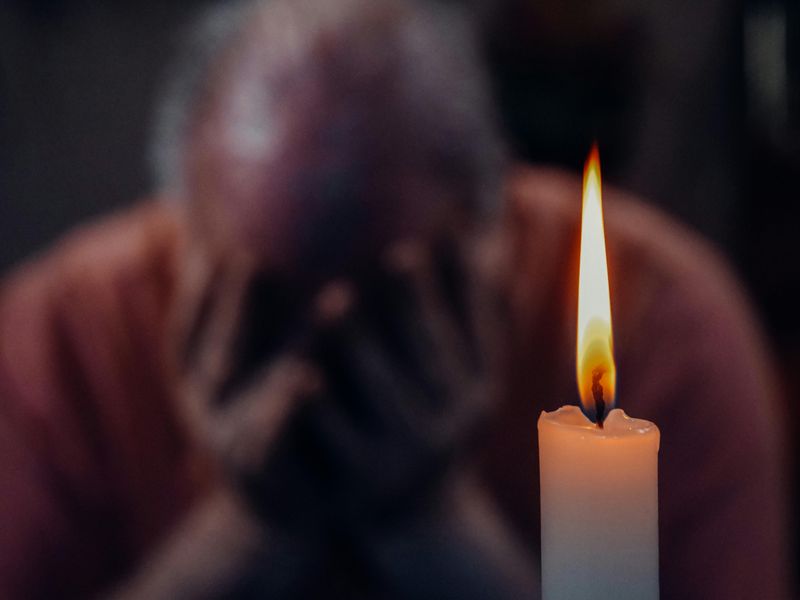
The pattern of burned bridges, discarded relationships, and accumulated resentment eventually catches up with narcissists.
People grow tired of the manipulation and emotional exhaustion.
Over time, their circle shrinks as former friends and family distance themselves for self-preservation.
Facing this trajectory would mean acknowledging their behavior has consequences they cannot escape.
The loneliness they fear most becomes inevitable unless they change.
But change requires admitting fault, something their ego fiercely resists.
Rather than adjust their behavior, they blame others for being disloyal or ungrateful.
The truth that they are creating their own isolation is too painful to accept, even when the evidence surrounds them.
Comments
Loading…