
 Isabel Parker
11 Things People Pretend Not to Judge — But Do

We all like to think we’re open-minded and nonjudgmental, but the truth is a little more complicated. Deep down, most of us form quick opinions about others based on things we claim don’t matter.
From the car someone drives to how they dress, these subtle judgments happen faster than we realize, even when we insist we’re above it all.
1. Your Phone Model

Walking into a coffee shop with an outdated phone can trigger instant assumptions about your financial status or tech savviness.
People notice whether you pull out the latest smartphone or a cracked model from five years ago.
Even though most folks claim phones are just tools, they’ve become status symbols in our culture.
Your device choice sends signals about priorities, income level, and how connected you are to modern trends.
The reality is that a phone says nothing about your character or intelligence.
Someone with an older model might be financially smart or environmentally conscious, choosing to use devices longer instead of upgrading constantly.
2. Grammar and Spelling Mistakes

A single typo in a text message can completely change how someone perceives your intelligence and professionalism.
Many people instantly judge others who confuse “your” and “you’re” or make frequent spelling errors in emails.
Society has created an unspoken rule that good grammar equals intelligence, even though language skills don’t always reflect someone’s actual smarts.
Dyslexia, learning differences, or simply typing quickly can all lead to mistakes that others interpret as carelessness.
The harsh truth is that written communication has become a screening tool in both personal and professional relationships.
Fair or not, people make snap judgments about education level and attention to detail based on how you write.
3. What You Order at Restaurants

Ordering a well-done steak or asking for ketchup at a fancy restaurant can earn you silent disapproval from both servers and dining companions.
Food choices have become weirdly personal, with people forming opinions about your sophistication based on what you eat.
Some dishes carry unfair stereotypes—ordering chicken fingers as an adult might make others think you’re immature or boring.
Asking for substitutions or dietary modifications can also trigger judgments about being high-maintenance or difficult.
Here’s the thing: your meal preferences reflect your tastes, not your worth as a person.
Whether you love adventurous cuisine or prefer familiar comfort foods, what you eat shouldn’t define how others see you, but unfortunately, it often does.
4. How Clean Your Car Is

Giving someone a ride reveals more than just your vehicle—it exposes your organizational habits and lifestyle.
A messy car filled with fast-food wrappers, old coffee cups, and random clutter makes passengers form instant opinions about your life management skills.
Most people won’t say anything directly, but they’re definitely noticing and making mental notes.
A pristine car suggests discipline and care, while chaos on four wheels implies disorganization or stress in other life areas.
The irony is that car cleanliness often reflects how busy someone is rather than their actual personality.
Parents with young kids or people working multiple jobs rarely have time for detailed car cleaning, yet the judgment remains.
5. Your Social Media Follower Count
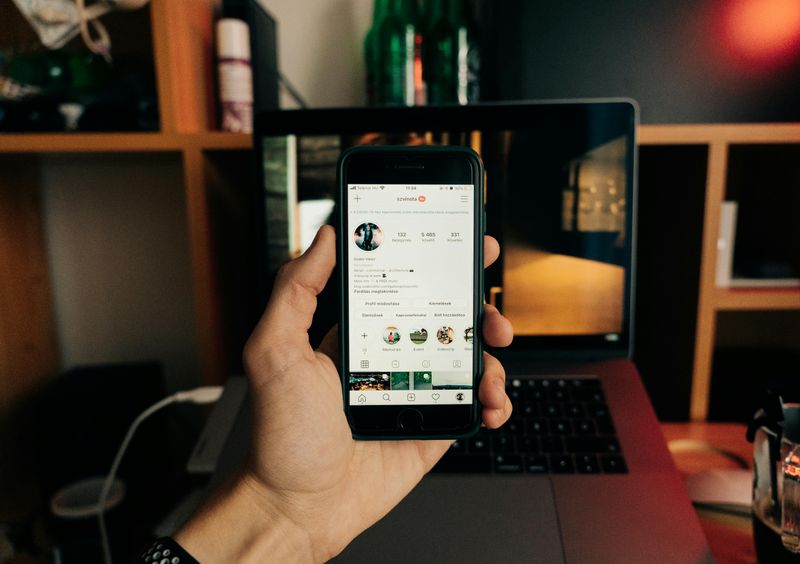
Numbers on a screen have somehow become measurements of social worth and influence in today’s digital world.
People with thousands of followers get treated differently than those with just a few dozen, even in face-to-face interactions.
A low follower count might make others assume you’re not interesting, popular, or worth connecting with professionally.
Conversely, high numbers create an automatic assumption of importance or expertise, regardless of actual qualifications.
This obsession with digital popularity is bizarre when you think about it—follower counts reveal nothing about kindness, intelligence, or real-world relationships.
Yet businesses, potential friends, and even romantic interests use these metrics to decide if you’re worth their time.
The judgment is real and affects opportunities.
6. Living With Your Parents as an Adult

Mentioning you live at home past age 25 often triggers immediate assumptions about your independence, ambition, or romantic prospects.
Society has created arbitrary timelines for when people should move out, ignoring economic realities and cultural differences.
People jump to conclusions—maybe you’re lazy, unsuccessful, or can’t handle adult responsibilities.
The truth is often completely different: caring for aging parents, saving money, or navigating expensive housing markets are all valid reasons.
Different cultures view multigenerational households as normal and even preferred, yet Western society treats adult children at home as failures.
This judgment ignores practical benefits like financial security, family support, and shared caregiving responsibilities that make perfect sense.
7. Your Reading Choices

Pulling out a romance novel or young adult fantasy book in public can earn you eye rolls from literary snobs who believe only certain genres deserve respect.
Book shaming is surprisingly common, with people ranking reading material on some imaginary sophistication scale.
Readers of literary fiction sometimes look down on thriller or science fiction fans, assuming their tastes are shallow.
Meanwhile, non-readers judge people who always have their nose in a book as antisocial or pretentious.
Reading anything is better than reading nothing, yet people still judge your intelligence and depth based on book covers.
Whether you love classic literature, graphic novels, or celebrity memoirs, your reading choices are personal and shouldn’t invite criticism from others.
8. How You Spend Your Free Time

Admitting you spend weekends playing video games or binge-watching TV shows often gets labeled as wasting time by those who prefer hiking or cultural activities.
People have strong opinions about which hobbies count as productive versus lazy.
Someone who spends hours training for marathons gets praise, while someone equally dedicated to gaming gets criticism.
The double standard reveals that society values physical activities over digital ones, regardless of the joy or skill involved.
Fun fact: hobbies don’t need to be productive to be worthwhile.
Whether you relax by painting, scrolling through memes, or watching reality TV, your downtime choices are valid.
The judgment says more about others’ insecurities than your actual lifestyle quality.
9. Your Job Title

At parties and networking events, the inevitable question comes up: What do you do?
Your answer immediately places you in an unspoken social hierarchy that affects how interested others remain in the conversation.
Prestigious careers like doctor or lawyer get enthusiastic follow-up questions, while service industry jobs often lead to awkward silences or quick topic changes.
People make instant assumptions about your intelligence, income, and social value based on your occupation.
The uncomfortable reality is that job titles have become shorthand for human worth in many social circles.
Someone working retail to fund their art passion or supporting family members gets unfairly judged as less successful than someone climbing a corporate ladder they secretly hate.
10. How You Dress

Showing up to casual gatherings in athletic wear or wearing the same outfit twice in a week can trigger silent judgments about your effort level and self-care.
Fashion choices communicate messages whether we intend them to or not.
People who dress formally get labeled as trying too hard, while those in comfortable clothes face assumptions about not caring enough.
There’s apparently a perfect middle ground everyone’s supposed to hit, though nobody agrees on where it actually is.
Clothing preferences reflect personal comfort, budget, and priorities—not character flaws.
Someone in designer brands isn’t automatically shallow, just as someone in thrift store finds isn’t necessarily struggling financially.
Yet snap judgments based on appearance happen constantly in everyday interactions.
11. Your Relationship Status

Being single past a certain age invites unwanted speculation about what might be wrong with you, as if partnership validates human completeness.
Married people get treated as more stable and mature, while perpetually single folks face assumptions about commitment issues.
Conversely, people in relationships sometimes get judged as settling or losing their independence.
Dating someone significantly older or younger triggers eyebrow raises and whispered conversations about motives and appropriateness.
Relationship choices are deeply personal, yet everyone seems to have opinions about what’s normal or healthy.
Whether you’re happily single, casually dating, or in a committed partnership, your romantic life shouldn’t be subject to others’ judgment.
Unfortunately, people rarely keep their opinions to themselves on this topic.
Comments
Loading…