
 Chloe Peterson
12 Times a Celebrity Interview Went Off the Rails
Celebrity interviews are supposed to be controlled environments: a few polished anecdotes, a funny story, and a neat plug for whatever movie, album, or brand is on deck.
But every so often, the script cracks, and what follows is a moment so surprising that it becomes bigger than the original promo.
Sometimes it’s raw emotion spilling out in real time, sometimes it’s a host losing control of the room, and sometimes it’s the uncomfortable realization that not everyone came to play nice.
The interviews below are the kind people still reference years later, not because they were well-produced, but because they were messy, unpredictable, and painfully human.
If you’ve ever watched a clip through your fingers, you already know: when a celebrity interview goes off the rails, it doesn’t just derail—it detonates.
1. Kanye West’s “George Bush doesn’t care about Black people” moment (2005)
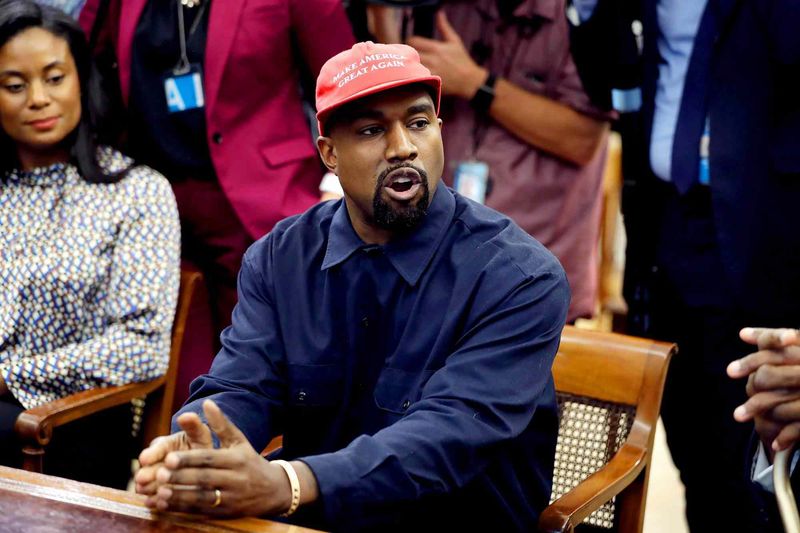
During a live fundraiser meant to unite viewers around a crisis, the tone can change in an instant when someone decides to say what others won’t.
West was brought on during the Hurricane Katrina telecast for what was expected to be a standard statement of concern, but his remarks quickly veered into pointed criticism, culminating in the line that stunned the room and froze the broadcast’s momentum.
The on-camera reaction from fellow presenter Mike Myers became almost as memorable as the statement itself, capturing a split second of “this isn’t the plan.”
Whatever people thought of the message, the delivery was undeniably disruptive, and it showed how a tightly produced event can’t always contain a guest’s urgency, anger, or frustration.
2. Joaquin Phoenix’s Letterman “I’m leaving acting” appearance (2009)
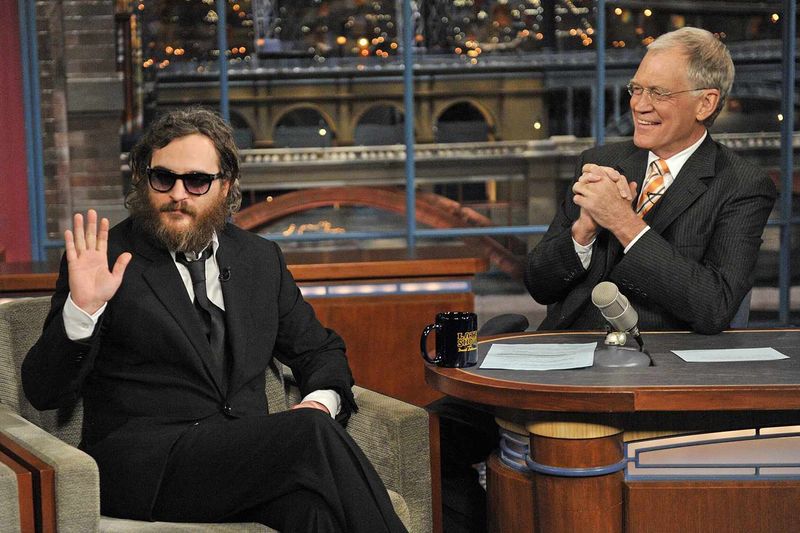
Watching a late-night segment turn uncomfortable is one thing, but it’s another when the audience can’t tell whether they’re witnessing a breakdown, a joke, or a performance.
Phoenix’s appearance on Late Show with David Letterman landed in that exact limbo, with the actor arriving disheveled, mumbling through answers, and generally refusing to play along with the usual late-night rhythm.
Letterman, famous for his ability to tease guests while keeping things moving, seemed genuinely thrown, and the push-and-pull made the interview feel like a slow-motion car crash.
Only later, when Phoenix revealed the “retiring from acting” storyline was part of a mockumentary project, did the moment gain context.
Even then, the confusion and secondhand cringe stayed baked into the clip’s legacy.
3. Charlie Sheen’s “winning / tiger blood” interview run (2011)
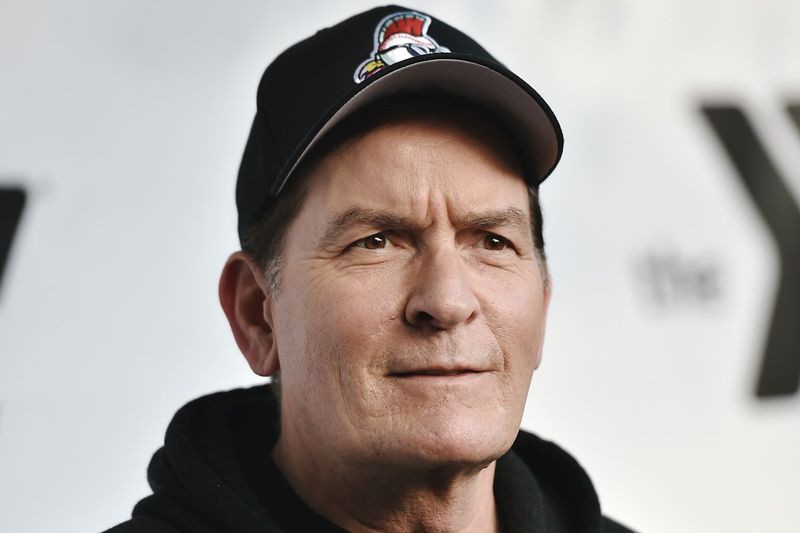
It’s rare for one interview to spin out so hard that it becomes an entire season of pop culture, but Sheen’s 2011 run managed exactly that.
In the wake of his very public fallout with Two and a Half Men, he embarked on a string of appearances that felt less like promotion and more like a rolling monologue.
Catchphrases like “winning” and “tiger blood” weren’t just colorful soundbites; they became viral fuel, repeated everywhere from talk shows to office break rooms.
Interviewers often tried to redirect him toward calmer explanations, but the momentum was entirely his, and the unpredictability was the point.
The spectacle worked in the short term because people couldn’t look away, yet it also illustrated how media attention can reward chaos even when it’s clearly spiraling into something darker.
4. Mel Gibson’s rants to a police officer (leaked audio, 2010)
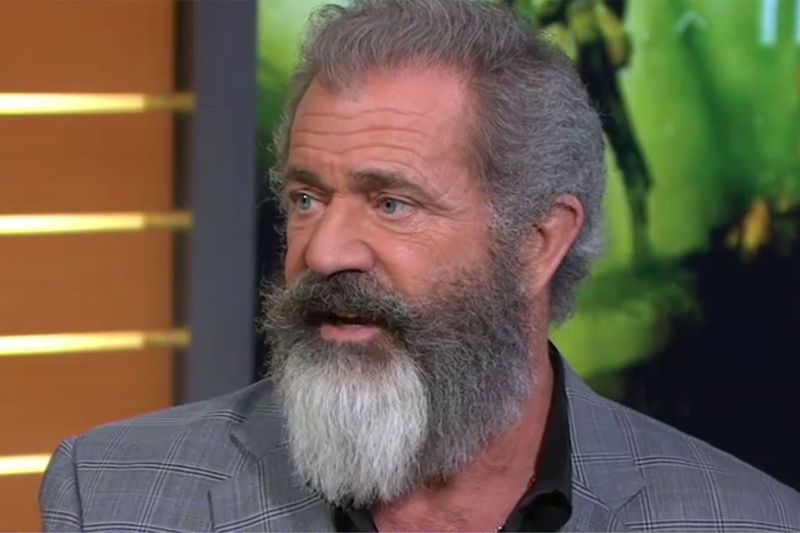
Not every “interview” that goes off the rails happens in a studio, and in Gibson’s case the most infamous clips weren’t a sit-down at all, but private recordings that became public conversation.
Once the audio surfaced, media outlets treated it like an ongoing, unwilling press tour, parsing every line and replaying it until the outrage eclipsed anything else in his career.
The reason it felt like an interview cycle is that the public consumed it the same way: as a window into who someone “really is,” delivered without editing or image management.
The situation also raised uncomfortable questions about voyeurism and accountability, because the recordings were personal and explosive, yet instantly turned into a commodity.
Regardless of where people landed ethically, the fallout showed how quickly a celebrity narrative can be hijacked by something raw, ugly, and impossible to spin.
5. Will Smith slaps Chris Rock at the Oscars (2022)
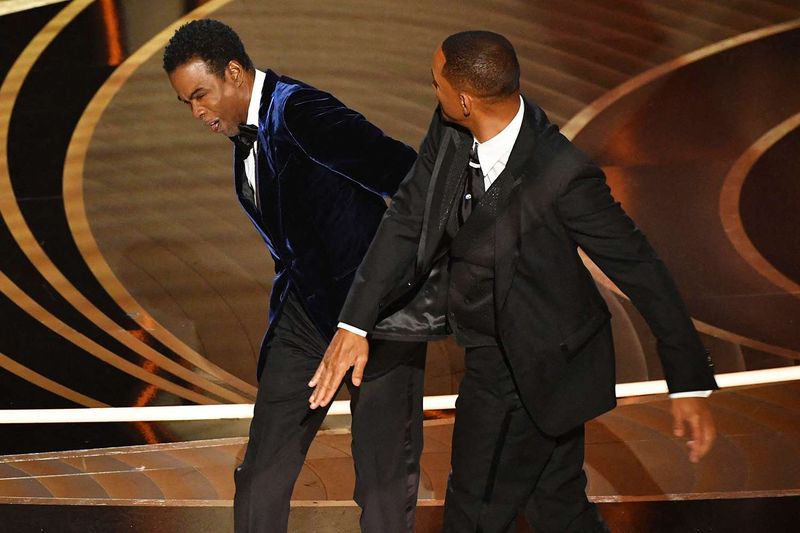
When something shocking happens live, the interviews afterward can become just as chaotic as the moment itself, because everyone is trying to process the same event in real time.
After Smith struck Chris Rock onstage at the Academy Awards, the night didn’t simply continue; it fractured into competing storylines, with the audience, broadcasters, and press all scrambling for context.
His acceptance speech, delivered shortly after, landed awkwardly because it existed in the shadow of what had just happened, and the tension carried through the rest of the night’s coverage.
Even without a traditional sit-down, the “interview” element emerged in the post-event commentary, reactions, and press-room discussions, where every word felt loaded and every pause felt revealing.
The reason this went off the rails is simple: no one could reassemble the usual award-show polish once the illusion broke.
6. Robert Downey Jr. walks out on Channel 4 over prison/drug questions (2015)
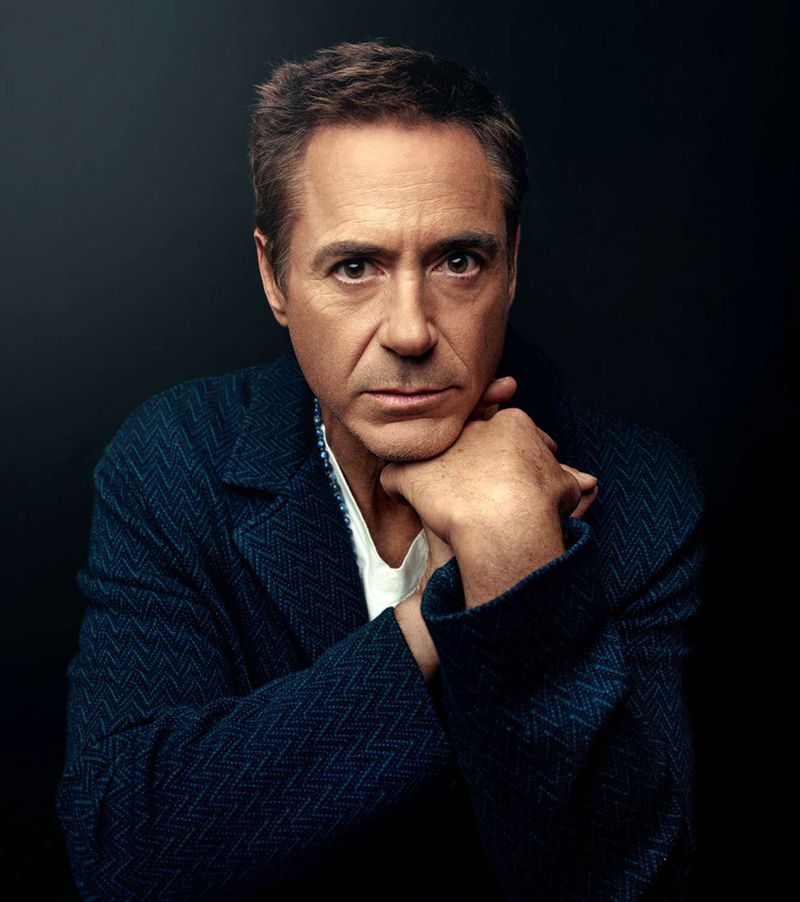
Promotion interviews have an unspoken bargain: the star shows up, plays the game, and the interviewer keeps things fair.
Downey’s Channel 4 segment broke that bargain when the conversation drifted into questions about his past incarceration and drug use rather than focusing on the film he was there to discuss.
You could see the tone stiffen as he tried to redirect, and the more he felt boxed into a narrative he’d already outlived, the more the interview became a tug-of-war.
Eventually, he stood up and left, a move that instantly turned the clip into news.
The moment resonated because it highlighted something audiences often forget: celebrities may be public figures, but they still have boundaries, and some are willing to make a scene to enforce them.
It also exposed how “hard-hitting” can sometimes read as exploitative when the subject has clearly moved on.
7. Tom Hardy’s uncomfortable Sky News interview (2015)
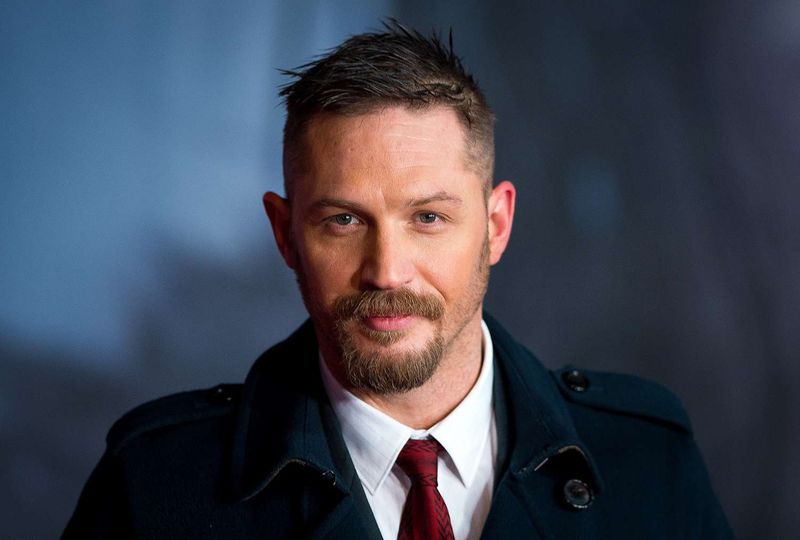
Sometimes an interview derails not because of a single shocking line, but because the energy between host and guest turns adversarial and stays that way.
Hardy’s appearance on Sky News had that vibe, with the actor appearing irritated by the questioning and increasingly unwilling to give the polite, promotional answers that keep segments smooth.
Instead of softening his tone, he met the moment with bluntness and visible impatience, which made the exchange feel like a standoff rather than a conversation.
Viewers tend to split on clips like this, because some read it as rudeness while others see it as someone refusing to perform niceness on command.
Either way, the friction became the story, and the actual topic he was there to discuss became background noise.
It’s a reminder that live TV depends on mutual cooperation, and when one side opts out, the whole thing wobbles.
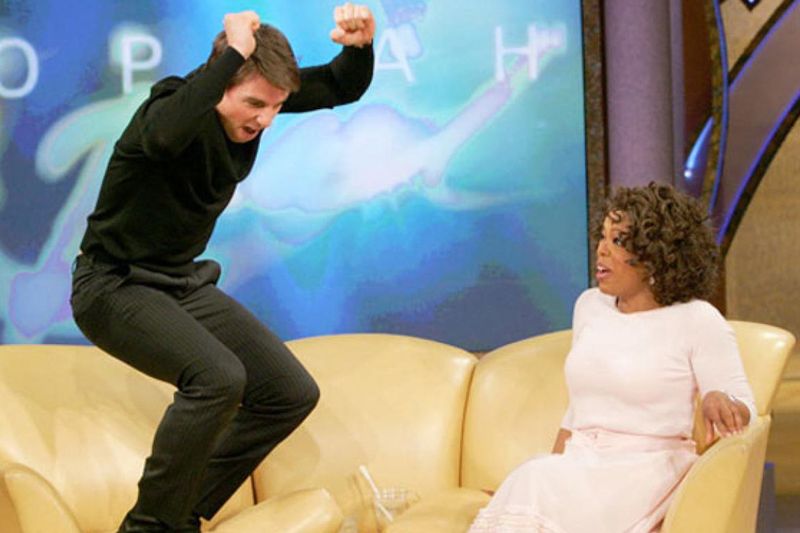
8. Tom Cruise jumps on Oprah’s couch (2005)
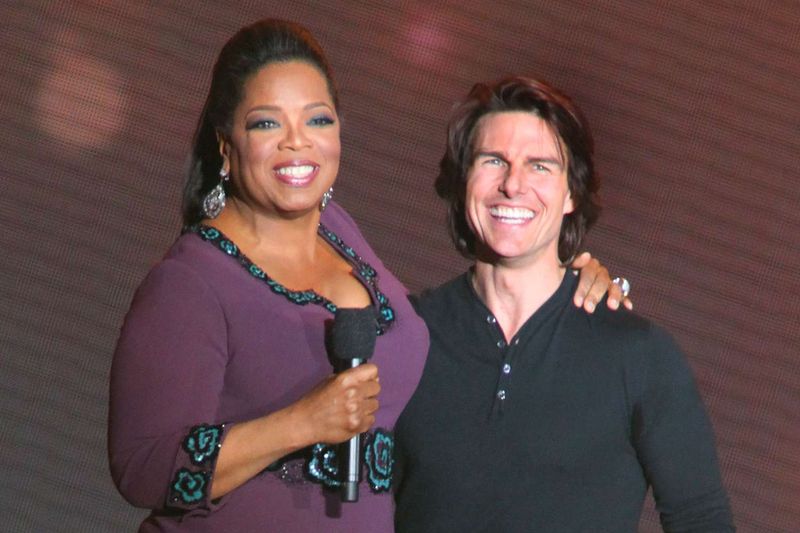
Few daytime TV moments have been dissected as endlessly as the appearance where excitement turned into a full-on spectacle.
Cruise arrived to promote War of the Worlds, but the conversation quickly became secondary to the intensity he brought to the couch.
As Oprah tried to steer the interview into a typical mix of charm and soundbites, he seemed determined to show the audience, physically and emotionally, just how thrilled he was about his relationship with Katie Holmes.
The now-famous jumping wasn’t just a quirky burst of energy; it shifted the tone of the entire segment and, in many ways, the public’s perception of him.
What might have been a light, romantic reveal became a cultural shorthand for celebrity overexposure.
9. Samuel L. Jackson vs. the “you were in Django” mix-up (2014)
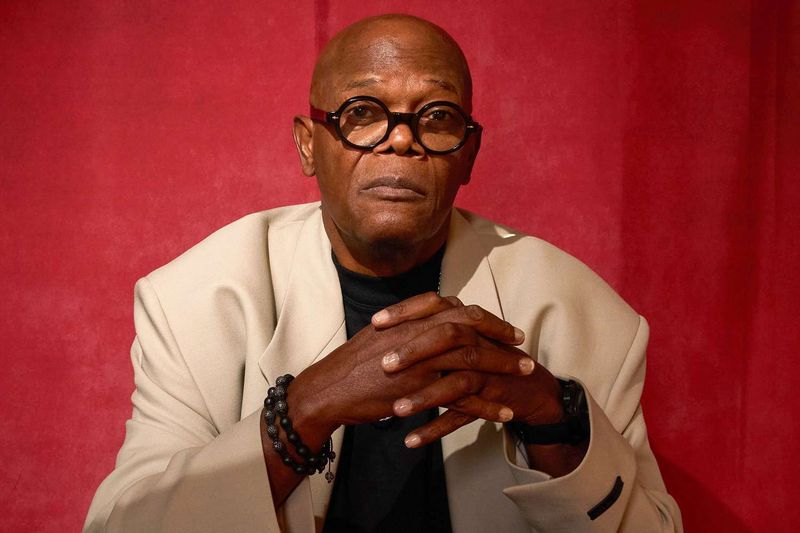
Few things unravel an interview faster than the interviewer revealing they haven’t done their homework, especially when the guest is as sharp as Jackson.
During a segment that was supposed to be routine, he was mistakenly credited with a role in Django Unchained when he had actually appeared in The Hateful Eight at the time, and his reaction was immediate.
The correction wasn’t just a quick fix; it became a moment of disbelief, humor, and exasperation that highlighted how often celebrities are expected to carry the conversation even when the prep is sloppy.
Jackson’s response worked because it was blunt but entertaining, and it also let viewers feel like they were watching a behind-the-scenes truth: stars notice everything, including when someone is phoning it in.
The derailment here wasn’t scandalous, but it was deliciously uncomfortable in a way that made the clip endlessly replayable.
10. Jesse Eisenberg’s “poker-face hostility” interview clips (various years)
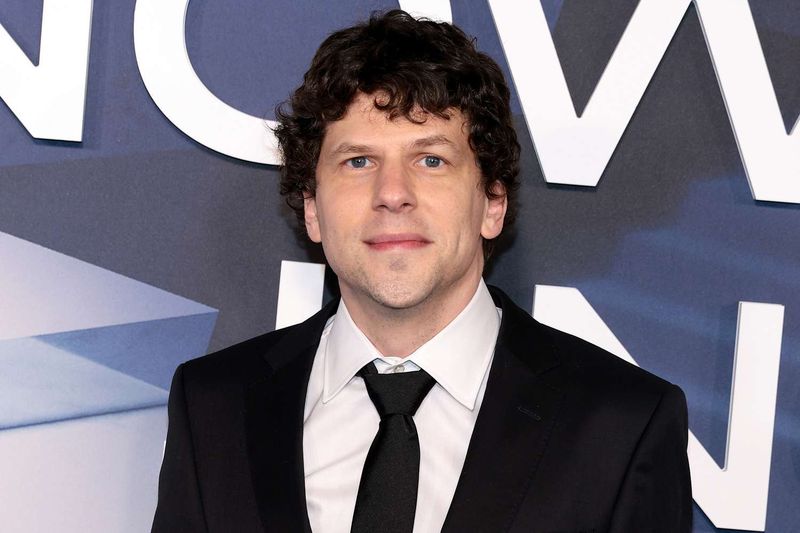
Not every off-the-rails interview is a single viral clip, and Eisenberg’s case is often discussed as a pattern rather than one definitive explosion.
Across multiple appearances, he has sometimes come off as defensive, sarcastic, or uninterested in playing along with the light banter hosts typically expect.
That dynamic can create a strange power struggle, where the interviewer tries to keep things breezy while the guest answers like they’re correcting a thesis paper.
Audiences tend to interpret it in two ways: either as arrogance or as anxiety expressed through sharp humor, and that split is part of why the moments stick.
The interviews derail because the tone becomes the headline, overtaking whatever project he’s promoting.
Even when nothing “bad” happens, the tension makes the segment feel unpredictable, like it could tip into a walkout or a blow-up at any second.
11. Dakota Johnson calls out Ellen about not being invited (2019)
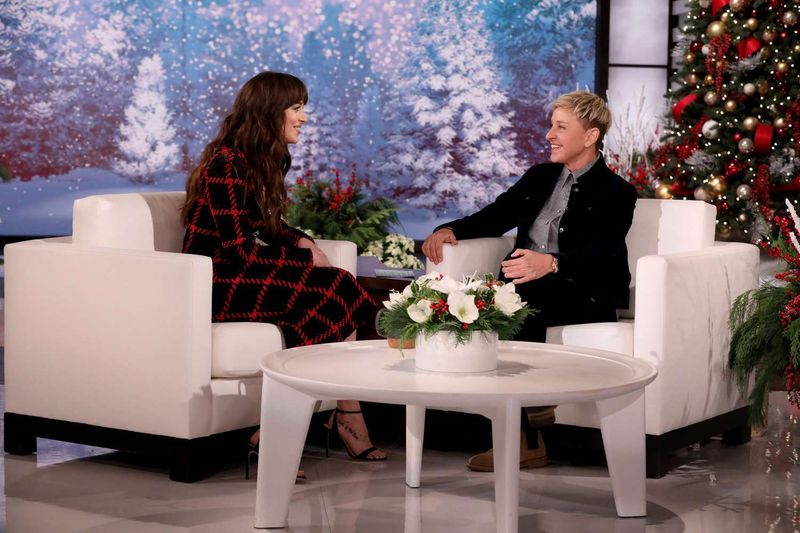
The best derailments are the ones where the guest quietly flips the power dynamic, and Johnson’s appearance on The Ellen DeGeneres Show did exactly that.
When Ellen teased her about not being invited to a birthday party, Johnson didn’t laugh it off or play the self-deprecating celebrity role.
Instead, she calmly corrected the record, explaining that an invitation had been sent, which instantly made the exchange awkward in a way daytime TV usually avoids.
The moment became iconic because Johnson stayed composed while the host tried to pivot, and that calmness made the correction feel even sharper.
Viewers loved it because it felt like the rare time someone pushed back in real time without raising their voice or becoming petty.
The segment also hinted at a larger truth about celebrity friendliness: sometimes the on-camera vibe is a performance, and a single factual correction can pop the balloon.
12. Taylor Swift shuts down a question about “dating too much” (2015)
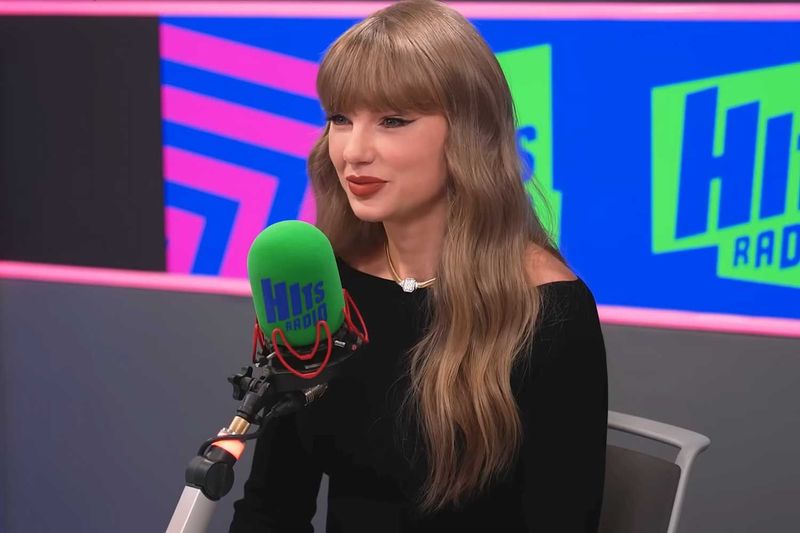
A lot of interviews go sideways when they lean into tired narratives, and Swift has spent years watching questions about her love life overshadow her work.
In a 2015 exchange that circulated widely, she pushed back against the implication that she dated “too much,” challenging why the topic was framed as a flaw while male celebrities rarely faced the same scrutiny.
The derailment wasn’t loud, but it was definitive, because it exposed a double standard that interview formats often normalize.
Instead of letting the question glide by as gossip-friendly filler, she made it about how women are discussed in public, which immediately changed the temperature in the room.
What made this moment memorable is that it wasn’t a messy meltdown; it was a controlled refusal.
The interview didn’t explode, but it did stop being light entertainment and became an uncomfortable conversation about sexism, media framing, and the price of fame.
Comments
Loading…