
 Jade Reed
You Know You’re Over 50 When These 12 Little Preferences Suddenly Make Sense

Somewhere after 50, a funny thing happens: your “preferences” stop feeling like quirks and start feeling like wisdom.
It’s not that you suddenly become picky for no reason; it’s that you’ve lived long enough to notice patterns.
You know what drains you, what keeps you grounded, and what makes an ordinary day feel smoother.
The little choices that used to sound “boring” now feel like smart decisions that protect your energy, your body, your time, and even your budget.
You don’t need a big dramatic lifestyle makeover to feel better—just a handful of small shifts that make life easier in ways you can actually feel.
If these preferences are starting to sound familiar, congratulations: you’re not getting old, you’re getting efficient.
1. Morning plans beat night plans
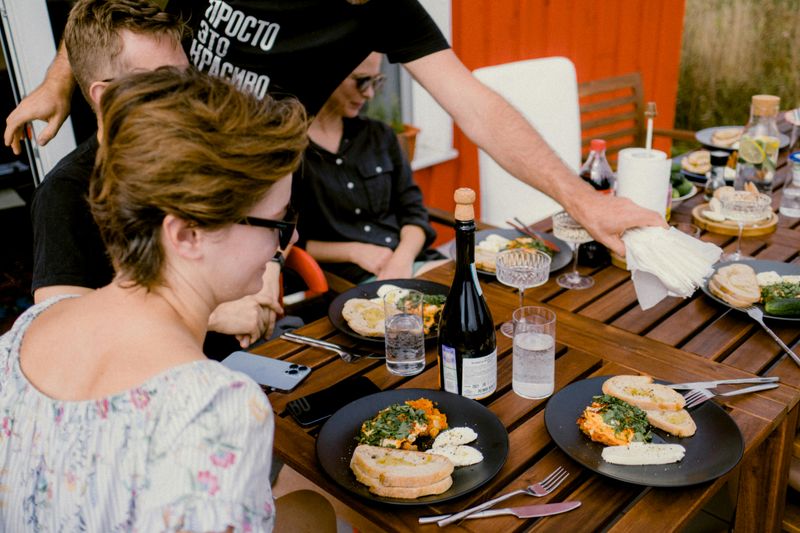
Getting together early starts to feel like the ultimate life hack because the whole day is still ahead of you and your patience hasn’t been used up yet.
A morning coffee date or a midday lunch feels relaxed, unhurried, and surprisingly energizing, while late-night plans can feel like you’re borrowing time from tomorrow.
You begin to notice how much better you sleep when your evening isn’t packed with driving, noise, heavy food, and social obligations that run long.
It’s also easier to say yes when you know you’ll still be home in time to unwind, handle a few tasks, and get into a normal routine.
The older you get, the more you realize fun doesn’t have to come with fatigue as a hidden fee.
2. Comfort shoes become non-negotiable
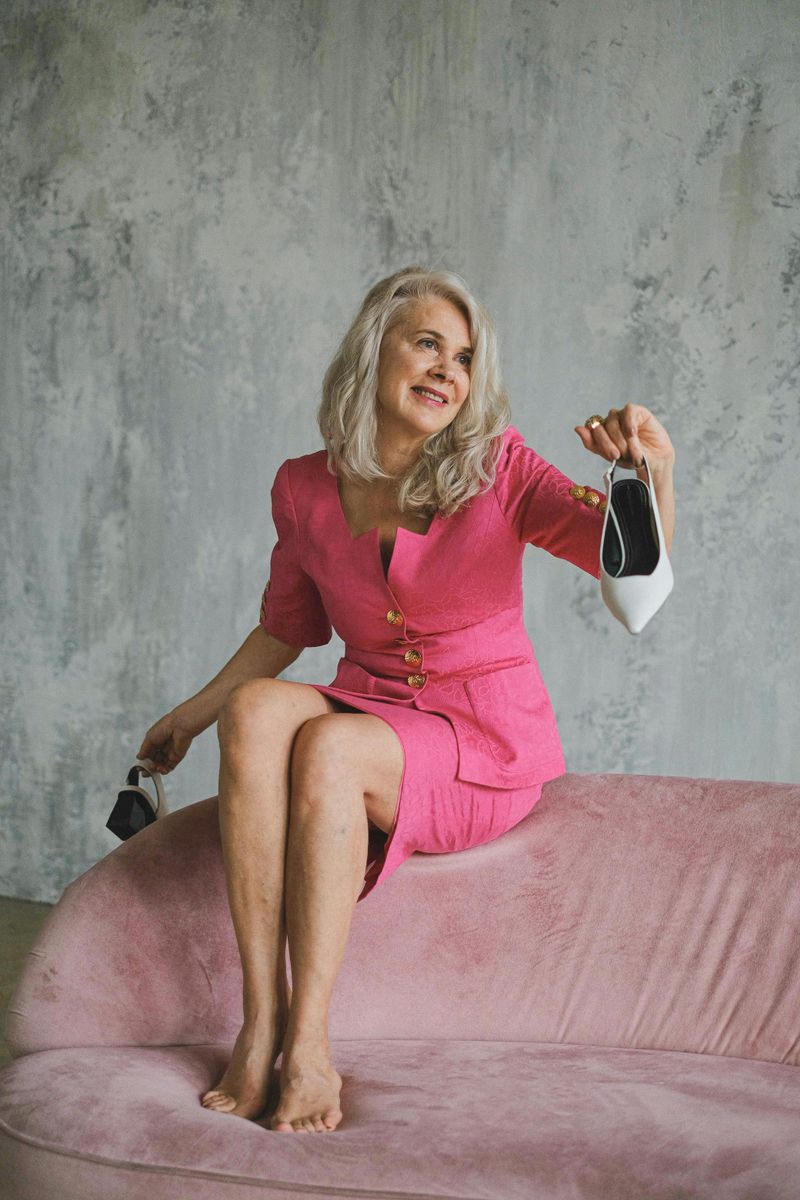
Once your body starts speaking up more clearly, it becomes harder to ignore the difference between shoes that look good and shoes that actually support you.
You might still love a stylish pair, but you also know how quickly sore feet can turn into an achy back, tight hips, or a headache that ruins the rest of the day.
Over time, you start valuing stability, cushioning, and a fit that doesn’t require “breaking in” like it’s some kind of character-building exercise.
It’s not vanity to want to feel put-together, but it’s also not a badge of honor to suffer for fashion.
Comfort shoes start to represent something bigger: the freedom to walk longer, travel easier, and enjoy your day without thinking about pain every other step.
3. You’d rather have one great outfit than five trendy ones

After 50, you often realize that buying more doesn’t automatically mean feeling better dressed, especially when half of what’s in the closet doesn’t fit quite right or feels awkward after an hour.
A single outfit that flatters you, moves comfortably, and makes you feel confident starts to matter more than chasing every new trend that shows up online.
You also begin to appreciate fabric that holds up, tailoring that looks intentional, and pieces that mix well without requiring a styling degree to pull off.
This preference can be surprisingly budget-friendly because it shifts you away from impulse shopping and toward thoughtful purchases you actually wear.
Instead of buying items for an imaginary life, you invest in what supports your real one, which is usually a lot more satisfying and far less cluttered.
4. The “quiet” restaurant table is the best table
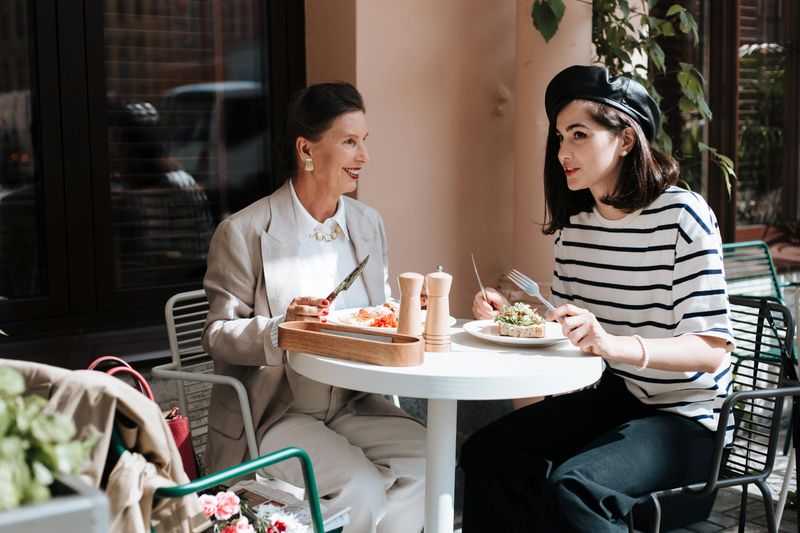
At some point, the charm of loud music and packed dining rooms wears off, and you start craving a place where you can actually hear the people you came with.
Noisy restaurants can make you feel tense without realizing it, especially when you’re shouting across the table and leaving with a sore throat and a headache.
A quieter corner suddenly feels like luxury because it makes the whole experience calmer, more intimate, and more enjoyable.
You also become more aware of how much atmosphere affects your mood, whether it’s harsh lighting, echoing ceilings, or tables squeezed too close together.
When you’re over 50, you don’t want your dinner to feel like a competition for attention.
You want conversation, comfort, and a meal that feels like a treat instead of a test.
5. You read reviews for noise, lighting, and parking

The details you used to ignore become the details that determine whether a place is worth the effort, because you’ve learned that convenience is part of the experience.
Scrolling through reviews to find out if the parking situation is a nightmare or if the lighting makes everyone look washed out starts to feel completely reasonable.
You aren’t being fussy; you’re preventing the kind of small annoyances that can snowball into a frustrating outing.
Over time, you also realize that a “great vibe” isn’t great if it means you can’t read the menu or you’re trapped in a cramped lot circling for 20 minutes.
Choosing wisely saves time, energy, and sometimes money, because you’re less likely to leave annoyed and decide you “need” dessert or a drink just to feel better about the hassle.
6. You love a tidy, calm house more than a busy one
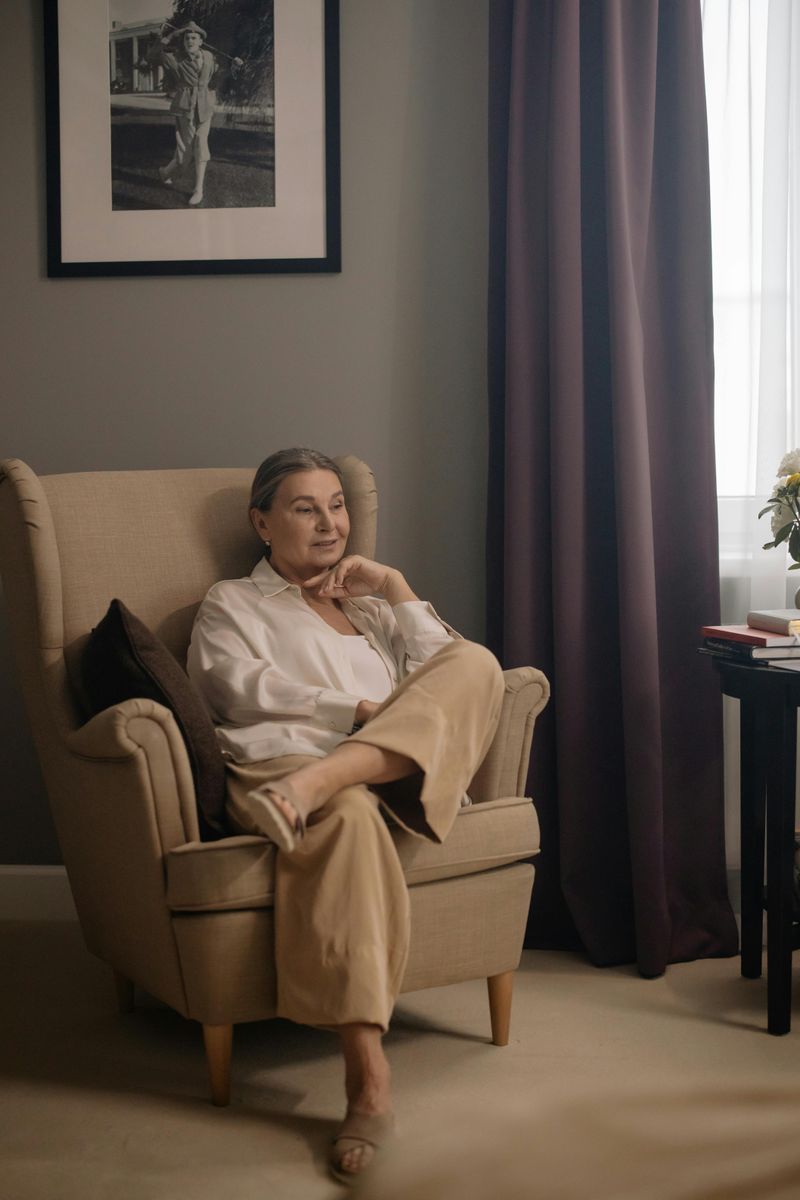
The older you get, the more you understand that your home influences your nervous system, whether you notice it consciously or not.
Clutter can feel like unfinished business, and constant mess can create a low-grade stress that makes it hard to fully relax.
A calm, tidy space starts to feel like self-care because it’s easier to breathe, focus, and enjoy simple routines when you aren’t stepping around piles or staring at a to-do list disguised as “stuff.”
This doesn’t mean your home has to look perfect, but it does mean you start valuing systems that keep life running smoothly.
You may also notice you buy less when your space feels peaceful, because shopping stops being a way to cope with chaos.
A calmer home often leads to a calmer mind, and that’s a trade worth making.
7. Your ideal social plans have an end time

Knowing when something will wrap up can make socializing feel easier because you aren’t mentally bracing for an open-ended evening that keeps dragging.
You can genuinely enjoy seeing people while still protecting your energy, especially if you’ve learned the hard way that too much stimulation can affect your sleep and mood.
Over 50, you start seeing boundaries as a kindness to yourself, not as an insult to anyone else.
An early dinner, a planned movie time, or a visit that ends before bedtime can still be warm, fun, and meaningful, and it doesn’t leave you feeling depleted the next day.
People who truly care about you will understand that you’re not rejecting them, you’re just choosing balance.
Having an “exit plan” doesn’t make you antisocial; it makes you realistic about what helps you feel your best.
8. You prefer practical gifts (and you mean it)

Over time, you stop pretending you want something just because it’s cute, trendy, or “fun,” and you start appreciating things that genuinely make daily life easier.
Receiving a high-quality kitchen tool, a cozy set of sheets, or a gift card for something you actually use can feel far more thoughtful than an item that will sit in a drawer.
This preference often comes from experience, because you’ve learned how quickly clutter accumulates and how stressful it can be to manage extra stuff you never asked for.
Practical gifts can also feel personal when they reflect what someone knows about your routines, your comfort, and your needs.
Instead of trying to impress, you value support, and that’s a shift that makes gift-giving less wasteful and more meaningful.
Useful doesn’t mean boring; it means your life just got a little better.
9. You’d rather fix a small problem now than “wait and see”

Putting off minor issues starts to feel less tempting when you’ve seen how easily they turn into expensive headaches.
A small leak, a weird car noise, or a tooth that feels “a little off” isn’t something you want to gamble with anymore, because you’ve learned that delays often cost more time, more stress, and more money.
You also start valuing peace of mind, which is hard to enjoy when you know a problem is quietly waiting in the background.
Taking care of things early can feel empowering because it keeps life from becoming a series of emergencies.
This doesn’t mean you become anxious or obsessive; it means you become proactive in a way that protects your future self.
Over 50, you understand that prevention is a form of comfort, and comfort is worth prioritizing.
10. You become picky about who gets your energy
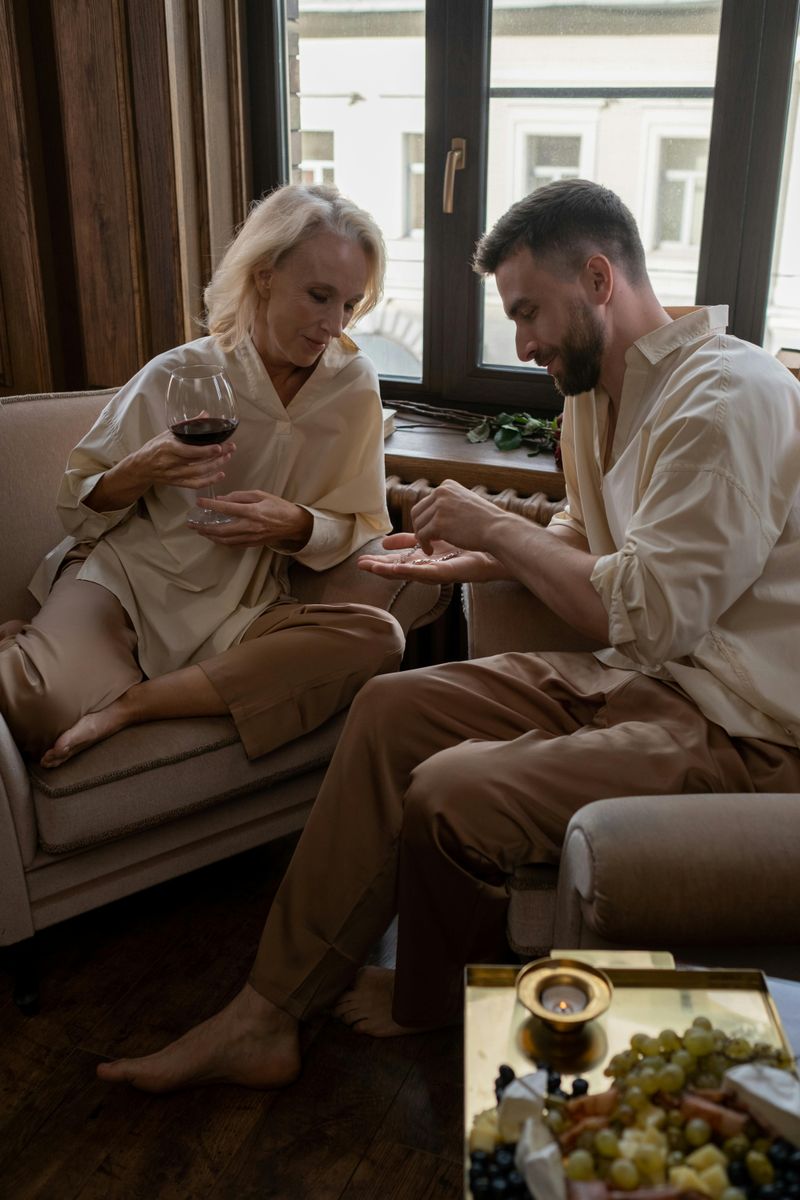
As you get older, you start realizing that time is limited, but emotional energy can feel even more limited, which makes you more intentional about where you spend it.
Relationships that once felt “manageable” may begin to feel draining, especially if they require you to constantly explain yourself, walk on eggshells, or recover afterward.
You don’t necessarily become colder; you simply become clearer about what healthy connection looks like.
Being around people who respect your boundaries, celebrate your wins, and show up consistently starts to feel like the standard, not a bonus.
This shift can be uncomfortable at first, because you may worry about seeming selfish, but it usually brings relief.
When you protect your energy, you have more to give to the people and responsibilities that truly matter, and you stop treating exhaustion like the price of love.
11. You appreciate boring routines

Predictability stops feeling like a trap and starts feeling like a gift because it makes life less chaotic and more manageable.
The same grocery list, the same morning walk, and the same bedtime routine can create a steady rhythm that supports your mood and health.
Over 50, you often recognize how much easier it is to stay on top of responsibilities when you aren’t reinventing everything every day.
Routines can also save money because they reduce impulse spending and last-minute takeout decisions that happen when you’re tired or unprepared.
Instead of chasing constant novelty, you start enjoying small comforts that you can count on, like a favorite cup of tea or a familiar TV show.
Life still has surprises, but you begin to see routine as the foundation that helps you handle them better.
Stability becomes its own kind of luxury.
12. You’d rather save money than impress anyone
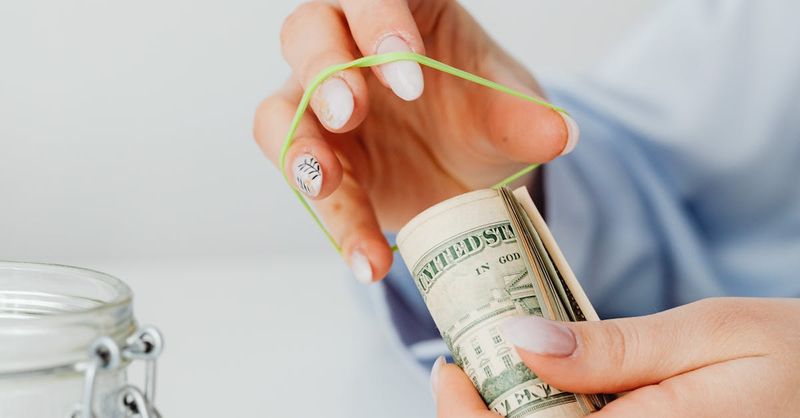
At a certain point, spending to impress starts to feel like paying for other people’s opinions, and that deal just isn’t appealing anymore.
You become more comfortable choosing what fits your real priorities, whether that means skipping expensive events, driving a reliable older car, or buying fewer things with better quality.
You also start noticing how much freedom comes from having money in the bank, because it reduces stress and gives you options when life throws something unexpected your way.
Over 50, many people stop trying to prove themselves through purchases and start focusing on what genuinely improves their day-to-day life.
This preference can feel like a quiet confidence, because you no longer need external validation to feel secure.
The funny part is that once you stop trying so hard, you often look more put-together anyway, because your choices are grounded in clarity instead of pressure.
Comments
Loading…