
 Mary Murphy
10 Near-Perfect Sci-Fi Movies That Never Got Enough Credit
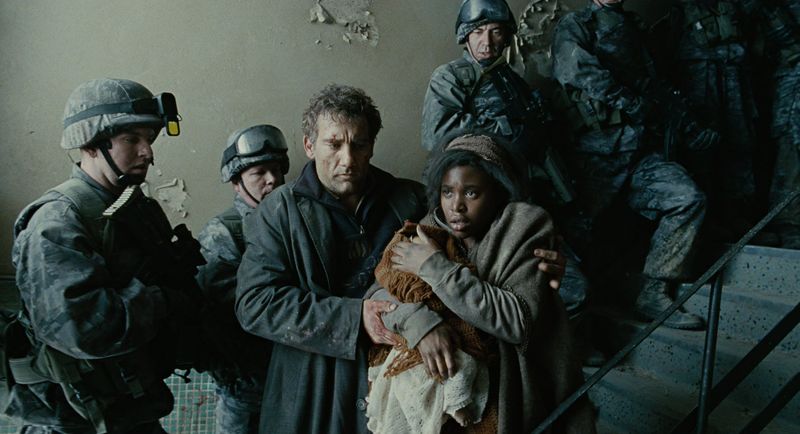
Science fiction has given us some of the most imaginative and thought-provoking films ever made, yet many exceptional movies quietly slip through the cracks without receiving the recognition they deserve.
While blockbusters dominate headlines and awards season, these overlooked stories deliver striking visuals, ambitious ideas, and emotional depth that rival far bigger mainstream hits.
Together, they prove great sci-fi never needs massive budgets or franchises to leave lasting impact behind.
1. Gattaca (1997)
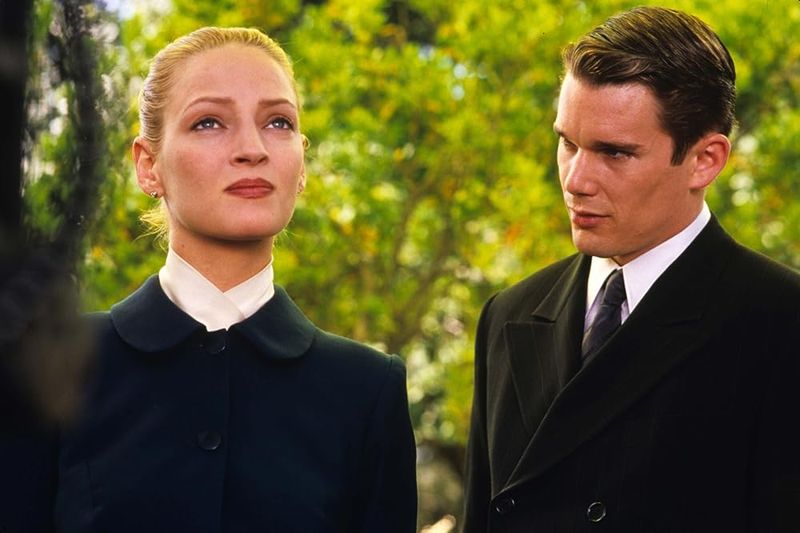
Andrew Niccol crafted a sleek vision of tomorrow where your DNA determines your destiny, and those born naturally face quiet discrimination in a world obsessed with genetic perfection.
Vincent Freeman, played brilliantly by Ethan Hawke, dreams of space travel despite his flawed genes, forcing him to assume another identity just to chase what society says he can never have.
The film’s noir-inspired aesthetic creates a cold, sterile future that feels both beautiful and deeply unsettling.
Its exploration of identity and free will raises questions about what makes us human when science can engineer better versions.
Despite critical praise, Gattaca never found the massive audience it deserved, overshadowed by flashier sci-fi releases of its era.
2. Children of Men (2006)
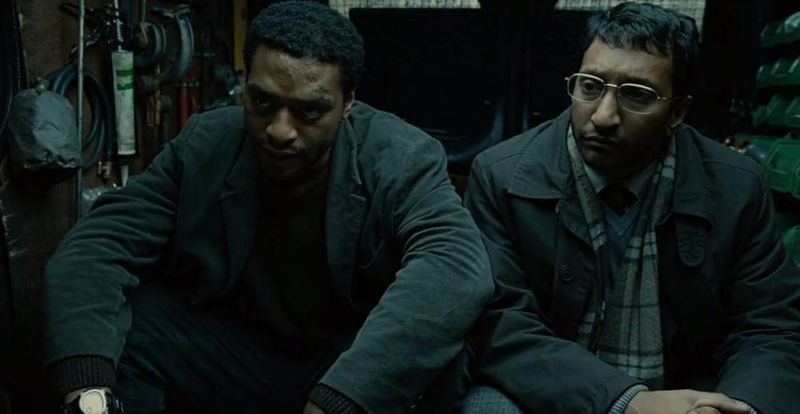
Alfonso Cuarón delivered one of cinema’s most visceral dystopian experiences, set in a crumbling England where humanity hasn’t seen a birth in eighteen years.
Clive Owen plays a disillusioned bureaucrat thrust into protecting the first pregnant woman in nearly two decades, navigating war-torn cities and desperate refugees.
What sets this film apart are the stunning long-take action sequences that pull you directly into the chaos without cuts or safety nets.
The cinematography creates raw realism that makes every explosion, every gunshot, every moment of hope feel devastatingly real.
Though nominated for Academy Awards, Children of Men remains criminally underwatched, offering emotional depth most blockbusters never attempt.
3. The Arrival (1996)
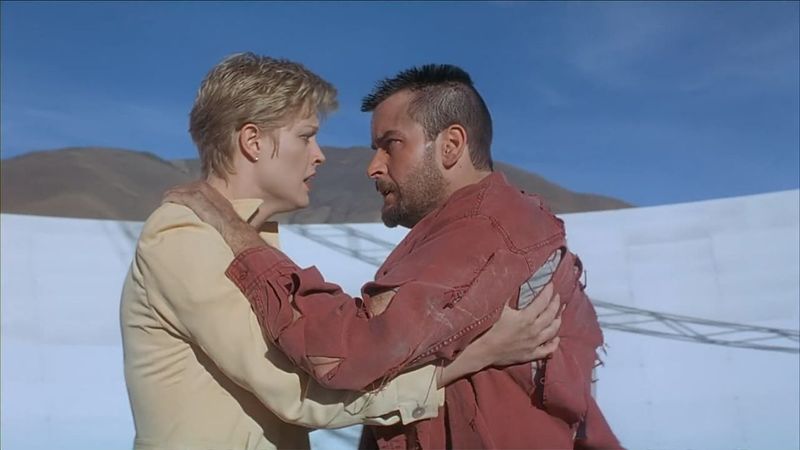
Before big-budget alien invasion spectacles dominated theaters, David Twohy crafted this slow-burn conspiracy thriller about a radio astronomer who discovers evidence of extraterrestrial life.
Charlie Sheen plays Zane Zaminsky, whose discovery leads him down a paranoid rabbit hole as he uncovers a terrifying plan already underway on Earth.
The film builds tension through atmosphere and intelligence rather than explosions, questioning who controls information and truth when the stakes involve humanity’s survival.
Its practical effects and grounded approach create genuine unease as the conspiracy deepens.
Released without much fanfare, The Arrival got lost among flashier sci-fi offerings, though it rewards patient viewers with smart storytelling and mounting dread.
4. Moon (2009)
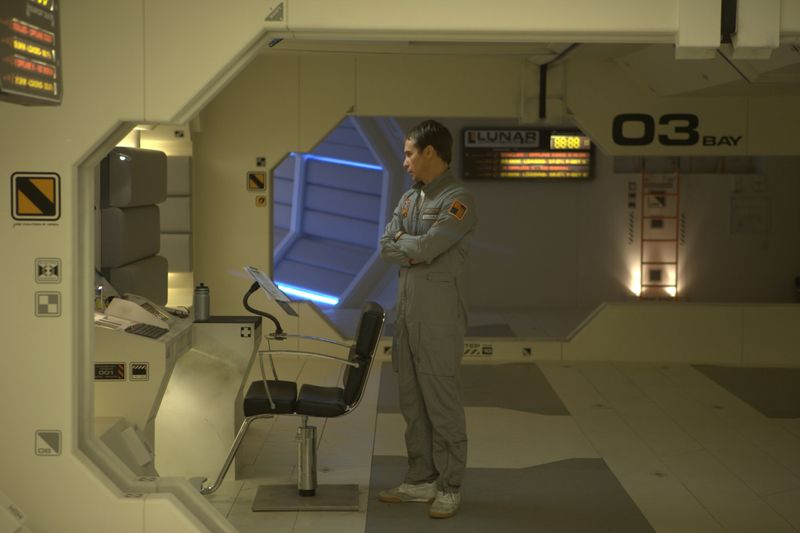
Duncan Jones proved you don’t need massive budgets to tell powerful stories with this intimate character study about Sam Bell, a lunar miner nearing the end of his three-year solo contract.
Sam Rockwell delivers a tour-de-force performance, essentially acting opposite himself as isolation and strange occurrences begin unraveling his reality.
The film tackles corporate ethics and existential questions with intelligence and heart, creating genuine emotional investment in one man’s struggle for truth.
Its minimalist approach and practical effects recall classic sci-fi while exploring thoroughly modern anxieties about identity and exploitation.
Moon earned critical acclaim but never broke through to mainstream audiences, remaining a hidden treasure for those seeking substance over spectacle.
5. Primer (2004)
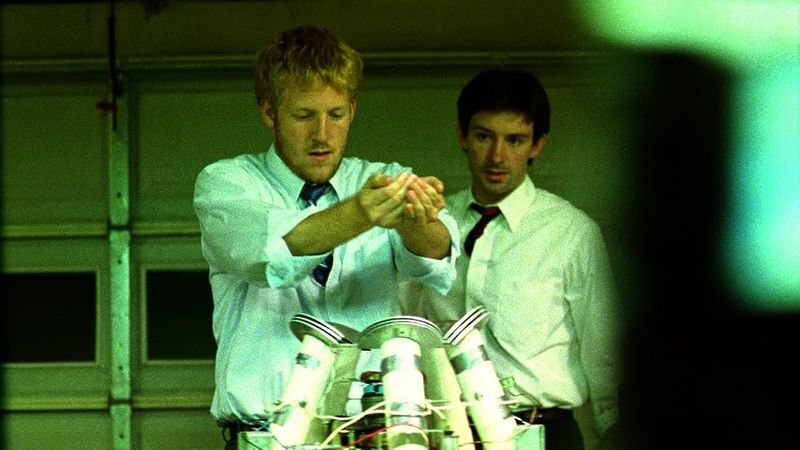
Shane Carruth created perhaps the most intellectually demanding time-travel film ever made, following two engineers who accidentally discover a way to loop through time in their garage.
Shot for just seven thousand dollars, Primer refuses to hold your hand, presenting paradoxes and consequences with scientific rigor that demands multiple viewings.
The film’s dense dialogue and technical accuracy make it feel like eavesdropping on actual scientists rather than watching Hollywood’s simplified version of genius.
Its complexity isn’t pretentious but honest, treating audiences as intelligent enough to keep up with cascading timelines and moral compromises.
Winning Sundance’s Grand Jury Prize didn’t translate to widespread recognition, leaving Primer as cult viewing for hardcore sci-fi fans willing to work for their entertainment.
6. Coherence (2013)
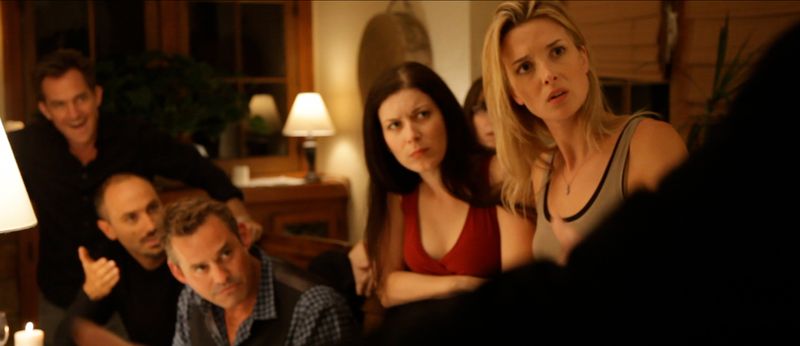
What starts as friends gathering for dinner during a comet passing overhead spirals into one of the most unsettling multiverse nightmares in recent memory.
James Ward Byrkit’s micro-budget thriller uses sharp improvised dialogue and minimal effects to explore parallel realities colliding, creating paranoia and existential terror as characters encounter disturbing versions of themselves.
The film’s clever premise escalates brilliantly, turning a single house into a maze of possibilities where trust becomes impossible and every decision carries unforeseen consequences.
Its lo-fi approach proves that terrifying concepts need nothing more than strong writing and committed performances.
Coherence slipped past most audiences during its limited release, though those who discovered it found one of the decade’s smartest sci-fi experiences.
7. Dark City (1998)
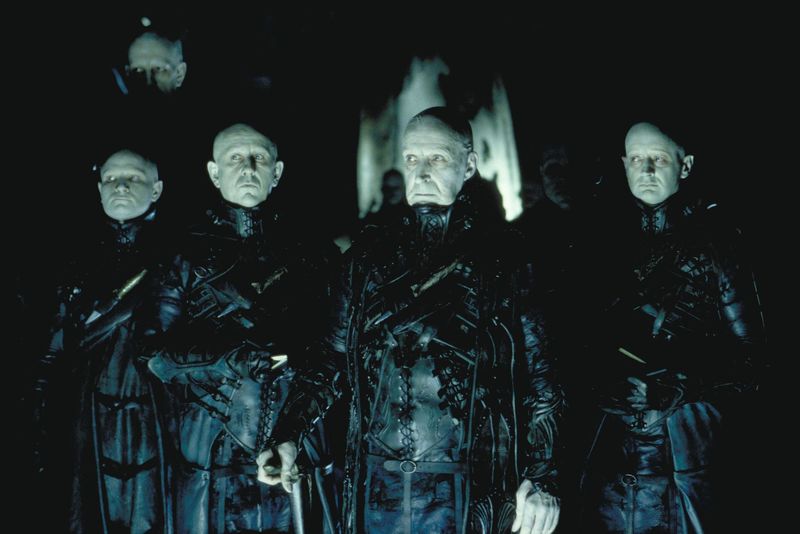
Alex Proyas constructed a shadow-soaked neo-noir world where mysterious beings called the Strangers manipulate reality itself, reshaping a city and its inhabitants’ memories each night.
Rufus Sewell plays John Murdoch, who awakens with amnesia and powers he doesn’t understand, hunted by both police and the entities controlling everything around him.
Released just a year before The Matrix, Dark City explores similar themes of reality manipulation with stunning gothic visuals and ambitious world-building that deserved far more attention.
Its exploration of memory and identity creates a genuinely unsettling atmosphere as layers of deception peel away.
Despite critical appreciation, the film flopped commercially and remains overshadowed by later releases that borrowed heavily from its concepts.
8. Timecrimes (2007)
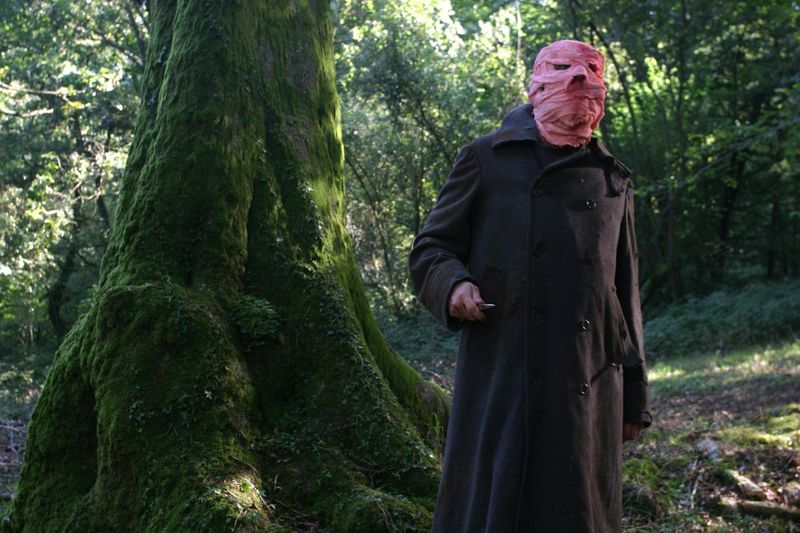
Spanish director Nacho Vigalondo took a simple time-loop premise and twisted it into a brilliantly escalating puzzle that keeps viewers guessing until its final moments.
Héctor, an ordinary man, accidentally travels back one hour and watches his own recent past unfold, discovering that his attempts to fix things only create the problems he’s trying to prevent.
The film’s tight construction and clever writing make time travel genuinely suspenseful, with each loop revealing new layers and consequences.
Its modest budget never limits the storytelling, proving that smart concepts executed well trump expensive spectacle.
Timecrimes earned festival praise but never broke through to wider audiences, remaining a hidden gem for fans seeking intelligent time-travel narratives.
9. Sunshine (2007)
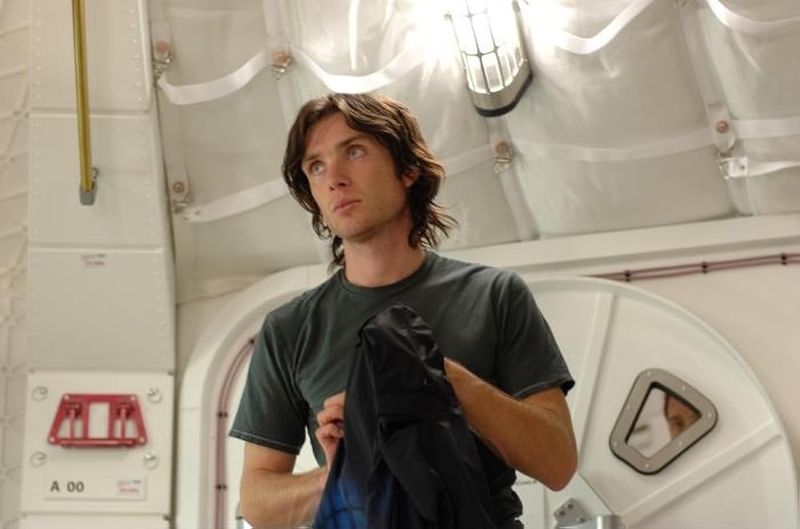
Danny Boyle’s visually stunning meditation on sacrifice follows a crew on a desperate mission to reignite Earth’s dying sun with a massive nuclear payload.
The film balances hard science fiction with psychological horror as the crew faces impossible decisions, dwindling resources, and something far more terrifying lurking in the ship’s shadows.
Cillian Murphy leads an ensemble cast through increasingly tense scenarios, while the cinematography captures both the beauty and terror of space with breathtaking imagery.
The film’s shift into cosmic horror in its final act divided audiences but created something genuinely unique.
Despite strong reviews, Sunshine underperformed at the box office and remains one of Boyle’s most overlooked works, offering profound questions about survival and human purpose.
10. The Quiet Earth (1985)

This haunting New Zealand production follows a scientist who wakes to find himself apparently the last person alive after a mysterious global event.
Bruno Lawrence delivers a powerful performance as Zane Hobson, whose isolation and growing madness create a deeply philosophical exploration of loneliness and existential dread in an empty world.
The film’s focus on psychological impact rather than action or explanations creates lingering unease that builds to one of cinema’s most unforgettable final images.
Its meditation on what it means to be human without others around raises profound questions about identity and purpose.
Despite cult status in certain circles, The Quiet Earth remains criminally underseen outside New Zealand, offering a unique take on apocalyptic storytelling that haunts long after viewing.
Comments
Loading…