
 Chloe Peterson
15 ’60s Stars Hollywood Pushed as the Next Big Thing
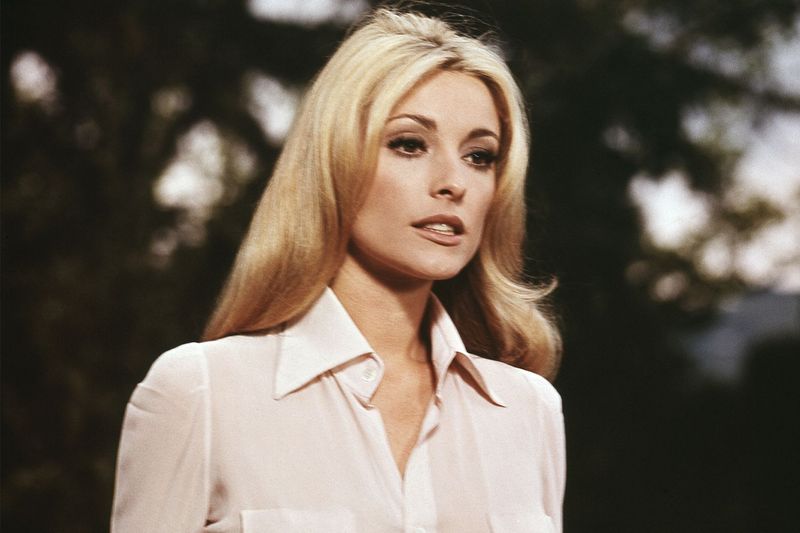
Hollywood in the 1960s was a time of big dreams and even bigger gambles.
Studios poured millions into fresh faces, hoping to create the next generation of superstars who could fill theaters and dominate magazine covers.
Some became legends, while others faded away, but all were given the full star-making treatment that defined an era of glamour and ambition.
1. Tuesday Weld
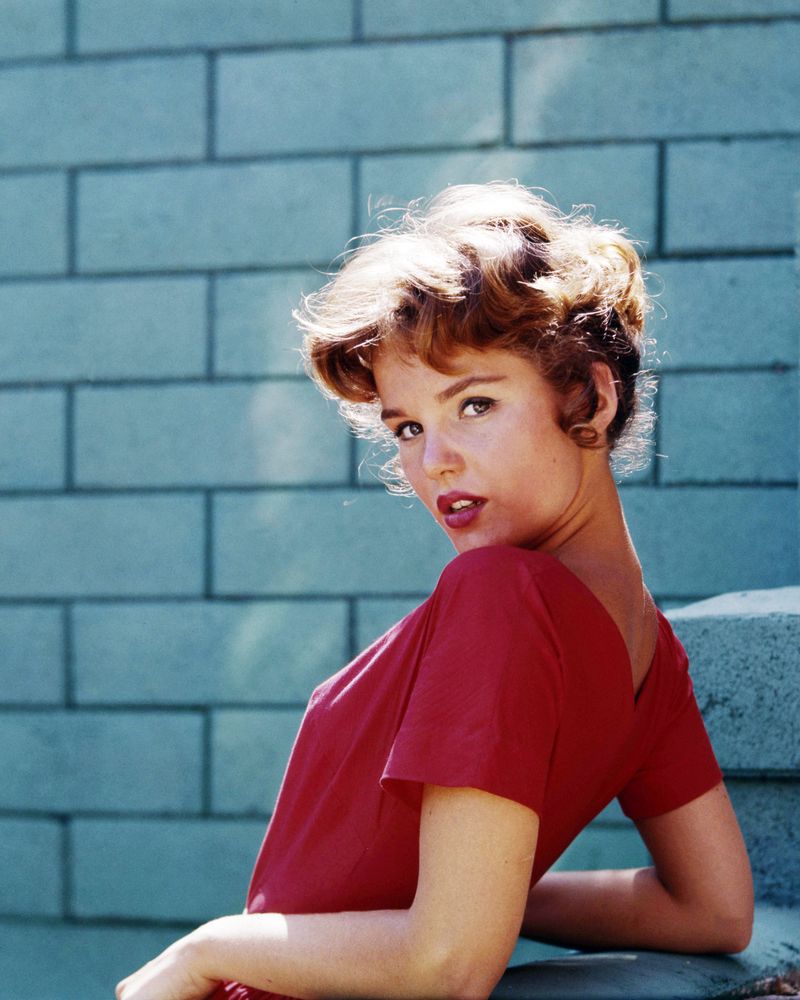
With a name that stuck in your mind and talent that went far deeper than her teenage beauty, Tuesday Weld defied easy categorization.
Hollywood marketed her as a youthful sensation, but she consistently chose roles with complexity and emotional weight.
Her willingness to tackle darker, more challenging material set her apart from other starlets being pushed as simple ingenues.
Films like Lord Love a Duck demonstrated her range and fearlessness as a performer willing to take risks.
Studios struggled to fit her into conventional molds, yet her unconventional choices earned critical respect and created a legacy that outlasted many more heavily promoted contemporaries.
2. Ann-Margret
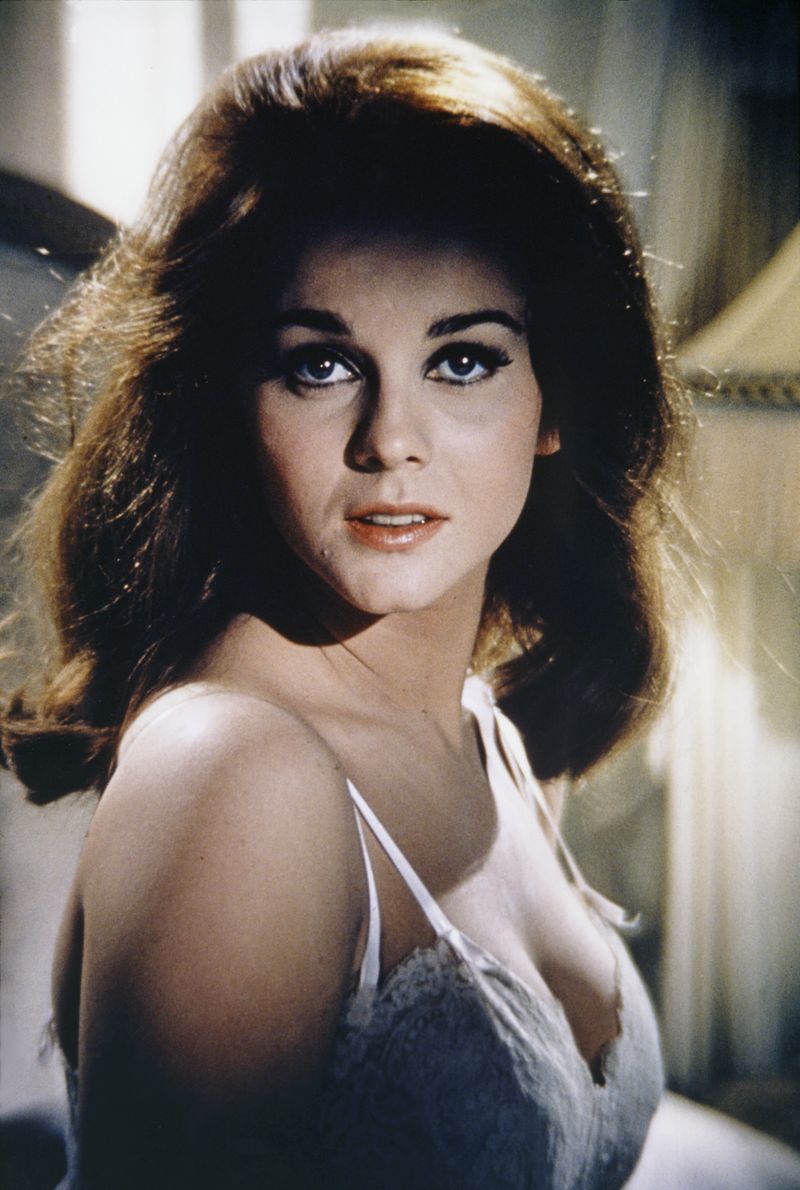
A fiery redhead with unstoppable energy, Ann-Margret exploded onto screens with a combination of singing, dancing, and raw magnetism.
Studios recognized her triple-threat abilities immediately and positioned her as the complete package for audiences craving excitement.
Her sultry performances in films like Viva Las Vegas opposite Elvis Presley showcased not just her talent but her undeniable chemistry with leading men.
Producers invested heavily in her image, crafting roles that highlighted her vivacious personality and musical chops.
Ann-Margret delivered on Hollywood’s promise, becoming one of the decade’s most enduring and successful stars whose career spanned decades beyond the ’60s.
3. Connie Stevens
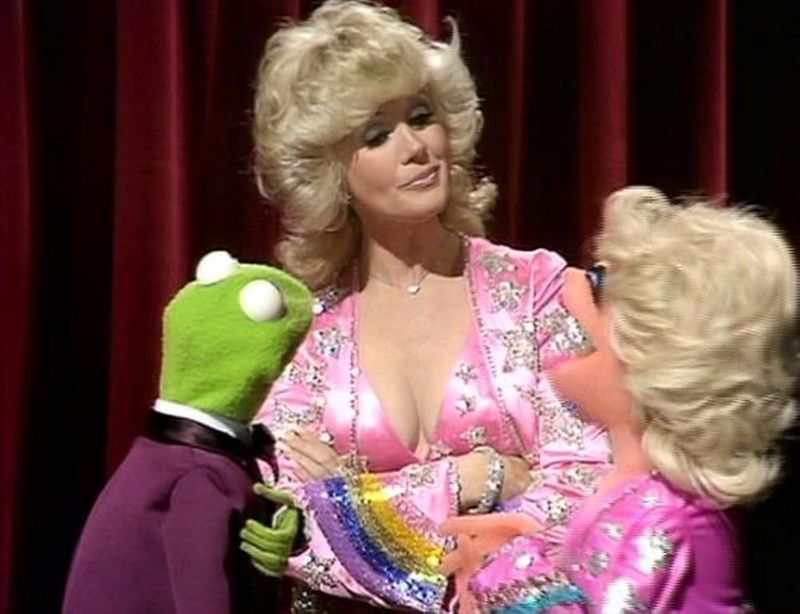
Blonde, bubbly, and carefully groomed for stardom, Connie Stevens represented the perfect blend of accessibility and Hollywood polish.
Her girl-next-door appeal made her relatable while her singing career added commercial value that studios loved to exploit.
Television gave her a launchpad through Hawaiian Eye, where her character became a fan favorite.
Movie executives hoped to translate that small-screen success into major film roles, positioning her as a versatile talent.
Though she never reached the absolute top tier, Stevens remained a recognizable name throughout the decade, proving that studio backing could create lasting visibility even without superstardom.
4. George Chakiris
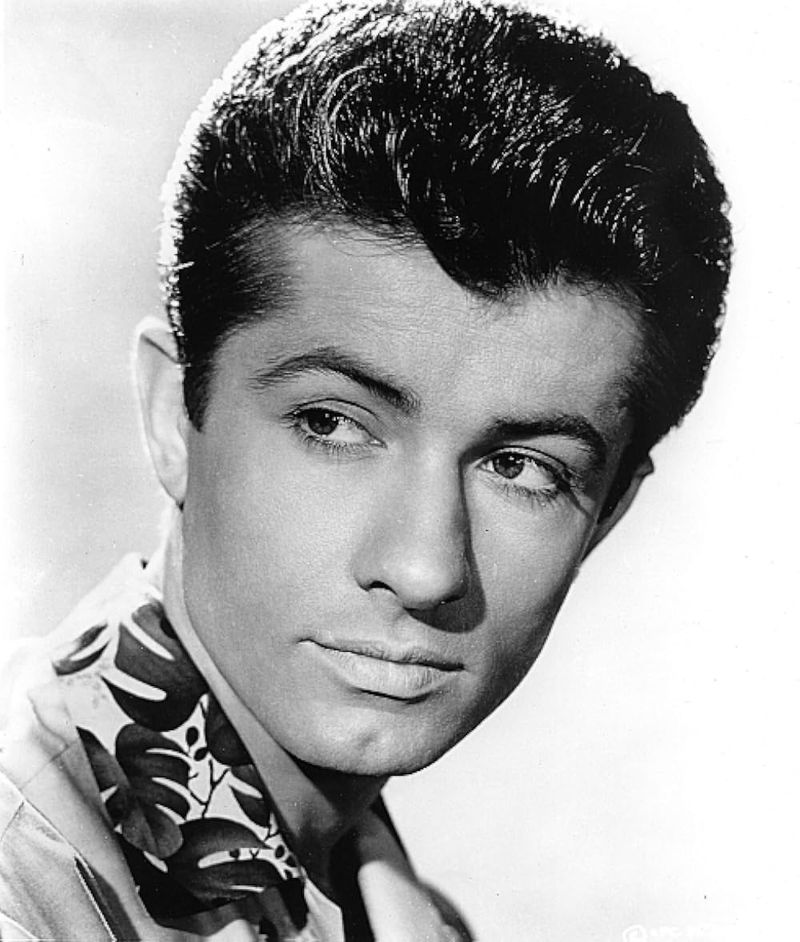
Winning an Oscar for West Side Story catapulted George Chakiris into Hollywood’s spotlight with dazzling force.
His combination of dance expertise, striking looks, and dramatic ability made him seem like the total package for leading man status.
Studios immediately began positioning him for romantic and prestige roles, hoping his award-winning performance would translate into box office gold.
His exotic features and graceful movement offered something different from typical all-American heroes.
Despite the heavy promotion, Chakiris never quite achieved the superstar status predicted for him, though his West Side Story performance remains iconic and his career continued steadily in film and television.
5. Sharon Tate
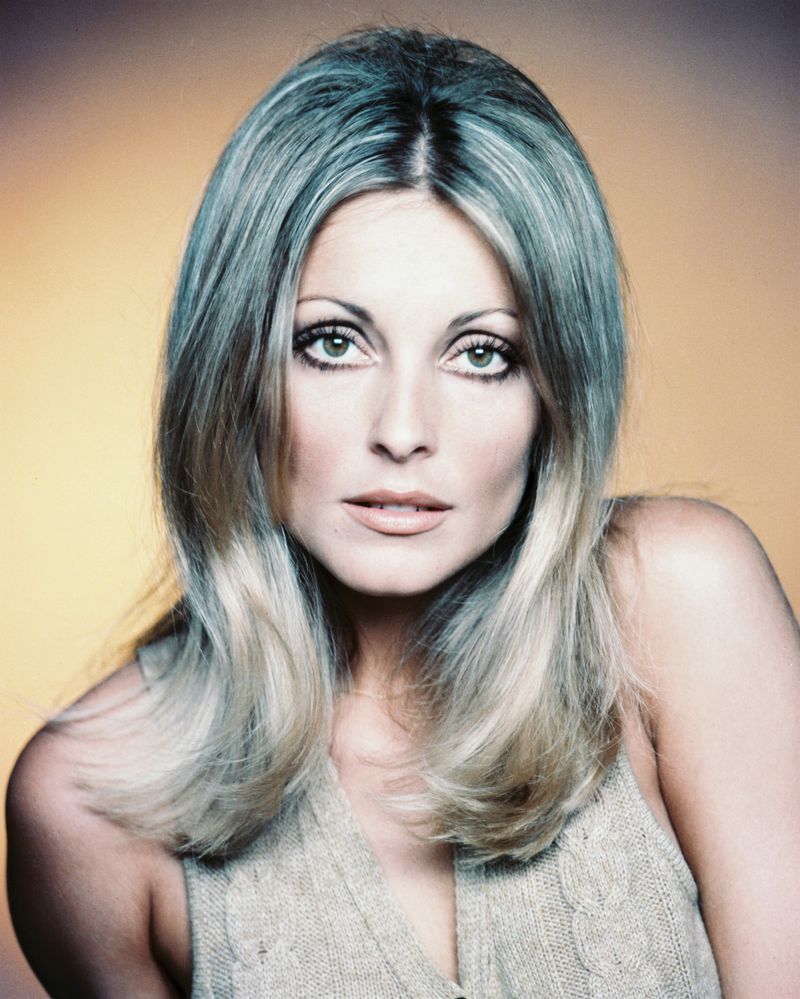
Radiant beauty and natural charm made Sharon Tate one of the most heavily promoted starlets of the mid-to-late ’60s.
Her ethereal looks embodied the decade’s aesthetic perfectly, and studios saw unlimited potential in her growing abilities.
Films like Valley of the Dolls showcased both her glamour and her developing skills in comedy and drama.
Hollywood invested significant resources in building her into a major star, with magazine covers and publicity campaigns highlighting her appeal.
Tragically, her life and career were cut short in 1969, leaving behind only hints of what might have been a legendary career and making her a symbol of the era’s lost promise.
6. Suzanne Pleshette
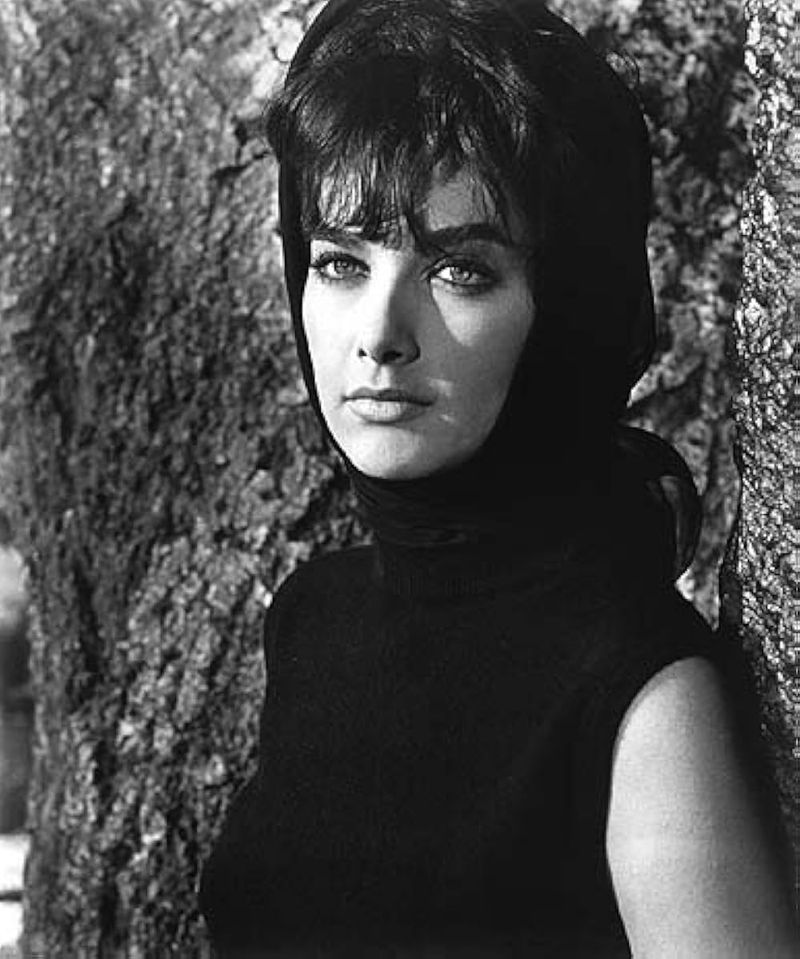
Sophistication and sharp wit defined Suzanne Pleshette’s appeal in an era when Hollywood was evolving its image of women.
Her husky voice and intelligent screen presence made her perfect for the modern, independent characters gaining popularity.
Studios pitched her as someone who could handle both dramatic film work and lighter television roles with equal skill.
Movies like The Birds showcased her ability to ground fantastical stories with believable, nuanced performances.
Pleshette’s career proved remarkably durable, transitioning smoothly between mediums and maintaining relevance well beyond the decade that first promoted her as a sophisticated new star worth watching.
7. James Darren
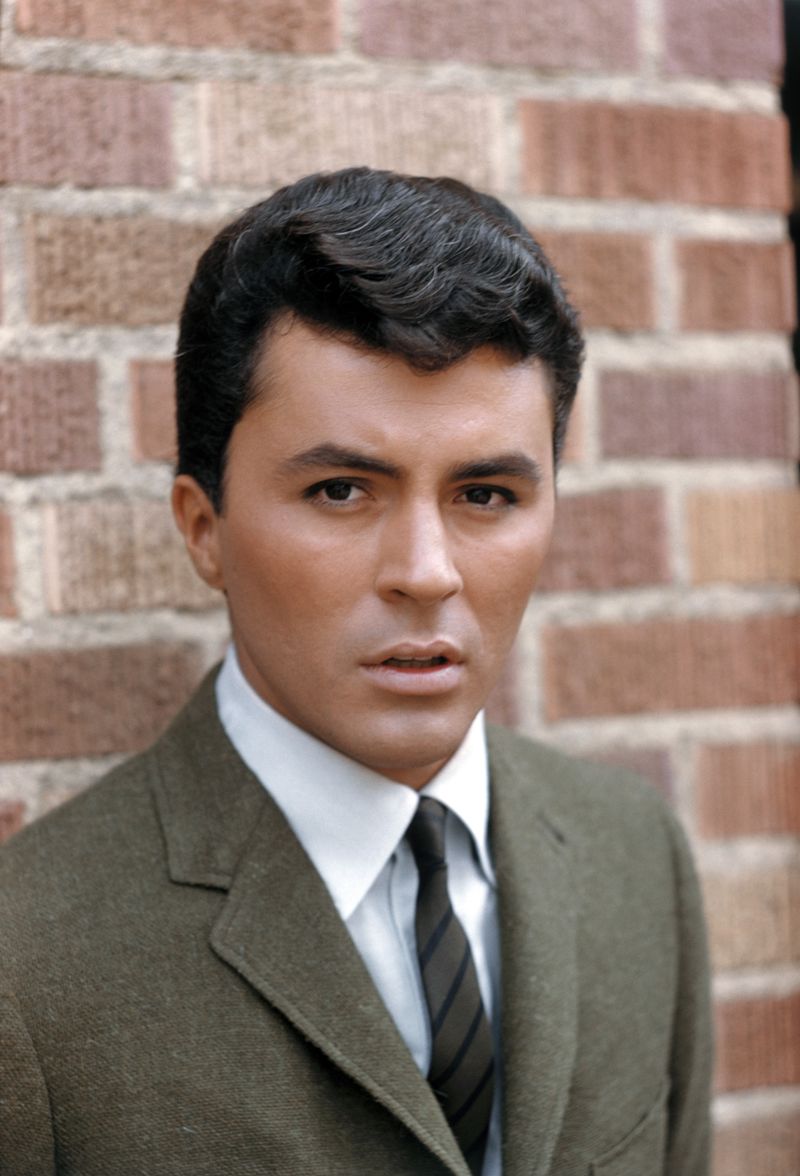
Teen idol status came naturally to James Darren, whose good looks and singing voice made him a favorite among younger audiences.
Studios recognized his multi-talented appeal and pushed him as both an actor and recording artist.
His wholesome image and musical abilities positioned him perfectly for beach movies and light romantic roles that dominated youth-oriented cinema.
Films in the Gidget series helped establish his bankability with the crucial teenage demographic.
Though he never became a dramatic heavyweight, Darren maintained steady work throughout the decade and beyond, proving that specialized appeal could sustain a long career even without crossing into every genre or audience segment.
8. Jill St. John
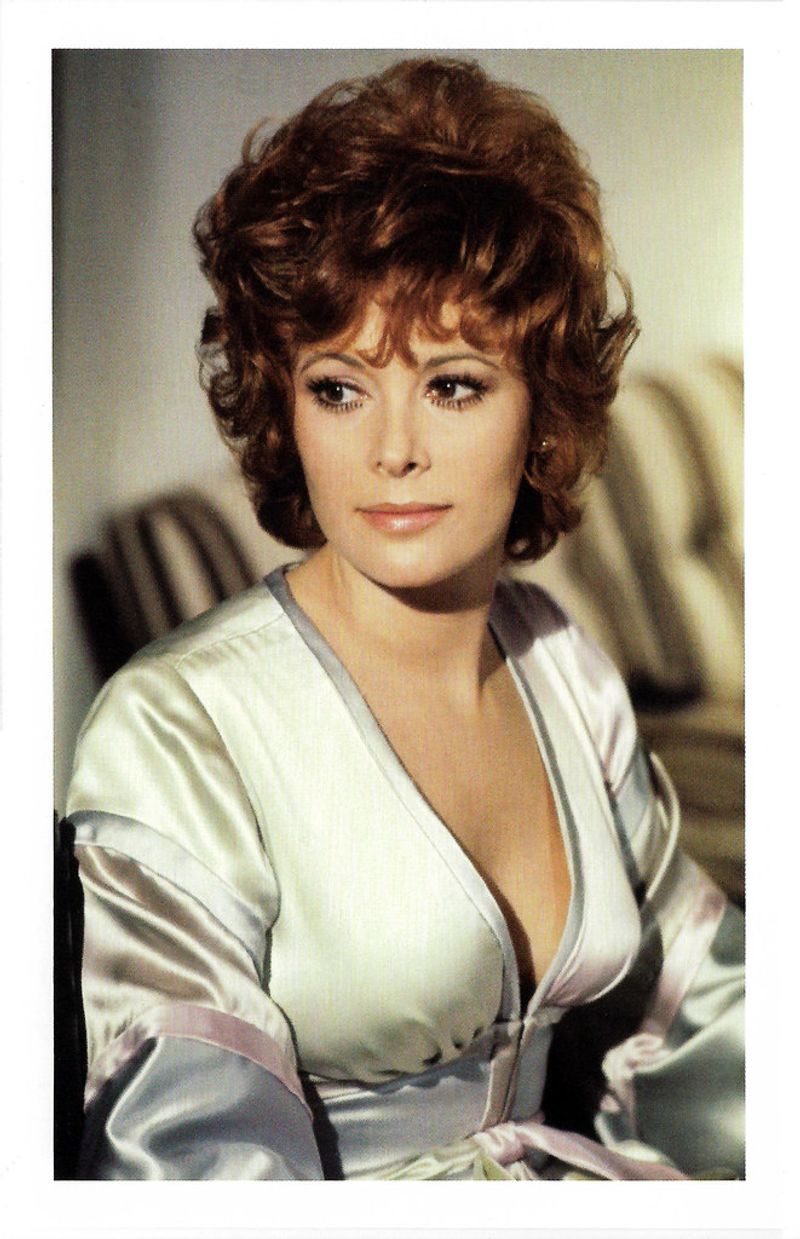
Glamour and sophistication radiated from Jill St. John, whose polished image made her ideal for international productions and high-society roles.
Her striking red hair and elegant bearing caught the attention of producers looking for versatile leading ladies.
Studios marketed her ability to handle everything from comedy to drama with equal grace.
Her intelligence and multilingual skills added to her appeal for prestige projects with global distribution.
St. John’s career included memorable roles like a Bond girl in Diamonds Are Forever, proving that Hollywood’s investment in her glamorous image paid dividends throughout the decade and into the next, maintaining her status as a recognizable star.
9. Richard Beymer
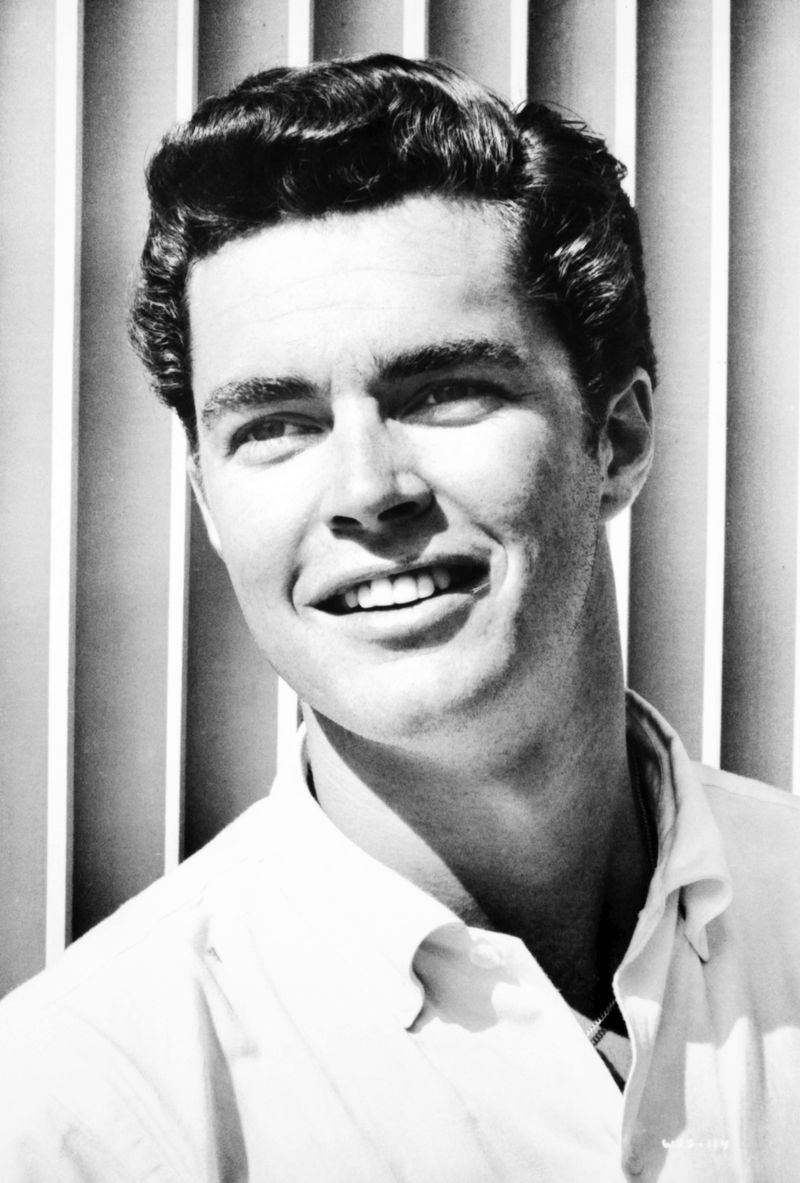
Clean-cut and classically handsome, Richard Beymer seemed destined for major stardom when cast as Tony in West Side Story.
His all-American looks fit perfectly with Hollywood’s vision of a romantic leading man who could anchor big-budget productions.
Studios hoped his success in the musical would lead to a string of dramatic roles that showcased his versatility.
Promotional machinery went into overdrive, positioning him as the next great heartthrob.
Unfortunately, Beymer’s career never reached the heights predicted, and he eventually moved away from mainstream Hollywood, though his iconic role in West Side Story ensures his place in film history.
10. Patty Duke
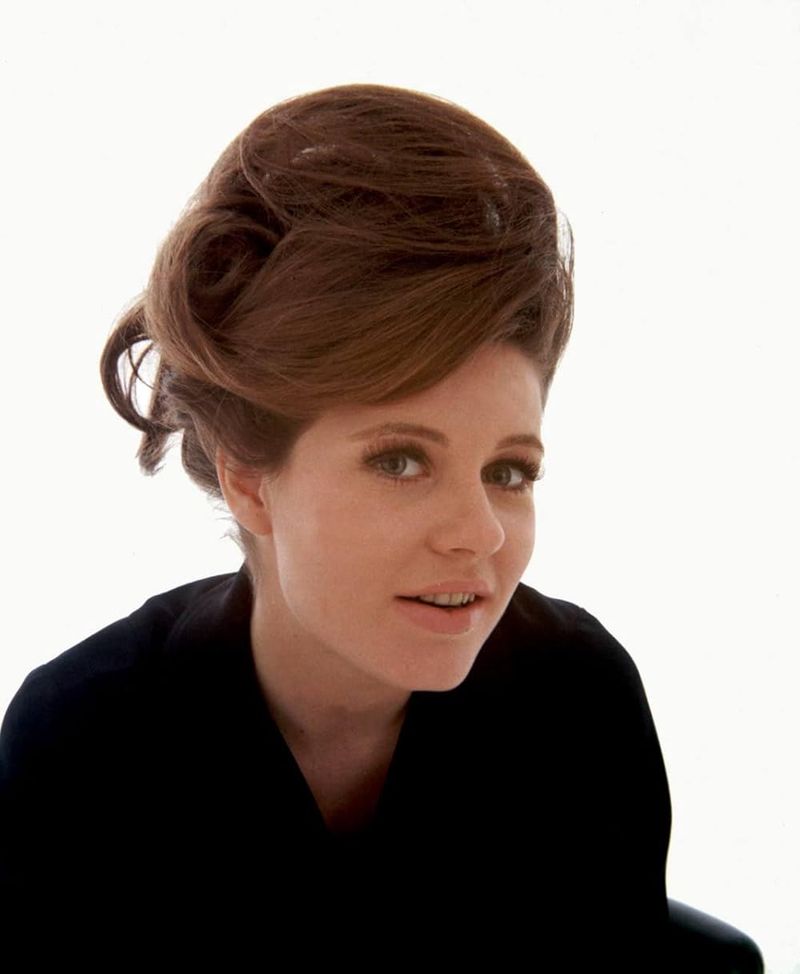
Already an Oscar winner as a teenager, Patty Duke arrived in the ’60s with credentials that most actors spend lifetimes chasing.
Her emotional range and proven dramatic abilities made her a serious contender for long-term stardom.
Television’s The Patty Duke Show demonstrated her versatility and comedic timing, while her stage and film work showcased depth beyond her years.
Studios positioned her as both a current star and a future dramatic force.
Duke’s career indeed proved durable, though personal struggles sometimes complicated her professional trajectory.
Nevertheless, her talent ensured continued work and respect throughout the entertainment industry for decades after her initial breakthrough.
11. Peter Fonda
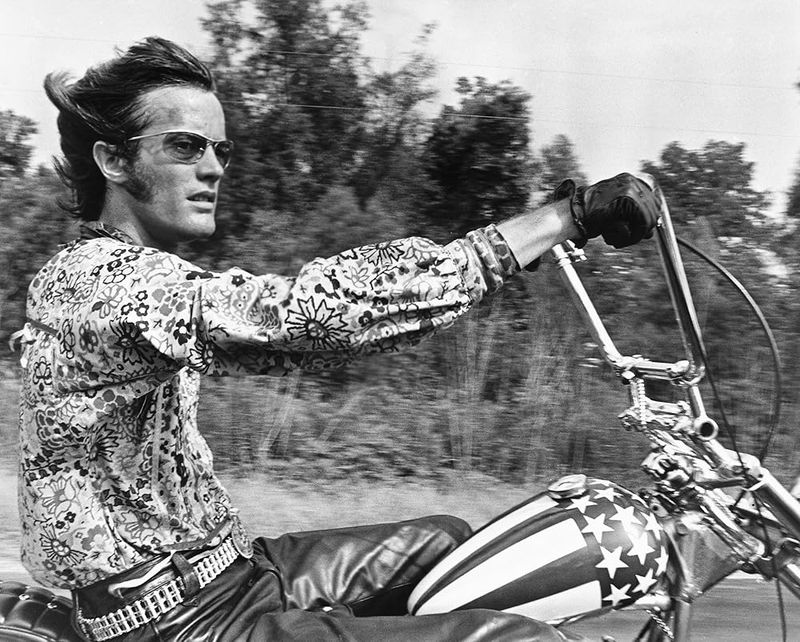
Carrying a famous last name opened doors for Peter Fonda, and Hollywood initially tried molding him into a conventional leading man.
His good looks and family pedigree seemed like guaranteed tickets to stardom.
However, Fonda resisted the traditional path, gravitating toward counterculture projects that reflected changing social attitudes.
Studios eventually adjusted their approach, allowing him creative freedom that paid off spectacularly with Easy Rider.
His transformation from studio-groomed star to independent icon demonstrated how ’60s Hollywood evolved, with Fonda becoming more influential by rejecting conventional promotion than he might have been following the expected trajectory studios originally planned.
12. Jacqueline Bisset
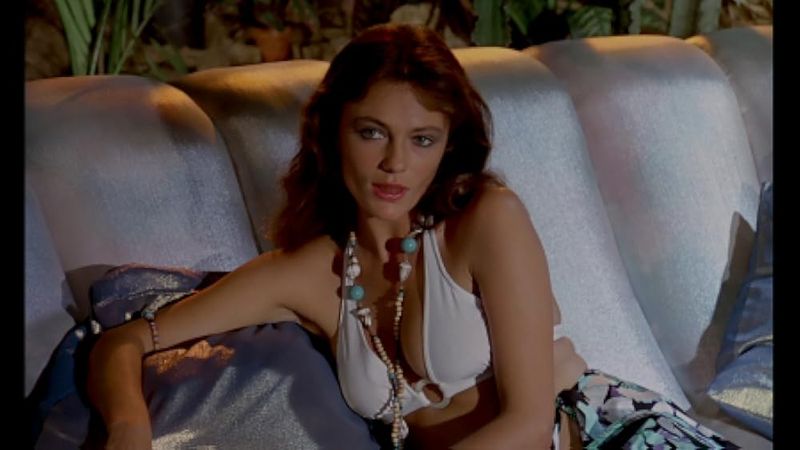
Classic beauty with international sophistication made Jacqueline Bisset a natural for Hollywood’s global ambitions.
Her elegant features and British background gave her an exotic appeal that American studios loved for prestige productions.
Early roles showcased her natural screen presence and ability to hold attention without relying solely on looks.
Studios recognized her potential for both commercial and artistic projects that required genuine acting ability.
Bisset’s career trajectory proved Hollywood’s instincts correct, as she transitioned smoothly into increasingly complex roles throughout the late ’60s and beyond, maintaining relevance across decades and becoming a respected international star with lasting appeal.
13. Ryan O’Neal
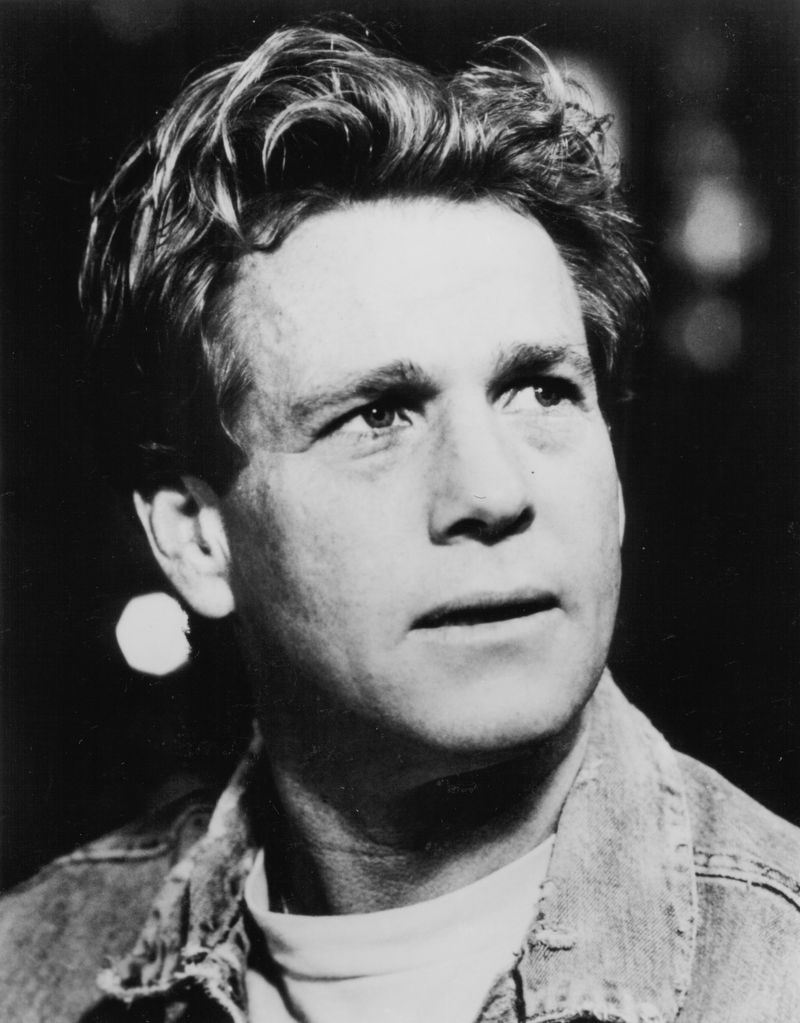
Charisma practically oozed from Ryan O’Neal, whose good looks and natural charm made him a studio favorite for romantic leading roles.
Television’s Peyton Place introduced him to millions, establishing his bankability with crucial demographics.
Hollywood immediately recognized his potential for major film stardom, investing promotional resources into positioning him as the decade’s newest heartthrob.
His ability to convey vulnerability alongside traditional masculine appeal broadened his range.
O’Neal’s transition to film proved remarkably successful, with Love Story arriving just as the decade ended, cementing his status as one of the era’s most successful studio-backed discoveries and validating all the promotional machinery behind him.
14. Yvette Mimieux
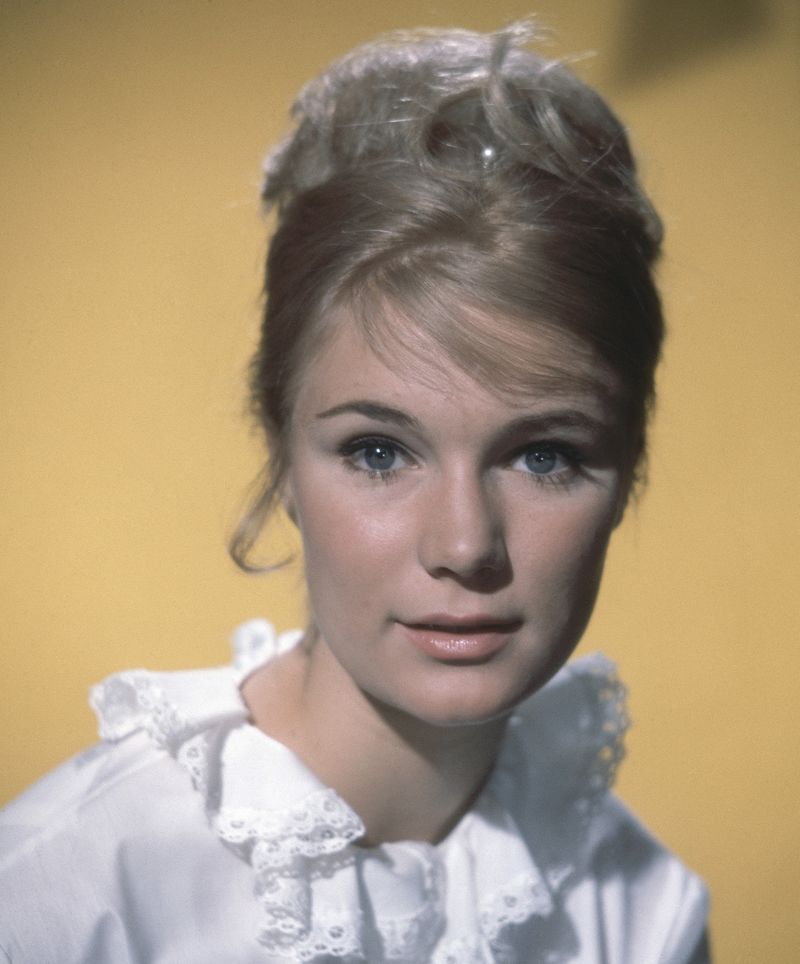
Ethereal and striking, Yvette Mimieux possessed an otherworldly quality that made her perfect for roles requiring beauty with an edge of mystery.
Her breakthrough in The Time Machine showcased her ability to embody fantastical characters convincingly.
Studios saw her as ideal for romantic leads and science fiction projects that needed more than just a pretty face.
Her delicate features and blonde beauty fit perfectly with Hollywood’s aesthetic preferences for leading ladies.
Mimieux maintained steady work throughout the ’60s in various genres, proving versatile enough to handle different types of roles while remaining most memorable in projects that utilized her unique, almost alien beauty to full effect.
15. Tab Hunter
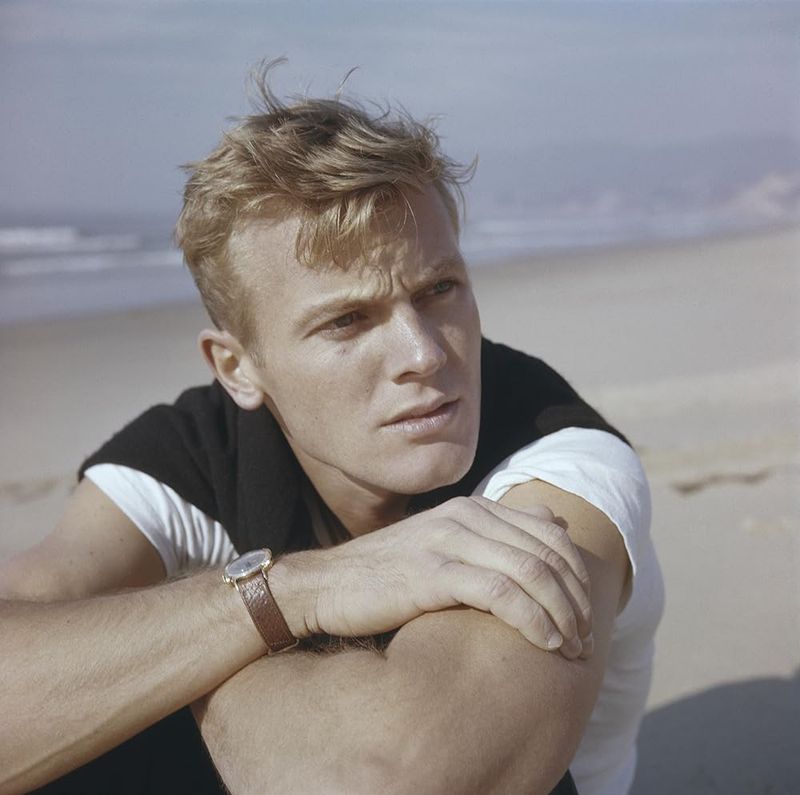
Carefully crafted into the ultimate clean-cut heartthrob, Tab Hunter represented Hollywood’s manufactured star system at its most calculated.
His all-American good looks and wholesome image made him massively popular with younger audiences and their parents.
Studios invested enormous resources in promoting Hunter as the ideal boyfriend type, controlling his image down to the smallest details.
Magazine covers, fan clubs, and strategic film roles all worked together to build his brand.
Though his peak came in the late ’50s, Hunter remained heavily promoted into the early ’60s, demonstrating how studio machinery could sustain careers through sheer promotional force even as tastes began shifting toward more complex stars.
Comments
Loading…