
 Hailey Watson
20 Childhood Rules Gen X Followed Without Question

Generation X grew up in a time when rules were simple, clear, and non-negotiable.
Parents expected kids to follow guidelines without endless explanations or debates.
These childhood rules shaped a generation that learned independence, responsibility, and respect through everyday experiences.
Looking back, many of these rules seem almost unbelievable by today’s standards, yet they created resilient adults who knew how to navigate the world on their own.
1. Be Home When the Streetlights Come On

Parents didn’t need GPS trackers or constant check-ins to know where their kids were.
Once those streetlights flickered on, every child knew it was time to head home.
Missing this deadline meant serious trouble and possibly losing outdoor privileges for days.
This rule taught kids to manage their own time and pay attention to their surroundings.
Nobody had smartphones with alarms, so children developed an internal clock.
The glowing streetlights became the universal signal that playtime was over and family time was beginning.
2. Always Finish What’s on Your Plate

Wasting food was practically a crime in Gen X households.
Parents reminded kids about starving children around the world, making every uneaten green bean feel like a moral failure.
Leaving the table meant cleaning your plate completely, even if you weren’t particularly hungry.
Portion control wasn’t really a thing back then either.
Whatever Mom served, you ate without complaint.
This rule created a generation that felt guilty throwing away leftovers and developed creative ways to finish meals they didn’t particularly enjoy.
3. Respect Adults, No Matter What

Talking back to grown-ups was absolutely forbidden, even when they were wrong.
Children were expected to say “yes ma’am” and “no sir” without rolling their eyes or offering their opinions.
Authority figures like teachers, neighbors, and relatives commanded automatic respect simply because of their age.
This rule meant swallowing your pride and accepting decisions you didn’t agree with.
Kids learned that challenging adults would result in punishment, not discussion.
While this built politeness, it also meant children rarely questioned authority or advocated for themselves.
4. No Calling Friends After 9 p.m.

The landline phone had strict operating hours in every household.
Calling someone after nine o’clock was considered incredibly rude and disrespectful to the entire family.
Parents answered late calls with irritation, and your friend would definitely get in trouble for the disturbance.
Evening hours belonged to families, not social chatter.
If you forgot to make plans during acceptable hours, you simply waited until the next day.
This rule taught boundaries and respect for other people’s private time, something that feels almost quaint in our always-connected world.
5. Walk or Bike Yourself to School

Carpool lanes and parent drop-offs weren’t part of the Gen X experience.
Kids as young as six walked or biked to school, often without adult supervision.
Rain, snow, or shine, you made your own way there, building independence with every trip.
Groups of neighborhood kids traveled together, creating mobile social circles before the first bell rang.
Parents trusted that their children could navigate traffic, avoid strangers, and arrive safely.
This daily routine built confidence and problem-solving skills that lasted a lifetime.
6. Don’t Bother Mom or Dad at Work

Unless there was blood or fire, calling a parent at work was absolutely forbidden.
Kids handled scraped knees, sibling arguments, and minor emergencies on their own.
Parents couldn’t be reached easily anyway, making self-reliance a necessity rather than a choice.
This rule forced children to become resourceful problem-solvers.
You learned to apply bandages, make snacks, and negotiate conflicts without adult intervention.
The expectation was clear: figure it out yourself or wait until your parents came home to discuss it.
7. Saturday Morning Chores Before Play
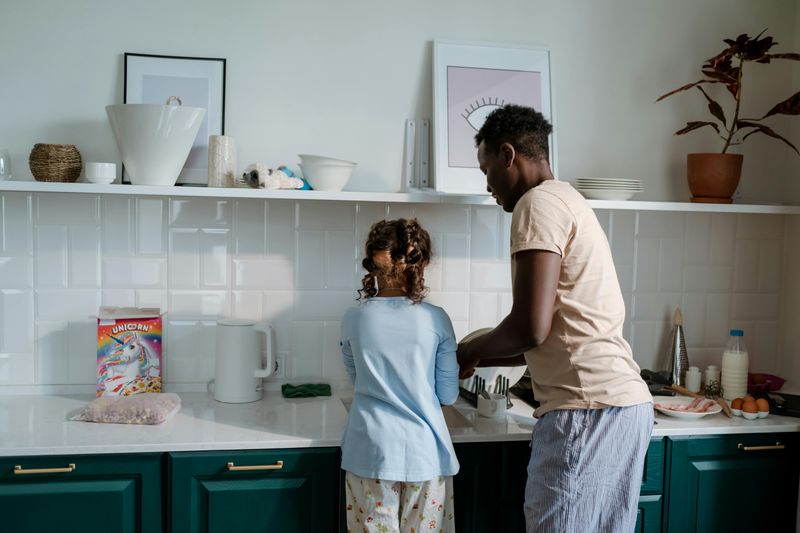
Sleeping in on Saturdays was a luxury Gen X kids rarely enjoyed.
Before cartoons or hanging out with friends, there were chores to complete.
Vacuuming, dusting, lawn mowing, and dish washing all happened before any fun began.
Parents inspected the work too, so half-hearted efforts meant doing it all over again.
This routine taught that responsibilities come before entertainment, a lesson that shaped work ethics for decades.
The reward of free time felt sweeter after earning it through actual labor.
8. Don’t Touch the Thermostat

The thermostat was sacred territory, controlled exclusively by Dad.
Touching it could result in a lecture about energy bills that lasted longer than the discomfort of being too hot or cold.
If you were uncomfortable, you put on a sweater or took one off.
Energy conservation was serious business in Gen X households.
Parents monitored temperature settings like national security matters.
Kids learned to adapt to their environment rather than expecting the environment to adapt to them, building resilience against minor discomforts.
9. Lights Off When You Leave a Room

Electricity wasn’t free, and parents made sure every child knew it.
Leaving lights on in empty rooms resulted in immediate scolding and sometimes punishment.
Kids developed automatic habits of flipping switches whenever they exited a space.
This constant vigilance about energy use created environmentally conscious adults before it became trendy.
Parents treated wasted electricity like wasted money, which it was.
The habit became so ingrained that many Gen Xers still compulsively turn off lights decades later, even in their own homes.
10. Phone Calls Were Short and Serious

One phone line served the entire household, making every call a shared resource.
Long conversations tied up communication for everyone, so brevity was essential.
Parents limited phone time strictly, especially when someone might be trying to reach the house.
Teenagers negotiating for more phone time was a constant battle.
Unlike today’s unlimited data plans, every minute on the phone meant someone else couldn’t use it.
This scarcity taught kids to communicate efficiently and respect shared family resources, even when they desperately wanted to chat longer.
11. Shoes Came Off at the Door

Tracking dirt through the house was a serious offense.
Shoes came off immediately upon entering, no exceptions.
This rule kept carpets cleaner and saved parents from constant vacuuming, though kids often forgot and had to backtrack.
Some families had designated shoe areas near the entrance where everyone’s footwear lived.
Walking through the house with shoes on could result in cleaning duties as punishment.
This simple rule taught respect for shared spaces and consideration for whoever did the housework, usually Mom.
12. Dinner Was at a Fixed Time

Dinner happened at the same time every evening, and everyone was expected to be there.
Missing family dinner without an excellent reason was unthinkable.
The meal was prepared, the table was set, and attendance was mandatory, creating predictable family routines.
This structure meant kids had to plan their activities around dinner time.
Playing at a friend’s house required being home by six o’clock sharp.
These regular family meals built communication habits and ensured parents stayed connected to their children’s lives through daily conversations.
13. Outside Time Was Mandatory

Staying indoors all day was considered unhealthy and lazy.
Parents practically pushed kids out the door after breakfast, expecting them to find entertainment outdoors.
Fresh air and physical activity weren’t optional; they were requirements for healthy childhood development.
Kids created elaborate games, built forts, and explored their neighborhoods for hours without adult supervision.
Boredom wasn’t solved with screens but with imagination and physical play.
This forced outdoor time built social skills, creativity, and physical fitness naturally through unstructured play.
14. No Interrupting Adults

When adults were talking, children remained silent unless directly addressed.
Interrupting a conversation was considered extremely rude and disrespectful.
Kids learned to wait patiently, sometimes for uncomfortably long periods, until there was a natural break in the discussion.
This rule taught patience and the social skill of reading conversational cues.
Children observed adult interactions and learned when it was appropriate to speak.
While it built polite listening skills, it also meant kids’ voices were often dismissed or ignored in family decisions.
15. Answer the Phone Immediately

When the house phone rang, someone had to answer it quickly.
Letting it ring endlessly was considered rude because you might miss something important.
Kids competed to reach the phone first, hoping the call was for them rather than a parent or sibling.
Answering required proper phone etiquette too: a clear greeting and polite conversation.
You never knew who was calling until you picked up, adding an element of surprise to every ring.
This immediate response expectation taught responsibility and communication skills from a young age.
16. Show Up Exactly When You Said You Would

Punctuality was a sign of respect and reliability.
If you said you’d be somewhere at three o’clock, you arrived at three o’clock, not three fifteen.
Being late without a valid excuse damaged your reputation and trustworthiness in the community.
Without cell phones to send quick updates, people actually kept their word about timing.
Parents taught that other people’s time was valuable and wasting it was disrespectful.
This emphasis on punctuality created adults who understood that reliability builds trust and maintains relationships effectively.
17. If You Borrowed Something, Return It in Better Condition

Borrowing a neighbor’s lawnmower or a friend’s bike came with serious responsibility.
You were expected to return items cleaner and in better shape than when you received them.
This showed gratitude and ensured people would lend to you again.
Damaging borrowed items meant you had to repair or replace them, no excuses.
Parents enforced this rule strictly, sometimes paying for damages themselves and making kids work it off.
This taught respect for other people’s property and built community trust through reliable, considerate behavior.
18. You Don’t Talk About Money, Politics, or Personal Problems in Public

Certain topics were strictly private and never discussed outside the family.
Talking about how much money your parents made or family financial struggles was absolutely forbidden.
Political opinions and personal problems stayed behind closed doors, maintaining family dignity and privacy.
This discretion taught kids that not everything needed to be shared publicly.
Oversharing was considered classless and inappropriate, violating unspoken social boundaries.
While this created some emotional repression, it also built the understanding that privacy has value and some matters deserve confidential handling.
19. Eat What’s Served or Go Hungry

Picky eating wasn’t accommodated in Gen X households.
Mom cooked one meal for everyone, and that’s what you ate.
If you didn’t like it, tough luck—you could wait until the next meal.
No one was making special alternatives for finicky children.
This approach eliminated dinner negotiations and food battles.
Kids either ate what was prepared or went to bed hungry, quickly learning to appreciate whatever was served.
While it seems harsh by modern standards, it taught gratitude, reduced food waste, and created less stressful mealtimes for exhausted parents.
20. Handle Your Own Problems with Other Kids
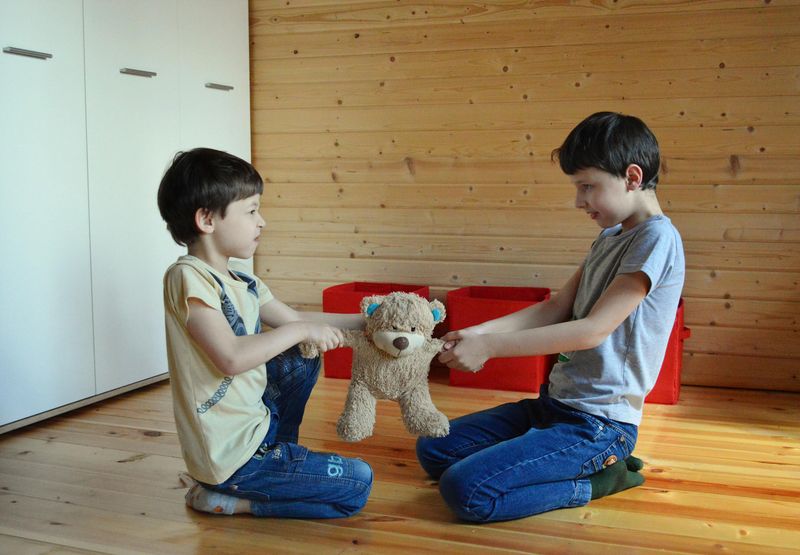
Playground disputes and neighborhood conflicts were left for kids to resolve themselves.
Parents didn’t intervene unless someone was seriously hurt or in danger.
Children learned negotiation, conflict resolution, and standing up for themselves without constant adult mediation.
This hands-off approach built social resilience and problem-solving abilities.
Kids developed thick skin and learned that not every disagreement required parental involvement.
While some situations probably needed more adult guidance, this independence created self-sufficient children who could navigate social challenges without running to authority figures constantly.
Comments
Loading…