
 Harper Hall
Artists Who Were Better Live Than on Record
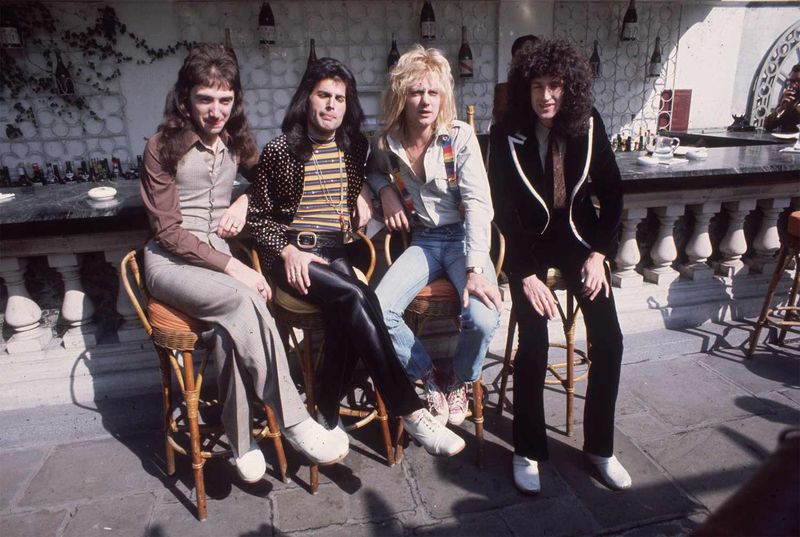
Some musicians create magic that studio walls simply cannot contain.
When they step onto a stage, their songs transform into something electrifying, unpredictable, and unforgettable.
These artists prove that the raw connection between performer and audience can turn good recordings into legendary experiences.
1. Led Zeppelin
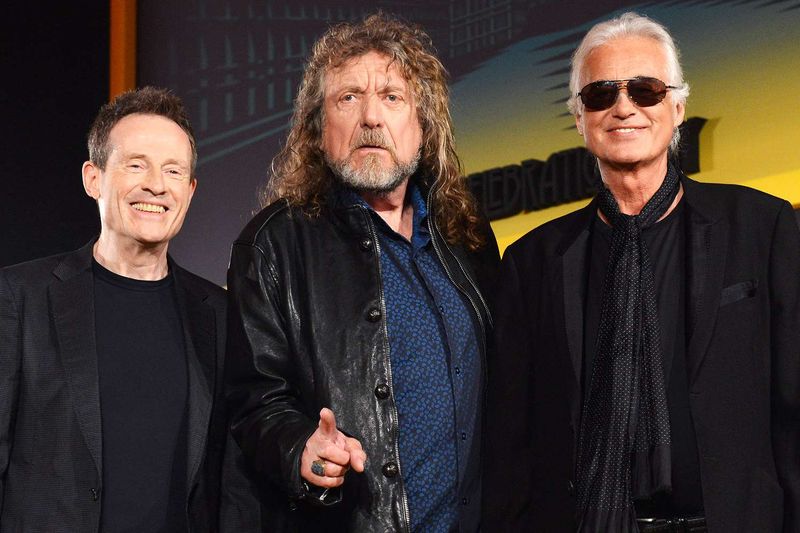
Jimmy Page’s guitar solos stretched beyond studio constraints when Led Zeppelin hit the stage.
Songs like “Dazed and Confused” would balloon from six minutes into half-hour epics filled with improvisation.
Their 1972 performances captured on How the West Was Won showcase the band at peak power.
John Bonham’s thunderous drums and Robert Plant’s wailing vocals created moments impossible to recreate in a recording booth.
Fans who experienced their concerts describe an almost spiritual energy that radiated through arenas.
The band fed off crowd reactions, pushing their musicianship to extraordinary heights every night.
2. The Who
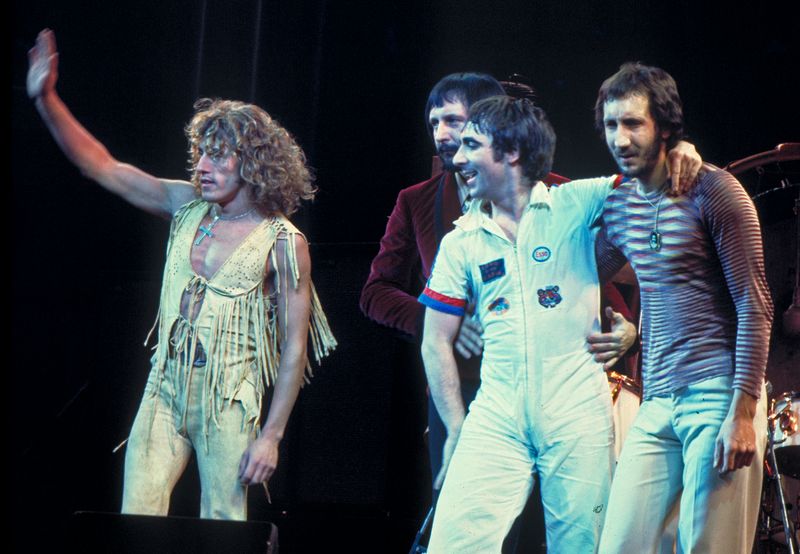
Few bands matched The Who’s explosive stage presence and raw intensity.
Their 1970 performance at Leeds University became the gold standard for live rock albums.
Pete Townshend’s windmill guitar strokes and Keith Moon’s chaotic drumming created controlled mayhem.
Roger Daltrey commanded audiences with a voice that seemed even stronger under stage lights than in studios.
Live at Leeds captured precision mixed with pure adrenaline that their studio work only hinted at.
Critics still debate whether any band has topped this recording’s ferocious energy and technical brilliance in live performance history.
3. The Allman Brothers Band
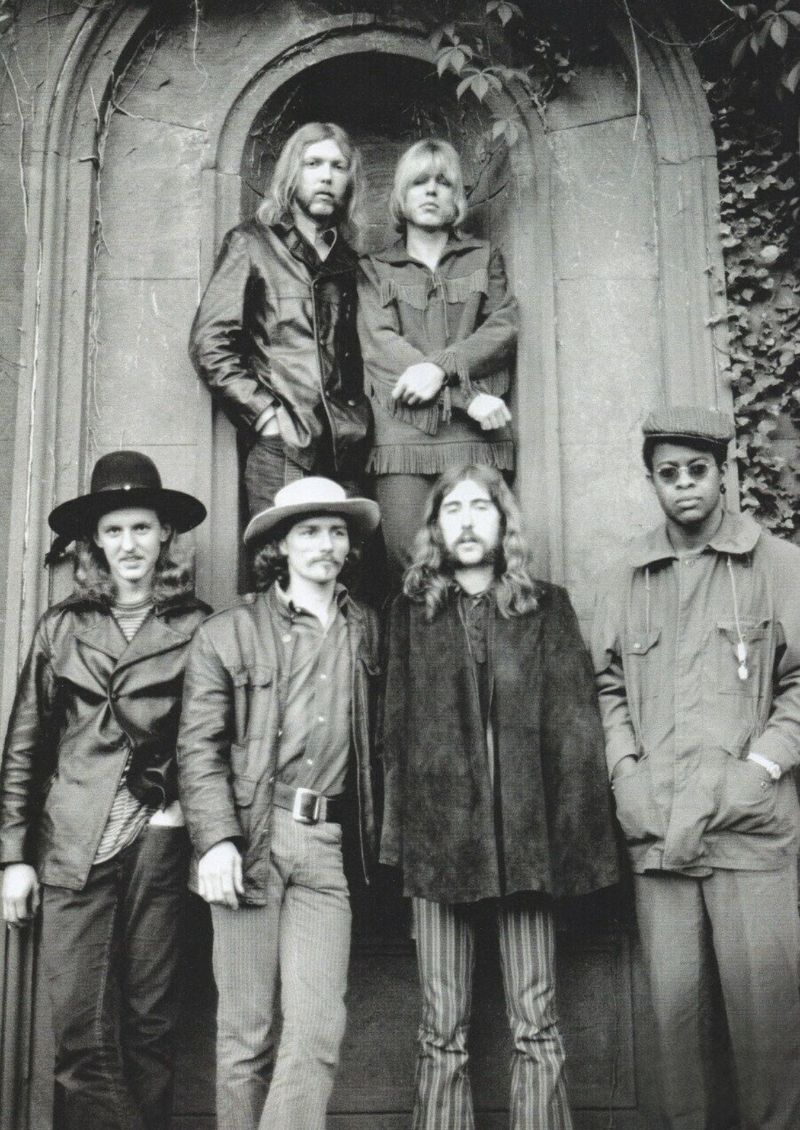
Southern rock reached its pinnacle when the Allman Brothers stretched out during live performances.
Their studio version of “Whipping Post” clocked in at five minutes, but live it became a 22-minute odyssey.
Duane Allman and Dickey Betts traded guitar licks with telepathic precision at the Fillmore East.
Jazz and blues influences emerged more prominently on stage than they ever did in recording sessions.
The band’s improvisational skills turned each concert into a unique experience.
No two nights sounded alike, giving fans reasons to attend show after show throughout their touring years.
4. The Rolling Stones
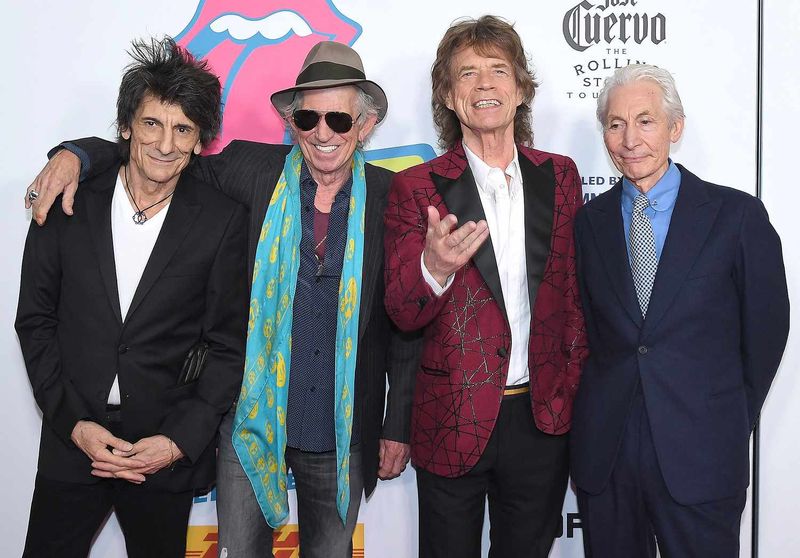
Mick Jagger transformed into a different creature entirely when spotlights hit him.
The Stones’ 1969 Oakland concert, bootlegged as Live’r Than You’ll Ever Be, revealed their true power.
Studio albums featured heavy overdubs and careful production, but live shows stripped everything to its essence.
Keith Richards’ gritty riffs and Charlie Watts’ steady backbeat drove songs with unstoppable momentum.
That raw spontaneity and dangerous edge made audiences feel like anything could happen.
The band’s chemistry on stage created an atmosphere that polished studio recordings simply couldn’t match or capture fully.
5. Thin Lizzy
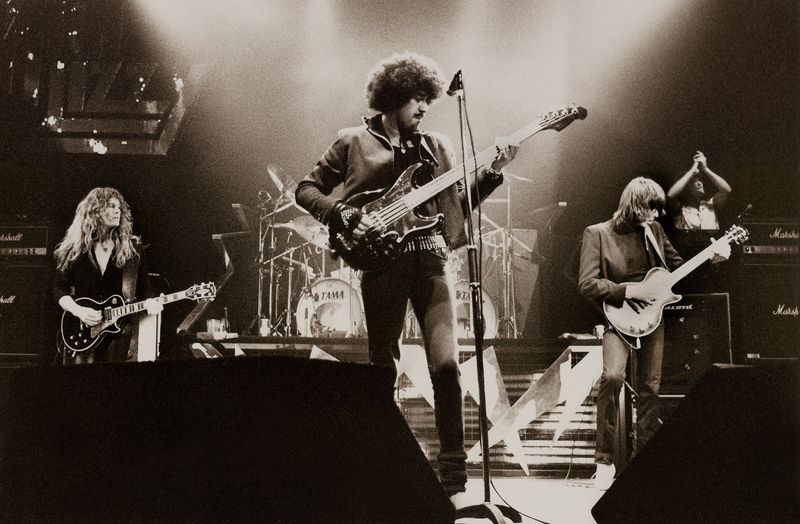
Phil Lynott’s charismatic stage presence elevated Thin Lizzy beyond their already excellent studio recordings.
Live and Dangerous consistently ranks among history’s greatest live albums for good reason.
The twin guitar harmonies of Scott Gorham and Brian Robertson sounded sharper and more aggressive in concert settings.
Lynott’s between-song banter and commanding bass lines gave performances extra personality that recordings lacked.
Dublin’s finest rockers brought intensity and showmanship that made fans wonder why they ever bothered with studio versions.
Each song gained new dimensions when performed before screaming crowds across Europe and America.
6. Jimi Hendrix
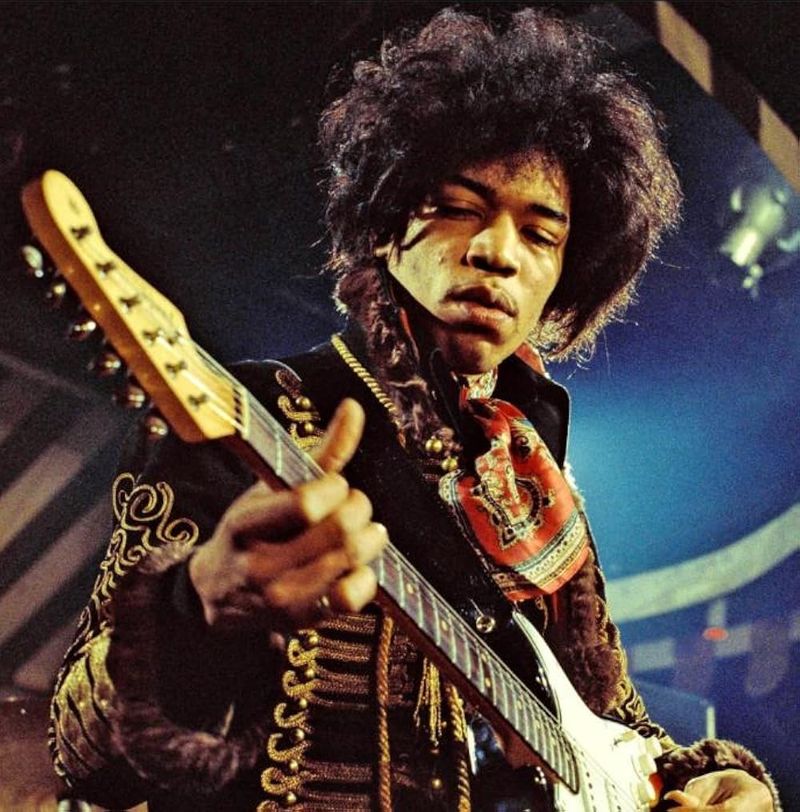
Watching Hendrix play guitar was like witnessing sorcery unfold in real time.
He’d coax sounds from his Stratocaster that defied logic and physics.
His Monterey Pop Festival performance, where he famously set his guitar ablaze, became rock mythology.
Studio albums captured his genius, but live shows revealed an improvisational master who painted with sound.
Feedback, distortion, and wah-wah effects became instruments themselves under his fingers.
Audiences stood mesmerized as he played behind his back, with his teeth, creating sonic landscapes that recordings only partially documented for future generations.
7. Bruce Springsteen
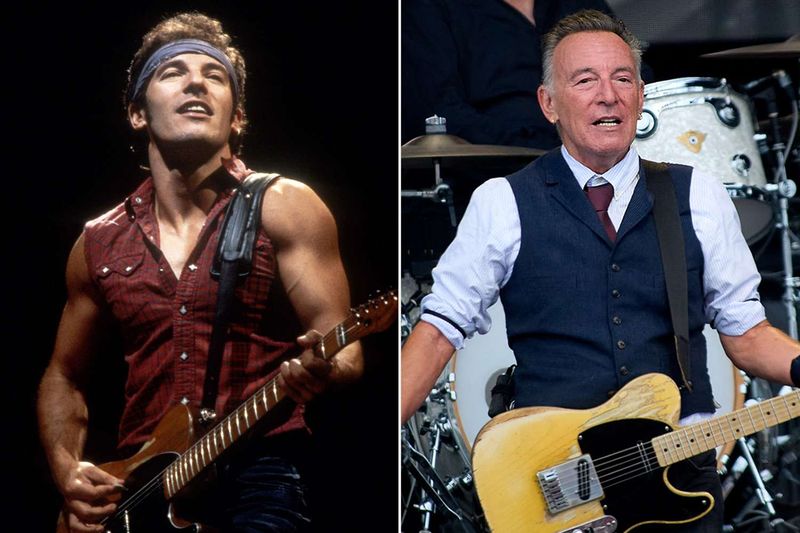
The Boss earned his nickname through marathon concerts that regularly exceeded three hours.
Springsteen poured every ounce of energy into performances that left both him and audiences completely drained.
His 1975 shows at the Bottom Line in New York convinced critics he was rock’s future.
The E Street Band locked into grooves that made studio versions seem like mere rehearsals.
Stories, jokes, and genuine connection with fans transformed concerts into communal experiences.
Springsteen’s work ethic and passion on stage created loyalty among followers who attended dozens of shows over decades.
8. Grateful Dead
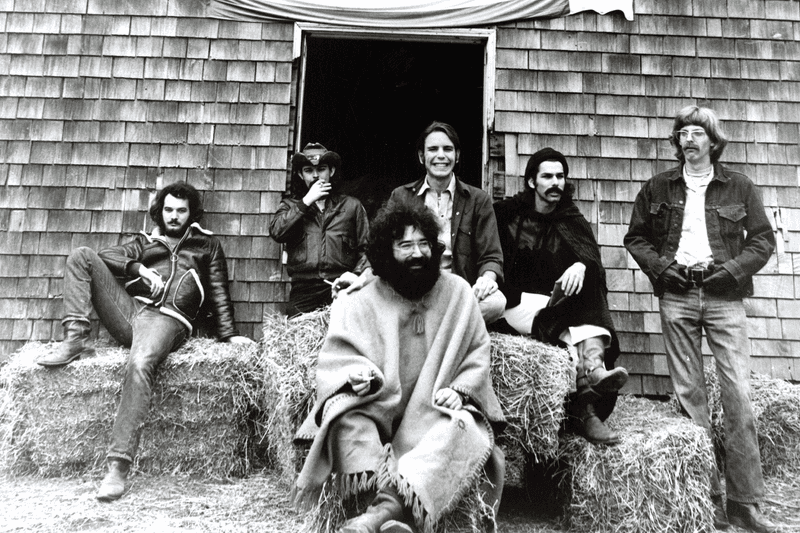
Deadheads followed the band from city to city because no two concerts were identical.
Jerry Garcia and the crew treated each performance as a blank canvas for musical exploration.
Their improvisational jams could wander through multiple musical genres within a single song.
Studio albums served as basic templates, but live shows revealed where the magic truly lived.
Fans traded bootleg tapes for decades, collecting thousands of unique performances.
The band encouraged recording, understanding that their live experience was their greatest artistic statement and couldn’t be contained on conventional albums.
9. Janis Joplin
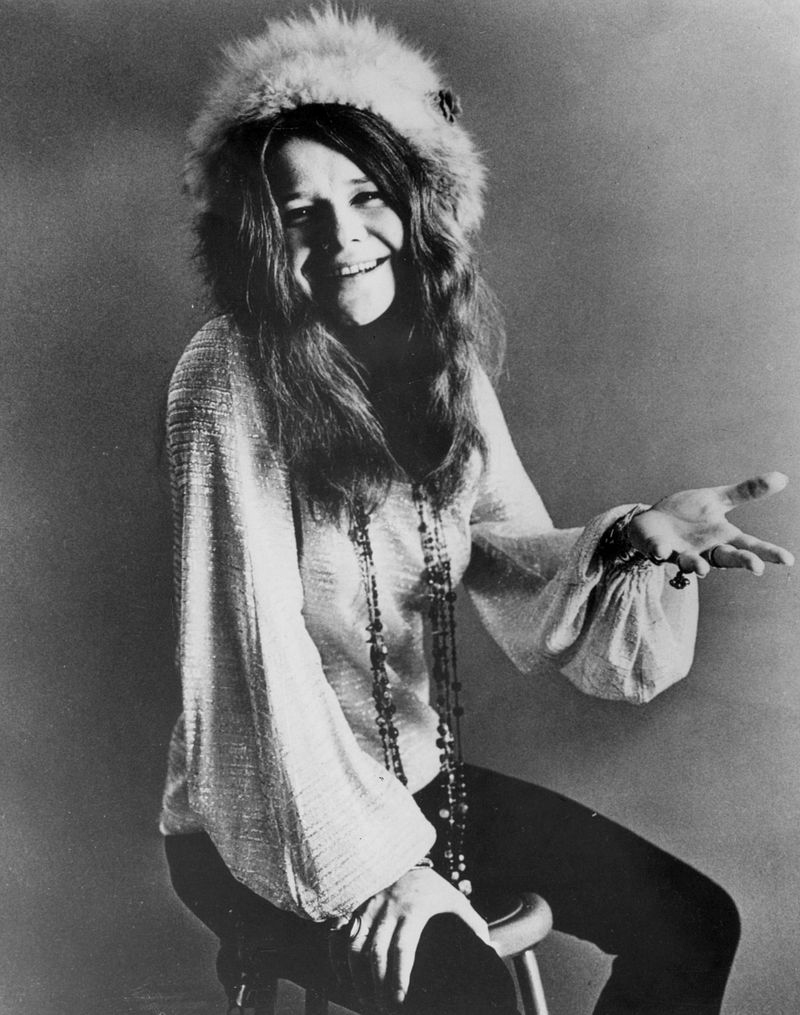
Pure emotion poured from Joplin’s soul when she grabbed a microphone on stage.
Her raspy, powerful voice conveyed pain and joy that studio recordings only partially captured.
At Woodstock and Monterey, she commanded attention despite sharing bills with legendary acts.
Joplin’s raw vulnerability and fierce delivery made audiences feel every word she sang.
She’d wail, whisper, and scream within the same song, taking listeners on emotional rollercoasters.
Studio producers tried to polish her rough edges, but live performances revealed why those edges made her one of rock’s most compelling vocalists ever.
10. Nirvana
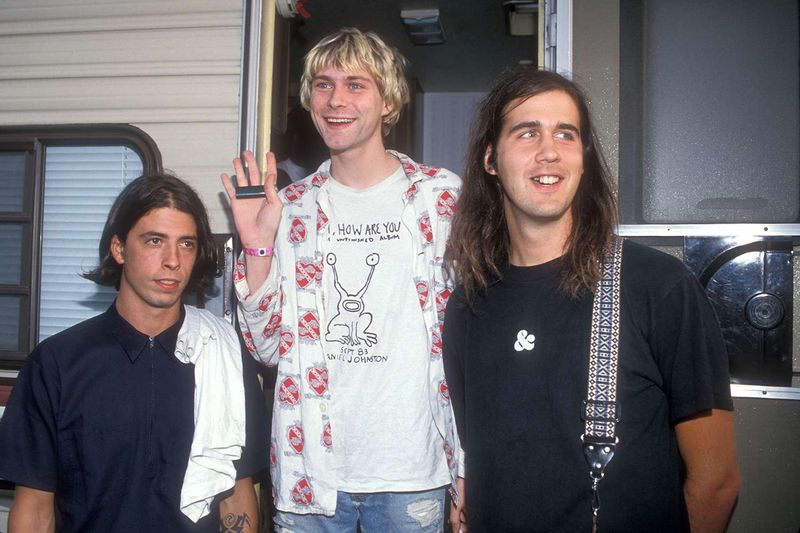
Kurt Cobain’s unpredictability made every Nirvana concert a potential explosion.
Their MTV Unplugged performance showed they could mesmerize audiences without amplification, but their electric shows were absolutely ferocious.
Dave Grohl’s drumming hit harder live, and Krist Novoselic’s bass rumbled through venues with physical force.
The band’s raw power and barely-controlled chaos created an atmosphere recordings couldn’t replicate.
Cobain might change lyrics, destroy equipment, or deliver the performance of a lifetime on any given night.
That volatility and genuine emotion made their concerts unforgettable experiences for the grunge generation.
11. Queen
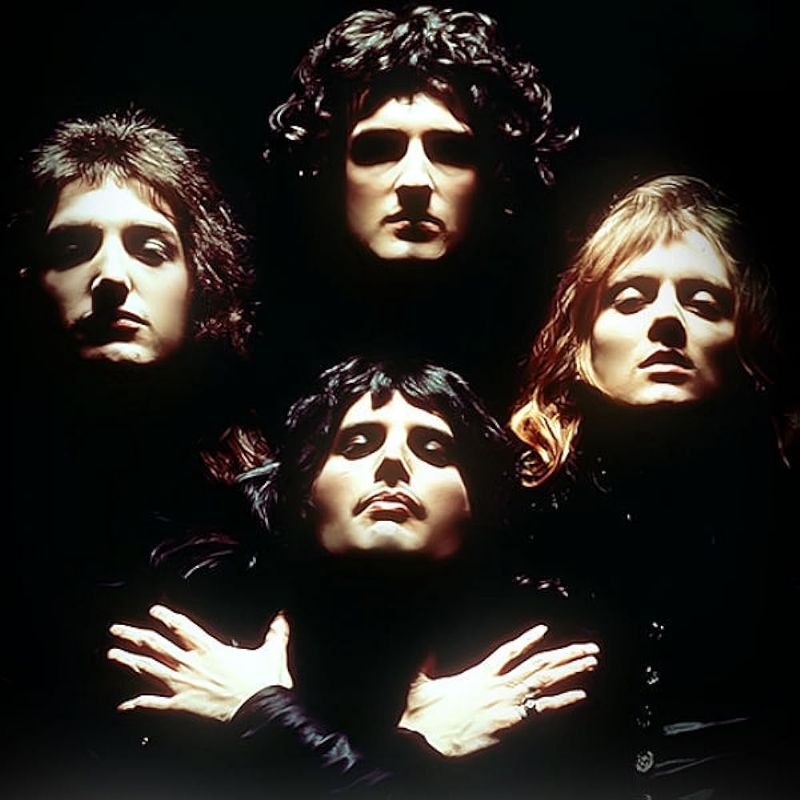
Freddie Mercury didn’t just sing to audiences; he conducted them like an orchestra.
Queen’s 1985 Live Aid performance is considered the greatest 20 minutes in rock history by many experts.
Mercury’s vocal range and theatrical flair reached full power under stage lights.
Brian May’s guitar orchestrations and the band’s tight musicianship created spectacles that studio albums only hinted at.
Their ability to fill stadiums with energy and connect with massive crowds was unmatched.
Mercury’s commanding presence and the band’s musical precision combined to create concerts that felt like religious experiences for rock fans worldwide.
12. Pearl Jam
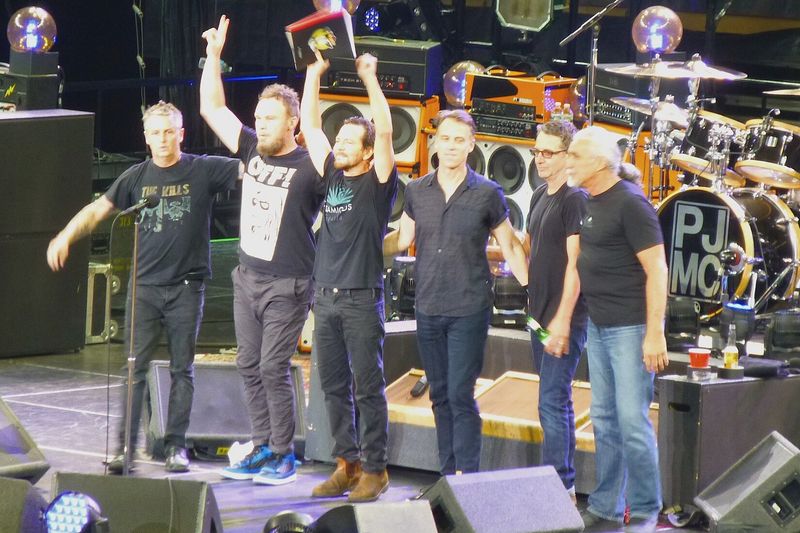
Eddie Vedder’s intensity multiplies tenfold when he’s face-to-face with fans.
Pearl Jam’s concerts stretch songs into extended versions packed with improvisation and emotional depth.
The band changes setlists nightly, keeping even longtime followers guessing what they’ll hear.
Mike McCready’s guitar solos burn hotter live, and the rhythm section locks into grooves that shake venues.
Their official bootleg series, documenting hundreds of concerts, proves that each performance offers something unique.
Vedder’s passionate vocals and the band’s commitment to authentic performances have built one of rock’s most devoted fanbases.
13. Stevie Ray Vaughan
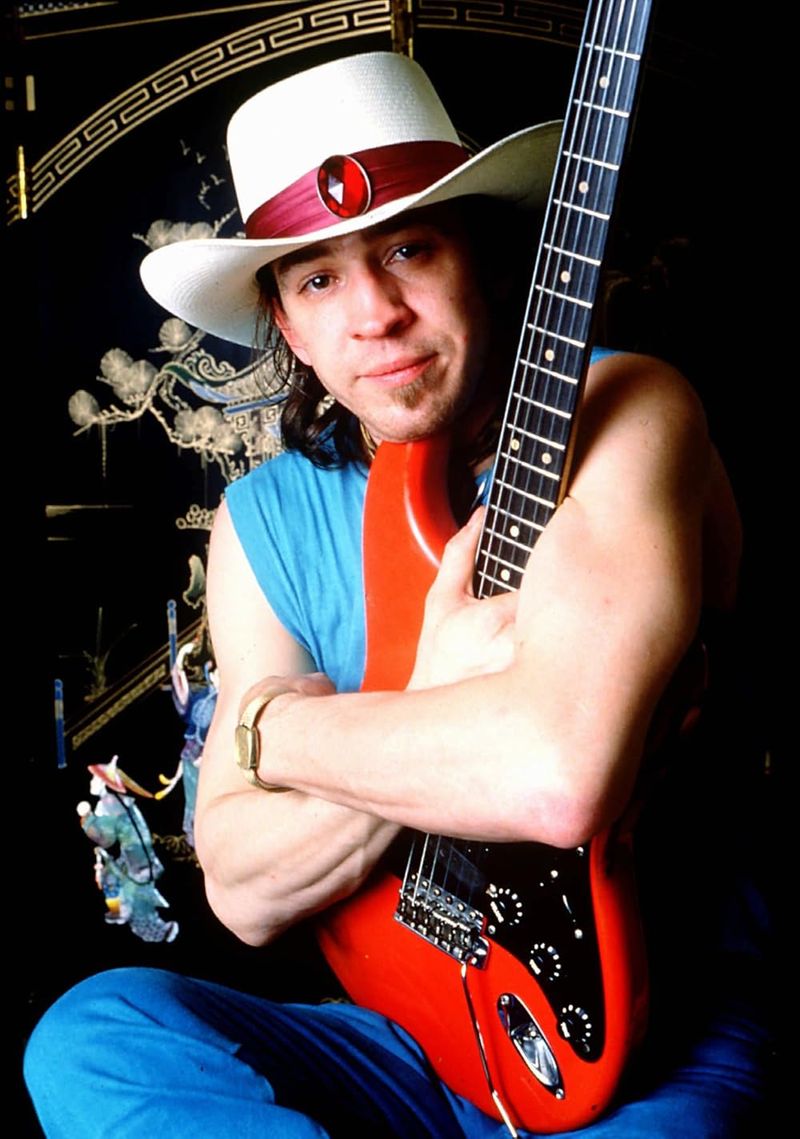
Texas blues reached its peak when Vaughan strapped on his battered Stratocaster.
His technical mastery and emotional depth shone brightest during live performances that left audiences stunned.
Studio albums captured his skill, but concerts revealed a guitarist channeling something supernatural.
Songs like “Texas Flood” would extend into showcases of blistering speed and soulful bends.
Vaughan’s sweat-drenched performances demonstrated complete dedication to his craft.
He’d break strings, swap guitars, and keep playing without missing a beat, proving why many consider him among history’s greatest guitarists and most captivating live performers.
14. Radiohead
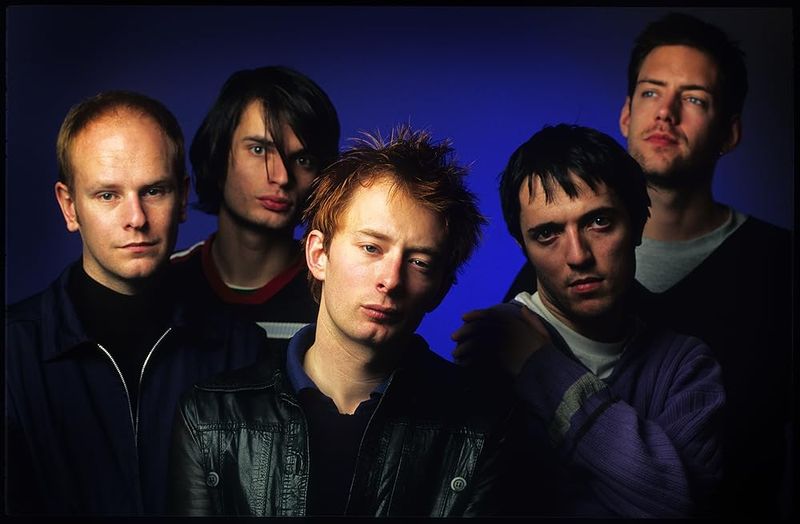
Thom Yorke’s haunting presence and the band’s sonic experimentation reach full potential in concert settings.
Radiohead transforms complex studio arrangements into immersive live experiences that feel both intimate and overwhelming.
Their lighting design and visual elements enhance the music without overshadowing it.
Jonny Greenwood’s guitar textures and the band’s electronic elements create atmospheres that recordings struggle to convey.
Fans describe their concerts as transcendent journeys through soundscapes that shift from delicate to crushing.
The band’s refusal to rely on hits and their willingness to reimagine songs keeps performances fresh and unpredictable decades into their career.
15. Talking Heads
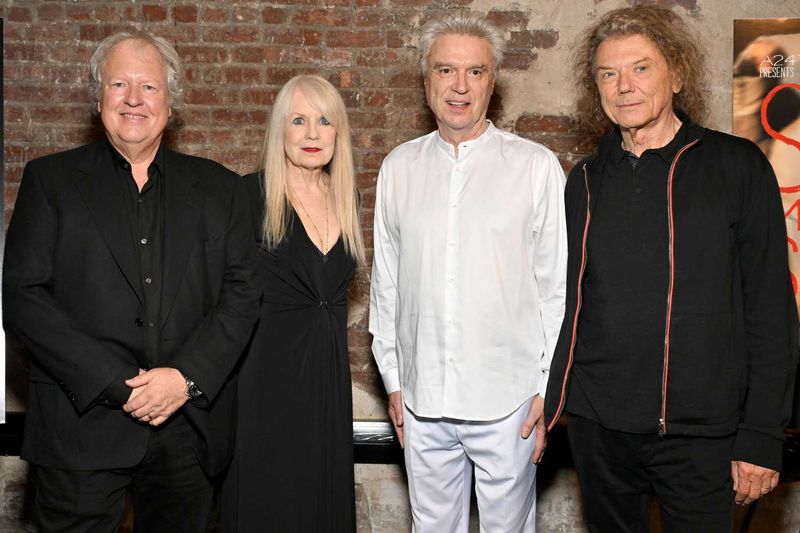
David Byrne’s nervous energy and unconventional stage presence made Talking Heads concerts unforgettable art performances.
Their 1984 concert film Stop Making Sense is considered the greatest ever made.
The band built songs layer by layer on stage, with musicians joining one by one.
Byrne’s oversized suit and jerky dance moves became iconic symbols of new wave’s creative peak.
Their fusion of funk, punk, and world music hit differently in live settings where visual elements enhanced the sonic experience.
Studio albums were excellent, but concerts revealed Talking Heads as genuine performance artists pushing rock’s boundaries.
Comments
Loading…