
 Hailey Watson
12 Actors Who Won Oscars for Roles No One Expected
Hollywood loves a good surprise, and nothing shocks audiences more than an unexpected Oscar win.
Sometimes an actor takes home the golden statue when everyone thought someone else would win.
These unforgettable moments remind us that talent can come from anywhere and that the Academy sometimes makes bold, surprising choices that keep us talking for years.
1. Olivia Colman — Best Actress for The Favourite (2019)
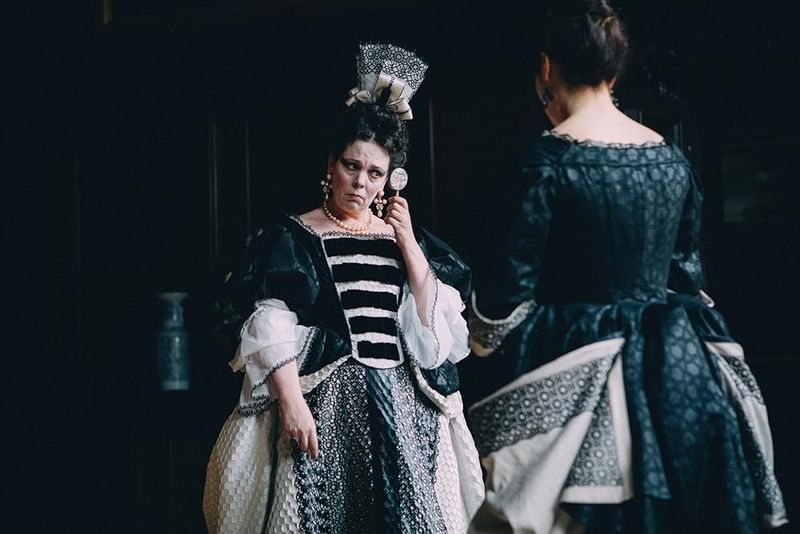
Olivia Colman herself seemed shocked when her name was called instead of Glenn Close, who everyone thought would finally win after being nominated seven times.
Colman played Queen Anne as vulnerable, funny, and sometimes cruel, bringing unexpected humanity to a royal figure.
Her tearful, hilarious acceptance speech became instantly iconic.
Close had been the clear favorite all season long, making Colman’s victory one of the most surprising in recent memory.
The British actress transformed a potentially one-note character into someone complex and sympathetic.
Her win reminded everyone that taking risks with unusual characters can pay off in the biggest way possible.
2. Harold Russell — Best Supporting Actor for The Best Years of Our Lives (1946)
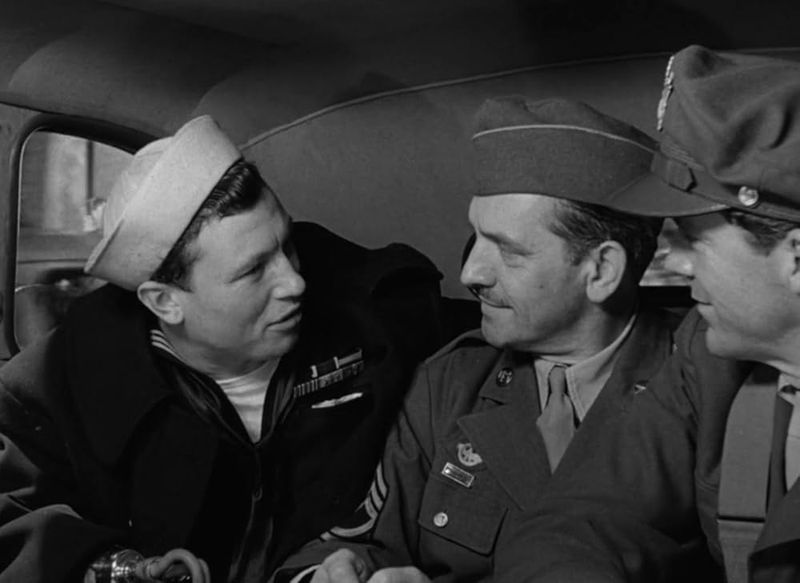
Harold Russell made history as the only actor to win two Oscars for the same role.
A real World War II veteran who lost both hands in combat, Russell had never acted before director William Wyler cast him.
The Academy gave him an honorary Oscar, assuming he wouldn’t win the competitive category against professional actors.
Then something amazing happened: he won the competitive award too!
Russell played a veteran struggling to adjust to civilian life, bringing raw authenticity that trained actors couldn’t match.
His groundbreaking performance opened doors for non-professional actors and showed that lived experience sometimes matters more than years of training.
3. Adrien Brody — Best Actor for The Pianist (2003)
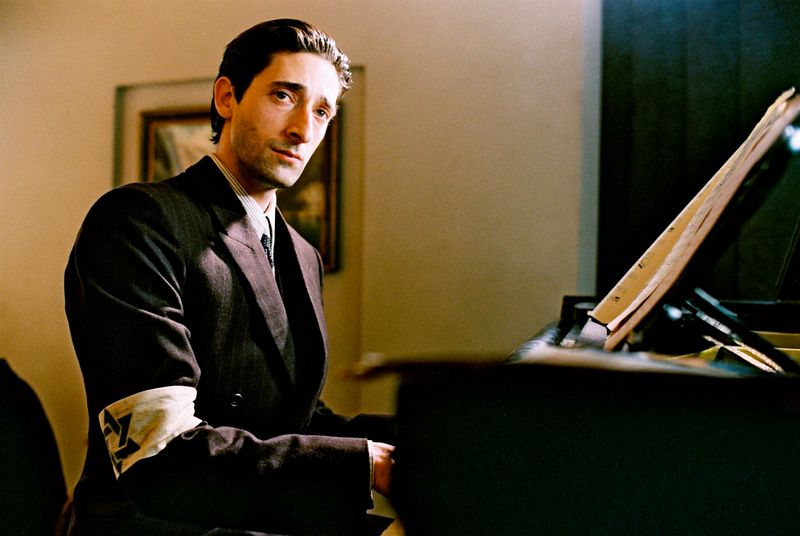
At just 29 years old, Adrien Brody became the youngest Best Actor winner ever, beating out favorites like Jack Nicholson and Daniel Day-Lewis.
His haunting portrayal of Polish-Jewish pianist Władysław Szpilman during the Holocaust left audiences speechless.
Brody lost 30 pounds and learned to play Chopin pieces to prepare for the demanding role.
Nobody saw his win coming, which made his emotional acceptance speech even more memorable.
He famously kissed presenter Halle Berry in his excitement, creating one of the ceremony’s most talked-about moments.
Brody’s dedication to the role and his vulnerable performance proved that age doesn’t determine acting ability.
4. Cuba Gooding Jr. — Best Supporting Actor for Jerry Maguire (1997)
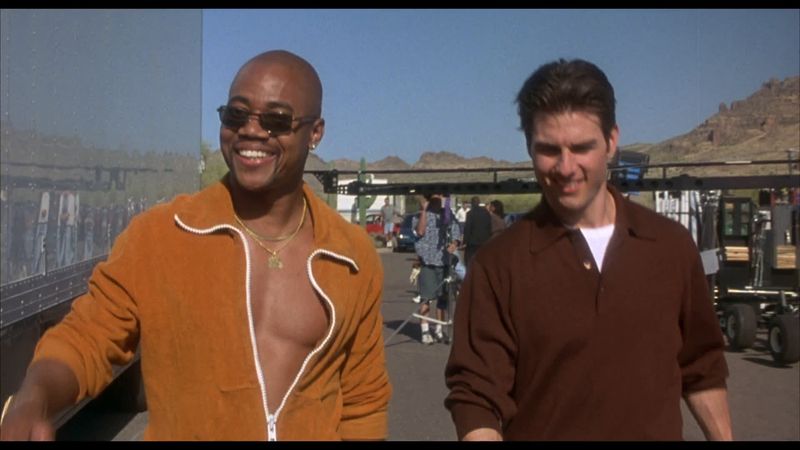
Cuba Gooding Jr.’s enthusiastic performance as football player Rod Tidwell electrified audiences, but few predicted he’d actually win.
His famous line, “Show me the money!” became part of pop culture instantly.
Gooding brought infectious energy and surprising emotional depth to a character who could have been just another sports stereotype.
His acceptance speech matched his on-screen personality—joyful, energetic, and unforgettable.
He bounced around the stage, thanking everyone he could think of while the orchestra tried to play him off.
The win shocked many industry insiders who expected more traditional dramatic performances to take the prize.
Gooding’s victory celebrated charisma and heart over conventional acting choices.
5. Judi Dench — Best Supporting Actress for Shakespeare in Love (1998)
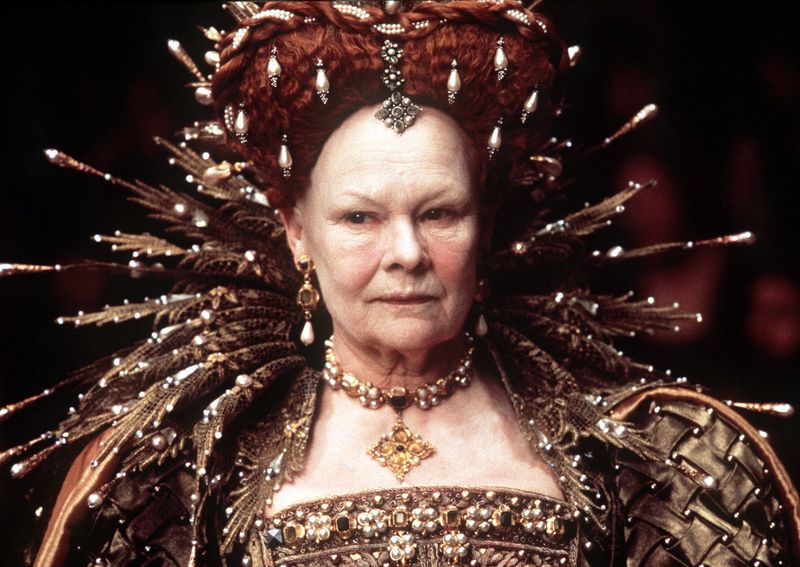
Judi Dench appeared on screen for only eight minutes, yet she won an Oscar for playing Queen Elizabeth I.
Lynn Redgrave was considered the favorite that year, making Dench’s win a genuine surprise.
Every second of her limited screen time crackled with authority and wit, proving that quality matters more than quantity.
Her brief but powerful performance demonstrated masterful command of the craft.
Dench delivered her lines with perfect timing and conveyed centuries of royal power in a single glance.
The win sparked debates about whether such short performances should qualify for awards.
Still, nobody could deny that Dench made every moment count, creating an unforgettable portrayal despite minimal screen time.
6. Anthony Hopkins — Best Actor for The Silence of the Lambs (1991)
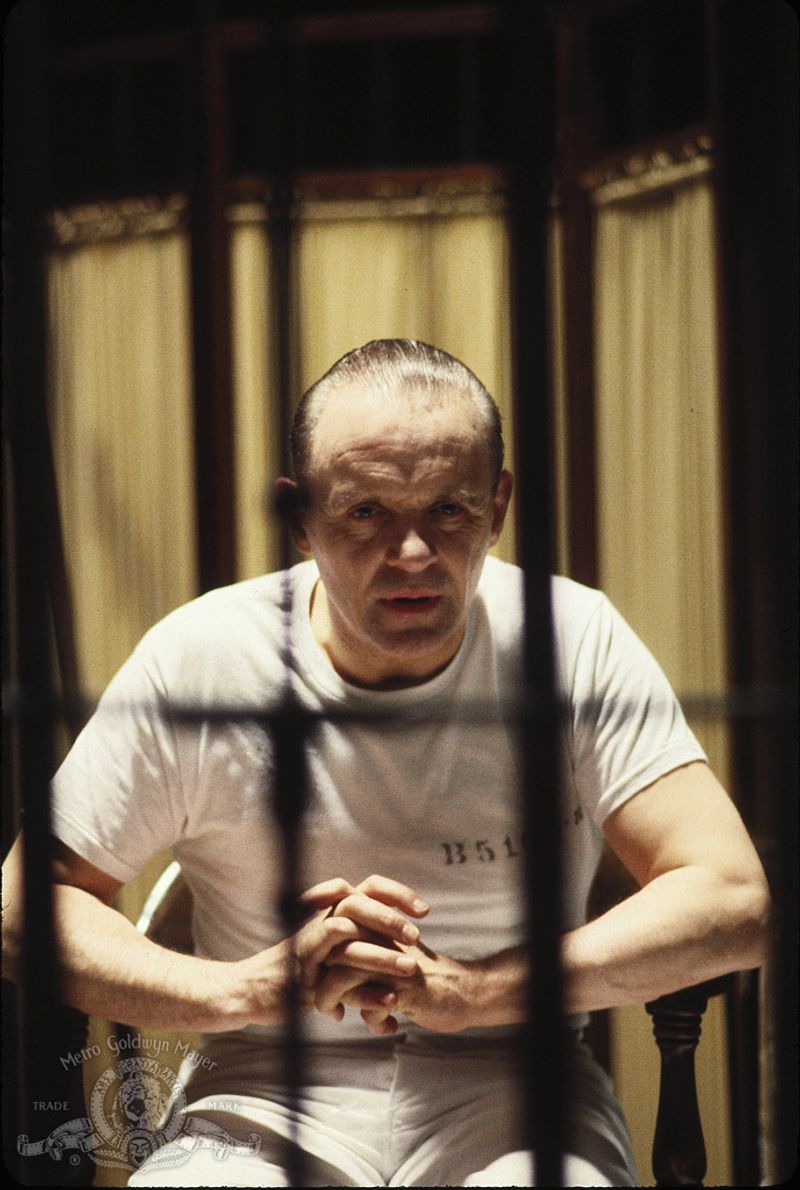
Despite being on screen for only 16 minutes, Anthony Hopkins created one of cinema’s most terrifying villains as Hannibal Lecter.
Many expected other nominees to win that year, but Hopkins’ chilling performance couldn’t be ignored.
He never blinked during his scenes, creating an unsettling intensity that haunted viewers long after the credits rolled.
His win helped The Silence of the Lambs become only the third film ever to sweep the Big Five Oscar categories.
Hopkins studied serial killers and used subtle vocal techniques to make Lecter both sophisticated and horrifying.
The unexpected victory proved that supporting-sized roles in genre films could compete with traditional leading-man performances in prestige dramas.
7. Roberto Benigni — Best Actor for Life Is Beautiful (1998)
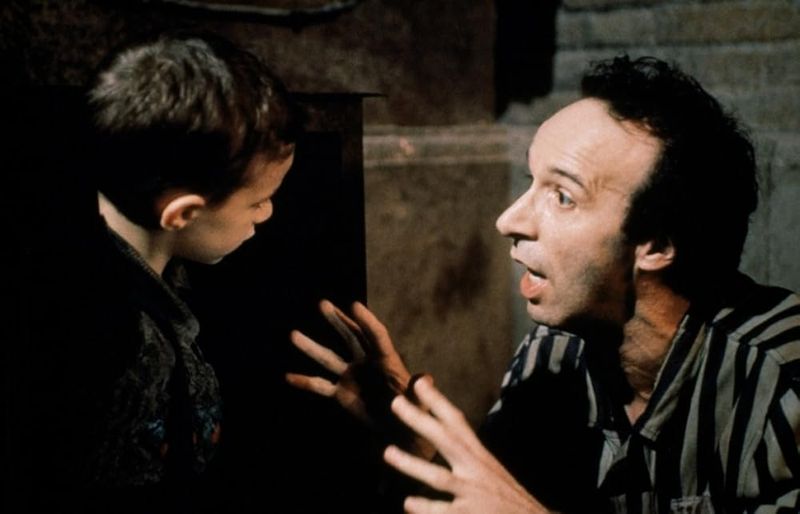
Roberto Benigni literally jumped over seats when his name was called, creating one of the most joyful Oscar moments ever.
His win for an Italian-language film shocked everyone in an era when English-language performances dominated.
Benigni wrote, directed, and starred in this Holocaust tragicomedy, balancing humor and heartbreak in ways nobody expected would work.
Critics had mixed reactions to his unconventional approach to such serious subject matter.
Yet audiences worldwide connected with his character’s desperate attempts to protect his son’s innocence during unimaginable horror.
Benigni’s unexpected victory celebrated international cinema and reminded Hollywood that powerful stories transcend language barriers and traditional filmmaking approaches.
8. Geoffrey Rush — Best Actor for Shine (1996)
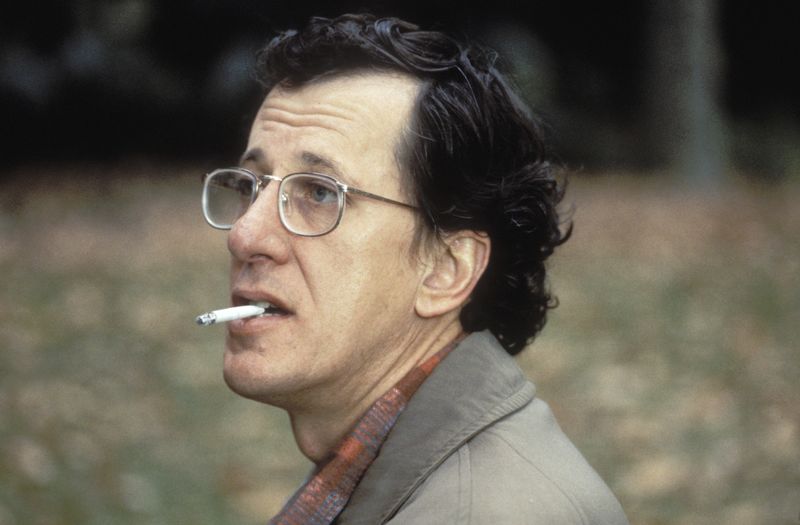
Geoffrey Rush’s portrayal of troubled pianist David Helfgott beat out bigger Hollywood names in what many considered a major upset.
The Australian actor was relatively unknown in America when he delivered this raw, physically demanding performance.
Rush spent months studying Helfgott’s mannerisms and learning to play complex piano pieces convincingly.
His understated approach contrasted sharply with flashier performances from more famous nominees.
Rush showed Helfgott’s mental illness with sensitivity and dignity, never turning him into a caricature.
The unexpected win proved that indie films and lesser-known actors could triumph over big-budget studio productions.
It also launched Rush’s international career, leading to many more memorable roles in major films.
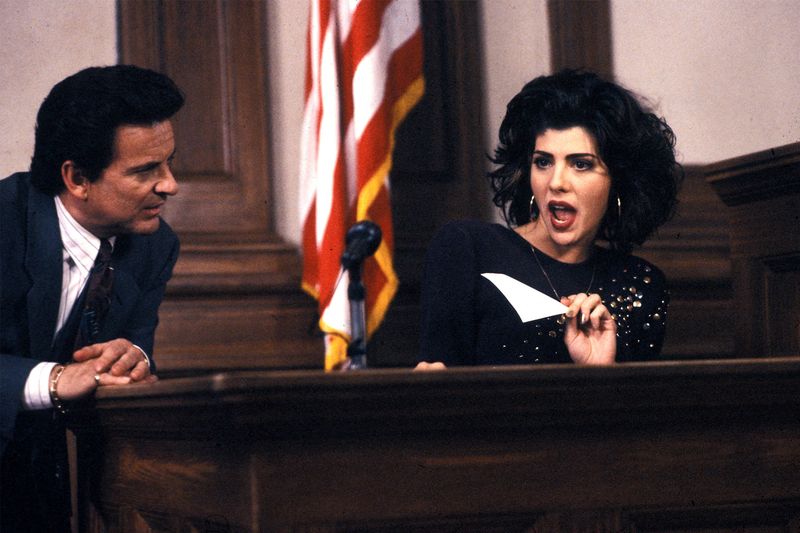
9. Marisa Tomei — Best Supporting Actress for My Cousin Vinny (1993)
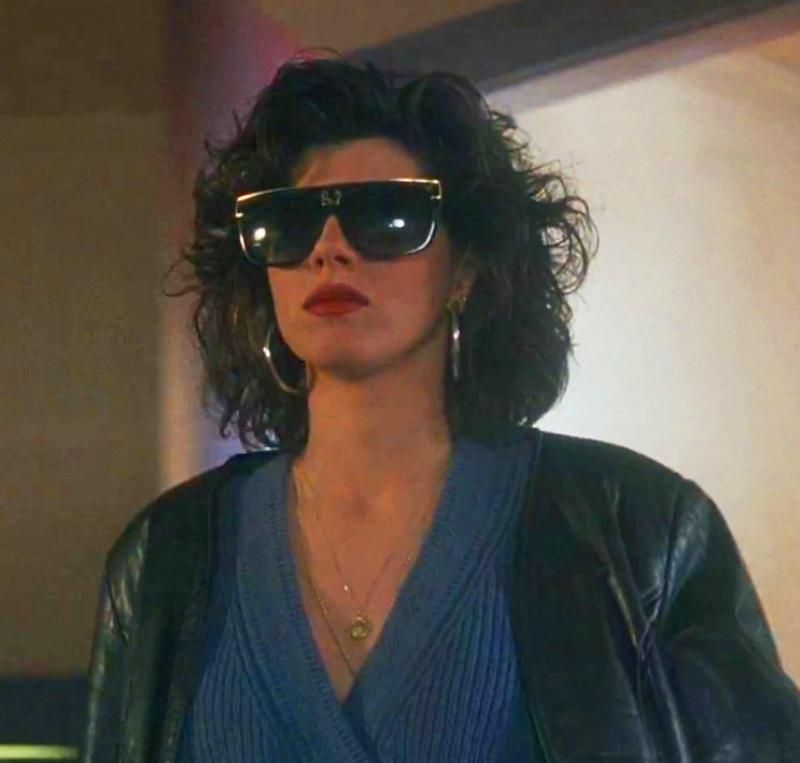
When Marisa Tomei walked up to accept her Oscar, jaws dropped across the country.
Nobody expected a comedic role in a courtroom comedy to beat out more serious dramatic performances.
Her portrayal of Mona Lisa Vito, a smart and sassy mechanic with an unforgettable Brooklyn accent, charmed audiences everywhere.
Critics debated the win for years, with some calling it one of the biggest upsets in Academy history.
Tomei delivered her lines with perfect timing and brought genuine depth to what could have been a one-dimensional character.
Her win proved that comedy deserves just as much recognition as drama, even if Hollywood doesn’t always see it that way.
10. Hilary Swank — Best Actress for Boys Don’t Cry (2000)
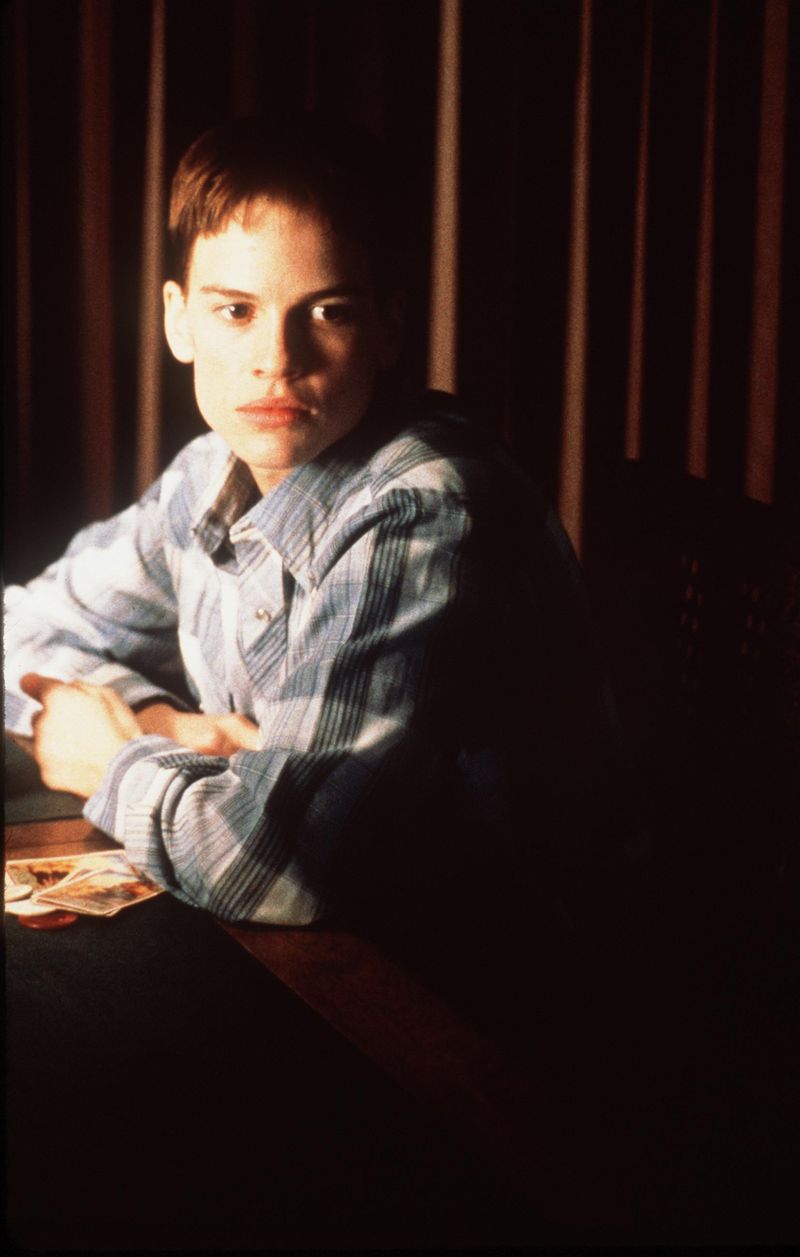
Hilary Swank transformed herself completely to play Brandon Teena, a transgender man whose life ended in tragedy.
Most people expected more established actresses to win, making Swank’s victory a true underdog story.
She cut her hair, bound her chest, and lived as a man for weeks to prepare for the challenging role.
Her brave, nuanced performance brought dignity to a story that could have been exploitative in less capable hands.
Swank captured Brandon’s hope, vulnerability, and courage without ever seeming like she was acting.
The surprising win announced her as a major talent and brought important attention to transgender stories.
Swank won a second Oscar just four years later for Million Dollar Baby.
11. Halle Berry — Best Actress for Monster’s Ball (2002)
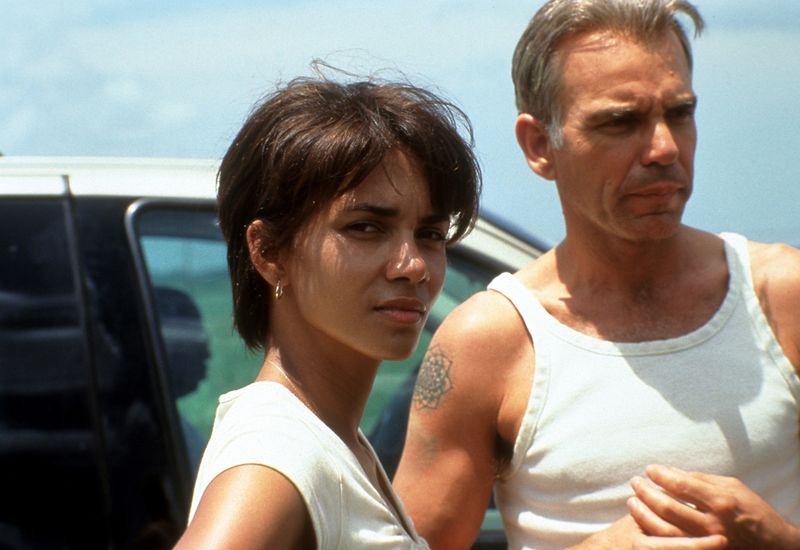
Halle Berry made history as the first Black woman to win Best Actress, in a victory few predicted beforehand.
Her raw, emotionally devastating performance as a grieving mother showed a side of Berry audiences hadn’t seen before.
She took on the risky role when more established actresses passed, betting on herself when others wouldn’t.
Berry’s tearful acceptance speech acknowledged the significance of breaking this barrier after 74 years of Oscar ceremonies.
She portrayed pain and resilience with unflinching honesty in a film that dealt with difficult themes.
The unexpected win represented both a personal triumph and a historic moment for representation in Hollywood, though Berry herself noted that progress remained painfully slow.
12. Sean Penn — Best Actor for Mystic River (2003)
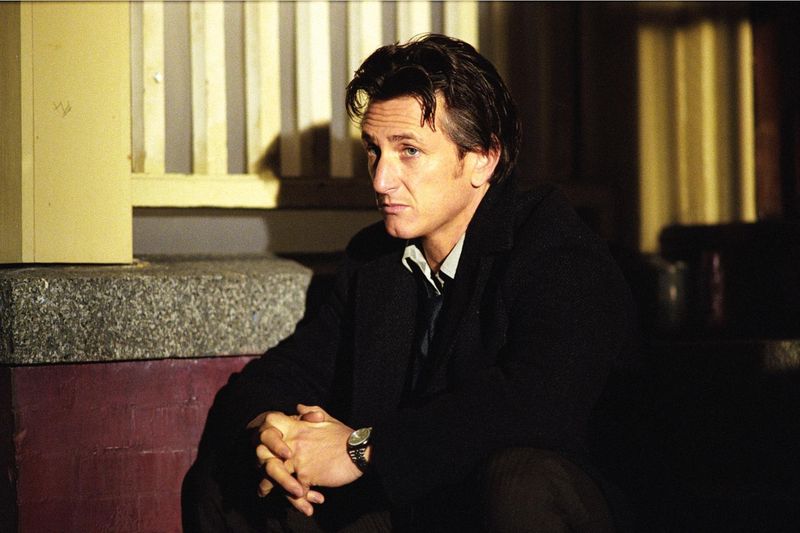
Sean Penn faced tough competition in a crowded field of exceptional performances, making his win somewhat unexpected.
His portrayal of a father destroyed by his daughter’s murder showcased acting at its most visceral and painful.
Penn didn’t hold back, delivering scenes of grief so intense that audiences could barely watch.
Many thought other nominees had stronger campaigns or more likeable characters, but Penn’s commitment couldn’t be denied.
He made bold choices that could have seemed over-the-top but instead felt heartbreakingly real.
The surprise victory rewarded his willingness to go to dark emotional places without concern for appearing sympathetic.
Penn’s win proved that the Academy sometimes values raw power and risk-taking over safer, more polished performances.
Comments
Loading…