
 Jade Reed
10 Actresses Who Refused to Stay Silent—and Faced Backlash
Hollywood has always been a place where speaking up can come with a price.
Actresses who dare to challenge unfairness, fight for equality, or share their truth often face serious consequences.
Their courage has sparked important conversations, but it has also cost them roles, reputations, and sometimes entire careers.
1. Jane Fonda – Outspoken Anti-War Activist
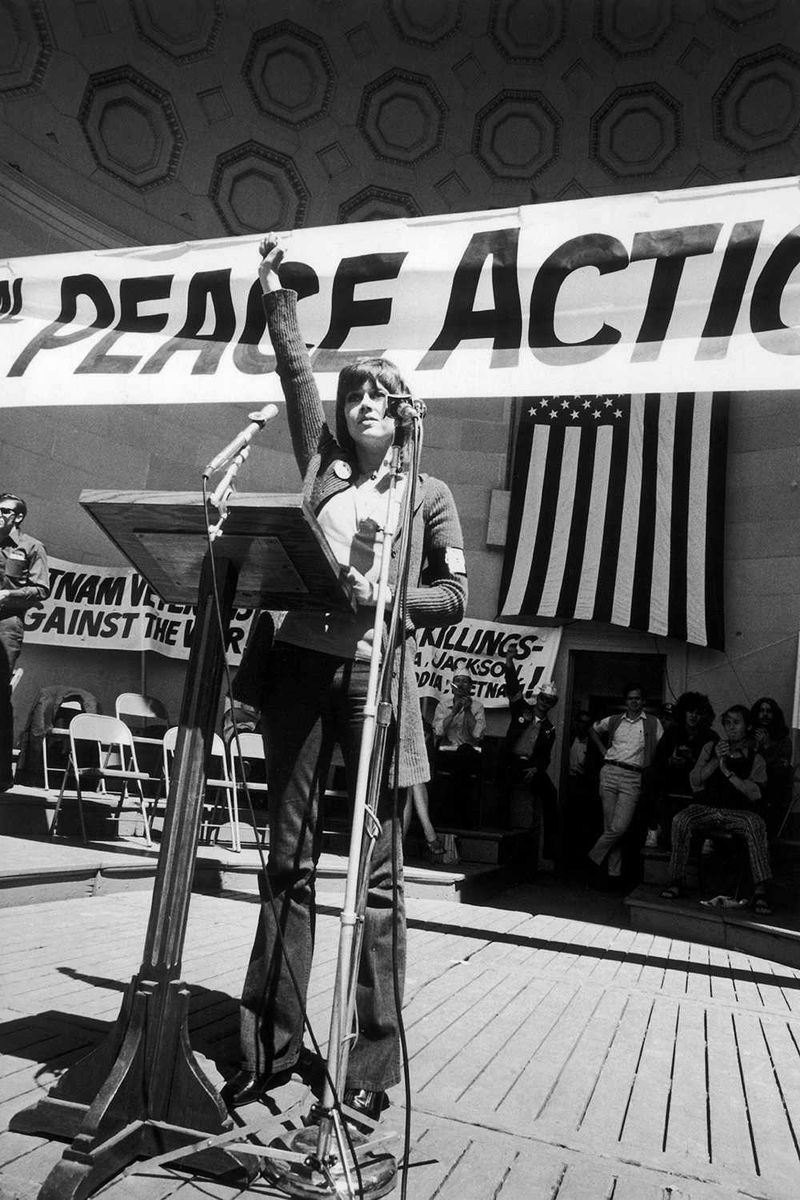
Jane Fonda became one of Hollywood’s most controversial figures when she opposed the Vietnam War in the 1960s and 1970s.
Her activism included traveling to North Vietnam, which led many Americans to call her a traitor.
The backlash was fierce and long-lasting.
Studios hesitated to hire her, and audiences boycotted her films for years.
Her political stance overshadowed her impressive acting talent and Academy Awards.
Even decades later, some people refused to forgive her actions.
Fonda’s story shows how celebrity activism can permanently change public perception.
Her courage to speak against war came at an enormous professional cost that lasted throughout her career.
2. Mo’Nique – Fighting for Equal Pay
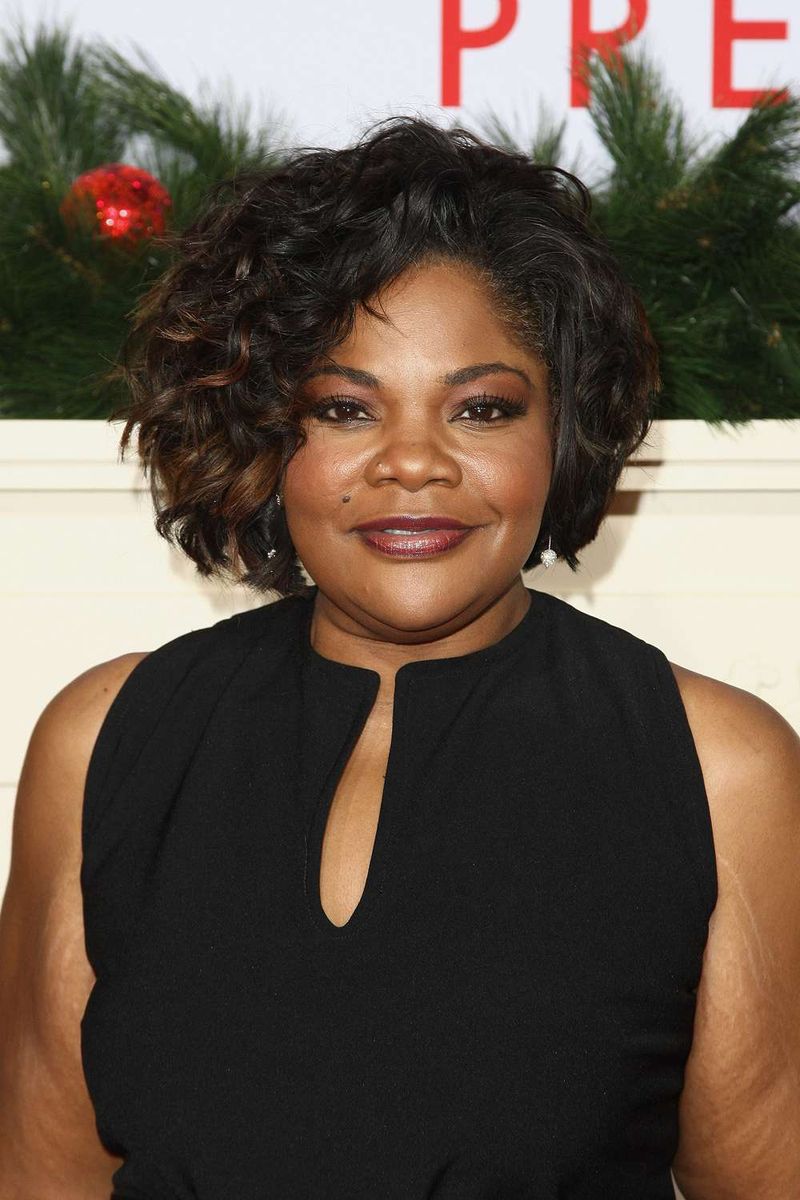
After winning an Oscar, Mo’Nique expected fair treatment from major companies.
Instead, she discovered Netflix offered her far less money than white comedians for a stand-up special.
She publicly called out the streaming giant for race and gender discrimination.
Her lawsuit made headlines, but it also made Hollywood nervous.
Producers stopped calling with job offers. Mo’Nique claims her willingness to speak about pay inequality essentially blacklisted her from the industry.
The Academy Award winner went from celebrated comedian to warning tale.
Her experience revealed how quickly speaking truth about discrimination can end opportunities, even for talented performers with major awards on their shelves.
3. Patricia Arquette – Oscar Speech for Wage Equality
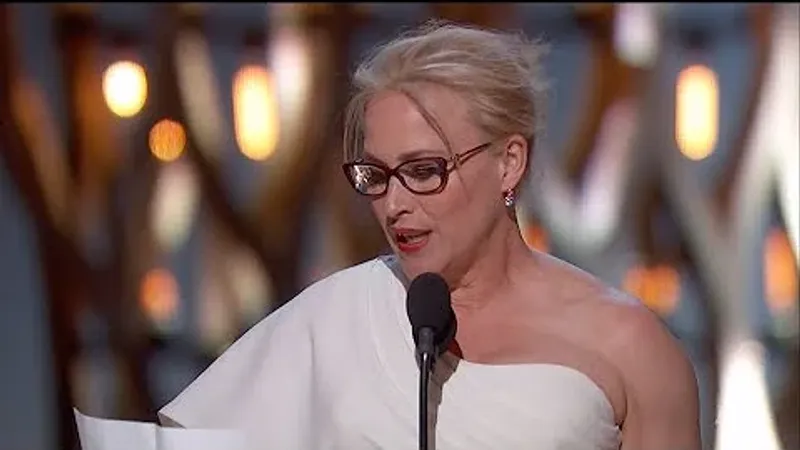
Patricia Arquette used her biggest moment to demand change.
When she won the Oscar for Best Supporting Actress in 2015, she didn’t just thank people.
She called for wage equality for women in front of millions of viewers worldwide.
Her speech became instantly famous and sparked important conversations.
However, some industry insiders felt she crossed a line by making the ceremony political.
Reports suggest her outspokenness led to fewer mainstream movie offers afterward.
Arquette joined other actresses fighting the gender pay gap, but advocacy comes with risks.
Speaking up about money makes people uncomfortable, especially those who benefit from keeping things unfair and unequal in Hollywood.
4. Ellen DeGeneres – Coming Out Changed Everything
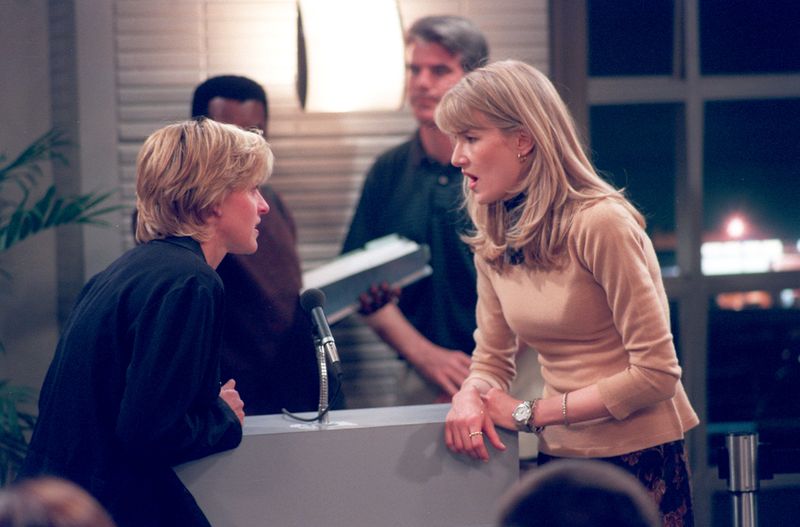
“Yep, I’m gay.”
Those three words on a magazine cover in 1997 changed Ellen DeGeneres’s life forever.
She became the first openly gay lead character on television when her sitcom character also came out.
Advertisers immediately pulled their support.
Religious groups organized boycotts.
Although the show continued briefly, ratings dropped as controversy grew.
ABC eventually canceled Ellen, and DeGeneres struggled to find acting work for years.
Her bravery opened doors for LGBTQ representation, but it nearly destroyed her career first.
DeGeneres eventually rebuilt her success through daytime talk shows, but those difficult years showed the real cost of living authentically in conservative 1990s America.
5. Dorothy Dandridge – Breaking Racial Barriers
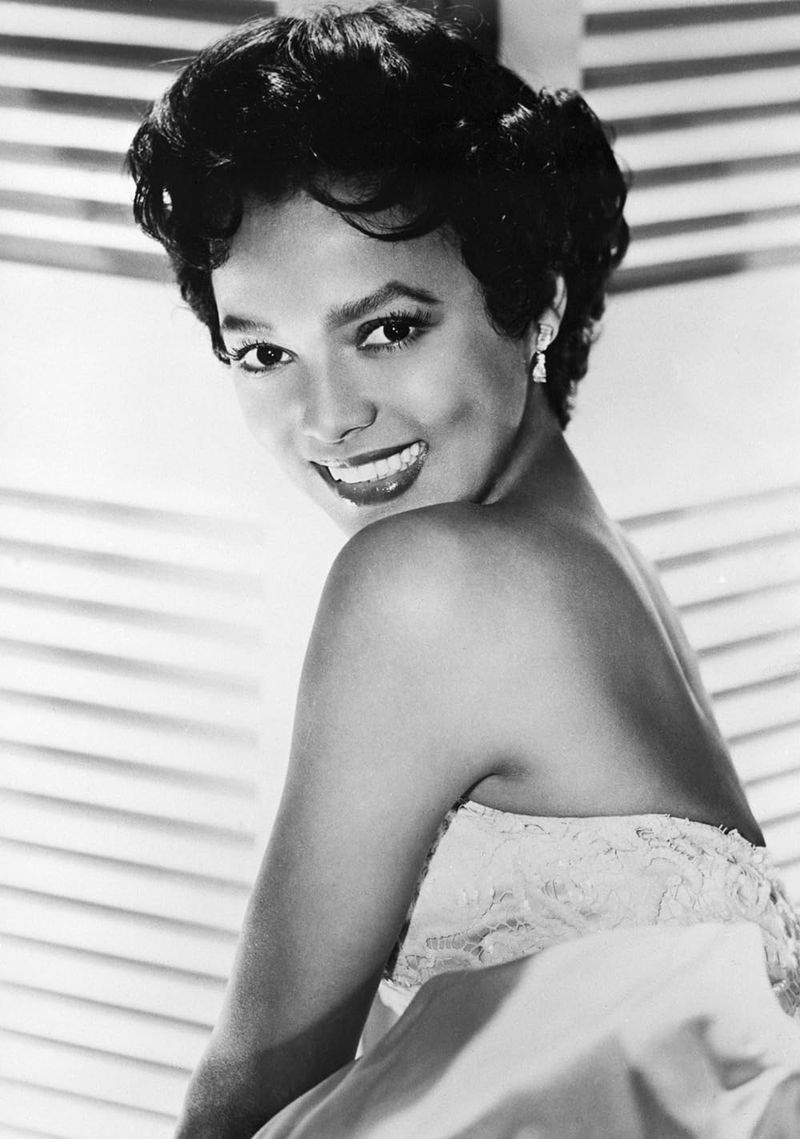
Dorothy Dandridge made history as the first Black woman nominated for Best Actress at the Oscars in 1955.
Her talent was undeniable, yet Hollywood only offered her stereotypical roles that reinforced harmful racial images.
Dandridge refused to accept demeaning parts, demanding roles with depth and dignity instead.
Studios punished her refusal by simply not hiring her.
The work dried up because she wouldn’t play maids or other limiting characters.
Systemic racism meant speaking up for better representation cost her everything.
Dandridge’s career never recovered from challenging the industry’s discrimination.
Her tragic story reminds us that fighting injustice has always required enormous sacrifice, especially for women of color in entertainment.
6. Marlee Matlin – Pioneering Deaf Representation
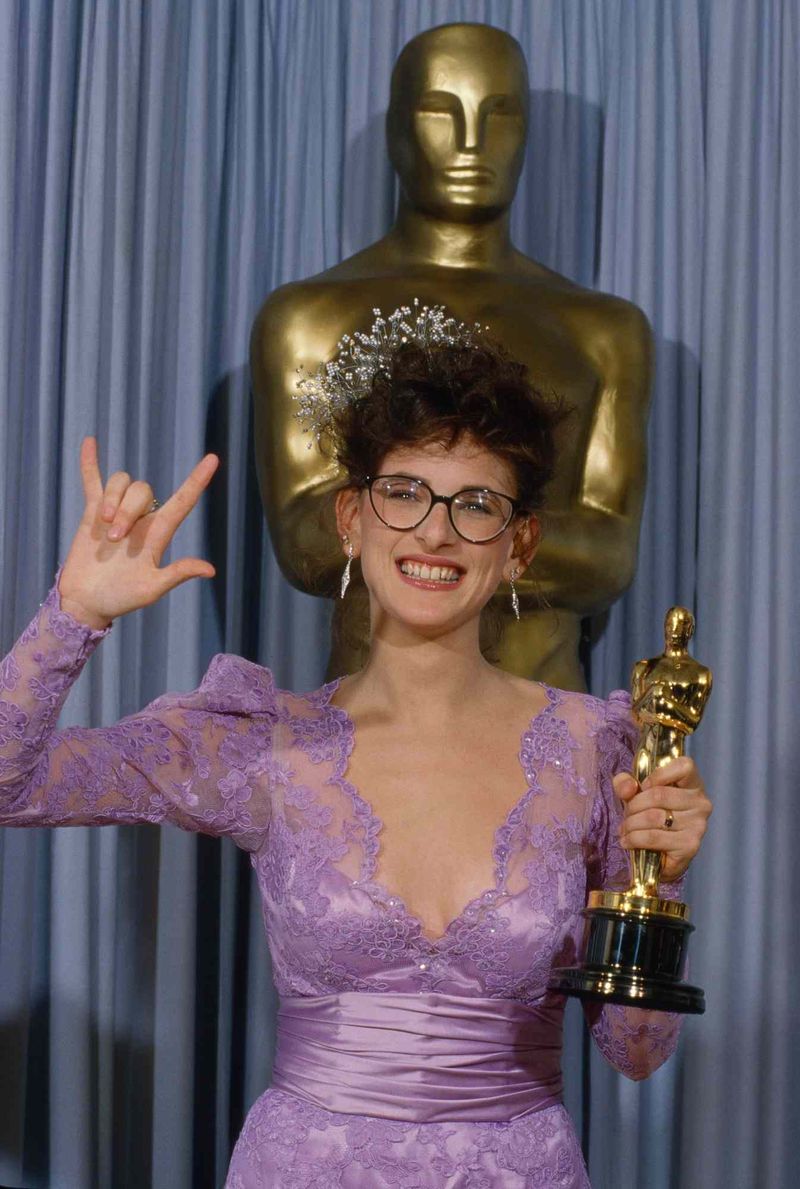
Marlee Matlin became the first and only deaf performer to win an Academy Award for Best Actress.
Her groundbreaking role in Children of a Lesser God should have launched a major career.
Instead, Hollywood barely knew what to do with her.
Matlin fought tirelessly for disability representation and more roles for deaf actors.
Unfortunately, the industry offered very few parts.
When opportunities did come, conversations often focused on her deafness rather than her acting abilities.
Her advocacy highlighted how Hollywood marginalizes disabled performers.
Even an Oscar couldn’t overcome decades of systemic barriers.
Matlin’s persistence eventually created more awareness, but her career suffered because the entertainment world wasn’t ready to embrace true inclusion and diversity.
7. Ruby Rose – Batwoman Casting Controversy

Ruby Rose seemed perfect to play the first openly lesbian superhero on television.
Fans should have celebrated this historic representation.
Instead, social media exploded with criticism questioning whether she was “gay enough” for the role.
Online mobs attacked her identity and suitability relentlessly.
The harassment became so intense that Rose quit Twitter entirely and disabled Instagram comments.
The controversy overshadowed what should have been a career-defining moment.
Rose eventually left the show after just one season.
The backlash demonstrated how even LGBTQ performers face harsh judgment from their own community.
Speaking about the abuse publicly didn’t help—it only intensified the attacks and made her television experience miserable and traumatic.
8. Brie Larson – Advocating for Diversity

Brie Larson didn’t just star in Captain Marvel—she demanded the film industry become more inclusive.
She publicly advocated for diverse film critics and inclusion riders in contracts.
Her activism made some people very angry.
Online groups organized campaigns to tank Captain Marvel’s audience scores before the movie even released.
Larson faced coordinated harassment and threats for months.
The hostility revealed how resistance to feminism still thrives in fan communities.
Despite the backlash, Captain Marvel became a billion-dollar success.
However, Larson continues facing criticism years later.
Her experience shows that women who speak up about representation and equality in franchise filmmaking will face organized attacks designed to silence them permanently.
9. Katharine Hepburn – Wearing Trousers in Hollywood
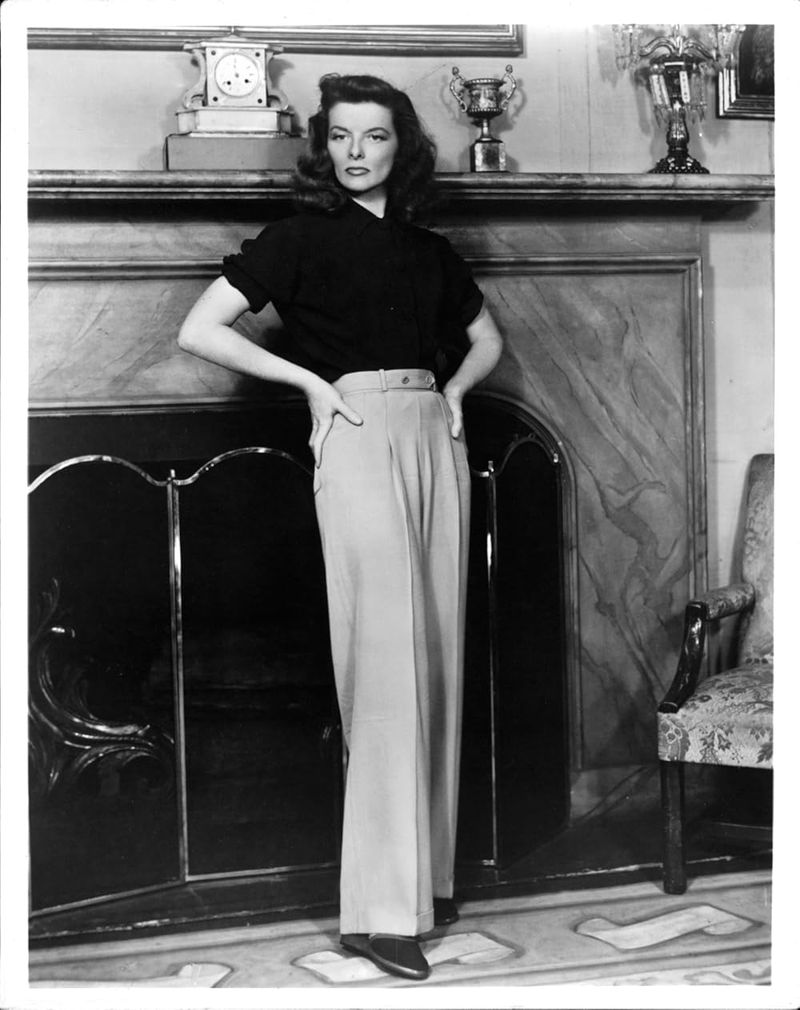
Katharine Hepburn refused to wear dresses when studios demanded it.
In 1930s Hollywood, women were expected to look feminine and follow strict appearance rules.
Hepburn famously wore trousers instead, shocking executives and audiences alike.
Studios threatened to suspend her for not conforming to gender expectations.
She lost roles because producers considered her too rebellious and difficult.
Her refusal to play by traditional rules initially hurt her career significantly.
Eventually, Hepburn’s independence became legendary rather than problematic.
She helped change what was acceptable for women in entertainment.
Her early struggles paved the way for future actresses to express themselves authentically without sacrificing their careers for outdated gender norms.
10. Gabrielle Union – Reporting Workplace Toxicity
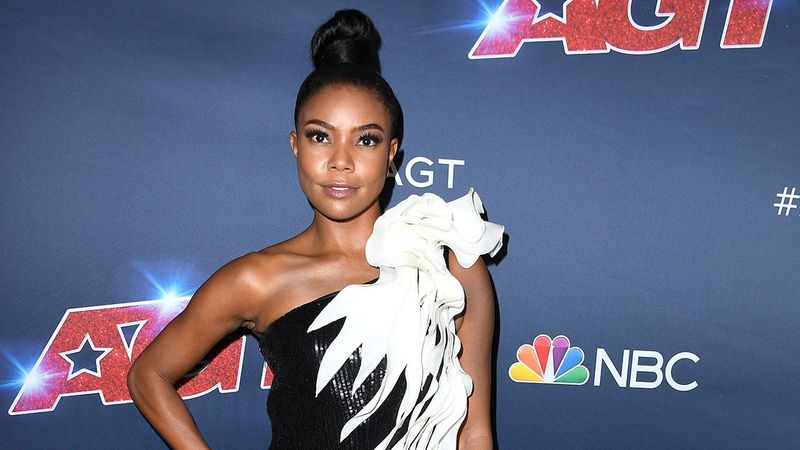
Gabrielle Union joined America’s Got Talent as a judge expecting a professional environment.
Instead, she witnessed and experienced what she described as a toxic workplace with racial insensitivity.
She reported her concerns through proper channels.
NBC did not invite Union back for a second season.
Reports suggested her willingness to speak about problems contributed to her dismissal.
The network denied wrongdoing, but the message was clear—complaining has consequences.
Union’s experience became national news and sparked important conversations.
However, speaking publicly about internal inequities cost her the job.
Her story illustrates how even successful actresses risk everything when they refuse to stay silent about discrimination and mistreatment behind the scenes.
Comments
Loading…