
 Isabel Parker
Valentine’s Day used to mean buying flowers at a local shop, mailing handwritten cards, and keeping romantic moments private.
But social media has completely transformed how we celebrate this holiday.
From scrolling through Instagram for gift ideas to posting date night selfies, the way we express love on February 14th looks totally different than it did just a decade ago.
1. People Buy Valentine’s Gifts From Their Phones — No Effort Required

Shopping for Valentine’s Day doesn’t mean rushing to crowded stores anymore.
A massive portion of February 14th purchases now happen through smartphones and computers, with buyers scrolling through endless options while relaxing at home.
Social media ads and influencer posts shape what people decide to buy, making gift-giving feel both easier and more influenced by trends.
Online retailers see huge traffic spikes in early February as shoppers compare prices and read reviews from their devices.
With just a few taps, you can order flowers, chocolates, jewelry, or personalized gifts and have them delivered directly to your loved one’s door, sometimes even on the same day.
2. Long-Distance Celebrations Feel Normal (And Even Easy)
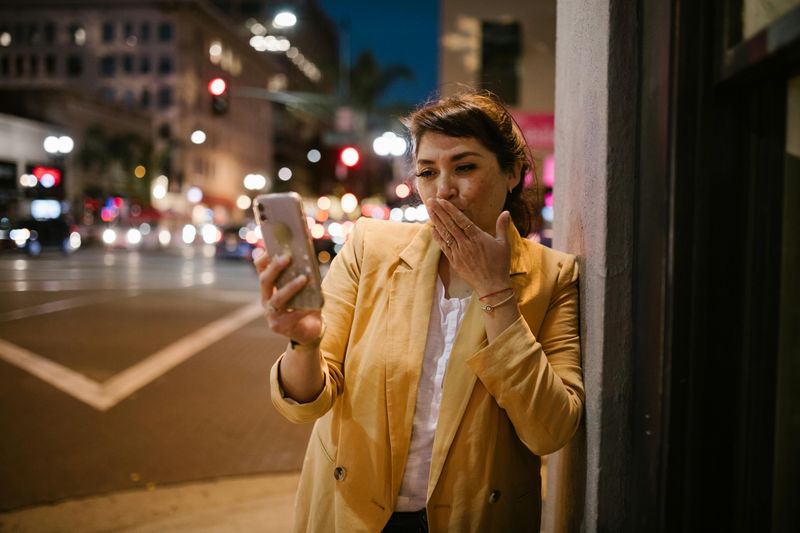
Being miles apart on Valentine’s Day used to feel heartbreaking and limiting.
Now, technology bridges that gap in ways our grandparents could never imagine.
Couples separated by distance use video calls to have virtual dinner dates, watch movies together through streaming apps, and send digital gifts instantly.
Messaging platforms let partners exchange sweet notes, photos, and voice messages throughout the day, keeping the romance alive despite the miles between them.
Apps even allow people to order food delivery or surprise gifts to their partner’s location.
Distance still isn’t ideal, but modern tools have made celebrating love from afar feel surprisingly real and connected.
3. Cards and Love Notes Have Gone Digital
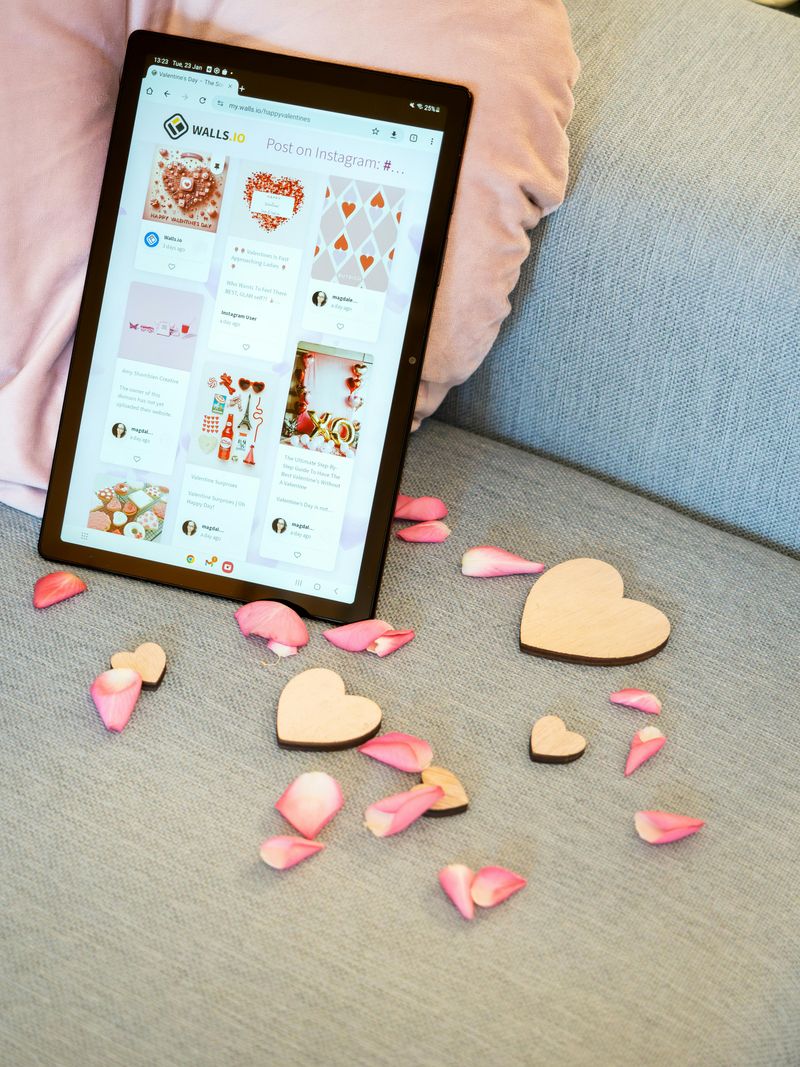
Remember waiting by the mailbox for a handwritten Valentine’s card?
Those days are fading fast.
Digital messages have taken over as the primary way people express their feelings on February 14th.
Instagram stories, TikTok videos, text messages filled with heart emojis, animated GIFs, and personalized reels now replace traditional paper cards.
People craft elaborate digital tributes to their loved ones and share them publicly for all their followers to see.
While some still appreciate handwritten notes, the convenience and creativity of digital expressions have become the new normal.
You can now send a heartfelt message instantly, complete with music, photos, and special effects that paper could never achieve.
4. It’s Not Just for Couples Anymore
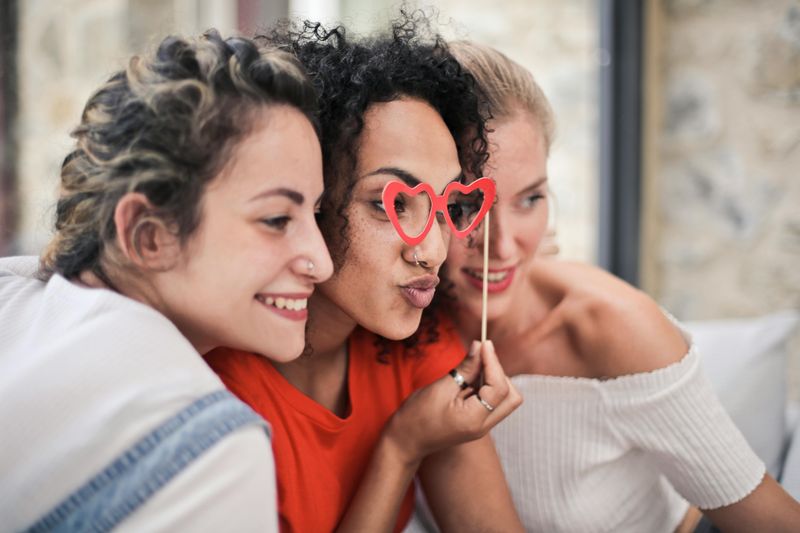
Valentine’s Day has broken free from its couples-only reputation.
Social media has popularized celebrating all types of love, not just romantic relationships.
Galentine’s Day brunches with friends trend across platforms every February.
Parents post about spoiling their kids with Valentine’s treats.
Pet owners share adorable photos of their furry companions dressed in heart-themed outfits.
This expansion makes the holiday feel more inclusive and less pressure-filled for single people.
Friendship appreciation posts, family celebration photos, and self-love content now fill feeds alongside traditional couple content.
The holiday has evolved into a broader celebration of connection and affection in all its forms, making everyone feel included in the festivities.
5. Self-Celebration and Self-Care Are Trendy

Why wait for someone else to make you feel special?
A growing movement encourages people to treat themselves on Valentine’s Day, and social media has amplified this trend significantly.
Young adults especially embrace buying themselves flowers, booking spa appointments, ordering favorite meals, or splurging on that item they’ve been eyeing.
Hashtags like #SelfLoveDay and #TreatYourself flood platforms every February.
This shift removes the pressure of needing a romantic partner to enjoy the holiday.
Instead of feeling left out, singles and coupled people alike post about their self-care routines and personal indulgences.
The message is clear: you deserve love and celebration, especially from yourself.
6. Social Pressure to Post Your Celebration

If you celebrated Valentine’s Day but didn’t post about it, did it even happen?
That’s the question many people feel pressured to answer.
Feeds explode with couple selfies, gift unboxing videos, restaurant check-ins, and romantic declarations every February 14th.
An unspoken expectation exists that your Valentine’s experience should be documented and shared online.
This creates stress for some people who feel their celebrations need to look impressive to others.
Partners sometimes face tension about whether their romantic gestures will be posted publicly.
Before social media, Valentine’s Day was a private affair.
Now, sharing your celebration online has become almost as important as the celebration itself for many people.
7. It’s Less About Classic Romance and More About Experiences

Chocolates and roses aren’t disappearing, but they’re no longer the stars of Valentine’s Day.
Data shows a clear shift toward experience-based celebrations that create lasting memories.
Couples now prioritize concert tickets, weekend getaways, cooking classes, adventure activities, or special dining experiences over traditional material gifts.
Social media plays a huge role in this change, as people want shareable moments rather than objects.
Posting a photo of a bouquet is nice, but posting about a surprise trip or unique experience generates more engagement and feels more meaningful.
This trend reflects how younger generations value making memories over accumulating things, transforming Valentine’s Day into an adventure rather than just an exchange of gifts.
Comments
Loading…