
 Isabel Parker
13 One-Season Shows That Deserved Better
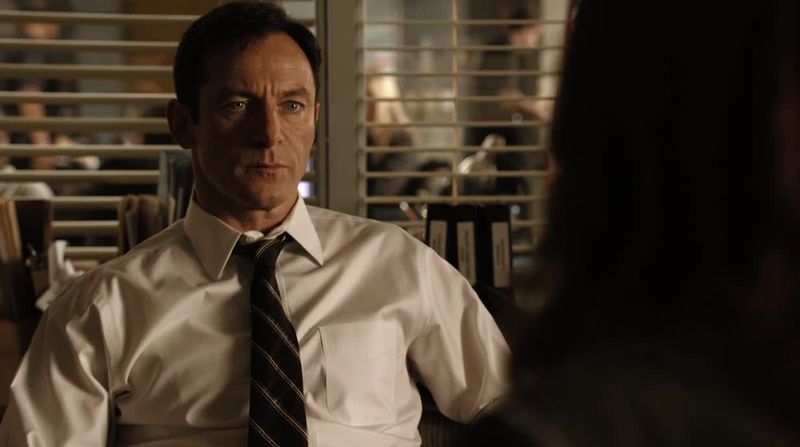
Some shows disappear so fast you barely have time to recommend them before they’re gone.
A single-season run can happen for all kinds of reasons—bad scheduling, the wrong network fit, messy marketing, or executives chasing the next shiny trend instead of nurturing what they already had.
Still, there’s a special sting when a series clearly has heart, a strong cast, and a premise with real staying power, only to get cut off just as it hits its stride.
The good news is that “canceled too soon” doesn’t always mean “forgotten.”
A lot of one-season shows build loyal followings, live on through streaming, and become the kind of hidden gem you love introducing to friends.
Here are 13 one-season series that deserved a second chance—and probably a whole lot more.
1. Freaks and Geeks (1999–2000)
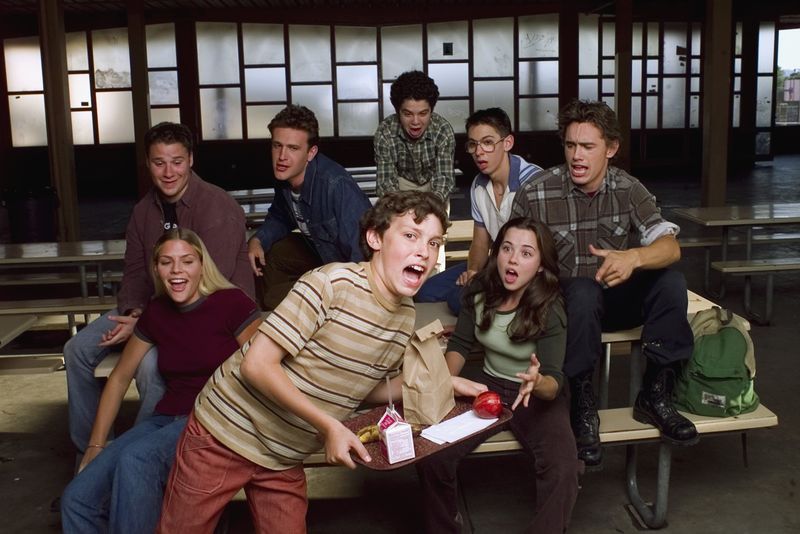
High school stories usually pick a lane—either glossy fantasy or nonstop humiliation—but this one felt like the real thing.
Set in a Michigan suburb in 1980, it followed Lindsay as she drifted from honors-student expectations toward a misfit crowd, while her younger brother Sam tried to survive the social ecosystem with his fellow “geeks.”
What made it special was the empathy baked into every scene, because nobody was treated like a punchline for long, even when they made messy choices.
The writing understood that adolescence is basically a series of awkward negotiations with identity, popularity, and family pressure.
It also launched an absurd number of future stars, which only makes its early exit feel more tragic.
The tone was warm, funny, and painfully honest, and it deserved years to grow.
2. Firefly (2002)
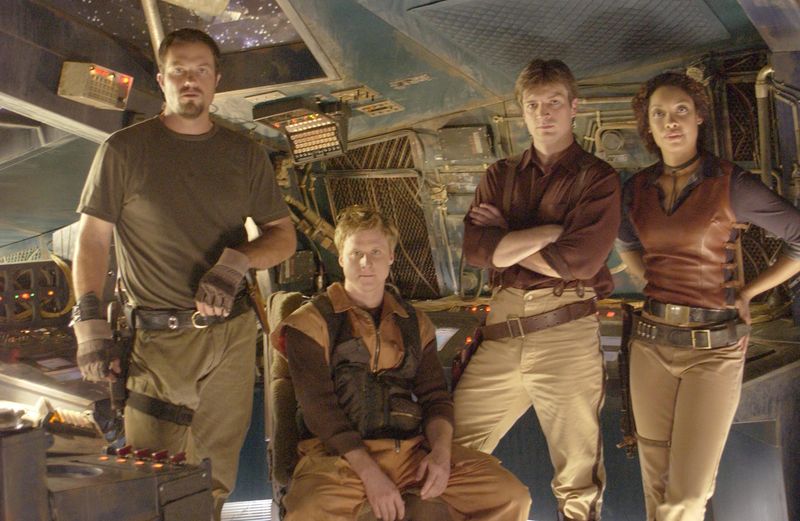
Space adventures can be loud and shiny, but this one won people over by feeling lived-in and surprisingly intimate.
The story followed Captain Malcolm Reynolds and his ragtag crew as they took sketchy jobs on the edges of a big authoritarian universe, trying to stay free while outrunning consequences.
Instead of leaning on aliens and spectacle, it focused on relationships: loyalty built through hardship, moral compromises made in cramped ship corridors, and the kind of found-family bond you don’t even realize you’re craving until it’s on-screen.
The dialogue had a sharp, playful rhythm, and each character brought a distinct energy that fit together like a messy puzzle.
Poor scheduling and network confusion didn’t help, but the bigger crime is that the show had a long runway of stories still waiting to be told.
3. My So-Called Life (1994–1995)
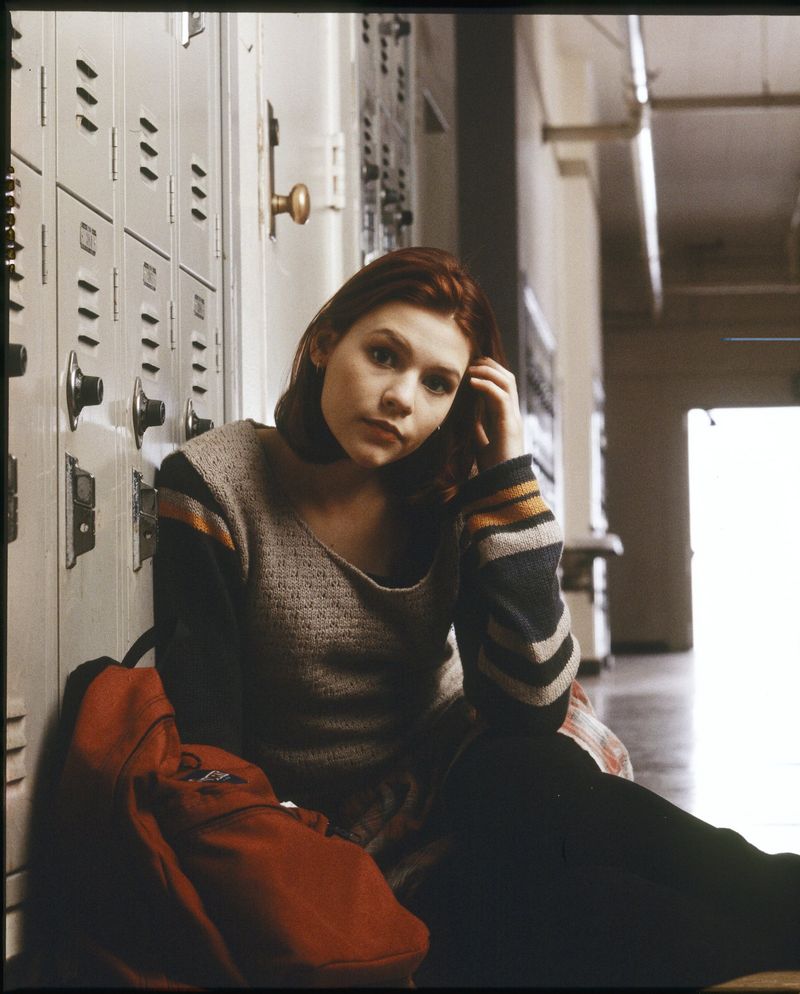
Teen drama often ages badly because it’s too performative, but this series still feels emotionally precise.
Centered on Angela Chase, it captured that in-between stage where you’re old enough to feel everything deeply, yet young enough to have no idea what to do with those feelings.
The show took crushes, friendships, family tension, and self-image seriously without turning them into melodrama, which is harder than it looks.
Scenes lingered in the awkward pauses and half-finished thoughts that make adolescence feel like living inside your own head.
It also didn’t sugarcoat how lonely it can be to change, especially when the people around you want the old version of you to stay put.
The performances were raw in the best way, and the writing made small moments feel huge, which is exactly why it deserved more time.
4. Terriers (2010)
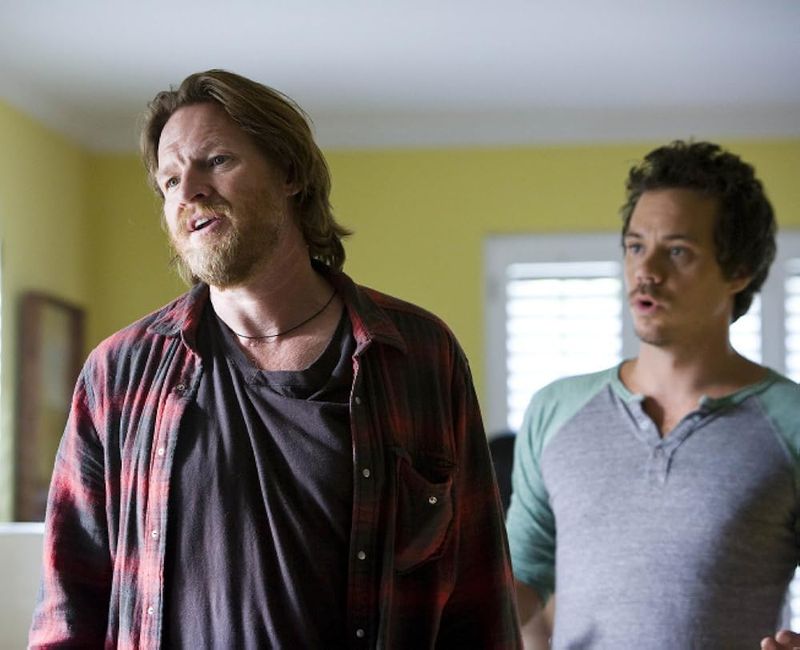
Crime shows usually rely on flashy twists, but this one excelled by making you care about the people doing the digging.
It followed Hank and Britt, two underdog private investigators in sunny California who rarely had enough money, stability, or emotional bandwidth to take on the messes they chased.
What started as low-level cases gradually revealed a bigger web of corruption, yet the heart of the series stayed rooted in friendship and the quiet ways men try, and often fail, to deal with regret.
The dialogue felt natural instead of “TV clever,” and the tone balanced humor with moral grit in a way that made the world believable.
It never talked down to the audience, and it trusted slow-building tension more than cheap cliffhangers.
Critics loved it, viewers who found it became loyal, and it still stings that the rest of the story never got to unfold.
5. Wonderfalls (2004)
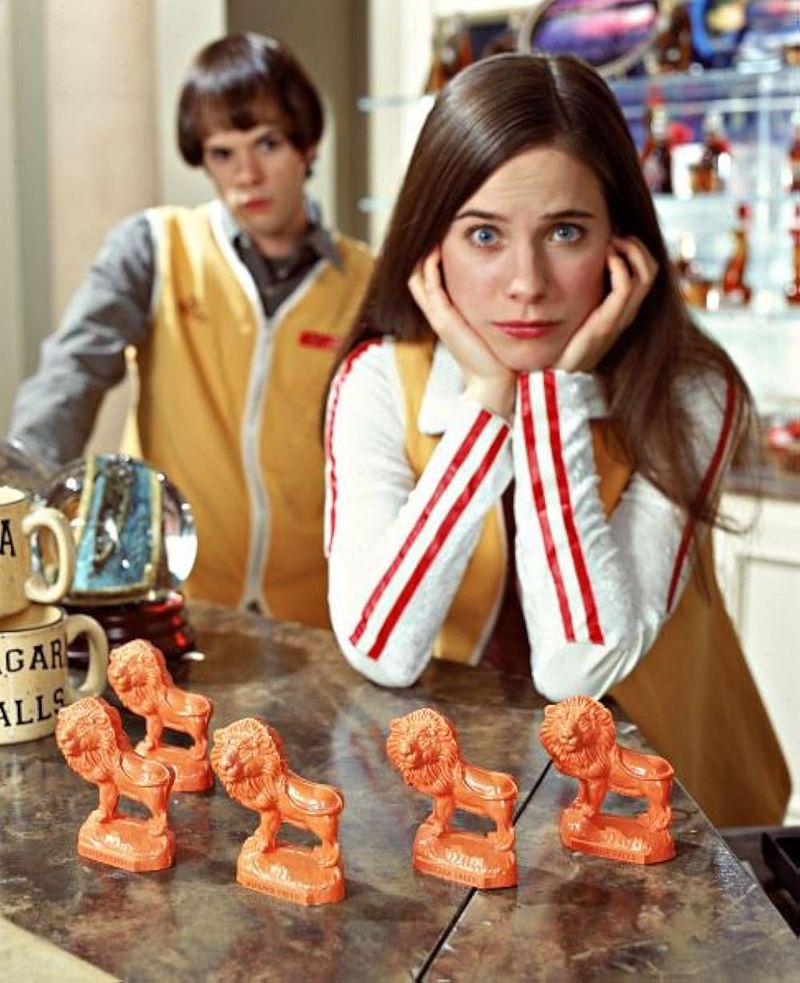
Quirky comedies can be charming for a few episodes and exhausting after that, but this one had a surprisingly steady emotional core.
The premise followed Jaye, a smart, cynical gift-shop clerk near Niagara Falls whose life gets upended when animal-shaped souvenirs start “talking” to her in cryptic messages.
The concept sounds silly, yet the show used it to explore something relatable: the discomfort of being nudged toward growth when you’ve built your identity around not caring.
Instead of turning Jaye into a bubbly heroine, it let her stay prickly and funny while still inching toward change.
The supporting cast added warmth without smoothing out the edges, and the writing kept the whimsy grounded in real consequences.
It was the kind of series that rewards patience and rewatching, which is probably why it struggled in the moment and later gained its cult reputation.
6. Awake (2012)
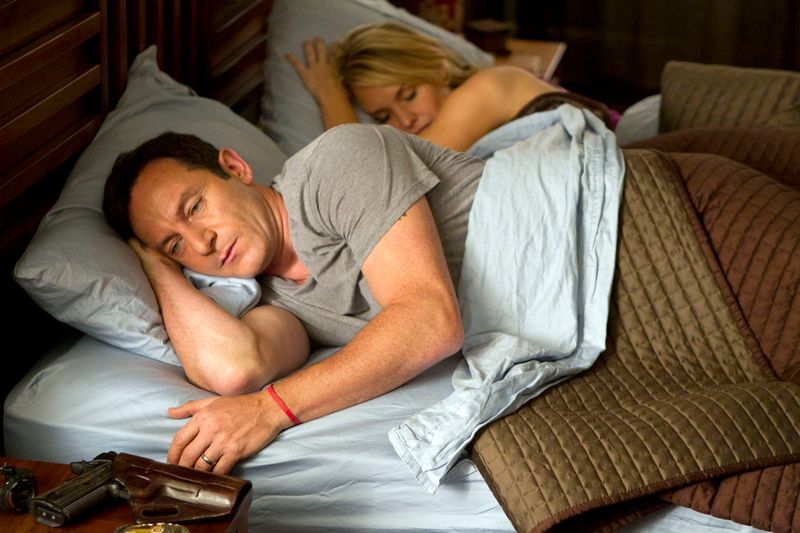
It’s rare for a high-concept drama to also feel emotionally grounded, but this one managed both.
The story revolved around a detective who survives a car crash and then begins living in two realities: in one, his wife is alive and his son died; in the other, his son is alive and his wife died.
Each time he falls asleep, he switches worlds, and both versions contain clues that help him solve cases.
What makes the premise hit hard is that neither reality is “better,” so he clings to both as a way to avoid fully grieving.
The show used procedural mysteries as a structure while quietly asking bigger questions about trauma and denial.
The lead performance sold the confusion and exhaustion without turning it into melodrama, and the writing kept viewers guessing without feeling gimmicky.
It was ambitious, smart, and absolutely deserved a longer run to explore its emotional payoff.
7. Selfie (2014)
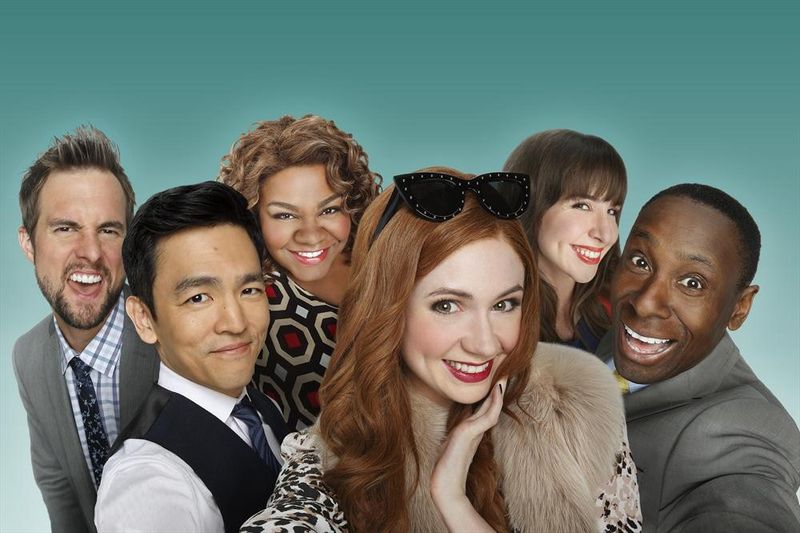
Modern rom-com TV often confuses “dating comedy” with endless cynicism, but this one had a sweeter, sharper take than it got credit for.
It centered on Eliza, a social-media-obsessed public relations woman who realizes her online popularity isn’t the same as real connection, so she recruits Henry, a socially awkward coworker, to help her learn how to actually talk to people.
The premise could have been shallow, yet the show used it to poke at performance culture, curated identities, and the loneliness that can hide behind constant posting.
What elevated it was the chemistry between the leads, because their dynamic felt like two very different kinds of insecure people learning how to be honest.
The humor had bite without being mean, and the character growth was gradual enough to feel earned.
If it had been given time, it could have turned into a modern comfort show with real rewatch value.
8. Almost Human (2013–2014)
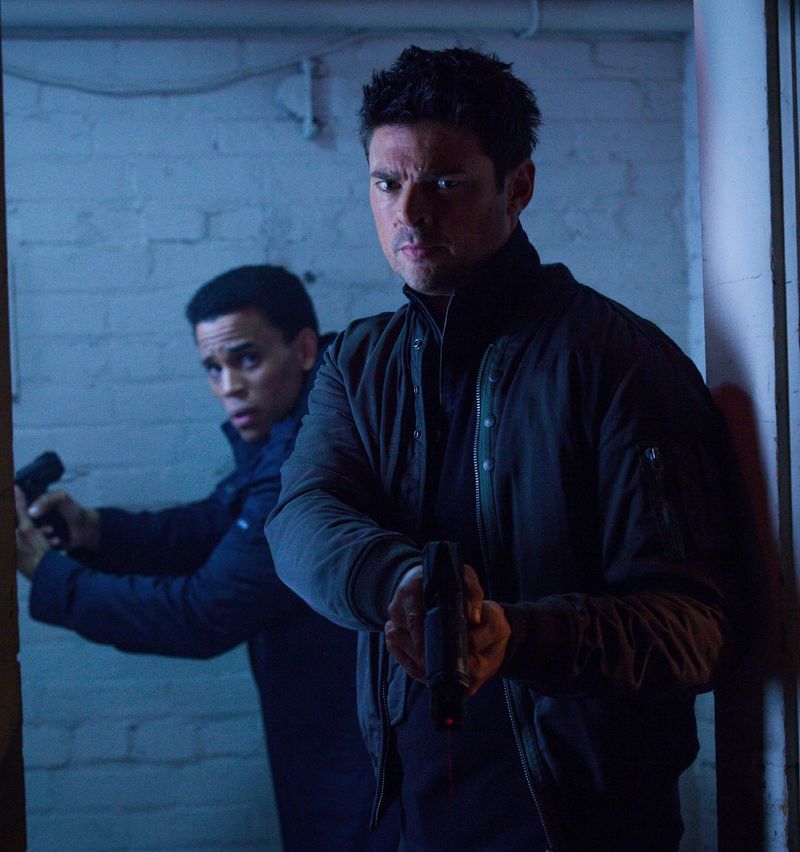
Future-set police shows usually lean either fully dystopian or fully shiny, but this one found a satisfying middle ground.
Set in 2048, it followed Detective John Kennex, a wounded, skeptical cop forced to partner with Dorian, an android with surprisingly human quirks.
The best part wasn’t just the gadgetry or the action, even though both were stylish, but the relationship at the center: a man who mistrusts systems learning to rely on a partner who’s literally built by one.
The show used weekly cases to explore issues like surveillance, inequality, and what counts as personhood, yet it never forgot the buddy-cop fun.
The lead actors played off each other in a way that made small scenes feel electric, and the world-building hinted at bigger stories that never got a chance to fully surface.
With better network patience, it could have become a long-running staple.
9. The Crazy Ones (2013–2014)
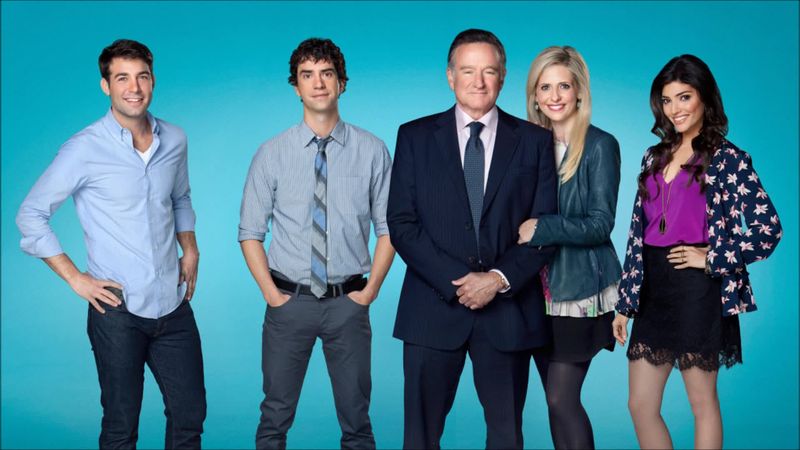
Some sitcoms try too hard to prove they’re “heartfelt,” but this one earned its warmth through a simple setup and a lot of charisma.
It took place inside an advertising agency where a larger-than-life creative director worked alongside his capable, grounded daughter, creating a funny push-pull between chaos and competence.
The humor leaned on fast banter and workplace absurdity, yet the emotional hook was the family dynamic, because the daughter wasn’t there to “fix” her dad so much as to build something with him.
That gives the show a surprisingly tender undercurrent beneath the jokes.
The ensemble cast added energy without overwhelming the central relationship, and the concept had plenty of room for growth, especially as the team navigated clients, egos, and shifting industry pressures.
With more time, it could have refined its rhythm and become a reliably cozy workplace comedy rather than a brief “what if” that ended too soon.
10. Bunheads (2012–2013)
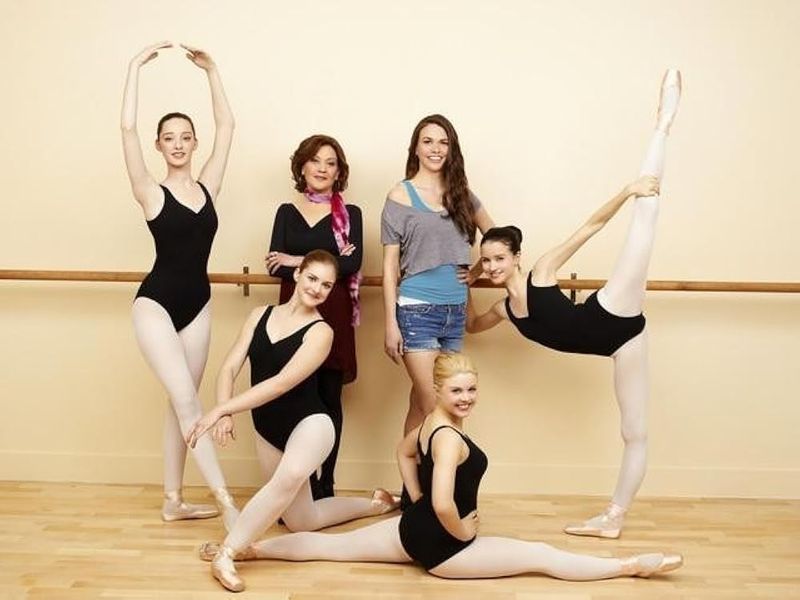
Small-town stories can feel repetitive, but this one stayed fresh by letting its characters surprise you.
The show followed Michelle, a Las Vegas dancer who impulsively marries a man and ends up living in a coastal California town, where she gets pulled into a local dance studio full of talented, intense teenagers.
It wasn’t just a “fish out of water” setup, because Michelle’s own history, grief, and restlessness made her both a mentor and a mess.
The writing excelled at long, layered conversations that sounded like real people thinking out loud, and the show treated teen girls as complex, funny, ambitious humans instead of stereotypes.
Dance was a huge part of the world, but you didn’t need to care about ballet to care about the characters.
It deserved multiple seasons to explore Michelle’s reinvention and the girls’ coming-of-age journeys without rushing any of it.
11. Forever (2014–2015)
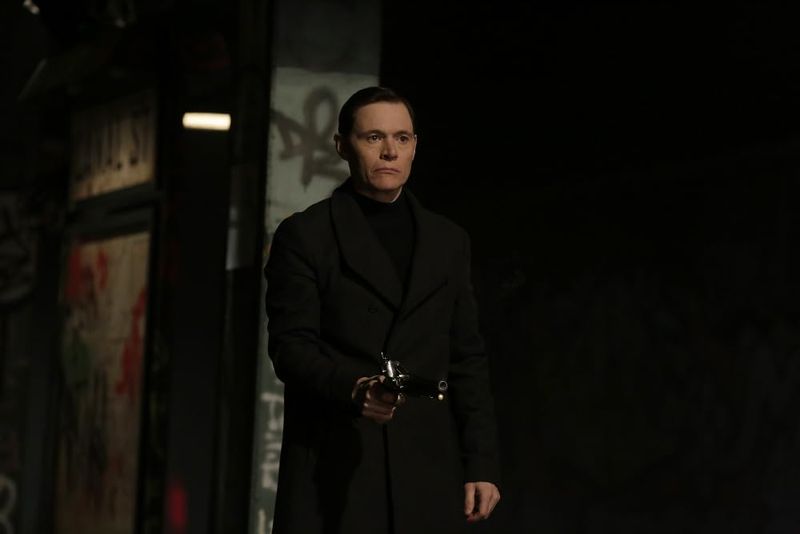
Immortality stories are usually built on big mythology dumps, but this one kept things elegant and character-driven.
It followed Henry Morgan, a medical examiner in New York who can’t die and has spent centuries watching the world change, all while searching for the reason behind his condition.
The hook worked because the show didn’t treat immortality like a superpower, since Henry’s endless life felt more like a burden—especially when he’s forced to repeatedly lose people he loves.
Weekly cases let the series play with history, morality, and the strange intimacy of working around death when you can’t join it.
The partnership with a detective added warmth and humor, and the show’s flashbacks gave it a romantic, haunting texture.
It also teased a larger mystery about another immortal, suggesting a long-term arc that never got to bloom.
With one more season, it could have settled into a beloved procedural with a soulful twist.
12. The Get Down (2016)
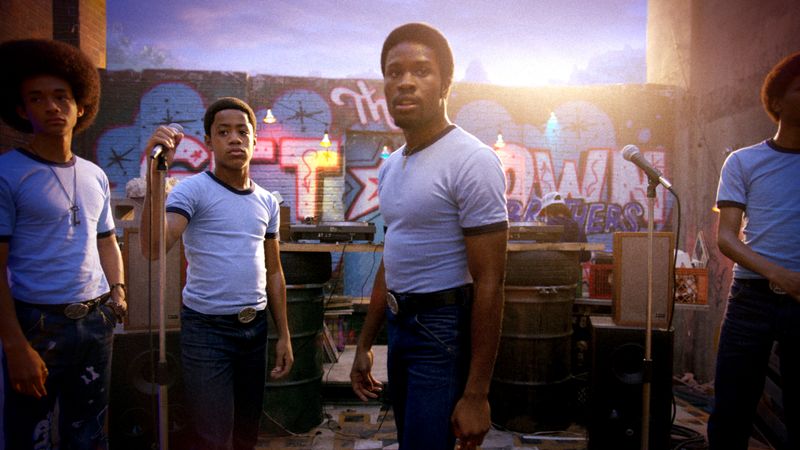
Stories about music often get sanitized, but this one leaned into the chaos and passion of its era.
Set in the South Bronx in the late 1970s, it followed teenagers discovering hip-hop, disco, and the culture that would reshape music forever.
The show wasn’t just about performances, because it also explored poverty, housing battles, gang pressure, ambition, and the way art can feel like both escape and survival.
Visually, it was bold and kinetic, and the soundtrack choices made scenes feel alive rather than nostalgic for nostalgia’s sake.
The cast brought sincerity to characters who could have easily been clichés, and the series captured that specific teenage hunger to be seen, heard, and remembered.
It was also expensive, which didn’t help its odds, but the real loss is that it had a huge canvas and barely got to paint half of it.
A longer run could have traced the evolution of a whole movement with the depth it deserved.
13. Undeclared (2001–2002)
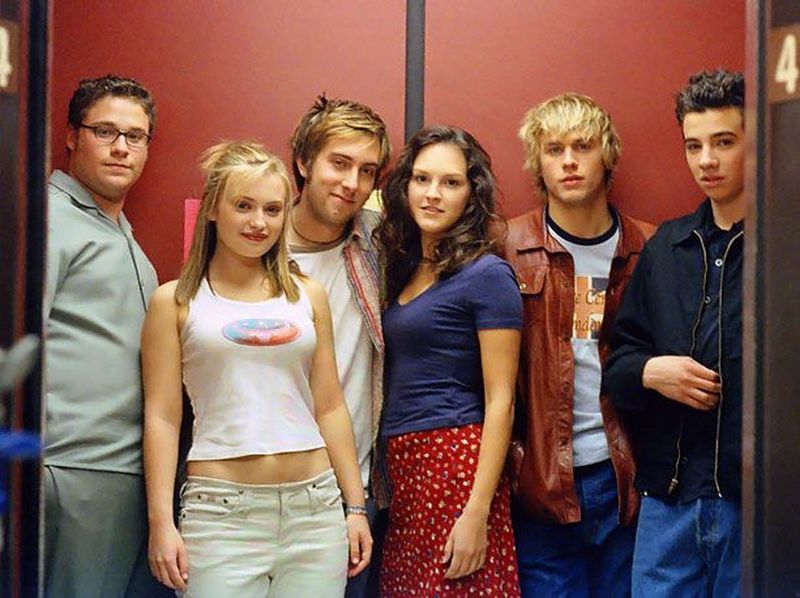
College sitcoms usually revolve around wild parties and broad caricatures, but this one nailed the quieter anxiety of starting over.
It focused on Steven, a freshman trying to build a new identity while dealing with roommates, first romances, and the constant fear that everyone else has college figured out faster than you do.
The humor came from painfully relatable moments—overthinking social cues, misreading signals, clinging to old habits—rather than forced sitcom antics.
What made it stand out was how gently it treated its characters, because even when someone made a cringey mistake, the show didn’t punish them with cruelty.
It also captured that awkward transition where you’re technically an adult, yet still emotionally a work in progress.
The ensemble had great chemistry, and the series felt like it was just starting to find its long-term groove when it ended.
If it had gotten another season, it could have become a defining comfort watch for anyone who remembers how weird freshman year really was.
Comments
Loading…