
 Isabel Parker
12 Financial Red Flags That Scream You’re Living Beyond Your Means

It is easy to assume you are doing “fine” as long as the bills get paid and you can still treat yourself now and then, but living beyond your means usually shows up in quieter ways long before everything falls apart.
The warning signs often look normal at first: a little balance carried on a card, a few payment plans, a habit of pushing one bill to the next paycheck and promising you will catch up soon.
The problem is that these patterns slowly shrink your financial breathing room until a single surprise expense feels like a crisis.
If any of the red flags below sound familiar, do not panic, but do take them seriously.
Recognizing the pattern is the first step toward making changes that actually stick and give you back control.
1. You regularly carry a credit card balance (and it keeps growing)

Watching a balance follow you from month to month is one of the clearest signals that your spending is outpacing your income.
Interest turns everyday purchases into something far more expensive, and that extra cost makes it harder to get ahead the next month, even if you swear you will “do better.”
A growing balance usually means you are not using credit as a tool for convenience, but as a tool for survival or for maintaining a lifestyle your paycheck cannot fully cover.
Over time, the minimum payment starts to feel normal, and the idea of paying the card off feels unrealistic.
This is how people end up working hard yet feeling permanently behind, because their money is partly going to the past instead of the present.
2. Your “minimum payment” has become your default plan
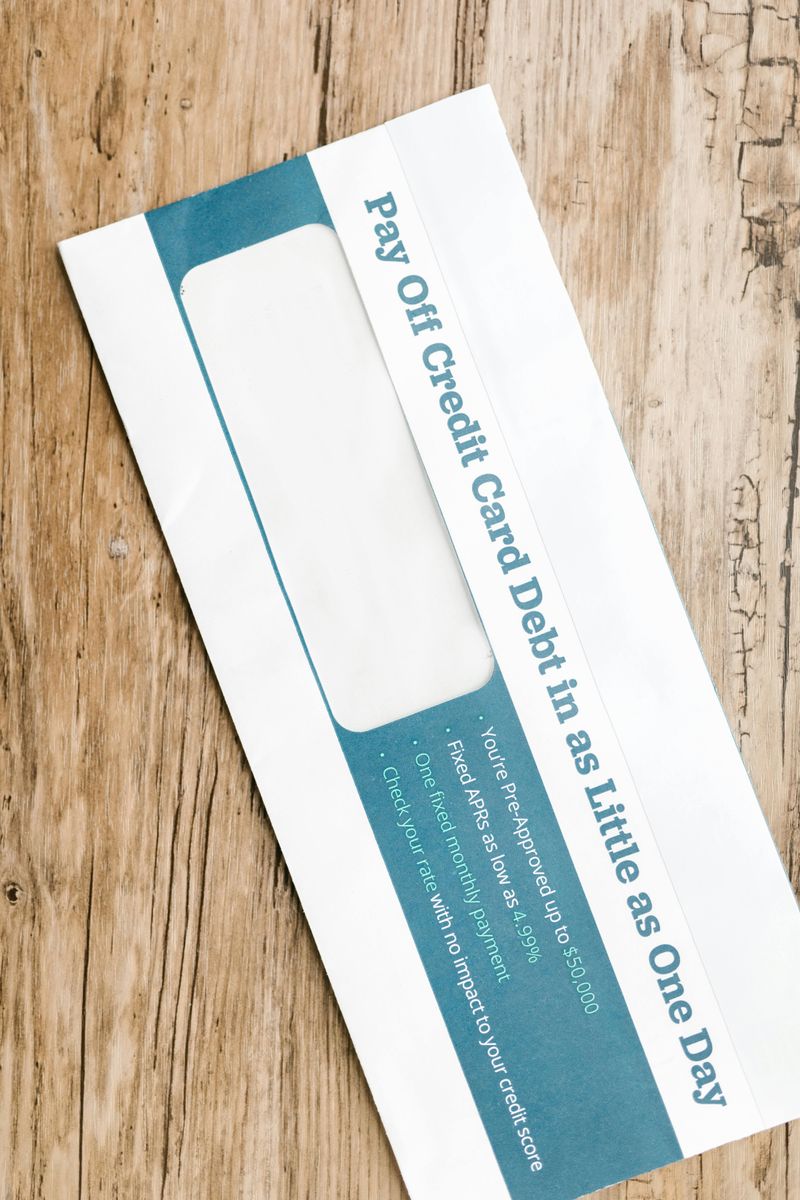
When the minimum payment is the only amount you can manage, it usually means your budget has no space left in it.
Paying the minimum might keep your account current, but it also stretches repayment across years and funnels a surprising amount of money into interest.
The trap is psychological as much as financial, because it encourages you to treat debt like a subscription rather than a temporary setback.
If you cannot afford to pay more than the minimum, there is a good chance your monthly spending is already too high, or your income is not covering the essentials the way it should.
This pattern also makes emergencies worse, because any unexpected cost gets added to an already heavy debt load.
3. You use Buy Now, Pay Later for basics

Splitting a purchase into smaller payments can feel like a smart hack, but it becomes a serious red flag when it is used for everyday needs.
When groceries, gas, toiletries, or utility bills are being financed, it suggests your current cash flow is not enough to support your normal life.
The danger is that BNPL can create the illusion of affordability while quietly stacking multiple commitments into the same future paychecks.
Instead of having one payment due, you might have four or five, all competing with rent, car costs, and the rest of your bills.
Even when there is no interest, the pressure builds because you are spending tomorrow’s money today.
That cycle can make it harder to catch up, not easier.
4. You’re constantly “floating” bills to the next paycheck
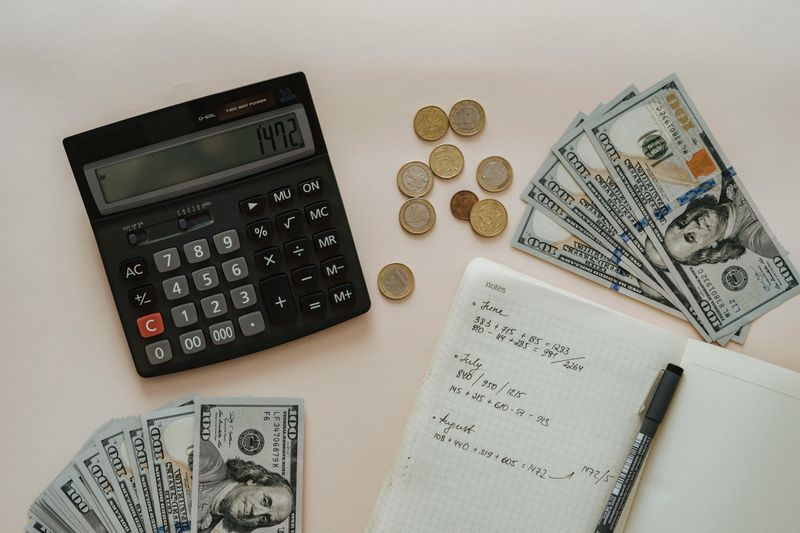
If you are always timing payments around your next deposit, it is a sign your finances have lost their cushion.
This often starts innocently, with one bill that gets pushed a few days because you are short, but it can quickly become a monthly juggling act where you decide what gets paid first and what has to wait.
The stressful part is that it becomes a repeating loop, because the next paycheck is already partially claimed by last paycheck’s bills.
In this situation, you are not truly keeping up, even if you avoid late fees most of the time.
You are just moving pressure around the calendar.
The longer it goes on, the more vulnerable you become, because any small surprise can knock the whole system off balance.
5. Overdrafts and late fees show up more than once in a while

Fees are not just annoying, they are expensive proof that your money is stretched too thin.
An occasional overdraft or late payment can happen to anyone, but when it becomes a repeating pattern, it usually points to a budget that is too tight, inconsistent tracking, or spending that is not aligned with your priorities.
What makes it worse is that fees create a “penalty spiral,” because they take money you needed for something else and push you further behind.
A $35 overdraft can turn into another overdraft if it causes the next transaction to bounce, and late fees can trigger higher interest rates on credit cards.
If you keep seeing these charges, the issue is not bad luck.
It is a sign that your financial system needs adjusting.
6. You don’t know how much money you actually have after bills

A lot of people feel like they are doing okay because they pay the essentials, but they still have no idea what is truly “safe” to spend afterward.
When you do not know what is left after rent or mortgage, utilities, debt payments, transportation, and groceries, you are more likely to overspend without realizing it.
That is how a few small purchases become a problem, because the money was never actually available in the first place.
This red flag often shows up as confusion: you feel like you did not buy anything major, yet you are still short.
The fix is not complicated, but it does require clarity.
Until you can confidently name your leftover amount, your spending decisions are based on hope, not reality.
7. Your emergency fund is empty (or you have none)

Life rarely cooperates with a perfect budget, which is why a lack of emergency savings is such a loud warning sign.
When you have no cushion, every unexpected expense becomes a potential financial emergency, whether it is a car repair, a medical bill, or a sudden travel cost for a family situation.
Without savings, the only options are usually credit cards, payment plans, or borrowing from someone else, and that creates a cycle where problems pile up.
It also adds emotional stress, because you start living in a constant state of “what if,” knowing that one surprise could wreck your month.
Even a small emergency fund changes that feeling, because it gives you options.
If yours is empty, it is a sign your spending is leaving no room for real-life unpredictability.
8. You’re using savings to cover normal monthly expenses

Pulling from savings once in a rare emergency is one thing, but dipping into it to cover regular bills is a strong signal that your lifestyle costs more than your income.
The reason it feels manageable at first is because savings creates an illusion of stability, almost like your account is “helping” you through a tight season.
The truth is that savings is not income, and using it to cover basics quietly moves you toward a point where there is nothing left to lean on.
Once savings is drained, you either have to dramatically cut spending or replace the gap with debt.
This red flag can also hide the real problem, because you might feel like you are staying afloat, even as your future safety net is disappearing in the background.
9. Your lifestyle “upgrades” happened fast—without income to match

It is normal to want nicer things, and it is also normal for your spending to change over time, but rapid upgrades can become dangerous when your paycheck did not grow alongside them.
A more expensive apartment, a higher car payment, more frequent dining out, and subscription creep can add up faster than you expect, especially when each upgrade feels “small” on its own.
The problem is that fixed costs are hard to undo once you commit, and they limit your ability to handle surprise expenses or savings goals.
This is how people end up with a life that looks successful on the outside while feeling fragile on the inside.
If your income stayed the same but your monthly commitments climbed, you are likely living on the edge of your means.
10. You’re avoiding checking your bank account

Feeling anxious about looking at your balance is often a sign you already suspect something is off.
Avoidance might protect your mood for the moment, but it also leads to decisions based on assumptions, which usually makes the situation worse.
When you do not check, you are more likely to swipe your card without realizing a bill already cleared, or you might spend money that is needed for something due in a few days.
This red flag also tends to show up alongside impulsive spending, because it is easier to rationalize purchases when you are not looking at the actual numbers.
The longer you avoid your account, the more mysterious your finances feel, and the more control you lose.
Even a simple habit of checking daily can reduce stress and prevent costly mistakes.
11. You’re borrowing from friends/family (or asking for “small favors”) often

Needing occasional help does not make you irresponsible, but frequent borrowing is a sign that your budget is running a deficit.
Sometimes it looks like small requests, such as asking someone to cover dinner, floating you gas money, or lending you cash until payday, but those “little” gaps point to a bigger mismatch.
Relying on people to bridge your monthly shortfall can also strain relationships, because money changes dynamics even when everyone is trying to be kind.
It can create guilt on your side and resentment on theirs, especially if repayment is delayed.
This pattern also hides the real issue, because it keeps you from fully feeling the impact of overspending.
If you find yourself borrowing regularly, your financial plan needs a reset, not another temporary patch.
12. You can’t afford a $500–$1,000 surprise without going into debt

A single unexpected expense can reveal whether your lifestyle is sustainable or stretched too far.
If a moderate emergency automatically means putting it on a credit card, opening a payment plan, or borrowing money, it suggests that your monthly spending leaves no room for real life.
This is a red flag because surprises are not rare; they are part of adulthood, and they tend to arrive back-to-back.
When your finances cannot absorb even a manageable hit, you are more likely to fall into debt repeatedly, even if you are earning a decent income.
The good news is that this is fixable with time, because building a buffer does not require perfection, only consistency.
Still, if $500 feels impossible without borrowing, your current spending level is likely too high for your income.
Comments
Loading…