
 Chloe Peterson
12 Famous Actors Who Rejected Roles That Were Too Woke for Them
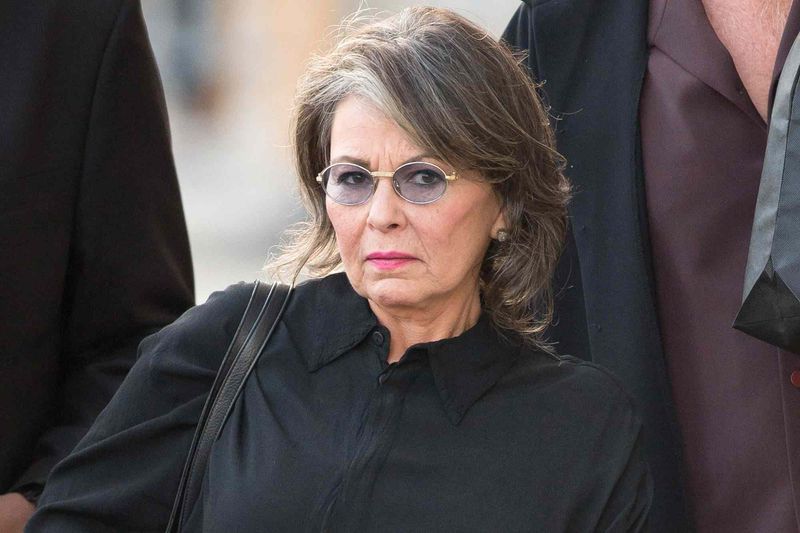
Hollywood loves a headline, and few buzzwords have traveled faster in recent years than “woke.”
For some actors, it’s shorthand for stories that feel more like lectures than entertainment, where messaging seems to outrun character, tension, or humor.
Whether you agree with them or not, a handful of stars have openly complained about modern scripts being overly politically correct, overly cautious, or built around checking boxes instead of telling a compelling story.
In some cases, they’ve even suggested they’ve passed on work—either because the material clashed with their personal beliefs or because they felt the writing was trying too hard to make a point.
Below are 12 actors whose public comments, career choices, and controversies have fueled that perception, along with the context behind why certain roles or projects may have been a no-go.
1. Clint Eastwood
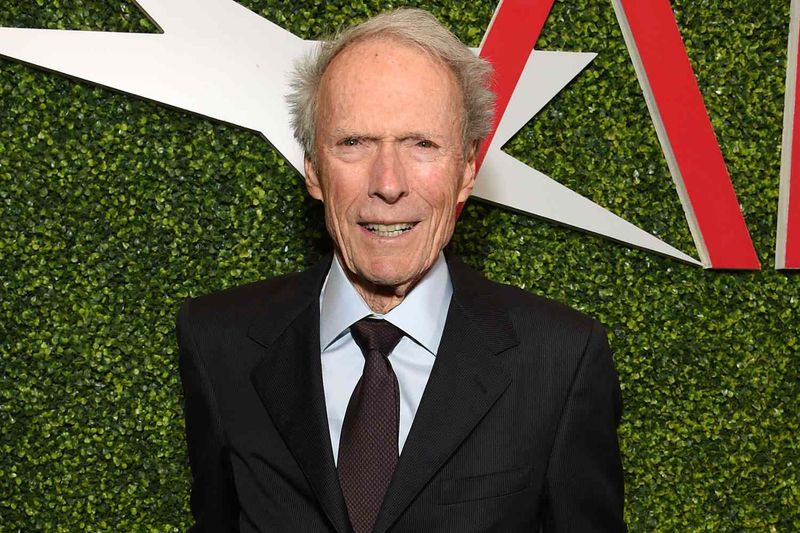
Few filmmakers have been as blunt about modern sensitivities as the longtime actor-director who built his brand on tough, unsentimental storytelling.
Over the years, he has criticized what he sees as Hollywood’s creeping fear of offending anyone, arguing that audiences can handle complicated characters without being spoon-fed morals.
That attitude naturally affects what he’s willing to take on, because he tends to gravitate toward scripts that let scenes breathe instead of stopping to underline the “correct” viewpoint.
When a screenplay feels designed to please a social-media jury rather than serve the story, it’s easy to imagine why he would lose interest quickly.
His public stance has made him a symbol, fairly or not, of the old-school approach: entertain first, preach never, and let viewers decide what to think.
2. Tim Allen
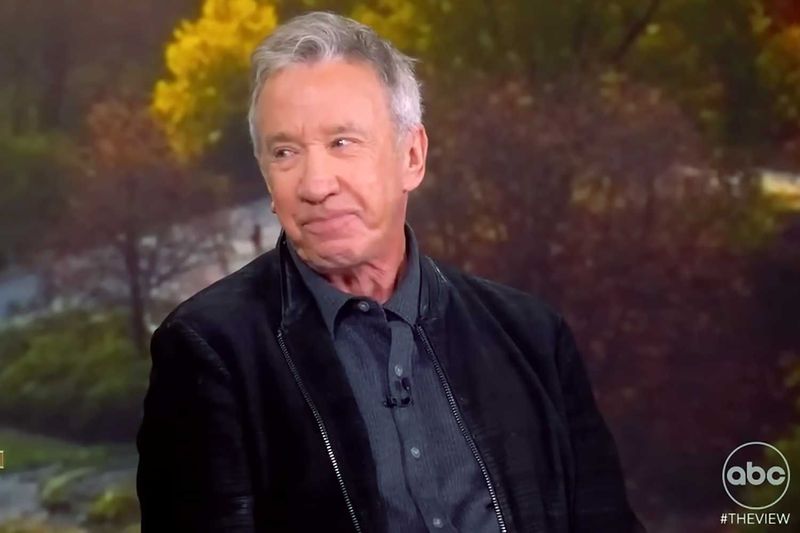
Comedy works best when it feels fearless, and that’s exactly where this sitcom staple has drawn a line in recent years.
He has talked publicly about feeling out of place in an industry he believes leans strongly in one political direction, and he’s implied that some projects now come with expectations about what jokes are allowed and which opinions must be punished.
That kind of climate can make a script feel less like a creative playground and more like a list of restrictions, which is the opposite of what many comedians enjoy.
In interviews, he has framed his choices as self-protection as much as principle, because signing onto the wrong thing can invite backlash that overshadows the work itself.
For him, the “too woke” complaint often translates into “not funny anymore.”
3. Jon Voight
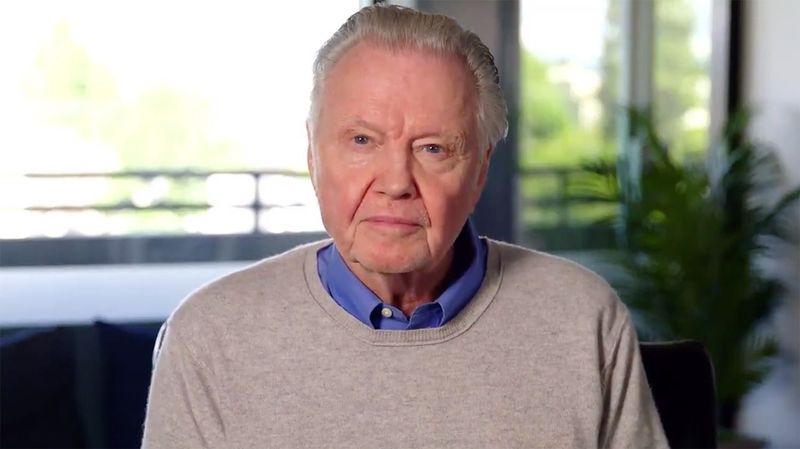
Political commentary has become part of this actor’s public identity, and that alone shapes how people interpret the roles he accepts or avoids.
He has spoken frequently about what he considers ideological pressure in entertainment, describing a culture where certain viewpoints dominate while others are treated as unacceptable.
When an actor feels that a script is built to steer the audience toward a predetermined moral conclusion, turning it down can seem like the only way to maintain personal integrity.
Even without a single famous “I refused this exact role” moment, his outspoken stance has made him associated with resisting Hollywood trends he labels as overly progressive.
The bigger point for an article like this is that his public statements signal a clear preference: projects that tell human stories rather than serve as political vehicles.
4. Denzel Washington
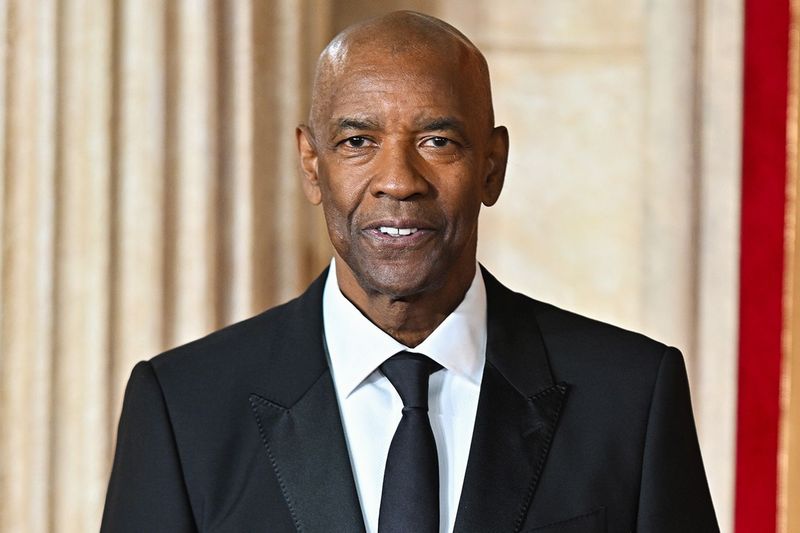
A reputation for thoughtful, character-driven choices doesn’t happen by accident, and this performer has often spoken about staying grounded when the industry gets noisy.
He has criticized the way public outrage cycles can pressure artists, and he’s suggested that real craft can get lost when storytelling becomes a battleground for culture-war points.
That mindset doesn’t require him to announce every script he rejects, because his career already shows a consistent pattern of prioritizing substance, complexity, and emotional truth over trendy messaging.
When dialogue feels like it was written to win applause from a particular crowd instead of revealing a believable person, a serious actor is likely to walk away.
In his case, the “too woke” conversation fits best as a broader theme: avoiding roles that feel manufactured, moralizing, or designed for controversy rather than timeless impact.
5. Mel Gibson
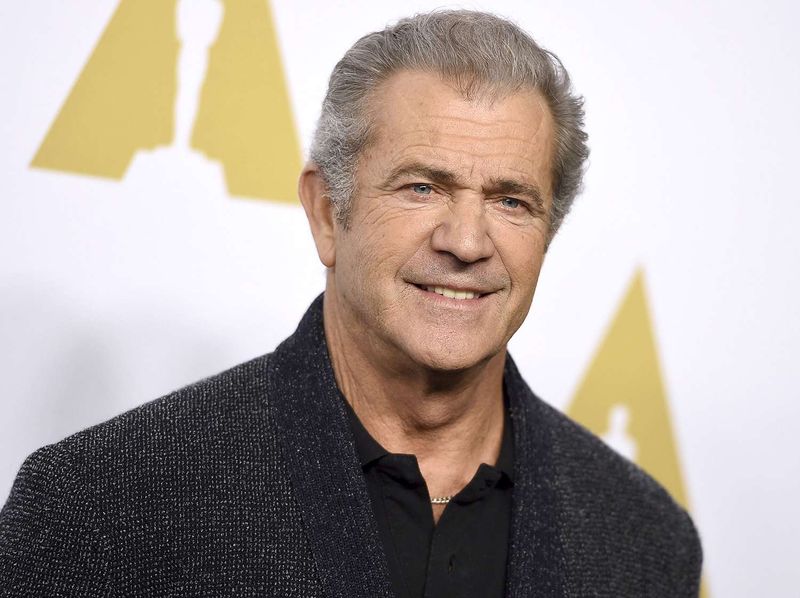
Controversy has followed this actor-director for years, and that history has influenced both his opportunities and his willingness to participate in certain kinds of projects.
He has been linked to the idea that Hollywood can be punitive toward people who don’t align with its dominant values, and supporters often argue that he’s been shut out as much as he’s opted out.
In that context, passing on a script can be about more than taste; it can be about avoiding another public fight over what a film “stands for.”
His body of work suggests a preference for intense, raw stories that aren’t polished to satisfy modern sensitivities, and that naturally clashes with scripts that feel carefully engineered to signal virtue.
Even when details aren’t public, the narrative persists: he’s not interested in material that feels like messaging with a plot attached.
6. Michael Caine
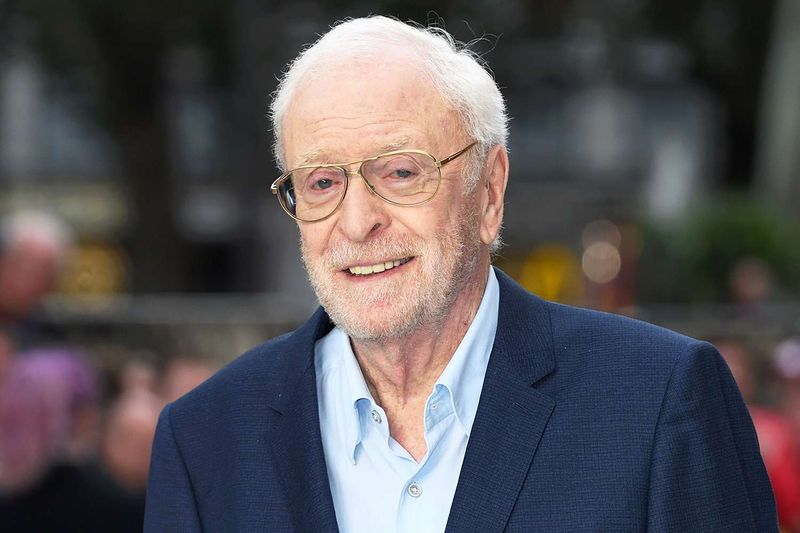
A lifetime in film gives someone a wide-angle view, and this legend has been candid about how the industry’s priorities can shift.
He has expressed frustration with storytelling choices that seem driven by trends rather than truth, and he has implied that some modern scripts feel more concerned with being “correct” than being convincing.
That doesn’t mean he’s against progress, but it does suggest he values authenticity over checklists.
When characters are written as symbols instead of people, the emotional core gets weaker, and experienced actors tend to notice immediately.
In interviews, he’s often emphasized craftsmanship—structure, dialogue, and believable motivation—so a screenplay that bends logic to make a social point would be an easy pass.
His perspective makes a useful entry on this list because it frames “too woke” as a writing problem, not just a political complaint.
7. James Woods
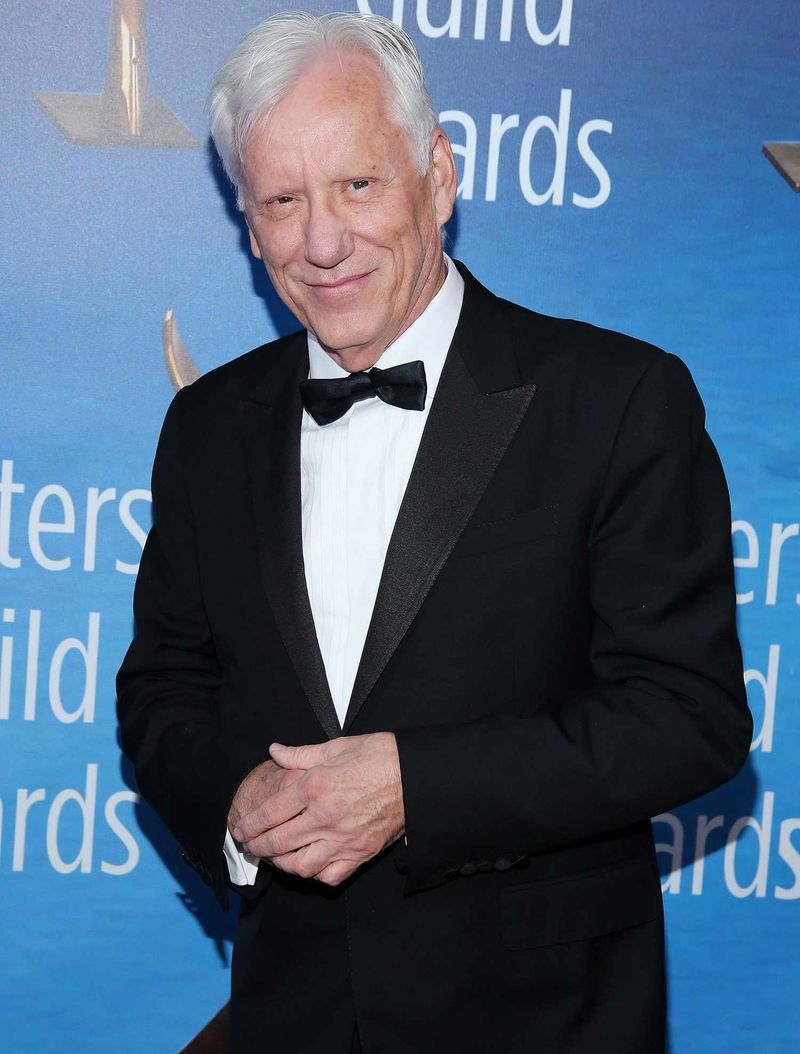
Industry conflict is practically part of this actor’s story, because he has repeatedly claimed that his political views harmed his career prospects.
He has been outspoken about what he sees as ideological conformity in Hollywood, and he has suggested that certain roles or projects became inaccessible once he was labeled as politically controversial.
In that climate, refusal can be strategic as much as moral, since taking part in a project that feels agenda-heavy might invite criticism from both sides.
He has painted modern entertainment as a space where scripts are shaped by activism and social pressure rather than artistic freedom, and he positions himself as unwilling to play along.
Whether you interpret his situation as personal consequence or industry bias, the public takeaway is the same: he has aligned himself with rejecting projects he believes exist to push a fashionable message instead of telling a sharp, human story.
8. Kirk Cameron
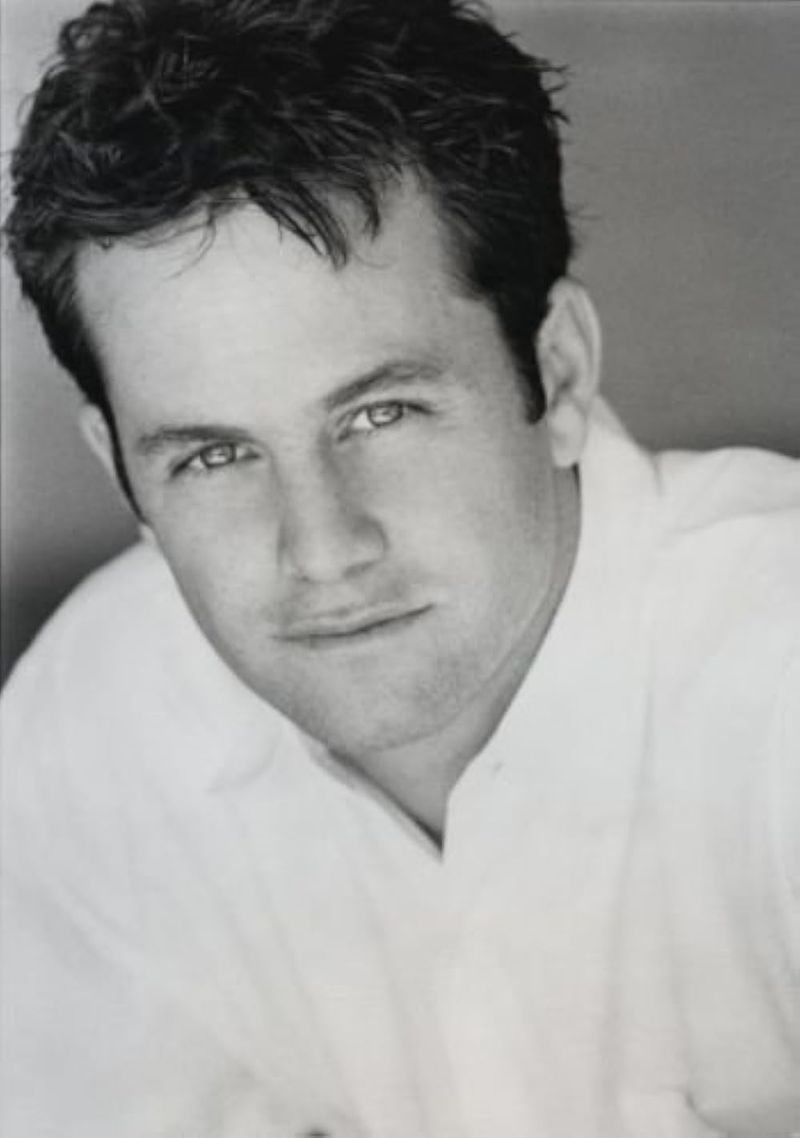
Faith-based convictions have guided this actor’s career for years, and that makes his relationship with mainstream scripts very different from many of his peers.
He has spoken openly about choosing projects that align with his values, which naturally means declining roles that would require him to endorse themes he disagrees with.
In the modern “woke” debate, that often translates into avoiding stories that feel like they redefine family, identity, or morality in ways he doesn’t support.
Even without a dramatic headline about a single refused blockbuster, his overall pattern is consistent: he prioritizes alignment over opportunity.
That can be framed as principled, limiting, or both, depending on the reader.
For article purposes, his section works because it shows a clear reason some actors walk away from scripts: they see the message as inseparable from the job, and they won’t sign up for a message they can’t stand behind.
9. Kevin Sorbo
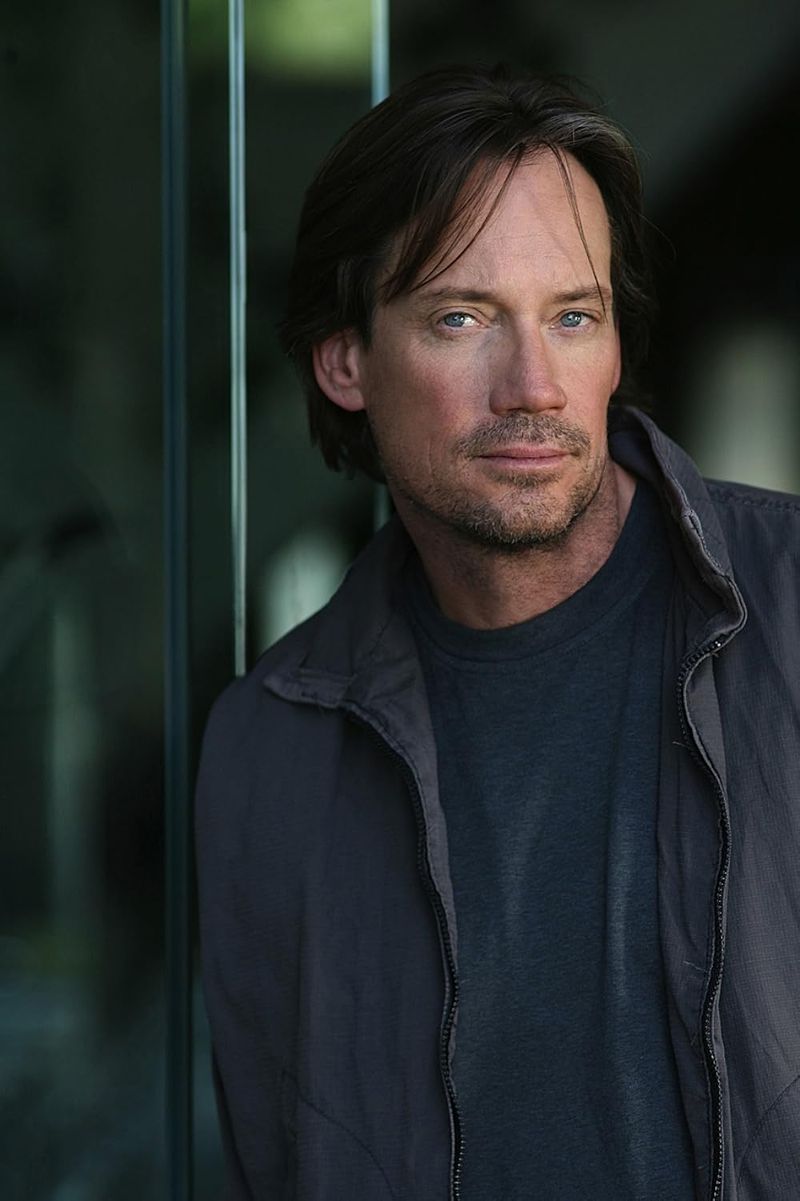
Career reinvention can come from many places, and this actor has leaned hard into commentary about Hollywood’s political culture.
He has repeatedly described the industry as hostile to people who don’t embrace progressive norms, and he has said he prefers projects that don’t feel like ideological instruction manuals.
In his telling, turning down certain scripts is less about being difficult and more about refusing to participate in what he views as propaganda, especially when characters are written to shame or “correct” audiences rather than entertain them.
He has also framed his choices as part of why his career shifted toward independent productions, where creators can take bigger risks without corporate messaging guidelines.
Even if specific rejected roles aren’t always named, his public statements make him one of the clearest examples of the “too woke” complaint.
With him, the refusal is the brand.
10. Matthew McConaughey
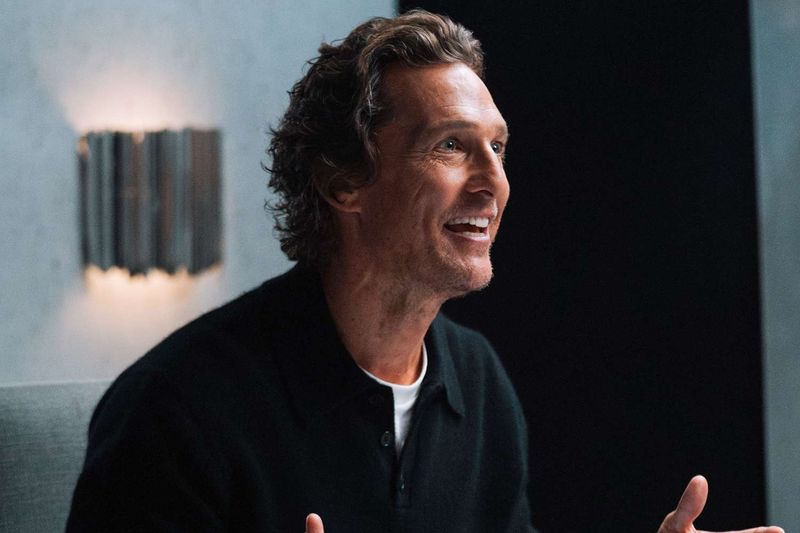
Nuance matters, and this star tends to speak in a way that frustrates people who want a simple team jersey.
He has criticized extreme polarization and warned against reducing every conversation to politics, which connects to the “woke script” debate in an indirect but meaningful way.
When a screenplay feels like it exists to scold one side and praise the other, it can come across as shallow, even if its intentions are good.
He has built his best performances around flawed, complicated humans, and that kind of work doesn’t thrive in a world where characters are forced into clean moral categories.
In interviews, he has suggested that people should be allowed to disagree without being demonized, and that sensibility fits with avoiding projects that feel like ideological weapons.
For your article, the angle isn’t “he hates woke,” but “he avoids agenda-first storytelling.”
11. Roseanne Barr
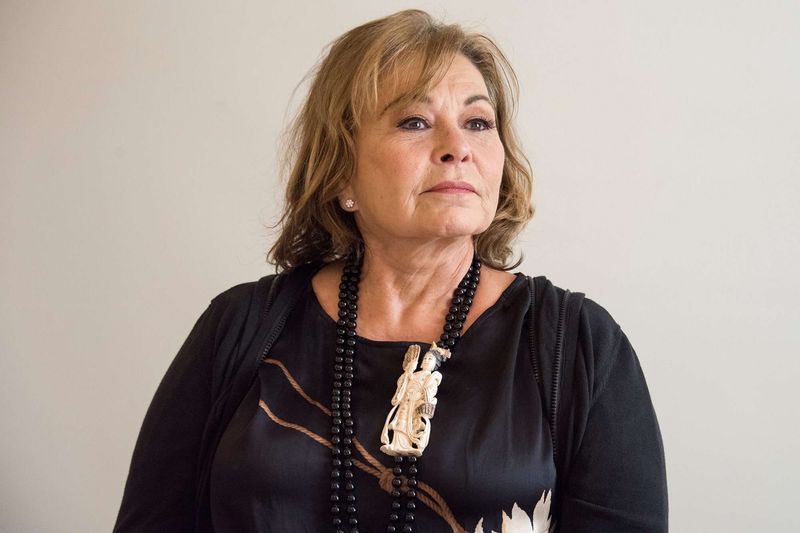
Few comedians have had their career and public persona collide so loudly, and her story is inseparable from the wider argument about what modern entertainment allows.
She has criticized what she sees as ideological policing in comedy and has claimed that Hollywood pressures creators to adopt certain political positions.
From her point of view, scripts can become “too woke” when they replace punchlines with sermons and treat disagreement as moral failure.
She has also framed some of her professional conflicts as a refusal to conform, which is why her name often appears in conversations about artists being punished for stepping out of line.
When it comes to turning down projects, her public posture suggests she’s unlikely to join anything that requires her to soften her views or apologize for her comedic instincts.
In other words, for her, refusing can be as much about control as content.
12. Sylvester Stallone
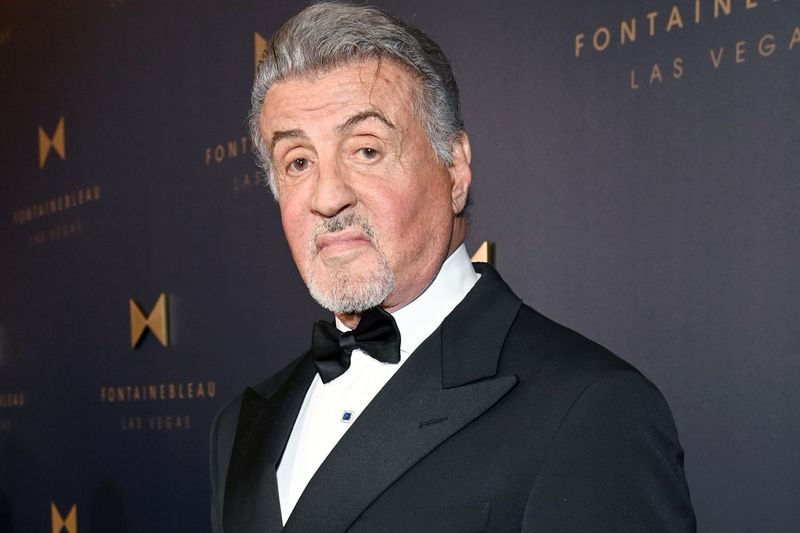
An old-school action icon doesn’t become a pop-culture symbol without developing strong opinions about what audiences want.
He has criticized parts of modern Hollywood culture and often speaks about entertainment as an escape, not a classroom.
That philosophy can clash with scripts that feel like they’re built around the “right” messaging rather than suspense, humor, or heart.
While he doesn’t typically frame his choices in ideological language the way some others do, his comments about keeping storytelling universal make him easy to connect to this trend.
When studios chase cultural approval, they sometimes sand down rough edges and make characters safer, and that’s exactly the opposite of what his brand represents.
In an article like this, the best angle is how his preference for straightforward, emotional, crowd-pleasing narratives naturally keeps him away from projects that feel overly self-conscious or politically performative.
Comments
Loading…