
 Hailey Watson
12 Must-Watch K-Dramas From the Golden Era of the 2000s
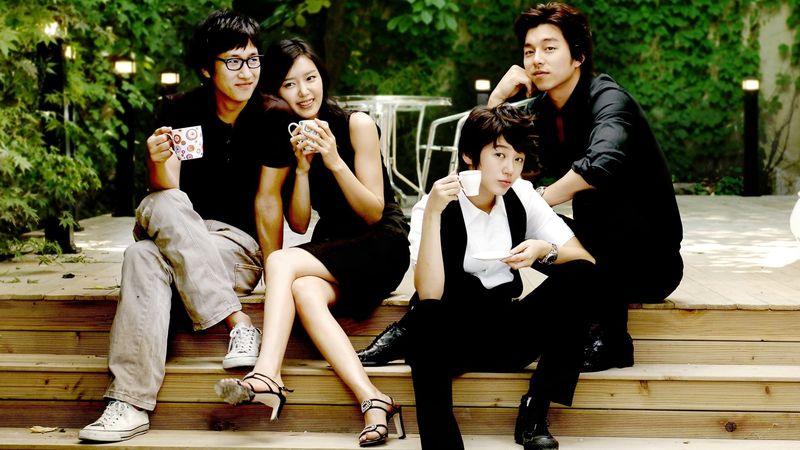
The 2000s marked a turning point for Korean television, giving birth to unforgettable stories that shaped what we now know as the Hallyu wave.
From sweeping historical epics to heartwarming romantic comedies, this decade delivered dramas that made audiences laugh, cry, and fall deeply in love with Korean storytelling.
These shows introduced iconic characters, launched global stars, and set the standard for everything that came after.
1. Winter Sonata (2002)
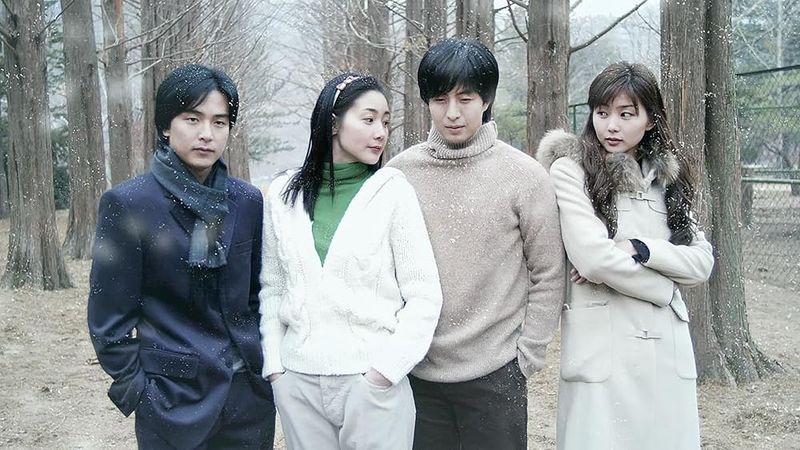
Snowflakes falling on quiet streets, two people reuniting after years apart—this drama practically invented the aesthetic of wistful romance.
Winter Sonata became a cultural phenomenon across Asia, introducing millions to K-dramas through its story of lost memories and second chances.
Bae Yong-joon became an overnight sensation, especially in Japan, where fans nicknamed him “Yon-sama.”
The plot revolves around a tragic love triangle complicated by amnesia, fate, and heartbreak.
While some tropes may feel familiar now, this show established many of them.
Its snowy landscapes and emotional soundtrack created an atmosphere that still resonates with fans today, making it essential viewing for anyone curious about where Hallyu truly began.
2. Dae Jang Geum (Jewel in the Palace) (2003–2004)
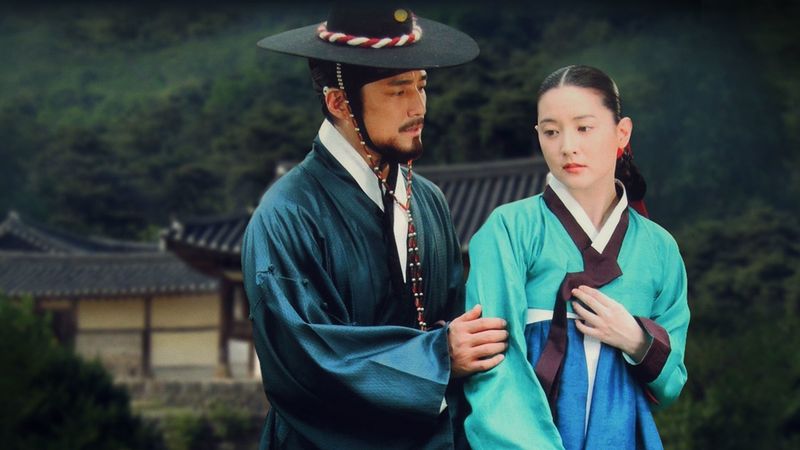
Imagine rising from kitchen servant to royal physician in a world where women had almost no power.
That’s exactly what Jang Geum accomplishes in this sweeping historical epic.
Set during Korea’s Joseon Dynasty, the series follows her incredible journey through palace intrigue, jealousy, and determination.
Her passion for cooking and medicine drives the story forward with surprising intensity.
This drama became a global sensation, airing in over 90 countries and sparking international interest in Korean cuisine and traditional medicine.
The attention to historical detail, from costumes to cooking techniques, earned widespread praise.
It proved that Korean dramas could compete on the world stage while telling distinctly Korean stories with universal appeal.
3. Stairway to Heaven (2003–2004)
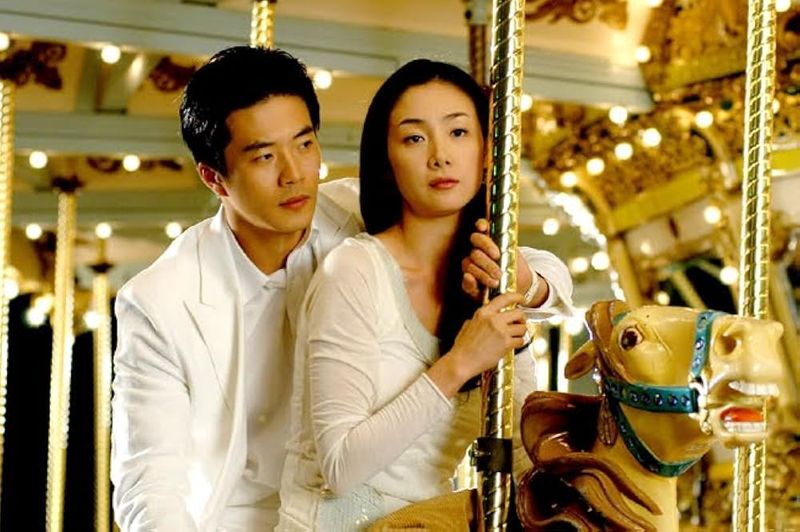
Few dramas have wrung as many tears from viewers as this emotional rollercoaster.
The story begins with childhood sweethearts torn apart by family betrayal and cruel schemes.
Years later, they reunite under tragic circumstances, with memory loss and terminal illness adding layers of heartbreak.
Every episode seems designed to test how much your heart can handle.
Choi Ji-woo and Kwon Sang-woo deliver performances that feel raw and genuine, making even the most melodramatic moments believable.
The soundtrack became legendary, with songs that instantly transport fans back to specific scenes.
Yes, it’s over-the-top and packed with every possible tragedy, but that’s exactly why it remains such a beloved classic of the genre.
4. What Happened in Bali (2004)
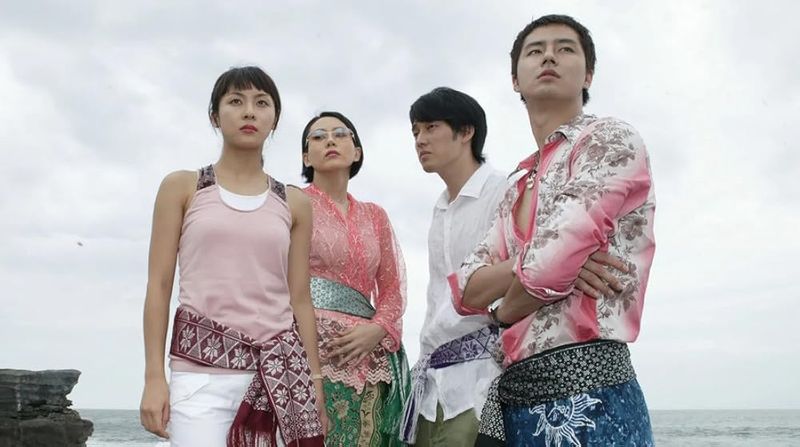
Forget fairy tales—this drama explores the messy, selfish side of love and ambition.
Four people become entangled in a web of desire, manipulation, and class struggle during a fateful trip to Bali.
Nobody here is purely good or evil; everyone makes morally questionable choices driven by desperation and passion.
The show refuses to offer easy answers or comfortable resolutions.
Ha Ji-won, Jo In-sung, So Ji-sub, and Park Ye-jin create electric chemistry that crackles with tension in every scene.
The ending shocked audiences and sparked debates that continue today.
This isn’t a drama you watch for comfort—it’s dark, intense, and unflinching.
But its willingness to explore human flaws makes it unforgettable and surprisingly realistic.
5. I’m Sorry, I Love You (2004)
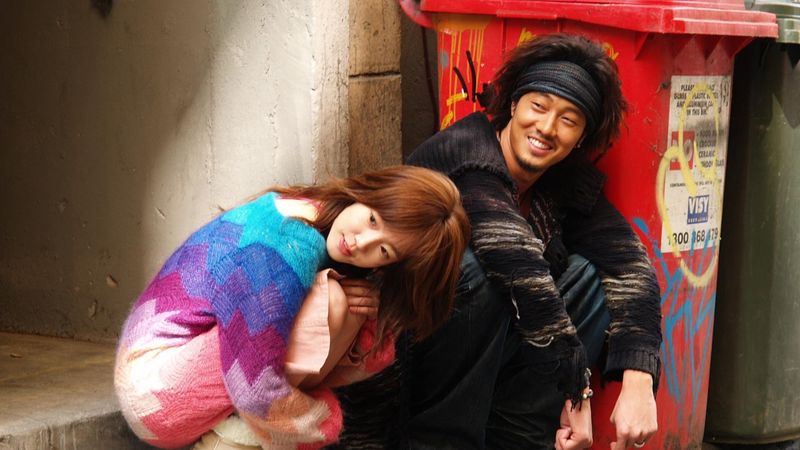
Grab tissues before starting this one—seriously.
So Ji-sub plays Cha Moo-hyuk, a man abandoned as a child who returns to Korea from Australia seeking revenge against his birth mother.
Instead, he falls desperately in love with a kind-hearted woman while battling a terminal brain condition.
The combination of romance, family trauma, and impending death creates devastating emotional weight.
What makes this drama special is how it handles pain and forgiveness.
Moo-hyuk’s journey from bitterness to love feels authentic, never rushed or manipulative.
The supporting cast adds depth, particularly the complicated mother-son relationship.
Many consider this one of the saddest K-dramas ever made, and they’re not exaggerating.
It’s beautiful, heartbreaking, and absolutely worth the emotional investment.
6. Full House (2004)
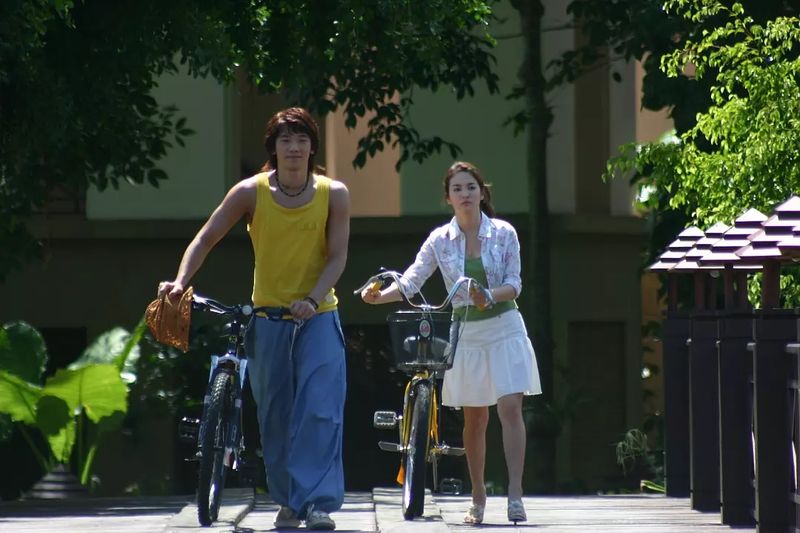
Picture this: you wake up to discover your friends sold your house while you were on vacation.
Even worse, a famous actor now owns it. That’s how aspiring writer Han Ji-eun’s chaotic journey begins.
She ends up in a fake marriage with arrogant celebrity Lee Young-jae, and naturally, real feelings develop.
The premise sounds ridiculous because it absolutely is—and that’s the charm.
Rain and Song Hye-kyo have the kind of bickering chemistry that makes every scene entertaining.
Their constant arguments gradually soften into something genuinely sweet.
The drama popularized the fake-relationship trope and helped both leads become international stars.
It’s light, fun, and endlessly rewatchable, offering pure escapist entertainment without demanding too much emotional investment from viewers.
7. My Lovely Sam Soon (2005)
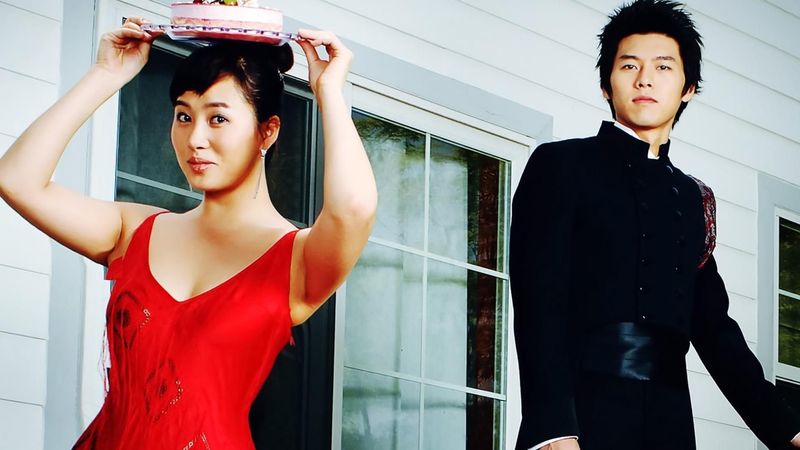
Kim Sam-soon broke the mold for female K-drama leads.
She’s not a delicate flower—she’s a talented pastry chef who’s overweight by Korean standards, unlucky in love, and refreshingly honest about her flaws.
When she catches her boyfriend cheating, she doesn’t quietly suffer. Instead, she moves forward, taking a job at a fancy restaurant owned by a younger, handsome man with his own emotional baggage.
Kim Sun-ah’s performance earned massive praise for bringing humor and vulnerability to a character who felt genuinely real.
The romance develops naturally, without requiring Sam-soon to change who she is.
This drama challenged Korean beauty standards and proved audiences were hungry for relatable, imperfect heroines.
It remains a landmark in K-drama history for its progressive approach.
8. Goong (Princess Hours) (2006)
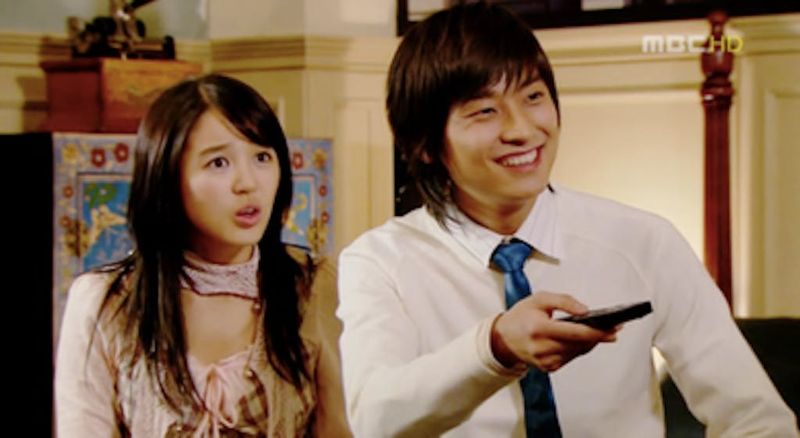
What if Korea still had a royal family, and ordinary high school student Chae-kyung suddenly had to marry the crown prince?
Goong explores this fantasy with palace politics, teenage romance, and absolutely iconic early-2000s fashion.
The arranged marriage between Chae-kyung and the cold Prince Shin creates friction, especially when his warm cousin Yul enters the picture.
Royal duty clashes with personal desire throughout.
Yoon Eun-hye and Joo Ji-hoon made this drama a sensation, particularly among younger viewers.
The palace settings are gorgeous, and the costumes mix traditional hanbok with modern royal formalwear in memorable ways.
While the love triangle can be frustrating, the show balances humor and drama effectively.
It’s pure wish-fulfillment fantasy, and sometimes that’s exactly what you need.
9. Coffee Prince (2007)
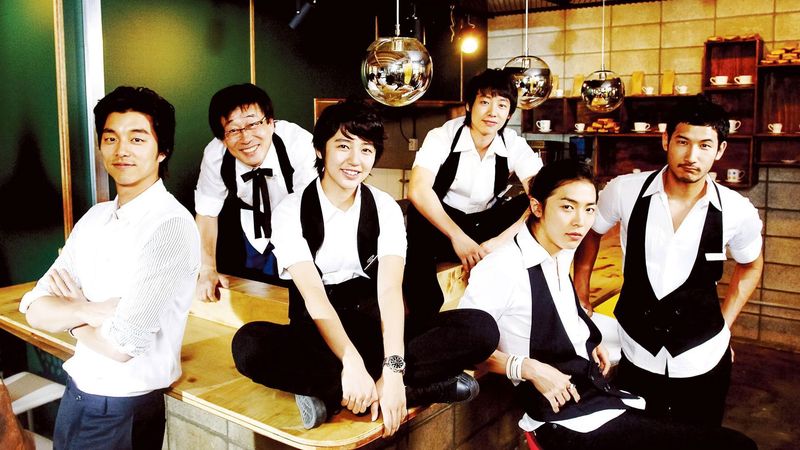
Go Eun-chan needs money, so she lets people assume she’s male to get better-paying jobs.
Choi Han-kyul, a wealthy playboy forced to manage a coffee shop, hires her thinking she’s a guy.
Then he starts developing confusing feelings for his supposed male employee.
The show handles this identity crisis with surprising sensitivity, exploring sexuality and attraction in ways Korean dramas rarely attempted at the time.
Gong Yoo and Yoon Eun-hye create chemistry that feels completely natural and earned.
The slow-burn romance rewards patient viewers with genuinely swoon-worthy moments.
Beyond the romance, the coffee shop crew becomes a found family that adds warmth to every episode.
Coffee Prince influenced countless dramas that followed, proving rom-coms could tackle meaningful themes while remaining thoroughly entertaining.
10. Iljimae (2008)
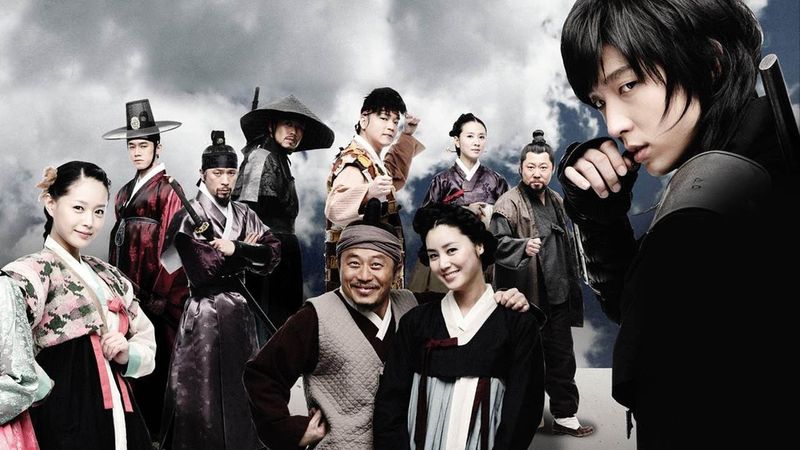
Think Robin Hood meets Korean historical action, and you’ll understand Iljimae’s appeal.
Lee Joon-gi plays a skilled thief who steals from corrupt nobles to help the poor, leaving behind a single plum blossom as his calling card.
Behind the heroics lies a tragic backstory involving murdered parents and stolen identity.
The action sequences showcase impressive choreography and athleticism.
What sets this apart from typical action dramas is its emotional depth.
Iljimae struggles with revenge, justice, and the cost of his double life.
Lee Joon-gi brings both physical grace and emotional vulnerability to the role.
The romance adds sweetness without overwhelming the main plot.
Gorgeous cinematography and a compelling soundtrack enhance the folklore-inspired atmosphere, creating a drama that feels both epic and intimately personal.
11. Boys Over Flowers (2009)
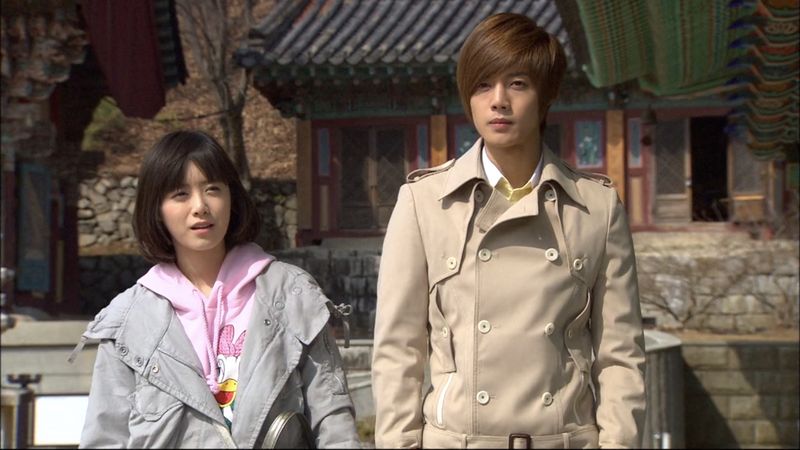
Rich boys, one ordinary girl, and a school that looks more like a luxury resort—Boys Over Flowers delivered peak teen drama fantasy.
Geum Jan-di receives a scholarship to an elite academy where F4, four wealthy students, rule with absolute power.
When she stands up to their leader, the arrogant Gu Jun-pyo, his fascination with her kicks off a chaotic romance.
Add three more potential love interests, and you’ve got maximum drama.
Lee Min-ho became a superstar thanks to his role as Jun-pyo, the rich boy learning about real emotions.
The show is absolutely ridiculous, filled with over-the-top scenarios and lavish settings.
But the chemistry works, and the Cinderella story proved irresistible to audiences worldwide.
It launched multiple careers and remains one of the most popular K-dramas internationally.
12. Queen Seondeok (2009)
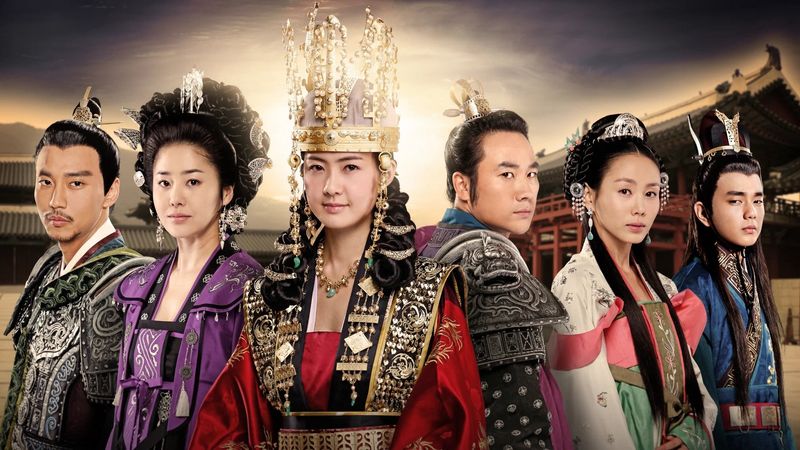
Long before women rulers became common in historical dramas, Queen Seondeok told the story of Korea’s first female monarch.
Born a princess but raised in hiding, Deokman must navigate deadly palace conspiracies to claim her throne.
The political maneuvering rivals Game of Thrones in complexity, with alliances shifting and betrayals lurking around every corner.
Lee Yo-won delivers a powerful performance showing Deokman’s transformation from naive girl to strategic leader.
The drama doesn’t shy away from showing the brutal realities of power.
Battle scenes, political debates, and personal sacrifices all receive equal attention.
Ko Hyun-jung originally played the role before Lee Yo-won took over, creating some behind-the-scenes drama.
Still, the epic scope and compelling character arcs made this a ratings phenomenon and critical success.
Comments
Loading…